Pulmonary Embolism Recovery Diet: Foods That May Help and Foods to Limit
Medical note: This article discusses foods and researched botanicals. It does not claim to prevent, treat, or cure disease. Supplements are not a substitute for food, and studied amounts are not personal prescriptions.
People searching “pulmonary embolism recovery diet foods that help or worsen” usually want kitchen habits that support healing while they stay on clinician-prescribed blood thinners—not a claim that food dissolves lung clots, replaces anticoagulants, or prevents every future clot on its own. MedlinePlus describes a pulmonary embolism (PE) as a sudden blockage in a lung artery, usually from a deep vein thrombosis (DVT) that travels to the lungs. The National Heart, Lung, and Blood Institute (NHLBI) explains PE as a type of venous thromboembolism (VTE) and stresses urgent care, prescribed blood thinners, and recovery steps that include heart-healthy eating, activity as advised, healthy weight goals, and quitting smoking.
What this pulmonary embolism recovery diet guide covers (and what it does not)
This guide is for adults recovering after a diagnosed PE who want practical eating patterns while they follow hematology, pulmonology, or primary-care instructions. Anchors: MedlinePlus — Pulmonary Embolism, NHLBI — Pulmonary Embolism (PE), NHLBI — VTE Treatment, MedlinePlus — Blood Thinners, and MedlinePlus — Taking warfarin.
NHLBI notes PE can cause life-threatening complications; recovery talk should include preventing repeat DVT, watching for pulmonary hypertension months later, Kitchen changes do not diagnose PE, choose your anticoagulant, or clear a vena cava filter decision. Related reading: diet after heart attack guide, hypertension diet guide, and pulmonary hypertension diet guide.
Evidence snapshot: PE recovery diet claims vs public sources
| Claim people hope for | What public sources actually say | Confidence |
|---|---|---|
| “A special diet dissolves lung clots” | MedlinePlus/NHLBI: medicines (anticoagulants; sometimes thrombolytics) and procedures treat clots—not culinary “clot busters” | Strong: food is supportive only |
| “You can stop blood thinners if you eat ‘clean’” | NHLBI: many people need blood thinners for months or longer; MedlinePlus: continue medicines and checkups so dosing prevents clots without excess bleeding | Strong: never self-stop anticoagulants |
| “Heart-healthy eating has no role after PE” | NHLBI recovery: choose heart-healthy foods, get physically active as advised, aim for a healthy weight, quit smoking | Strong: lifestyle is part of recovery talk |
| “Vitamin K foods are banned forever on warfarin” | MedlinePlus warfarin patient page: you do not have to avoid vitamin K foods, but keep amounts steady day-to-day and check before big diet changes | Strong for consistency, not zero vegetables |
| “Any herbal ‘blood thinner’ is safer than prescribed medicine” | MedlinePlus warfarin drug information lists herbals (including garlic, ginkgo, ginseng, St. John’s wort, and others) that may interact; bleeding risk rises with some OTC products | Strong: do not DIY anticoagulant stacks |
Foods and patterns that may help during pulmonary embolism recovery day to day
“May help” means supporting heart-healthy plates, predictable vitamin K intake if you use warfarin, and safer kitchen habits around bleeding risk—not a promise that dinner prevents another PE.
Heart-healthy defaults (NHLBI recovery)
- – NHLBI asks you to talk with your provider about choosing heart-healthy foods, getting physically active as advised, aiming for a healthy weight, and quitting smoking.
- – Practical pattern overlap with diet after heart attack guide and hypertension diet guide: more vegetables, fruit, whole grains, legumes, fish or other lean proteins, and unsaturated fats; less sodium-heavy ultra-processed food and smoking.
- – NHLBI also links untreated PE complications to pulmonary hypertension—see pulmonary hypertension diet guide if that becomes part of your follow-up.
If you take warfarin: steady vitamin K, not a vegetable ban
- – MedlinePlus “Taking warfarin”: some foods change how warfarin works; check with your provider before big diet changes. You do not have to avoid listed foods, but try small, consistent amounts rather than large swings week to week.
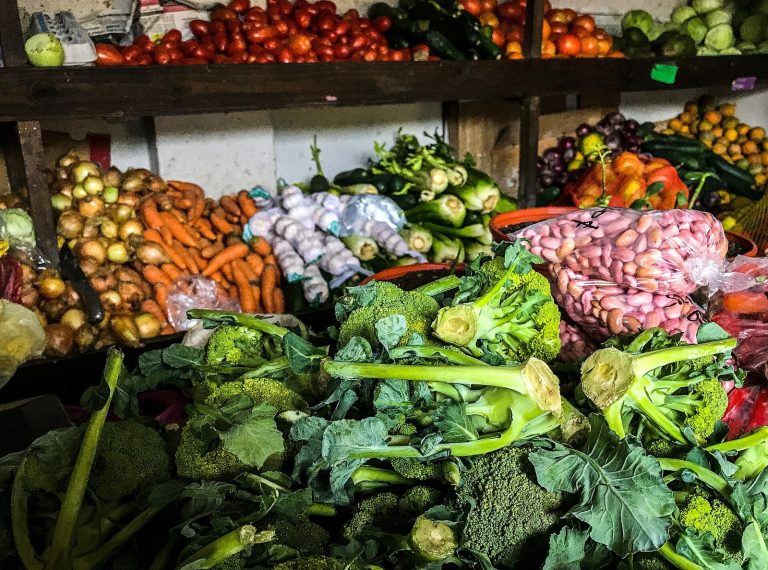
- – Foods and products the patient page flags for consistency awareness include mayonnaise and some oils (canola, olive, soybean); broccoli, Brussels sprouts, and raw green cabbage; endive, lettuce, spinach, parsley, watercress, garlic, and scallions; kale, collard, mustard, and turnip greens; cranberry juice and green tea; fish oil supplements; and herbs used in herbal teas.
- – MedlinePlus warfarin drug information: eat a healthy diet; keep consistent amounts of vitamin K–containing foods week to week; do not suddenly eat large amounts of leafy greens or certain vegetable oils high in vitamin K; ask before diet changes; discuss grapefruit products with your clinician.
If you take a DOAC or other non-warfarin anticoagulant
- – NHLBI notes conventional thinners include warfarin and heparin, and newer direct oral anticoagulants (DOACs) are also available; your clinician chooses based on history.
- – DOAC food rules differ from warfarin vitamin K rules—follow the Medication Guide for your exact drug and still tell every clinician and dentist you use a blood thinner (MedlinePlus blood thinners overview).
Bleeding-aware kitchen and home habits
- – MedlinePlus warfarin care: soft toothbrush, waxed floss, electric razor; careful with sharp objects; good lighting and fewer trip hazards; watch for unusual bleeding or bruising.
- – MedlinePlus blood thinners: bleeding is the most common side effect; call for red/brown urine, red/black stools, uncontrolled nose or gum bleeding, coffee-ground vomit, severe pain, unusual bruising, or a serious fall/head bump.
Foods and habits that often worsen PE recovery kitchen patterns
- – Stopping or skipping anticoagulants because eating feels “healthier now”—MedlinePlus prevention after PE includes continuing blood thinners and regular checkups.
- – Large, sudden swings in vitamin K foods or starting megadose fish oil/herbal teas while on warfarin without clinician guidance.
- – Alcohol, which MedlinePlus warfarin patient instructions say not to drink while taking warfarin; drug information also asks you to discuss alcohol safely with your doctor.
- – Stacking aspirin, NSAIDs, or “natural blood thinner” supplements without asking—MedlinePlus notes interactions and higher bleeding risk.
- – Smoking, which NHLBI lists among lifestyle changes to address in recovery and MedlinePlus warfarin information notes may decrease medication effectiveness.
- – Ultra-processed high-sodium defaults that fight blood-pressure and weight goals NHLBI ties to staying healthier after VTE.
- – Expecting diet alone to fix new shortness of breath, chest pain, coughing blood, fainting, or swelling—those need urgent medical review.
“Limit” means reducing interaction risks and clot-risk lifestyle load—not blaming salad for your INR.
Practical kitchen protocol: a pulmonary embolism recovery diet week
1. Keep the medical spine first
Confirm anticoagulant type and duration, INR schedule if on warfarin, activity clearance, compression stockings if prescribed, travel sitting plans, and emergency signs. Ask about a medical-alert ID if advised.
2. Shopping list for recovery plates
Vegetables and fruits in amounts your clinician agrees are consistent (especially if on warfarin); oats and other whole grains; beans; nuts in moderate portions; fish or poultry; olive or canola oil used steadily rather than in binge amounts; yogurt or other proteins you tolerate; water; limited packaged salty snacks.
3. Default plate template
- – Half non-starchy vegetables or salad (steady week-to-week if on warfarin)
- – Quarter protein
- – Quarter whole grains or starchy vegetables
- – Unsaturated fat used consistently
- – Fluids as advised; alcohol only if your clinician explicitly allows it for your drug
4. Sample day (illustrative)
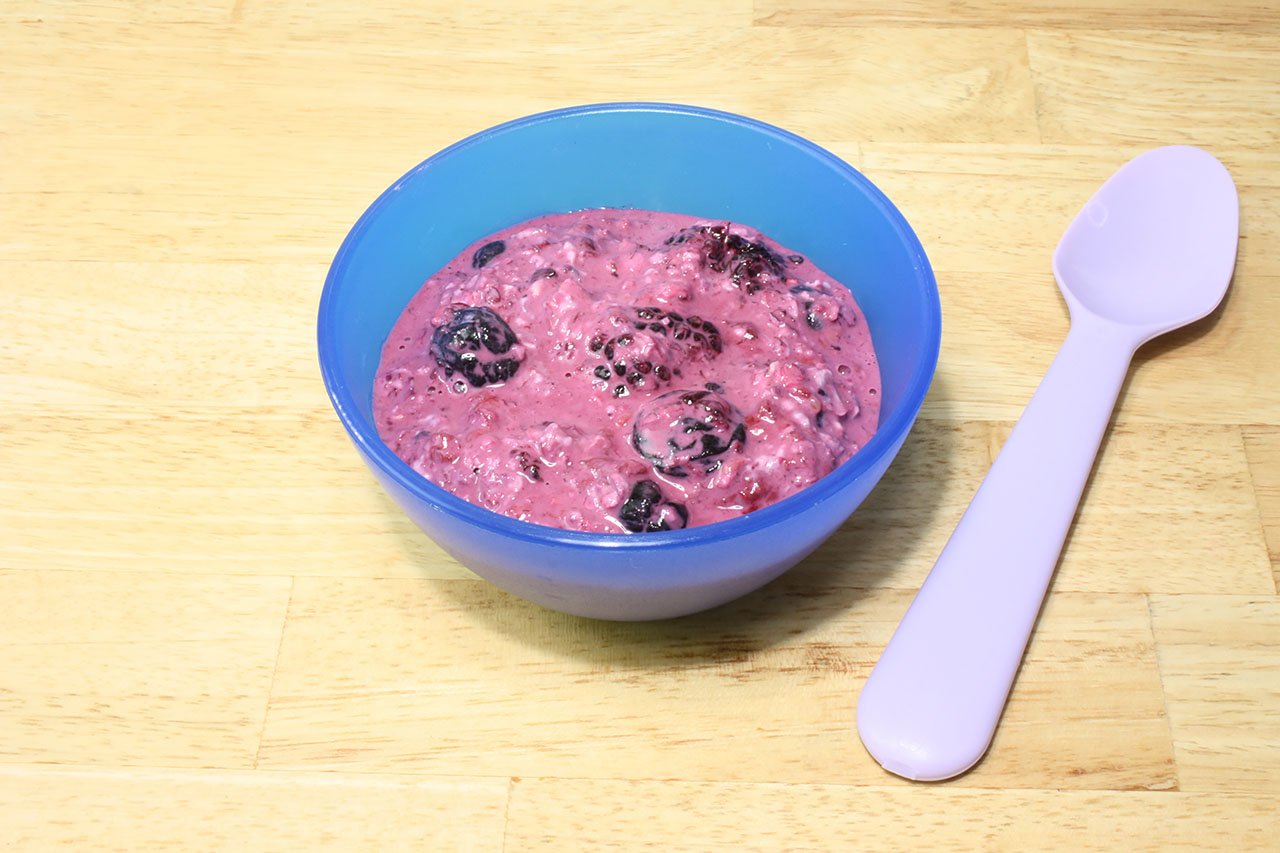
- – Breakfast: oatmeal with berries; same vegetable side pattern you use most weeks; water.
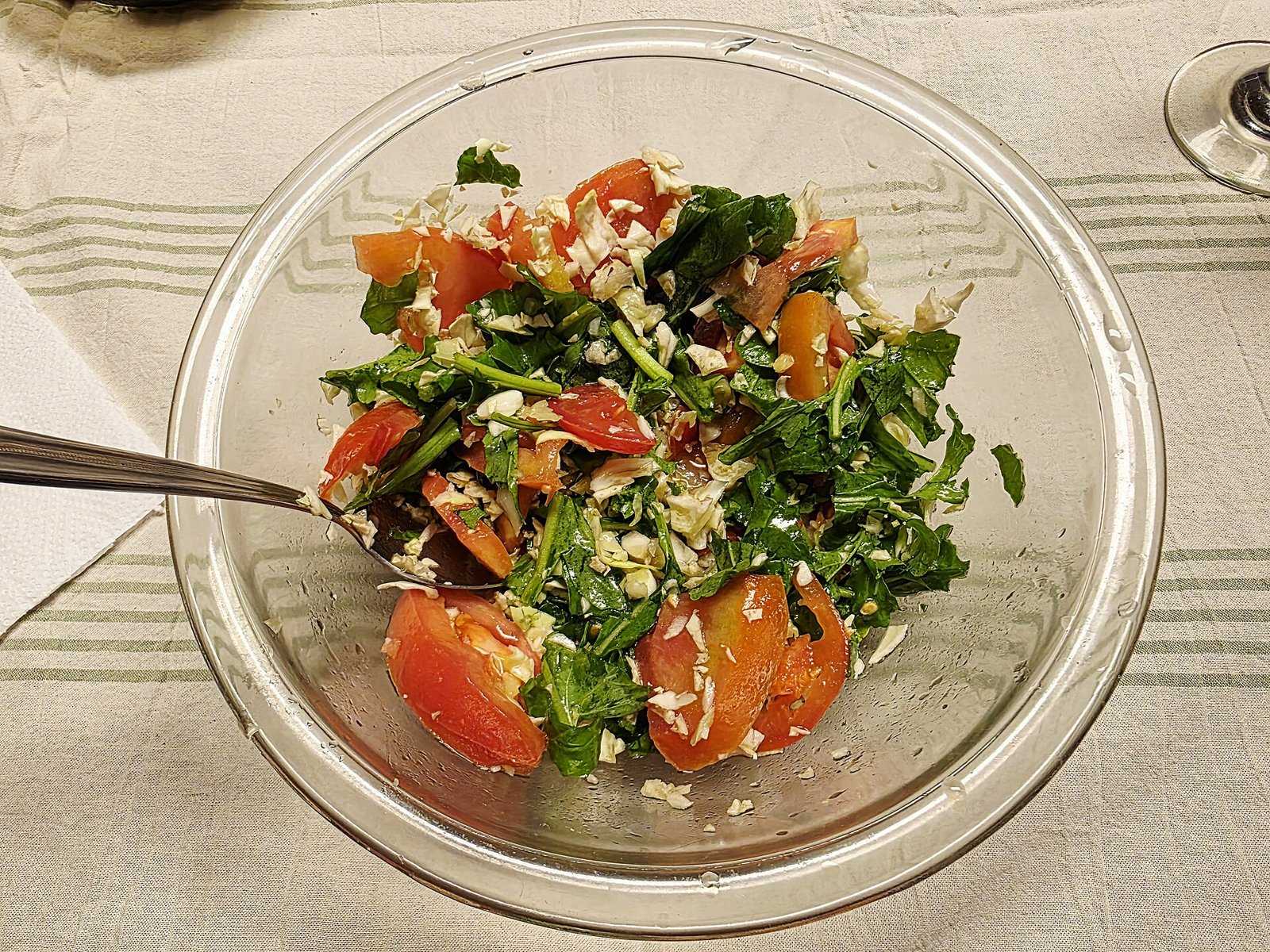
- – Lunch: grain bowl with beans or tuna, mixed greens in a usual portion, olive oil dressing you use regularly.
- – Snack: fruit and a small handful of nuts if calories fit your weight plan.
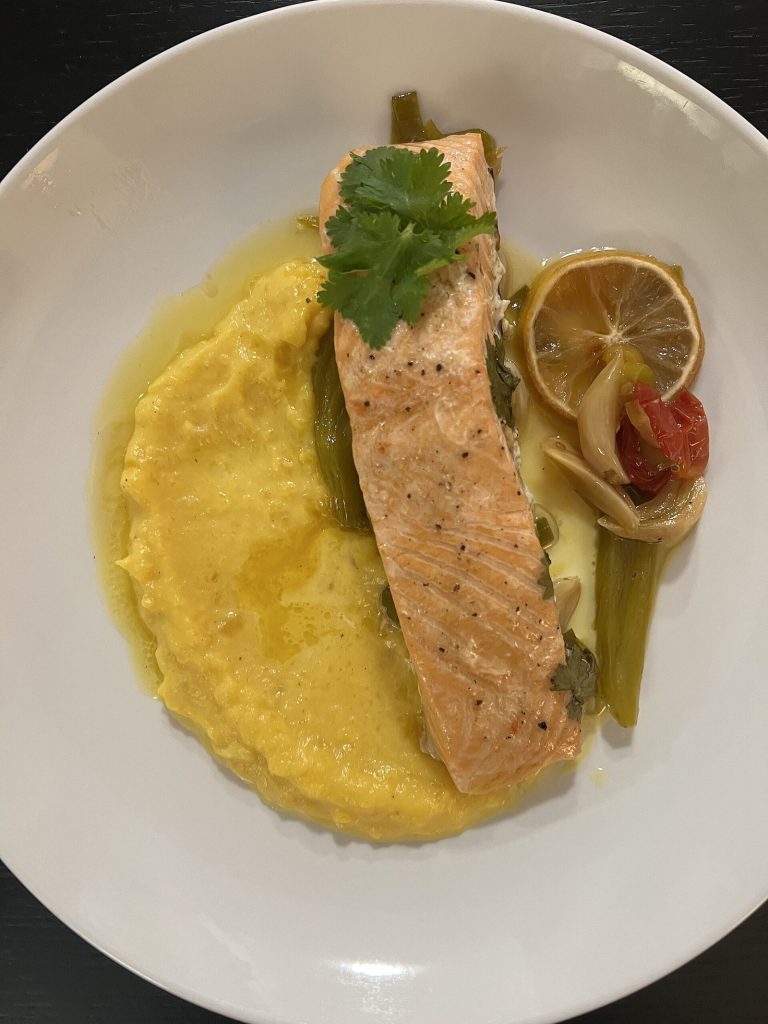
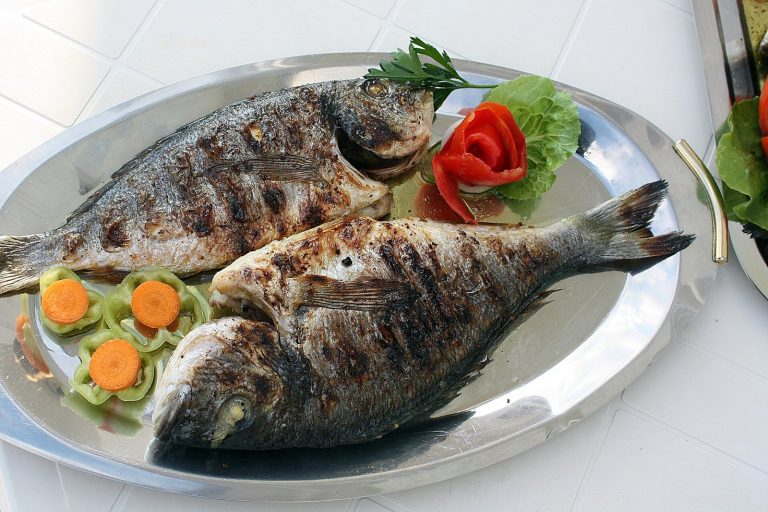
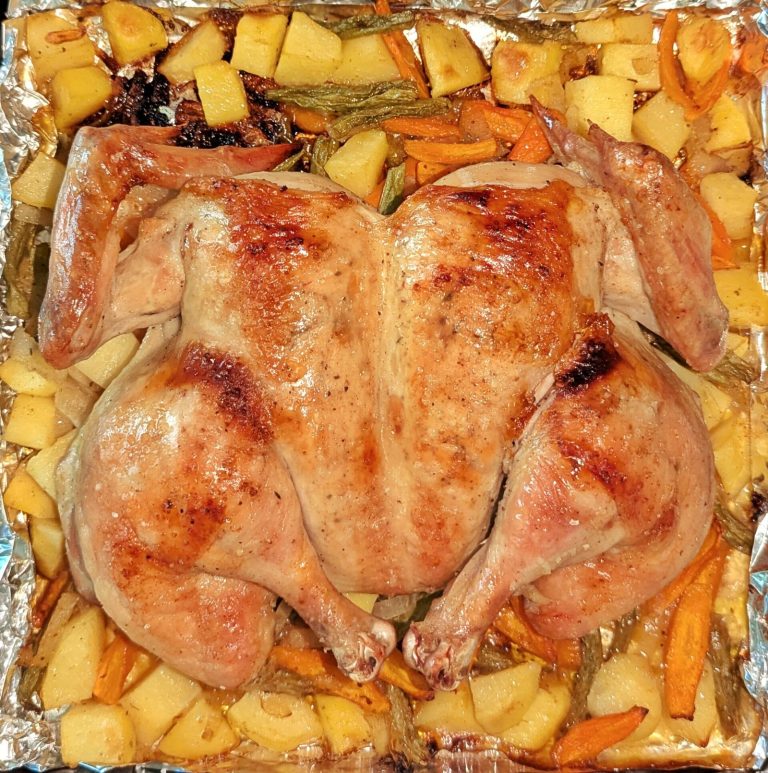
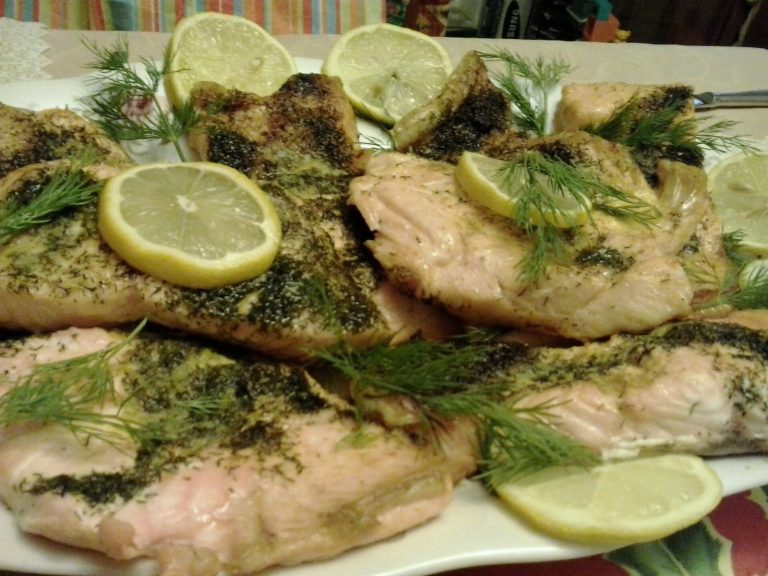
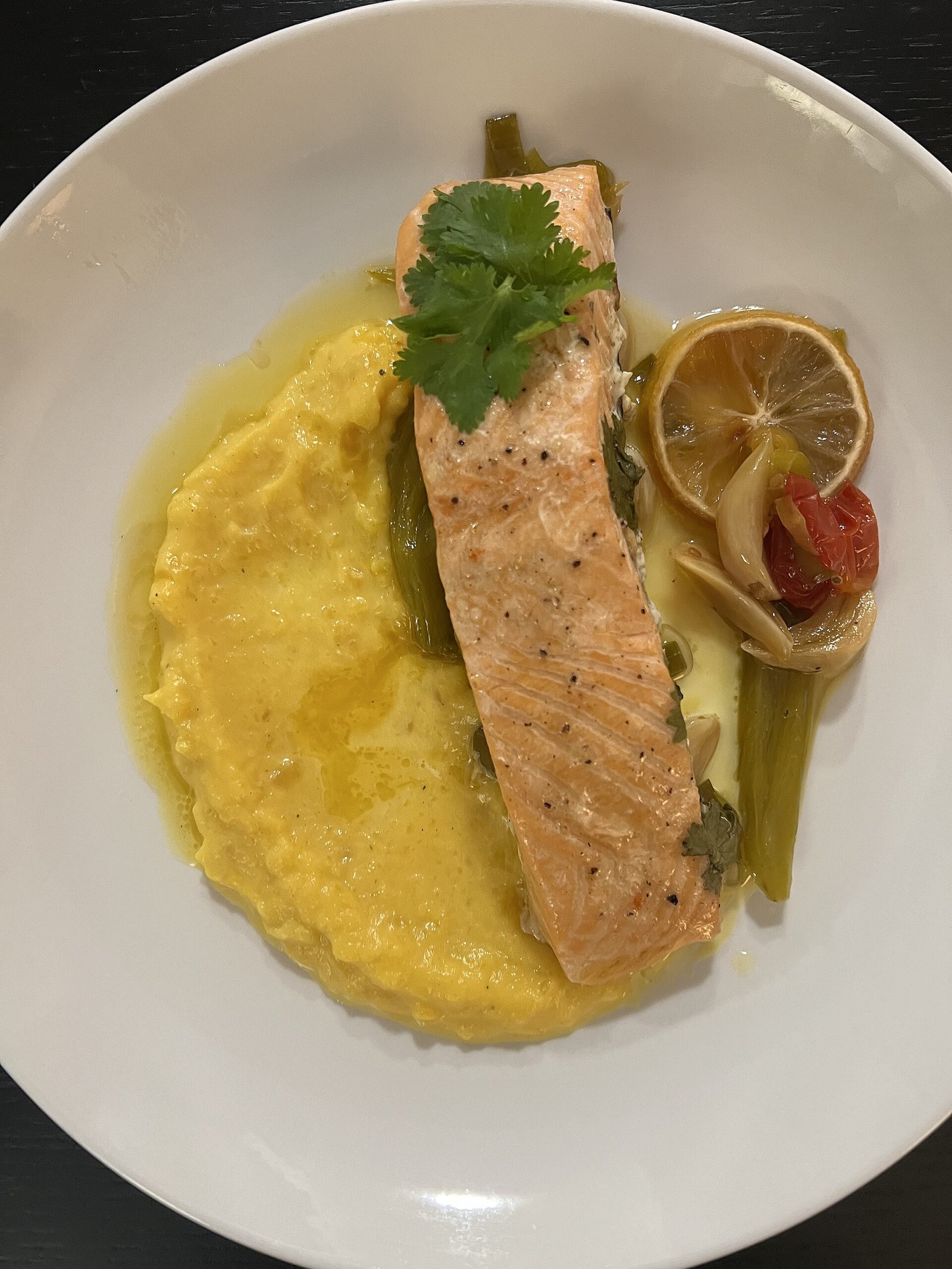
- – Dinner: grilled fish or chicken, roasted vegetables, whole grain; water.
- – Evening: no late alcohol; keep pathways clear to reduce fall risk while anticoagulated.
5. Eating out and travel
Ask for dressings on the side; choose grilled proteins and vegetables; tell servers you cannot have alcohol if that is your rule; on long trips, MedlinePlus notes moving your legs when sitting for long periods as part of PE prevention themes—pair that with packed meals so you are not forced into only ultra-salty airport food.
6. When appetite is low after illness or anxiety
NHLBI notes anxiety, fear, and stress can be common after a blood clot—reach out for support. Keep easy protein-plus-produce options ready rather than skipping meals for days, which can destabilize warfarin routines and energy for prescribed walking.
Safety, interactions, and who should ask a clinician first
- – Any anticoagulant user: do not start/stop vitamins, herbals, antibiotics, or pain medicines without checking interactions.
- – Warfarin users: keep INR appointments; call for bleeding signs listed above; ask before dental or surgical procedures.
- – Pregnancy planning or pregnancy: MedlinePlus warfarin drug information warns warfarin may harm a fetus—contact your clinician immediately.
- – New or worsening dyspnea, chest pain, coughing blood, syncope, one-sided leg swelling, or neurologic symptoms: seek urgent care—food tracking is not triage.
- – If pulmonary hypertension is suspected months after PE, follow specialty advice rather than intensifying DIY diets alone.
FAQ
Can diet cure a pulmonary embolism? No. PE needs medical treatment. Food may support heart-healthy recovery habits and safer living with anticoagulants.
Do I have to stop eating leafy greens on warfarin? MedlinePlus says you do not have to avoid them; keep amounts consistent and ask before big changes.
Are DOACs free of food rules? They are not managed like warfarin’s vitamin K consistency rules, but they still interact with other medicines and raise bleeding risk—follow your specific Medication Guide.
Does weight loss prevent another PE by itself? NHLBI includes aiming for a healthy weight among recovery lifestyle talks; it does not replace prescribed anticoagulation or clot-risk care.
What about fish oil or green tea? MedlinePlus warfarin patient instructions list fish oil supplements and green tea among items to keep consistent/small and discuss—do not megadose them to “thin blood” further.
When is shortness of breath an emergency after PE? New or worsening breathing trouble, chest pain, coughing blood, or fainting needs urgent evaluation—not a kitchen experiment.
How this differs from related OTCFood topics
This page is a PE-recovery–bound diet guide focused on anticoagulant-aware kitchens and NHLBI heart-healthy recovery themes. It is not a pulmonary hypertension protocol and not a substitute for clotting-disorder specialty care. See also diet after heart attack guide and hypertension diet guide for broader cardiometabolic patterns.
Medical disclaimer
Medical disclaimer: This article is for general information only. It is not medical advice, diagnosis, or a treatment plan. Care after pulmonary embolism depends on clot burden, bleeding risk, anticoagulant choice, cancer or thrombophilia workups, pregnancy status, and your clinician’s judgment. Talk with a clinician or registered dietitian before starting, stopping, or changing any eating plan, supplement, or medicine. Seek urgent care for chest pain, severe shortness of breath, coughing blood, fainting, uncontrolled bleeding, or a significant head injury while anticoagulated.