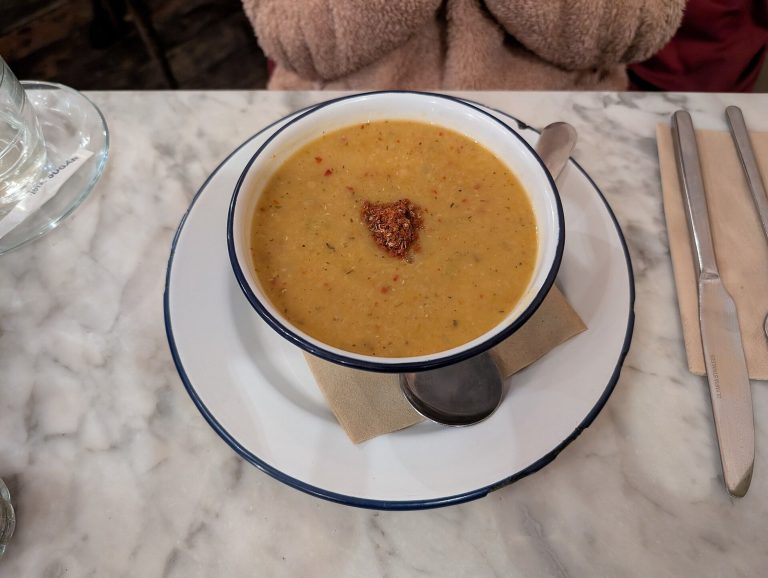
Osteomalacia Diet: Foods That May Help and Foods to Limit
Medical note: This article discusses foods and researched botanicals. It does not claim to prevent, treat, or cure disease. Supplements are not a substitute for food, and studied amounts are not personal prescriptions.
People searching “osteomalacia diet foods that help or worsen” usually want a vitamin D– and calcium-aware eating pattern for soft bones—not a claim that food alone replaces diagnosis, prescription-strength supplements, or treatment of the underlying cause. MedlinePlus defines osteomalacia as softening of the bones, most often from a problem that leads to vitamin D deficiency. Vitamin D helps the body absorb calcium, which bones need for strength and hardness. In children, the related condition is rickets. ODS likewise states that vitamin D deficiency causes osteomalacia in teens and adults, with bone pain and muscle weakness. Kitchen patterns may help you get vitamin D and calcium from food; they do not replace a clinician’s plan, and high-dose supplements belong under clinician care.
What this osteomalacia diet guide covers (and what it does not)
This guide is for adults who want food sources and safety limits public nutrient pages describe, used alongside medical treatment of osteomalacia. It is not an osteoporosis-only guide, though the two can look similar on bone-density testing. Anchors: MedlinePlus — Osteomalacia, MedlinePlus — Vitamin D Deficiency, ODS — Vitamin D (Consumer), ODS — Calcium (Consumer), and NIAMS — Osteoporosis. Mayo Clinic osteomalacia pages were not reachable, so this article uses these MedlinePlus, ODS, and NIAMS pages instead.
MedlinePlus lists low sun exposure, dark skin, strong sunscreen, indoor work, covering most of the skin, lactose intolerance, not eating milk products, vegetarian patterns, poor absorption (including after gastric bypass or with gastrointestinal disease), kidney or liver disease, low phosphate, and some seizure medicines among risk-related situations. Related reading: vitamin D deficiency diet guide, calcium deficiency diet guide, osteoporosis diet guide, and lactose intolerance diet guide.
Evidence snapshot: osteomalacia diet claims vs public sources
| Claim people hope for | What public sources actually say | Confidence |
|---|---|---|
| “Food alone always corrects osteomalacia” | MedlinePlus: treatment may involve vitamin D, calcium, and phosphorus supplements; people with poor absorption may need larger doses. Healing should happen within 6 months with treatment, though symptoms can return | Strong that clinician-directed treatment, not food alone, is the described plan |
| “Vitamin D and calcium foods still matter” | MedlinePlus: a diet rich in vitamin D and calcium, plus sufficient sunlight, can help prevent osteomalacia due to vitamin D deficiency. ODS lists food sources and recommended amounts | Strong as a food-first pattern; not a substitute for prescribed doses |
| “Osteomalacia is just another name for osteoporosis” | MedlinePlus: osteomalacia is bone softening. NIAMS: osteoporosis thins and weakens bones, making them more likely to break. ODS: severe vitamin D deficiency causes osteomalacia; long-term shortages contribute to osteoporosis. Bone-density testing can make osteomalacia look like osteoporosis | Strong that they are related but not the same |
| “High-dose vitamin D from the supplement aisle is automatically safe” | ODS: too much vitamin D can be harmful; very high blood levels are almost always from excessive supplements, not sunshine. Adult upper limit from all sources is 100 mcg (4,000 IU), though a clinician may recommend more for a time to treat deficiency | Strong that high doses belong under clinician care |
| “More calcium is always better” | ODS upper limits: 2,500 mg/day for adults 19–50 and 2,000 mg/day for adults 51 and older, from all sources. Calcium supplements can cause gas, bloating, or constipation and can interact with some medicines | Strong that more is not automatically better |
Foods and patterns that may help with osteomalacia
Everyday patterns often recommended
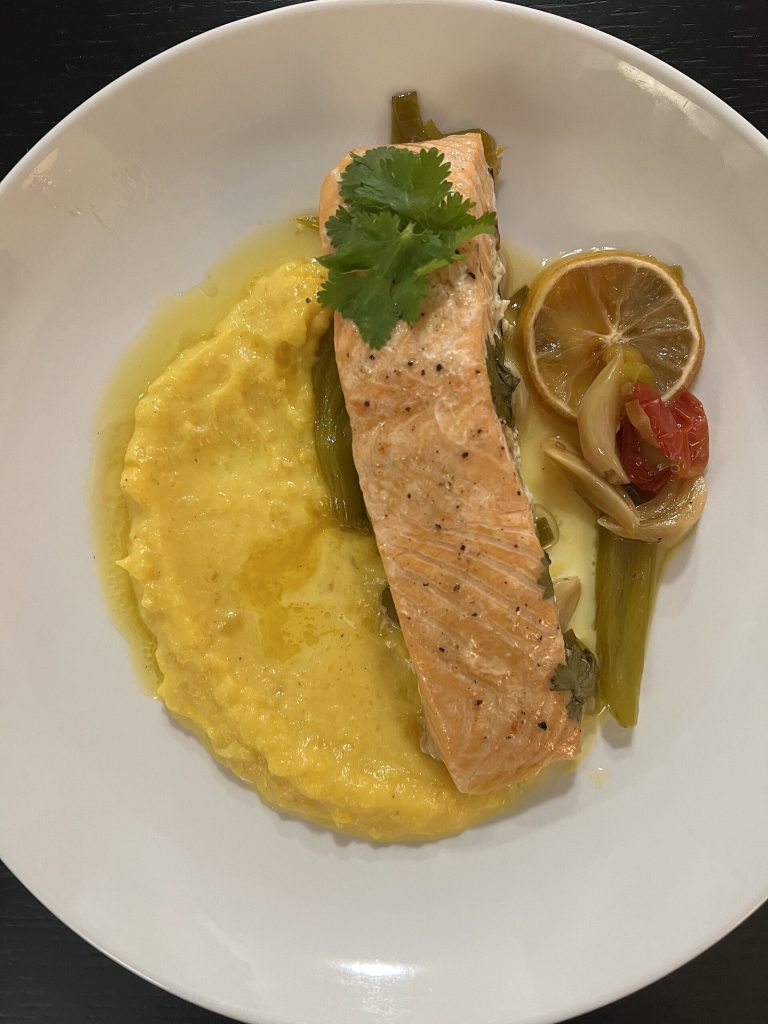
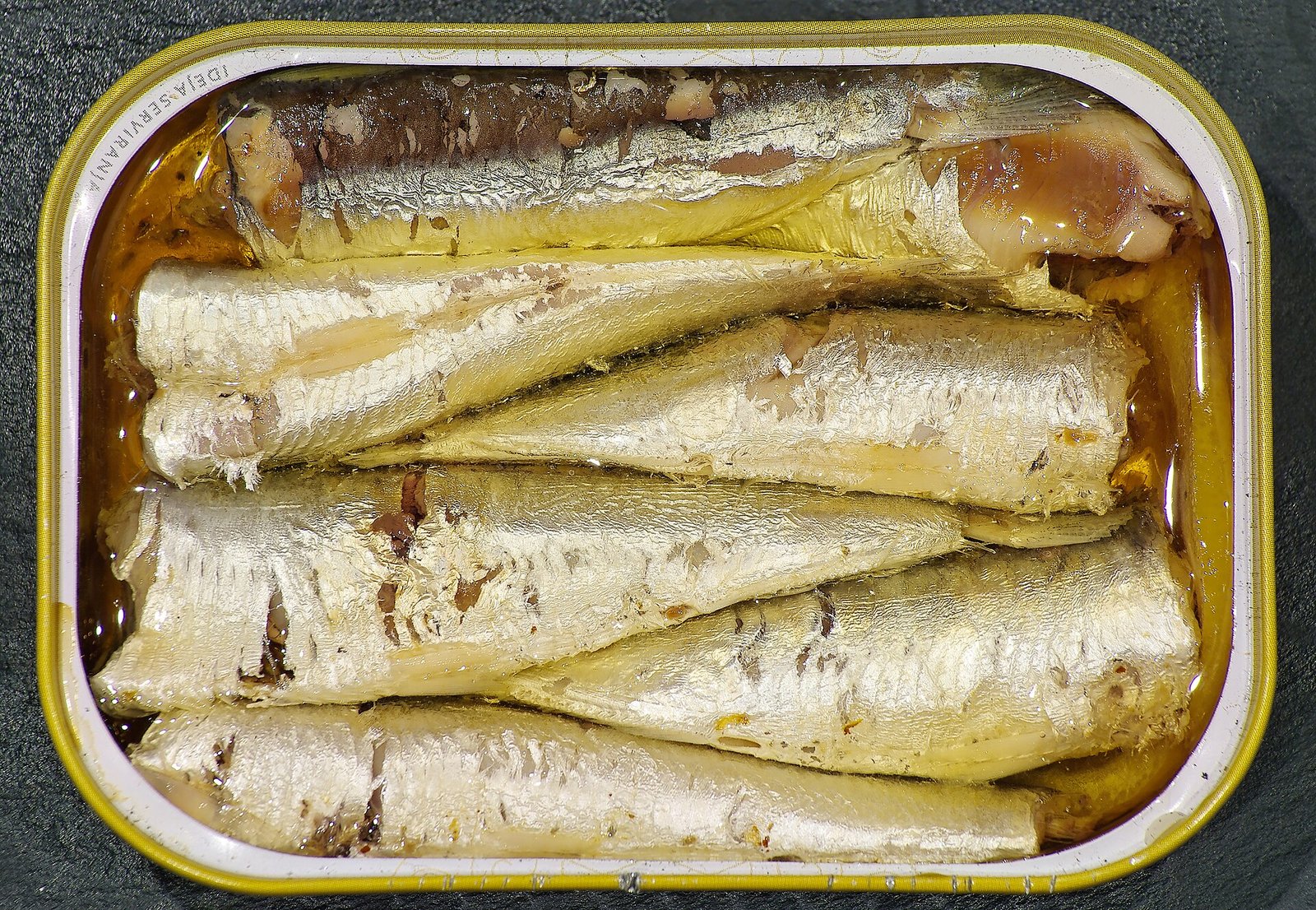
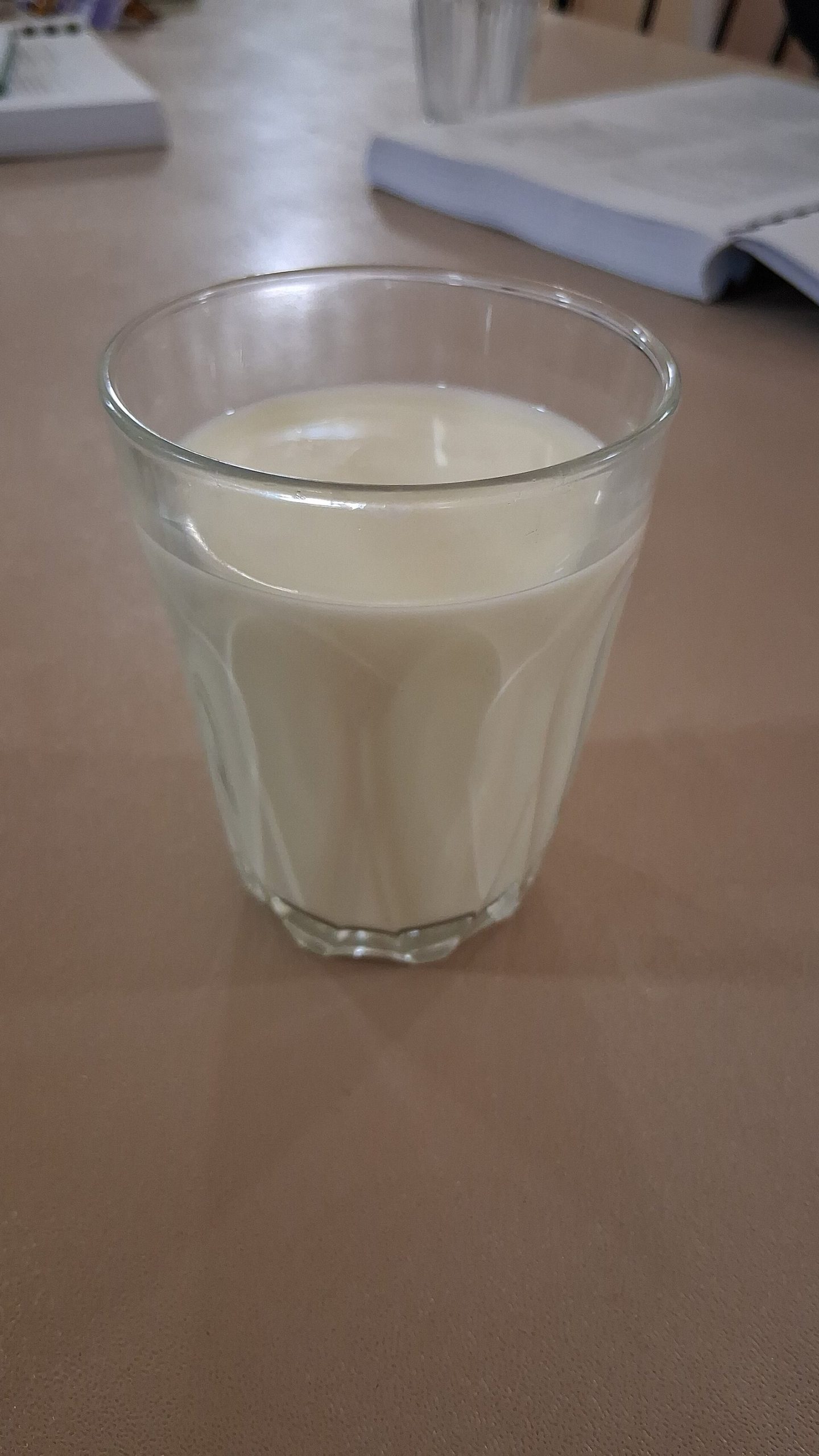
- – Vitamin D–containing and fortified foods. ODS: very few foods naturally contain vitamin D; fortified foods provide most of it in U.S. diets. Fatty fish (trout, salmon, tuna, and mackerel) and fish liver oils are among the best natural sources. Almost all U.S. milk is fortified with about 3 mcg (120 IU) per cup; many plant-based alternatives are similarly fortified, but cheese and ice cream usually are not. Vitamin D is added to many cereals and to some juices and yogurts. Egg yolks and cheese have small amounts; some UV-exposed mushrooms provide a little.
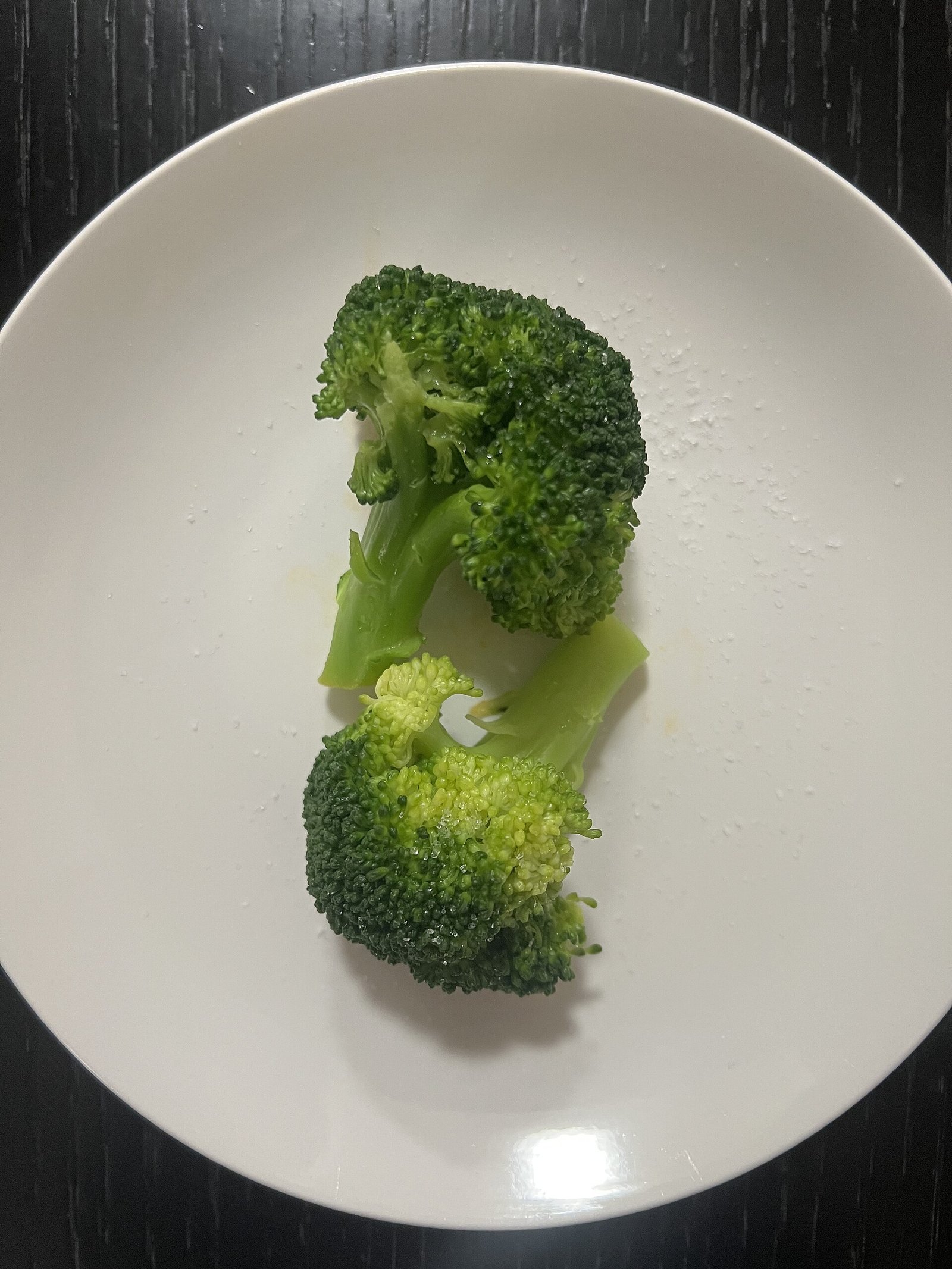
- – Calcium-containing foods. ODS: milk, yogurt, and cheese are the main sources for most people in the United States. Canned sardines and salmon with bones contain calcium, as do kale, broccoli, and bok choy. Some juices, milk substitutes, tofu, and cereals are fortified—check labels.
- – Recommended daily amounts as a baseline, not a self-prescribed megadose. ODS vitamin D: 15 mcg (600 IU) for ages 1–70, and 20 mcg (800 IU) for adults 71 and older. ODS calcium: 1,000 mg for most adults 19–50; 1,000 mg for men 51–70 and 1,200 mg for women 51–70; 1,200 mg for adults 71 and older.
- – Sunlight only with skin-cancer caution. Skin can make vitamin D from sun, but ODS states that ultraviolet radiation can cause skin cancer and recommends sunscreen (SPF 15 or more) when you are out more than a few minutes. You cannot get too much vitamin D from sunshine because the skin limits production.
Ask your clinician how food, any prescribed supplement, and lab monitoring fit together. MedlinePlus lists blood tests for vitamin D, calcium, phosphate, and related markers among evaluations.
Foods and habits that often worsen osteomalacia risk
- – Chronically low intakes of vitamin D and calcium, especially with little sun exposure, as MedlinePlus describes.
- – Self-starting very high-dose vitamin D or calcium. ODS warns that excess vitamin D can cause nausea, vomiting, muscle weakness, confusion, pain, loss of appetite, dehydration, excessive urination and thirst, and kidney stones; extremely high levels can cause kidney failure, irregular heartbeat, and even death.
- – Ignoring malabsorption or surgery that reduces absorption. MedlinePlus and ODS flag gastric bypass and conditions such as celiac disease, Crohn’s disease, and ulcerative colitis. See diet after gastric bypass guide, celiac disease diet guide, and Crohn’s disease diet guide.
- – Using osteomalacia and osteoporosis plans interchangeably without a diagnosis. Treatment and monitoring differ; get the condition named first.
Practical kitchen protocol: an osteomalacia-aware week
1. Keep medical treatment in parallel
MedlinePlus: people who cannot absorb nutrients well may need larger doses, and some people need regular blood tests. Food supports the plan; it does not set the dose. Do not stop a prescribed supplement because you ate salmon once.
2. Shopping list for vitamin D and calcium foods
Fortified milk or a fortified plant drink; yogurt that lists vitamin D or calcium; canned salmon or sardines with bones; fatty fish; eggs; fortified cereal; kale, bok choy, or broccoli; and mushrooms. If you avoid dairy, rely on fortified drinks and canned fish with bones, and ask about supplements.
3. Default drink-and-meal template
- – Include a vitamin D– or calcium-containing food at most meals, unless your clinician has limited dairy or calcium for another reason.
- – Use the Nutrition Facts label; ODS recommends checking it for vitamin D. If a supplement is prescribed, ask whether to take vitamin D with a meal that includes some fat and whether to split calcium doses (ODS: calcium is absorbed best at 500 mg or less at one time). Do not stack extra high-dose products on a prescribed regimen.
4. Sample day (illustrative)
- – Breakfast: fortified cereal with fortified milk or a plant drink, or eggs with fortified yogurt.
- – Lunch: a salmon salad, or a bean-and-greens bowl plus a fortified beverage.
- – Afternoon: yogurt or a fortified drink if you need a snack.
- – Dinner: trout or salmon, or eggs and vegetables, with broccoli or kale.
- – Evening: only the supplement dose your clinician prescribed.
5. If you also have osteoporosis, kidney disease, or improving labs
NIAMS describes osteoporosis as a separate bone-thinning disease; it can coexist with, or be confused with, osteomalacia on testing. Kidney or liver disease can change how vitamin D is handled. See osteoporosis diet guide. MedlinePlus: some people get better within a few weeks, and healing should happen within 6 months with treatment, but symptoms can return. Only change supplement doses with your clinician.
Safety, interactions, and who should ask a clinician first
- – Symptoms such as bone pain (especially in the hips), muscle weakness, fractures after little injury, numbness around the mouth or in the limbs, or hand or foot spasms: contact a clinician (MedlinePlus).
- – ODS vitamin D interactions include orlistat, some statins, steroids such as prednisone, and thiazide diuretics. ODS calcium interactions include dolutegravir, levothyroxine, lithium, and some quinolone antibiotics—timing matters.
- – Breastfed infants need a separate plan; ODS and MedlinePlus describe 10 mcg (400 IU) daily because breast milk alone does not provide enough. That infant advice is not an adult osteomalacia protocol.
- – Do not use this page to replace prescribed treatment or to ignore kidney, liver, or parathyroid disease.
FAQ
Is osteomalacia the same as osteoporosis? No. MedlinePlus describes osteomalacia as softening of the bones, usually from vitamin D deficiency. NIAMS describes osteoporosis as thinning and weakening of bone that makes breaks more likely. They can look similar on a bone-density test.
Can I fix this with fortified milk and sunlight only? Food and cautious sun exposure may help prevent deficiency, but MedlinePlus describes supplement treatment—and sometimes larger doses when absorption is poor.
How much vitamin D is too much if I also take a supplement? ODS lists 100 mcg (4,000 IU) per day from all sources as the adult upper limit, unless a clinician recommends more for a time to treat deficiency.
I cannot digest milk. How do I get calcium? ODS lists lactose-free dairy, canned fish with bones, kale, broccoli, bok choy, fortified plant drinks and cereals, tofu, and supplements when needed. See lactose intolerance diet guide.
When should I see a clinician? See a clinician if you have symptoms of osteomalacia, malabsorption or gastric bypass, or you are considering a high-dose supplement. Seek care sooner for a new fracture, severe bone pain, walking difficulty from weakness, or numbness and spasms that could signal low calcium.
How this differs from related OTCFood topics
This page is an osteomalacia-bound diet guide focused on vitamin D and calcium foods, ODS ranges, and clinician-supervised supplements. It is not an osteoporosis-only guide or a license for unsupervised megadoses.
Medical disclaimer
Medical disclaimer: This article is for general information only. It is not medical advice, diagnosis, or a treatment plan. Osteomalacia care depends on vitamin D, calcium, and phosphate levels, kidney and liver function, medicines, and your clinician’s judgment. Talk with a clinician before changing an eating plan or supplement. Seek urgent care for a new fracture, severe bone pain, weakness with falls, confusion, irregular heartbeat, or tetany-like spasms.