Erectile Dysfunction Diet: Foods That May Help and Foods to Limit
Medical note: This article discusses foods and researched botanicals. It does not claim to prevent, treat, or cure disease. Supplements are not a substitute for food, and studied amounts are not personal prescriptions.
People searching “erectile dysfunction diet foods that help or worsen” usually want a heart-healthy eating pattern that supports blood flow—not a claim that food cures erectile dysfunction (ED), replaces prescription medicines, or works like an online “male enhancement” pill. NIDDK defines ED as a condition that prevents you from getting or keeping an erection firm enough for sex (sometimes still called impotence). Mayo Clinic notes that occasional erection trouble is common, but ongoing ED can cause stress, affect self-confidence, and signal a health condition that needs care; it can also be a risk factor for heart disease. Kitchen changes may help as part of a broader plan; they do not replace evaluation of blood vessels, nerves, hormones, medicines, or mental health.
What this erectile dysfunction diet guide covers (and what it does not)
This guide is for adults with clinician-recognized ED who want practical food patterns alongside medical care. Anchors: MedlinePlus — Erectile Dysfunction, NIDDK — Erectile Dysfunction (including its Eating, Diet, & Nutrition section), and Mayo Clinic — Erectile dysfunction.
NIDDK reports that research suggests 30 million to 50 million men in the United States have ED; about 40% of men are affected at age 40 and 70% report ED by age 70—yet ED is not a routine part of aging (Mayo Clinic agrees). Common physical contributors listed by Mayo Clinic and NIDDK include heart disease, atherosclerosis, high cholesterol, high blood pressure, diabetes, obesity, and smoking. Related reading: atherosclerosis diet guide, high blood pressure diet guide, type 2 diabetes diet guide, coronary artery disease diet guide, and obesity diet guide.
Evidence snapshot: ED diet claims vs public sources
| Claim people hope for | What public sources actually say | Confidence |
|---|---|---|
| “One superfood reverses ED overnight” | NIDDK: a healthy diet can lower risk of developing ED and improve symptoms; no single food is presented as a cure | Strong against food-as-cure |
| “A Mediterranean-style pattern does not matter” | NIDDK: studies have shown certain diets—such as the Mediterranean diet—help decrease the chance of getting ED | Moderate supportive pattern evidence, as reported by NIDDK |
| “Alcohol and smoking do not matter if you take a pill” | NIDDK lists smoking and drinking too much alcohol among lifestyle contributors and suggests quitting smoking and limiting or stopping alcohol. Mayo Clinic lists tobacco use and overuse of alcohol among physical causes | Strong that these habits raise risk |
| “You can safely order ED pills or supplements online without telling your clinician” | NIDDK: do not order an ED medicine online before talking with a health care professional; medicines and supplements can interact and cause serious problems | Strong safety warning |
| “ED is only psychological, so diet never helps” | Mayo Clinic: causes can be physical, mental, or both. NIDDK treats healthy eating as one lifestyle tool among several | Strong that mixed causes are common |
Foods and patterns that may help with erectile function day to day
“May help” means supporting blood-vessel health, weight, and blood-sugar control that NIDDK and Mayo Clinic link with erection quality—not guaranteeing an erection after any meal.
A produce-forward, unsaturated-fat pattern (NIDDK)
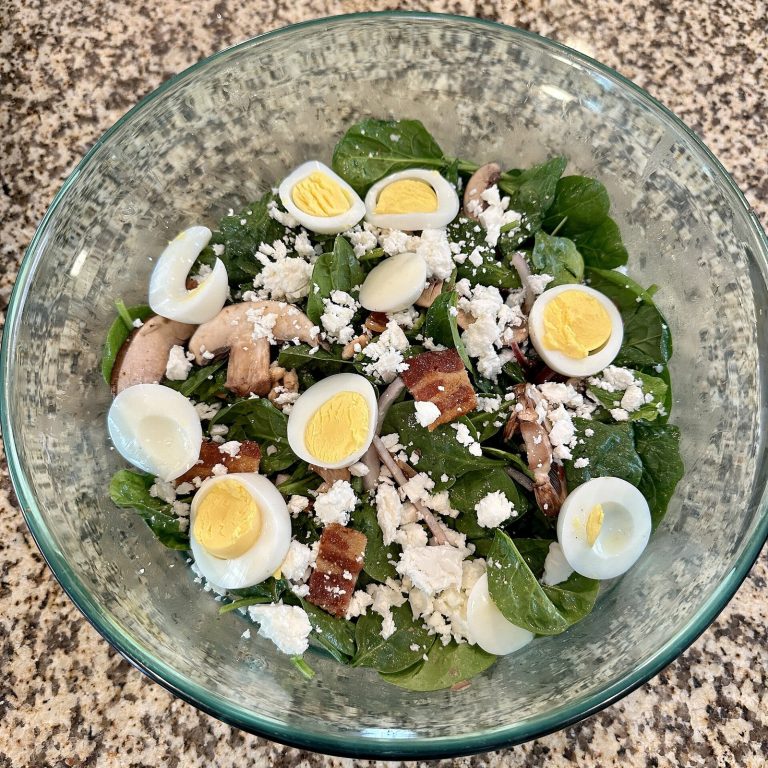
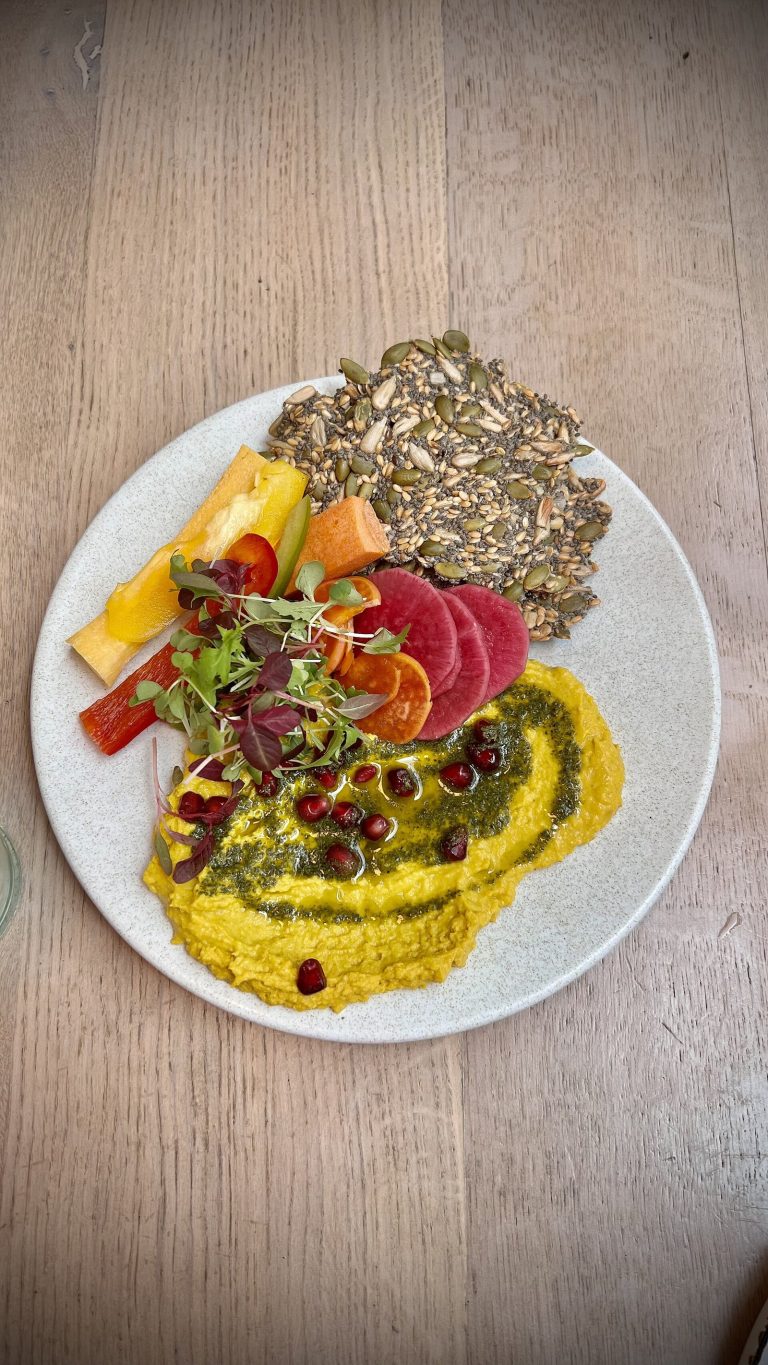
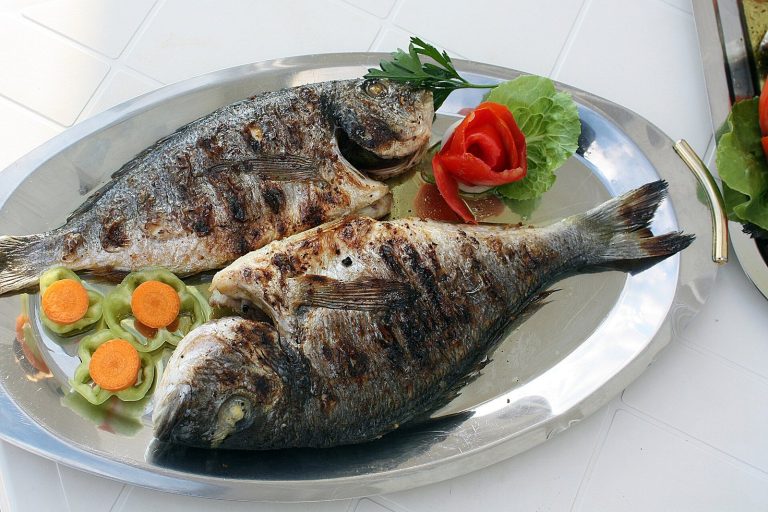
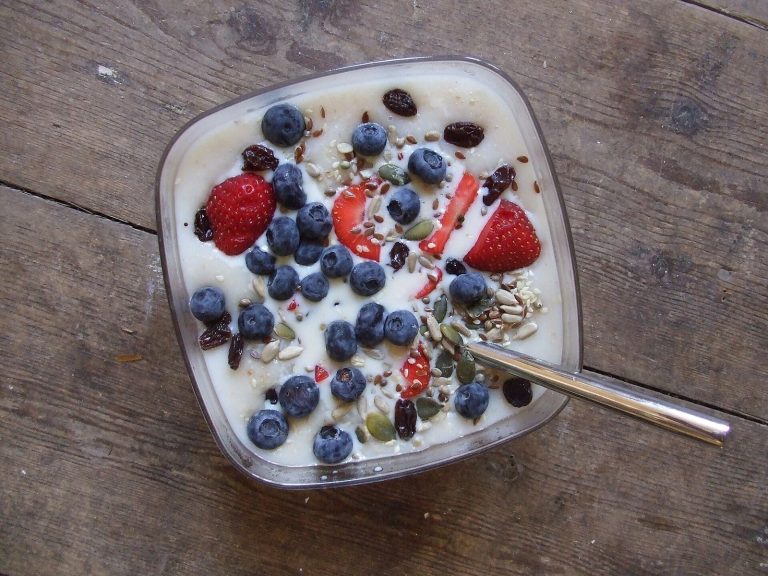
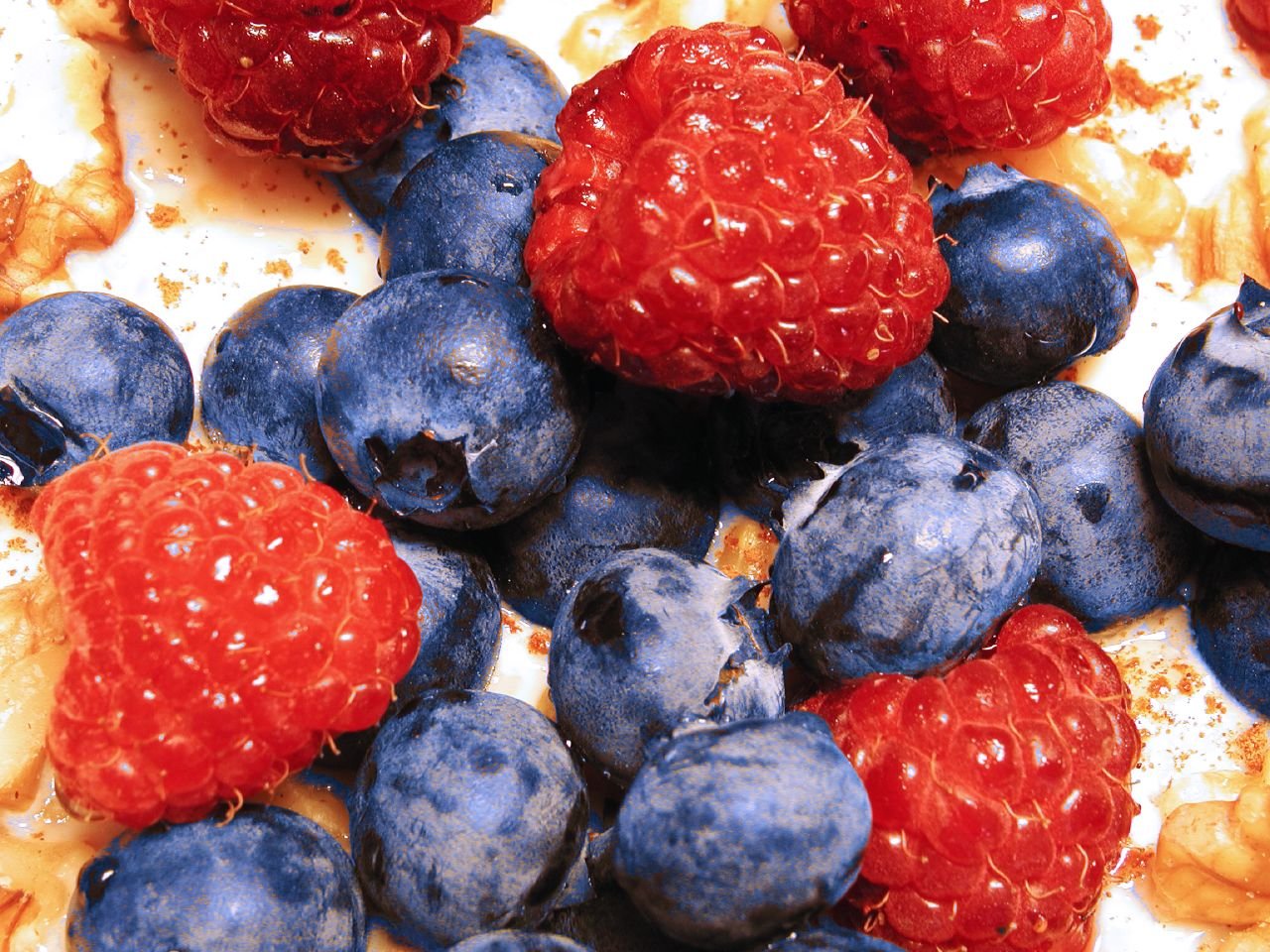
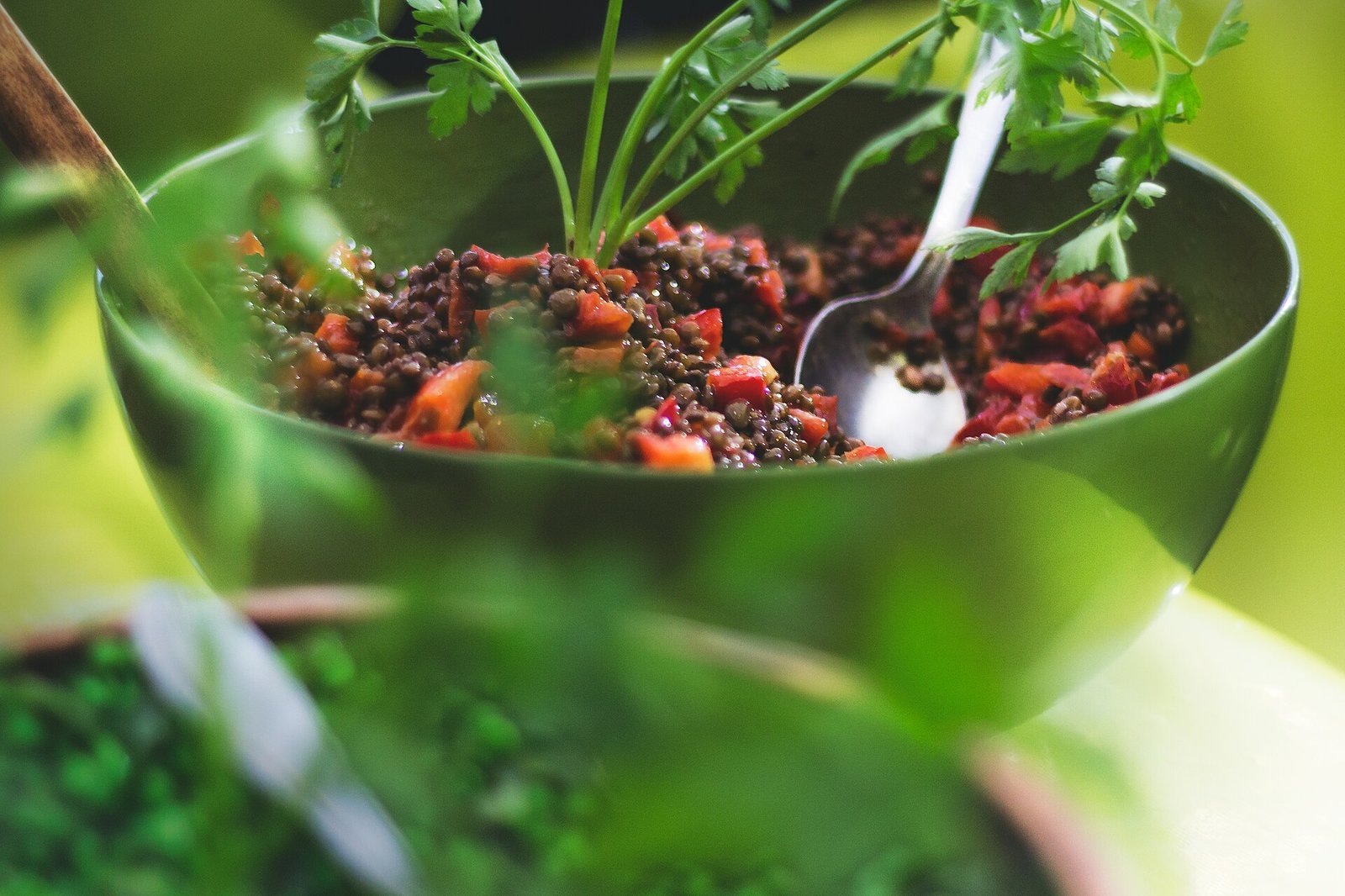
NIDDK says research shows a healthy diet can lower the risk of developing ED and improve ED symptoms. Healthy food choices it lists include vegetables such as cabbage, leafy greens, and beets; fruits such as apples, berries, kiwifruit, and oranges; legumes such as lentils, beans, and peas; unsaturated fats from nuts, seeds, and fatty fish; and whole grains such as oats, brown rice, and quinoa. Ask for a dietitian referral if you have diabetes, kidney disease, or a complex medicine list.
Weight, movement, and blood-vessel partners
NIDDK pairs eating with maintaining a healthy body weight (which can improve testosterone levels and self-esteem and help prevent diabetes and high blood pressure), more physical activity, quitting smoking, limiting or stopping alcohol, and stopping recreational or illicit drug use. It cites the Physical Activity Guidelines for Americans, 2nd edition: at least 150 minutes of moderate-intensity activity such as brisk walking each week, because activity increases blood flow, including to the penis. Mayo Clinic’s prevention list includes managing diabetes and heart disease, not smoking, limiting or avoiding alcohol, regular exercise, and help for anxiety or depression. If chest pain or known coronary disease is part of your history, coordinate activity with that care team; see also angina diet guide.
A default plate template
- – Half the plate: vegetables and fruit from NIDDK’s examples (leafy greens, cabbage, beets, berries, apples, citrus, kiwi).
- – A quarter: beans, lentils, fish, or another lean protein you tolerate.
- – A quarter: oats, brown rice, quinoa, or another whole grain.
- – Cooking fats: nuts, seeds, or fatty fish more often than butter, cream, or deep-fried coatings.
- – Drinks: water or unsweetened options instead of sugary beverages and routine alcohol.
Foods and habits that often worsen ED risk or symptoms
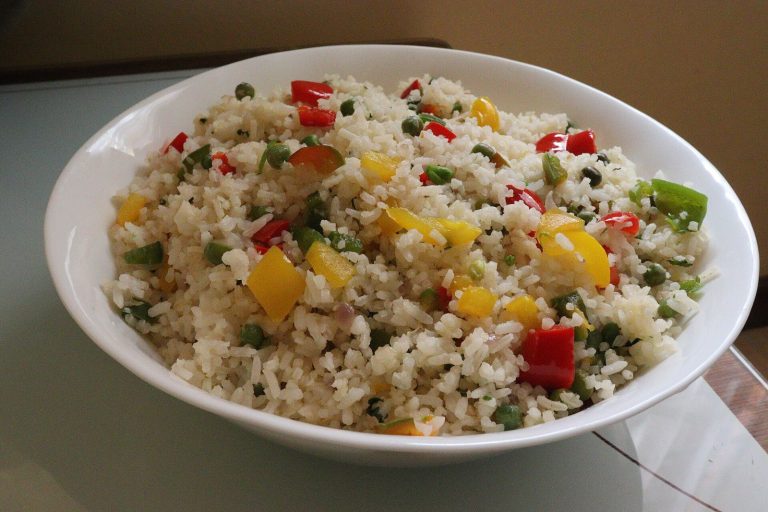
NIDDK says foods and drinks that increase the risk of diabetes, heart disease, and obesity can also increase the chance of having ED. Items it lists to avoid or limit include foods high in saturated fats, such as red meat and fried foods; full-fat dairy foods, including whole milk, cream, butter, and cheese; refined carbohydrates, such as pastries, chips, white rice, and candy; foods and drinks high in sodium and added sugars; packaged foods, such as lunch meats and snack bars; and drinks that contain alcohol.
Other public-source cautions that belong beside the grocery list:
- – Smoking and tobacco. Mayo Clinic: tobacco lowers blood flow and over time can lead to conditions that cause ED. NIDDK calls quitting one of the best steps for ED and overall health.
- – Heavy drinking and illicit drugs. Both NIDDK and Mayo Clinic list these as contributors.
- – Low activity and excess weight. NIDDK lists too little physical activity among lifestyle contributors; Mayo Clinic flags obesity as a risk factor.
- – Unreviewed medicines. NIDDK notes many common medicines (including some blood pressure drugs, antidepressants, antihistamines, and some pain relievers) can contribute to ED—do not stop a prescribed medicine on your own.
- – Sleep conditions. Mayo Clinic lists these among physical causes; if snoring or pauses in breathing are part of the picture, see obstructive sleep apnea diet guide.
“Limit” means reducing patterns that strain blood vessels and metabolic health—not a permanent ban on every favorite food.
Practical kitchen protocol: an ED-aware week
1. Treat the medical picture in parallel
Ask whether you need blood pressure, cholesterol, blood sugar, hormone, medicine-review, or mental-health follow-up. Mayo Clinic notes that treating an underlying condition can sometimes improve ED—and that you might still need medicines or other direct treatments.
2. Shopping list built from NIDDK’s healthy-choice examples
Leafy greens, cabbage, beets, apples, berries, kiwi, oranges, lentils, beans, peas, oats, brown rice, quinoa, unsalted nuts, seeds, and fatty fish such as salmon. Skip the default fried sides, sugary drinks, and routine alcohol shopping.
3. Sample day (illustrative, not a prescription)
- – Breakfast: oatmeal with berries and a kiwi or orange on the side.
- – Lunch: lentil and leafy-green bowl with quinoa; apple.
- – Snack: a small handful of unsalted nuts if that fits your calorie needs.
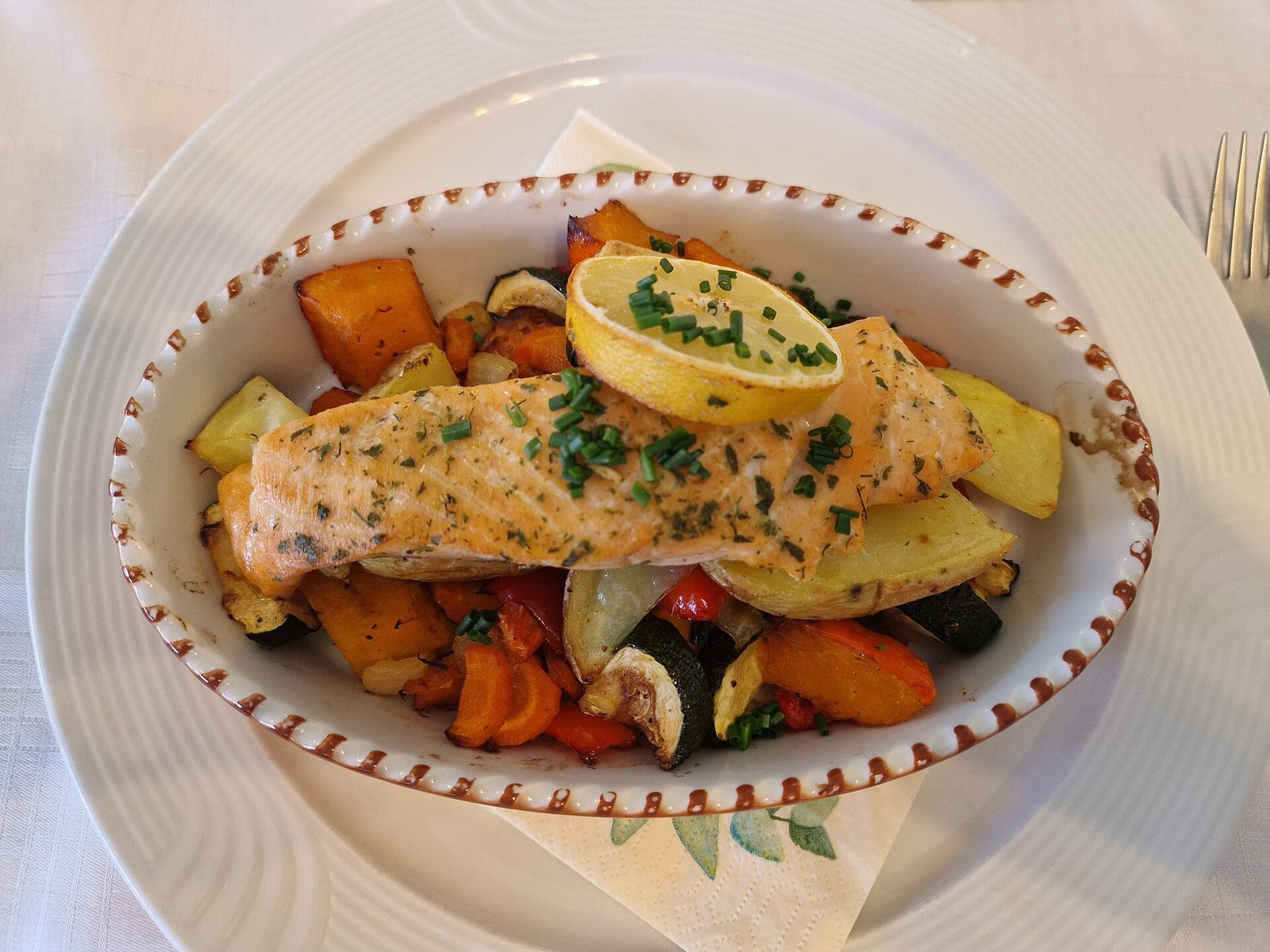
- – Dinner: baked fish, brown rice, and roasted cabbage or beets.
- – Evening: skip alcohol; note energy, mood, and any chest symptoms for your clinician.
4. If diabetes, blood pressure, or artery disease already have their own plans
Follow tighter disease-specific instructions from type 2 diabetes diet guide, high blood pressure diet guide, and atherosclerosis diet guide.
5. Talk about pills and devices with a clinician, not a pop-up ad
Mayo Clinic explains that oral prescription medicines amplify the effects of nitric oxide and still require sexual stimulation. NIDDK describes PDE5 inhibitors and other clinician-directed options. Seek care right away for an erection lasting longer than 4 hours (priapism) or for vision or hearing loss after oral ED medicines (NIDDK).
Safety, interactions, and who should ask a clinician first
- – New ED plus chest pain, shortness of breath, or known heart disease: get medical care; ED can be a cardiovascular warning sign (Mayo Clinic).
- – Do not stop blood pressure, heart, antidepressant, or other prescribed medicines because you suspect they affect erections—ask about alternatives (NIDDK).
- – Do not combine unprescribed ED products with heart medicines; discuss all supplements and online products first (NIDDK).
- – Prostate cancer treatment, pelvic surgery, spinal cord injury, or Peyronie’s disease: specialized urology care is the priority, not a grocery experiment.
- – Depression, anxiety, relationship strain, or heavy alcohol use: ask about counseling; NIDDK notes counselors can help lower anxiety and stress about sex.
FAQ
Can changing my diet reverse erectile dysfunction? NIDDK says a healthy diet can lower ED risk and improve symptoms as part of weight, activity, smoking, and alcohol changes. That is not a food cure, and many people still need medical treatment of the cause.
Is the Mediterranean diet required? NIDDK reports that certain diets such as the Mediterranean diet help decrease the chance of getting ED. A produce-forward pattern with whole grains, legumes, nuts, seeds, and fatty fish is the practical takeaway.
Does one drink at dinner always cause ED? Public pages highlight drinking too much alcohol as a contributor. Personal limits belong in a clinical conversation.
Should I take testosterone, zinc, or herbal “enhancers” on my own? NIDDK: if ED and low testosterone are both confirmed, clinicians may prescribe testosterone with other therapies. Dietary supplements and complementary products can interact with medicines—get labs and advice first.
When should I see a doctor about erections? Mayo Clinic: see a clinician if you worry about erections or other sexual problems, if you have diabetes or heart disease, or if other symptoms accompany ED.
Is ED just part of getting older? Both NIDDK and Mayo Clinic say it becomes more common with age but is not a routine or inevitable part of aging.
How this differs from related OTCFood topics
This page is an ED-bound diet guide focused on NIDDK’s eating pattern, alcohol and smoking cautions, and overlap with diabetes, blood pressure, and artery disease. It is not a coronary protocol or instructions for buying ED medicines.
Medical disclaimer
Medical disclaimer: This article is for general information only. It is not medical advice, diagnosis, or a treatment plan. ED care depends on blood-vessel health, nerves, hormones, medicines, mental health, and your clinician’s judgment. Talk with a clinician or registered dietitian before starting, stopping, or changing any eating plan, supplement, or medicine. Seek urgent care for chest pain, an erection lasting more than 4 hours, or sudden vision or hearing changes after an ED medicine.