Obstructive Sleep Apnea Diet: Foods That May Help and Foods to Limit
Medical note: This article discusses foods and researched botanicals. It does not claim to prevent, treat, or cure disease. Supplements are not a substitute for food, and studied amounts are not personal prescriptions.
Obstructive sleep apnea (OSA) happens when the upper airway becomes blocked repeatedly during sleep, stopping or shallowing breathing; NHLBI, MedlinePlus, and NHS describe snoring, gasping, and daytime sleepiness as common clues. Kitchen patterns that support a healthy weight and limit evening alcohol (and, per NHLBI treatment pages, caffeine) may help some people alongside CPAP or other clinician-directed care. Food does not open a collapsed airway, replace a sleep study, or substitute for a PAP machine when one is prescribed.
What this OSA diet guide covers (and what it does not)
This guide is for adults exploring lifestyle support after—or while waiting for—proper sleep assessment. It covers NHS/NHLBI weight, alcohol, smoking, and caffeine framing. It does not diagnose OSA versus simple snoring, and it does not advise abandoning CPAP because “diet will fix it.”
Anchors: NHLBI — Sleep Apnea, NHLBI — Treatment, NHLBI — Causes, MedlinePlus — Sleep Apnea, NHS — Sleep apnoea.
Evidence snapshot: OSA diet claims vs public sources
| Claim people hope for | What public sources actually say | Confidence |
|---|---|---|
| “A special diet cures OSA” | NHS/NHLBI center sleep studies, CPAP/devices, and lifestyle adjuncts | Strong (against cure claims) |
| Weight loss if overweight may help | NHS: losing weight if overweight; NHLBI: healthy weight / obesity-related airway fat | Moderate-to-strong |
| Reduce alcohol, especially before bed | NHS: do not drink too much alcohol shortly before sleep; NHLBI: limit alcohol | Moderate-to-strong |
| Limit caffeine / quit smoking | NHLBI treatment: limiting alcohol and caffeine, quitting smoking; NHS: stop smoking | Moderate |
| Side-sleeping helps some people | NHLBI: provider may recommend sleeping on your side, not back | Moderate |
| Skip CPAP if you eat “clean” | PAP is the most common treatment (NHLBI); lifestyle pairs with devices | Strong (against replacement) |
Foods and patterns that may help with obstructive sleep apnea
Healthy weight pattern when obesity contributes (NHS/NHLBI)
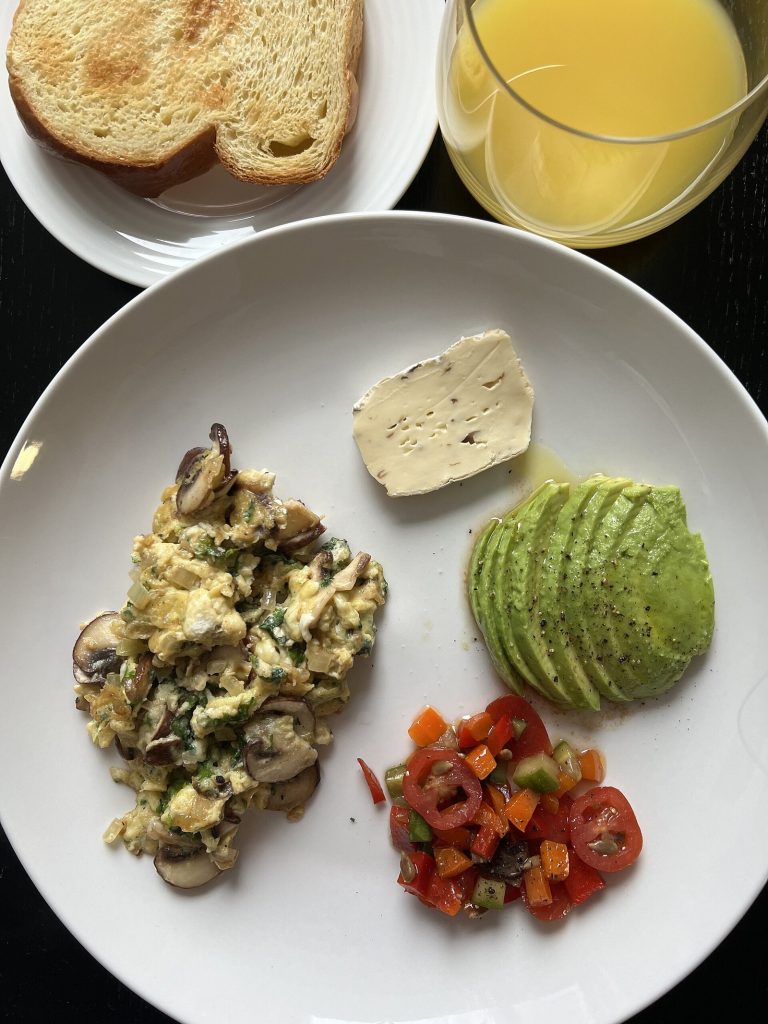
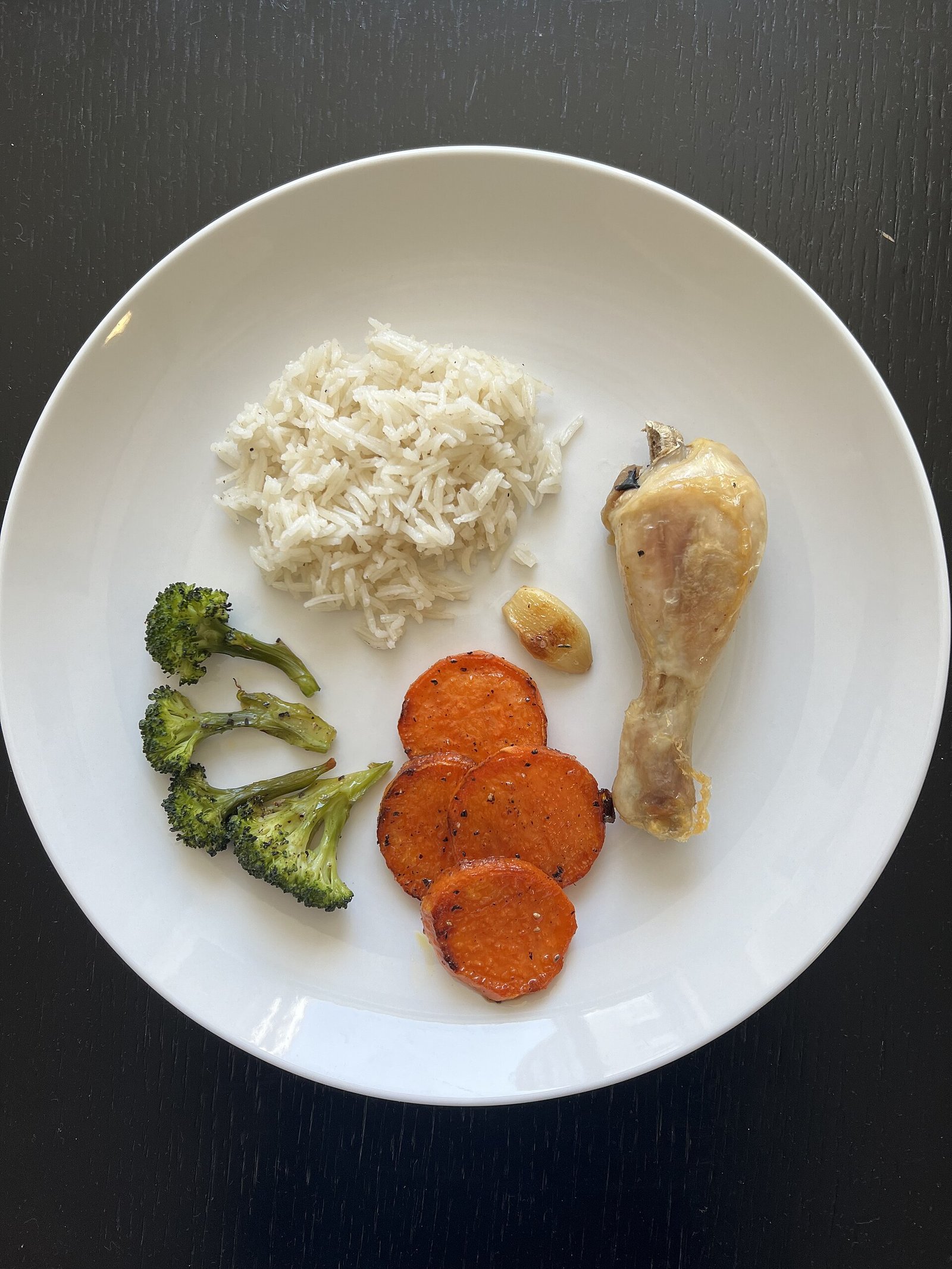
- – Vegetables, fruits, legumes, whole grains, lean proteins, measured portions.
- – NHLBI notes people with obesity can have increased fat deposits in the neck that block the upper airway; maintaining a healthy weight may help prevent or treat obesity-related OSA.
- – Prefer water over sugar-sweetened drinks that pack easy calories.
Evening alcohol discipline (NHS/NHLBI)
- – NHS: do not drink too much alcohol—especially shortly before sleep.
- – NHLBI: alcohol can relax mouth/throat muscles and close the upper airway.
Caffeine timing (NHLBI treatment)
- – Limiting caffeine intake is listed among lifestyle changes providers may recommend—especially useful if late caffeine wrecks sleep continuity even when a PAP is in place.
Protein-forward satiety for weight goals
- – Eggs, fish, poultry, dairy or fortified alternatives, tofu, beans—distributed across meals so calorie cuts don’t collapse into late-night grazing.
Heart-healthy defaults (NHLBI broader lifestyle framing)
- – NHLBI lists heart-healthy diet, healthy weight, quitting smoking, and limiting alcohol among supportive steps—relevant because untreated sleep apnea is discussed alongside blood pressure, diabetes, heart disease, and stroke risk in NHLBI research notes.
Foods and drinks that often worsen the bigger picture
- – Alcohol near bedtime (NHS/NHLBI).
- – Heavy late meals that worsen reflux and sleep fragmentation for people who also have GERD (cross-condition common sense; reflux timing from NIDDK GERD pages).
- – Sugar-sweetened drinks and frequent ultra-processed snacks when weight reduction is part of the plan.
- – Smoking is not food, but NHS/NHLBI both flag it; pair kitchen changes with quit support.
- – There is no public-source “OSA superfood” that replaces CPAP.
“Limit” means reduce patterns that worsen airway collapse risk or sleep quality—not lifelong culinary misery.
Practical kitchen protocol
1. Keep medical care first
NHS: untreated sleep apnoea can lead to other problems; GP referral to a sleep clinic and AHI scoring guide severity. Use CPAP as prescribed when issued.
2. Sample day (illustrative weight-aware pattern)
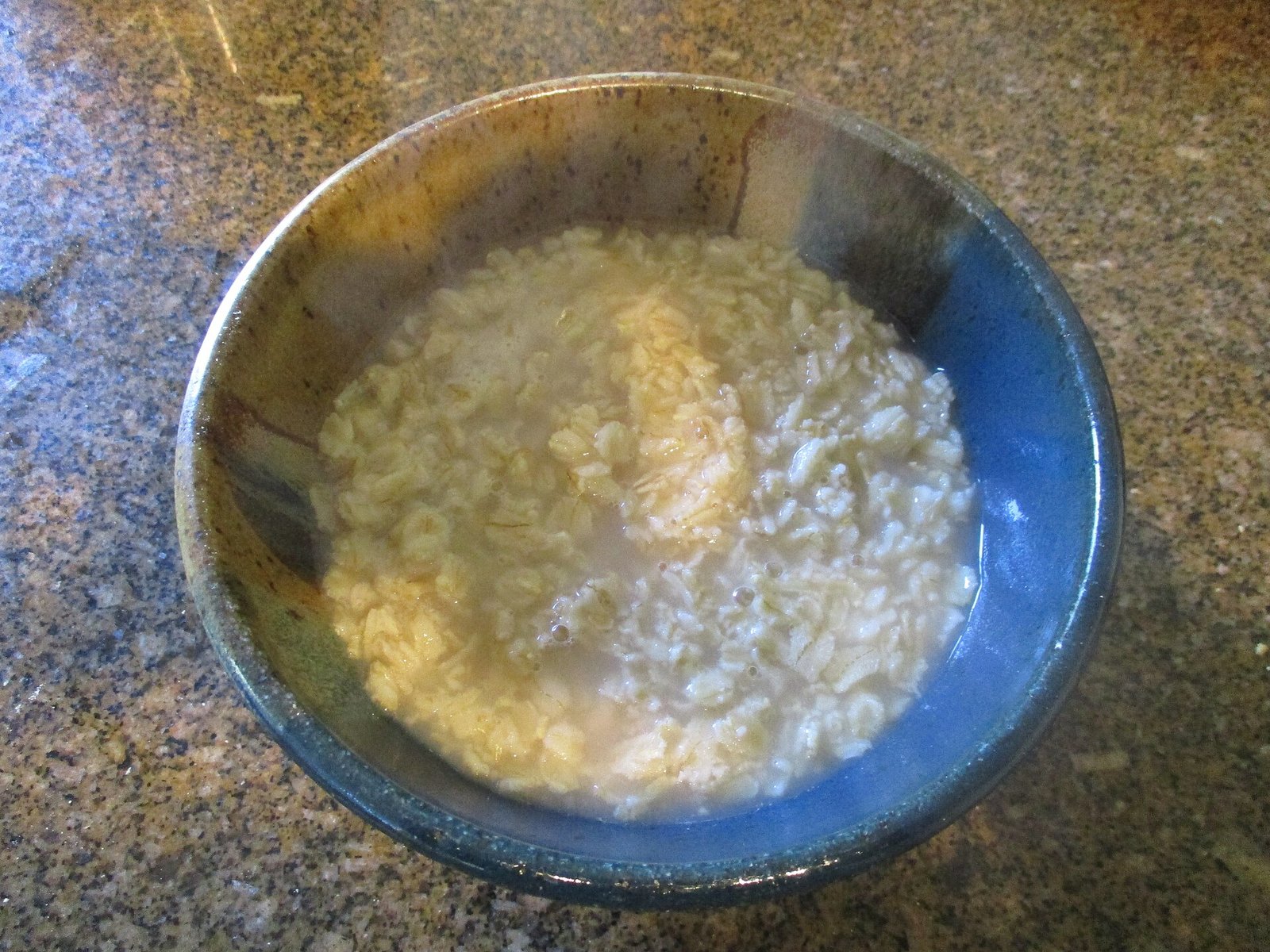
- – Breakfast: oats with milk/yogurt, fruit, optional egg.
- – Lunch: bean or chicken bowl with vegetables and whole grains.
- – Snack: yogurt or fruit—not alcohol.
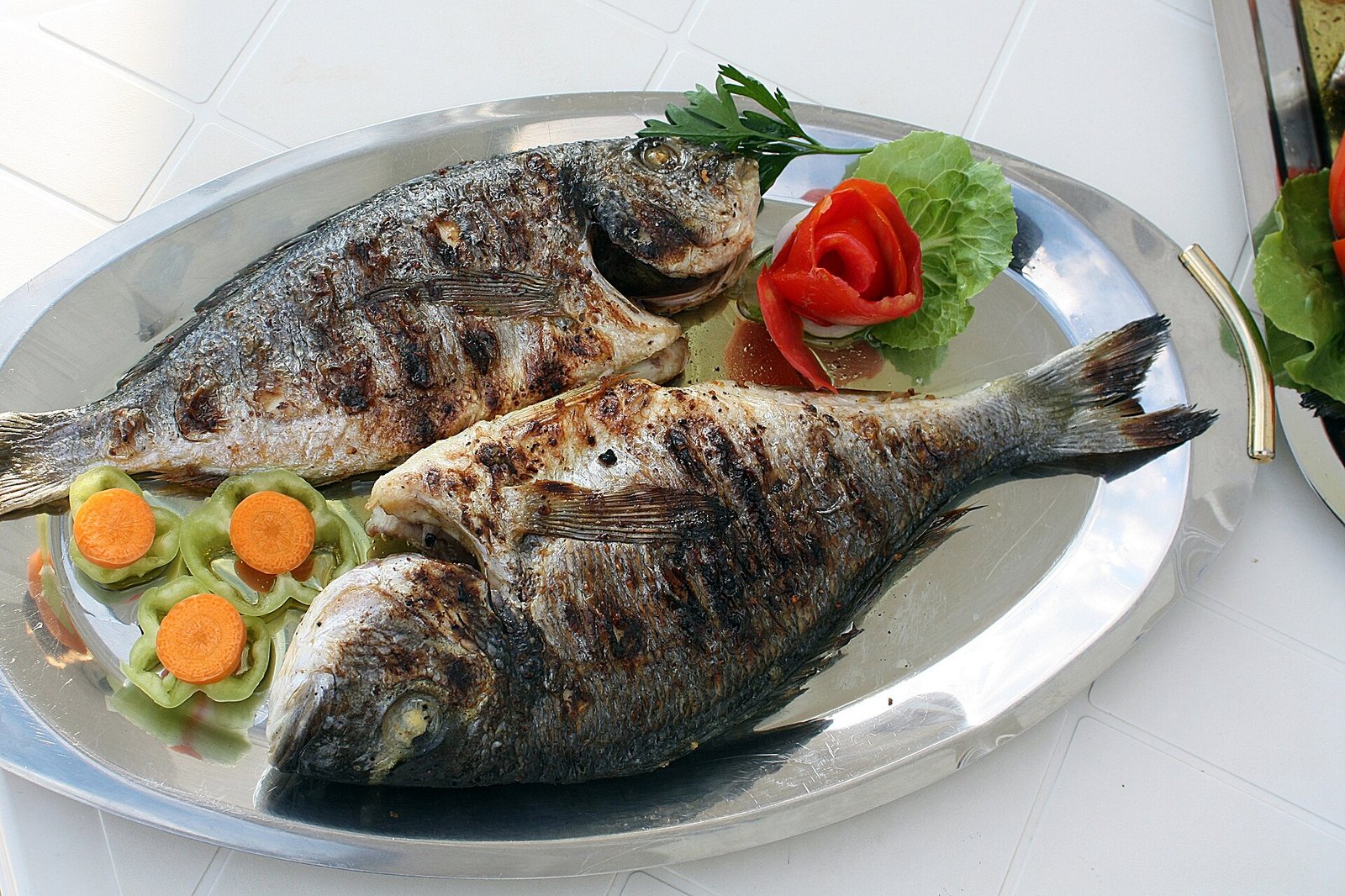
- – Dinner: earlier baked fish/tofu, large vegetables, modest starch; finish well before bed.
- – Drinks: water; move caffeine earlier if sleep onset is hard.
3. Alcohol and social evenings
If you drink, keep it modest and earlier; avoid “nightcap” habits that NHS and NHLBI both undermine for OSA.
4. Prep when daytime sleepiness is high
Batch soups and sheet-pan meals so fatigue doesn’t default to fried takeout.
5. Two-week review
Track weight trend (if advised), alcohol-free evenings, CPAP adherence hours, and daytime sleepiness—bring the log to clinic.
6. Movement
NHS notes being active can improve symptoms and help maintain a healthy weight—coordinate with your clinician if cardiac or other limits exist.
Safety, interactions, and when to get help
- – Loud snoring with witnessed apneas, choking arousals, or dangerous sleepiness while driving needs medical assessment—not DIY diets alone (MedlinePlus accident-risk framing).
- – Weight-loss medicines or surgery appear on NHLBI treatment pages only in specific obesity–OSA contexts under clinician care—not as blog self-prescriptions.
- – Do not stop CPAP because an internet diet promised a cure.
- – Children with suspected sleep apnea need pediatric pathways, not adult calorie plans copied from blogs.
FAQ
Can diet cure obstructive sleep apnea? No. NHS and NHLBI emphasize assessment, devices like CPAP, and lifestyle support—not food as a standalone cure.
Does weight always matter? Obesity is a major modifiable factor for many people (NHLBI/NHS), but anatomy, age, and other factors also matter—weight loss is not guaranteed to normalize AHI alone.
Is alcohol really that important? Yes as a practical lever: NHS and NHLBI both highlight alcohol’s effect on airway muscles and pre-sleep drinking.
What about caffeine? NHLBI lists limiting caffeine among lifestyle changes; timing matters for sleep quality even when OSA is device-treated.
How this differs from related OTCFood topics
A related sleep-apnea lifestyle page also exists at sleep apnea diet guide. For metabolic neighbors often coexisting with OSA see type 2 diabetes diet guide, hypertension diet guide, and NAFLD fatty liver diet guide. For reflux that wakes you independently of apneas see GERD diet guide.
Longer kitchen landing section: make the pattern boring enough to keep
Staple list you can buy without thinking
Leafy greens, frozen mixed vegetables, carrots, onions (omit if they are a personal trigger), oats, brown rice or potatoes, eggs, tofu, beans, lentils, plain yogurt or fortified soy yogurt, canned fish, olive oil measured by the spoon, fruit that fits your plan, and measured nuts. Keep a backup shelf of shelf-stable proteins so busy nights do not default to fried takeout.
Cooking default methods
Steam, boil, stew, bake, air-fry with minimal oil, or quick stir-fry with measured oil. Save deep frying and heavy cream sauces for rare occasions. Season with herbs, vinegar, citrus (if tolerated), garlic/onion only when they fit your personal tolerance map, pepper, and modest salt unless your clinician set a tighter sodium target.
Portion and rhythm habits
Put vegetables on the plate first, then protein, then starch. Keep sugary drinks as exceptions. If evenings are when symptoms or readings worsen, shift the larger meal earlier and keep dinner lighter. Chronic conditions that coexist (glucose, lipids, blood pressure, kidney disease) override generic blog rules—follow specialty targets.
“Hard day” simplified menu
Rice porridge or soft oatmeal, egg dishes, poached fish, stewed vegetables, ripe banana or cooked apple, yogurt if tolerated. When warning symptoms appear, seek care instead of “waiting it out with stricter restriction.”
Label reading without obsession
Scan the first ingredients for sugar and hydrogenated oils; check sodium on broths, breads, and sauces; prefer plain dairy or fortified alternatives over dessert yogurts when you are aiming for steadier patterns. Supplements are not an automatic fix for an incomplete grocery cart—labs and clinicians decide deficiencies.
Two-week retrospective
Keep the three rules that improved comfort or readings; delete the five bans that only increased anxiety. Bring the short list to your next appointment with your medicine list.
Weekly prep that keeps the plan alive
Batch a soup or stew on the weekend and freeze single portions. Hard-boil eggs for grab-and-go protein. Pre-cut vegetables or buy pre-washed bags when energy is scarce. Put a reusable water bottle where you work. If occupational or caregiving stress spikes takeout frequency, keep a written “default order” (grilled protein, vegetables, water) so restaurant nights still roughly match your pattern. Revisit your grocery list monthly: drop items you never use, add two vegetables you actually enjoy, and keep one convenience healthy backup (frozen fish, canned beans) at all times.
Medical disclaimer
Medical disclaimer: This article is for general education only and is not medical advice, diagnosis, or a treatment plan. Sleep apnea care depends on sleep studies, device therapy, and individual risk. Talk with your doctor before major diet or weight-loss changes, and seek care for dangerous daytime sleepiness or breathing pauses during sleep.