UTI Recovery Diet: Foods That May Help and Foods to Limit
Medical note: This article discusses foods and researched botanicals. It does not claim to prevent, treat, or cure disease. Supplements are not a substitute for food, and studied amounts are not personal prescriptions.
People searching “UTI recovery diet foods that may help or worsen” usually want hydration and cranberry guidance while a bladder infection clears—not a claim that food replaces antibiotics or treats an existing infection the way prescribed medicines do. NIDDK states that researchers do not think diet can help prevent or treat bladder infections, and that cranberry products—juice, extract, or pills—do not treat existing bladder infections. What NIDDK does emphasize: drinking enough liquids, with water as the best choice, can help prevent or relieve bladder infections. CDC adds that antibiotics treat UTIs and that drinking plenty of water or other fluids is part of how to feel better. Kitchen habits may help comfort and fluid intake; they do not replace a urine test or a full antibiotic course when those are prescribed.
What this UTI recovery diet guide covers (and what it does not)
This guide is for adults recovering from a clinician-recognized bladder infection (cystitis), the most common UTI, who want evidence-honest eating and drinking during and just after treatment. Anchors: MedlinePlus — Urinary Tract Infections, NIDDK — Bladder Infection (UTI) in Adults, NIDDK — Eating, Diet, & Nutrition, and CDC — Urinary Tract Infection Basics.
MedlinePlus notes that UTIs are a very common infection and that about four times as many women get them as men. CDC explains that bacteria, often from the skin or rectum, enter the urethra and infect the urinary tract. A kidney infection (pyelonephritis) is less common and more serious. Related reading: UTI diet guide, kidney infection recovery diet guide, cranberry and recurrent UTI research, and interstitial cystitis diet guide.
This is not a kidney-infection hospital protocol, not a guide for treating bacteria in urine when you have no symptoms (asymptomatic bacteriuria), and not permission to stop antibiotics early.
Evidence snapshot: UTI recovery diet claims vs public sources
| Claim people hope for | What public sources actually say | Confidence |
|---|---|---|
| “A UTI recovery diet clears the infection” | NIDDK: researchers don’t think diet can help prevent or treat bladder infections; antibiotics are the usual treatment | Strong against food-as-cure |
| “Cranberry juice treats the UTI I have now” | NIDDK: cranberry products do not treat existing bladder infections | Strong against cranberry-as-treatment |
| “Cranberry products prevent every future UTI” | NIDDK, citing NCCIH: some research says cranberry products may help prevent bladder infections, but there isn’t enough evidence to be sure | Insufficient for a prevention guarantee |
| “Fluids do not matter once you start antibiotics” | NIDDK: drinking enough liquids can help prevent or relieve infections; water is best. CDC: drink plenty of water or other fluids to feel better; NIDDK also notes drinking more liquids can speed recovery and ease symptoms | Moderate-to-strong for hydration support |
| “If you have no symptoms, you always need the same antibiotic plan” | CDC: asymptomatic bacteriuria usually does not need treatment, except in groups such as pregnant people or those planning certain urologic procedures | Strong that symptoms and setting matter |
Foods and patterns that may help during UTI recovery
“May help” means supporting hydration and finishing medical treatment—not erasing bacteria from the kitchen.
Fluids first
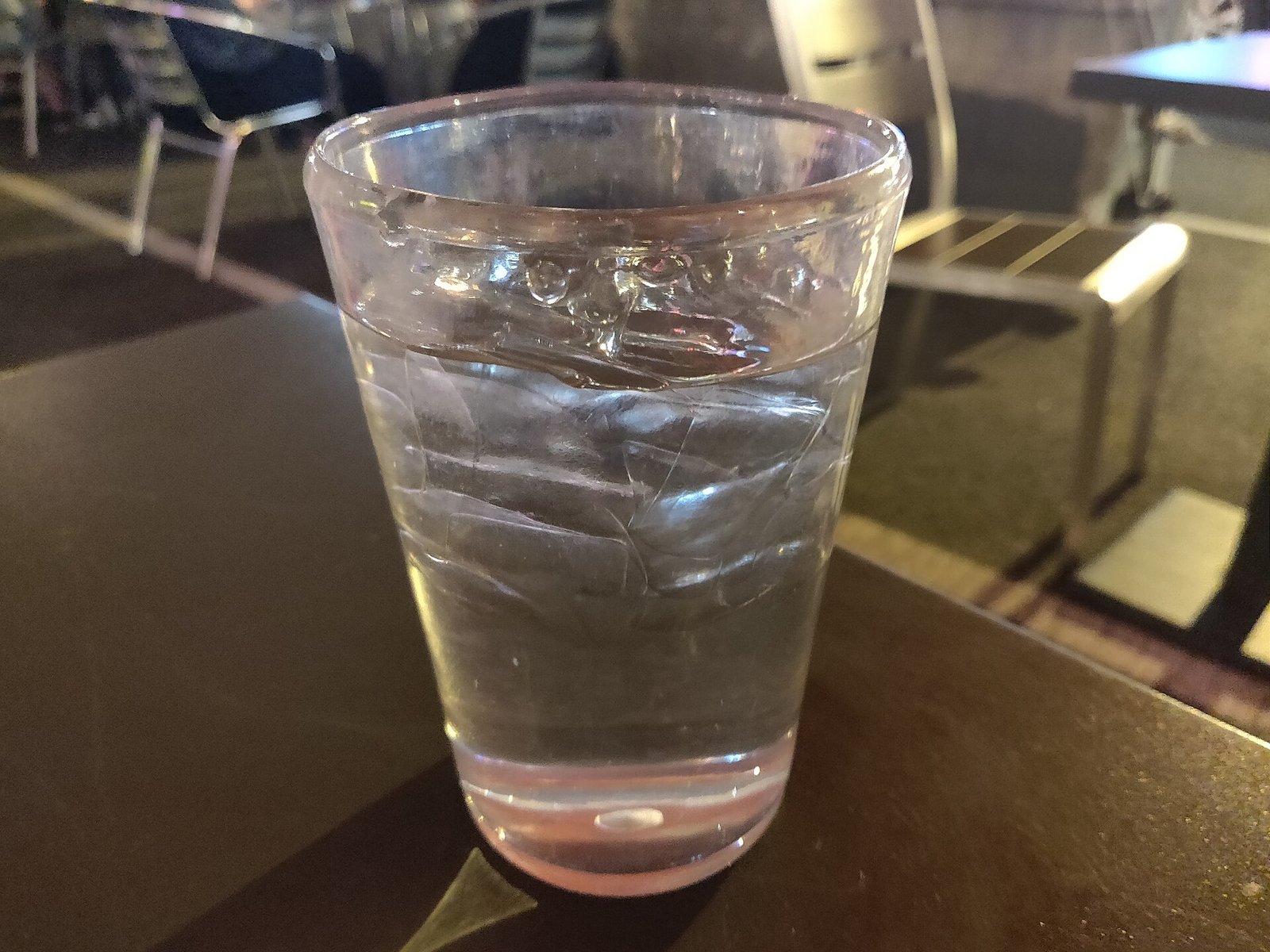
- – Water throughout the day, which NIDDK calls the best liquid for this purpose
- – Other non-alcoholic fluids you tolerate if they help you meet your clinician’s hydration advice
- – A refillable bottle as a reminder, especially if burning or frequency made you drink less
- – Continue fluids after the last antibiotic dose; CDC lists staying well hydrated among everyday steps that may help prevent UTIs
Everyday plates while you recover
Choose ordinary, easy meals rather than a restrictive “infection diet”:
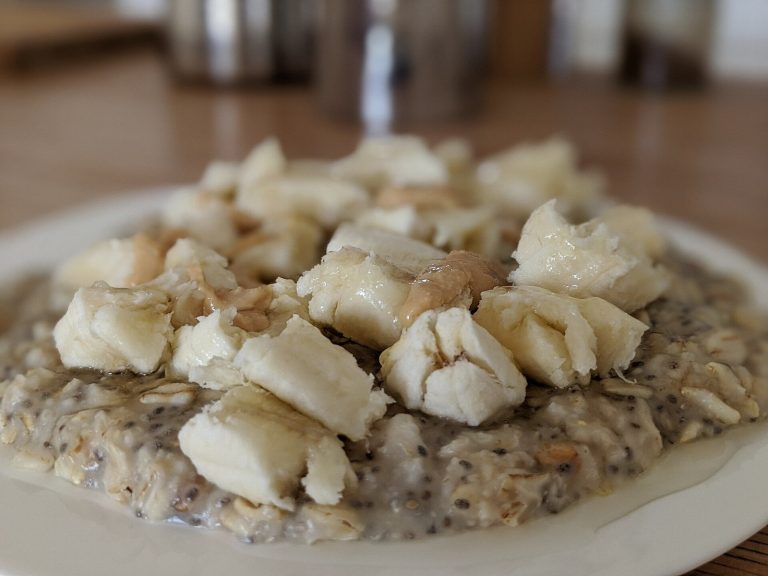
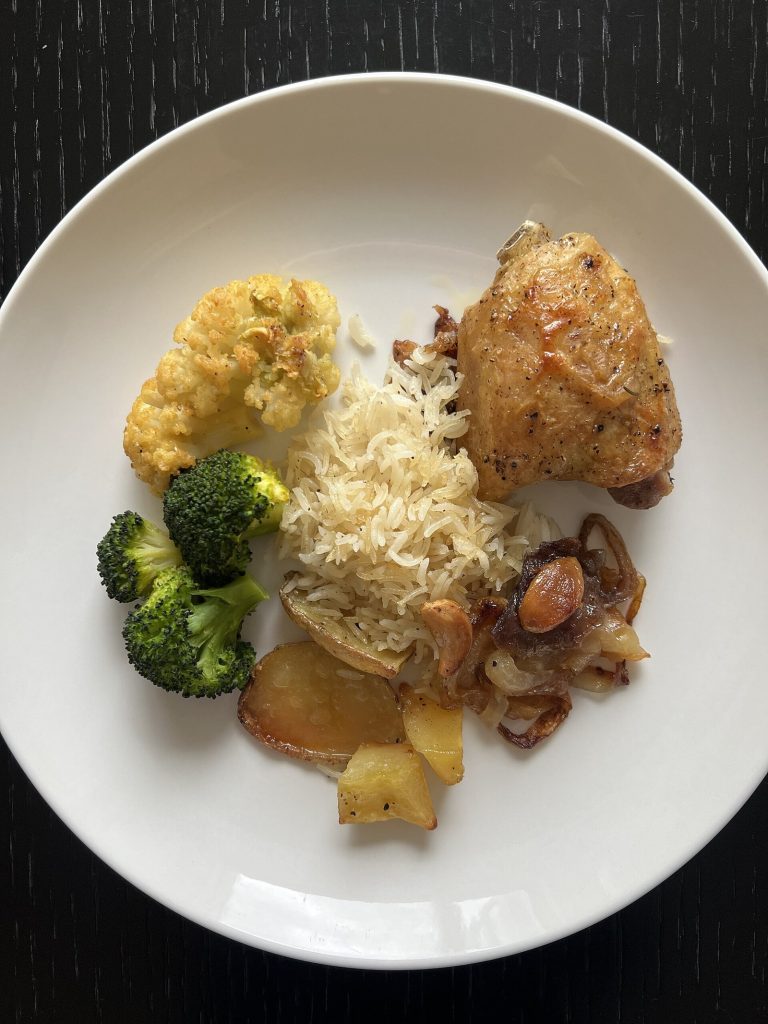
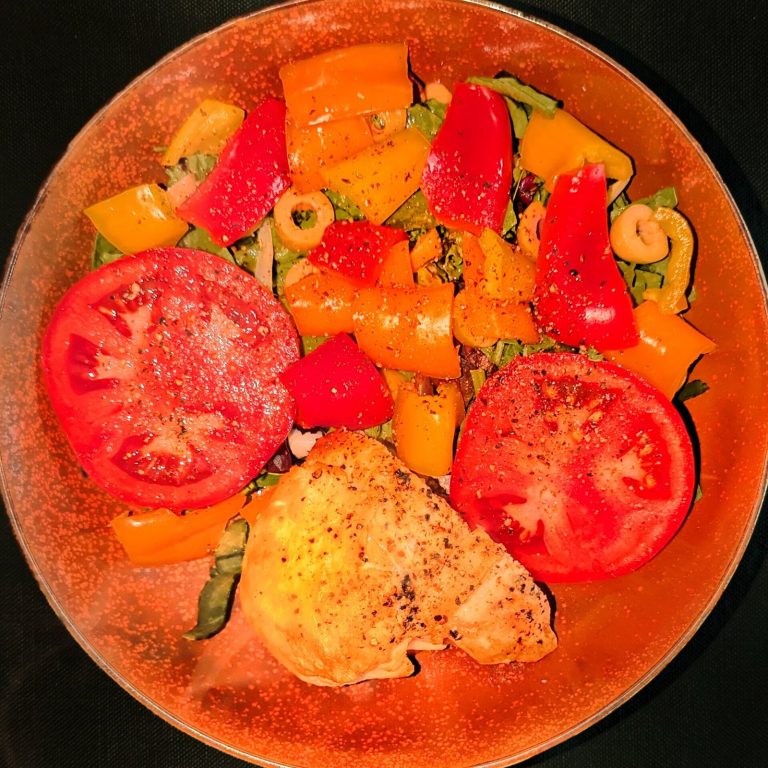
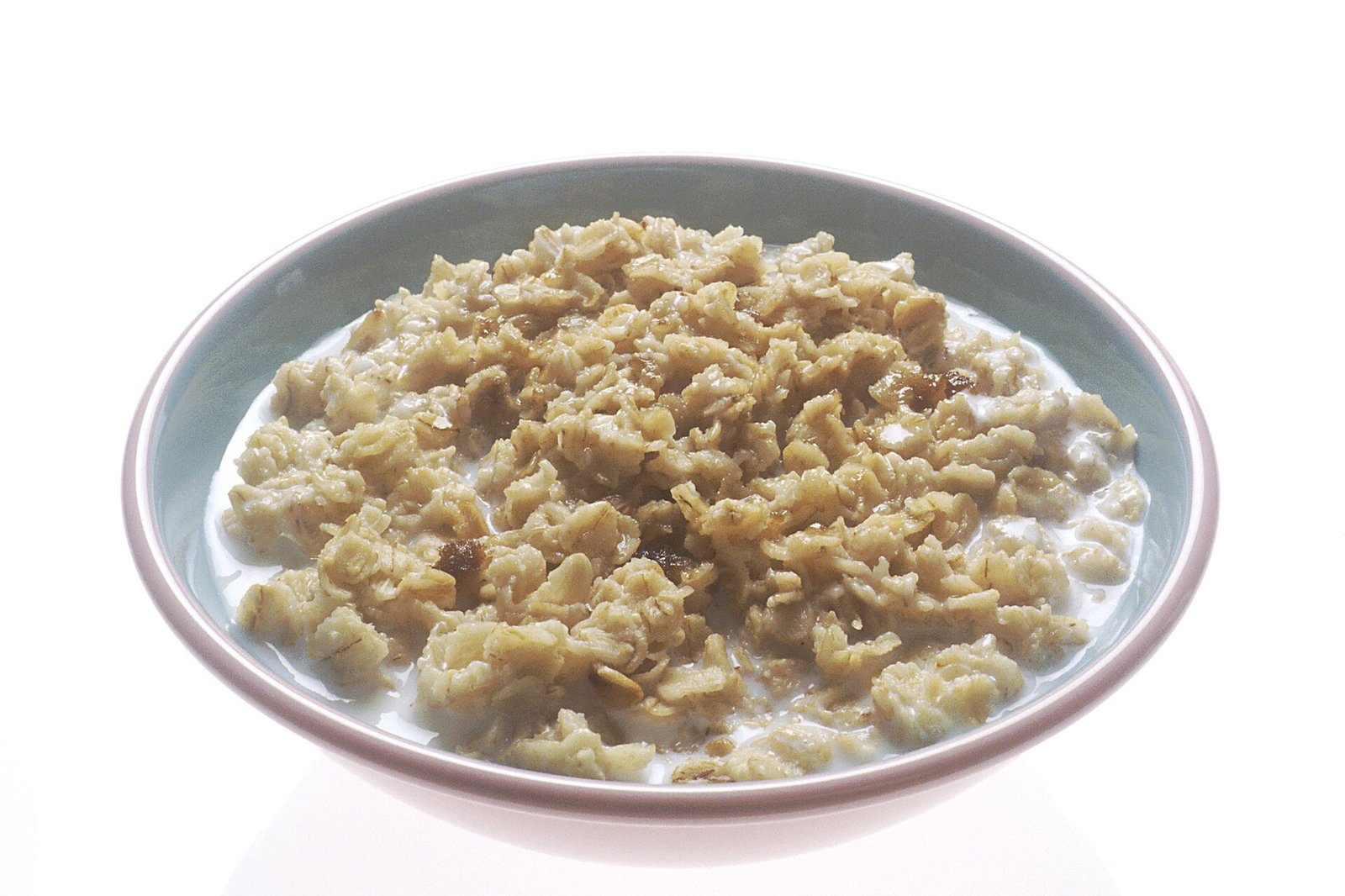
- – Oatmeal, rice, eggs, yogurt if tolerated, tender fish or poultry, cooked vegetables, and fruit
- – Regular eating if you also manage diabetes, which MedlinePlus lists among higher-risk situations; see type 2 diabetes diet guide
- – Enough food that you can take medicines as prescribed; CDC says to take all antibiotic doses
After antibiotics: kitchen realism, not a cleanse
CDC notes that antibiotics also affect helpful microbes and that disruption can allow harmful germs—including C. diff, which can cause diarrhea—to grow more easily. That is a reason to use antibiotics only when needed, not to start unsupervised probiotic megadoses. If diarrhea, severe gut pain, or a new rash appears, contact a clinician.
Some people later look at cranberry products for recurrent infections. For the prevention-research nuance—and the limits of that research—see cranberry and recurrent UTI research. Do not use cranberry products as a stand-in for the antibiotic already prescribed.
Habits that sit beside food
CDC’s prevention list is mostly behavioral: urinate after sexual activity, stay well hydrated, take showers instead of baths, and minimize douching, sprays, or powders in the female genital area. Those steps do not treat an active infection, but they are the public-source extras most relevant once you are recovering.
Foods and habits that often make recovery harder
- – Relying on cranberry juice, “UTI teas,” or pills instead of prescribed antibiotics—NIDDK is direct that cranberry products do not treat existing bladder infections
- – Saving or sharing leftover antibiotics—CDC: take all doses as prescribed; do not share them or save them for later
- – Cutting fluids because urination burns—less liquid does not rest the bladder in the way NIDDK and CDC describe; they point toward more fluids, with water first
- – Alcohol as a “flush”—public pages used here do not present alcohol as helpful; it can also complicate hydration and medicine decisions
- – Ignoring fever, back or side pain, nausea, or vomiting, which CDC lists among kidney-infection symptoms that need prompt care (see kidney infection recovery diet guide)
- – Treating every bladder sensation as a new UTI without testing—symptoms can overlap with interstitial cystitis or overactive bladder; see interstitial cystitis diet guide and overactive bladder diet guide
- – Douching or scented genital sprays during recovery; CDC advises minimizing these
Personal bladder irritants such as large amounts of caffeine are sometimes noticed by individuals, especially people who also have bladder-pain conditions. Public UTI pages used here do not mandate a universal caffeine ban, so treat that as a personal log item, not a medical law.
Practical kitchen protocol: a UTI recovery week
1. Finish the medical plan
See a clinician for symptoms rather than self-diagnosing. CDC: a healthcare professional can determine whether you have a UTI and which antibiotic you need. Take the full course even after burning fades, unless your clinician changes the plan.
2. Shopping list for an ordinary recovery kitchen
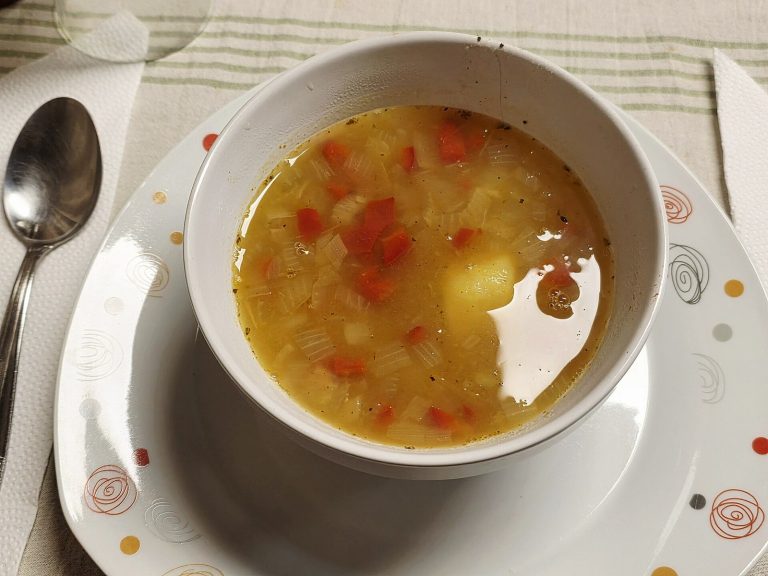
Still water (sparkling only if it sits well), oats, bananas or other fruit you like, yogurt if tolerated, eggs, rice, vegetables for simple soups or steam-and-serve plates, and grocery staples you already digest. Skip the urge to build a “UTI superfood cart.”
3. Default day template
- – Morning: water on waking; breakfast you can actually eat (oatmeal or eggs and fruit).
- – Midday: a regular lunch plus a full glass of water.
- – Afternoon: keep sipping; urinate when you need to rather than holding for long stretches.
- – Evening: another ordinary meal; water or another non-alcoholic drink. CDC also lists urinating after sexual activity if that applies.
- – All week: note whether symptoms improve after starting antibiotics. CDC says to talk with a clinician if they do not improve, worsen, or raise new questions.
4. If infections keep returning
CDC: when infections occur frequently, this is called recurrent UTI, and a clinician may recommend additional steps or tests, including a urine culture. MedlinePlus lists higher risk with diabetes, a bladder drainage tube, or a spinal cord injury. Kitchen changes alone are not a recurrence clinic.
5. Do not confuse recovery with “bacteria in a test but no symptoms”
CDC describes asymptomatic bacteriuria: bacteria can appear in urine without illness, more often in females, older people, and people with certain health conditions. Most people in that situation do not need antibiotics. Pregnancy is a noted exception—follow obstetric guidance, not a food protocol.
Safety, interactions, and who should ask a clinician first
- – Fever, chills, back or flank pain, nausea, or vomiting: possible kidney infection—seek care promptly (CDC).
- – Symptoms that do not improve or that worsen after starting antibiotics (CDC).
- – Pregnancy, diabetes, kidney disease, a urinary catheter, or a spinal cord injury: MedlinePlus and CDC flag higher-risk settings; do not rely on fluids alone.
- – Antibiotic side effects ranging from rash to severe allergic reactions or C. diff diarrhea (CDC): contact a clinician.
- – Before using cranberry supplements or any complementary product: NIDDK says to talk with a health care professional for safety reasons, including medicine interactions.
- – Infants and very young children: this adult recovery guide does not cover pediatric fever rules; use pediatric care promptly.
FAQ
Will drinking cranberry juice make my current UTI go away? No. NIDDK states that cranberry products do not treat existing bladder infections. Some research suggests a possible prevention role, but there is not enough evidence to be sure.
How much should I drink while I recover? Public pages do not give a single cup-count that fits every adult. NIDDK says drinking enough liquids can help prevent or relieve bladder infections and that water is best. Ask your clinician if you have heart or kidney limits on fluids.
Can I stop antibiotics when the burning stops? CDC says to take all doses as prescribed and not to save leftovers. Symptom relief is not the same as a completed course.
Does diet cause most UTIs? NIDDK does not present diet as the cause or the treatment. CDC points to bacteria entering the urethra and to risk factors such as sexual activity, vaginal flora changes (including menopause or spermicide use), pregnancy, age, structural problems such as an enlarged prostate, and a previous UTI.
When is a UTI an emergency? Seek prompt care for kidney-infection warning signs (fever, chills, back or side pain, nausea or vomiting) or for any severe, rapidly worsening symptom. People who cannot keep fluids down also need medical advice about both infection and hydration.
How this differs from related OTCFood topics
This page is a UTI recovery–bound diet and hydration guide for the treatment window and the days after. It is not the broader UTI overview at UTI diet guide, not a cranberry-supplement evidence review, and not a kidney-infection recovery plan.
Medical disclaimer
Medical disclaimer: This article is for general information only. It is not medical advice, diagnosis, or a treatment plan. UTI care depends on urine testing, the part of the urinary tract involved, pregnancy status, other conditions, and your clinician’s judgment. Talk with a clinician or registered dietitian before starting, stopping, or changing any eating plan, supplement, or medicine. Seek prompt care for fever, back or side pain, vomiting, inability to keep fluids down, or symptoms that worsen despite treatment.