Diet After Nephrectomy (Kidney Removal): Foods That May Help and Foods to Limit
Medical note: This article discusses foods and researched botanicals. It does not claim to prevent, treat, or cure disease. Supplements are not a substitute for food, and studied amounts are not personal prescriptions.
People searching “diet after nephrectomy foods that help or worsen” usually want recovery fueling that protects the remaining kidney’s long-term workload—not a claim that food regrows kidney tissue or replaces surgeon instructions, lab monitoring, or blood-pressure control. MedlinePlus describes kidney removal (nephrectomy) as surgery to remove all or part of a kidney (partial, simple, or radical approaches) and notes laparoscopic approaches often mean less pain and faster recovery than open surgery for many people. Discharge guidance typically describes about 3 to 6 weeks of recovery, lifting limits (often no more than about 10 pounds / 4.5 kg until cleared), and wound-care rules. NIDDK’s chronic kidney disease nutrition pages explain why sodium, protein, potassium, phosphorus, and fluids may need personalization when kidney function is reduced.
What this after-nephrectomy diet guide covers (and what it does not)
This guide is for adults recovering from partial or complete kidney removal who want practical eating patterns while they follow surgical and nephrology follow-up. Anchors: MedlinePlus — Kidney removal, MedlinePlus — Kidney removal discharge, NIDDK — Healthy Eating for Adults with CKD, and NIDDK — Kidney Disease overview hub.
MedlinePlus lists reasons for nephrectomy that include donation, birth defects, kidney cancer or suspected cancer, damage from infection or stones, selected blood-pressure problems tied to kidney blood supply, and severe trauma. Risks include blood clots, infection, bleeding, and stress on the remaining kidney. Kitchen changes do not replace cancer surveillance, donor follow-up, or urgent evaluation of fever, wound drainage, or inability to urinate. Related reading: Chronic Kidney Disease Diet and Diet After Kidney Transplant.
Evidence snapshot: after-nephrectomy diet claims vs public sources
| Claim people hope for | What public sources actually say | Confidence |
|---|---|---|
| “A detox juice regenerates the other kidney” | MedlinePlus/NIDDK center surgical recovery and, when needed, CKD nutrition personalization—not culinary regeneration | Strong: food is supportive |
| “Everyone must go ultra-low protein forever after one kidney is removed” | NIDDK: protein needs vary; some people with CKD moderate protein to limit waste buildup, but too little protein risks malnutrition—dietitian guidance matters | Strong for individualization |
| “Salt does not matter if labs look fine this week” | NIDDK: excess sodium promotes fluid retention, higher blood pressure, and stress on kidneys and heart; many people with CKD need tighter sodium limits than the general 2,300 mg/day Dietary Guidelines reference | Moderate–strong |
| “Salt substitutes are always safer” | NIDDK warns salt substitutes can be high in potassium; high potassium can cause heart and muscle problems when kidneys clear potassium poorly | Strong: ask before switching |
| “Pain medicines never affect the kitchen plan” | MedlinePlus discharge notes pain medicines can cause constipation—plan fiber/fluids as cleared rather than straining | Moderate |
Foods and patterns that may help after nephrectomy day to day
“May help” means supporting wound-recovery calories, bowel regularity during pain-medicine weeks, and long-term remaining-kidney-friendly patterns when your labs and clinician say you need them—not a one-size CKD menu for every donor and every cancer surgery patient.
Early recovery fueling (first weeks)
- – Prioritize adequate calories so unintended weight loss does not slow recovery (NIDDK notes people who eat poorly may get sicker when calories fall too low in CKD contexts; the same practical risk applies during surgical recovery).
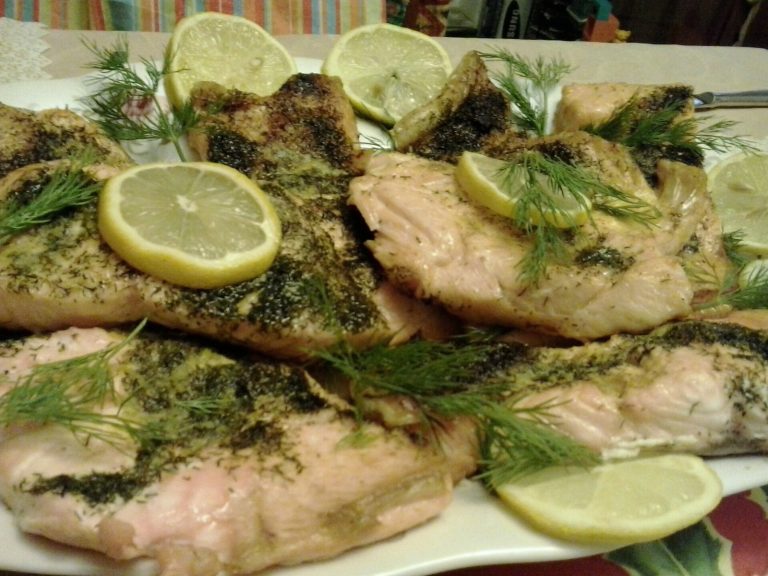
- – Soft proteins as cleared: eggs, yogurt if tolerated, fish, poultry, tofu, or beans in amounts your team endorses.
- – Fluids as cleared: drink enough to support comfort and constipation prevention unless you have a fluid restriction.
- – Fiber-containing foods once bowel function returns (oats, fruit, cooked vegetables) to counter opioid-related constipation noted in MedlinePlus discharge teaching.
Heart- and blood-pressure-aware plates for the remaining kidney
- – NIDDK emphasizes heart-healthy unsaturated fats (canola, safflower, avocados, nuts, seeds in appropriate portions) and limiting saturated/trans fats because people with CKD have higher heart-disease risk.
- – Sodium awareness: cook more from scratch, drain/rinse canned foods, read labels (%DV 20%+ is high sodium; 5% or less is low per NIDDK teaching), and use herbs/lemon instead of salty sauces—themes shared with High Blood Pressure Foods to Eat and Limit: A Practical Kitchen Guide and Hypertension (High Blood Pressure) Diet.
Lab-guided potassium and phosphorus choices when CKD is present or evolving
- – If potassium runs high: NIDDK strategies include watching portion sizes, avoiding potassium-chloride salt substitutes, draining canned produce liquid, and choosing juices carefully if diabetes hypoglycemia plans are needed (apple/grape/cranberry vs higher-potassium juices in their examples).
- – If phosphorus is an issue: limit packaged foods with “PHOS” additives; emphasize fruits/vegetables that are naturally lower in phosphorus relative to many processed meats.
- – Partial nephrectomy or living donors with normal labs may have fewer mineral limits—follow your own labs, not a stranger’s CKD stage 4 menu. See also Polycystic Kidney Disease Diet if PKD is the background disease.
Protein: enough for recovery, not a bodybuilding binge by default
- – Surgical recovery needs protein; long-term remaining-kidney care may later moderate animal-protein loads for some CKD stages (NIDDK).
- – Reassess with a renal dietitian when creatinine, eGFR, or albuminuria results change.
Foods and habits that often worsen after-nephrectomy kitchen patterns
- – High-sodium packaged and restaurant patterns that push blood pressure up against one kidney’s workload.
- – Unprescribed NSAID stacks for pain (kitchen-adjacent habit)—ask your surgeon which pain options are kidney-safer for you.
- – Salt-substitute dumping without potassium checks.
- – Mega-protein supplement challenges “for recovery” without clinician OK.
- – Herbal “kidney cleanse” teas with unknown diuretic or contaminant effects.
- – Heavy lifting of grocery water cases before clearance (MedlinePlus lifting limits).
- – Ignoring fever, wound drainage, severe swelling, or rising home blood-pressure readings.
“Limit” means reducing strain on blood pressure and the remaining kidney—not that one restaurant meal defines surgical success.
Practical kitchen protocol: an after-nephrectomy diet week
1. Keep the medical spine first
Confirm wound care, lifting/activity limits, pain-medicine and constipation plan, blood-pressure targets, and when labs will recheck remaining kidney function. MedlinePlus recovery windows of roughly 3–6 weeks are typical teaching points—your surgeon’s timeline wins.
2. Shopping list for recovery-then-kidney kitchens
Eggs; tender fish/poultry; rice, oats, breads you tolerate; apples, berries, and other fruits aligned with potassium guidance; vegetables you will actually cook; olive oil; yogurt if allowed; low-sodium pantry staples; fiber plan for constipation.
3. Default plate template (after early clear liquids/soft advance if used)
- – Soft lean protein (portion per team)
- – Carbohydrate
- – Vegetables prepared with little added salt
- – Fruit
- – Fluids within your target
4. Sample day (illustrative, later recovery, normal potassium)
- – Breakfast: scrambled eggs, toast, fruit; water.
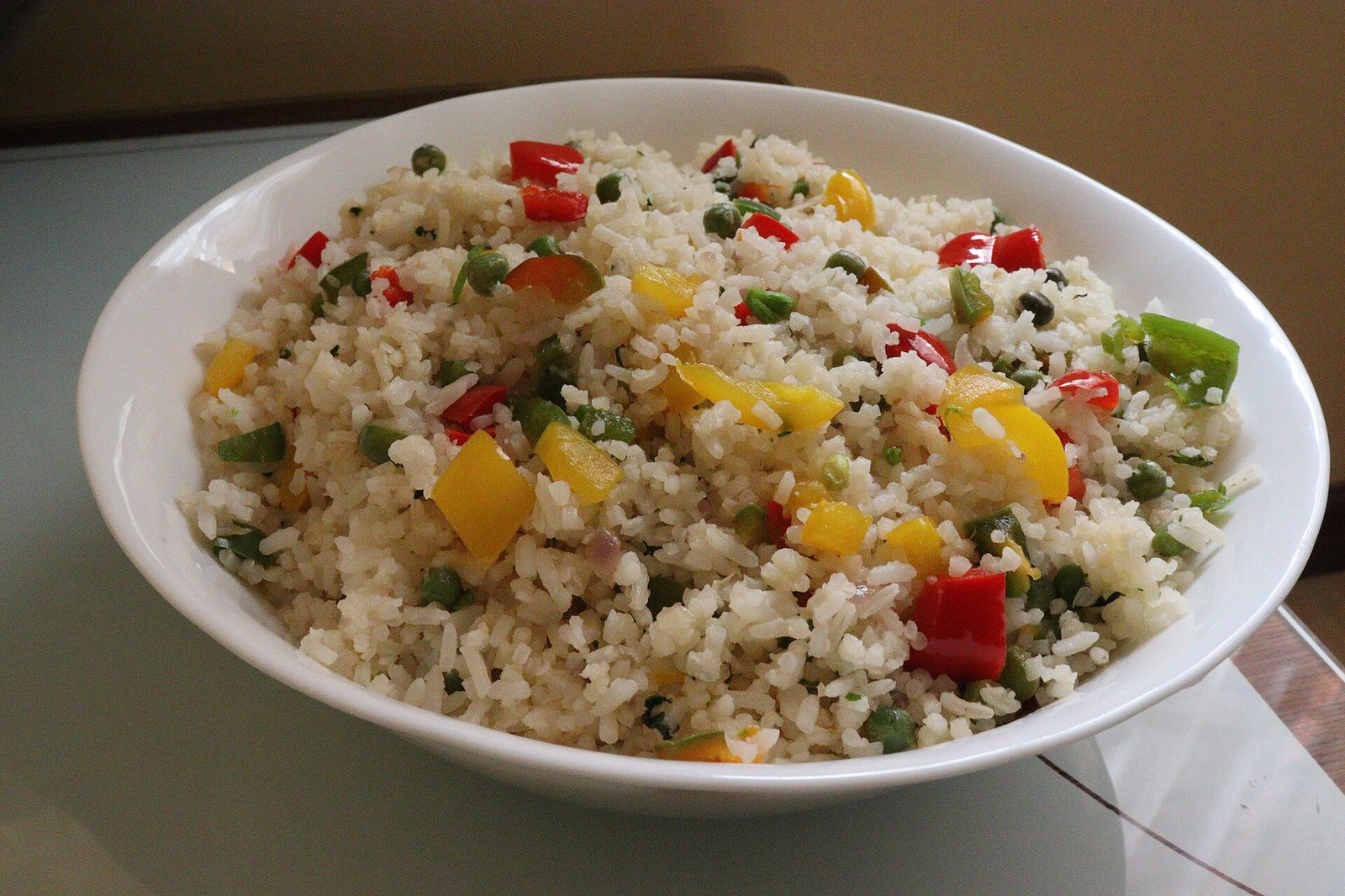
- – Lunch: rice bowl with chicken and cooked vegetables seasoned with herbs.
- – Snack: yogurt or apple.
- – Dinner: baked fish, potato, green beans; water.
- – Evening: stool plan if on opioids—not a stimulant laxative stack without advice.
5. Home setup tips
Keep a blood-pressure cuff log; stage light grocery bags under the lifting limit; ask helpers to carry bulk water.
6. If dialysis or advanced CKD is already part of life
Shift toward Dialysis Diet rules with your dialysis dietitian—nephrectomy recovery does not erase those constraints.
Safety, interactions, and who should ask a clinician first
- – Solitary kidney after total nephrectomy: protect blood pressure, avoid nephrotoxic OTC habits your clinician forbids, and keep hydration plans personalized.
- – Partial nephrectomy with ongoing cancer care: nutrition support may involve oncology dietitians.
- – Kidney donors: long-term monitoring still matters even when early labs look excellent.
- – Diabetes: coordinate carbohydrate and kidney mineral rules together.
- – Contact the surgical team for fever, wound problems, inability to urinate, calf pain concerning for clot, or breathing trouble.
FAQ
Can diet make the remaining kidney “twice as strong”? No. Food may support blood-pressure and metabolic care; it does not duplicate lost kidney mass.
Do all nephrectomy patients need a formal CKD diet? Not automatically. NIDDK personalization depends on kidney function, labs, and other conditions—ask before copying stage-based internet menus.
How soon can I return to normal grocery lifting? MedlinePlus discharge teaching commonly limits heavy lifting (example: about 10 pounds) until the surgeon clears you.
Is this the same as a kidney-transplant diet? No. Transplant immunosuppression kitchens are covered in Diet After Kidney Transplant.
What about kidney-stone history in the remaining kidney? Stone prevention patterns may overlap Kidney Stones Diet—confirm fluid and diet targets with urology/nephrology.
How this differs from related OTCFood topics
This page is a nephrectomy-recovery-bound diet guide bridging surgical recovery fueling and remaining-kidney nutrition themes. It is not a cancer cure diet, not a dialysis prescription, and not a substitute for nephrology follow-up.
Medical disclaimer
Medical disclaimer: This article is for general information only. It is not medical advice, diagnosis, or a treatment plan. Eating after nephrectomy depends on how much kidney tissue remains, lab results, blood pressure, cancer or donor status, and other conditions. Talk with a clinician or registered dietitian before starting, stopping, or changing any eating plan, supplement, or medicine. Seek urgent care for fever, wound infection signs, severe pain, trouble breathing, or inability to pass urine.