Coronary Artery Disease Diet: Foods That May Help and Foods to Limit
Medical note: This article discusses foods and researched botanicals. It does not claim to prevent, treat, or cure disease. Supplements are not a substitute for food, and studied amounts are not personal prescriptions.
People searching “coronary artery disease diet foods that help or worsen” usually want a heart-aware plate that supports cholesterol, blood pressure, and weight goals—not a claim that food replaces stents, bypass, cholesterol medicines, or emergency care. MedlinePlus describes coronary artery disease (CAD) as plaque buildup in the arteries that supply the heart; it is a leading cause of death in the United States. The National Heart, Lung, and Blood Institute (NHLBI) DASH eating plan and MedlinePlus heart-disease prevention pages emphasize limiting saturated fat, sodium, and added sugars while emphasizing vegetables, fruit, and whole grains. Diet is supportive alongside medicines, activity, and smoking cessation—never a substitute for chest-pain evaluation.
What this coronary artery disease diet guide covers (and what it does not)
This guide is for adults living with CAD or high cardiovascular risk who want kitchen defaults aligned with public heart-healthy patterns. Anchors: MedlinePlus — Coronary Artery Disease, MedlinePlus — How to Prevent Heart Disease, NHLBI — Coronary Heart Disease, and NHLBI — DASH Eating Plan.
MedlinePlus lists controllable risks: blood pressure, cholesterol and triglycerides, weight, healthy eating, activity, limiting alcohol, and not smoking. Chest pain, pressure, sudden shortness of breath, fainting, or stroke symptoms need emergency care—not a new “artery cleanse.”
Evidence snapshot: CAD diet claims vs public sources
| Claim people hope for | What public sources actually say | Confidence |
|---|---|---|
| “A CAD diet reverses blocked arteries overnight” | Public education focuses on risk-factor control (lipids, BP, weight, smoking) with clinician-guided therapy; food does not replace procedures or medicines | Strong: supportive, not a substitute |
| “DASH eating helps blood pressure and cholesterol” | MedlinePlus: DASH is an example plan that can help lower blood pressure and cholesterol—two drivers of heart-disease risk | Moderate–strong for risk factors |
| “Cutting all fat is required” | DASH includes vegetable oils and nuts in limited servings; the target is saturated/trans fats, not every fat | Moderate: quality and amount matter |
| “Red wine is heart medicine” | MedlinePlus: limiting alcohol is advised; excess raises BP and calories—do not start drinking for heart health | Moderate against therapeutic drinking |
| “Sodium does not matter if BP is normal” | DASH targets ≤2,300 mg sodium daily, with 1,500 mg lowering BP further for many people | Moderate for BP-aware CAD care |
Foods and patterns that may help with coronary artery disease day-to-day eating
“May help” means patterns that support lipid and blood-pressure goals and overall heart-healthy living—not a promise to open arteries.
DASH-style plate defaults (NHLBI)
- – Eat vegetables, fruits, and whole grains daily.
- – Include fat-free or low-fat dairy, fish, poultry, beans, nuts, and vegetable oils.
- – For a 2,000-calorie DASH pattern, NHLBI lists roughly 6–8 grain servings, 4–5 vegetable and 4–5 fruit servings, 2–3 low-fat dairy servings, and ≤6 meat/poultry/fish servings daily, with nuts/seeds/beans several times weekly.
- – Choose foods low in saturated and trans fats and rich in potassium, calcium, magnesium, fiber, and protein.
Cholesterol- and triglyceride-aware swaps (MedlinePlus)
- – Emphasize fresh fruit, vegetables, and whole grains instead of foods high in saturated fat, sodium, and added sugars.
- – Prefer fish, poultry without skin, beans, and tofu more often than fatty meats.
- – Use olive, canola, or other liquid vegetable oils instead of tropical oils (coconut, palm) highlighted by DASH as high in saturated fat.
Blood-pressure and weight support
- – Cook with herbs, garlic, citrus, and unsalted spices instead of stacking salt at the table.
- – Keep alcohol within MedlinePlus limits if you drink (no more than 1 drink/day for women, 2 for men)—or none if your clinician advises abstinence.
- – Pair eating changes with activity and weight goals your care team sets.
Sample shopping focus
Oats, brown rice, beans, leafy greens, berries, bananas, tomatoes, low-fat yogurt or fortified plant milk, salmon or other fish, nuts in small portions, olive oil, and frozen vegetables without creamy sauces.
Foods and habits that often worsen CAD kitchen patterns
- – Fatty meats, full-fat dairy, and tropical oils—DASH asks you to limit these saturated-fat sources.
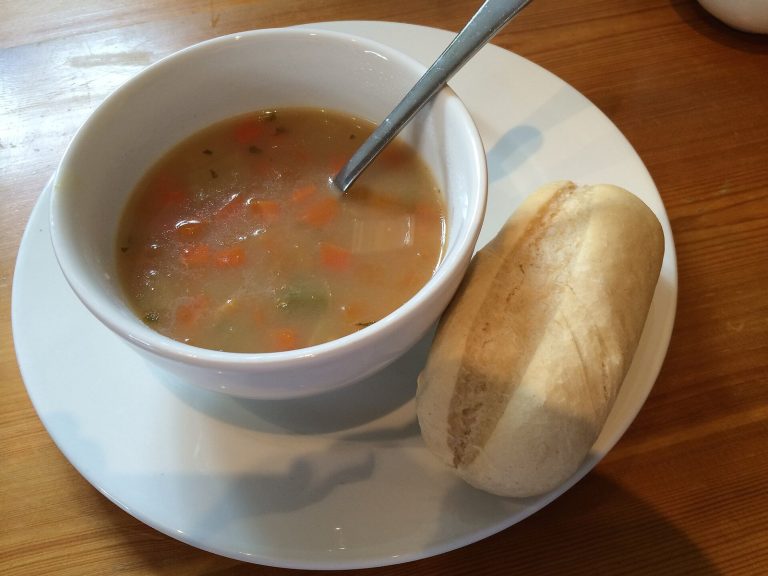
- – High-sodium restaurant meals, chips, canned soups, and cured meats that push daily sodium far above DASH targets.
- – Sugar-sweetened beverages and frequent sweets—DASH limits sweets and sugar-sweetened drinks.
- – Heavy alcohol—MedlinePlus links excess drinking with higher blood pressure and weight gain.
- – Smoking plus “cheat day” binge eating—smoking remains a major CAD risk; food patterns cannot cancel tobacco harm.
- – Stopping prescribed statins, antiplatelets, or blood-pressure medicines for unproven detox products.
“Limit” means smaller portions and lower frequency—not that one birthday meal erases cardiac care.
Practical kitchen protocol: a coronary artery disease diet week
1. Audit labels for a week
Note saturated fat grams, sodium milligrams, and added sugars on packaged foods. Compare restaurant estimates with your clinician’s sodium and lipid plan.
2. Build a DASH-leaning shopping list
Produce, whole grains, beans, fish, skinless poultry, low-fat dairy or fortified alternatives, nuts (measured), olive oil, herbs, and unsalted spice blends.
3. Default plate template
- – Half non-starchy vegetables
- – Quarter whole grains or starchy vegetables
- – Quarter lean protein
- – Fruit and low-fat dairy as snacks or sides
- – Flavor with herbs instead of salt when possible
4. Sample day (illustrative)
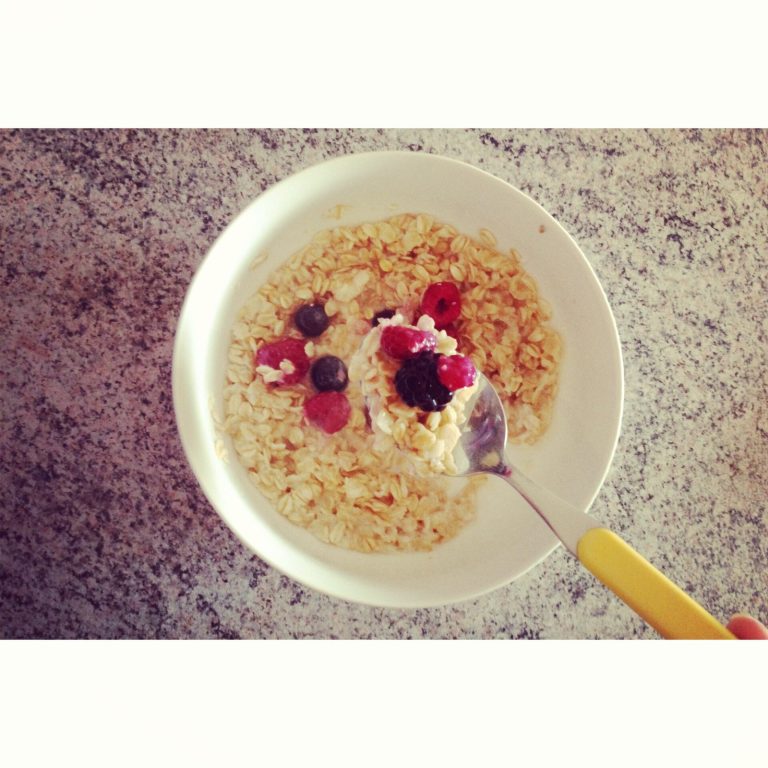
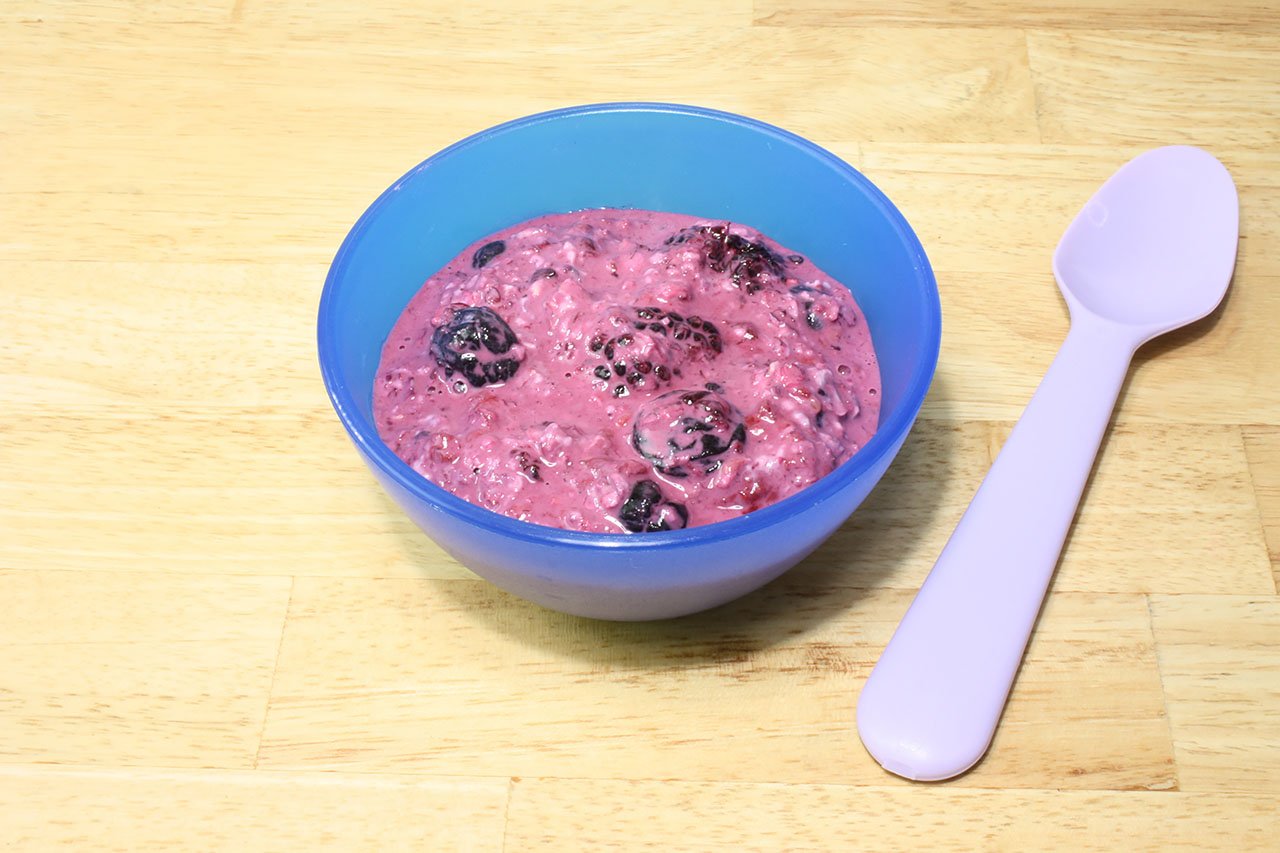
- – Breakfast: oatmeal with berries and low-fat yogurt; coffee without sugary syrups.
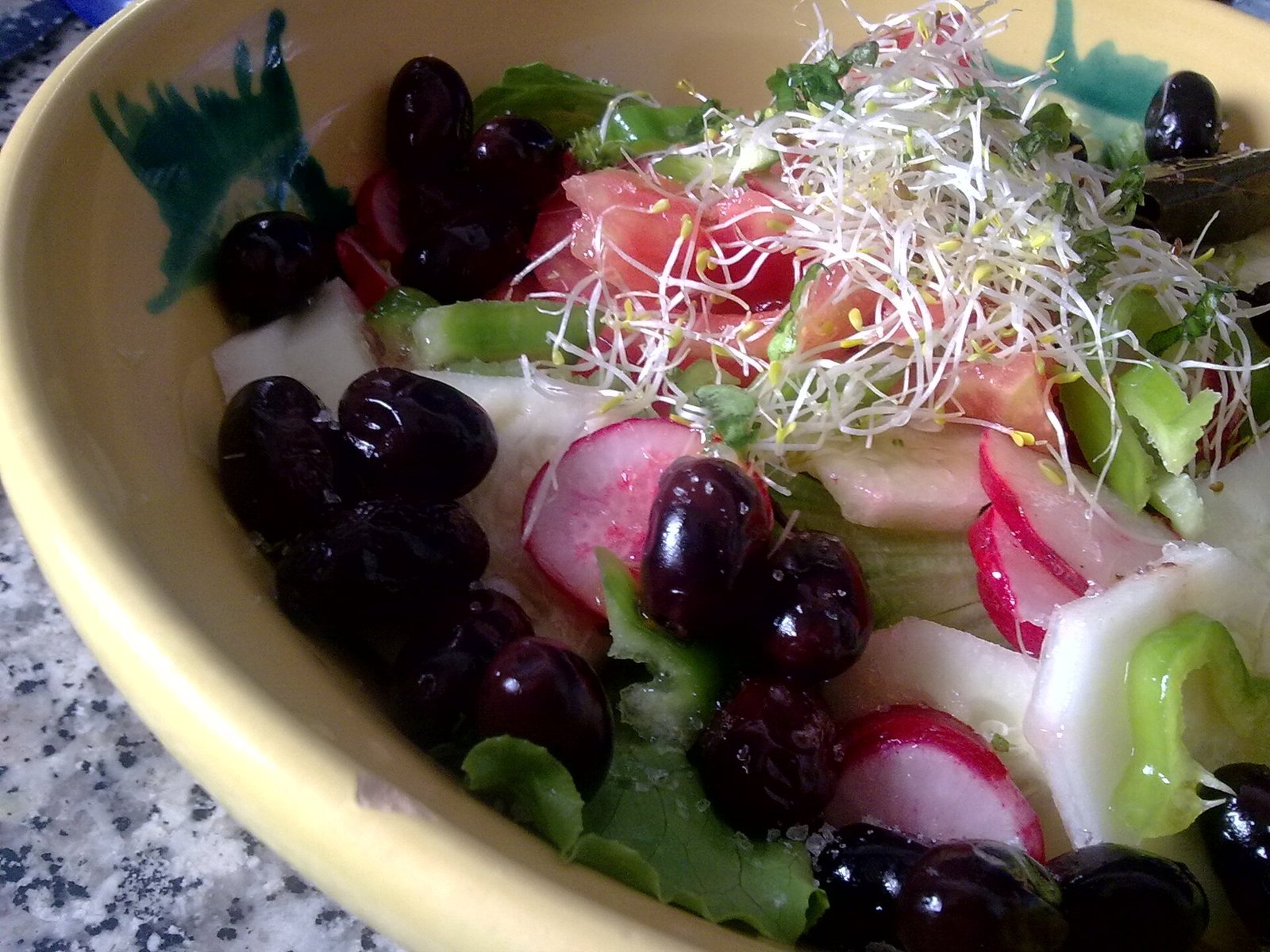
- – Lunch: large salad with chickpeas, olive oil, vinegar, and whole-grain bread.
- – Snack: apple and a small handful of unsalted nuts.
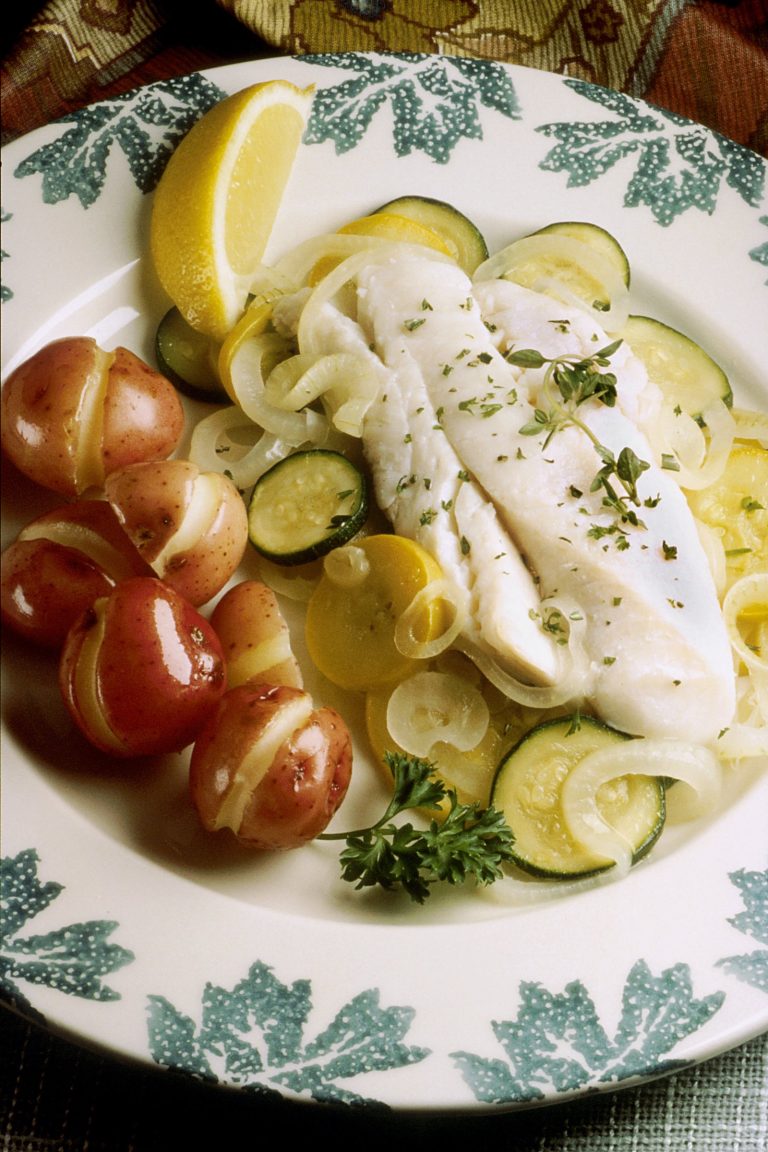
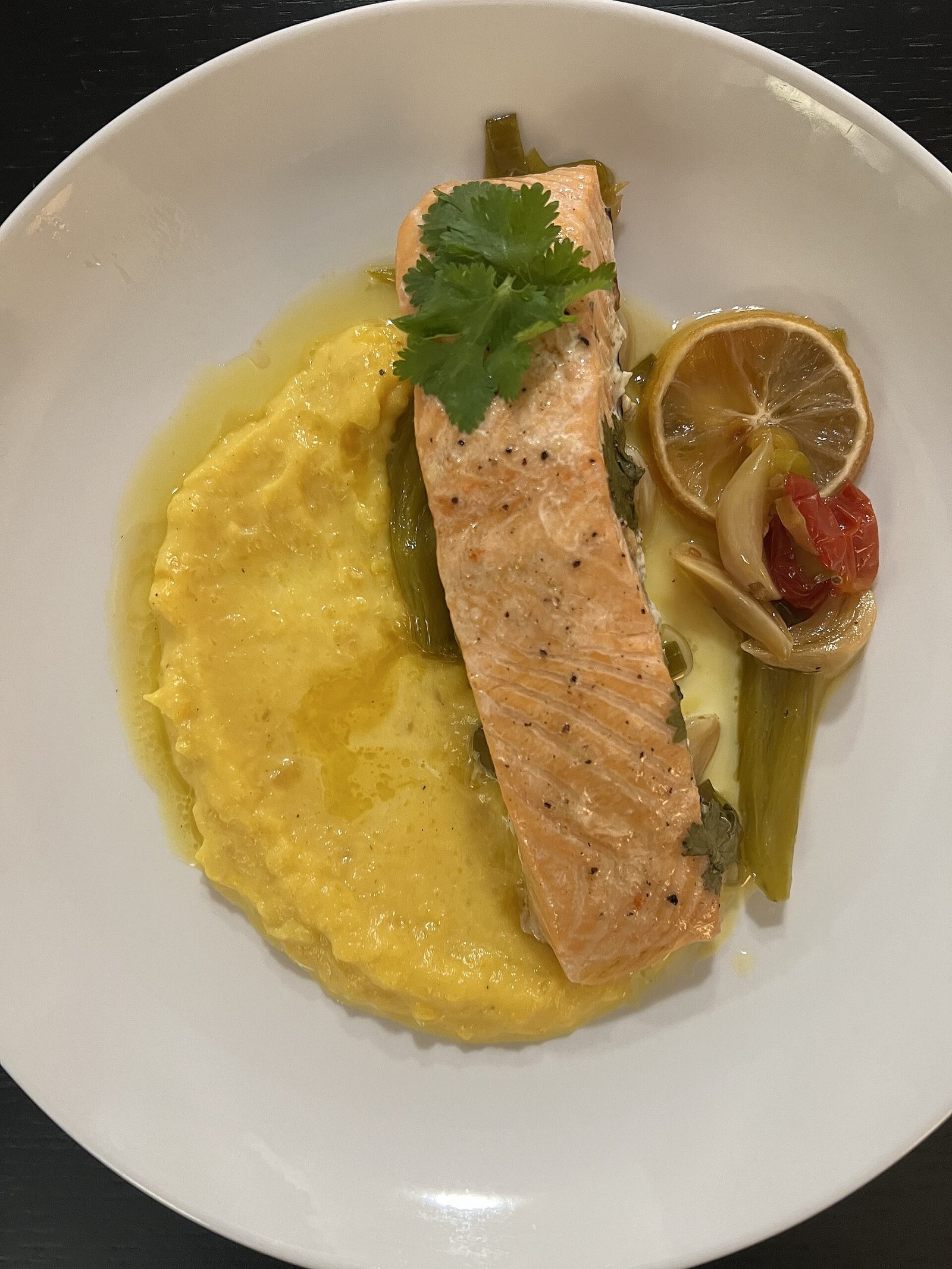
- – Dinner: grilled salmon, steamed broccoli, brown rice; fruit for dessert.
- – Drinks: water or unsweetened tea; skip sugar-sweetened sodas.
5. Eating out
Ask for sauces and dressings on the side; choose grilled fish or poultry; request no added salt; share large portions; skip fried appetizers when possible.
6. When lipids or blood pressure remain high
Diet supports medicines—it does not replace them. Bring a food log to your cardiology or primary-care visit.
Extra practical note for medicine days
If you take a morning statin or blood-pressure tablet, pair it with a consistent breakfast pattern so doses are harder to miss. Keep a weekly salt audit: restaurant soup, bread, cheese, and sauces often hide more sodium than the salt shaker. When family meals feel restrictive, use “add vegetables first” rather than an all-or-nothing ban—DASH is a pattern for life, not a three-day cleanse.
Safety, interactions, and who should ask a clinician first
- – CAD care is medical: medicines, procedures, and rehab plans come first; diet is supportive.
- – Seek emergency care for chest pain/pressure, pain radiating to jaw or arm, sudden severe shortness of breath, fainting, or stroke signs.
- – Grapefruit can interact with some cholesterol or blood-pressure medicines—ask your pharmacist.
- – Kidney disease, heart failure, or potassium-sparing medicines may require different potassium and fluid targets than a generic DASH sheet.
- – Do not start high-dose fish-oil or red-yeast-rice supplements without clinician review (bleeding and drug interactions).
FAQ
Can a CAD diet reverse coronary artery disease? Food patterns may help control risk factors. They do not replace prescribed medicines, stents, or bypass decisions. Avoid “reverse CAD in 7 days” claims.
Is the DASH plan only for hypertension? DASH was designed for blood pressure, and MedlinePlus also cites it as a pattern that can help cholesterol—both relevant to CAD risk.
Should I drink red wine for my heart? Do not start drinking for heart health. If you already drink, stay within MedlinePlus limits or follow your clinician’s stricter advice.
How much sodium should I aim for? DASH uses 2,300 mg daily as a common target, with 1,500 mg lowering blood pressure further for many people—confirm your personal limit.
How this differs from related OTCFood topics
This page is a coronary artery disease–bound diet guide focused on DASH-style plates, saturated fat, and sodium awareness for people with CAD or high risk. It is not a high blood pressure foods guide hypertension-only primer, not a high cholesterol diet guide lipid deep-dive alone, not a heart failure diet guide fluid-restriction map, and not a metabolic syndrome diet guide waist-and-glucose week plan—though those kitchen problems often overlap.
Medical disclaimer
Medical disclaimer: This article is for general information only. It is not medical advice, diagnosis, or a treatment plan. Coronary artery disease care depends on your anatomy, symptoms, lipids, blood pressure, diabetes status, and medicines. Talk with a clinician, cardiologist, or registered dietitian before starting, stopping, or changing any eating plan, supplement, or heart medicine. Seek emergency care for chest pain, sudden shortness of breath, fainting, or stroke symptoms.