Potassium Deficiency Diet: Foods That May Help and Foods to Limit
Medical note: This article discusses foods and researched botanicals. It does not claim to prevent, treat, or cure disease. Supplements are not a substitute for food, and studied amounts are not personal prescriptions.
People searching “potassium deficiency diet foods that help or worsen” usually want food-first ways to raise low potassium—not a claim that kitchen changes replace urgent medical care for severe hypokalemia. The NIH Office of Dietary Supplements (ODS) explains that potassium supports kidney and heart function, muscle contraction, and nerve transmission. Many U.S. diets fall short of recommended intakes. Severe deficiency (hypokalemia) can follow prolonged diarrhea or vomiting, laxative abuse, certain diuretics, heavy sweating, dialysis-related issues, or other medicines, and can be life-threatening with irregular heartbeat or paralysis. Food patterns may help many people meet daily needs; they do not replace emergency care or clinician-directed potassium therapy when blood levels are dangerously low.
What this potassium deficiency diet guide covers (and what it does not)
This guide is for adults told their dietary potassium is low, or who want food sources aligned with ODS consumer guidance, while lab monitoring continues. Anchors: ODS — Potassium (Consumer), related blood-pressure education, and clinician advice on diuretics and kidney disease.
ODS adult recommendations: about 3,400 mg/day for men and 2,600 mg/day for women (other life stages differ). Getting too little potassium can raise blood pressure, deplete bone calcium, and increase kidney-stone risk. Critically, people with chronic kidney disease or those on ACE inhibitors, ARBs, or potassium-sparing diuretics can develop hyperkalemia even on typical food potassium—salt substitutes can be dangerous in that setting. This page is not a CKD high-potassium menu; see chronic kidney disease diet guide if you have kidney disease.
Evidence snapshot: potassium diet claims vs public sources
| Claim people hope for | What public sources actually say | Confidence |
|---|---|---|
| “Bananas alone fix hypokalemia” | ODS lists many foods (fruits, vegetables, beans, dairy, meats/fish); bananas are one source among many | Moderate for food intake; severe hypokalemia needs medical care |
| “Salt substitutes are always safer” | ODS: potassium in salt substitutes can push levels too high if you have kidney disease or take certain medicines | Strong: ask before using |
| “High-dose potassium pills are fine for everyone” | Most supplements provide ≤99 mg/serving; excess from supplements/salt substitutes can cause hyperkalemia even in some healthy people | Strong: clinician-guided only |
| “Food potassium harms healthy kidneys” | ODS: potassium from food/beverages has not been shown to harm people with normal kidney function | Strong for food in healthy kidneys |
| “Diet replaces ECG-level emergency care” | Severe hypokalemia can cause irregular heartbeat, paralysis, breathing difficulty—life threatening | Strong: seek urgent care when severe |
Foods and patterns that may help raise dietary potassium
“May help” means choosing ODS-listed potassium-rich foods within an overall healthy pattern—not megadosing powders without labs.
ODS food sources to emphasize (when your clinician says more potassium is appropriate)
- – Fruits: dried apricots, prunes, raisins, orange juice, bananas
- – Vegetables: acorn squash, potatoes, spinach, tomatoes, broccoli
- – Legumes and nuts: lentils, kidney beans, soybeans, nuts
- – Dairy: milk and yogurt
- – Proteins: meats, poultry, and fish
Blood pressure and stone-aware context
- – ODS: low potassium intake raises hypertension risk especially with high sodium; increasing potassium and lowering sodium might help blood pressure and stroke risk—coordinate with our high blood pressure foods guide and hypertension diet guide guides.
- – ODS: higher dietary potassium might reduce kidney-stone risk linked to urinary calcium—see also kidney stones diet guide for stone-type specifics your clinician sets.
- – Bone-health overlap: fruit-and-vegetable potassium patterns associate with stronger bones in ODS summaries—pair thoughtfully with osteoporosis diet guide if bone density is also a goal.
Who is more likely to struggle with intake (ODS)
- – Inflammatory bowel disease (Crohn’s, ulcerative colitis)
- – Users of certain laxatives or some diuretics
- – People with pica (eating non-foods such as clay)
Loop and thiazide diuretics can lower potassium; ACE inhibitors, ARBs, and potassium-sparing diuretics can raise it—medication class matters more than any single fruit.
Label and salt-substitute literacy
- – Read “lite salt” and salt-substitute labels—many swap sodium for potassium chloride. ODS warns these products can raise potassium too high for people with kidney disease or on ACE inhibitors, ARBs, or potassium-sparing diuretics.
- – Multivitamins rarely close large potassium gaps because supplemental potassium per serving is capped low (often ≤99 mg). Food remains the practical lever when higher intake is appropriate.
Foods and habits that often worsen potassium problems
- – Using potassium salt substitutes freely when you have CKD, heart failure on certain meds, type 1 diabetes with complications, adrenal insufficiency, or liver disease—ODS hyperkalemia warnings apply.
- – Self-prescribing high-dose potassium chloride because a fitness blog said so—supplements need clinician oversight.
- – Ignoring severe symptoms (marked weakness, paralysis sensations, irregular heartbeat, trouble breathing) while “eating more bananas.”
- – Ultra-low produce patterns that keep total potassium far below ODS targets when your kidneys are healthy and your clinician wants higher intake.
- – Heavy alcohol or purging behaviors that worsen electrolyte losses—seek medical and mental-health support.
“Limit” depends on labs: the same potato that helps deficiency can be restricted in advanced CKD.
Practical kitchen protocol: a potassium-aware week (when higher intake is cleared)
1. Keep the medical spine first
Know your latest potassium lab, kidney function, and medicine list before aggressive food or salt-substitute changes—especially if you have heart failure diet guide care plans.
2. Shopping list (food-first potassium)
Potatoes, spinach, tomatoes, broccoli, acorn squash; bananas, orange juice, dried apricots, prunes, raisins; lentils and beans; yogurt and milk; fish or poultry; unsalted nuts in modest portions.
3. Default plate template
- – Include a potassium-rich vegetable or fruit at most meals
- – Pair beans or yogurt regularly
- – Keep sodium-aware seasoning if blood pressure is a concern
- – Water as default drink; juice portions mindful of sugar goals
4. Sample day (illustrative ~food pattern, not a lab prescription)
- – Breakfast: yogurt with banana and a few raisins; water.
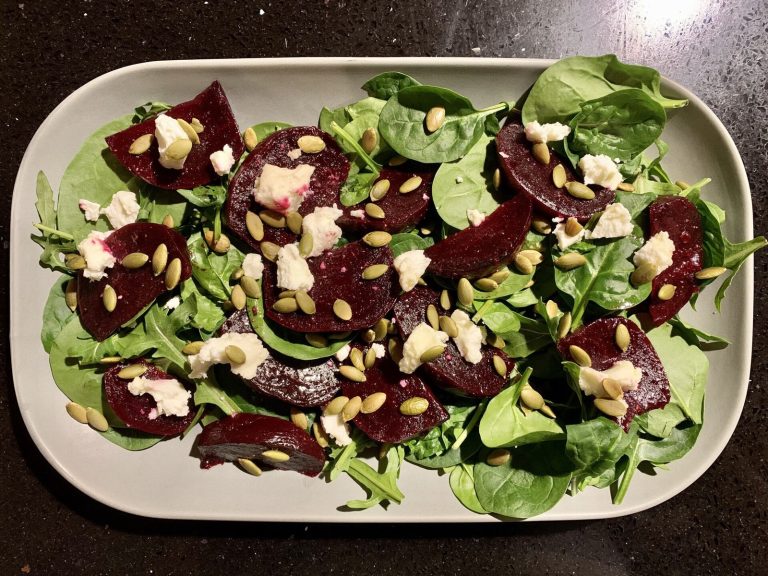
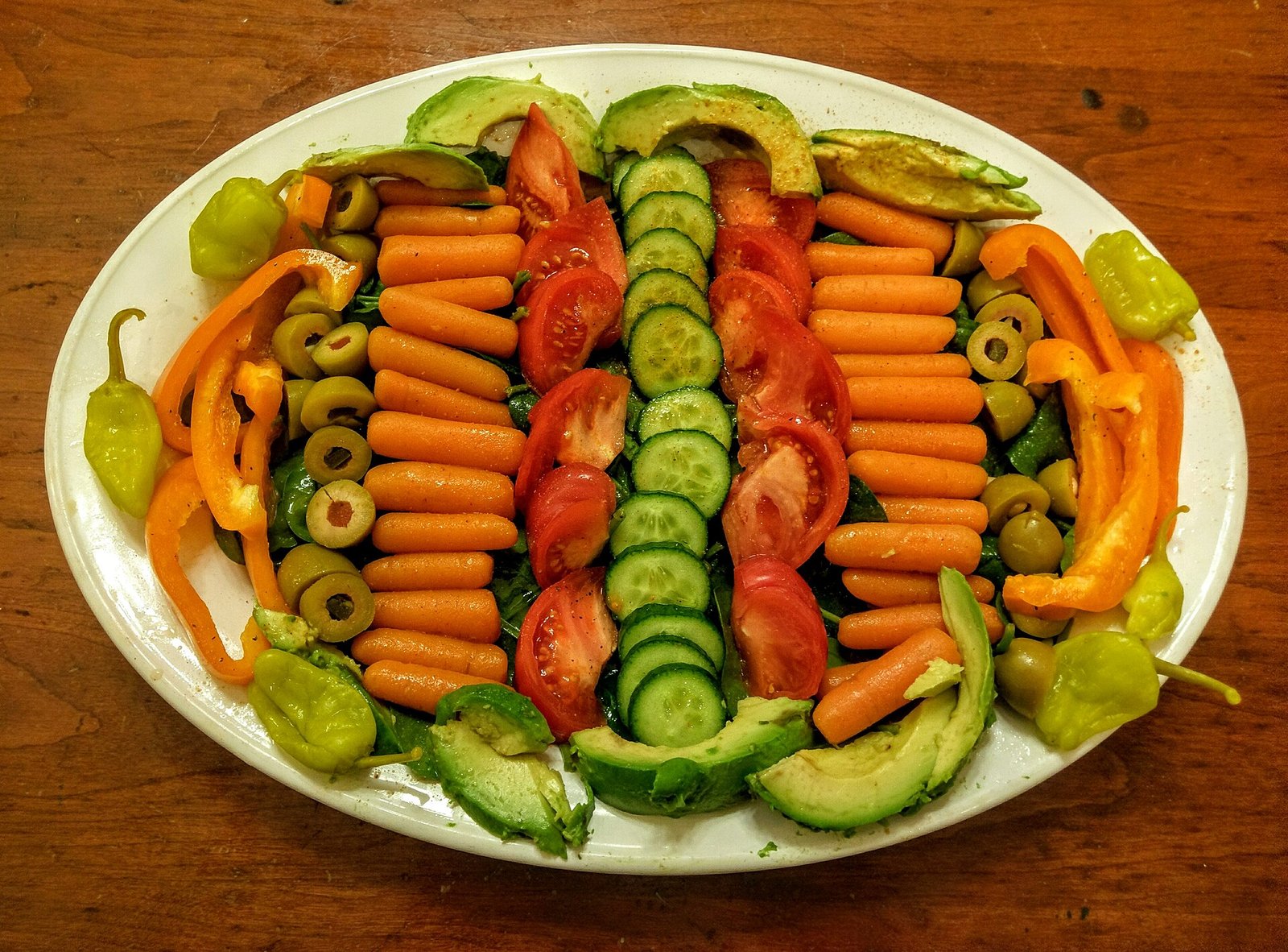
- – Lunch: spinach salad with beans, tomato, olive oil; orange or orange juice portion as advised.
- – Snack: small handful of dried apricots or yogurt.
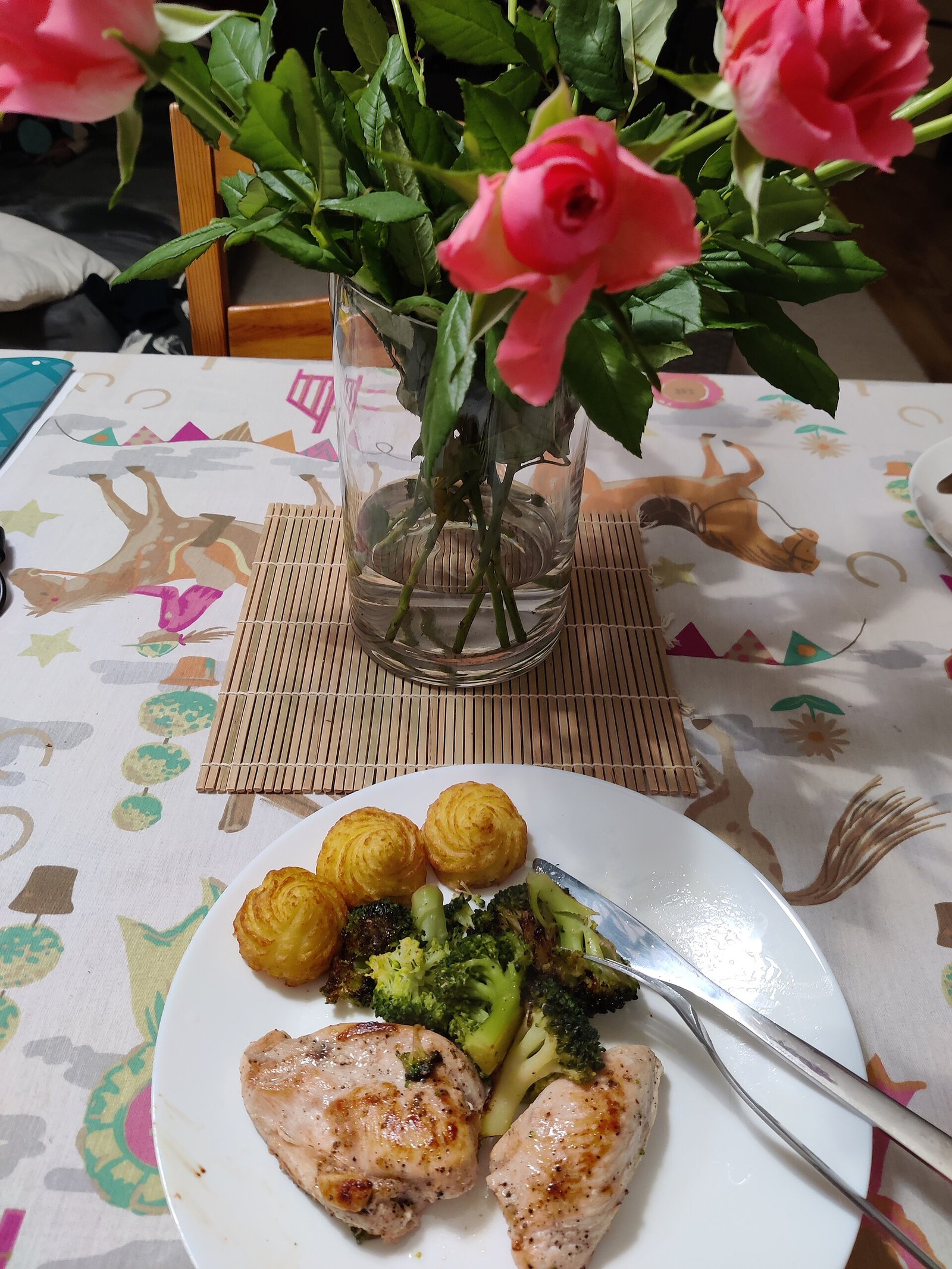
- – Dinner: baked potato, broiled fish, broccoli; milk if tolerated.
- – Evening: review diuretic timing with your pharmacist if evenings worsen nocturia or cramps.
5. Eating out
Choose vegetable sides, bean soups, and baked potatoes over fries-only defaults; ask about salt substitutes in “low sodium” kitchens if you must avoid extra potassium.
6. Overlap with magnesium
Cramps and diuretic use often involve more than one electrolyte—see magnesium deficiency diet guide when your clinician is checking both.
Safety, interactions, and who should ask a clinician first
- – Hyperkalemia risk groups (ODS): CKD; ACE inhibitors (e.g., benazepril); ARBs (e.g., losartan); potassium-sparing diuretics (amiloride, spironolactone); some people with type 1 diabetes, congestive heart failure, liver disease, or adrenal insufficiency.
- – Hypokalemia risk medicines: loop diuretics (furosemide, bumetanide) and thiazides can waste potassium—do not adjust doses yourself.
- – Severe hypokalemia symptoms: urgent/emergency care.
- – Heart-failure and CKD meal plans may intentionally limit potassium—follow the renal dietitian, not generic “eat more bananas” advice.
- – Pregnancy and breastfeeding have their own ODS targets—confirm personal needs.
FAQ
Can food reverse life-threatening hypokalemia overnight? No. Severe hypokalemia needs medical treatment. Food helps many people meet daily recommended intakes when appropriate.
How much potassium do adults need? ODS: about 3,400 mg/day (men) and 2,600 mg/day (women), with different values for teens, pregnancy, and lactation.
Are potassium supplements better than food? ODS encourages food first. Most supplements provide small amounts (≤99 mg/serving); high intakes from supplements/salt substitutes can be harmful.
Is orange juice required every day? No. It is one ODS-listed source among many vegetables, fruits, beans, and dairy options.
What if I have kidney disease? Do not use this page to raise potassium. Follow nephrology/dietitian limits and our chronic kidney disease diet guide context.
How this differs from related OTCFood topics
This page is a potassium-deficiency / low-intake diet guide grounded in ODS food lists and safety flags. It is not a CKD potassium-restriction manual, not a full high blood pressure foods guide DASH clinic visit, and not a constipation diet guide fiber protocol—though constipation can appear among hypokalemia symptoms and needs medical evaluation when severe.
Medical disclaimer
Medical disclaimer: This article is for general information only. It is not medical advice, diagnosis, or a treatment plan. Potassium disorders depend on blood tests, kidney function, electrocardiogram findings when indicated, and medicines. Talk with a clinician or registered dietitian before starting, stopping, or changing any eating plan, salt substitute, supplement, or prescription. Seek emergency care for irregular heartbeat, severe muscle weakness, paralysis, or trouble breathing.