Burning Mouth Syndrome Diet: Foods That May Help and Foods to Limit
Medical note: This article discusses foods and researched botanicals. It does not claim to prevent, treat, or cure disease. Supplements are not a substitute for food, and studied amounts are not personal prescriptions.
People searching “burning mouth syndrome diet foods that help or worsen” usually want practical ways to calm mouth burning while they work with a dentist or physician—not a claim that food repairs nerve damage, replaces prescription nerve-calming medicines, or cures every metallic taste overnight. The National Institute of Dental and Craniofacial Research (NIDCR) describes burning mouth syndrome (BMS) as a painful burning, scalding, or tingling feeling that often occurs daily for months or longer, commonly on the tongue tip/sides/top, roof of the mouth, and lips, sometimes with dry mouth or altered taste. NIDCR notes BMS can be hard to diagnose because the mouth may look healthy and blood tests may be normal until other causes are ruled out.
What this burning mouth syndrome diet guide covers (and what it does not)
This guide is for adults with clinician-evaluated mouth burning who want kitchen and oral-care habits aligned with NIDCR patient tips. Anchors: NIDCR — Burning Mouth Syndrome (primary) and related MedlinePlus oral-pain encyclopedia browsing used only as secondary context when NIDCR is silent.
NIDCR explains experts believe BMS involves damage to nerves that control pain and taste; it is more common in women, especially after menopause. Other conditions can mimic burning (dry mouth, yeast infection, allergies to dental materials or foods, acid reflux, hormone issues such as diabetes or thyroid problems, blood-pressure medicines, and nutritional deficiencies such as low vitamin B or iron). Related reading: dry mouth diet guide, canker sores diet guide, oral thrush diet guide, and vitamin B12 deficiency diet guide.
Evidence snapshot: BMS diet claims vs public sources
| Claim people hope for | What public sources actually say | Confidence |
|---|---|---|
| “One miracle food cures BMS” | NIDCR: BMS is complex; treatments that help one person may not help another; medicines may calm overactive nerves | Strong: no culinary cure |
| “Spicy food never matters” | NIDCR helpful tips: avoid hot, spicy foods that can irritate the mouth | Strong for personalization |
| “Alcohol mouthwash is soothing” | NIDCR: avoid mouthwash that contains alcohol | Strong avoid tip |
| “Ignoring dry mouth or yeast is fine if you change diet” | NIDCR: treating underlying oral/medical conditions may help symptoms go away | Strong: evaluate mimics |
| “Vitamin or iron deficiency is never relevant” | NIDCR lists nutritional deficiencies (low vitamin B or iron) among conditions that can cause burning sensations | Moderate: test/treat only with clinician |
Foods and patterns that may help with burning mouth syndrome day to day
“May help” means supporting temporary symptom relief and avoiding irritants while diagnosis and treatment proceed—not promising permanent nerve healing from groceries alone.
NIDCR symptom-soothing tips
- – For many people, pain is temporarily reduced when eating or drinking.
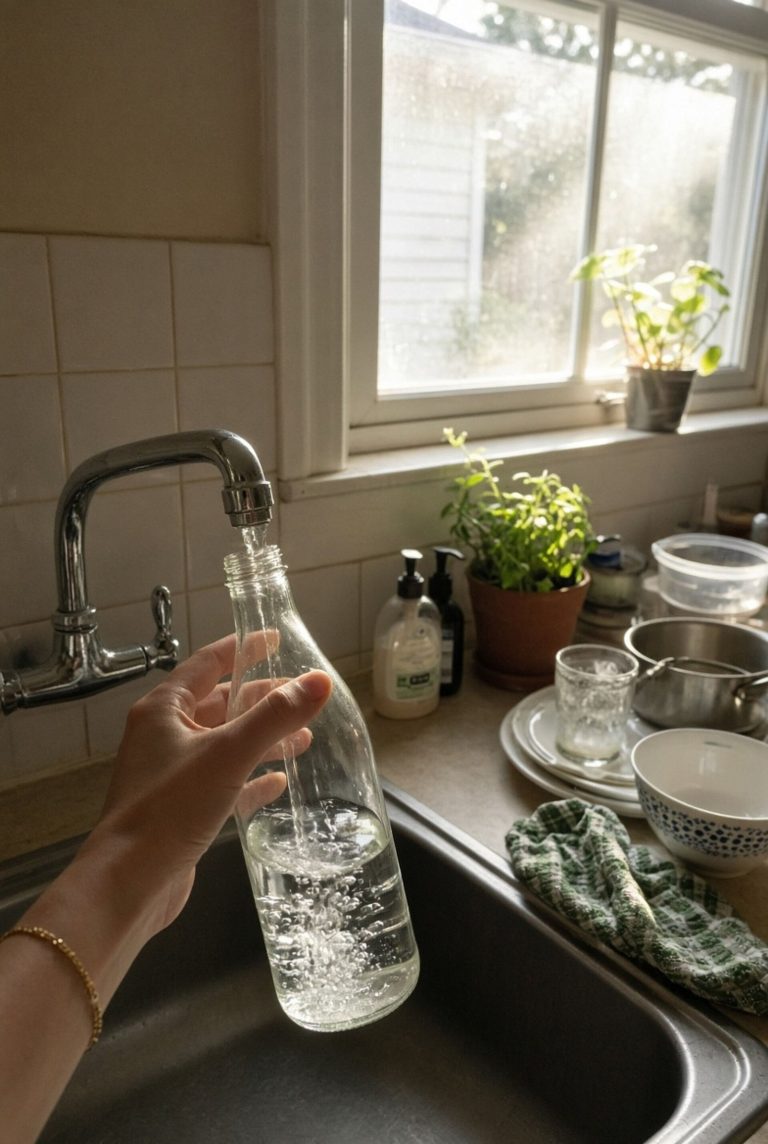
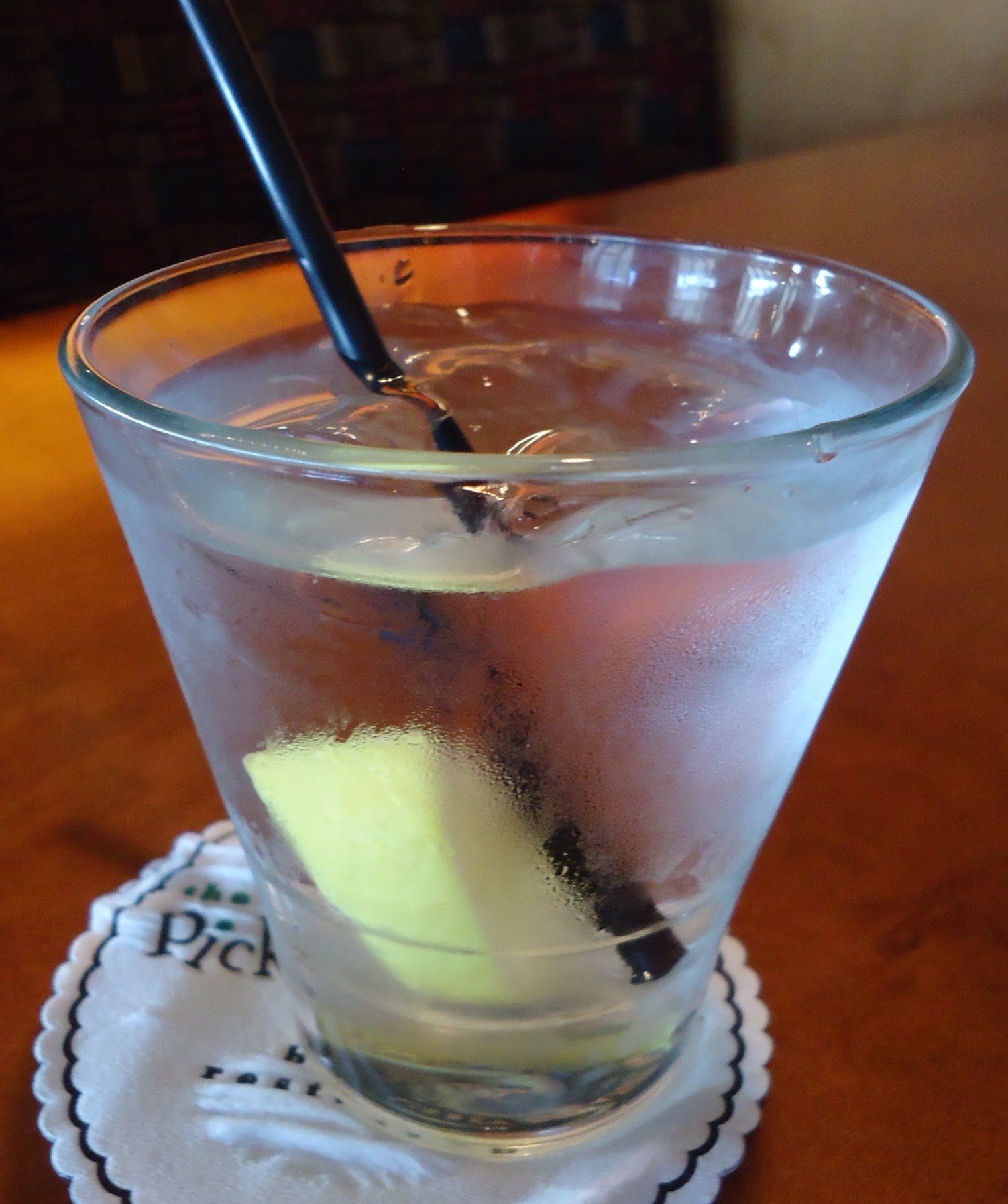
- – Sip a cold beverage, suck on ice chips, or chew sugarless gum to help ease pain.
- – Ask your dentist and doctor for other tips tailored to your exam.
Soft, non-irritating meal building blocks
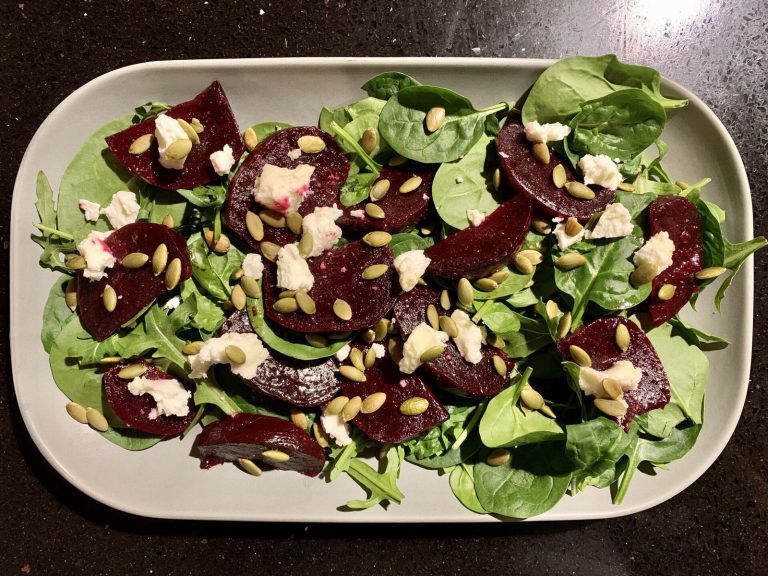
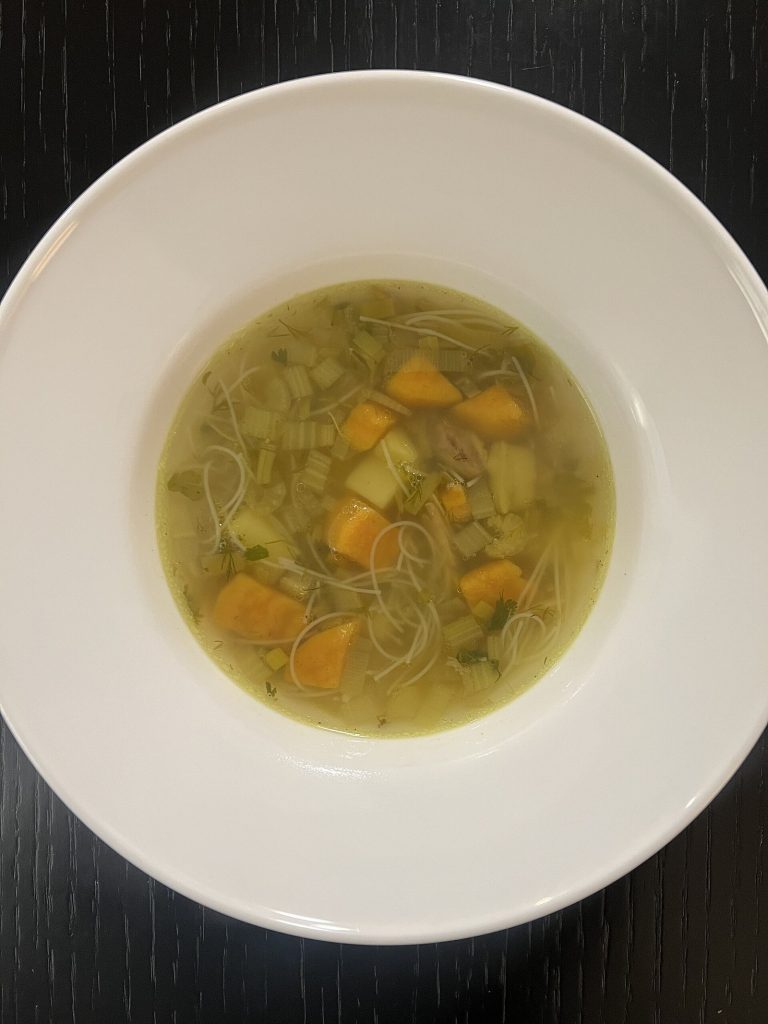
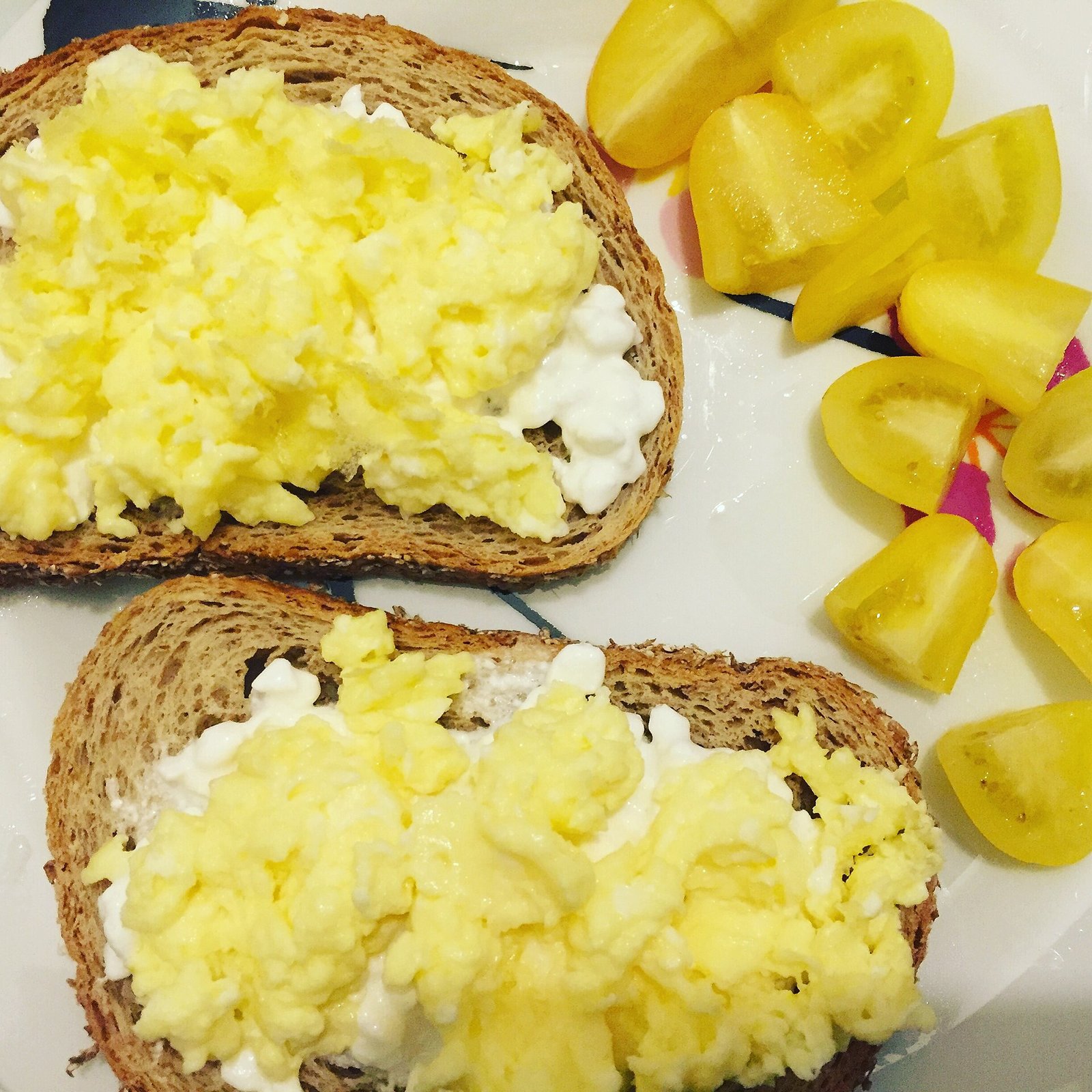
- – Cool or room-temperature foods when heat worsens burning: yogurt, smoothies without citrus if acid bothers you, scrambled eggs, soft cooked grains, ripe bananas, mashed vegetables, soups that are warm rather than scalding.
- – Steady protein and fluids support overall nutrition on days burning limits intake—pair with dry mouth diet guide strategies if dryness dominates.
- – If blood tests show iron or vitamin B issues, follow clinician/dietitian food-plus-supplement plans rather than megadosing; see vitamin B12 deficiency diet guide for B12-focused reading when relevant.
Oral-habit and product awareness
- – NIDCR notes tongue hyperactivity and allergies to dental products, materials, or foods can contribute to burning sensations—track whether specific toothpastes, gums, or foods correlate with flares and share that log with your dentist.
- – Prefer alcohol-free mouth rinses if you need a rinse; avoid alcohol-containing mouthwash per NIDCR tips.
Treatable look-alikes still need medical/dental care
- – Yeast infection, Sjögren-related dry mouth, reflux, thyroid or diabetes issues, and medicine side effects are medical problems—diet tweaks support comfort while those are addressed; they do not replace antifungals, saliva strategies, or medicine reviews.
Foods and habits that often worsen BMS kitchen patterns
NIDCR helpful tips list irritants to avoid:
- – Tobacco products
- – Hot, spicy foods
- – Alcoholic beverages
- – Mouthwash that contains alcohol
- – Products high in acid, such as citrus fruits and juices
Additional patterns that often make weeks harder:
- – Very hot coffee/tea temperature even if caffeine itself is not the issue—heat can feel like more burning.
- – Crunchy sharp chips or hard crusts that scrape already hypersensitive mucosa (practical comfort tip).
- – Self-diagnosing “candida cleanses” or harsh oil-pulling instead of getting an oral swab when infection is possible—see oral thrush diet guide.
- – Ignoring anxiety, depression, or stress, which NIDCR lists among associated conditions; mental-health care may be part of multimodal treatment.
- – Expecting diet alone to replace medicines that calm overactive nerves when BMS is primary.
“Limit” means reducing oral irritants—not lifelong fear of every flavorful meal after symptoms improve.
Practical kitchen protocol: a burning mouth syndrome diet week
1. Build a two-week irritant and timing log
Note burning intensity morning vs evening (NIDCR: some people wake with lower pain that rises through the day), foods/drinks, tobacco, alcohol mouthwash use, and whether eating temporarily helps. Bring the log to dental/medical visits.
2. Shopping list for lower-irritant weeks
Soft proteins (eggs, tofu, tender fish, yogurt); cooked vegetables; non-citrus fruits you tolerate; oatmeal and soft breads; sugarless gum; cold water bottles; alcohol-free oral rinse if recommended; ice cube trays for ice chips.
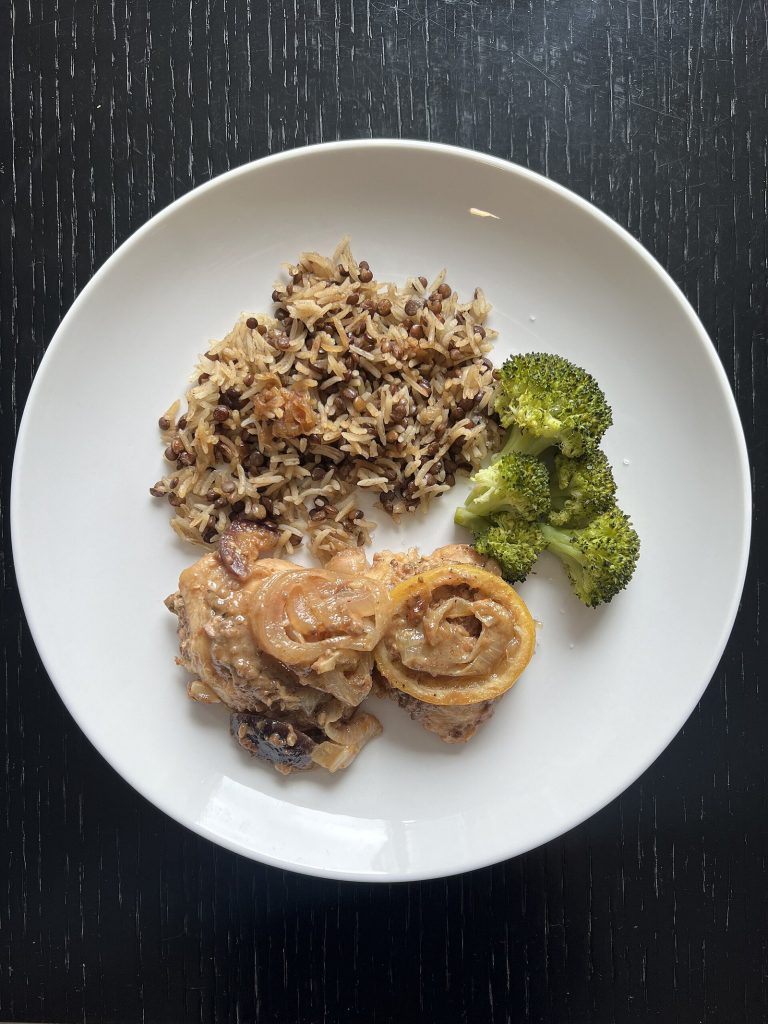
3. Default plate template on high-burn days
- – Cool or lukewarm temperature
- – Soft textures
- – Minimal spice, alcohol, citrus, and tobacco exposure
- – Protein + carbohydrate + soft produce
- – Sip fluids during meals
4. Sample day (illustrative)
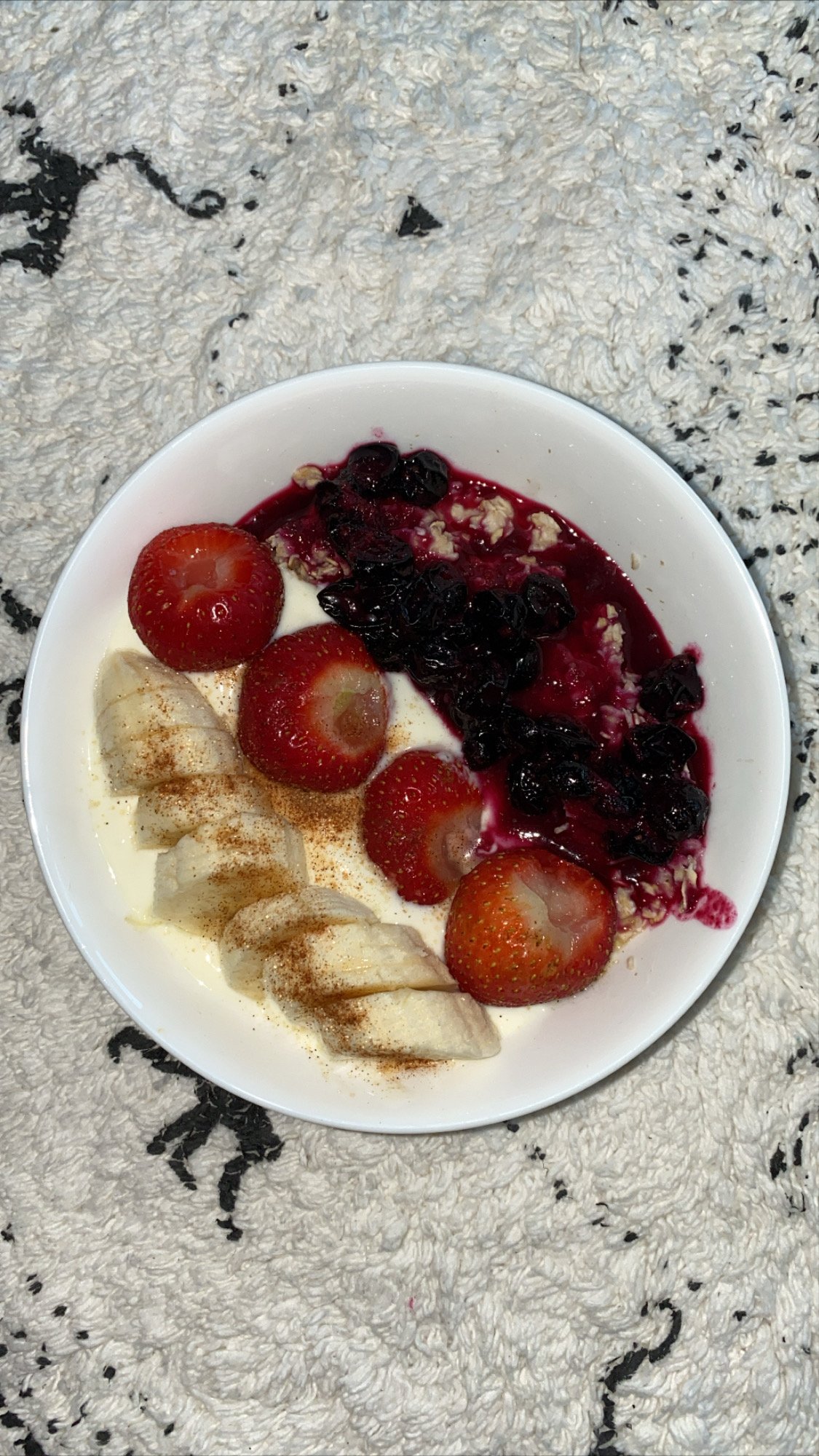
- – Breakfast: lukewarm oatmeal with banana; cool water or milk alternative you tolerate.
- – Mid-morning: ice chips or cold water sips; sugarless gum if helpful.
- – Lunch: egg salad or soft tofu bowl with well-cooked vegetables; avoid hot sauce.
- – Snack: yogurt if dairy is tolerated; or a smoothie without citrus.
- – Dinner: baked fish, mashed potatoes, soft green beans; room-temperature water.
- – Evening: alcohol-free rinse if advised; skip alcohol and spicy late snacks.
5. Eating out
Ask for no chili, pepper flakes, or alcohol-based sauces; choose steamed or baked items; request food not piping hot; carry a water bottle for cooling sips.
6. When burning limits total intake
Use oral nutrition shakes only if your clinician agrees; prioritize calories and protein so weight loss does not compound fatigue while workups continue.
Safety, interactions, and who should ask a clinician first
- – New mouth burning with ulcers, fever, difficulty swallowing, or one-sided neurologic symptoms: seek prompt care—do not assume BMS.
- – Diabetes, thyroid disease, autoimmune dry mouth, or reflux: coordinate medical treatment; food is adjunctive.
- – Blood-pressure medicines or other drugs suspected as triggers: only a clinician should adjust prescriptions.
- – Pregnancy, kidney disease, or hemochromatosis risk: do not self-start iron; test first.
- – Primary BMS medicines that affect mood or nerves: discuss side effects and interactions with your prescriber.
FAQ
Can diet cure burning mouth syndrome? No. NIDCR frames BMS as a complex nerve-related condition; food tips may ease irritation while professional care continues.
Why does eating sometimes make burning feel better temporarily? NIDCR notes that for many people pain is temporarily reduced when eating or drinking—use cold beverages, ice chips, or sugarless gum as comfort tools, not as proof the problem is “just hunger.”
Should I avoid all acidic foods forever? NIDCR flags high-acid products such as citrus fruits and juices as common irritants to avoid while symptomatic; re-challenge carefully only with your clinician’s guidance after flares settle.
Is BMS the same as a yeast infection? Not necessarily. NIDCR lists mouth infection (such as yeast) among conditions that can cause burning and must be ruled out or treated separately.
Do I need vitamin B or iron supplements? Only if deficiency is documented or a clinician recommends them—NIDCR lists low vitamin B or iron among possible contributing conditions, not as automatic DIY cures.
What mouthwash should I buy? NIDCR advises avoiding alcohol-containing mouthwash; ask your dentist which alcohol-free options fit your mouth care plan.
How this differs from related OTCFood topics
This page is a BMS-bound diet and oral-irritant guide based primarily on NIDCR patient education. It is not a canker-sore protocol, not a thrush antifungal plan, and not a dry-mouth device guide—though those overlaps matter when burning has another cause. See dry mouth diet guide and canker sores diet guide.
Medical disclaimer
Medical disclaimer: This article is for general information only. It is not medical advice, diagnosis, or a treatment plan. Mouth burning can reflect primary BMS or other oral and systemic conditions. Talk with a dentist, oral medicine specialist, or physician before starting, stopping, or changing any eating plan, rinse, supplement, or medicine. Seek urgent care for severe swelling, breathing trouble, uncontrolled bleeding, high fever, or neurologic deficits.