Traveler’s Diarrhea Diet: Foods That May Help and Foods to Limit
Medical note: This article discusses foods and researched botanicals. It does not claim to prevent, treat, or cure disease. Supplements are not a substitute for food, and studied amounts are not personal prescriptions.
People searching “traveler’s diarrhea diet foods that help or worsen” usually want clear fluids and simple meals that may help with hydration while they are away from home—not a claim that a special menu replaces clinician-directed care. MedlinePlus describes traveler’s diarrhea as loose, watery stools after visiting places where water is not clean or food is not handled safely, including developing countries in Latin America, Africa, the Middle East, and Asia. The same page says the goal of a traveler’s diarrhea diet is to make symptoms better and help prevent dehydration. Traveler’s diarrhea is rarely dangerous in adults and can be more serious in children. Kitchen patterns may help with fluids, salts, and potassium; they do not clear the bacteria, parasites, or other contaminants that caused the episode.
What this traveler’s diarrhea diet guide covers (and what it does not)
This guide is for adults and caregivers who want food-and-drink habits public sources describe during an episode, plus cautious food and water choices in places with unsafe water. Anchors: MedlinePlus — Traveler’s diarrhea diet, MedlinePlus — Traveler’s Health, CDC — Travelers’ Diarrhea, NIDDK — Diarrhea, NIDDK — Eating, Diet, & Nutrition for Diarrhea, and NIDDK — Treatment of Diarrhea. Related reading: norovirus recovery diet guide, chronic diarrhea diet guide, and potassium deficiency diet guide. It is not a vaccine (MedlinePlus says there is no vaccine against traveler’s diarrhea), not a do-it-yourself antibiotic plan, and not a substitute for care if you have fever, bloody stools, or severe dehydration.
Evidence snapshot: traveler’s diarrhea diet claims vs public sources
| Claim people hope for | What public sources actually say | Confidence |
|---|---|---|
| “A special diet can replace medical care for traveler’s diarrhea” | MedlinePlus frames the diet around easing symptoms and helping prevent dehydration. NIDDK describes replacing lost fluids and electrolytes as the main home step for acute diarrhea | Strong against diet as a stand-alone medical plan |
| “You should fast until the diarrhea stops” | NIDDK: when you feel like eating again, you can eat your normal diet. Most experts don’t recommend fasting or a restricted diet, other than limiting items that may worsen acute diarrhea | Strong against fasting as a plan |
| “Water or oral rehydration solution should come first” | MedlinePlus: drink 8 to 10 glasses of clear fluids every day; water or an oral rehydration solution is best. Drink at least 1 cup (240 milliliters) of liquid every time you have a loose bowel movement | Moderate to strong for hydration |
| “Salty foods and potassium-containing foods may help replace losses” | MedlinePlus: eat some salty foods, such as pretzels, crackers, soup, and sports drinks; eat foods high in potassium, such as bananas, potatoes without the skin, and bottled fruit juices | Moderate for replacement of salts and potassium, not for ending the illness |
| “Tap water, ice, and street-vendor food are fine if you feel well” | MedlinePlus and NIDDK both advise avoiding untreated water and ice, and being careful with street-vendor and undercooked foods in places with limited sanitation | Moderate to strong for cautious food-and-water choices |
Foods and patterns that may help with traveler’s diarrhea
“May help” means supporting hydration and making it easier to eat small meals. These patterns do not remove the original contamination.
Everyday patterns often recommended during an episode
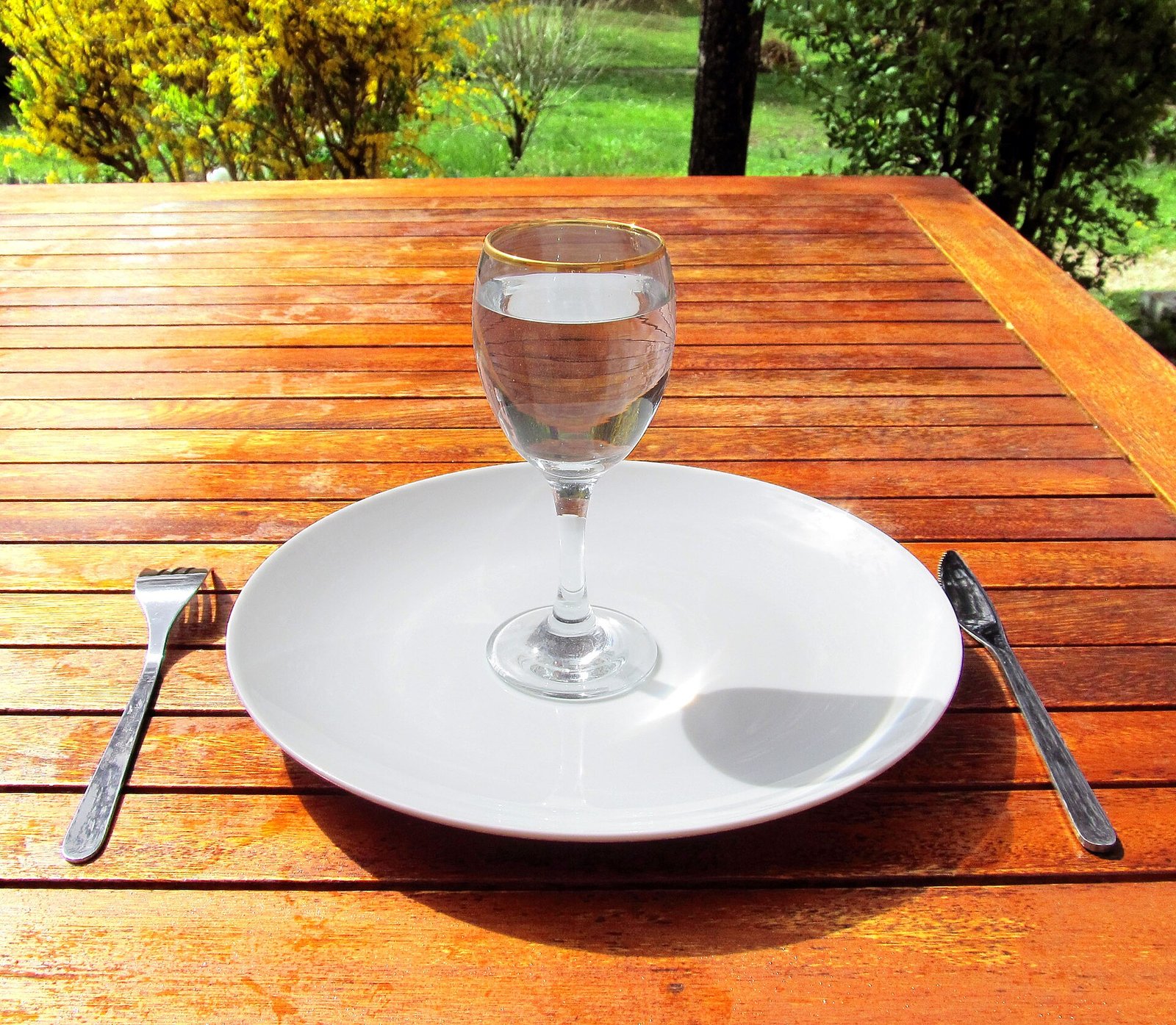
- – Clear fluids, with water or oral rehydration solution first. MedlinePlus: drink 8 to 10 glasses of clear fluids every day; water or an oral rehydration solution is best. Drink at least 1 cup (240 milliliters) of liquid after every loose bowel movement.
- – Small meals every few hours instead of three big meals, as MedlinePlus recommends while you have diarrhea.
- – Some salty foods, such as pretzels, crackers, soup, and sports drinks.
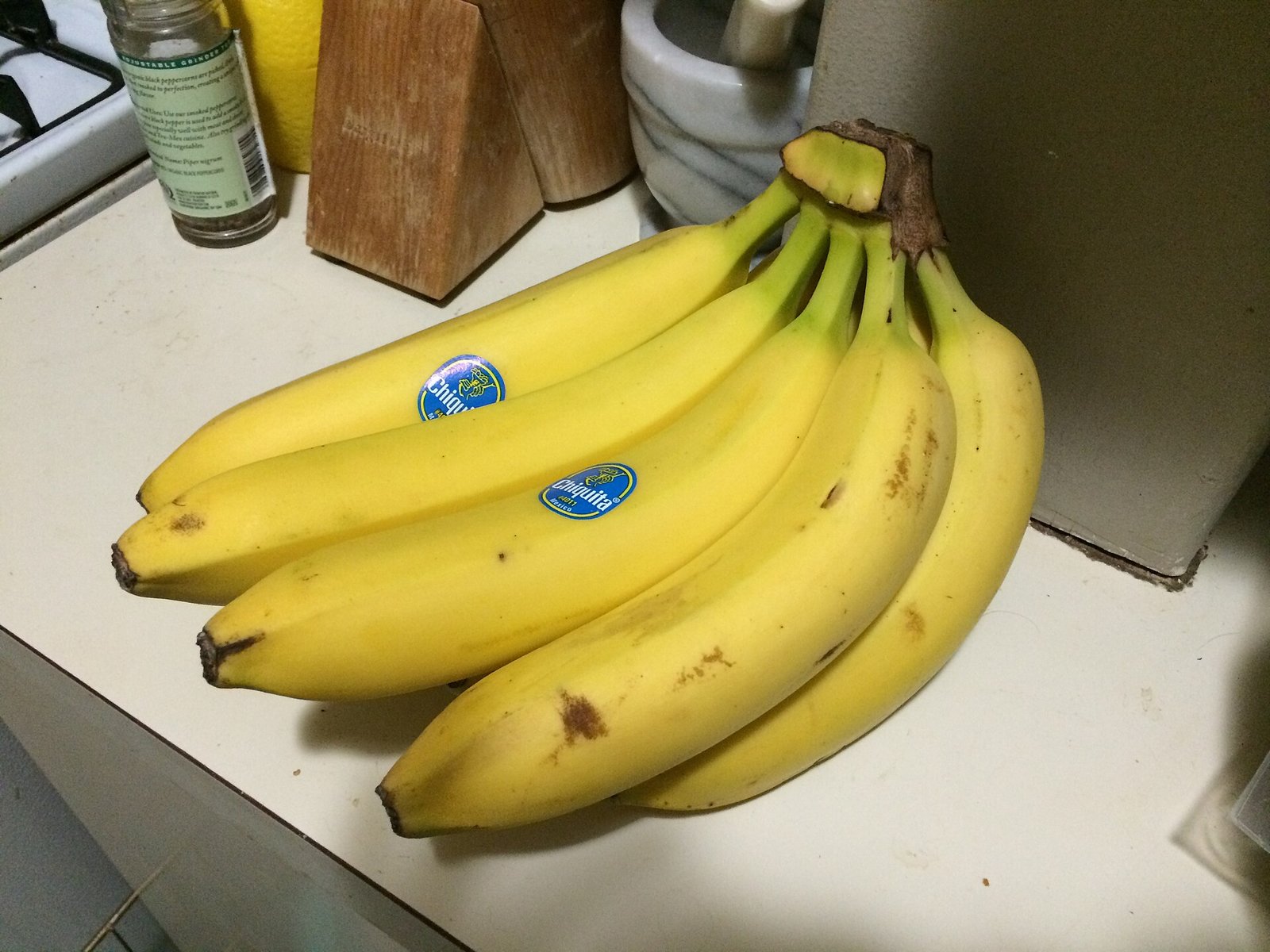
- – Foods high in potassium, such as bananas, potatoes without the skin, and bottled fruit juices.
- – A usual diet when you feel like eating again. NIDDK: if you have acute diarrhea, you may not feel like eating; when you do, you can eat your normal diet. Children should have their usual age-appropriate diet, and infants should have breast milk or formula.
- – Breastfeeding should continue. MedlinePlus: if you are breastfeeding your infant, keep doing it.
Fluids for children during an episode
MedlinePlus: dehydration is a very big problem for children or people in a hot climate. Signs of severe dehydration include decreased urine output (fewer wet diapers in infants), dry mouth, few tears when crying, and sunken eyes. Give your child fluids for the first 4 to 6 hours; at first, try 1 ounce (30 milliliters) of fluid every 30 to 60 minutes. You can use an over-the-counter drink such as Pedialyte or Infalyte; do not add water to these drinks. Pedialyte frozen fruit-flavored pops are also mentioned. Fruit juice or broth with water added may also help, because these drinks can give a child minerals lost in diarrhea. If you are using formula, MedlinePlus’s traveler’s diarrhea diet page says to use it at half-strength for 2 to 3 feedings after the diarrhea starts, then begin regular formula feedings. Follow that page for this situation, and ask a clinician if you are unsure.
If commercial oral rehydration packets are not available, MedlinePlus describes an emergency homemade solution: mix 1/2 teaspoon (3 grams) of salt, 2 tablespoons (25 grams) sugar or rice powder, 1/4 teaspoon (1.5 grams) potassium chloride (salt substitute), 1/2 teaspoon (2.5 grams) trisodium citrate (can be replaced with baking soda), and 1 liter of clean water. That is an emergency recipe when packets are unavailable—not a preferred everyday drink, and not a substitute for medical care.
Foods and habits that often worsen traveler’s diarrhea comfort or risk
- – Tap water, ice made from tap water, and brushing teeth with tap water in places where water is not clean, as MedlinePlus advises against.
- – Unpasteurized milk, bottled drinks if the seal has been broken, raw leafy vegetables that are hard to clean (lettuce, spinach, cabbage), raw or rare meats, undercooked shellfish, street-vendor food, and hot foods that have been sitting around for a long time. MedlinePlus also says not to eat raw fruits and vegetables unless you peel them, and to wash them first. Sodas and hot drinks are often safe; eat hot, well-cooked foods, because heat kills bacteria.
- – Alcohol; caffeinated drinks such as coffee, tea, and some soft drinks; large amounts of simple sugars; sugar alcohols; high-fat foods; and lactose-containing milk products if they worsen acute diarrhea. NIDDK lists these among items to avoid during acute diarrhea. Some people recovering from acute diarrhea have problems digesting lactose for up to a month or more. Children and infants should still continue their age-appropriate diet.
- – Skipping fluids because you feel too sick to drink. Dehydration is the main kitchen-level risk this diet is meant to address.
- – Starting daily preventive antibiotics on your own. MedlinePlus: most people do not need to take antibiotics every day to prevent diarrhea while traveling. People at higher risk (chronic bowel diseases, kidney disease, cancer, diabetes, or HIV) should talk with their provider before traveling.
Practical kitchen protocol: while traveling and during an episode
1. Before and during travel, keep water and food cautious
Do not use tap water to drink or brush your teeth, and do not use ice made from tap water. Use only boiled water (boiled for at least 5 minutes) for mixing baby formula. MedlinePlus: for infants, breastfeeding is the best and safest food source, though travel stress may reduce milk supply. Drink only pasteurized milk. Drink bottled drinks if the seal has not been broken. Wash hands often, and check that utensils and dishes are clean. There is no vaccine against traveler’s diarrhea. A clinician may recommend medicines in selected situations—for example, MedlinePlus notes that taking 2 tablets of Pepto-Bismol 4 times a day before and during travel can help prevent diarrhea, and that you should not take it for more than 3 weeks. That is clinician-directed medicine, not a food plan.
2. Default drink-and-meal template if diarrhea starts
- – Aim for 8 to 10 glasses of clear fluids a day, with water or oral rehydration solution first.
- – Take at least 1 cup (240 milliliters) of liquid after each loose stool.
- – Eat small meals every few hours. Include some salty foods and some potassium-containing foods MedlinePlus lists.
- – When appetite returns, move back toward a usual diet, while still limiting items NIDDK says may worsen acute diarrhea.
- – Get medical help right away if you or your child has symptoms of severe dehydration, or if you have a fever or bloody stools. In some cases a clinician may provide a prescription antibiotic if severe diarrhea develops, especially with fever or blood in the stool; MedlinePlus notes that azithromycin is the most common option, though ciprofloxacin may also be recommended. Food does not replace that decision.
3. Sample day (illustrative, during an episode)
- – Morning: water or oral rehydration solution; a small amount of salty crackers or pretzels if you want food.
- – Midday: more clear fluids; soup; a banana or potatoes without the skin if they sit well.
- – Afternoon: at least 1 cup of liquid after each loose stool; bottled fruit juice if you need a potassium-containing option.
- – Evening: a small usual meal if appetite has returned; keep drinking.
- – In a hot climate or with a child: do not wait for late signs; follow the child fluid amounts MedlinePlus lists and use an oral rehydration solution rather than improvising.
4. How this overlaps with other bowel topics
A short traveler’s episode is not the same as chronic diarrhea or IBS. See chronic diarrhea diet guide and IBS diet guide if symptoms are not a travel-linked, short illness. Viral gastroenteritis patterns are covered in norovirus recovery diet guide. Potassium losses belong with potassium deficiency diet guide, not with a self-diagnosis. If a food allergy is a separate issue, see food allergy diet guide.
Safety, interactions, and who should ask a clinician first
- – Fever, bloody stools, or signs of severe dehydration (including fewer wet diapers, dry mouth, few tears, or sunken eyes) need medical help right away.
- – Children and people in a hot climate have a higher dehydration risk.
- – Talk with a clinician before travel if you have chronic bowel disease, kidney disease, cancer, diabetes, HIV, or another condition that raises the risk of a more dangerous infection.
- – NIDDK notes that many doctors and professional societies do not believe the evidence supports probiotics for treating or preventing diarrhea; researchers are still studying them. Talk with a doctor before using probiotic supplements.
- – Do not use a homemade rehydration recipe as a reason to delay care, and use only clean water if you ever need that emergency mixture.
FAQ
What is the first drink I should reach for? MedlinePlus says water or an oral rehydration solution is best, and that adults should drink 8 to 10 glasses of clear fluids a day, plus at least 1 cup after each loose stool.
Can I go back to my usual meals before the diarrhea fully stops? Often, yes, when you feel like eating. NIDDK says you can eat your normal diet when appetite returns, while still limiting caffeine, alcohol, large amounts of simple sugars, sugar alcohols, high-fat foods, and lactose if they worsen symptoms.
Is there a vaccine I should get for traveler’s diarrhea? MedlinePlus: there is no vaccine against traveler’s diarrhea. Prevention focuses on safer water and food, and on medicines only when a clinician recommends them.
How should I offer fluids to a child? MedlinePlus: give fluids for the first 4 to 6 hours, starting with 1 ounce (30 milliliters) every 30 to 60 minutes. Use an oral rehydration solution as labeled and do not add extra water to those drinks. Keep breastfeeding. Ask a clinician if you are unsure about formula.
When is this an emergency rather than a diet question? Seek care right away for severe dehydration signs, fever, or bloody stools, or if a child cannot keep fluids down.
How this differs from related OTCFood topics
This page is a traveler’s-diarrhea-bound diet guide focused on clear fluids, salty and potassium-containing foods, and cautious water and food choices away from home. It is not a norovirus guide, not a chronic-diarrhea or IBS plan, and not a general food-allergy article.
Medical disclaimer
Medical disclaimer: This article is for general information only. It is not medical advice, diagnosis, or a treatment plan. Traveler’s diarrhea care depends on your destination, symptoms, age, and health, and on a clinician’s judgment. Talk with a clinician before travel if you are at higher risk, and before giving medicines or oral rehydration products to infants or children. Seek urgent care for fever, bloody stools, severe dehydration, or symptoms that are getting worse.