Dehydration Diet: Foods and Fluids That May Help and What to Limit
Medical note: This article discusses foods and researched botanicals. It does not claim to prevent, treat, or cure disease. Supplements are not a substitute for food, and studied amounts are not personal prescriptions.
People searching “dehydration diet foods and fluids that help or worsen” usually want practical drinks and water-rich foods that may help replace losses—not a claim that a kitchen plan replaces emergency care. MedlinePlus describes dehydration as a condition caused by losing more fluid than you take in, so the body does not have enough fluid to work properly. It can be mild or severe enough to be life-threatening. The encyclopedia page says severe dehydration is a life-threatening emergency. Public sources often recommend drinking fluids, and sometimes oral rehydration solutions or water-rich foods; they do not describe a special “dehydration diet” as a substitute for urgent care when danger signs appear.
What this dehydration diet guide covers (and what it does not)
This guide is for adults and caregivers who want food-and-drink habits MedlinePlus and NHS describe when fluid losses are rising or mild dehydration may already be present. Anchors: MedlinePlus — Dehydration, MedlinePlus encyclopedia — Dehydration, MedlinePlus — Water in diet, MedlinePlus — Fluid and Electrolyte Balance, and NHS — Dehydration. Related reading: norovirus recovery diet guide, chronic diarrhea diet guide, potassium deficiency diet guide, flu recovery diet guide, and pneumonia recovery diet guide. It is not a guide to giving intravenous fluids at home, not a reason to take salt tablets, and not a substitute for calling emergency services when NHS or MedlinePlus red flags appear.
Evidence snapshot: dehydration diet claims vs public sources
| Claim people hope for | What public sources actually say | Confidence |
|---|---|---|
| “A special diet can replace emergency care for severe dehydration” | MedlinePlus: severe cases may need intravenous fluids with salt in a hospital. NHS lists signs that need urgent or emergency care, including possible shock | Strong against diet-as-emergency-care |
| “For mild losses, drinking fluids may be enough” | MedlinePlus: the step it describes is to replace fluids and electrolytes you have lost. For mild cases, you may just need to drink lots of water. If you lost electrolytes, sports drinks may help. Oral rehydration solutions are available for children | Moderate to strong for mild oral replacement |
| “Salt tablets are a quick fix” | MedlinePlus encyclopedia: do not take salt tablets; they can cause serious complications | Strong against salt tablets |
| “Alcohol counts toward your fluid goal” | MedlinePlus “Water in diet”: alcohol does not add to the body’s water because it is a diuretic and causes the body to release water. NHS: avoid caffeinated drinks and alcohol, as both will dehydrate you | Strong against relying on alcohol or caffeine |
| “Everyone must drink a single fixed number of glasses” | MedlinePlus: the Dietary Reference Intake for water is 91 to 125 fluid ounces (2.7 to 3.7 liters) per day for adults, from food and beverages combined. Individual needs vary; there is no specific recommendation for how much water you should drink. If you drink when thirsty and have beverages with meals, you should usually get enough | Moderate for a total-from-food-and-drink range, not a rigid glass count |
Fluids and foods that may help with dehydration
“May help” means replacing water and, when losses are from vomiting, diarrhea, or heavy sweat, also replacing salts and other electrolytes.
Everyday patterns often recommended
- – Drink fluids if you have symptoms, and do not wait. MedlinePlus encyclopedia: anyone with a fever, vomiting, or diarrhea should drink plenty of fluids; do not wait for signs of dehydration. If you have trouble keeping liquids down, try small sips of water or sucking on ice chips or ice cubes.
- – Water first for many mild cases. MedlinePlus: for mild cases, you may just need to drink lots of water. NHS: you should drink fluids; if you feel sick or have been sick, start with small sips and then gradually drink more. Water or diluted sugar-free squash are good everyday choices. Drink enough so that pee is a pale color.
- – Replace electrolytes when you are losing them. MedlinePlus: if you lost electrolytes, sports drinks may help, but some sports drinks have lots of sugar, so be careful not to drink too much of them. NHS: if you are being sick or have diarrhea and are losing too much fluid, you need to put back the sugar, salts, and minerals your body has lost. A pharmacist can recommend oral rehydration solutions—powders you mix with water.
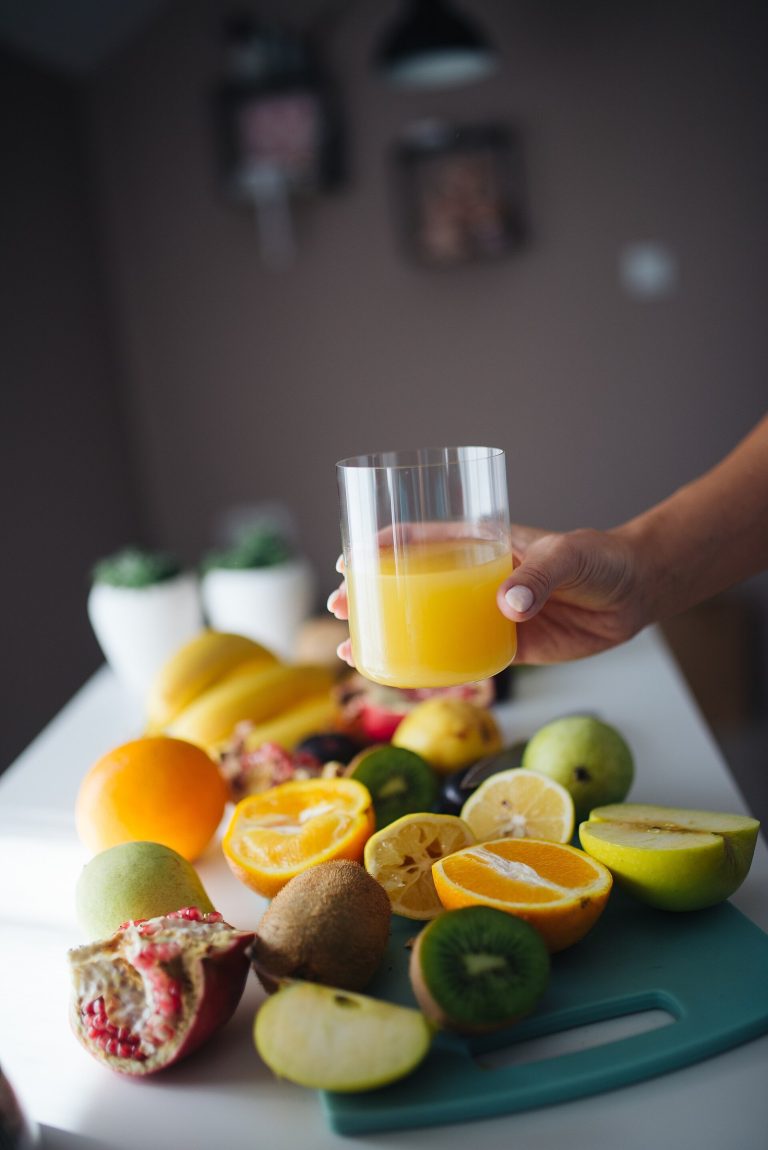
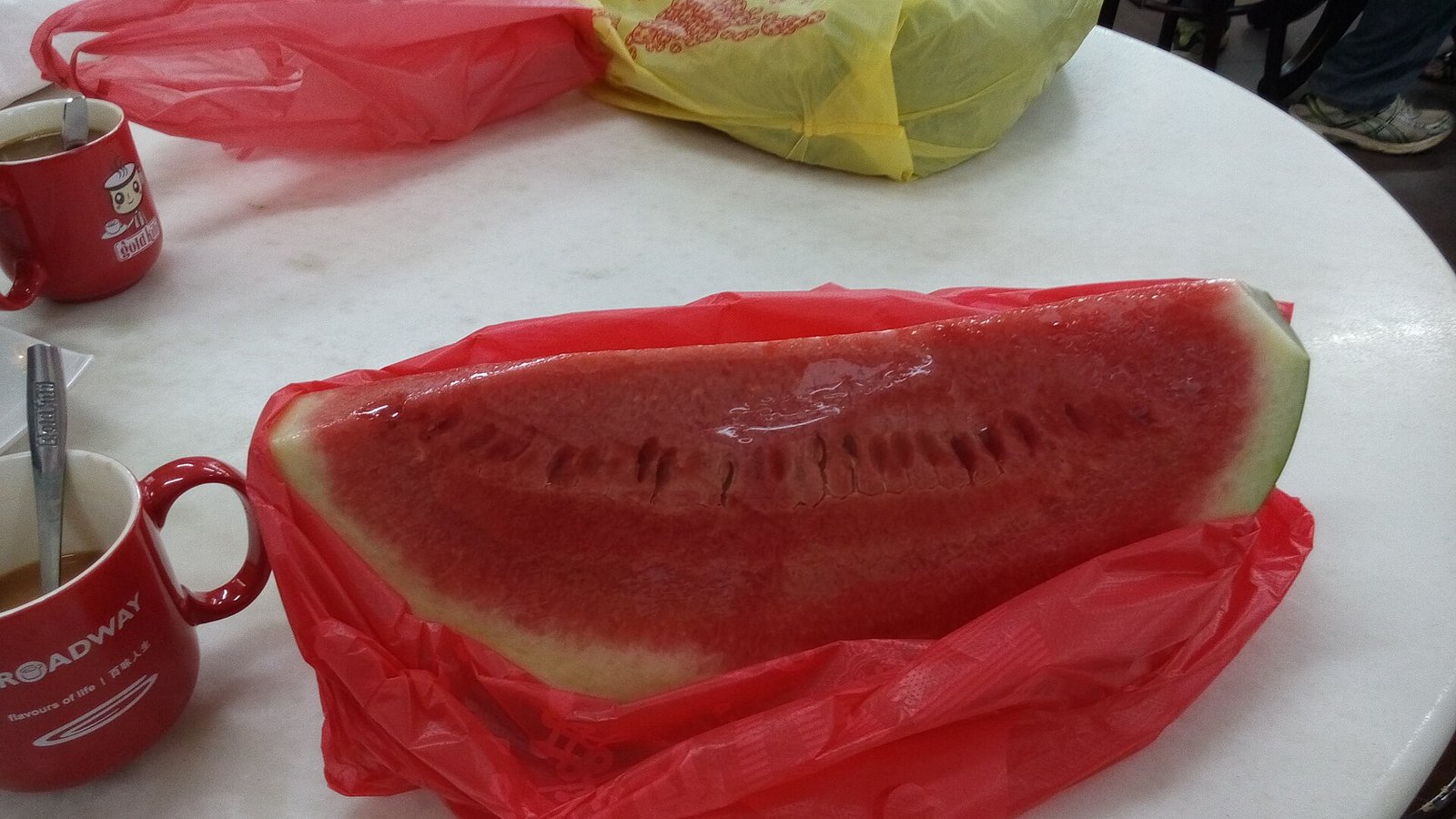
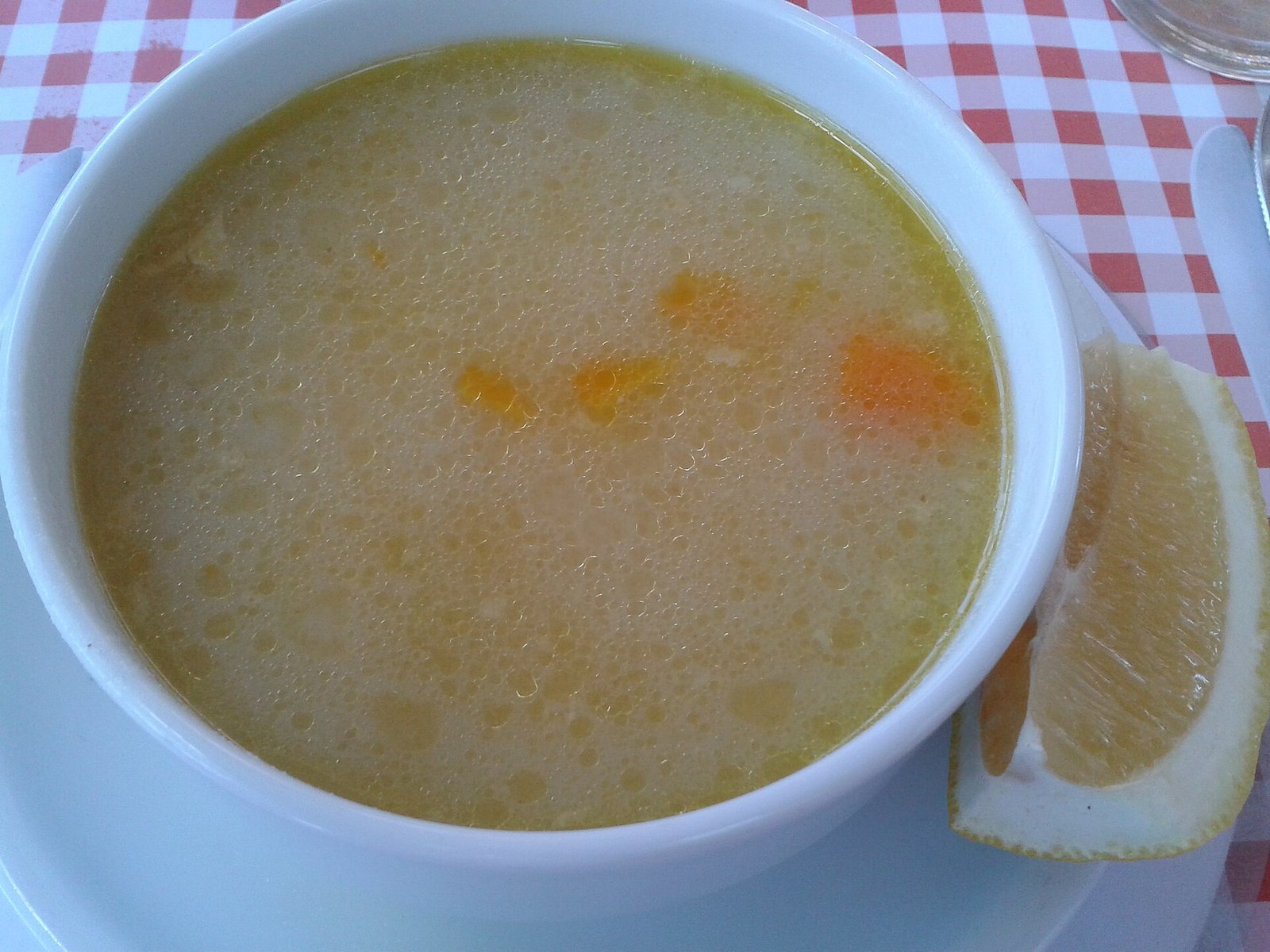
- – Water-rich foods when drinking is hard, especially for someone you care for. NHS: offer food with a high water content—for example, soup, ice cream, jelly, and fruits like melon. MedlinePlus notes that you also get water from liquid foods and beverages such as soup, milk, tea, coffee, soda, drinking water, and juices, and from some of the food you eat.
- – Keep offering drinks to higher-risk people. MedlinePlus: older adults may lose their sense of thirst. NHS: babies, children, and older adults are more at risk. Make sure people you care for drink at mealtimes, make drinking a social thing, and keep fluids within reach.
What the “how much water” numbers actually mean
MedlinePlus “Water in diet” says the Dietary Reference Intake is between 91 and 125 fluid ounces (2.7 to 3.7 liters) of water per day for adults, and that this is the total from both food and beverages. Needs depend on sex, weight, age, activity, and medical conditions. There is no specific recommendation for how much water you should drink as a beverage. Choose water over sweetened drinks when you can. As you get older, thirst may change, so it is important to take in fluids throughout the day.
Drinks and habits that often worsen dehydration risk
- – Caffeinated drinks and alcohol. NHS: avoid them, as both will dehydrate you. MedlinePlus also says to avoid drinks that have sugar and caffeine when the goal is prevention, and that alcohol does not add to the body’s water.
- – Salt tablets. MedlinePlus encyclopedia: do not take them; they can cause serious complications.
- – Relying only on very sweet drinks. MedlinePlus warns that some sports drinks have lots of sugar. Its water page says sweetened drinks can cause you to take in too many calories. NHS: do not give young children fruit juice or fizzy drinks, because they can make diarrhea or vomiting worse.
- – Making infant formula weaker in general dehydration care. NHS: do not make formula weaker. Carry on breastfeeding or using formula, and try to give small amounts more often than usual. If a baby is on formula or solid foods, NHS says you can give small sips of extra water (boil it first for babies under 6 months, then let it cool).
- – Waiting until someone is confused, faint, or has almost no urine before seeking help. Those can be late, dangerous signs.
Practical kitchen protocol: a dehydration-aware day
1. Match the fluid plan to the cause and the severity
Losses can come from diarrhea, vomiting, sweating too much, urinating too much (including from some medicines or uncontrolled diabetes), fever, or simply not drinking enough. People who exercise or work outdoors in hot weather, people with diabetes, cystic fibrosis, or kidney problems, and people who rely on others to bring drinks are at higher risk. If the cause is a stomach or intestinal virus, MedlinePlus says dehydration should get better on its own after a few days once fluids are replaced—but severe signs still need urgent care. For illness-specific kitchens, see norovirus recovery diet guide, flu recovery diet guide, and pneumonia recovery diet guide.
2. Default drink-and-food template
- – Make water the default everyday drink. Have beverages with meals, and drink when you are thirsty, without treating thirst as the only signal in older adults.
- – If you have been sick, start with small sips and increase gradually.
- – If diarrhea or vomiting is causing large losses, ask a pharmacist about an oral rehydration solution rather than water alone.
- – If heavy sweating is the issue, extra fluids matter; a sports drink may help replace minerals, but do not overdo sugary versions.
- – Offer soup, melon, jelly, or ice cream as water-rich options if drinking a full glass is hard.
- – Keep a usual diet for small children once they can eat, as NHS advises, rather than inventing a restrictive “dehydration menu.”
3. Sample day (illustrative, for mild risk—not for emergency signs)
- – Morning: water with breakfast; a water-rich fruit such as melon if that is appealing.
- – Midday: water or diluted sugar-free squash; soup if appetite is low.
- – Afternoon: extra fluids if it is hot or you are exercising; more water after sweat losses.
- – Evening: water with the meal; fluids left within reach overnight for older adults or anyone who has been ill.
- – If a child has been sick: small, frequent breastfeeds or formula feeds; oral rehydration sips as a pharmacist or clinician recommends; no weakened formula; no fruit juice or fizzy drinks for young children.
Safety, interactions, and who should ask a clinician first
MedlinePlus adult symptoms can include feeling very thirsty, dry mouth, urinating and sweating less than usual, dark-colored urine, dry skin, feeling tired, and dizziness. In infants and young children, watch for dry mouth and tongue, crying without tears, no wet diapers for 3 hours or more, a high fever, unusual sleepiness or drowsiness, irritability, and sunken eyes. NHS also lists a sunken fontanelle in babies.
Get medical help right away if symptoms also include confusion, fainting, lack of urination, rapid heartbeat, rapid breathing, or shock. MedlinePlus encyclopedia says to call 911 if the person loses consciousness, has a change in alertness (for example, confusion or seizures), has a fever over 102°F (38.8°C), has heatstroke signs such as a rapid pulse or rapid breathing, or is not improving. NHS: ask for urgent help if you are unusually tired, feel dizzy when you stand up and it does not go away, have dark yellow pee or are peeing less than normal, are breathing quickly or have a fast heart rate, or a child has few or no tears or a sunken fontanelle. Call emergency services or go to an emergency department if dehydration comes with blue, grey, pale, or blotchy skin, lips, or tongue (on brown or black skin this may be easier to see on the palms or soles), skin that feels cold, difficulty breathing, confusion, or if the person is sleepier than normal or difficult to wake—NHS notes these could be signs of shock.
Untreated severe dehydration may cause death, permanent brain damage, or seizures, according to MedlinePlus. If diarrhea is the cause, ask a clinician what you should eat; a longer bowel problem is covered in chronic diarrhea diet guide, and potassium is covered in potassium deficiency diet guide.
FAQ
Is drinking only water always enough? For many mild cases, MedlinePlus says lots of water may be enough. If you are losing electrolytes through diarrhea, vomiting, or heavy sweat, oral rehydration solutions or, in some cases, sports drinks may be more appropriate. Severe cases may need IV fluids in a hospital.
How much should I drink each day when I am well? There is no single glass count. MedlinePlus lists a total water intake range of 91 to 125 fluid ounces (2.7 to 3.7 liters) a day for adults from food and drinks together, and says drinking when thirsty and with meals is usually enough. Ask a clinician how much you should be drinking if you have a medical condition.
Are coffee, tea, soda, or alcohol useful hydration drinks? They are fluids, but they are not the best default. NHS says caffeine and alcohol dehydrate you. MedlinePlus says alcohol does not add to the body’s water. Water is the better everyday choice.
Should I take salt tablets after sweating? No. MedlinePlus says salt tablets can cause serious complications.
When should I stop trying to “catch up” at home and get help? If you or a child has severe signs listed above, cannot keep sips down, or is not improving, seek care rather than pushing more kitchen fluids.
How this differs from related OTCFood topics
This page is a dehydration-bound fluids-and-foods guide for replacing losses and lowering everyday risk. It is not a norovirus or flu recovery plan, not a chronic-diarrhea article, and not a potassium-deficiency guide, even though those situations often raise fluid or electrolyte needs.
Medical disclaimer
Medical disclaimer: This article is for general information only. It is not medical advice, diagnosis, or a treatment plan. Dehydration can become a medical emergency. Talk with a clinician or pharmacist about oral rehydration products, especially for infants, children, older adults, pregnancy, or chronic illness. Seek urgent or emergency care for confusion, fainting, very low urine output, rapid breathing or heartbeat, a high fever, signs of shock, or symptoms that are getting worse.