Norovirus Recovery Diet: Foods That May Help and Foods to Limit
Medical note: This article discusses foods and researched botanicals. It does not claim to prevent, treat, or cure disease. Supplements are not a substitute for food, and studied amounts are not personal prescriptions.
People searching “norovirus recovery diet foods that help or worsen” usually want a safe way to replace fluids after sudden vomiting and diarrhea—not a claim that food is an antiviral or that a restricted “stomach flu diet” treats the infection. CDC describes norovirus as a very contagious virus that causes vomiting and diarrhea. It is sometimes called the “stomach flu,” but CDC states that the illness is not related to influenza. Most people get better within 1 to 3 days. There is no specific medicine, and antibiotics will not help because they fight bacteria, not viruses. CDC’s core message is to drink plenty of liquids to replace fluid lost from vomiting and diarrhea. Kitchen patterns may help with rehydration and gradual refeeding; they do not clear the virus.
What this norovirus recovery diet guide covers (and what it does not)
This guide is for older children (with a caregiver) and adults recovering from norovirus or a similar viral gastroenteritis. Young children, older adults, and people with other illnesses are at higher risk of dehydration. Anchors: CDC — About Norovirus, MedlinePlus — Norovirus Infections, Mayo Clinic — Norovirus infection, NIDDK — Eating, Diet, & Nutrition for Viral Gastroenteritis, and MedlinePlus encyclopedia — Viral gastroenteritis. Related reading: chronic diarrhea diet guide, potassium deficiency diet guide, lactose intolerance diet guide, and gastritis diet guide.
Evidence snapshot: norovirus recovery diet claims vs public sources
| Claim people hope for | What public sources actually say | Confidence |
|---|---|---|
| “Antibiotics or a detox diet treat norovirus” | CDC: there is no specific medicine; antibiotics will not help because they fight bacteria, not viruses | Strong against diet- or antibiotic-as-treatment |
| “The most important kitchen step is replacing fluids” | CDC: drink plenty of liquids to replace fluid lost from vomiting and diarrhea. MedlinePlus: treatment includes bed rest and lots of liquids to prevent dehydration | Strong for rehydration |
| “Sports drinks are just as complete as oral rehydration solutions” | CDC: sports drinks and other caffeine- and alcohol-free drinks can help with mild dehydration, but they may not replace important nutrients and minerals. Over-the-counter oral rehydration fluids are most helpful for mild dehydration | Moderate to strong preference for oral rehydration solutions |
| “You must stay on a strict restricted diet until diarrhea ends” | NIDDK: a restricted diet does not help treat viral gastroenteritis; most experts do not recommend fasting or a restricted diet. When appetite returns, you can most often go back to your normal diet, even if you still have diarrhea | Strong against prolonged fasting or a mandatory “BRAT-only” protocol |
| “Fruit juice and soda are good rehydration drinks” | MedlinePlus encyclopedia: do not use fruit juice (including apple juice), sodas, fruit-flavored gelatin, or broth; these do not replace lost minerals and can make diarrhea worse | Strong caution on those liquids as rehydration drinks |
Foods and patterns that may help during norovirus recovery
“May help” means replacing fluids and electrolytes and making it easier to eat again. These patterns do not shorten the infection.
Everyday patterns often recommended
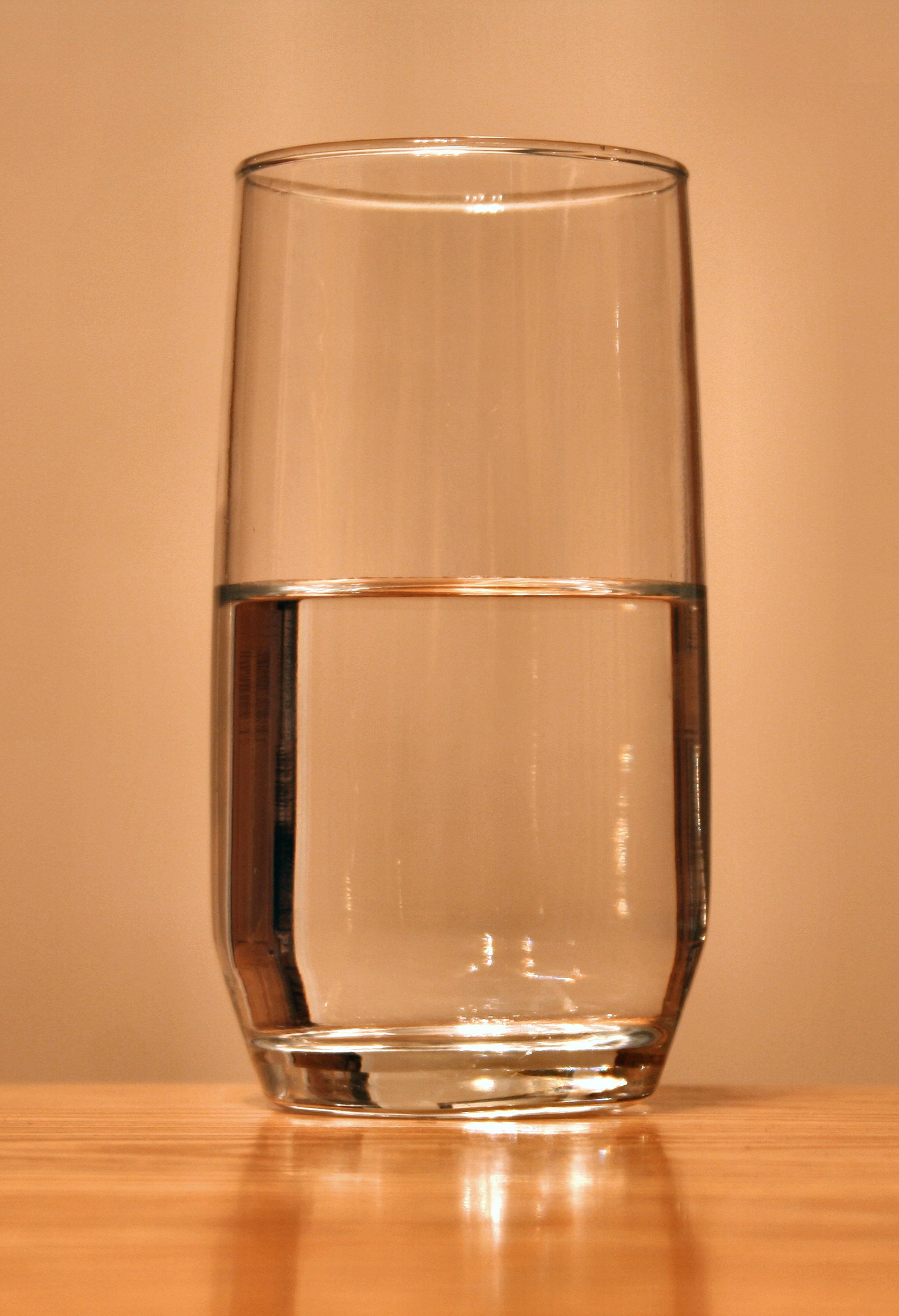
- – Plenty of liquids, in small amounts if needed. CDC: drink plenty of liquids to replace losses. The MedlinePlus encyclopedia suggests 2 to 4 ounces (60 to 120 milliliters) every 30 to 60 minutes, and not forcing large amounts at one time, which can cause vomiting. Ice chips or tiny sips can be a start if nausea is intense.
- – Oral rehydration solutions for mild dehydration. CDC: over-the-counter oral rehydration fluids are most helpful for mild dehydration. Sports drinks without caffeine or alcohol may help mildly but may not replace important minerals.
- – Return to a usual diet when appetite comes back. NIDDK: when appetite returns, you can most often go back to your normal diet, even if you still have diarrhea. Infants should continue breast milk or formula as usual.
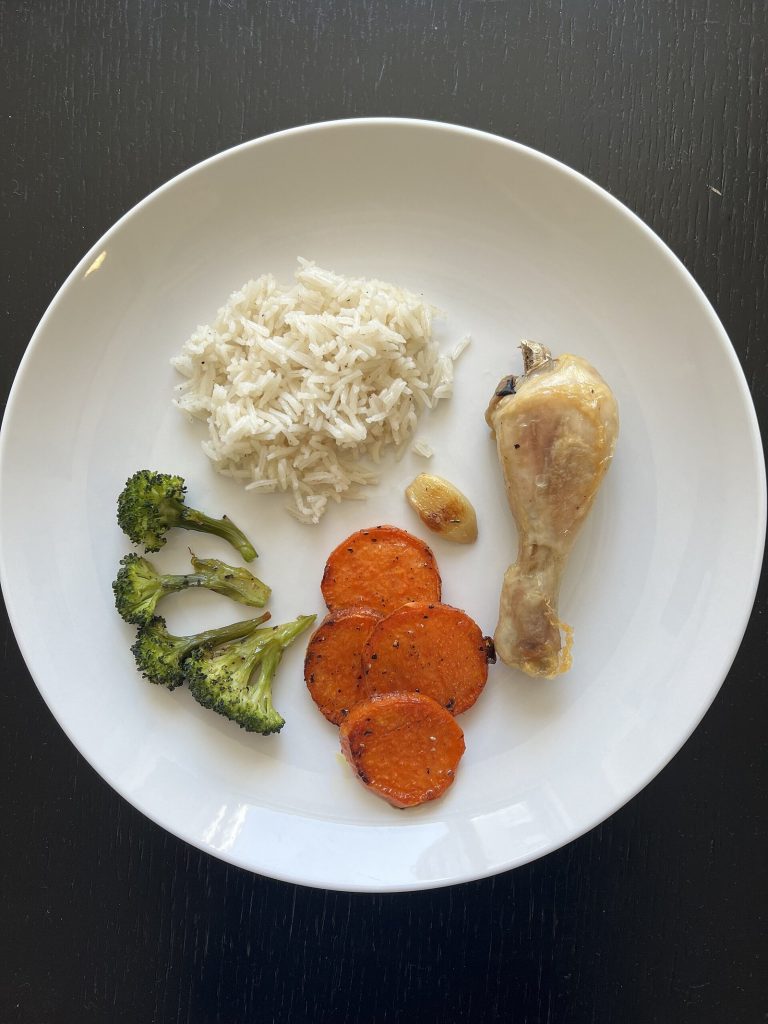
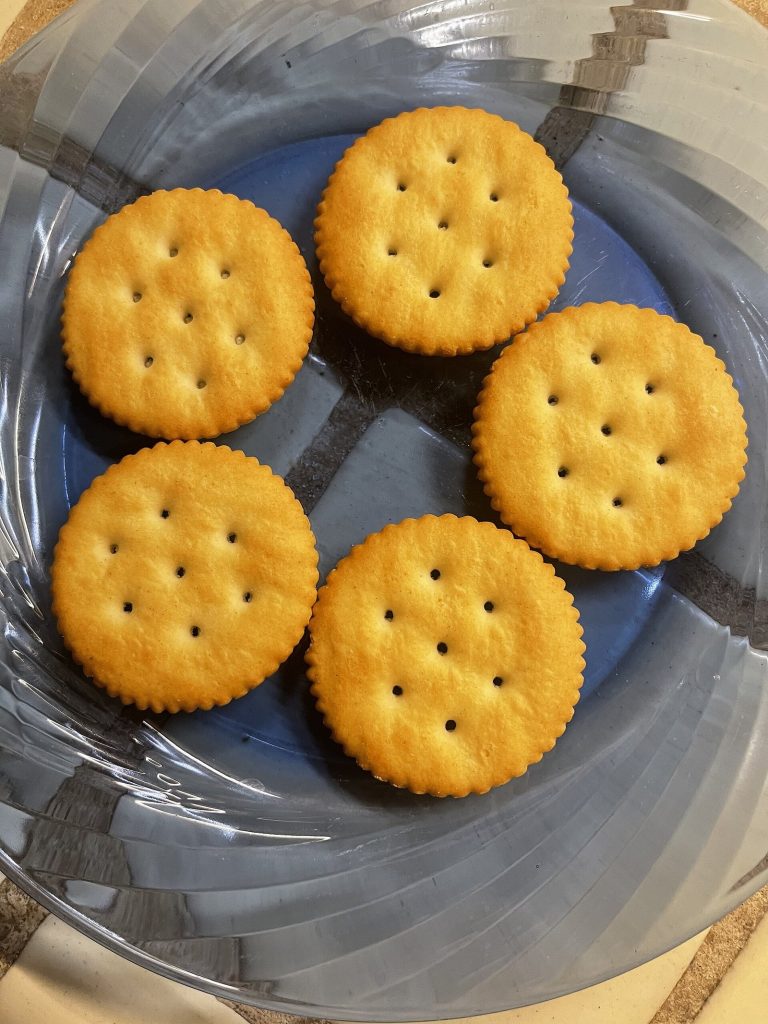
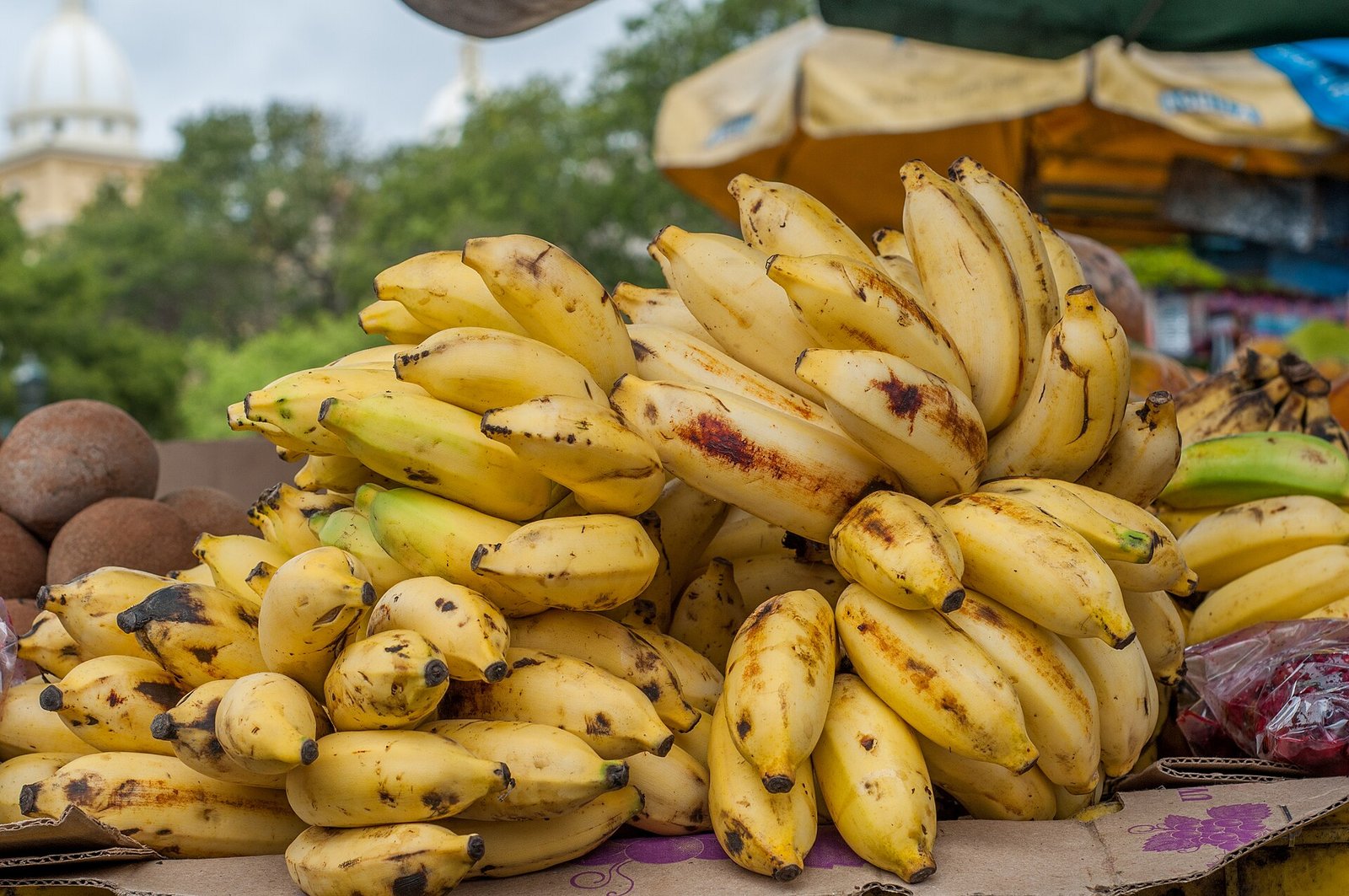
- – Small amounts of food frequently, if you want to eat. The MedlinePlus encyclopedia lists cereals, bread, potatoes, lean meats, plain yogurt, bananas, fresh apples, and vegetables as foods to try.
Pattern that supports the medical plan
Watch urine output, dizziness, dry mouth, and—in children—tears, wet diapers, unusual sleepiness, or fussiness. CDC lists those as dehydration clues. Severe dehydration may need IV fluids in a hospital.
Foods and habits that often worsen norovirus recovery or spread
- – Relying on fruit juice, soda, gelatin, or broth to rehydrate. The MedlinePlus encyclopedia says these do not replace lost minerals and can make diarrhea worse.
- – Caffeine, very high-fat meals, and large amounts of simple sugars, for some people. NIDDK: caffeinated drinks, high-fat foods such as fried or fast foods, and foods or drinks with large amounts of simple sugars, including some fruit juices, may make diarrhea worse for some people.
- – Assuming dairy will sit well right away. NIDDK: some people have trouble digesting lactose for up to a month or more after viral gastroenteritis. See lactose intolerance diet guide if milk products suddenly worsen diarrhea.
- – Fasting for a long stretch “to rest the gut.” NIDDK does not recommend fasting or a restricted diet as treatment.
- – Preparing food for others, or returning to work or school too soon. CDC: stay home for 2 days (48 hours) after symptoms stop. You can still spread norovirus for 2 weeks or more after you feel better. Wash hands with soap and water; Mayo Clinic notes that alcohol-based sanitizers do not work as well against noroviruses as soap and water.
- – Eating raw or undercooked shellfish. CDC: raw oysters and other filter-feeding shellfish can contain norovirus; cook shellfish thoroughly and wash fruits and vegetables.
Practical kitchen protocol: the first days after norovirus
1. Keep hydration in front of everything else
If you cannot keep down fluids, have bloody stools, severe stomach pain, or signs of severe dehydration, contact a clinician. Mayo Clinic also advises medical attention if diarrhea lasts more than seven days. Do not stop prescription medicines such as diuretics on your own; ask your provider first.
2. Shopping list for rehydration and gentle refeeding
Oral rehydration solution and water; bananas, apples, bread or toast, potatoes, cereals, plain yogurt, lean meats, and usual infant formula or access to breastfeeding. Soap for handwashing and a disinfectant active against norovirus, as CDC and Mayo Clinic describe, belong on the same list.
3. Default drink-and-meal template
- – Start with small, frequent sips of an oral rehydration solution or water.
- – Add small portions of familiar foods when appetite returns rather than staying on a long restricted menu.
- – If dairy worsens symptoms, pause it briefly and retry later, or ask a clinician.
- – Keep the sick person’s cups and food prep separate during illness and for 2 to 3 days after symptoms end, as Mayo Clinic describes.
4. Sample day (illustrative, once vomiting has slowed)
- – Early hours: 2 to 4 ounces of oral rehydration solution every 30 to 60 minutes, or smaller sips if needed.
- – Breakfast: toast or cereal and a banana if appetite is back; more rehydration fluid between bites.
- – Lunch: a potato or bread with a small portion of lean meat or plain yogurt, if tolerated.
- – Afternoon: more oral rehydration fluid; an apple or yogurt if hungry.
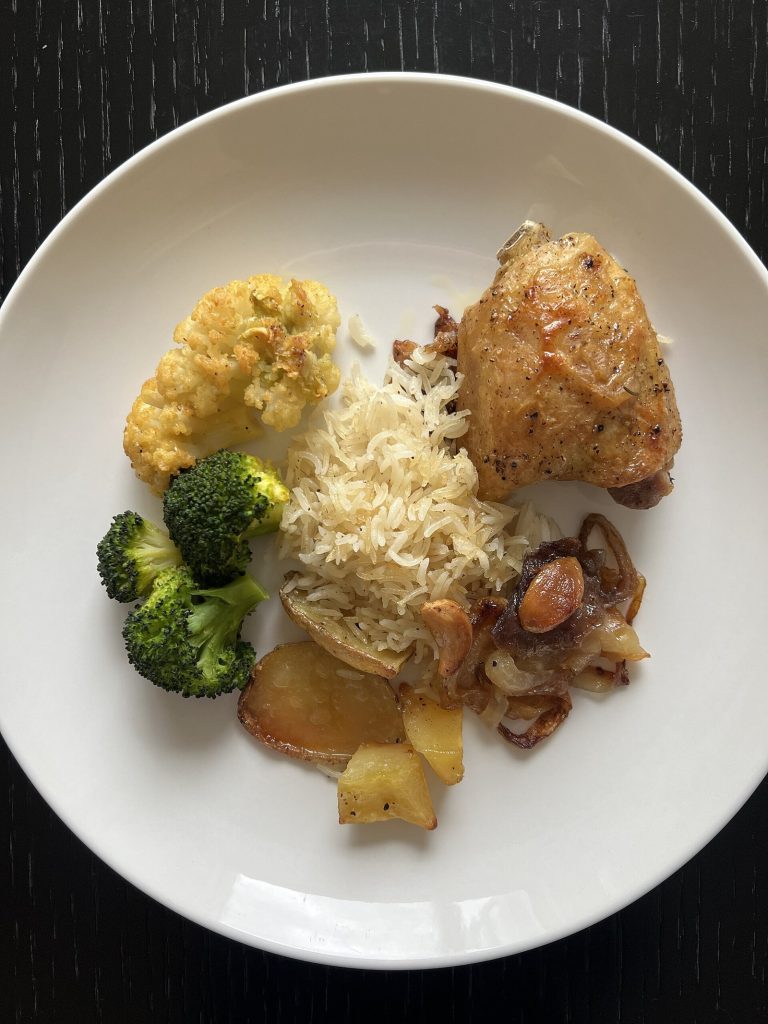
- – Dinner: a usual plate in a smaller portion if appetite allows, even if stools are still loose, consistent with NIDDK’s advice.
- – After symptoms stop: stay home an additional 48 hours before food service, school, or close-contact work, as CDC advises, and keep washing hands with soap and water.
5. If diarrhea, potassium loss, or stomach irritation linger
Short norovirus illness is not the same as chronic diarrhea. If loose stools last, see chronic diarrhea diet guide and talk with a clinician. Frequent losses can also affect electrolytes such as potassium; see potassium deficiency diet guide and get lab-guided care rather than self-supplementing. For a raw stomach after retching, gastritis diet guide is a different topic.
6. After you feel better
Appetite often returns before the virus is gone from stool. CDC: you can still spread norovirus for 2 weeks or more. Cook shellfish thoroughly, wash produce, and disinfect contaminated surfaces. Usual meals can resume with the NIDDK pattern above; keep watching hydration in high-risk people.
Safety, interactions, and who should ask a clinician first
- – Young children, older adults, people who are pregnant, and people with weakened immune systems or other medical conditions are at higher risk of serious fluid loss, as Mayo Clinic notes.
- – CDC: children who are dehydrated may cry with few or no tears and be unusually sleepy or fussy. Call a doctor if you think someone is severely dehydrated.
- – Do not use drugstore antidiarrheal medicines without advice if there is bloody diarrhea, fever, or severe diarrhea, the MedlinePlus encyclopedia warns.
- – Infants and young children are more likely to need IV fluids if they cannot keep drinks down.
FAQ
Is there a food that kills norovirus? No. CDC: there is no specific medicine, and antibiotics do not help. Fluids replace what vomiting and diarrhea take out; they do not clear the virus.
Should I stay on clear liquids until diarrhea completely stops? Not as a rule. NIDDK: when appetite returns, you can most often go back to your normal diet even if you still have diarrhea. Fluids still matter the whole time.
Are sports drinks enough? They may help with mild dehydration, CDC says, but they may not replace important nutrients and minerals. Oral rehydration fluids are the better over-the-counter choice for mild dehydration.
Why avoid apple juice if bananas and apples are listed as foods to try? The MedlinePlus encyclopedia lists bananas and fresh apples among foods to try, but says not to use fruit juice, including apple juice, as a rehydration drink, because those liquids do not replace lost minerals and can worsen diarrhea.
When can I cook for my family or go back to work? CDC: stay home for 2 days (48 hours) after symptoms stop. Mayo Clinic similarly advises avoiding food handling during illness and for 2 to 3 days after symptoms end. Wash hands with soap and water.
When should I seek care? Seek care for severe dehydration, an inability to keep down fluids, bloody stools, severe pain, diarrhea lasting more than several days (or more than seven days, per Mayo Clinic), or a young child with fewer wet diapers, no tears, or unusual sleepiness.
How this differs from related OTCFood topics
This page is a norovirus-recovery-bound diet guide focused on rehydration and gradual return to a usual diet after short viral gastroenteritis. It is not a chronic-diarrhea workup, not a lactose-intolerance plan, and not an antiviral.
Medical disclaimer
Medical disclaimer: This article is for general information only. It is not medical advice, diagnosis, or a treatment plan. Norovirus care depends on hydration status, age, pregnancy, and other medical conditions. Talk with a clinician or registered dietitian before changing an eating plan or using antidiarrheal products in infants, older adults, or people with kidney or heart disease. Seek urgent care for severe dehydration, inability to keep down fluids, bloody stools, fainting, or a young child with no wet diapers, no tears, or unusual sleepiness.