RSV Recovery Diet: Foods That May Help and Foods to Limit
Medical note: This article discusses foods and researched botanicals. It does not claim to prevent, treat, or cure disease. Supplements are not a substitute for food, and studied amounts are not personal prescriptions.
People searching “RSV recovery diet foods that help or worsen” usually want practical fluids and easy meals while appetite is low—not a claim that food is an antiviral or that kitchen changes treat respiratory syncytial virus. CDC describes RSV as a common respiratory virus that usually causes mild, cold-like symptoms. Most infections go away on their own in a week or two. CDC states that antiviral medication is not routinely recommended to fight RSV. MedlinePlus likewise says there is no specific treatment for RSV infection and that it is important to get enough fluids to prevent dehydration. Eating patterns may help with hydration and gradual refeeding; they do not clear the virus.
What this RSV recovery diet guide covers (and what it does not)

This guide is for older children (with a caregiver) and adults recovering from typical RSV who want food-and-drink habits public sources describe. Any breathing problem in an infant is a medical emergency, not a kitchen experiment. Anchors: CDC — About RSV, CDC — Symptoms and Care of RSV, MedlinePlus — Respiratory Syncytial Virus Infections, and MedlinePlus encyclopedia — RSV. Related reading: flu recovery diet guide, common cold diet guide, pneumonia recovery diet guide, acute bronchitis diet guide, asthma diet guide, and COPD diet guide.
Evidence snapshot: RSV recovery diet claims vs public sources
| Claim people hope for | What public sources actually say | Confidence |
|---|---|---|
| “A special diet or supplement treats RSV like an antiviral” | CDC: antiviral medication is not routinely recommended. MedlinePlus: there is no specific treatment; most infections go away in a week or two | Strong against diet-as-antiviral |
| “Fluids matter during RSV” | CDC: drink enough fluids to prevent dehydration. MedlinePlus: it is important to get enough fluids. In severe cases, hospitals may give IV fluids if someone cannot drink enough | Strong for hydration support |
| “If appetite is down, force large meals” | CDC and MedlinePlus list decreased appetite as a usual RSV symptom. Public care pages emphasize fluids and symptom relief, not forcing a full plate | Moderate: prioritize fluids; resume usual food as appetite returns |
| “Over-the-counter cough or cold products are automatically safe for young children” | MedlinePlus: do not give cough medicine to children under four. CDC: some medicines contain ingredients that are not good for children or may interfere with prescriptions; ask a healthcare provider | Strong caution on unsupervised OTC use |
| “Diet can replace emergency care for breathing trouble” | CDC: call a healthcare professional if you or your child are having difficulty breathing, not drinking enough fluids, or experiencing worsening symptoms. MedlinePlus encyclopedia: any breathing problems in an infant are a medical emergency | Strong that food does not replace urgent care |
Foods and patterns that may help during RSV recovery
“May help” means supporting hydration and making it easier to eat when congestion, cough, fever, or low appetite get in the way. These patterns do not shorten RSV on their own.
Everyday patterns often recommended
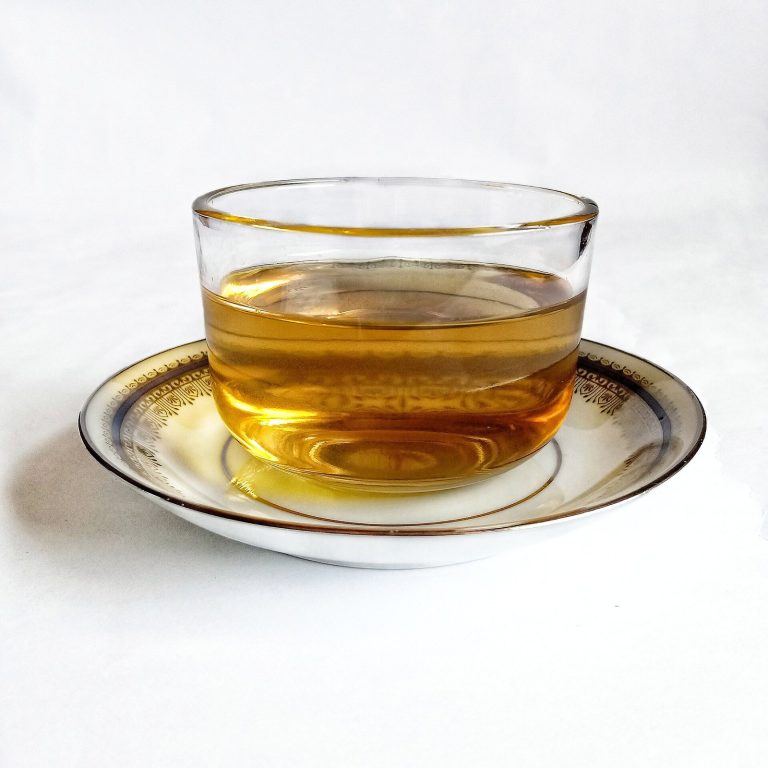
- – Enough fluids to prevent dehydration. CDC: people with RSV should drink enough fluids. Water, milk if already tolerated, and other everyday drinks can all count; the goal is intake, not a branded “RSV beverage.”
- – Fever and pain care that does not replace fluids. CDC: manage fever and pain with medicines such as acetaminophen or ibuprofen, and never give aspirin to children. MedlinePlus gives the same aspirin warning.
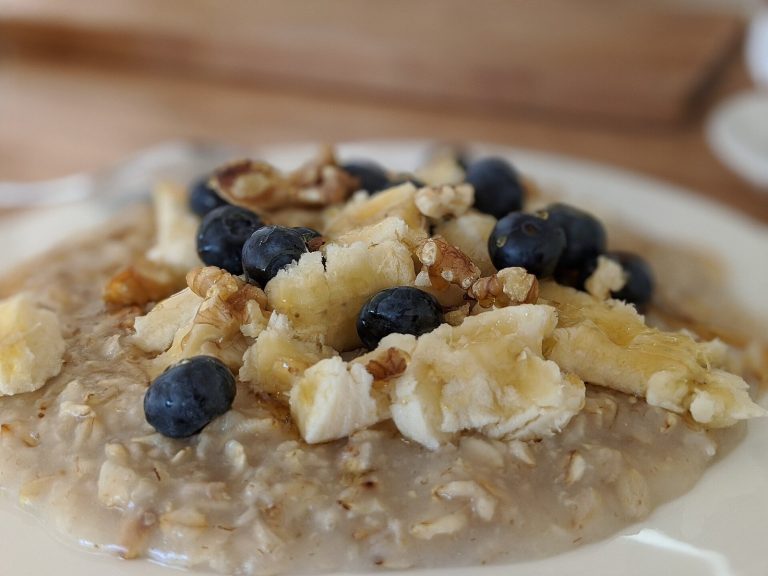
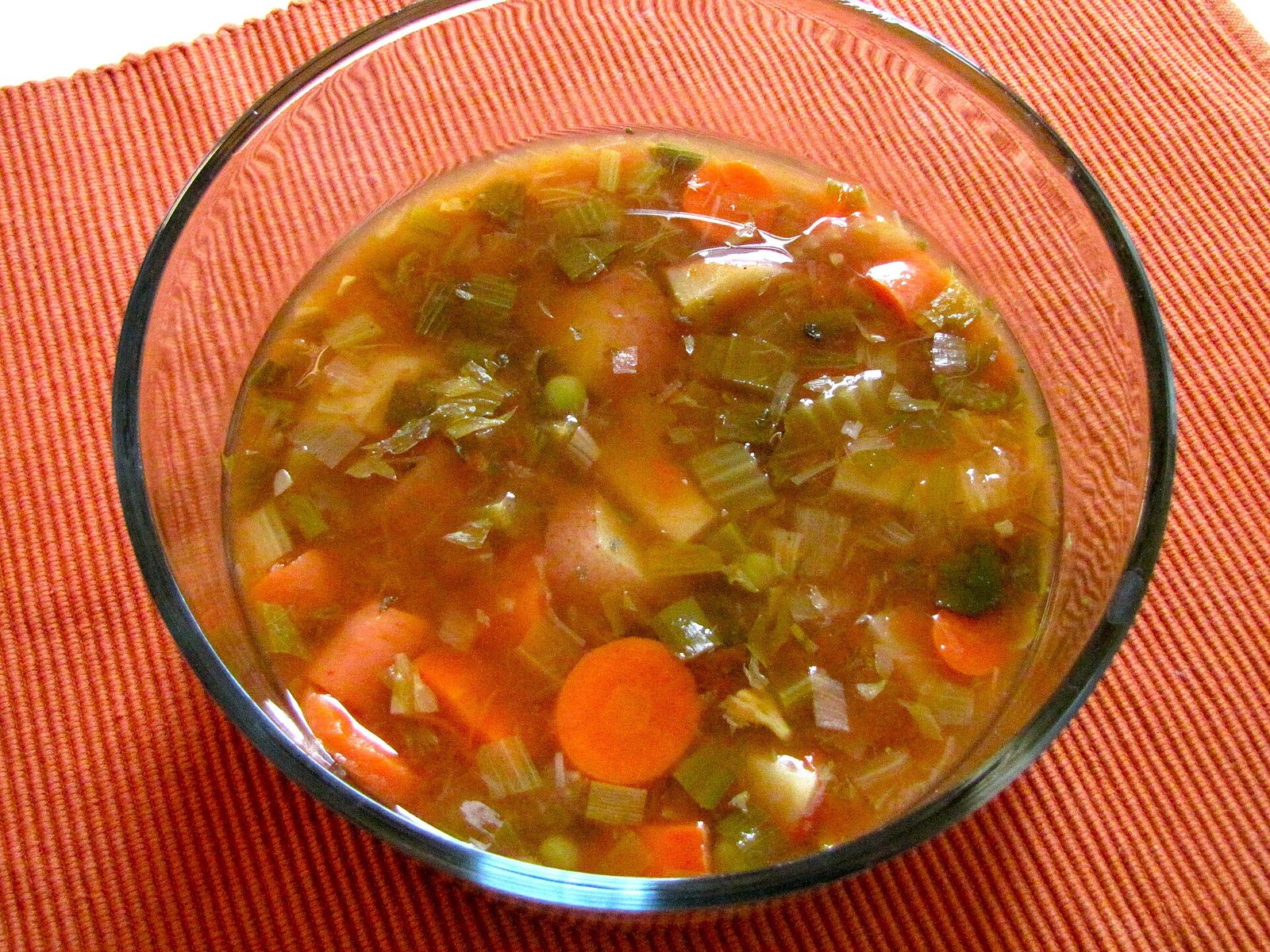
- – Small, easy meals when appetite is low. Decreased appetite is a listed RSV symptom. Soft, familiar foods—soup, cooked cereal, yogurt, eggs, or toast—are practical once a person wants to eat. They are comfort and calories, not treatment.
- – Watch intake in babies and older adults. CDC and MedlinePlus flag infants, older adults, and people with heart or lung disease or weakened immune systems as higher risk. Not drinking enough fluids is a reason to call a clinician.
Pattern that supports the medical plan
Keep a simple log of fluids, especially for infants and older adults, and bring it to a visit if drinking falls off. Immunizations can reduce the risk of severe RSV in some groups; that is a clinician conversation, not a kitchen substitute.
Foods and habits that often worsen RSV recovery
- – Falling behind on fluids. CDC lists not drinking enough among reasons to call a healthcare professional. Severe dehydration may require IV fluids in a hospital.
- – Using aspirin in children. CDC and MedlinePlus both say never to give aspirin to children.
- – Giving cough medicine to very young children, or mixing OTC products without advice. MedlinePlus advises against cough medicine in children under four. CDC warns that some OTC medicines may raise blood pressure or interfere with prescriptions in older adults or people at higher risk.
- – Ignoring a drop in feeding in infants. MedlinePlus: in very young infants, the only symptoms may be irritability, decreased activity, and trouble breathing. CDC also flags eating or drinking less.
- – Assuming RSV is “just a cold” in someone with asthma or COPD. CDC: RSV can worsen those lung conditions, and those people may need treatment for a flare. See asthma diet guide and COPD diet guide.
- – Smoking or sitting in smoky rooms while coughing. Smoke irritates airways; keep recovery air as clean as you can and follow clinician advice on tobacco.
Practical kitchen protocol: an RSV-recovery week
1. Keep medical care in parallel
Most mild RSV illnesses improve in a week or two, according to CDC and MedlinePlus. That does not delay care for breathing difficulty, poor fluid intake, or worsening symptoms. Infants with any breathing problem need emergency care.
2. Shopping list for hydration and easy meals
Water and other everyday fluids, mild soups, cooked oatmeal or other soft cereal, yogurt, eggs, toast or another soft starch, ripe fruit if it is tolerated, and an oral rehydration solution if a clinician recommends one for poor intake. Do not stock “immune-boosting” supplements as if they were RSV treatment.
3. Default drink-and-meal template
- – Offer fluids first and often, in small amounts if large volumes trigger coughing.
- – When appetite returns, add a soft sit-down meal rather than grazing on low-fluid snacks only.
- – If fever is present, keep fluids going and use only clinician-appropriate fever medicine.
- – For infants, continue usual breast milk or formula unless a clinician gives other instructions, and watch wet diapers and feeding effort.
4. Sample day (illustrative, for an older child or adult with mild illness)
- – Breakfast: oatmeal and a glass of water or milk, if tolerated.
- – Mid-morning: more water; a few bites of yogurt if hungry.
- – Lunch: vegetable or mild chicken soup and toast or a soft starch.
- – Afternoon: water; fruit or yogurt if appetite allows.
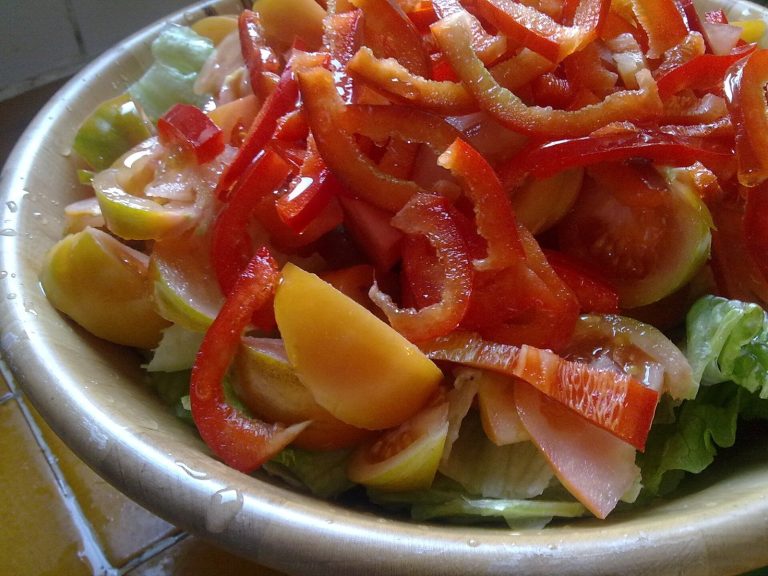
- – Dinner: eggs or another familiar protein, a vegetable if wanted, and a soft grain; more fluids.
- – Evening: rest. The MedlinePlus encyclopedia describes returning to usual activities after you have felt better for at least 24 hours and, if fever was present, have been without fever for at least 24 hours without fever-reducing medicine—while still using basic hygiene, because you may spread the virus for several days.
5. If flu, a cold, bronchitis, or pneumonia overlap
RSV symptoms are not specific and can look like a cold, flu, or COVID-19, CDC notes. See common cold diet guide and flu recovery diet guide. If a clinician diagnoses bronchitis or pneumonia, see acute bronchitis diet guide and pneumonia recovery diet guide.
6. After the worst days
Cough and tiredness can linger after fever settles. Keep fluids steady and return to a usual pattern as appetite comes back. New breathing trouble is a reason to call, not a reason to invent a “lung food” protocol.
Safety, interactions, and who should ask a clinician first
- – Difficulty breathing, not drinking enough, or worsening symptoms: contact a healthcare professional, as CDC advises.
- – Infants: any breathing problem is an emergency. Watch for irritability, decreased activity, or pauses in breathing.
- – Older adults and people with heart or lung disease, a weakened immune system, or nursing-home residence are at higher risk for severe RSV, including pneumonia.
- – Never give aspirin to children. Ask a clinician or pharmacist before giving OTC cough, cold, or fever products to young children, older adults, or anyone on blood-pressure or other prescription medicines.
- – Do not use this page to delay oxygen, hospital fluids, or immunization discussions that a clinician recommends.
FAQ
Can a recovery diet treat RSV the way an antibiotic treats strep? No. RSV is a virus. CDC says antiviral medication is not routinely recommended, and MedlinePlus says there is no specific treatment. Fluids may help prevent dehydration; they do not clear the virus.
What should I offer first when appetite is very low? Fluids. CDC emphasizes drinking enough to prevent dehydration. Add soft, familiar foods when appetite returns rather than forcing large meals.
Is it safe to give a child a cough syrup so they can eat and sleep? Not as a default. MedlinePlus advises against cough medicine in children under four, and CDC says to talk with a healthcare provider about non-prescription medicines for children.
When should I worry that my child is not drinking enough? Call if your child is having difficulty breathing, is not drinking enough fluids, or is getting worse, as CDC states. For infants, poor feeding plus breathing trouble needs urgent care.
Does RSV only matter in babies? No. CDC: most healthy older children and adults have mild illness, but older adults and people with certain risk factors can become very sick and may need hospital care.
When can I return to usual meals and activities? Usual foods can return as appetite returns. The MedlinePlus encyclopedia describes going back to normal activities after you have felt better for at least 24 hours and, if fever was present, have been without fever for at least 24 hours without fever-reducing medicine, while still taking steps to protect others for several days.
How this differs from related OTCFood topics
This page is an RSV-recovery-bound diet guide focused on hydration and gradual refeeding while a viral respiratory illness runs its course. It is not a flu-specific plan, not a pneumonia hospital-discharge protocol, not an asthma or COPD flare diet, and not an antiviral or immunization substitute.
Medical disclaimer
Medical disclaimer: This article is for general information only. It is not medical advice, diagnosis, or a treatment plan. RSV care depends on age, breathing status, fluid intake, and other medical conditions. Talk with a clinician or registered dietitian before changing an eating plan or giving medicines to infants, children, older adults, or anyone with heart or lung disease. Seek emergency care for difficulty breathing, bluish skin color, pauses in breathing in an infant, chest pain, confusion, or an inability to keep down fluids.