Chronic Low Back Pain Diet: Foods That May Help and Foods to Limit
Medical note: This article discusses foods and researched botanicals. It does not claim to prevent, treat, or cure disease. Supplements are not a substitute for food, and studied amounts are not personal prescriptions.
People searching “chronic low back pain diet foods that help or worsen” often hope a plate can un-herniate a disc, widen a narrowed spinal canal, or replace physical therapy. Public sources do not support that claim. What diet may help with is more ordinary: a pattern that supports a healthy weight (extra body weight puts more stress on the back) and enough calcium and vitamin D for bone strength, plus meals that are easier to shop for and cook when standing or lifting hurts.
What this chronic low back pain diet guide covers (and what it does not)
This guide is for adults with clinician-recognized chronic low back pain who want practical eating guidance alongside medical care. Anchors: MedlinePlus — Back Pain, NIAMS — Back Pain, NIAMS — Back Pain diagnosis, treatment, and steps to take, Mayo Clinic — Back pain symptoms and causes, and Mayo Clinic — Back pain diagnosis and treatment. Nutrient context: NIH ODS — Calcium and NIH ODS — Vitamin D.
NIAMS describes chronic back pain as pain that lasts longer than 12 weeks and occurs daily; it may come on quickly or slowly. Causes can include muscle or ligament strain, herniated discs, arthritis (including changes that lead to spinal stenosis), osteoporosis-related fractures, inflammatory arthritis such as ankylosing spondylitis, and sometimes no cause that shows up on a test. Red flags include new bowel or bladder problems, fever, pain after a fall or blow, unexplained weight loss, or weakness, numbness, or pain spreading down a leg, especially below the knee (Mayo Clinic; NIAMS). Related reading: herniated disc diet guide, spinal stenosis diet guide, sciatica diet guide, and osteoarthritis diet guide.
Evidence snapshot: chronic low back pain diet claims vs public sources
| Claim people hope for | What public sources actually say | Confidence |
|---|---|---|
| “A special diet can cure chronic low back pain” | Mayo Clinic and NIAMS focus treatment on staying active, physical therapy, medicines when needed, and, in selected cases, injections or surgery. Diet is discussed as part of healthy habits, not as a disease-reversing protocol | Strong against food-as-cure |
| “Weight does not matter for the back” | Mayo Clinic: excess body weight puts extra stress on the back, and maintaining a healthy weight is part of prevention. NIAMS: a high-calorie, high-fat diet plus an inactive lifestyle can lead to obesity, which can stress the back; being overweight can put injury-causing strain on the back | Moderate that a weight-aware pattern is often recommended |
| “Calcium and vitamin D foods strengthen the spine” | NIAMS prevention advice includes a healthy diet with enough calcium and vitamin D, nutrients that keep the spine strong, especially in the context of bone health and fall or fracture risk | Moderate for bone-supporting nutrition; this is not a pain-erasing mechanism |
| “Bed rest plus a juice cleanse is the safest plan” | Mayo Clinic: bed rest is not recommended; continue activities as you can, such as walking, and stop what clearly increases pain. NIAMS: avoid bed rest; gradually increase activity as tolerated | Strong against prolonged bed rest; juice cleanses are not a public-source treatment |
Foods and patterns that may help with chronic low back pain comfort
Weight-aware, ordinary plates
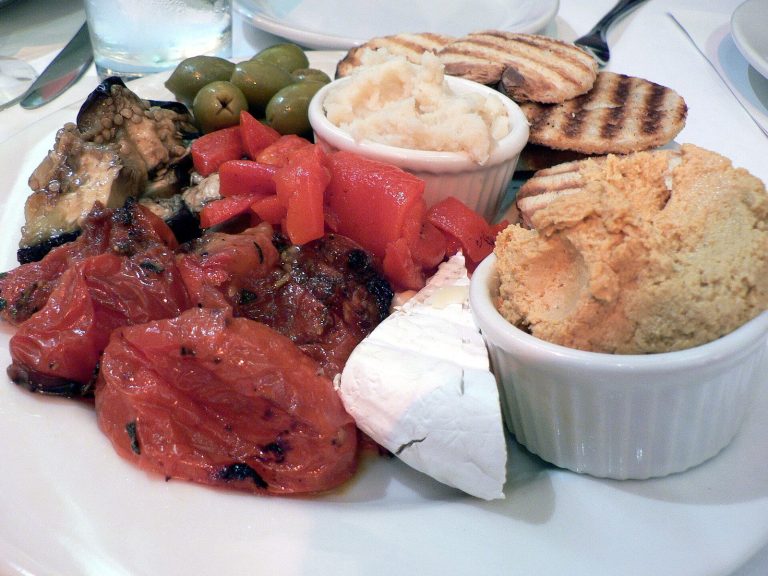
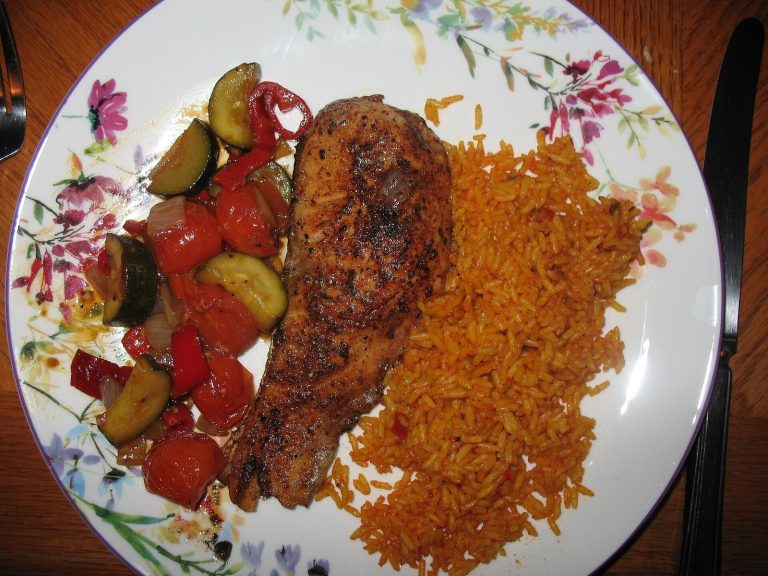
Mayo Clinic and NIAMS both link excess body weight with extra stress on the back and recommend maintaining a healthy weight as part of a healthier back. That usually means a pattern built around vegetables, fruit, whole grains, beans, fish or other lean proteins, and unsweetened drinks—rather than a branded “back pain diet.” Calorie needs vary; this article does not invent a target weight. If weight is part of your plan, ask a clinician or dietitian for a pace that still leaves energy for physical therapy and walking.
Calcium and vitamin D for spine bone health
NIAMS specifically recommends a healthy diet that includes enough calcium and vitamin D to help keep the spine strong. ODS lists milk, yogurt, and cheese as main calcium sources, along with canned fish with bones, kale, broccoli, bok choy, and fortified juices or plant milks. Vitamin D food sources are more limited: fatty fish and fortified milk or plant milks are among those ODS lists. High-dose supplements should follow labs and a clinician’s advice, especially if osteoporosis is also being evaluated. See osteoporosis diet guide and vitamin D deficiency diet guide.
Meals that are easier when movement is limited
This is practical, not a nutrient claim. NIAMS advises limiting how much you carry and making extra trips rather than lifting too much at once; Mayo Clinic emphasizes lifting with the legs, holding loads close, and avoiding twisting. In the kitchen, that often means pre-washed greens, frozen vegetables, oats, yogurt, eggs, canned fish, and fruit you can assemble at counter height with a wheeled cart.
Foods and habits that often worsen symptoms or recovery
- – A long-term high-calorie, high-fat pattern plus inactivity. NIAMS lists this combination as a path to obesity, which can stress the back. This is not a ban on all dietary fat; it is a reason to watch frequent fried foods, large sugary drinks, and oversized desserts if weight is part of your plan.
- – Prolonged bed rest “to protect the disc.” Mayo Clinic and NIAMS advise against bed rest as the main strategy. Skipping meals because you are lying down all day can also make it harder to resume walking and therapy.
- – Heavy grocery lifting and twisting at the stove. Pack lighter bags, use a cart, and ask for help with roasting pans if bending hurts (NIAMS; Mayo Clinic).
- – Smoking. Mayo Clinic: people who smoke have increased rates of back pain, and the risk rises with the number of cigarettes smoked each day.
- – Expecting turmeric teas or “anti-inflammatory” supplements to replace care. Public back-pain pages do not present a spice or supplement protocol as first-line treatment.
- – Ignoring constipation if pain medicines slow the gut. If prescribed pain medicines or reduced walking leave you constipated, ask your clinician. See constipation diet guide; do not start a harsh laxative plan on your own.
Practical kitchen protocol: a chronic low back pain-aware week
1. Keep medical and activity care in first place
Follow the plan for staying active, physical therapy, and pain control. Mayo Clinic: most back pain improves with home care, but chronic pain can last months. Do not start, stop, or escalate NSAIDs, muscle relaxants, or opioid medicines from a food article.
2. Shopping and setup that is easier on the spine
Use a wheeled cart, pack lighter bags, and keep frequent items at counter height. Stock oats, pre-washed or frozen vegetables, fruit, yogurt, eggs, canned beans or fish, and a whole grain you already like (NIAMS: make extra trips rather than carrying too much at once).
3. Default plate template
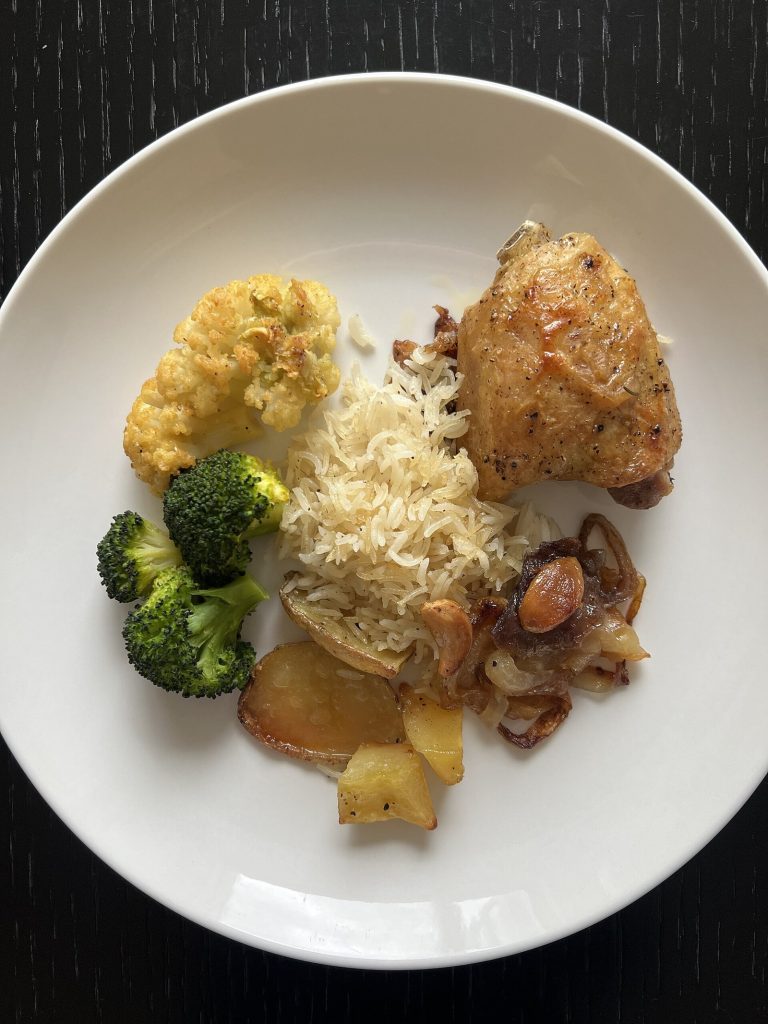
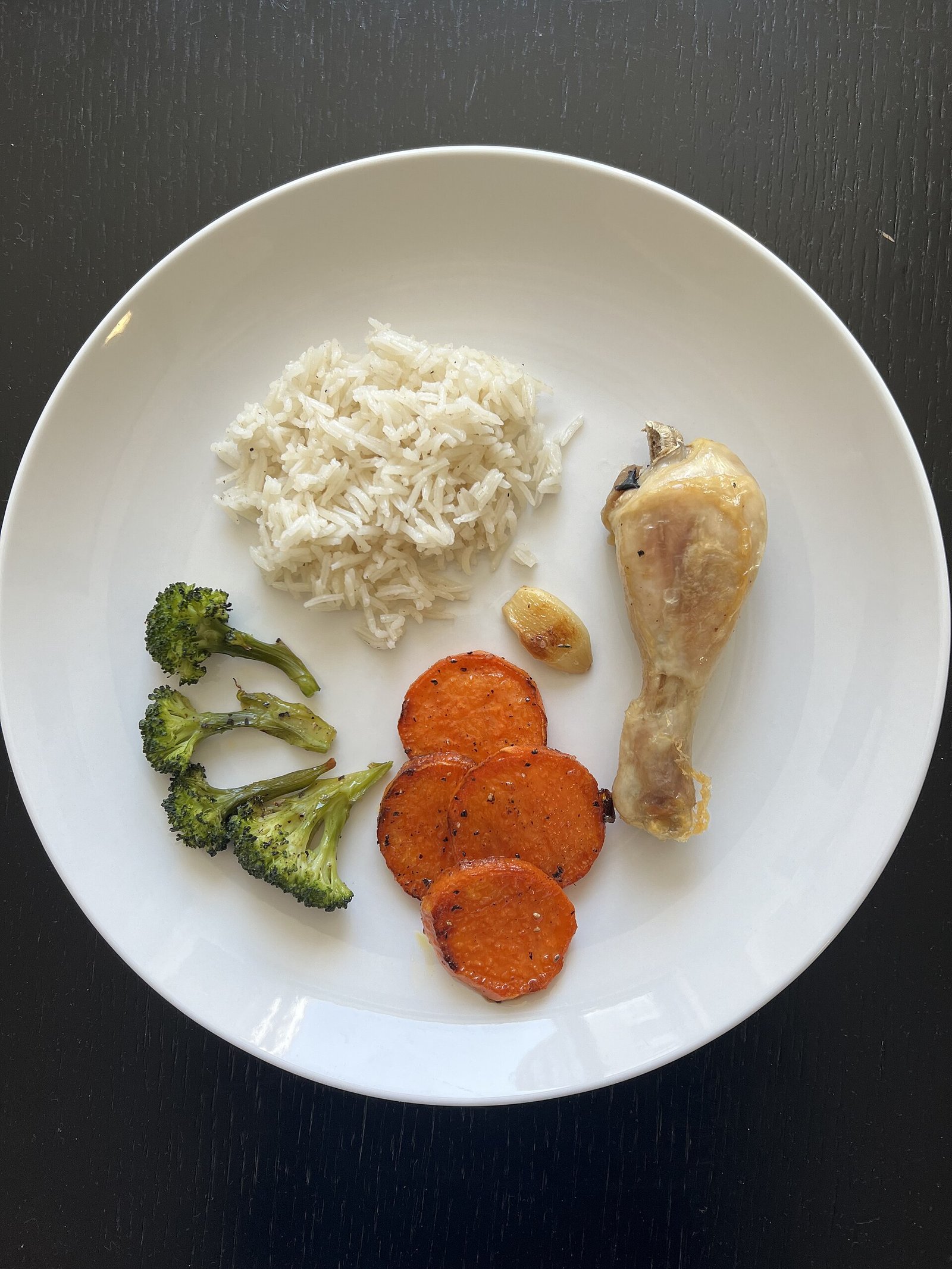
About half vegetables and fruit; a quarter protein; a quarter starch such as oats, rice, or potato; a calcium-containing food or fortified beverage; and water across the day. This is a weight-aware, bone-aware template, not a personalized calorie prescription.
4. Sample day (illustrative)
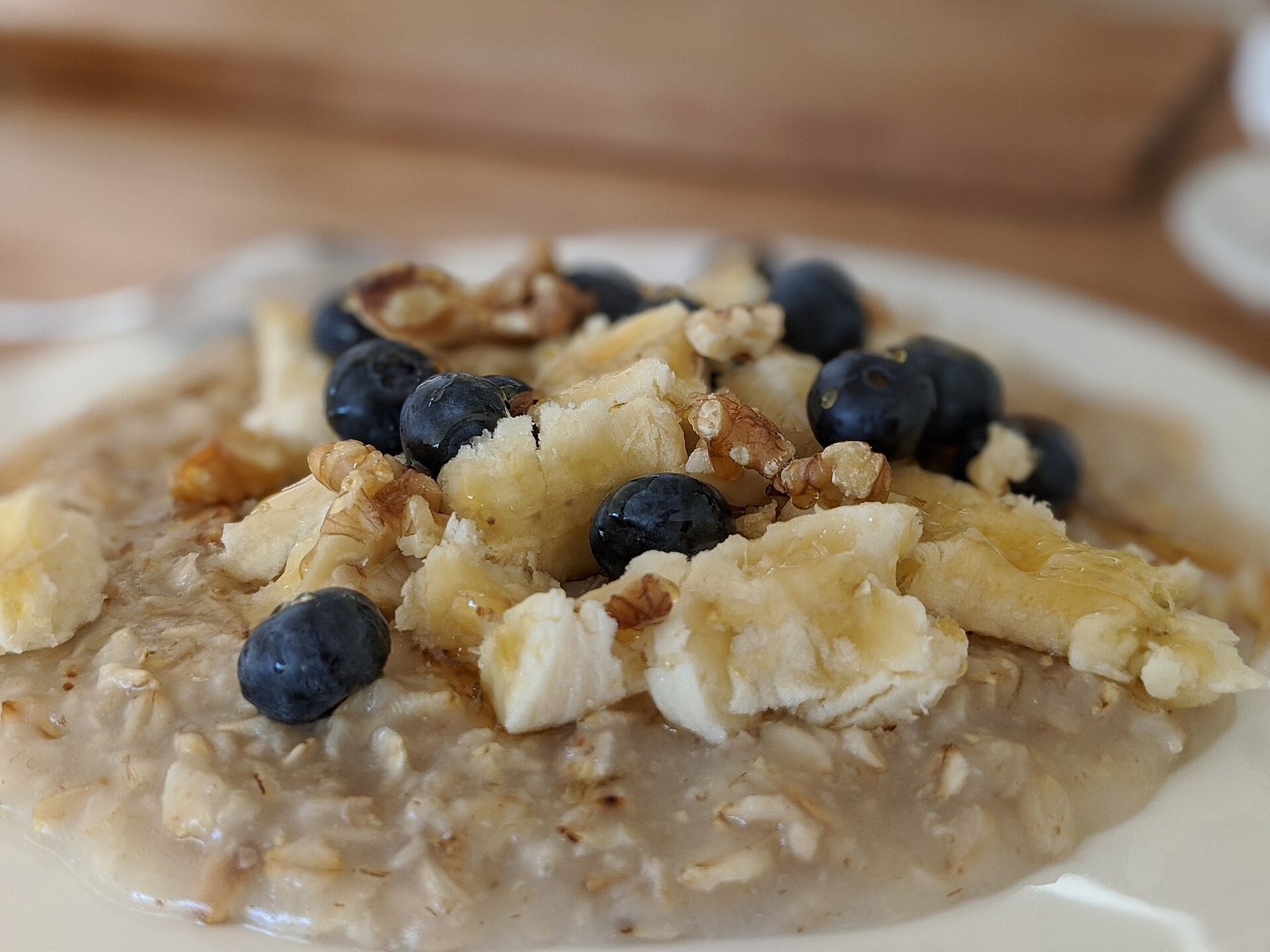
- – Breakfast: oatmeal with fruit and milk or yogurt, eaten in a supportive chair.
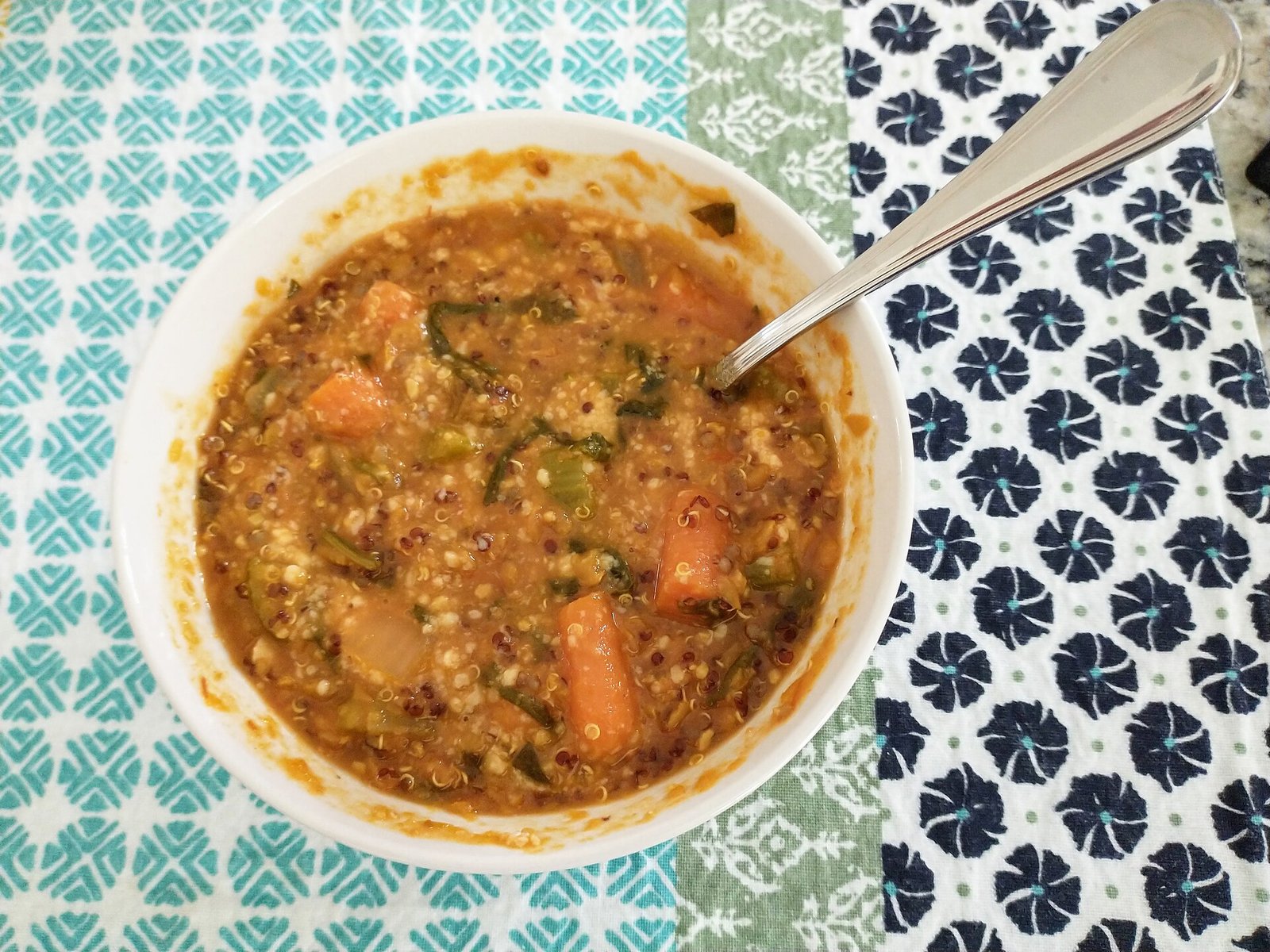
- – Lunch: a yogurt-and-bean bowl or canned fish with vegetables, assembled rather than cooked from scratch if standing is limited.
- – Snack: fruit or a handful of cereal if tolerated.
- – Dinner: baked fish or chicken, potatoes, and cooked greens; ask someone else to lift the roasting pan if bending and twisting hurt.
- – Evening: a planned snack if late grazing is your high-calorie pattern.
5. If a specific spine diagnosis overlaps
If your clinician has named a herniated disc, spinal stenosis, sciatica, or osteoarthritis, use the matching guide rather than stacking every “spine diet” rule at once: herniated disc diet guide, spinal stenosis diet guide, sciatica diet guide, osteoarthritis diet guide. After fusion or laminectomy, follow that team’s instructions; see diet after spinal fusion guide and diet after laminectomy guide.
6. Movement snacks around meals
NIAMS: when sitting for a long time, get up and change positions often. After eating, a short walk (if cleared) often fits Mayo Clinic’s advice to keep light activity going.
Safety, interactions, and who should ask a clinician first
- – New bowel or bladder problems, fever, unexplained weight loss, pain after a fall, or leg weakness or numbness: prompt or urgent evaluation (Mayo Clinic; NIAMS).
- – Pain lasting longer than a few weeks, or pain that spreads down a leg, especially below the knee: contact your clinician (Mayo Clinic).
- – Osteoporosis, steroid use, or prior spine fractures: do not start high-dose calcium or vitamin D without a plan; see osteoporosis diet guide.
- – Kidney, stomach, or heart disease: over-the-counter NSAIDs can have serious side effects if overused (Mayo Clinic)—ask before daily use.
- – Depression, anxiety, or poor sleep: NIAMS notes these can make back pain more frequent or severe; ask for whole-person care rather than self-prescribing supplements.
FAQ
Will changing my diet fix chronic low back pain? No public page we used describes food as a way to reverse chronic low back pain. Diet may help as a weight-aware, bone-supporting habit beside activity and medical care (Mayo Clinic; NIAMS).
Should I stay in bed and eat lightly until the pain is gone? Mayo Clinic and NIAMS advise against prolonged bed rest. Keep light activity such as walking if you can, and use simpler meals if cooking is painful, rather than skipping food all day.
Do I need a special anti-inflammatory food list? Not as a first-line public-source plan. NIAMS and Mayo Clinic emphasize activity, weight, and bone-supporting nutrition. An “anti-inflammatory” label on a snack bar is not a treatment.
Why do calcium and vitamin D appear on a back-pain page? NIAMS includes enough calcium and vitamin D in a healthy diet as nutrients that keep the spine strong, which matters when osteoporosis or fracture risk is part of the picture.
How this differs from related OTCFood topics
This page is a chronic low back pain-bound diet guide focused on weight-aware plates, calcium and vitamin D for bone health, and easier kitchen mechanics when pain lasts more than 12 weeks. It is not a herniated-disc, spinal-stenosis, or sciatica-specific protocol, and not a post-fusion diet. Use the sister pages above when you have one of those diagnoses.
Medical disclaimer
Medical disclaimer: This article is for general information only. It is not medical advice, diagnosis, or a treatment plan. Chronic low back pain care depends on the cause, nerve symptoms, other conditions, and clinician judgment. Talk with a clinician or dietitian before changing any eating plan, supplement, or medicine. Seek urgent care for new bowel or bladder problems, fever, unexplained weight loss, pain after trauma, or new leg weakness or numbness.