Common Cold Diet: Foods That May Help and Foods to Limit
Medical note: This article discusses foods and researched botanicals. It does not claim to prevent, treat, or cure disease. Supplements are not a substitute for food, and studied amounts are not personal prescriptions.
People searching “common cold diet foods that help or worsen” usually want drinks and meals that feel easier while a viral cold runs its course—not a claim that food cures a cold, shortens it on demand, or replaces rest and clinician advice. MedlinePlus emphasizes rest and plenty of fluids while a cold goes away on its own. Mayo Clinic says there is no cure and most people improve in 7 to 10 days; CDC notes that colds usually last less than a week and that adults in the United States average two to three colds each year.
What this common cold diet guide covers (and what it does not)
This guide is for otherwise healthy adults, and caregivers of older children, managing an uncomplicated common cold who want practical fluid and meal ideas. Anchors: MedlinePlus — Common Cold, CDC — About Common Cold, Mayo Clinic — Common cold symptoms and causes. NIH ODS — Vitamin C and NIH ODS — Zinc.
A cold is a viral infection of the nose and throat. CDC says more than 200 respiratory viruses can cause colds; rhinoviruses are the most frequent cause in the United States. Typical symptoms include a runny or stuffy nose, sore throat, cough, sneezing, body aches, and a low-grade fever (Mayo Clinic; CDC). Mucus that turns yellow or green is often normal and does not, by itself, mean you need antibiotics. CDC warns that COVID-19, flu, and RSV can look like a cold but are more likely to cause severe illness; if you suspect flu or COVID-19, especially if you are at higher risk, ask about testing. Antibiotics do not treat cold viruses (Mayo Clinic). Related reading: acute bronchitis diet guide and acute sinusitis diet guide.
Evidence snapshot: common cold diet claims vs public sources
| Claim people hope for | What public sources actually say | Confidence |
|---|---|---|
| “A special diet cures or prevents colds” | Mayo Clinic: there is no cure; most cases get better in 7 to 10 days. CDC does not present a prevention diet. Eating well is listed among general self-care steps, not as a “cold-proof” menu | Strong against food-as-cure |
| “Drink plenty of fluids” | MedlinePlus and Mayo Clinic both recommend plenty of fluids. Mayo Clinic lists water, juice, clear broth, or warm lemon water; caffeine and alcohol can increase fluid loss | Moderate–strong that fluids are often recommended for comfort and hydration |
| “Vitamin C supplements prevent colds” | ODS: for most people, vitamin C supplements do not reduce the risk of getting a cold. Regular use might mean slightly shorter or milder colds; starting after symptoms begin does not appear helpful. Mayo Clinic is similar | Moderate that routine supplements are not a prevention tool; possible modest duration effect if taken regularly |
| “Zinc will knock out a cold” | ODS: some studies suggest zinc lozenges or syrup speed recovery if started at the beginning of a cold; more study is needed on dose and form. Mayo Clinic: some research finds a reduction of about one day when started within 24 to 48 hours; results are mixed. Intranasal zinc can damage smell; FDA has warned against zinc nasal cold remedies | Low–moderate for lozenges/syrup started early; strong caution against nasal zinc |
Foods and patterns that may help with common cold comfort
Fluids and warm liquids first
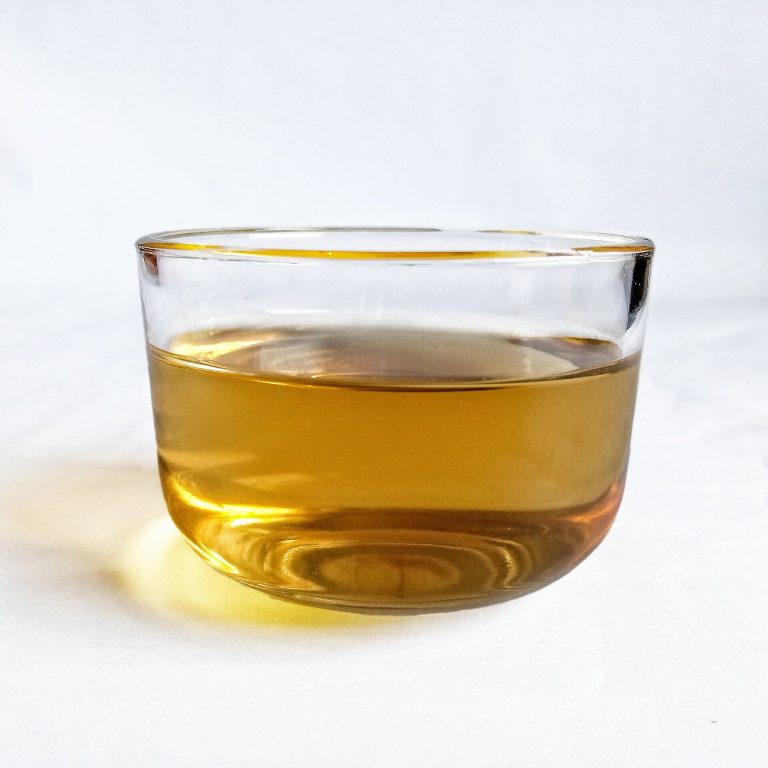
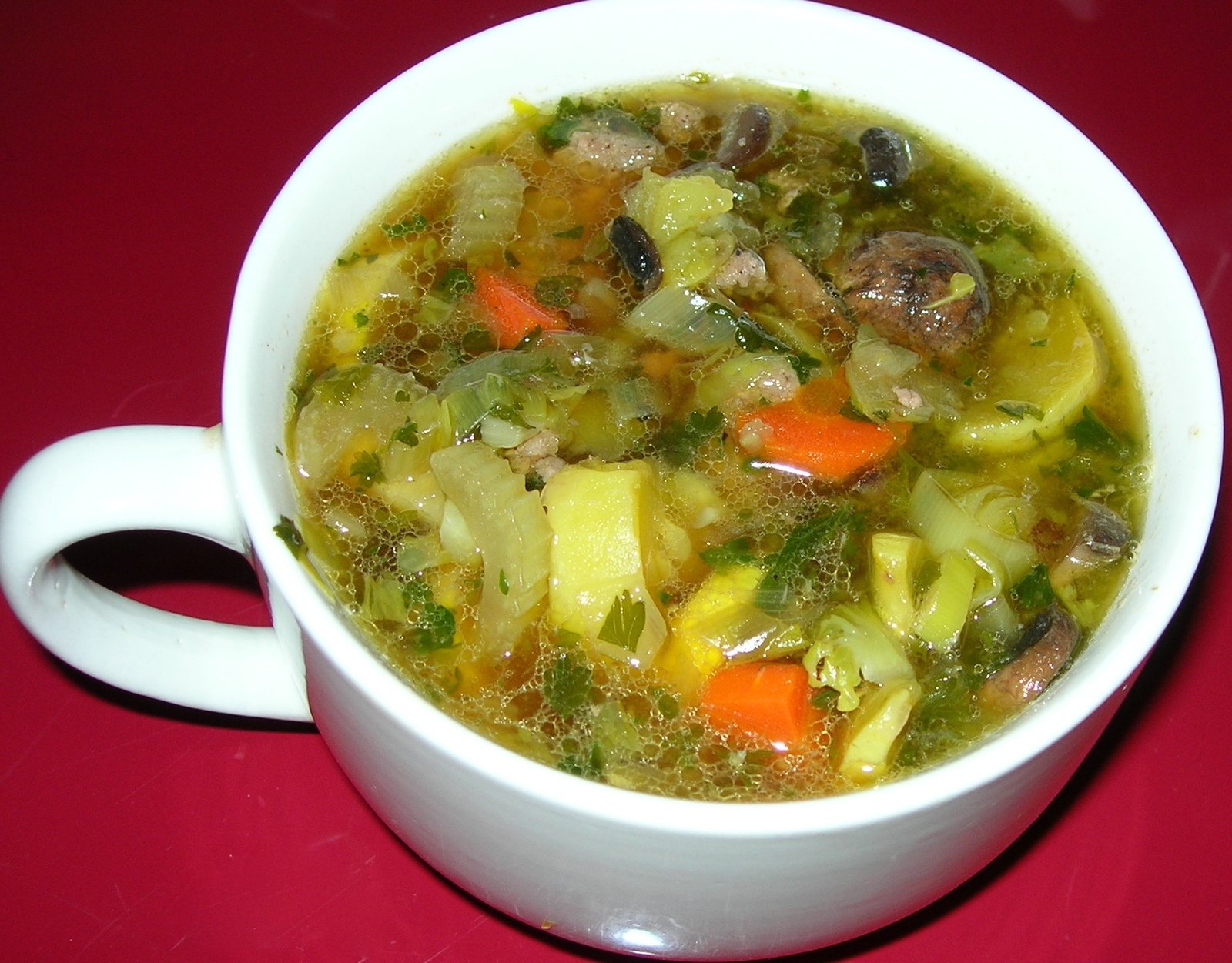
MedlinePlus lists drinking plenty of fluids, along with rest, a clean humidifier or cool-mist vaporizer, saltwater gargles, and saline nose drops or sprays. Mayo Clinic’s comfort list is more specific: water, juice, clear broth, or warm lemon water; sipping warm liquids such as chicken soup, tea, or warm apple juice can soothe a sore throat and loosen a stuffy nose. Honey may help coughs in adults and in children older than 1 year. Do not give honey to children younger than 1 year because of the risk of infant botulism. A saltwater gargle of 1/4 to 1/2 teaspoon of table salt in 4 to 8 fluid ounces of warm water can soothe a sore throat.
Food-first vitamin C, with realistic supplement expectations
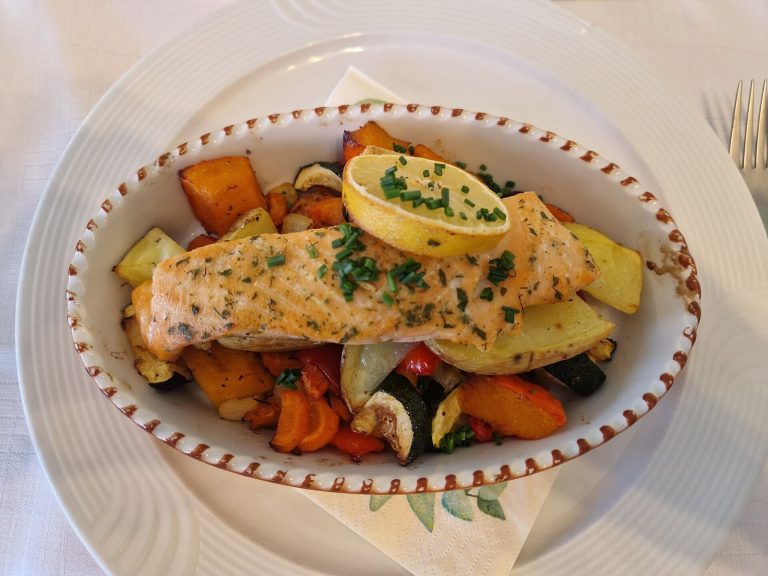
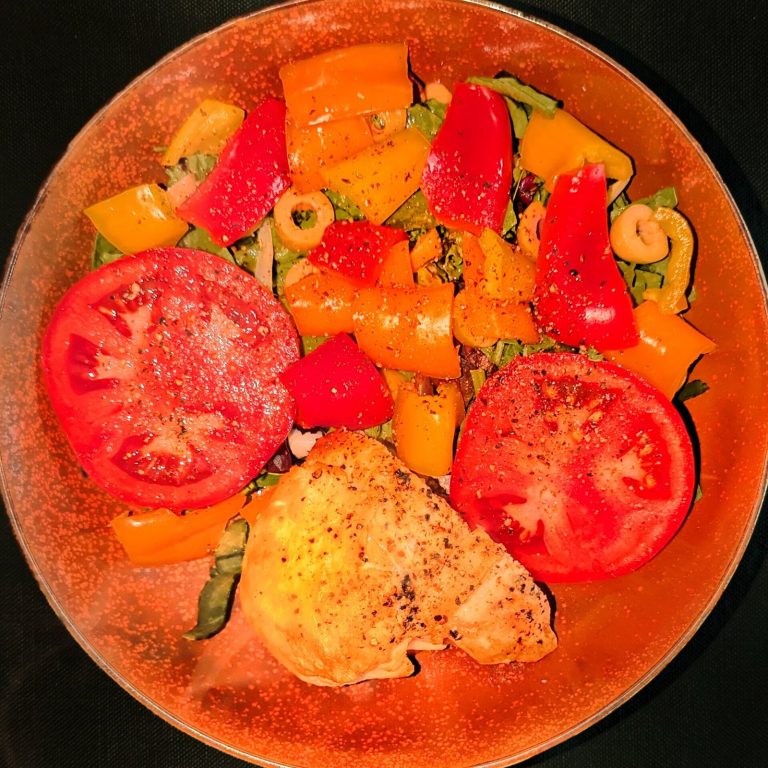
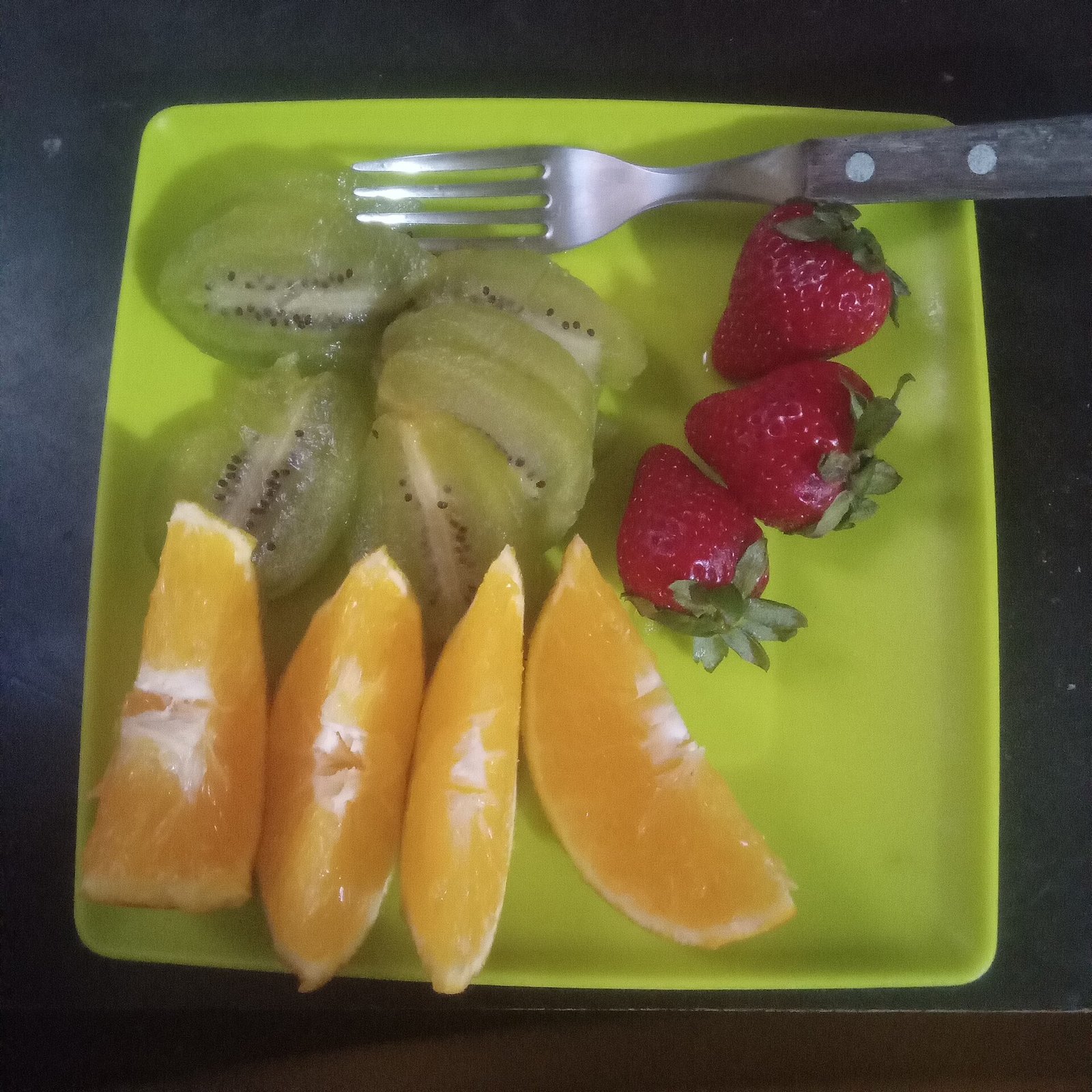
Fruits and vegetables are the best vitamin C sources ODS lists: citrus fruits and their juices, peppers, kiwifruit, broccoli, strawberries, cantaloupe, baked potatoes, and tomatoes. Adult recommended amounts are 90 mg a day for men and 75 mg for women, with an upper limit of 2,000 mg; people who smoke need 35 mg more. A vitamin C–containing plate may help you meet usual needs while appetite is low; it is not a guaranteed shorter cold. Starting a supplement only after symptoms begin does not appear helpful, and high doses can cause diarrhea or stomach cramps (ODS; Mayo Clinic). See vitamin C deficiency diet guide.
Soft meals when the throat hurts
When swallowing is sore, many people do better with warm soup, yogurt, oatmeal, eggs, or mashed fruit than with dry, spicy, or very acidic plates. Mayo Clinic also suggests ice chips, lozenges, or hard candy for older children and adults; do not give them to children younger than 6 years because of choking risk.
Foods and habits that often worsen common cold kitchen patterns
- – Alcohol and excess caffeine. Mayo Clinic: both can increase fluid loss, so they are poor hydration choices while you are congested or febrile.
- – Using food or supplements instead of rest. MedlinePlus and Mayo Clinic put rest beside fluids. Stay home if you have a fever or a bad cough.
- – Intranasal zinc or stacked high-dose zinc. Too much zinc can cause nausea and, with long-term high intakes, lower HDL cholesterol and low copper (ODS). The adult upper limit is 40 mg a day from all sources unless a clinician is supervising a medical dose. Never use zinc nasal sprays or gels for a cold (Mayo Clinic; FDA warning).
- – Antibiotics “to be safe,” or doubling cold medicines. Antibiotics do not treat cold viruses. Mayo Clinic and MedlinePlus caution against giving aspirin to children or teens, and against two products that share the same active ingredient.
- – Echinacea or other herbal products as a sure remedy. Mayo Clinic: study results for echinacea are mixed; it can interact with many drugs. See echinacea for colds guide and elderberry cold and flu guide.
Practical kitchen protocol: a common cold-aware few days
1. Keep the medical spine first
Most uncomplicated colds are managed at home. Call a clinician if symptoms worsen or do not improve, if an adult fever is greater than 101.3°F (38.5°C) for more than three days, if fever returns after a fever-free stretch, or if you have shortness of breath, wheezing, or intense throat, head, or sinus pain (Mayo Clinic).
2. Shopping list and comfort template
Stock water, tea, clear broth or chicken soup, fruit juice, lemons, honey if everyone in the house is older than 1 year, yogurt, oatmeal, soft fruit, oranges or other vitamin C–containing produce, saline spray, and a thermometer. Through the day, take fluids at regular intervals, including warm liquids if they soothe you; eat a soft, mild meal when appetite allows (soup, oatmeal, yogurt, eggs); include a fruit or vegetable you can actually eat; use honey in tea only if you are older than 1 year; and rest in a room that is warm but not overheated. A clean cool-mist humidifier may help (Mayo Clinic; MedlinePlus).
3. Sample day (illustrative)
- – Morning: water or warm lemon water; oatmeal or yogurt if hungry; tea.
- – Midday: chicken soup or clear broth; toast or rice if you want something solid; juice or water.
- – Afternoon: fruit you can sip or eat; more tea or water.
- – Evening: a mild dinner such as soup, eggs, or rice and cooked vegetables; honey-lemon tea if you are older than 1 year.
4. If you try zinc or vitamin C
If you and your clinician decide on a zinc lozenge or syrup, start only at the beginning of symptoms and stay under the 40 mg adult upper limit unless told otherwise (ODS; Mayo Clinic). For vitamin C, food comes first; do not add a megadose “to fight the cold.”
5. If the cold is not a cold
CDC: flu, COVID-19, and RSV can look similar and may need testing and, for some people, antivirals. If a cough lingers or moves into the chest, see acute bronchitis diet guide; if sinus pain dominates, see acute sinusitis diet guide.
Safety, interactions, and who should ask a clinician first
- – Shortness of breath, wheezing, a high or returning fever, or symptoms that worsen after early improvement: contact a clinician (Mayo Clinic).
- – Infants, older adults, pregnancy, asthma, COPD, heart failure, or a weakened immune system: lower threshold for evaluation (CDC lists complications including asthma attacks, bronchitis, pneumonia, and worsening of chronic conditions).
- – Children: no aspirin; no honey under age 1; no lozenges under age 6; check with a clinician before cough-and-cold medicine, especially under age 2 (Mayo Clinic; MedlinePlus).
- – If you take a statin or cancer treatment, or you have hemochromatosis, ask before high-dose vitamin C (ODS).
- – Zinc lozenges can upset the stomach and interfere with some antibiotics; ask a pharmacist about timing (ODS).
FAQ
Will chicken soup or tea cure my cold? No. Mayo Clinic lists chicken soup, tea, and other warm liquids as comfort measures that may soothe a sore throat and loosen a stuffy nose.
Should I take vitamin C now that I feel sick? ODS: starting vitamin C after symptoms begin does not appear helpful. Regular use might mean a slightly shorter or milder cold for some people, but supplements do not reliably prevent colds.
Is zinc worth trying? Evidence is mixed. ODS and Mayo Clinic describe a possible shorter cold when zinc lozenges or syrup are started very early. Do not use nasal zinc.
Can I give honey to a coughing toddler? Not if the child is younger than 1 year (Mayo Clinic: risk of infant botulism). Honey may help coughs in older children and adults.
How this differs from related OTCFood topics
This page is a common cold-bound diet and fluid guide focused on hydration, warm liquids, realistic vitamin C and zinc evidence, and safety around honey and nasal zinc. It is not a flu or COVID-19 treatment page or a bronchitis protocol. For related cough or sinus patterns, see acute bronchitis diet guide and acute sinusitis diet guide.
Medical disclaimer
Medical disclaimer: This article is for general information only. It is not medical advice or a treatment plan. Common-cold care depends on your age, other conditions, and whether the illness is truly a cold. Talk with a clinician before changing any eating plan or medicine. Seek care for trouble breathing, a high or lasting fever, or illness in an infant.