Halitosis Diet: Foods That May Help and Foods to Limit
Medical note: This article discusses foods and researched botanicals. It does not claim to prevent, treat, or cure disease. Supplements are not a substitute for food, and studied amounts are not personal prescriptions.
People searching “halitosis diet foods that help or worsen” usually want to know which meals linger on the breath—and which habits actually address the source—not a claim that parsley, mints, or a cleanse cure bad breath or replace dental care. MedlinePlus notes that unpleasant breath odor, commonly called bad breath, is usually related to poor dental hygiene, which allows mouth bacteria to release sulfur compounds. Mayo Clinic uses the name halitosis and stresses that many gums, mints, and mouthwashes are only short-term measures because they do not address the cause. NIDCR explains that plaque left on the teeth can irritate gums and lead to gingivitis, a common oral source of odor. Kitchen changes may help when foods or dryness contribute; they do not replace a dental exam when odor persists.
What this halitosis diet guide covers (and what it does not)

This guide is for adults who have persistent or recurring bad breath and want practical food and fluid choices alongside cleaning habits. Anchors: MedlinePlus — Breath odor, NIDCR — Oral Hygiene, and Mayo Clinic — Bad breath.
Mayo Clinic lists frequent mouth-based causes: food particles; onions, garlic, and spices; tobacco; inadequate brushing and flossing; tongue bacteria; dry mouth; some medicines; mouth infections; tonsil stones; and postnasal drip. GERD and some systemic diseases can also cause a distinctive odor. MedlinePlus adds cabbage, coffee, alcohol, large-dose vitamin supplements, and serious patterns such as a fruity odor in ketoacidosis, an ammonia-like odor in chronic kidney failure, or a feces-like odor with prolonged vomiting or bowel obstruction. Related reading: Periodontitis (Gum Disease) Diet: Foods That May Help and Foods to Limit, Dry Mouth (Xerostomia) Diet: Foods That May Help and Foods to Limit, GERD acid reflux diet guide, and type 2 diabetes diet guide.
Evidence snapshot: halitosis diet claims vs public sources
| Claim people hope for | What public sources actually say | Confidence |
|---|---|---|
| “Mouthwash or mints cure halitosis” | Mayo Clinic: many products are short-term. MedlinePlus: mouthwashes are not effective in treating the underlying problem | Strong against rinse-as-cure |
| “Only garlic and onions cause bad breath” | Those foods are listed causes (Mayo Clinic, MedlinePlus), but so are plaque, gum disease, dry mouth, tobacco, sinus issues, GERD, and some illnesses | Strong that food is only one pathway |
| “If I eat parsley, I can skip flossing” | MedlinePlus says fresh parsley or a strong mint may help temporary odor, and that proper dental hygiene, especially flossing, is home-care essentials | Strong that hygiene comes first |
| “Persistent odor is always just morning breath” | Mayo Clinic: dry mouth naturally occurs during sleep, but constant dry mouth, gum disease, or other conditions need evaluation if changes do not help | Moderate–strong to get checked if it lasts |
| “Unusual breath odors are never medical” | MedlinePlus flags fruity, ammonia-like, or feces-like odors as possible signs of serious disease | Strong to seek care for those patterns |
Foods and patterns that may help with halitosis
“May help” means reducing odor from food residues and dryness while the cause is identified—not a guarantee of mint-fresh breath.
Everyday patterns often recommended
- – Thorough oral care first: brush twice daily with fluoride toothpaste, clean between teeth daily, and brush the tongue (NIDCR and Mayo Clinic)
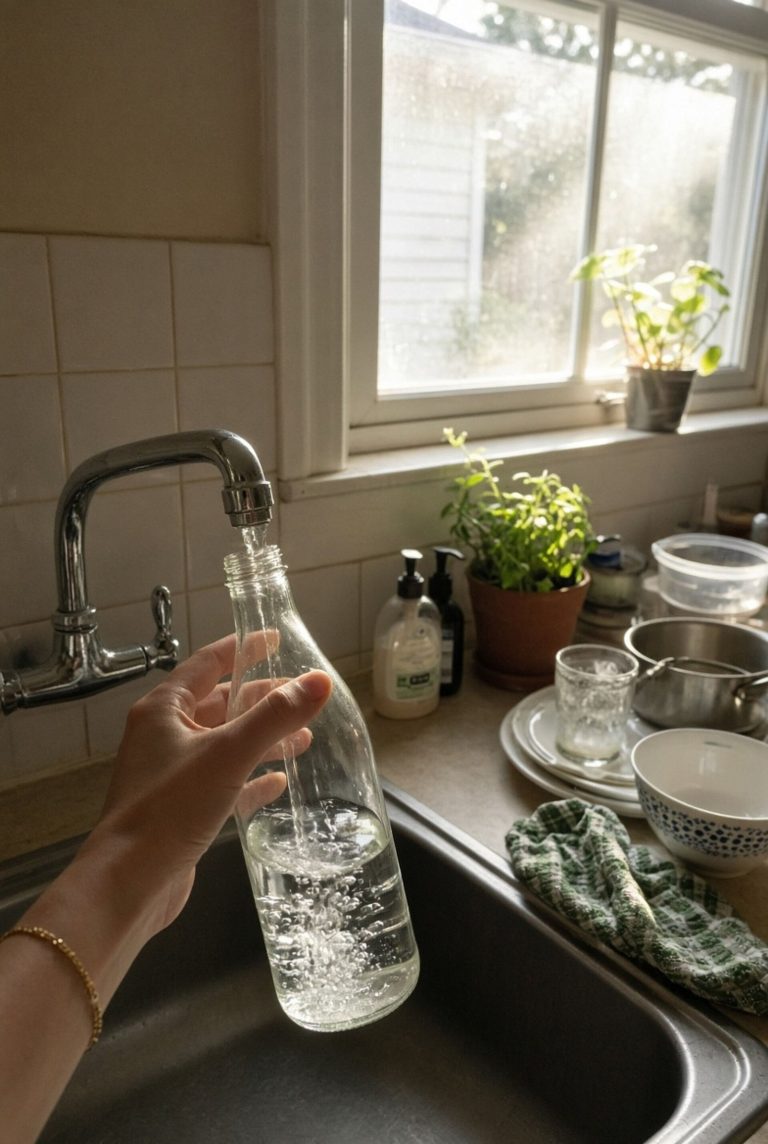
- – Regular water, because Mayo Clinic recommends drinking plenty of water as a lifestyle step, and saliva helps cleanse the mouth
- – Meals that are not built around leftover garlic, raw onion, or heavy spices when you need a low-odor window (work meetings, close conversations)—this is timing, not a moral rule
- – A well-balanced diet that limits sweets and sugary drinks, as NIDCR recommends because sugars feed plaque
- – Temporary use of fresh parsley or a strong mint for short-lived food odor, as MedlinePlus describes, after you have already cleaned your mouth
When dryness or reflux is in the mix
Mayo Clinic explains that less saliva means fewer particles are washed away and that some medicines cause dry mouth. Sipping water and reviewing drying medicines may help more than stacking mints; see Dry Mouth (Xerostomia) Diet: Foods That May Help and Foods to Limit. If constant heartburn is present, GERD is a listed Mayo Clinic cause; see GERD acid reflux diet guide rather than only masking odor.
Pattern that supports a diagnosis
Keep a short log of meals (especially garlic, onion, cabbage, coffee, and alcohol), tobacco, odor timing, nasal symptoms, heartburn, and cleaning steps. MedlinePlus notes that clinicians will ask about “odorous” foods, vitamins, smoking, hygiene, and other symptoms.
Foods and habits that often worsen halitosis
- – Garlic, raw onions, cabbage, and strong spices, which MedlinePlus and Mayo Clinic list as classic food causes because odor compounds can be carried on the breath after digestion, not only from bits left in the mouth.
- – Coffee and alcohol, which MedlinePlus includes among causes.
- – Tobacco. Mayo Clinic: smoking causes unpleasant mouth odor and raises the chance of gum disease, another odor source. NIDCR also urges not smoking because it increases gum-disease risk.
- – Sugary drinks and frequent sweets that feed plaque if teeth are not cleaned (NIDCR).
- – Large-dose vitamin supplements if they are a suspected odor source (MedlinePlus); review doses rather than adding more “breath” pills.
- – Skipping floss, tongue cleaning, or denture/appliance care. Mayo Clinic: food particles and plaque, including on dentures and braces, are common odor sources. NIDCR: if plaque stays, it can harden into tartar and worsen gingivitis.
- – Relying only on mouthwash. MedlinePlus is direct that rinses do not treat the underlying problem.
- – Ignoring medical odor patterns—fruity breath in a person with diabetes, an ammonia-like odor, fever with sinus or chest symptoms, or odor plus severe vomiting. Those are reasons to contact a clinician, not to buy stronger mints.
“Limit” means reducing well-known odor foods and dryness while the cause is treated—not a lifelong ban on every flavorful meal.
Practical kitchen protocol: a halitosis-aware week
1. Start with the mouth, not a cleanse
Review brushing, flossing, tongue cleaning, and denture or appliance care. Mayo Clinic: if you still have bad breath after these changes, see a dentist to be sure a more serious condition is not the cause.
2. Shopping list for lower-odor days
Water, yogurt or other plain proteins, fruit and vegetables you tolerate, oats or rice, parsley for occasional temporary masking, and fewer sugary drinks. If you use garlic and onions often, try smaller amounts earlier in the day, then brush.
3. Default plate template
- – Vegetables and fruit you can clean from the teeth easily
- – A modest protein
- – A starch that is not sticky candy
- – Water with and after meals
- – Coffee earlier in the day if it lingers; skip alcohol if it worsens odor or dryness
4. Sample day (illustrative)
- – Breakfast: oatmeal with berries; water; brush and clean the tongue.
- – Lunch: a rice bowl with cooked vegetables and chicken, fish, or beans; water.
- – Snack: yogurt or an apple, then a rinse or brush.
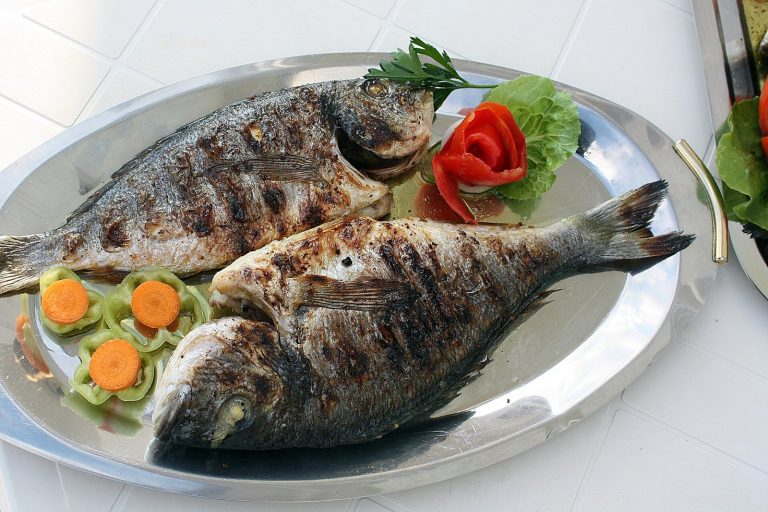
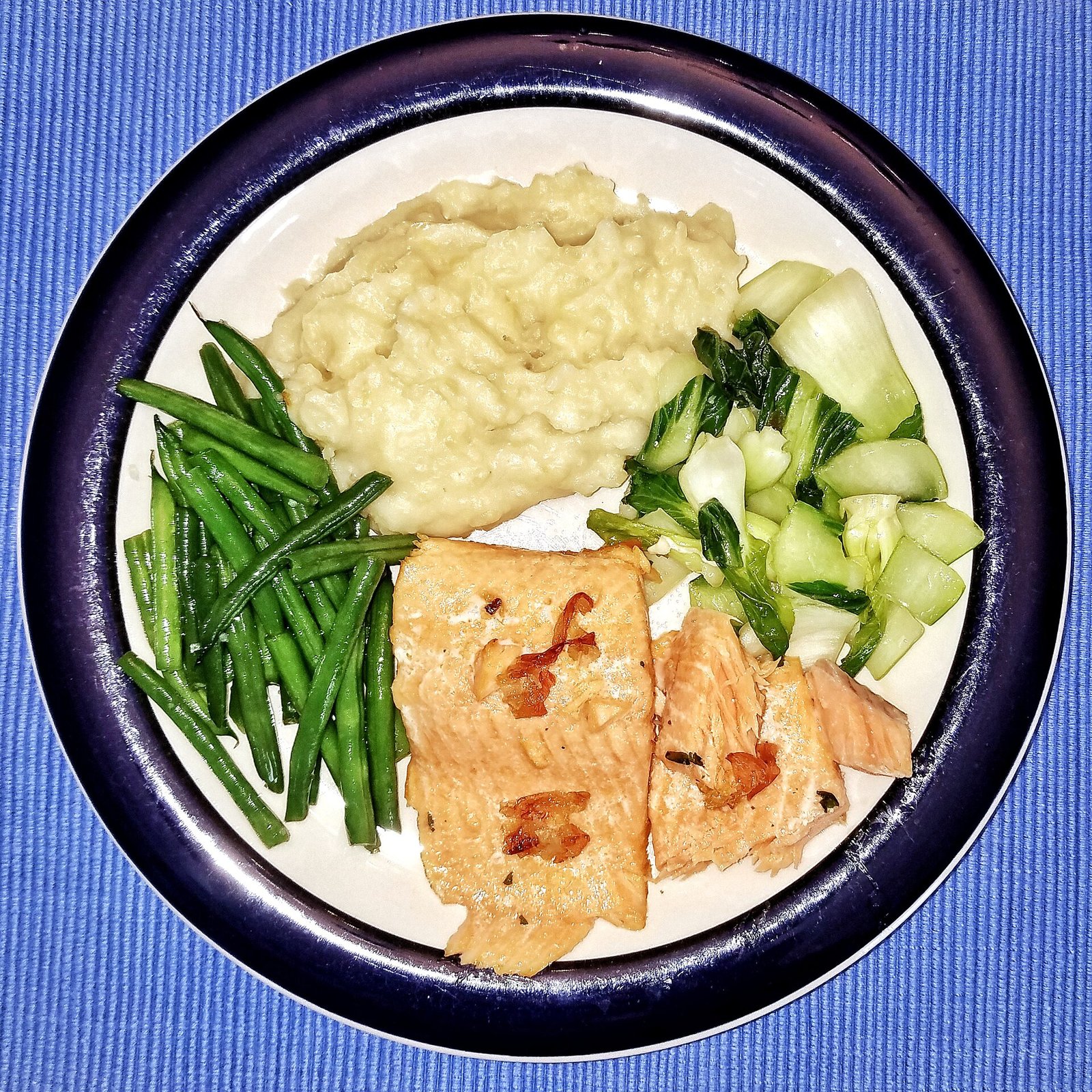
- – Dinner: a lower-garlic evening meal, such as baked fish, potatoes, and cooked greens, if you need a low-odor window overnight.
- – Evening: floss; skip a late onion-heavy takeout if mornings are your worst time.
5. If gum disease, dry mouth, or GERD overlap
Persistent odor with bleeding gums needs a dental exam, not only dietary limits; see Periodontitis (Gum Disease) Diet: Foods That May Help and Foods to Limit. Morning breath that never improves with water and cleaning deserves a dryness and medicine review.
6. After a dental or medical evaluation
Follow cleaning intervals and any gum, reflux, or sinus care as prescribed. Favorite garlic- or onion-heavy meals can often return with timing and hygiene once the source is addressed, unless your clinician advises otherwise.
Safety, interactions, and who should ask a clinician first
- – Breath odor that does not go away without an obvious food or smoking cause: contact a provider (MedlinePlus).
- – Odor plus fever, cough, or face pain with nasal discharge: contact a provider; this may be a respiratory infection (MedlinePlus).
- – Fruity breath, confusion, or vomiting in someone with diabetes: urgent evaluation for possible ketoacidosis (MedlinePlus).
- – Ammonia-like or feces-like odor, especially with other illness signs: prompt medical care, not a new mouthwash.
- – Children with one-sided nasal discharge: Mayo Clinic and MedlinePlus both mention a possible object in the nose.
- – Complex medicine lists or dry mouth: ask before adding “breath” supplements; MedlinePlus lists large-dose vitamins as a possible odor source.
FAQ
Can a diet alone cure halitosis? No. Most cases start with oral hygiene and, if needed, treatment of gum disease, dry mouth, infection, or another medical cause (Mayo Clinic, MedlinePlus). Food changes may reduce odor from garlic, onions, coffee, or alcohol.
Do I have to give up garlic forever? Not necessarily. Those foods are known temporary odor sources. Many people limit them before close contact and clean the mouth afterward rather than banning them for life.
Why does mouthwash fail after an hour? Because it usually does not fix the cause (MedlinePlus, Mayo Clinic). Plaque, tongue coating, dry mouth, or an illness can keep producing odor.
When is bad breath a medical warning? Seek care for a fruity, ammonia-like, or feces-like odor, or for odor with fever, sinus pain, uncontrolled heartburn, or other systemic symptoms listed on the MedlinePlus page.
Is morning breath normal? Some morning odor is common because the mouth dries during sleep (Mayo Clinic). Persistent all-day odor after cleaning is not something to ignore.
Should I start with a dentist or a physician? Mayo Clinic suggests starting with hygiene changes, then seeing a dentist; the dentist may refer you if a condition outside the mouth is likely.
How this differs from related OTCFood topics
This page is a halitosis-bound diet guide focused on odor-producing foods, hydration for dry mouth, and why rinses and mints are only temporary. It is not a gingivitis treatment plan or a substitute for evaluating unusual odors that may signal systemic disease.
Medical disclaimer
Medical disclaimer: This article is for general information only. It is not medical advice, diagnosis, or a treatment plan. Halitosis care depends on the cause—oral hygiene, gum disease, dry mouth, medicines, sinus or reflux disease, or other medical conditions—and on your dentist’s or clinician’s judgment. Talk with a dentist, clinician, or registered dietitian before starting, stopping, or changing any eating plan, supplement, or medicine. Seek urgent care for fruity, ammonia-like, or feces-like breath odors or for breath odor with severe illness symptoms.