Interstitial Cystitis Diet: Foods That May Help and Foods to Limit
Medical note: This article discusses foods and researched botanicals. It does not claim to prevent, treat, or cure disease. Supplements are not a substitute for food, and studied amounts are not personal prescriptions.
People searching “interstitial cystitis bladder pain diet foods that help or worsen” usually want a personal trigger-finding plan for bladder pain syndrome—not a claim that food cures interstitial cystitis (IC). MedlinePlus describes IC as a condition that causes bladder discomfort or pain and a need to urinate frequently and urgently, notes it is far more common in women, and states there is no cure while treatments can help most people feel better. NIDDK’s eating page says some research suggests diet may affect IC symptoms, that certain foods and drinks may cause symptom flares, and that learning your triggers and avoiding them may help you feel better, while staying hydrated may also help.
What this interstitial cystitis (bladder pain) diet guide covers (and what it does not)
This guide is for adults with diagnosed interstitial cystitis / bladder pain syndrome (IC/BPS) and the people who cook with them. It covers common food and drink triggers, a food-diary approach, hydration, and sample meals. It does not cover bladder instillations, prescription medicines, nerve stimulation, or physical therapy; your urologist or urogynecologist guides those. Anchors: MedlinePlus — Interstitial Cystitis, NIDDK — Interstitial Cystitis (Bladder Pain Syndrome), and NIDDK — Eating, Diet, & Nutrition for Interstitial Cystitis.
Related reading: interstitial cystitis diet guide, overactive bladder diet guide, and UTI diet guide (IC is not the same as bacterial UTI, but symptom overlap confuses many searches).
Evidence snapshot: interstitial cystitis diet claims vs public sources
| Claim people hope for | What public sources actually say | Confidence |
|---|---|---|
| “Certain foods flare IC bladder pain” | NIDDK lists citrus juices, coffee/tea/soda/alcohol, tomatoes and tomato sauces, hot/spicy foods, artificial sweeteners, chocolate, and MSG as examples some people find trigger flares | Moderate (patient-reported patterns NIDDK summarizes) |
| “Avoiding my triggers helps” | NIDDK: learning and avoiding foods/drinks that cause your flares may help you feel better; a food diary is the suggested tool | Moderate |
| “There is one proven IC diet that cures everyone” | MedlinePlus: no cure for IC; treatments including lifestyle changes may help. NIDDK frames diet as individualized trigger management, not a universal menu | Strong that no culinary cure exists |
| “Drinking water helps” | NIDDK: staying hydrated may also help improve symptoms; ask how much is right for you | Moderate |
| “Anti-inflammatory detox teas cure bladder pain syndrome” | Public NIDDK/MedlinePlus patient pages do not present detox teas as standard IC care | Strong against cure claims |
Foods and patterns that may help with interstitial cystitis bladder pain day to day
“May help” means a calmer-bladder default you personalize—not a guarantee.
Water as the main drink (NIDDK)
- – Plain water is the simplest bladder-friendly default for many people. NIDDK says staying hydrated may help improve symptoms; ask a clinician how much is right for your health, activity, and climate.
- – Spread fluids through the day rather than drinking large amounts at once, and talk with your care team before restricting fluids only to reduce toilet trips.
A balanced base while you test triggers
- – Keep enough protein (eggs, poultry, fish, tofu, beans, or plain dairy if tolerated).
- – Include whole grains or other starches you tolerate (oats, rice, potatoes, bread).
- – Choose fruits and vegetables you personally tolerate; many people find low-acid choices easier than citrus or tomato during flares.
- – Include healthy fats and enough calories so elimination trials do not become accidental under-eating.
Simple meals during a flare
- – Keep meals simple; plain cooked grains, mild vegetables, and plain proteins seasoned with herbs instead of chili are easy starting points.
- – NIDDK suggests working with a registered dietitian when possible for a custom plan (Academy of Nutrition and Dietetics referral pathways noted on the NIDDK page).
Lifestyle treatments MedlinePlus lists alongside kitchen work
- – MedlinePlus notes lifestyle changes and bladder training among treatments that may help—food diaries support those plans; they do not replace clinician-guided therapies when pain remains severe.
Foods and drinks that often worsen interstitial cystitis bladder pain
Based on NIDDK’s flare examples:
- – Coffee, tea, soda, and alcohol
- – Citrus juices and drinks such as orange and grapefruit juices
- – Tomatoes and tomato-based sauces and other high-acid foods for people who react
- – Hot and spicy foods
- – Artificial sweeteners (sweeteners not found naturally in foods and drinks)
- – Chocolate
- – MSG (monosodium glutamate)
“Limit” or pause means personalizing based on your diary—not claiming every person with IC must ban every item forever. Re-test carefully; tolerance can change.
Practical kitchen protocol: an interstitial cystitis elimination plan
NIDDK highlights a food diary as the way to learn your triggers. Here is a practical five-step kitchen protocol.
Step 1: Keep a food and symptom diary for 1–2 weeks
Record what you eat and drink, bladder pain, urgency, frequency, stress, sleep, menstrual changes, bowel symptoms, and other possible triggers such as sex, exercise, travel, or infection. This helps you avoid blaming food for every flare.
Step 2: Remove only the most likely triggers for a short trial
Start with the common irritants NIDDK lists: coffee or other caffeine sources, citrus, tomatoes, alcohol, carbonated drinks, spicy foods, artificial sweeteners, chocolate, and MSG. Keep the rest of your diet balanced.
Step 3: Check for clear improvement
Ask whether pain, urgency, or frequency are lower, or whether flares are less frequent. If nothing has clearly changed, a stricter diet may not be your main lever—revisit medical therapies with your clinician (MedlinePlus lists multiple treatment options).
Step 4: Add foods back one at a time
Try a small serving of one food, wait a day or two, and track symptoms. If tolerated, keep it and test the next. If a food seems to trigger symptoms, set it aside and re-test later.
Step 5: Personalize with a dietitian when the list grows long
A registered dietitian can help protect nutrition if you are avoiding many foods or losing weight without trying (NIDDK).
Kitchen swaps that keep meals interesting
- – Swap tomato pasta sauce for olive oil, garlic (if tolerated), and herbs, or a creamy vegetable sauce.
- – Swap coffee for a tolerated herbal caffeine-free option—or water.
- – Swap soda for still water or a tolerated non-citrus infusion.
- – Season with herbs instead of chili flakes during flares.
Sample day (illustrative, trigger-aware—not universal)
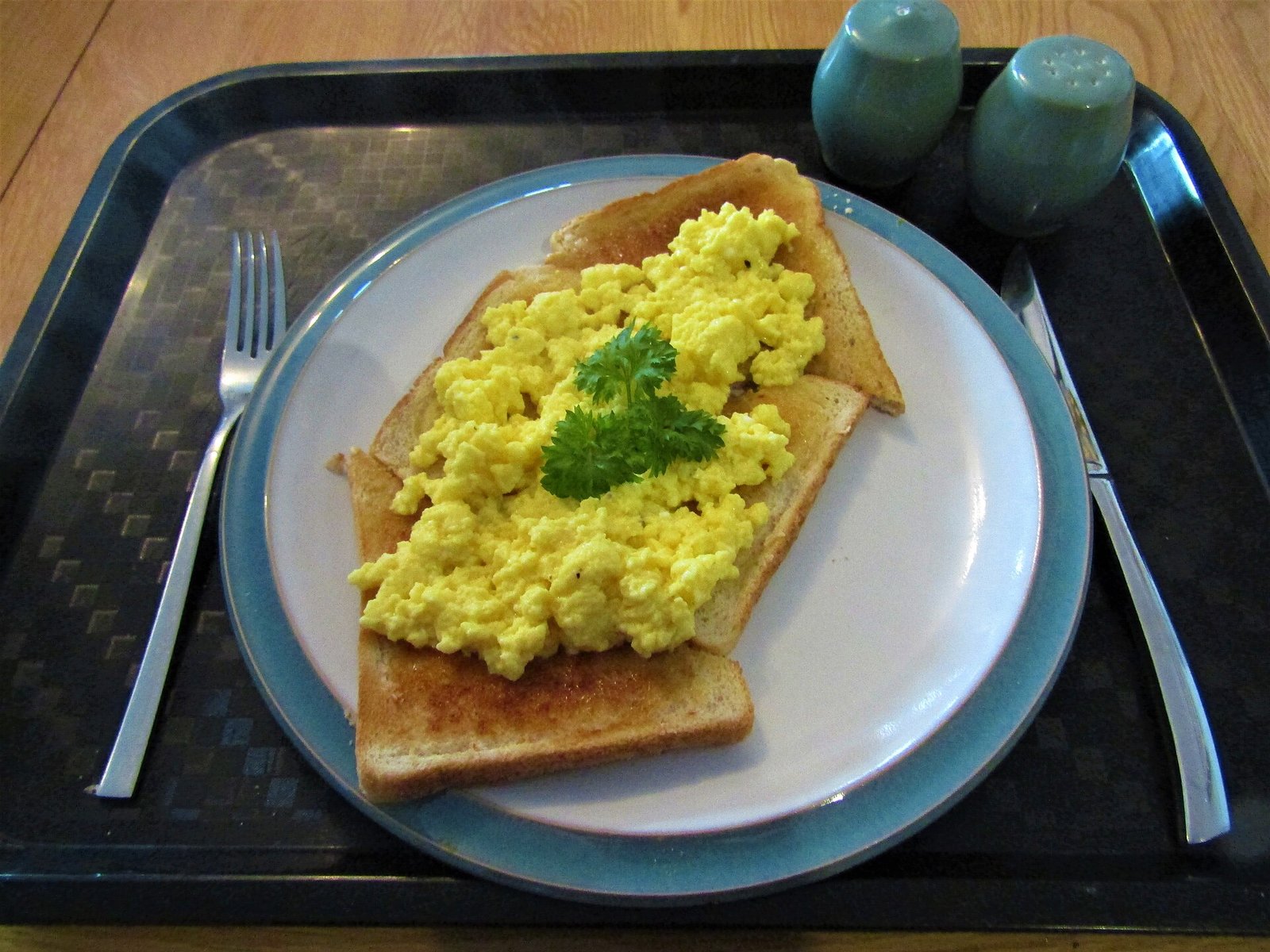
- – Breakfast: scrambled eggs, oatmeal or toast, banana if tolerated; water.
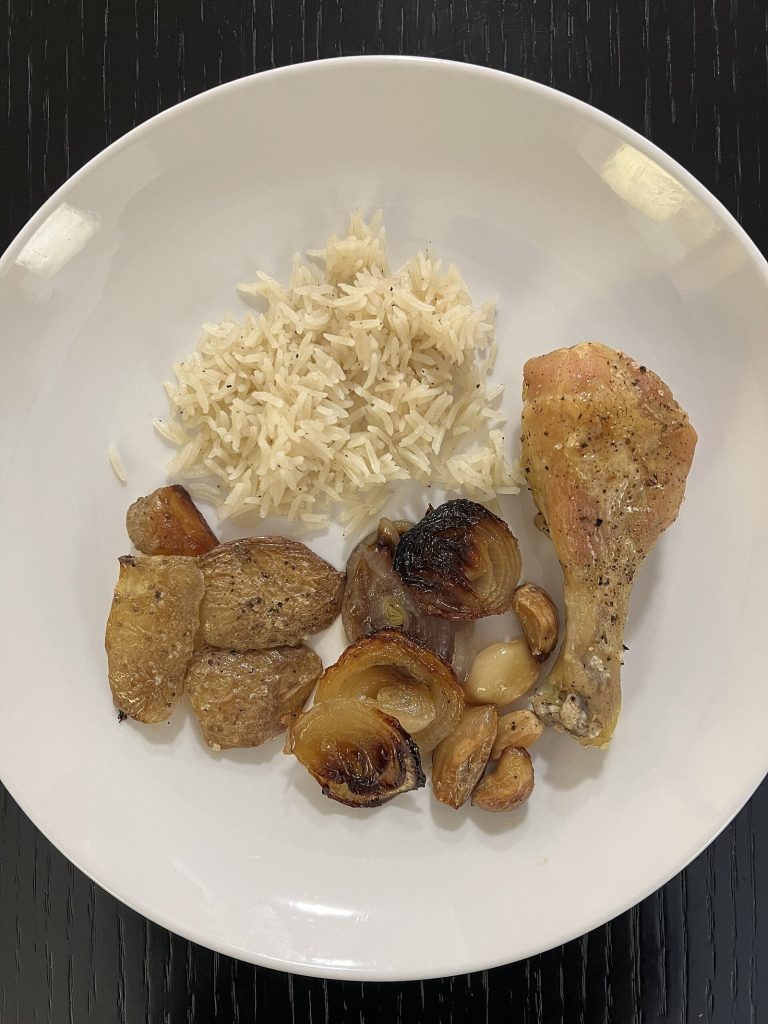
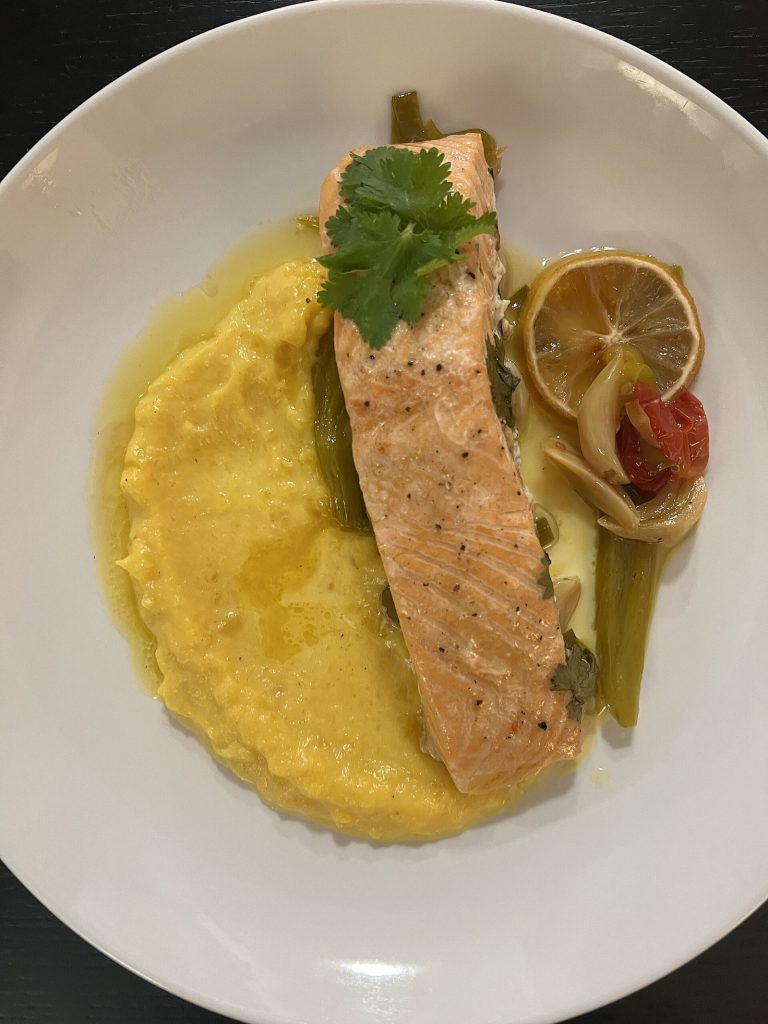
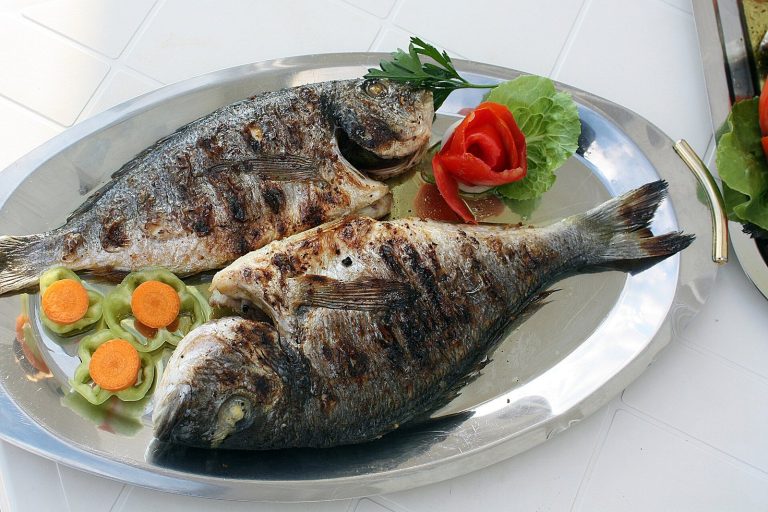
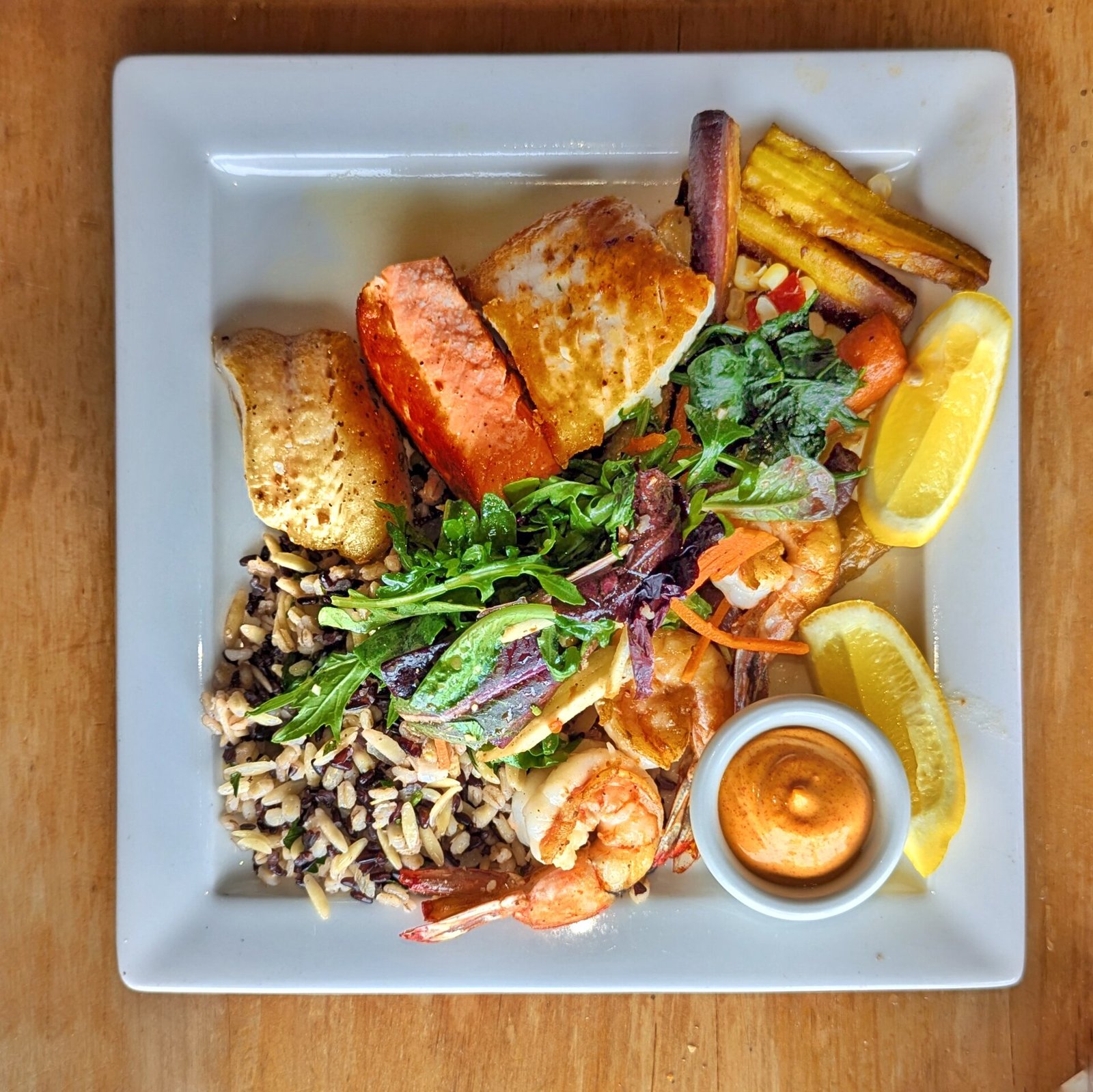
- – Lunch: grilled fish or chicken, rice, mild cooked vegetables; water.
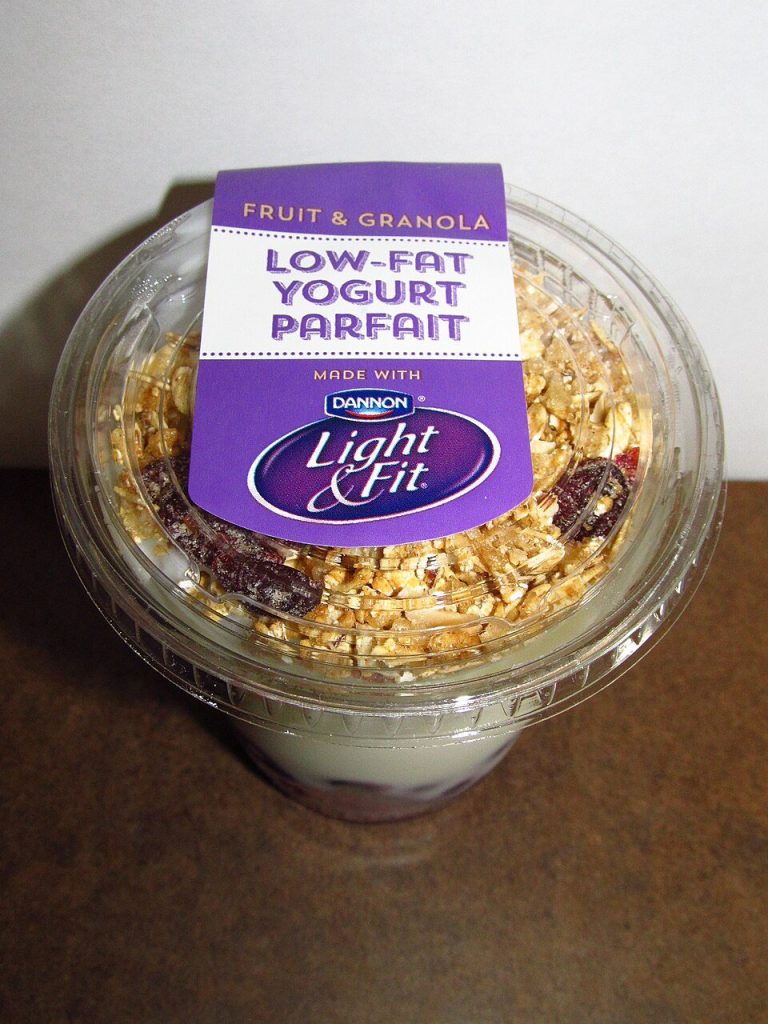
- – Snack: yogurt or a tolerated fruit.
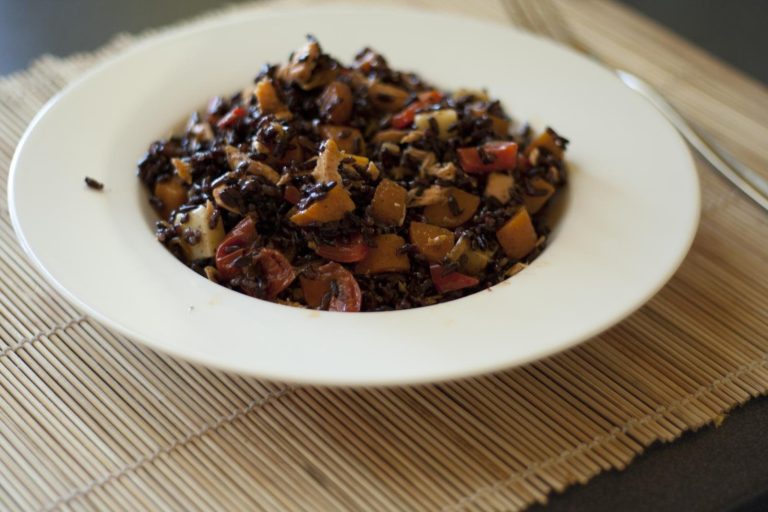
- – Dinner: turkey or tofu, potatoes, green vegetables you tolerate; water.
- – Evening: skip late coffee, alcohol, and chocolate if they are known personal triggers.
Safety, interactions, and who should ask a clinician first
- – Rule out infection and other causes: IC diagnosis often follows tests to exclude other problems (MedlinePlus).
- – Pelvic floor physical therapy, oral medicines, bladder treatments, or procedures may still be needed—diet is one lifestyle tool.
- – Pregnancy, diabetes, or kidney disease: individualize fluids and elimination diets with your clinician.
- – Unintentional weight loss, fear of eating, or a very short food list: ask for dietitian support early.
- – Sudden fever, bloody urine with systemic illness, or inability to urinate: seek urgent care—these are not “typical IC flare diet” issues alone.
FAQ
Can diet cure interstitial cystitis? No. MedlinePlus states there is no cure for IC; treatments including lifestyle changes may help symptoms.
Do I have to avoid every NIDDK-listed trigger forever? Not necessarily. Use a diary to find your triggers; many people tolerate some listed items in smaller amounts or outside flares.
Is IC the same as a UTI? No. Bacterial UTIs are treated with antibiotics when appropriate (CDC). IC is a chronic bladder pain condition; see UTI diet guide for UTI kitchen context.
Will water alone fix urgency? Hydration may help some symptoms (NIDDK), but severe urgency/pain still deserves full IC care pathways MedlinePlus outlines.
Should I try a detox tea marketed for bladder pain? Public NIDDK/MedlinePlus pages do not frame detox teas as standard IC therapy. Focus on trigger discovery and clinician-guided care.
How is this different from the other IC diet page on OTCFood? Shared NIDDK trigger and diary logic—see interstitial cystitis diet guide—with bladder-pain framing tied to MedlinePlus IC and NIDDK eating pages.
How this differs from related OTCFood topics
This page is an interstitial cystitis / bladder pain–bound diet guide focused on NIDDK trigger lists, food diaries, and hydration. It is not a cure protocol and not a substitute for urology care.
Medical disclaimer
Medical disclaimer: This article is for general information only. It is not medical advice, diagnosis, or a treatment plan. Interstitial cystitis care is individualized. Talk with a clinician or registered dietitian before starting, stopping, or changing any eating plan, supplement, or medicine. Seek care for severe pain, fever, inability to urinate, or symptoms that suggest infection or another urgent problem.