Period Cramps Diet: Foods That May Help and Foods to Limit
Medical note: This article discusses foods and researched botanicals. It does not claim to prevent, treat, or cure disease. Supplements are not a substitute for food, and studied amounts are not personal prescriptions.
People searching “period cramps diet foods that help or worsen” usually want practical meal and drink ideas for dysmenorrhea—not a claim that food cures menstrual pain, shrinks endometriosis or fibroids, or replaces NSAIDs, hormonal birth control, or evaluation of secondary causes. MedlinePlus describes painful periods (dysmenorrhea) as throbbing or cramping pain in the lower abdomen, sometimes with lower back pain, nausea, diarrhea, and headaches. Its encyclopedia page notes that some period pain is normal, but a large amount is not, and that painful menstruation is a leading cause of lost time from school and work among women in their teens and 20s. Mayo Clinic explains that prostaglandins trigger uterine contractions, and that higher levels are associated with more-severe cramps. Conditions such as endometriosis, fibroids, adenomyosis, or pelvic inflammatory disease can also cause cramps; treating the cause is key. Kitchen habits may help comfort; they do not replace care when pain disrupts life, worsens, or starts severely after age 25.
What this period cramps diet guide covers (and what it does not)
This guide is for people with menstrual cramps who want food-and-drink patterns public sources actually mention, used alongside heat, rest, and medicines when appropriate. Anchors: MedlinePlus Medical Encyclopedia — Painful menstrual periods, MedlinePlus — Period Pain, Mayo Clinic — Menstrual cramps and its diagnosis and treatment page, and NICHD — About Menstruation for cycle basics (average bleeding about 5 days; typical adult cycles often 21 to 35 days).
MedlinePlus distinguishes primary dysmenorrhea (period pain not caused by another condition, usually from prostaglandins) from secondary dysmenorrhea (pain caused by conditions that affect the uterus or other reproductive organs, such as endometriosis or uterine fibroids). Related reading: endometriosis diet guide, uterine fibroids diet guide, adenomyosis diet guide, and PCOS diet guide.
Evidence snapshot: period cramps diet claims vs public sources
| Claim people hope for | What public sources actually say | Confidence |
|---|---|---|
| “A special diet cures period cramps” | Public pages emphasize prostaglandins, heat, exercise, NSAIDs, and—when needed—hormonal birth control or treatment of secondary causes. Food is discussed as self-care, not a cure | Strong against food-as-cure |
| “Supplements are proven to replace pain relievers” | Mayo Clinic: a number of studies have indicated that vitamin E, omega-3 fatty acids, vitamin B-1 (thiamin), vitamin B-6, and magnesium supplements might reduce menstrual cramps. MedlinePlus encyclopedia: try vitamin B6, calcium, and magnesium supplements, especially if pain is associated with PMS. These are cautious options to discuss with a clinician, not a guarantee | Limited; mostly supplement studies |
| “What you eat does not matter at all during cramps” | MedlinePlus encyclopedia home care includes eating light but frequent meals and drinking warm beverages, along with heat and regular exercise | Moderate that comfort eating patterns are often suggested |
| “Alcohol is a useful period-pain remedy” | MedlinePlus period-pain page: it may help to get enough rest and avoid using alcohol and tobacco. Mayo Clinic lists smoking as a risk factor for menstrual cramps | Moderate to strong to limit alcohol and tobacco |
| “New severe cramps after age 25 are just primary dysmenorrhea” | Mayo Clinic: see a clinician if cramps disrupt life every month, symptoms worsen, or severe cramps start after age 25 | Strong that new or worsening pain needs review |
Foods and patterns that may help with period cramps
“May help” means supporting comfort while you use heat, movement, and medicines as advised—not a promise of pain-free periods.
Everyday patterns often recommended
- – Light, more frequent meals when nausea or a heavy stomach makes a large plate unappealing. MedlinePlus encyclopedia home care specifically includes “Eat light, but frequent meals” and “Drink warm beverages.”
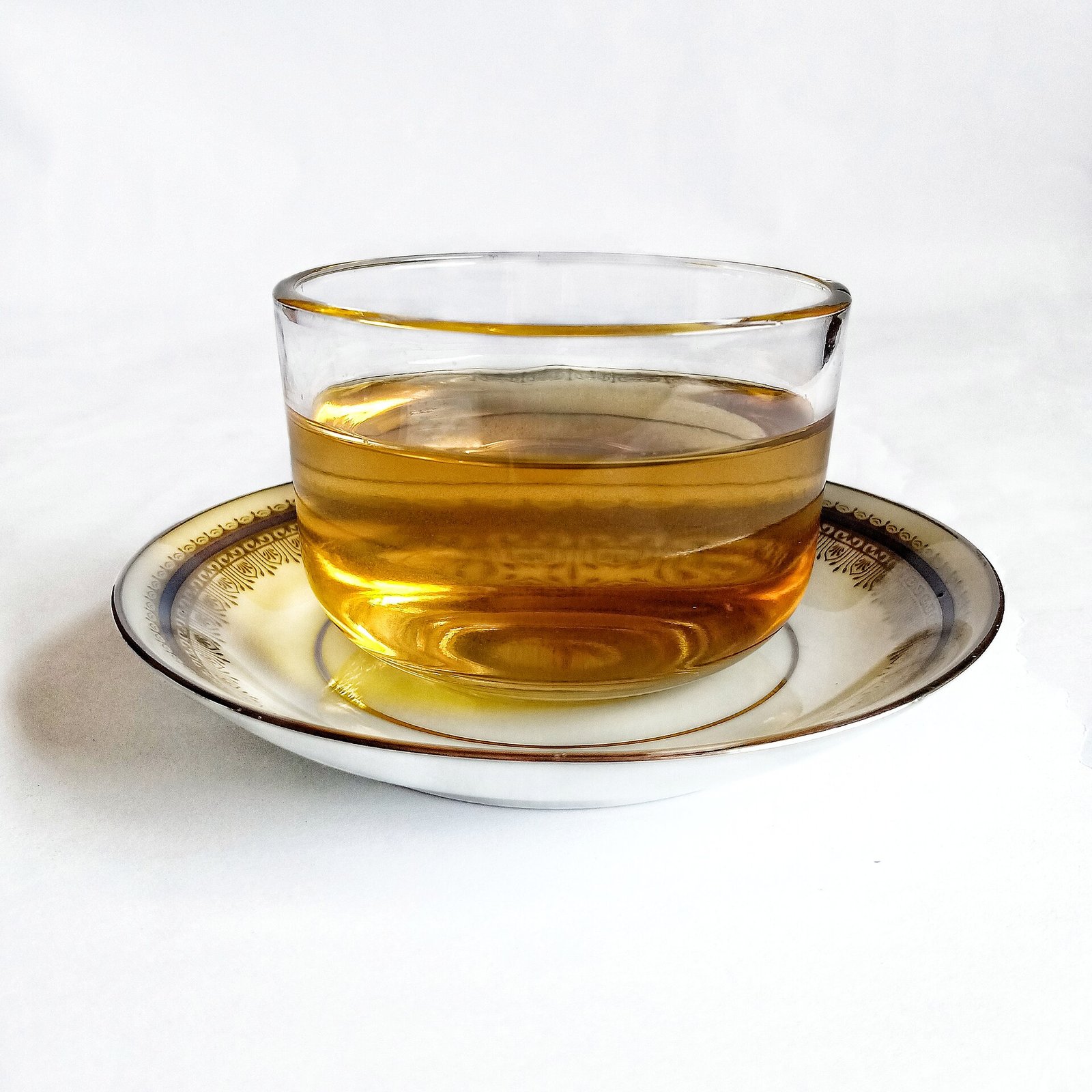
- – Warm, non-alcoholic drinks such as herbal tea or warm water, as a comfort measure next to a heating pad or warm bath (MedlinePlus and Mayo Clinic both highlight heat).
- – Food-first sources of nutrients that have been studied mainly as supplements. Mayo Clinic notes that vitamin E, omega-3 fatty acids, thiamin, vitamin B-6, and magnesium supplements might reduce cramps; MedlinePlus mentions vitamin B6, calcium, and magnesium especially when pain is tied to PMS. That is not proof that one “cramp food” works for everyone. A practical pattern uses:
- – Fatty fish such as salmon, mackerel, tuna, herring, or sardines, plus walnuts or flaxseed, as ordinary omega-3 sources (see the ODS omega-3 consumer fact sheet)
- – Leafy greens, legumes, nuts, seeds, whole grains, and yogurt as magnesium-containing foods (ODS magnesium)
- – Milk, yogurt, cheese, calcium-set tofu, and fortified plant beverages or juices as calcium sources (ODS calcium)
- – Regular movement on non-pain days, and gentle walking if tolerated during cramps. MedlinePlus and Mayo Clinic both include exercise among self-care steps.
Pattern that supports the clinical plan
Track period dates, pain severity, bleeding heaviness, and which meals or drinks you used, then bring the log to your appointment. Mayo Clinic asks how heavy bleeding is and whether symptoms limit work or school—information that also helps separate primary cramps from secondary causes.
Foods and habits that often worsen period cramps comfort
- – Alcohol. MedlinePlus advises avoiding alcohol as part of self-care for period pain.
- – Tobacco. MedlinePlus advises avoiding tobacco; Mayo Clinic lists smoking among risk factors for menstrual cramps.
- – Very large, heavy meals when you already have nausea or loose stools (Mayo Clinic lists nausea and loose stools among accompanying symptoms). A light, frequent pattern is the public-page alternative.
- – Self-treating worsening or late-onset severe pain with kitchen changes alone. Secondary dysmenorrhea can reflect endometriosis, fibroids, adenomyosis, infection, or other conditions that need examination.
“Limit” means reducing alcohol and tobacco and adjusting meal size for comfort.
Practical kitchen protocol: a period-cramps-aware week
1. Use medical self-care in parallel
If you can take them, MedlinePlus and Mayo Clinic describe NSAIDs such as ibuprofen or naproxen as options that can lessen pain and, because they reduce prostaglandins, may lessen cramps. Start as directed when symptoms begin or, if your clinician agrees, around the start of your period. Do not use NSAIDs if you have ulcers, stomach or bleeding problems, liver disease, or aspirin allergy without medical advice. Heat on the lower abdomen remains a first-line comfort tool. Diet supports these steps; it does not replace them.
2. Shopping list for a cramp-week kitchen
Oats or rice, easy fruit, yogurt, eggs, leafy greens, beans, a fatty fish you like, nuts or seeds, a calcium-fortified beverage if you do not use dairy, herbal tea or other warm drinks, and ingredients for light soups. Keep a heating pad next to this list.
3. Default plate template on pain days
- – Small, frequent plates instead of one very large meal
- – A warm beverage with the meal
- – A modest protein plus a cooked starch or fruit you tolerate
- – Skip alcohol
4. Sample day (illustrative)
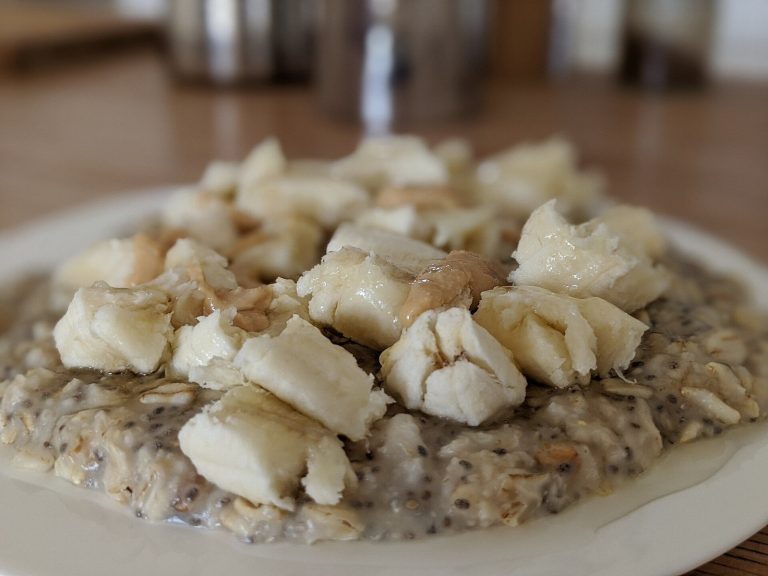
- – Breakfast: oatmeal with yogurt or milk; a warm drink.
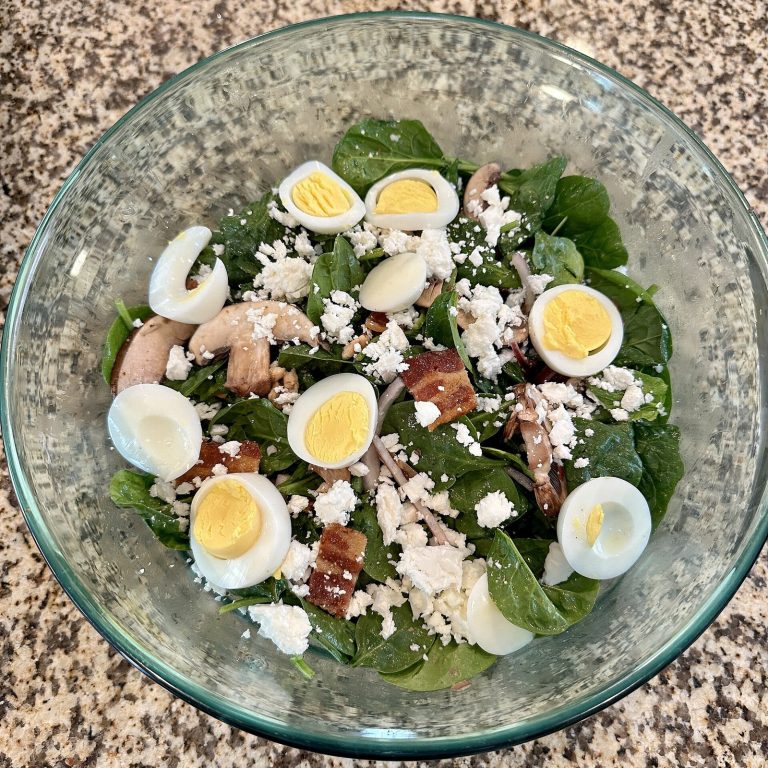
- – Lunch: a cup of warm soup and a small plate of fish or eggs with vegetables.
- – Afternoon: a handful of nuts and fruit, or leftover soup.
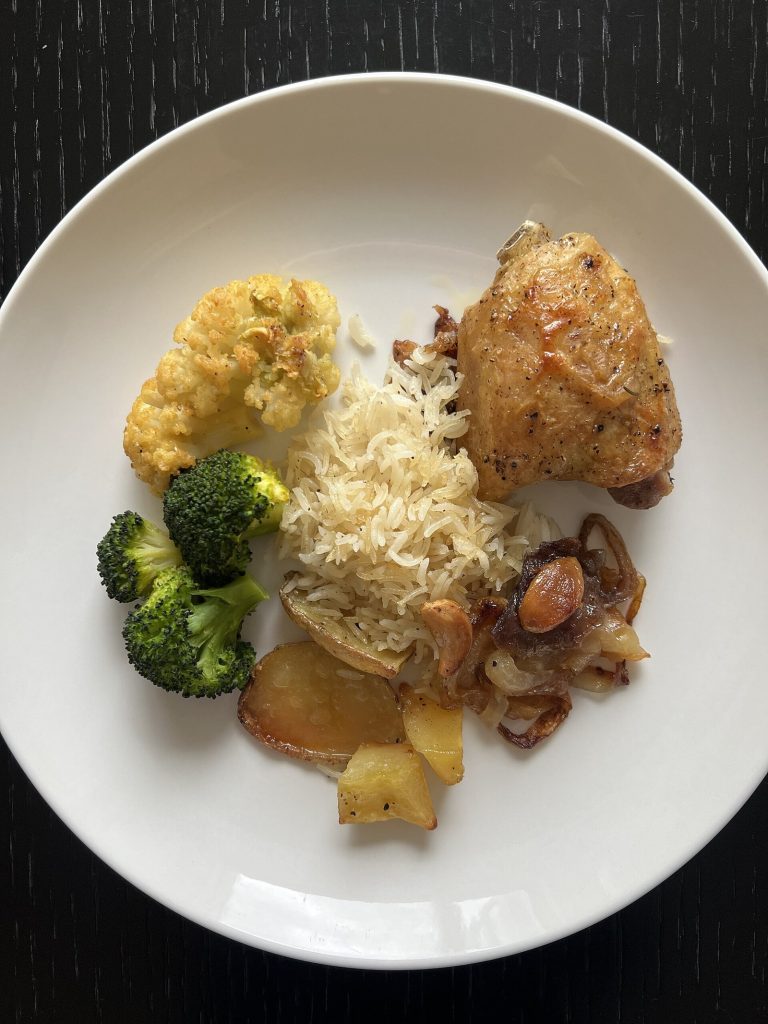
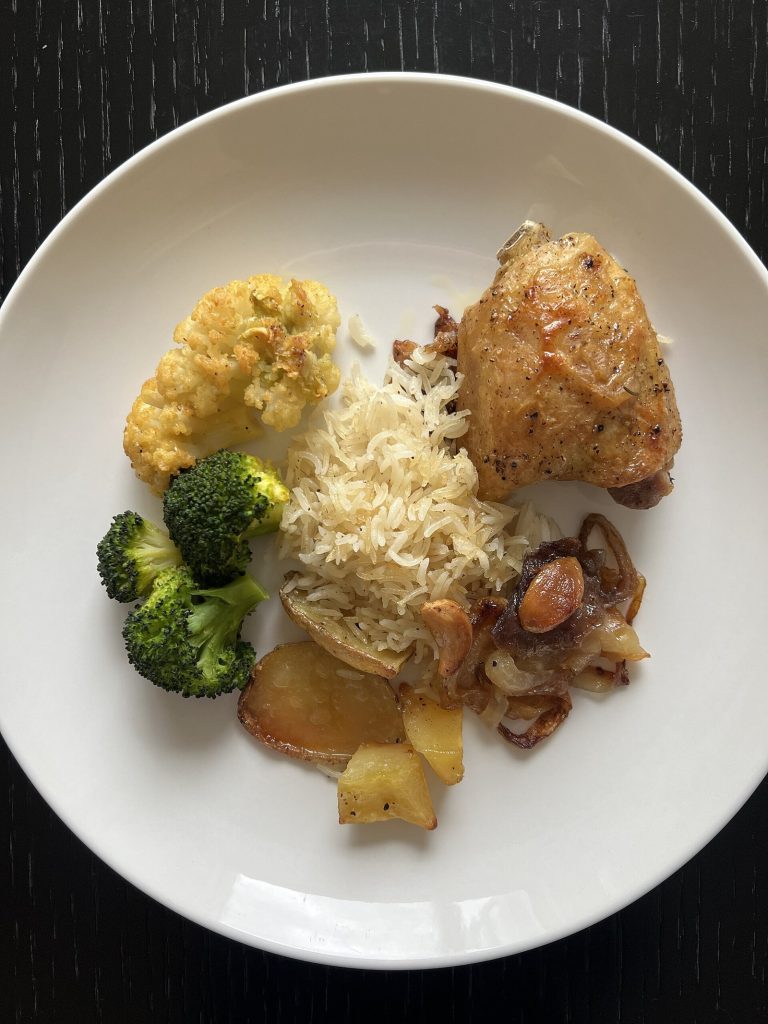
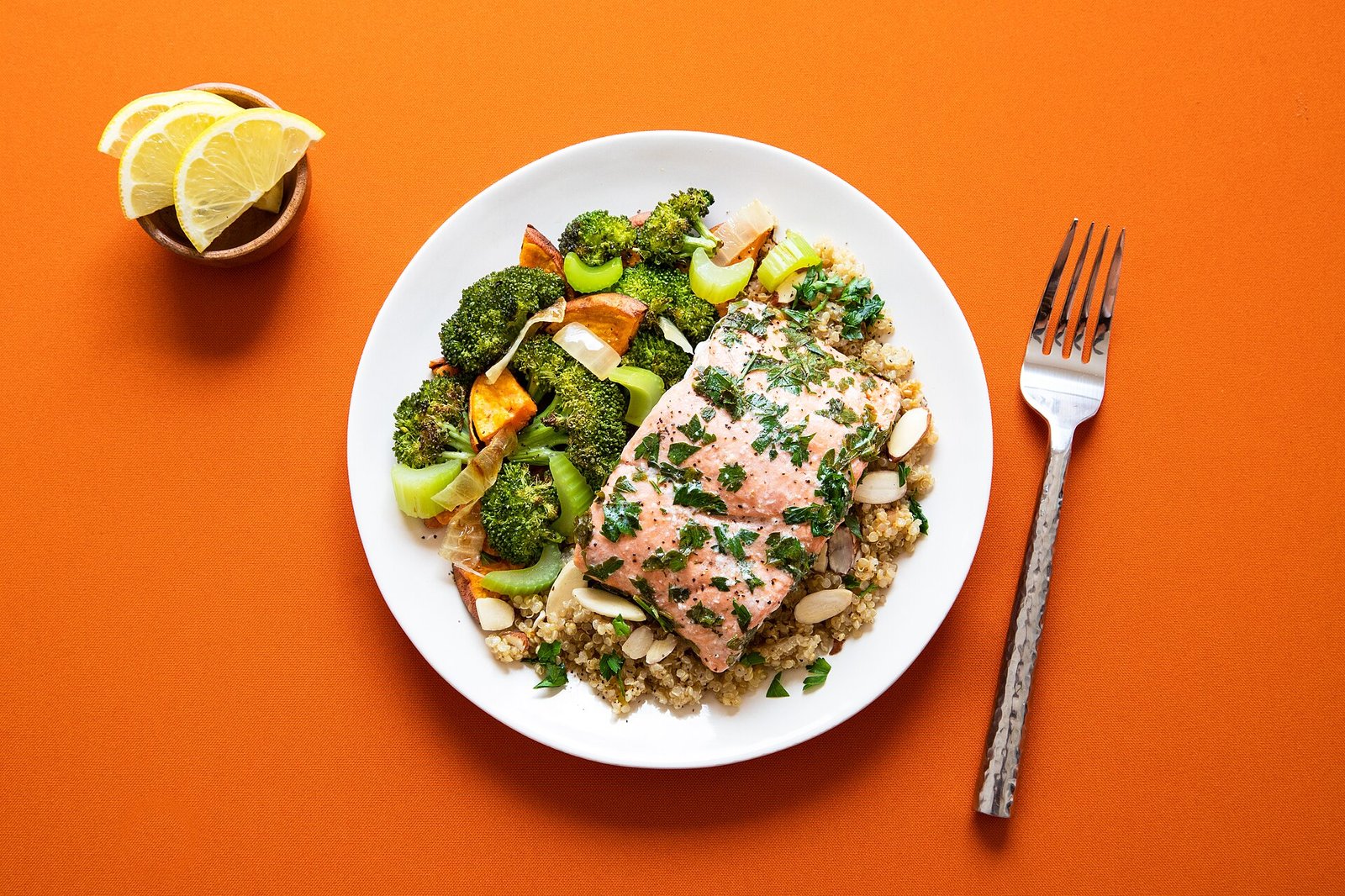
- – Dinner: baked salmon or another tolerated protein, rice or potatoes, and cooked greens.
- – Evening: a warm non-alcoholic drink; heat on the lower abdomen as directed; note symptoms.
5. If endometriosis, fibroids, or heavy bleeding overlap
Secondary causes change the workup and sometimes the treatment. See endometriosis diet guide, uterine fibroids diet guide, and adenomyosis diet guide. Heavy flow plus fatigue may raise iron questions; that is a separate evaluation, not a reason to self-start high-dose iron.
6. After a month of consistent self-care
MedlinePlus encyclopedia: contact your provider if treatments do not relieve pain after 3 months, if you pass blood clots or have other symptoms with the pain, or if pain occurs outside menstruation, begins more than 5 days before your period, or continues after it ends.
Safety, interactions, and who should ask a clinician first
- – Sudden or severe pain, especially if your period is more than a week late and you have been sexually active; fever with pelvic pain; or foul-smelling discharge: contact a clinician promptly (MedlinePlus).
- – Cramps that disrupt life every month, progressively worsen, or start severely after age 25: see a clinician (Mayo Clinic).
- – Do not assume kitchen changes are enough if you may have endometriosis, fibroids, infection, or an IUD-related problem.
- – Magnesium, calcium, vitamin B6, vitamin E, or fish-oil supplements can interact with medicines and have upper intake limits. ODS notes high supplemental magnesium can cause diarrhea and can interact with some antibiotics; high-dose omega-3 supplements may affect bleeding risk with anticoagulants. Review supplements with a clinician rather than stacking megadoses.
FAQ
Will changing my diet cure period cramps? No. Public sources treat diet and warm drinks as comfort measures. Usual tools remain heat, exercise, NSAIDs when appropriate, and hormonal or surgical care when a cause needs treatment.
Should I take magnesium or fish oil on my own? Mayo Clinic says a number of studies indicate those supplements might reduce cramps, and MedlinePlus mentions magnesium, calcium, and vitamin B6 especially with PMS-related pain. Ask a clinician what, if any, dose is appropriate for you.
Do I need a bland diet every month? Only as a comfort pattern if large meals worsen nausea. There is no public-source mandate to eat a lifelong “cramp diet.”
Does alcohol help me sleep through cramps? MedlinePlus specifically advises avoiding alcohol as part of period-pain self-care.
Are period cramps the same as PMS? No. MedlinePlus notes that period pain is not the same as premenstrual syndrome, which often starts one to two weeks before bleeding and includes symptoms such as bloating, irritability, and fatigue.
When should I see a doctor? If pain interferes with life despite NSAIDs and self-care, suddenly worsens, starts severely after age 25, comes with fever, or continues when you are not menstruating.
How this differs from related OTCFood topics
This page is a dysmenorrhea-bound diet guide focused on light, frequent meals, warm beverages, alcohol and tobacco limits, and food-first sources of nutrients that have been studied mainly as supplements for cramp comfort. It is not an endometriosis protocol, not a fibroids or adenomyosis workup, not a heavy-bleeding iron plan, and not a substitute for pelvic examination or imaging when your clinician recommends it.
Medical disclaimer
Medical disclaimer: This article is for general information only. It is not medical advice, diagnosis, or a treatment plan. Period-cramp care depends on whether pain is primary or secondary, bleeding pattern, medicines, pregnancy possibility, and your clinician’s judgment. Talk with a clinician or registered dietitian before changing an eating plan, supplement, or medicine. Seek urgent care for sudden severe pelvic pain, fainting, hourly soaking of a pad or tampon, fever with pelvic pain, or pain in a possible pregnancy.