Peripheral Artery Disease Diet: Foods That May Help and Foods to Limit
Medical note: This article discusses foods and researched botanicals. It does not claim to prevent, treat, or cure disease. Supplements are not a substitute for food, and studied amounts are not personal prescriptions.
People searching “peripheral artery disease diet foods that help or worsen” usually want heart-healthy eating that supports walking ability and vascular risk control—not a claim that food opens blocked leg arteries the way procedures can. NHLBI describes peripheral artery disease (PAD) as atherosclerosis reducing blood flow in peripheral arteries, most often to the legs and feet. More than 8 million U.S. adults age 40+ have PAD. About 1 in 4 people with PAD notice activity-related leg pain that eases with rest (claudication), but many have atypical or no symptoms. NHS calls PAD a cardiovascular disease driven by fatty deposits narrowing leg arteries. Diet is supportive alongside quitting smoking, supervised exercise, medicines, and procedures—never a substitute for urgent care when legs suddenly worsen.
What this peripheral artery disease diet guide covers (and what it does not)
This guide is for adults diagnosed with PAD (or at high risk) who want kitchen patterns aligned with NHLBI heart-healthy guidance. Anchors: NHLBI — Peripheral Artery Disease, NHLBI — PAD Treatment, MedlinePlus — Peripheral arterial disease, and NHS — Peripheral arterial disease (PAD).
NHLBI treatment goals include reducing heart attack and stroke risk, improving walking, and preventing severe complications. Smoking is the main risk factor—quitting matters more than any “PAD superfood.” Sudden rapidly worsening leg pain, cold/pale limb, or non-healing ulcers needs urgent medical care.
Evidence snapshot: PAD diet claims vs public sources
| Claim people hope for | What public sources actually say | Confidence |
|---|---|---|
| “A PAD diet reverses blocked arteries” | NHLBI: lifestyle, exercise programs, medicines, and procedures manage PAD; diet is part of heart-healthy lifestyle, not a guarantee of plaque reversal | Strong against cure claims |
| “DASH-style eating helps risk factors” | NHLBI treatment: heart-healthy eating plan such as DASH—fruits, vegetables, whole grains; limits saturated fat, sodium, and added sugars | Moderate for risk-factor support |
| “Weight loss of a few percent helps” | NHLBI: losing just 3–5% of current weight can help manage cholesterol and diabetes risks; more loss may lower blood pressure | Moderate |
| “Walking is dangerous so rest and eat only” | NHLBI: supervised or coached walking programs often improve symptoms and circulation; ask your provider before starting | Moderate–strong for guided activity |
| “Food replaces antiplatelet or statin therapy” | NHLBI lists medicines (including cholesterol- and blood-pressure-lowering drugs) as common parts of care | Strong: do not stop medicines for diet blogs |
Foods and patterns that may help with PAD day-to-day management
“May help” means supporting blood pressure, cholesterol, diabetes control, and weight—risk factors NHLBI and NHS link to PAD—while you follow medical and exercise plans.
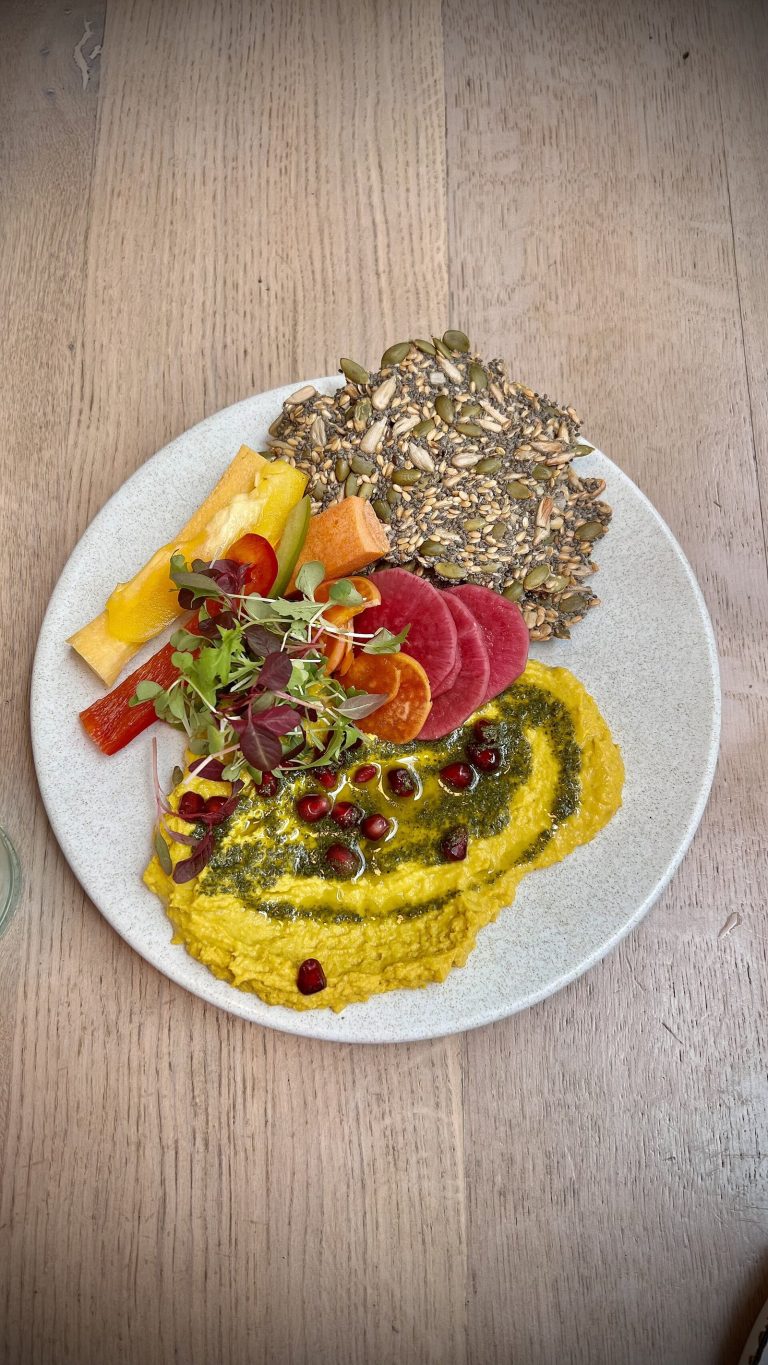
Heart-healthy / DASH-style defaults (NHLBI)
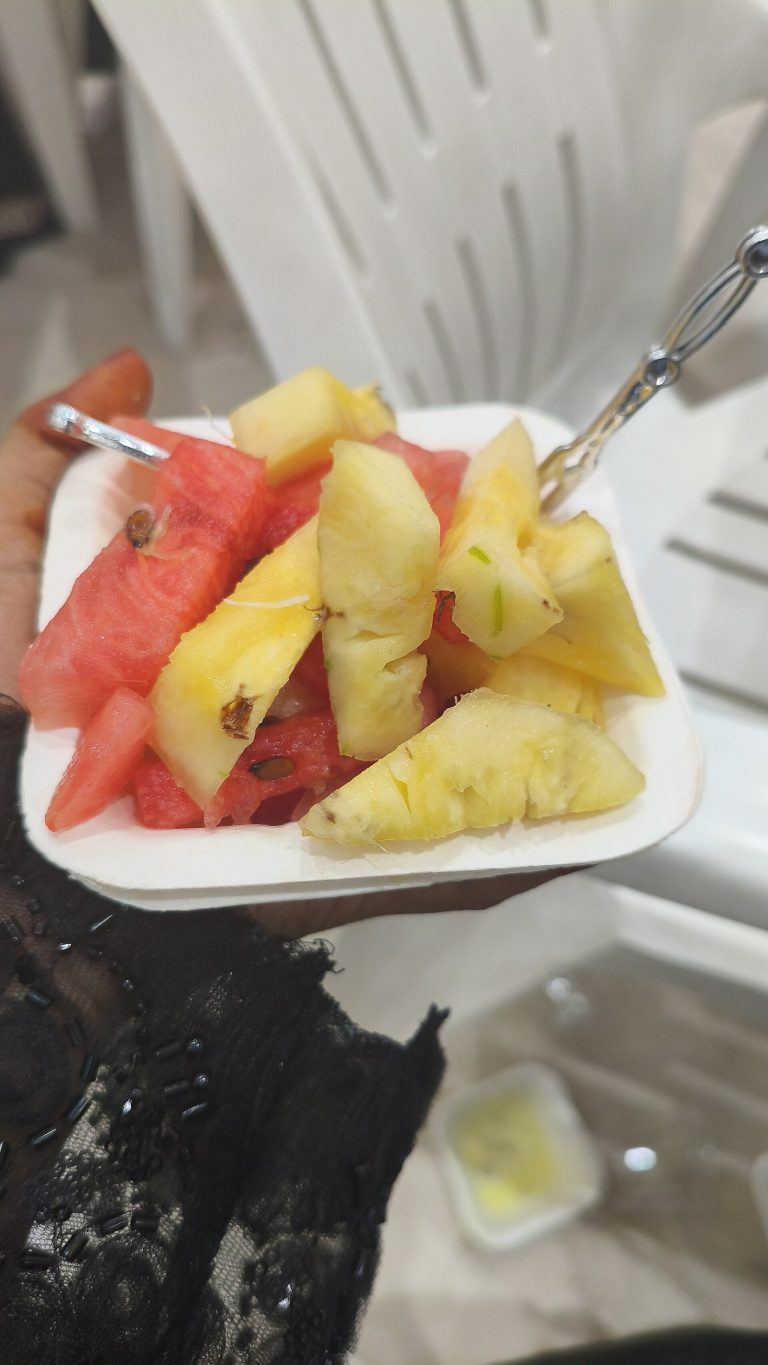
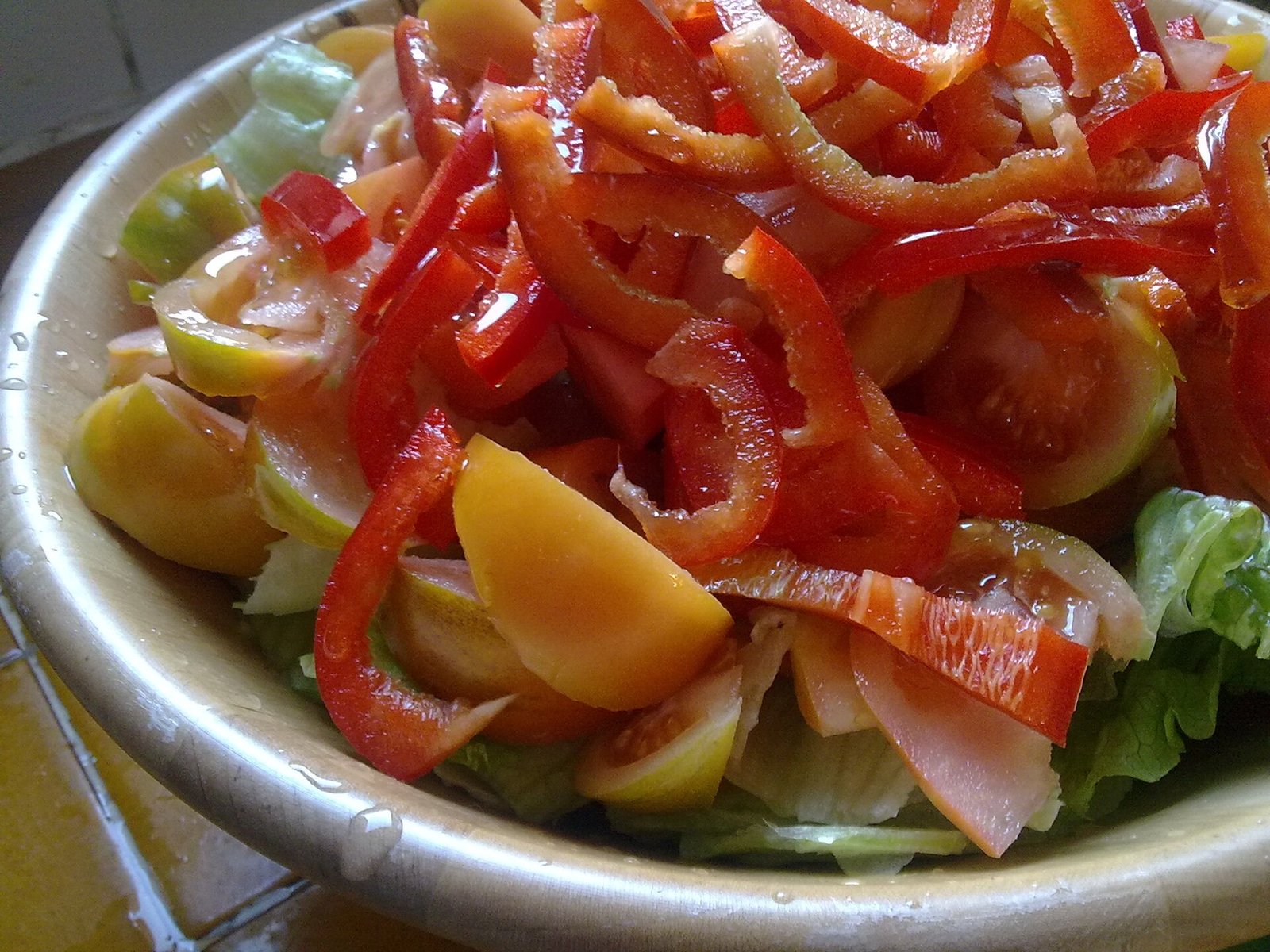
- – Emphasize fruits, vegetables, and whole grains.
- – Choose lean proteins (fish, poultry, beans, low-fat dairy) more often than fatty processed meats.
- – Cook with liquid plant oils in place of sticking fats when appropriate.
- – Limit saturated fat, sodium, and added sugars—the same pattern used across coronary risk; see also coronary artery disease diet guide, high blood pressure foods guide, and high cholesterol diet guide.
Diabetes and metabolic overlap
- – If you have diabetes, steady carbohydrate patterns and medication adherence matter for limb outcomes; pair with type 2 diabetes plate guide and neuropathy-aware pages like diabetic neuropathy diet guide when relevant.
- – NHLBI notes weight loss of 3–5% can help some PAD risk factors such as high cholesterol and diabetes.
Practical sodium and label habits
- – Compare soup, bread, deli meat, and sauce labels; choose lower-sodium options most days.
- – Flavor with herbs, garlic, citrus, and vinegar instead of stacking salty marinades.
Pair food with the real “PAD medicine” of walking
- – NHLBI: supervised treadmill programs (often ≥3×/week for months) or coached home walking can improve walking ability; sessions commonly build toward 30–50 minutes.
- – Eat a light, familiar snack if needed so exercise is not skipped—but do not use large fatty meals right before walking workouts if they cause discomfort.
Foods and habits that often worsen PAD kitchen patterns
- – Continued smoking or heavy secondhand smoke—NHLBI: smoking is the main PAD risk factor; quitting can reduce symptoms and complications.
- – Frequent ultra-processed salty meats, fried takeout, and sugar-sweetened drinks that push blood pressure, lipids, and weight the wrong way.
- – Stopping statins, antiplatelets, or blood-pressure medicines because a “natural PAD diet” promised to replace them.
- – Ignoring sudden limb changes—NHS: symptoms that develop quickly or suddenly worsen need immediate treatment pathways.
- – Total inactivity “to protect the legs” without asking about a supervised walking plan—rest alone is not the NHLBI default for claudication rehabilitation.
“Limit” means cutting patterns that accelerate atherosclerosis risk—not that one steak cancels care.
Practical kitchen protocol: a peripheral artery disease diet week
1. Lock the medical and smoking plan first
Confirm medicines, walking program referral, and smoking-cessation support. Food is layer three, not layer one.
2. Shopping list for DASH-leaning PAD days
Leafy greens and mixed vegetables; berries and other fruit; oats and brown rice; beans and lentils; fish; skinless poultry; low-fat yogurt or milk; unsalted nuts in small portions; olive oil; herbs; lower-sodium broths.
3. Default plate template
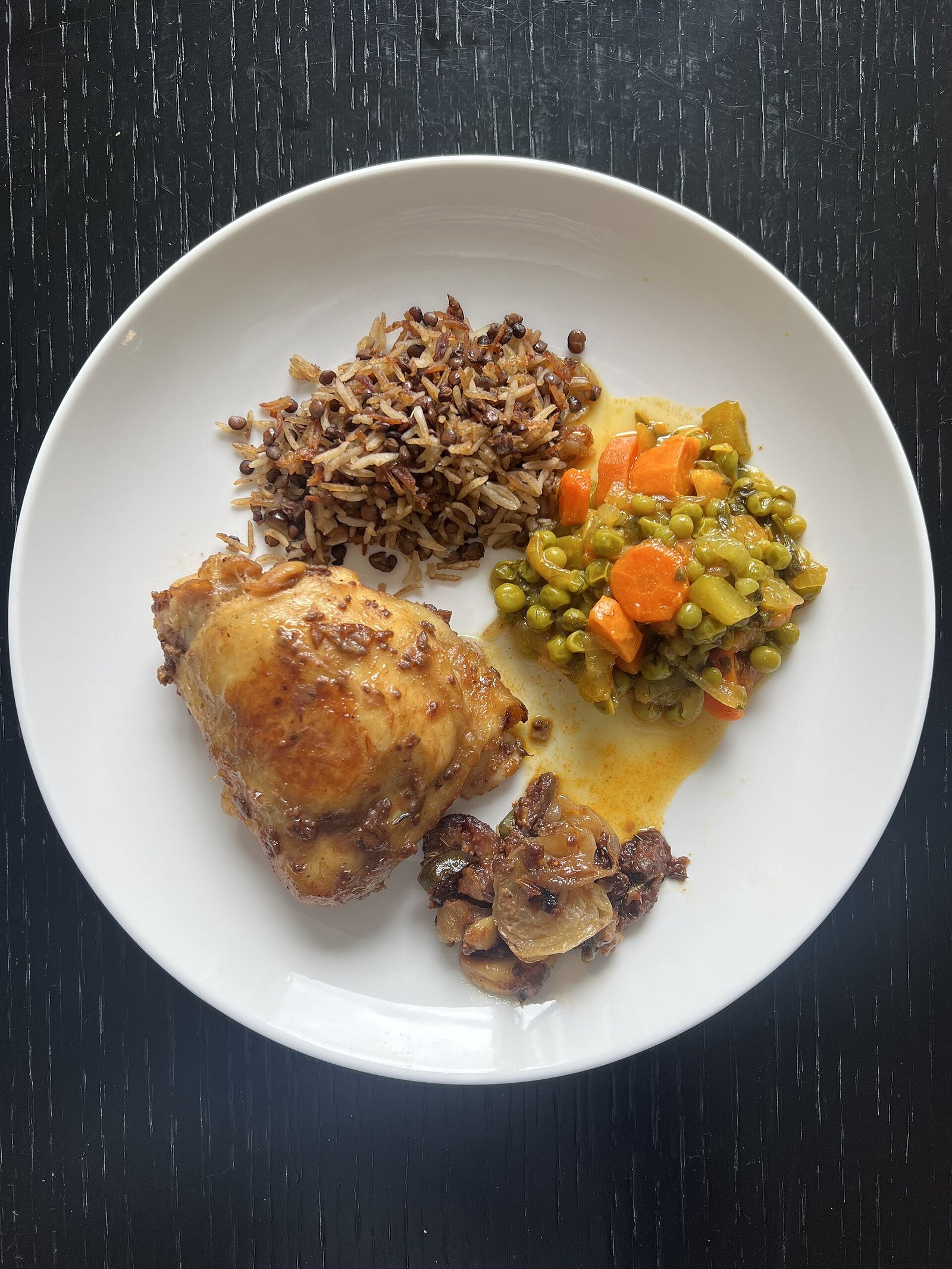
- – Half vegetables and fruit
- – Quarter whole grains or starchy vegetables
- – Quarter protein (fish or legumes several times weekly when appropriate)
- – Keep desserts and sugary drinks occasional
4. Sample day (illustrative)
- – Breakfast: oatmeal with berries; low-fat yogurt.
- – Lunch: large salad with beans or tuna, olive oil, whole-grain bread.
- – Snack: fruit or a small handful of unsalted nuts.
- – Dinner: grilled chicken or fish, vegetables, quinoa or potatoes prepared with little salt.
- – Around walking sessions: water; small banana or yogurt if you need fuel—avoid huge high-fat meals immediately beforehand.
5. Eating out
Choose grilled fish/chicken and vegetable sides; ask for sauces and salt on the side; skip bottomless bread-and-butter plus fried appetizers when possible; limit alcohol if it interferes with blood-pressure or medicine plans.
6. Foot-aware kitchen hygiene (non-food but critical)
While not a diet rule, people with PAD should protect feet—non-healing sores are emergencies. Keep meal prep areas clear of sharp clutter only if neuropathy reduces sensation; inspect feet daily as clinicians advise.
Safety, interactions, and who should ask a clinician first
- – Extra caution: PAD raises heart attack and stroke risk—chest pain, one-sided weakness, or speech changes are emergencies.
- – Sudden severe leg pain, cold/numb limb, or blackening toes: urgent vascular care.
- – Antiplatelet and anticoagulant medicines increase bleeding risk—discuss supplements (especially “blood-thinning” herbs) before adding them.
- – Kidney disease, heart failure, or diabetes may need tailored sodium, potassium, or carbohydrate limits—individualize with a dietitian.
- – Supervised exercise is preferred when available; do not start aggressive walking into severe rest pain without clinician clearance.
FAQ
Can diet reverse PAD? Public NHLBI guidance frames diet as part of heart-healthy lifestyle and risk-factor control, not a guaranteed reversal of arterial blockages. Procedures and medicines remain options when needed.
What is the single biggest lifestyle change? NHLBI: quitting smoking is central; diet supports cholesterol, blood pressure, diabetes, and weight goals.
Should I avoid all walking if my legs hurt? Ask about a supervised or coached walking program—NHLBI often uses walking as therapy, with rest when pain occurs, rather than permanent bed rest.
Do I need a special “PAD supplement”? Focus on food patterns and prescribed medicines first. Discuss any supplement with your clinician because of bleeding and interaction risks.
How this differs from related OTCFood topics
This page is a PAD-bound diet guide focused on DASH-style eating, smoking cessation context, and walking-program pairing. It is not a coronary artery disease diet guide chest-pain triage page, not a heart failure diet guide fluid-restriction protocol, and not a type 2 diabetes plate guide only—though those conditions frequently coexist with PAD.
Medical disclaimer
Medical disclaimer: This article is for general information only. It is not medical advice, diagnosis, or a treatment plan. Peripheral artery disease care depends on ankle-brachial index findings, symptom severity, cardiovascular risk, medicines, and procedural options. Talk with a clinician or registered dietitian before starting, stopping, or changing any eating plan, supplement, walking program, or vascular medicine. Seek emergency care for chest pain, stroke symptoms, or a suddenly cold, pale, or severely painful limb.