Ankle Sprain Recovery Diet: Foods That May Help and Foods to Limit
Medical note: This article discusses foods and researched botanicals. It does not claim to prevent, treat, or cure disease. Supplements are not a substitute for food, and studied amounts are not personal prescriptions.
People searching “ankle sprain recovery diet foods that help or worsen” usually want everyday nutrition while they rest, ice, and rehabilitate an injured ankle—not a claim that a food or supplement heals ligaments. MedlinePlus defines a sprain as an injury to the ligaments around a joint; ligaments are strong, flexible fibers that hold bones together. When a ligament is stretched too far or tears, the area becomes painful and swells. An ankle twist is a common example. Kitchen patterns may help you keep up protein, energy, and fluids while walking is limited; they do not replace RICE-style first aid, protected weight-bearing, or clinician-directed rehabilitation, and no food is described as repairing a ligament.
What this ankle sprain recovery diet guide covers (and what it does not)
This guide is for adults recovering from an ankle sprain who want food habits that fit public first-aid and nutrition pages, used alongside rest, ice, compression, elevation, and a clinician’s plan. Anchors: MedlinePlus — Sprains and Strains, MedlinePlus — Sprains, MedlinePlus — Ankle sprain aftercare, NIAMS — Sports Injuries (the former NIAMS sprains-and-strains topic now redirects here), and MedlinePlus — Protein in diet. Mayo Clinic sprained-ankle pages were not reachable, so this article uses these MedlinePlus and NIAMS pages instead.
MedlinePlus aftercare explains three grades: ligaments may be stretched (grade I), partially torn (grade II), or fully torn (grade III). More severe sprains may need a brace, splint, or cast, and sometimes surgery. Recovery may take a few days or several weeks, depending on severity. Related reading: diet after ankle fracture surgery guide, fracture recovery diet guide, and osteoarthritis diet guide.
Evidence snapshot: ankle sprain diet claims vs public sources
| Claim people hope for | What public sources actually say | Confidence |
|---|---|---|
| “A food or supplement heals torn ligaments” | MedlinePlus and NIAMS describe treatment with rest, ice, compression, elevation, protected weight-bearing, pain medicines when appropriate, exercises or physical therapy, and sometimes bracing or surgery—not a healing food | Strong against a food-heals-ligaments claim |
| “Protein still matters during recovery” | MedlinePlus: you need protein to help your body repair cells and make new ones. That is general nutrition, not a sprain-specific protocol or guaranteed ligament repair | Moderate as general nutrition alongside rehab, not as a “ligament diet” |
| “Diet can replace RICE or physical therapy” | NIAMS: many sports injuries can be treated at home with rest, ice, compression, and elevation (R-I-C-E); severe injuries need a provider, and rehabilitation is usually recommended before return to the activity | Strong that diet does not replace first aid or rehab |
| “If you can limp, you can skip an exam” | MedlinePlus: seek emergency care if you think you have a broken bone, the joint looks out of position, pain is severe, or you hear a pop and cannot use the joint. Aftercare: contact a provider if you cannot walk, pain does not improve after ice, rest, and pain medicine, or the ankle is no better after 5 to 7 days | Strong that diet should not delay evaluation |
| “Supplements speed return to sport” | Public sprain pages do not recommend a supplement stack to speed return to play. Timing is a clinician and rehabilitation decision | Strong against unofficial “speed healing” supplements |
Foods and patterns that may help during ankle sprain recovery
Everyday patterns often recommended
- – Regular meals with a protein source you tolerate. MedlinePlus lists meats, milk, fish, eggs, soy, beans, legumes, nut butters, and some grains, and notes that you do not need animal products to meet protein needs. For healthy adults, protein is recommended as 10% to 35% of total calories unless a clinician gave you a different plan.
- – Enough energy overall, so rehab exercises and daily activity are not done on an empty tank. Public sprain pages do not prescribe a calorie number or suggest crash dieting on crutches.
- – Fluids through the day, especially if you are less mobile and snacks are irregular.
- – Kitchen setups that reduce risky trips and heavy lifting. MedlinePlus advises avoiding stress on the joint because it can make the injury worse.
Foods and habits that often worsen recovery or comfort
- – Skipping meals because it is hard to stand and cook. That is a practical problem, not a listed “worsening food,” but it works against the general need for protein and energy.
- – Returning to intense sport or work before you are cleared. MedlinePlus aftercare: talk to your provider before returning to more intense sports or work activities. Food cannot substitute for that clearance.
- – Putting full weight on the ankle too soon, or ignoring pain during activity. Aftercare: put only as much weight on your foot as is comfortable at first; if your ankle begins to hurt, stop and rest.
- – Using pain medicines in ways the label or your provider did not intend. Aftercare discusses ibuprofen or naproxen, and acetaminophen if your provider says it is safe, with cautions for heart, kidney, liver, stomach, or bleeding history—and no aspirin for children.
- – Treating a possible fracture or a joint that looks out of place as “just a sprain” and staying home with a special diet. See the emergency signs above.
Practical kitchen protocol: an ankle-sprain-aware week
1. Keep first aid and rehabilitation in parallel
MedlinePlus first aid includes ice wrapped in cloth (not directly on skin), a firm but not tight bandage, keeping the swollen joint raised above the heart even while sleeping, and resting the joint for several days. Aftercare adds a more detailed ice schedule. NIAMS frames R-I-C-E as home care for many sports injuries. Diet sits beside that plan. If imaging later shows a break, see diet after ankle fracture surgery guide and diet after hip fracture surgery guide—not as a substitute for your clinician’s instructions.
2. Shopping list for easy, balanced meals
Eggs, canned fish, yogurt or other dairy you tolerate, tofu or beans, bread or oats, fruit, frozen vegetables, and water. Choose items you can prepare at counter height or while seated if standing is painful.
3. Default drink-and-meal template
- – Plan three meals plus a planned snack, each with a protein food and a carbohydrate you already eat, including on physical-therapy days.
- – Keep water within reach of the chair or bed where you elevate the ankle.
- – Batch simple foods (oatmeal, eggs, yogurt bowls, bean or tuna sandwiches, leftovers) when someone can help, so later meals take less standing.
- – Do not wait until late evening hunger to start cooking on one foot.
4. Sample day (illustrative)
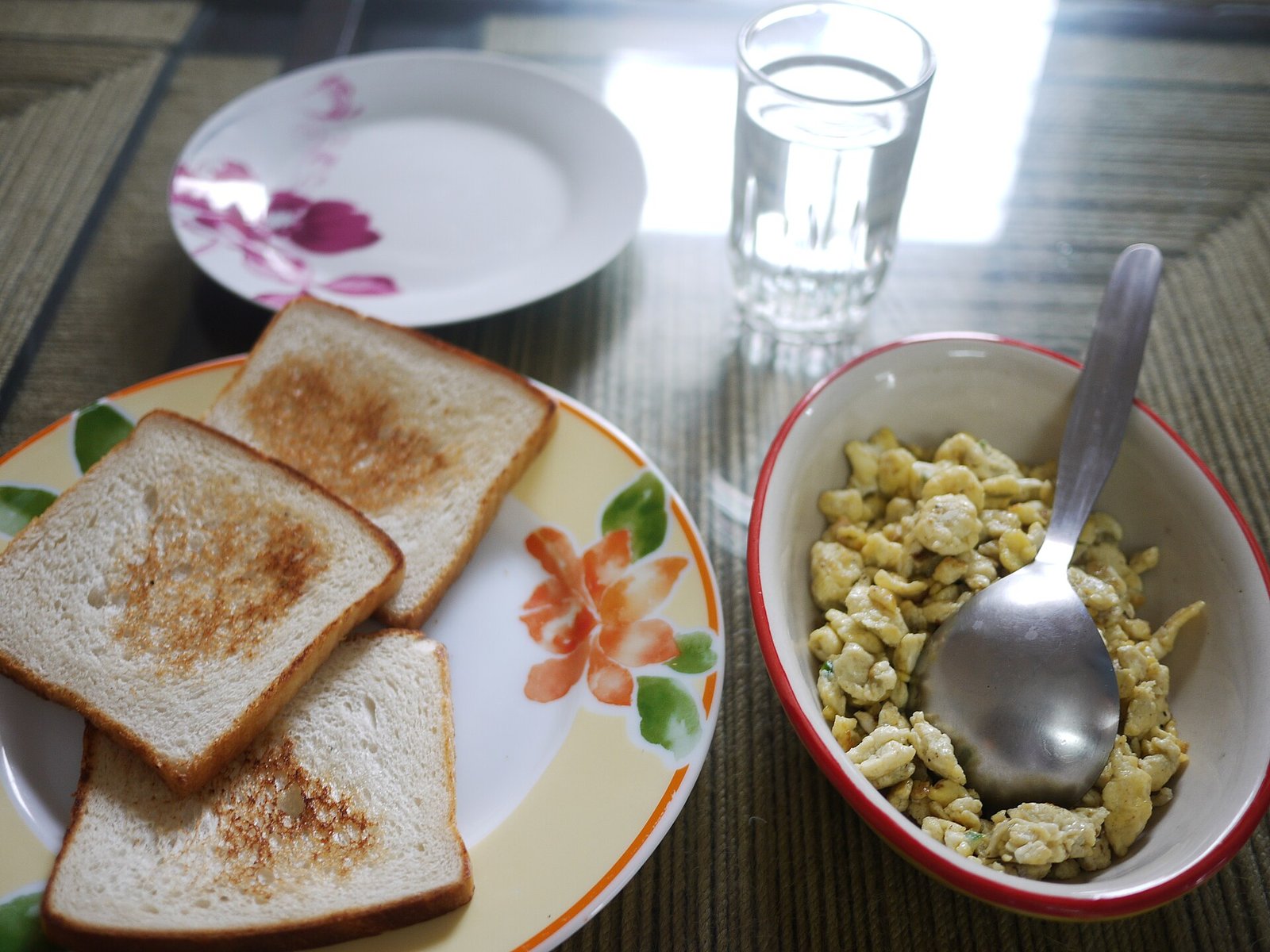
- – Breakfast: oatmeal with milk or a fortified plant drink, and fruit; or eggs on toast.
- – Lunch: a yogurt bowl or a tuna, bean, or tofu sandwich, plus water, eaten seated with the ankle elevated if that is part of your plan.
- – Afternoon: a planned snack such as cheese and fruit, nuts if you tolerate them, or leftover protein and crackers.
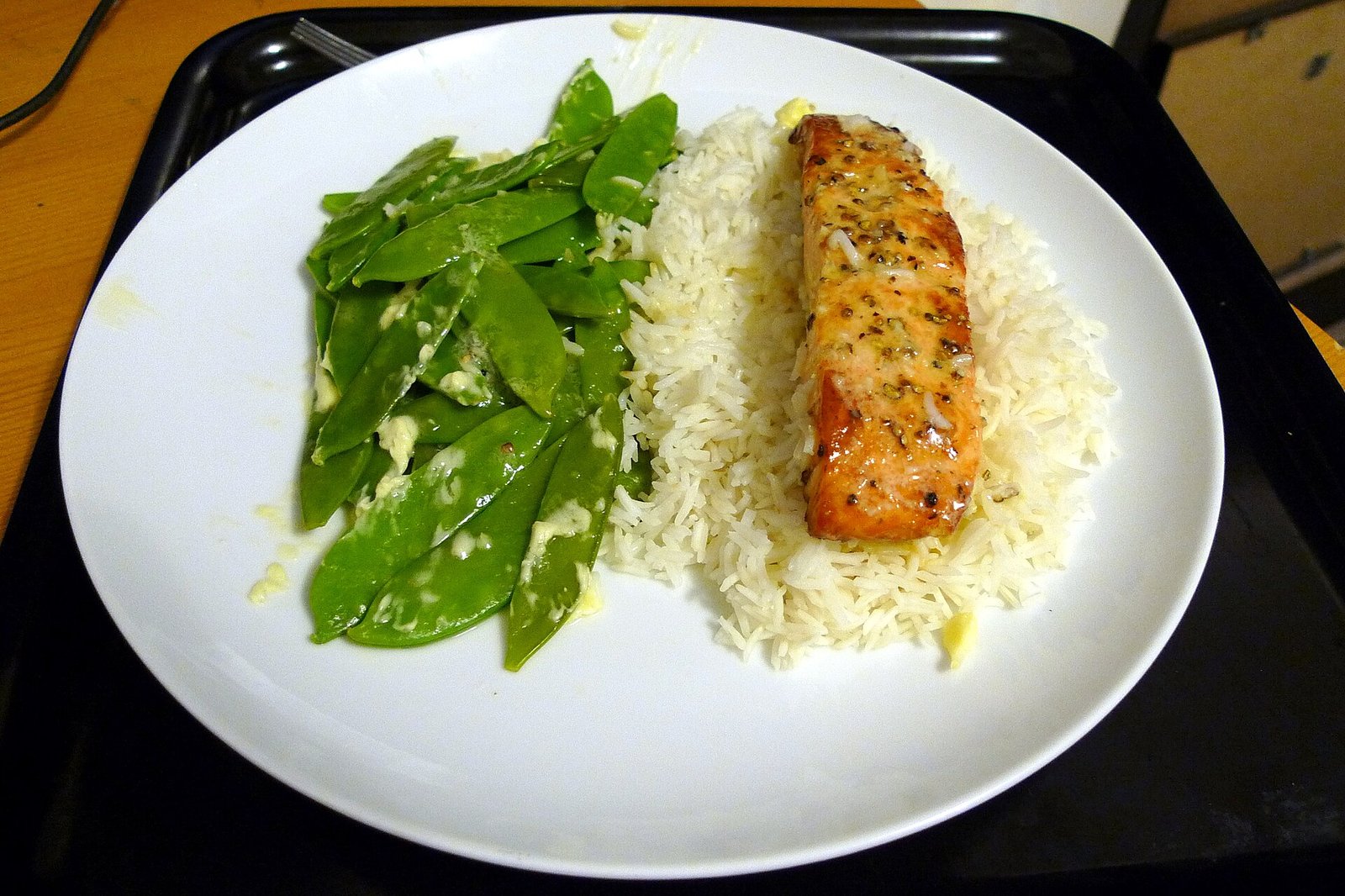
- – Dinner: fish, poultry, eggs, or legumes with a grain and vegetables, prepared in a way that limits standing and carrying.
- – Evening: water within reach; no late kitchen marathon.
5. If swelling lasts, or after you are cleared to move more
Aftercare notes that bruising may not appear for several days and is often absorbed within about two weeks, and that some sprains become chronic, with ongoing pain, swelling, or an ankle that gives way. Contact your provider rather than adding a “circulation diet.” Related reading: chronic low back pain diet guide. Exercises your provider gives can help prevent future sprains and chronic ankle pain. Keep the same ordinary meal pattern as activity increases, and do not treat a supplement as clearance to return to sport.
Safety, interactions, and who should ask a clinician first
- – Emergency signs: possible fracture, a joint that looks out of position, severe pain, or a pop with immediate loss of function (MedlinePlus).
- – Contact a provider if swelling does not start to go away within 2 days, you have signs of infection (red, warm, painful skin or a fever over 100°F / 38°C), or pain lasts several weeks. Aftercare also lists numbness, tingling, a cold feeling, increasing discoloration, or an ankle that stays weak or gives way.
- – Pain medicines: review label warnings and your history with a clinician, especially if you have heart, kidney, or liver disease, high blood pressure, or a history of ulcers or bleeding. Do not give aspirin to children. Do not use this page to delay imaging, bracing, or surgery when recommended.
FAQ
Will collagen, gelatin, or a “ligament supplement” heal a sprain faster? MedlinePlus and NIAMS sprain pages do not recommend those products as treatments that repair ligaments. Focus on ordinary meals, RICE-style care, and your clinician’s rehab plan.
Do I need a high-protein “athlete diet” after a mild sprain? Not automatically. MedlinePlus gives a general healthy-adult range of 10% to 35% of calories from protein. Ask a clinician or dietitian if you have kidney disease, very low appetite, or a more severe injury.
Can I go back to running once the swelling looks better? Aftercare: pain and swelling most often get better within 48 hours, after which you can begin to put weight on the foot as comfort allows—but talk to your provider before returning to more intense sports or work.
What if I cannot walk on it at all? Aftercare says to contact your provider if you cannot walk or walking is very painful. That is a reason for an exam, not a new grocery list.
When should I see a clinician? See the emergency and follow-up signs above. Also go if the ankle is no better after 5 to 7 days, or if it keeps giving way.
How this differs from related OTCFood topics
This page is an ankle-sprain-bound diet guide focused on everyday protein and energy while you follow RICE and rehabilitation. It is not a fracture-recovery protocol and not a claim that food repairs ligaments or replaces physical therapy.
Medical disclaimer
Medical disclaimer: This article is for general information only. It is not medical advice, diagnosis, or a treatment plan. Ankle sprain care depends on the grade of the injury, whether a fracture is present, and your clinician’s judgment. Talk with a clinician before changing an eating plan, supplement, or pain medicine. Seek urgent care if you cannot bear weight, the joint looks deformed, pain is severe, the foot becomes cold, numb, or blue, or you have signs of infection.