Hyperparathyroidism Diet: Foods That May Help and Foods to Limit
Medical note: This article discusses foods and researched botanicals. It does not claim to prevent, treat, or cure disease. Supplements are not a substitute for food, and studied amounts are not personal prescriptions.
People searching “hyperparathyroidism diet foods that help or worsen” usually want clear guidance on calcium, vitamin D, fluids, and bone-friendly habits—without inventing gram targets or cutting all dairy because an internet list said so. NIDDK explains that in primary hyperparathyroidism, one or more parathyroid glands are overactive and make too much parathyroid hormone (PTH). Too much PTH raises blood calcium too high and can lead to bone thinning and kidney stones. About 100,000 people in the United States develop primary hyperparathyroidism each year; it most often affects people between ages 50 and 60, and women more often than men. Importantly, NIDDK’s diet section states: you do not need to change your diet or limit the amount of calcium you get from food and beverages; you will need a vitamin D supplement if vitamin D levels are low—talk with your health care professional about how much.
What this hyperparathyroidism diet guide covers (and what it does not)
This guide is for adults with primary hyperparathyroidism (or people monitoring mild disease) who want kitchen patterns aligned with NIDDK monitoring advice. Anchors: MedlinePlus — Hyperparathyroidism, NIDDK — Primary Hyperparathyroidism, and MedlinePlus — Calcium.
Diet does not replace parathyroid surgery when indicated, medicines such as cinacalcet when prescribed, bone-density medicines when prescribed, or surveillance labs. Surgery to remove the overactive gland(s) is the only sure way to cure primary hyperparathyroidism per NIDDK. Secondary hyperparathyroidism driven by kidney disease is a different pathway—coordinate with nephrology and do not copy this primary-focused page blindly if you have advanced CKD.
Evidence snapshot: hyperparathyroidism diet claims vs public sources
| Claim people hope for | What public sources actually say | Confidence |
|---|---|---|
| “Cut all dietary calcium to lower blood calcium” | NIDDK: you don’t need to change your diet or limit calcium from food and beverages | Strong against DIY calcium restriction |
| “Vitamin D is always forbidden” | NIDDK: take a vitamin D supplement if levels are low, with clinician dosing; low vitamin D can further stimulate PTH | Strong: clinician-guided vitamin D |
| “Drink plenty of water if monitoring without surgery” | NIDDK monitoring advice includes drinking plenty of water so you don’t get dehydrated | Strong for hydration when monitoring |
| “Diet replaces parathyroidectomy” | NIDDK: surgery is the only sure cure; monitoring or medicines are alternatives in selected people | Strong: surgery/medical care primary |
| “Any high-oxalate food will cause stones tomorrow” | Extra calcium in urine can contribute to kidney stones; stone risk is individualized with imaging and 24-hour urine when ordered | Moderate; follow nephrology/urology if stones |
Foods and patterns that may help with hyperparathyroidism kitchen planning
“May help” means supporting bones, hydration, and overall nutrition while endocrinology manages PTH and calcium—not DIY mineral megadoses.
Follow NIDDK’s calcium message (food is not the enemy)
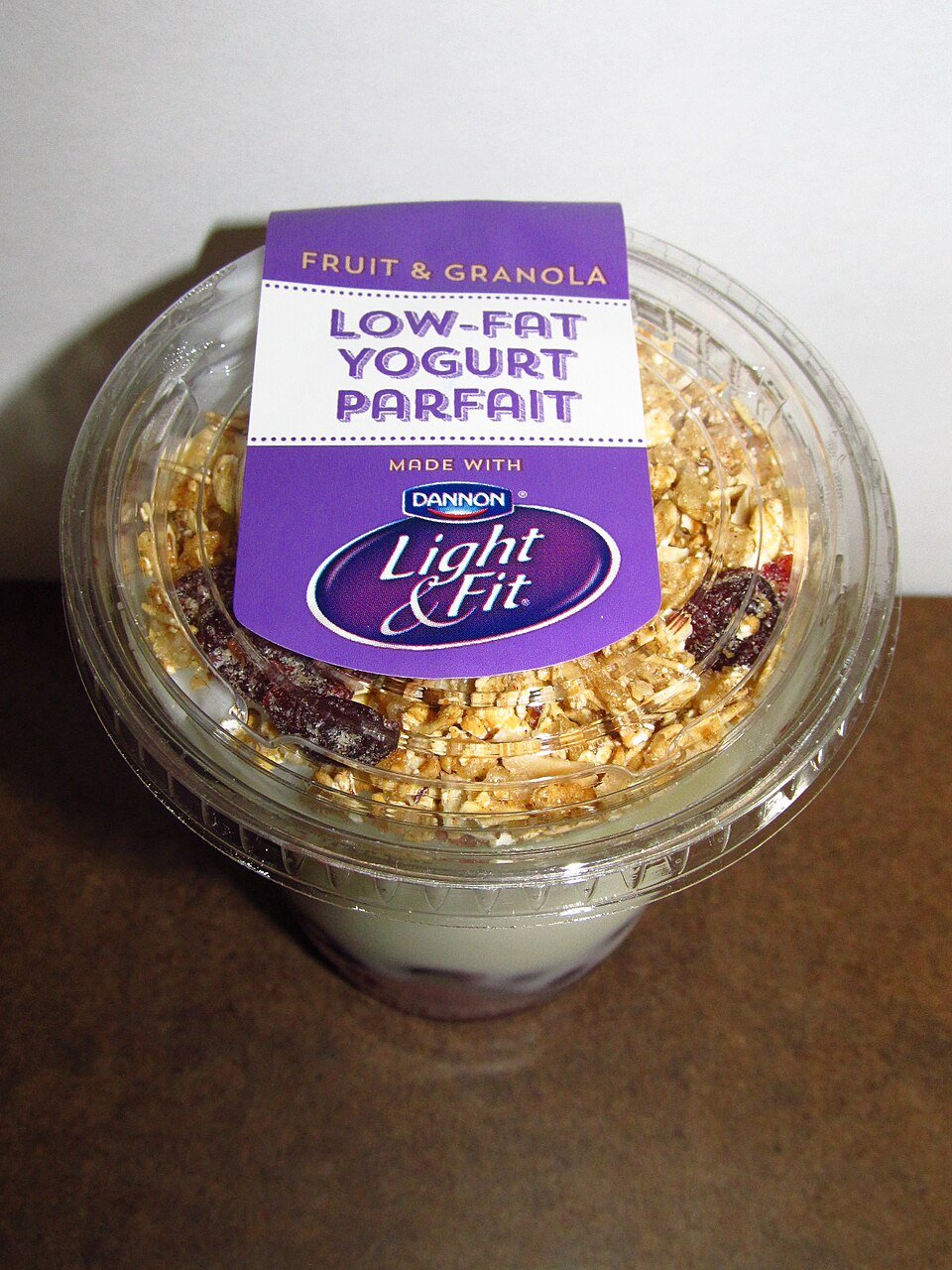
- – Do not automatically eliminate milk, yogurt, cheese, fortified plant milks, leafy greens, or canned fish with soft bones unless your own clinician gives a different order.
- – MedlinePlus lists dairy, leafy greens, soft-bone fish, and fortified foods as common calcium sources for general bone health.
- – If surgery removes too much parathyroid tissue and lasting low calcium develops, NIDDK says you may need both calcium and vitamin D for life—that is a different clinical situation from untreated high calcium.
Vitamin D only as labs and clinicians direct
- – Low vitamin D is common in primary hyperparathyroidism and can further stimulate PTH (NIDDK).
- – Secondary hyperparathyroidism from very low vitamin D can improve when vitamin D is restored—another reason not to self-restrict without labs.
- – See vitamin D deficiency diet guide for general food sources context; dosing belongs to your clinician.
Hydration and kidney-stone awareness
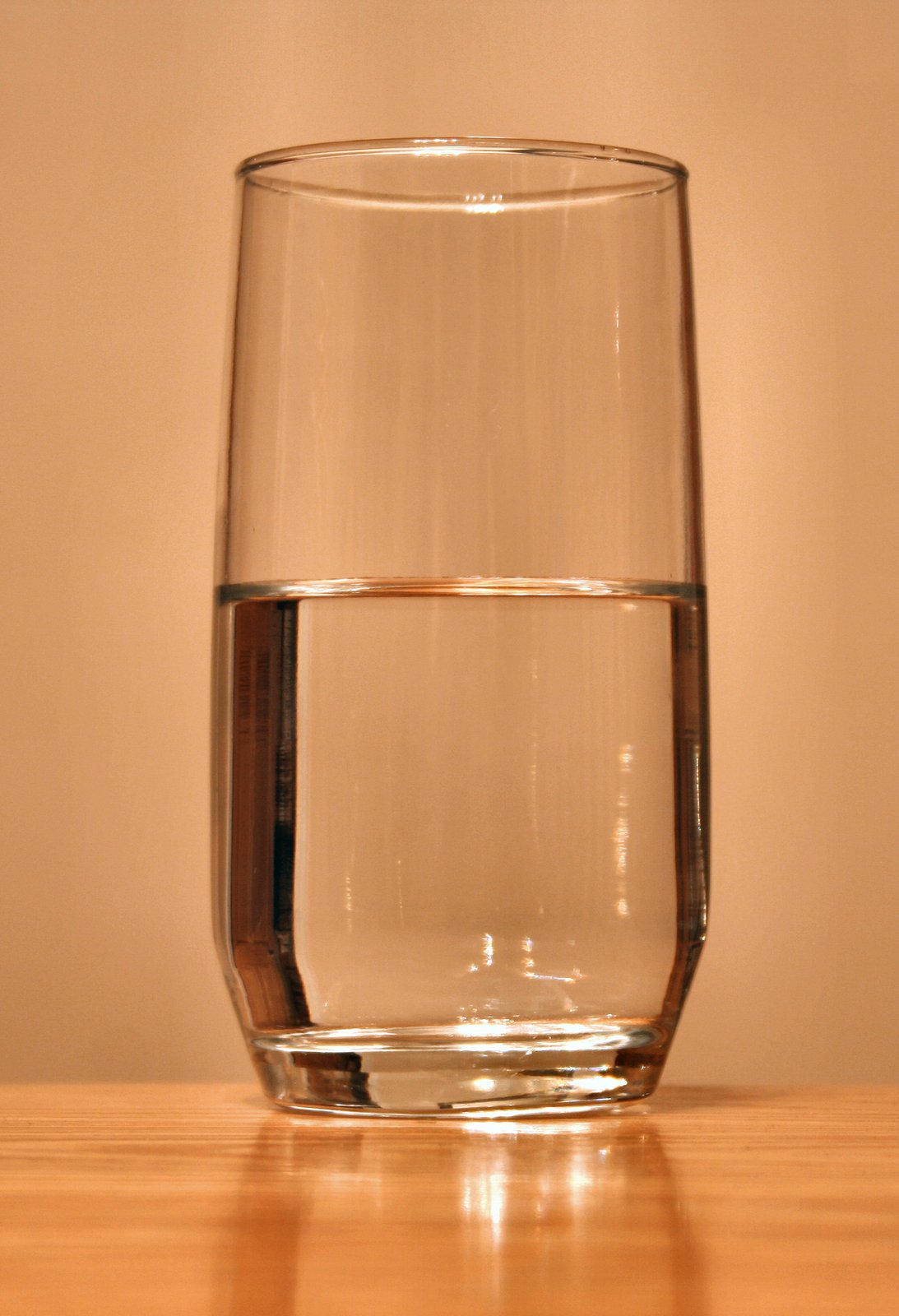
- – If you and your doctor choose monitoring, NIDDK advises drinking plenty of water to avoid dehydration and getting regular physical activity to help keep bones strong.
- – If you form stones, use the stone-prevention plan from your urology/nephrology team—see kidney stones diet guide—rather than inventing a severe oxalate ban from a blog.
Bone-supportive overall patterns
- – Regular activity as cleared by your clinician; avoid certain diuretics such as thiazides if your doctor advises against them (NIDDK monitoring notes).
- – Adequate protein and overall calories to support muscle and fall prevention—see osteoporosis diet guide and sarcopenia diet guide when bone or muscle loss is part of your picture.
- – Blood pressure and heart health still matter as general risk context—hypertension diet guide.
Foods and habits that often worsen hyperparathyroidism kitchen patterns
- – Self-imposed near-zero calcium diets that contradict NIDDK guidance and may harm long-term bone nutrition.
- – Unsupervised high-dose vitamin A, calcium, or vitamin D megadoses from supplements without labs—can worsen mineral imbalance.
- – Chronic dehydration (skipping fluids all day)—works against NIDDK monitoring hydration advice and may concentrate urine.
- – Heavy alcohol that displaces nutrient-dense meals and raises fall risk with thinned bones.
- – Ignoring constipation, nausea, confusion, or increased thirst/urination while “treating” with food only—those can be hypercalcemia symptoms needing medical review.
- – Stopping cinacalcet, bisphosphonates, or other prescribed medicines because a diet changed.
“Limit” means reducing unsafe DIY mineral experiments—not fearing ordinary calcium-containing foods when NIDDK says restriction is unnecessary.
Practical kitchen protocol
1. Keep the medical spine first
Know whether you are headed for parathyroidectomy, medicine, or monitoring. NIDDK surgery guidelines consider calcium level, bone density, stones, urine calcium/stone risk, fragility fracture, and age under 50 among factors. Do not delay indicated surgery for a six-week juice cleanse.
2. Shopping list themes
Dairy or fortified alternatives as tolerated; leafy greens; beans; eggs; fish; fruits; whole grains; water bottles you will actually use; skip mystery “parathyroid detox” teas.
3. Default plate template
- – Protein + vegetables/fruit + whole grain or starch
- – Include a usual calcium-containing food unless your clinician said otherwise
- – Water with meals and between meals
- – Salt and processed meats moderated if blood pressure is high
4. Sample day (illustrative)
- – Breakfast: fortified cereal or oatmeal with milk/yogurt; fruit.
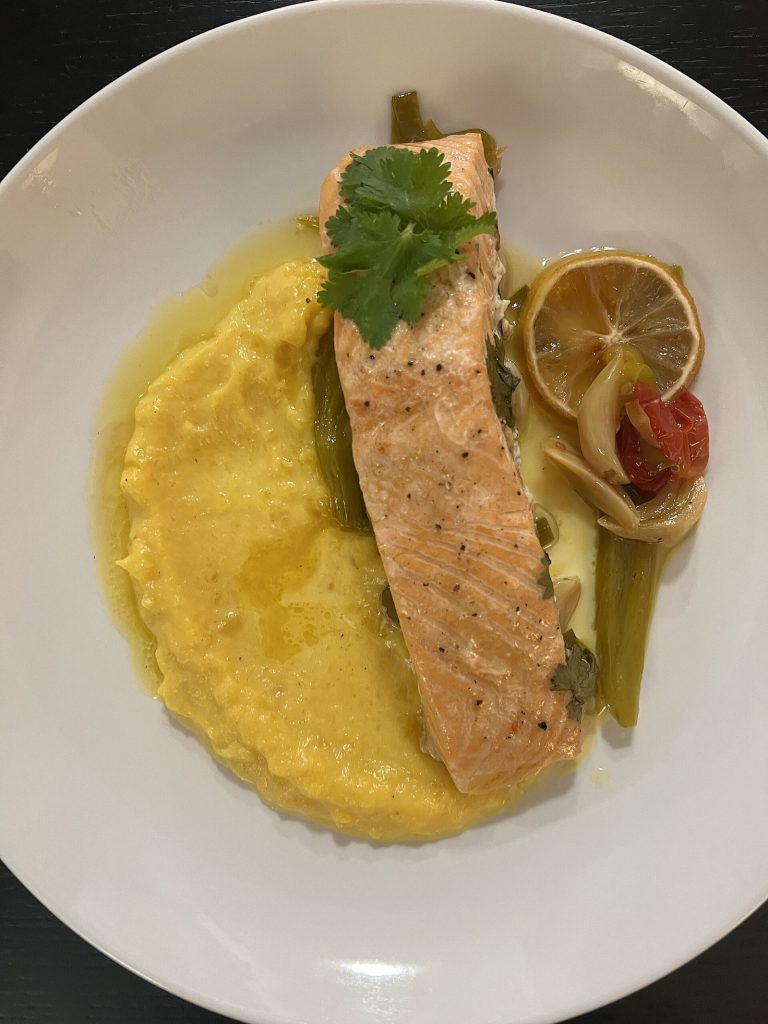
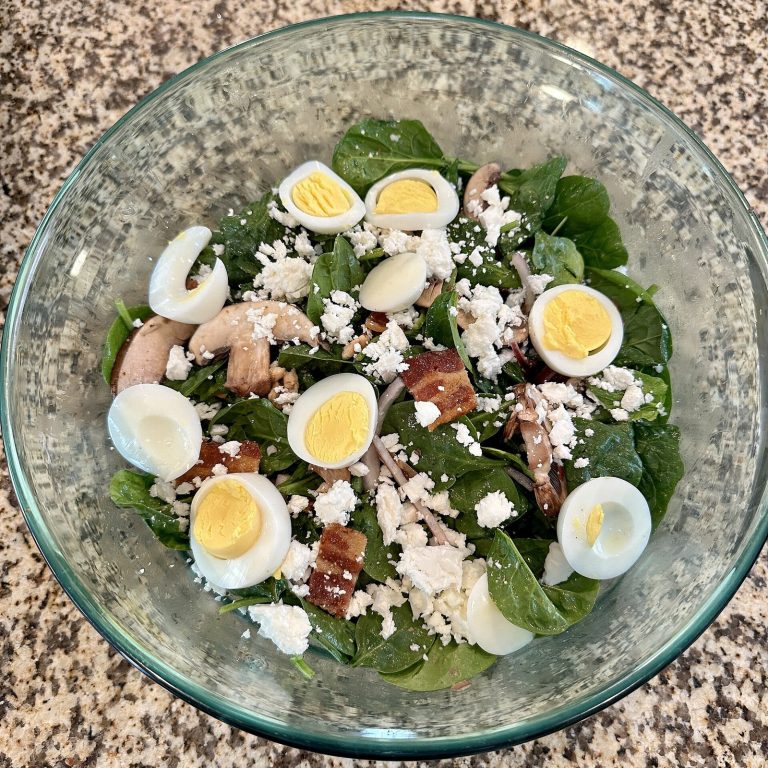
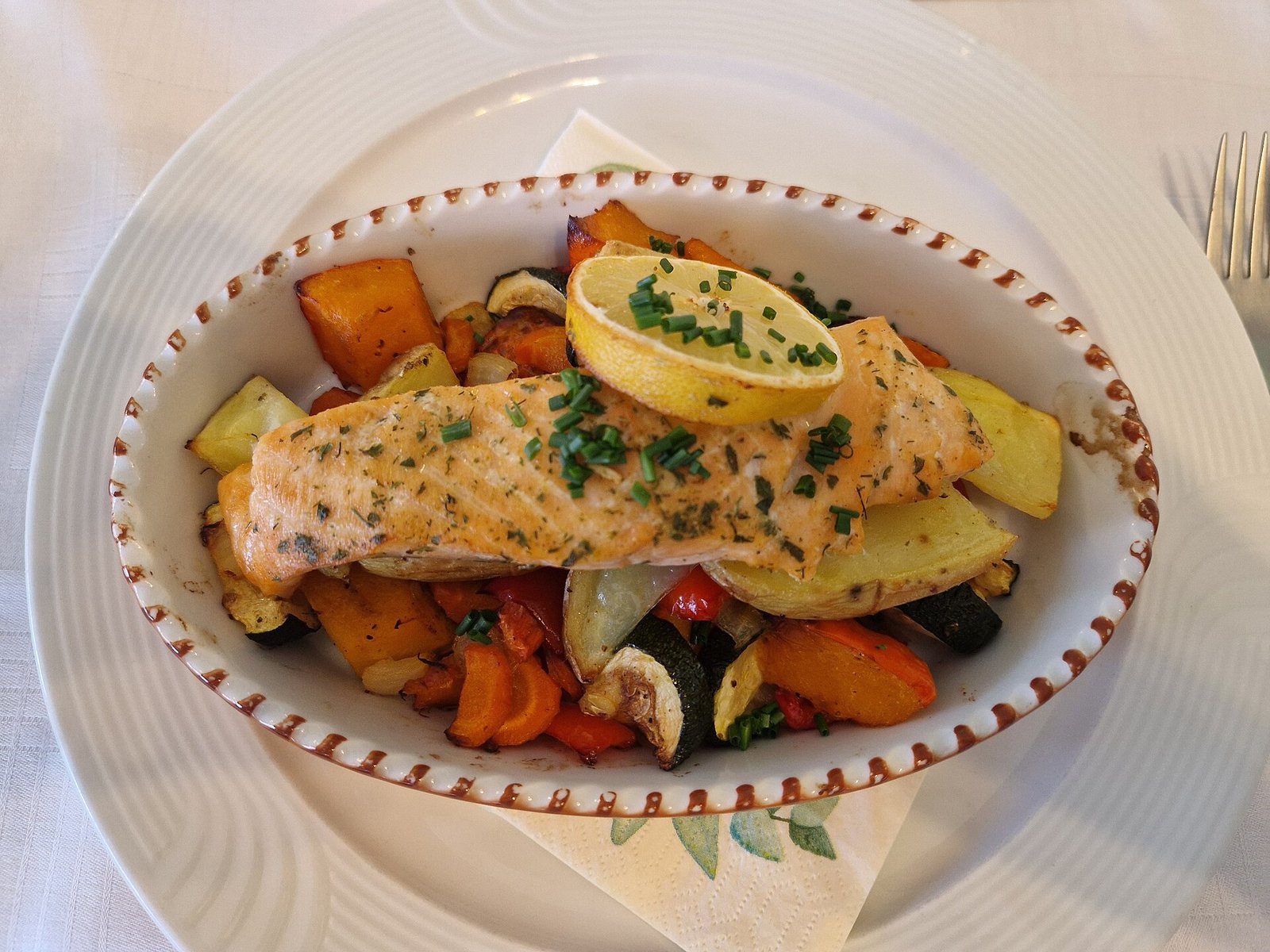
- – Lunch: salmon or bean salad; greens; whole-grain bread.
- – Snack: yogurt or cheese stick; water.
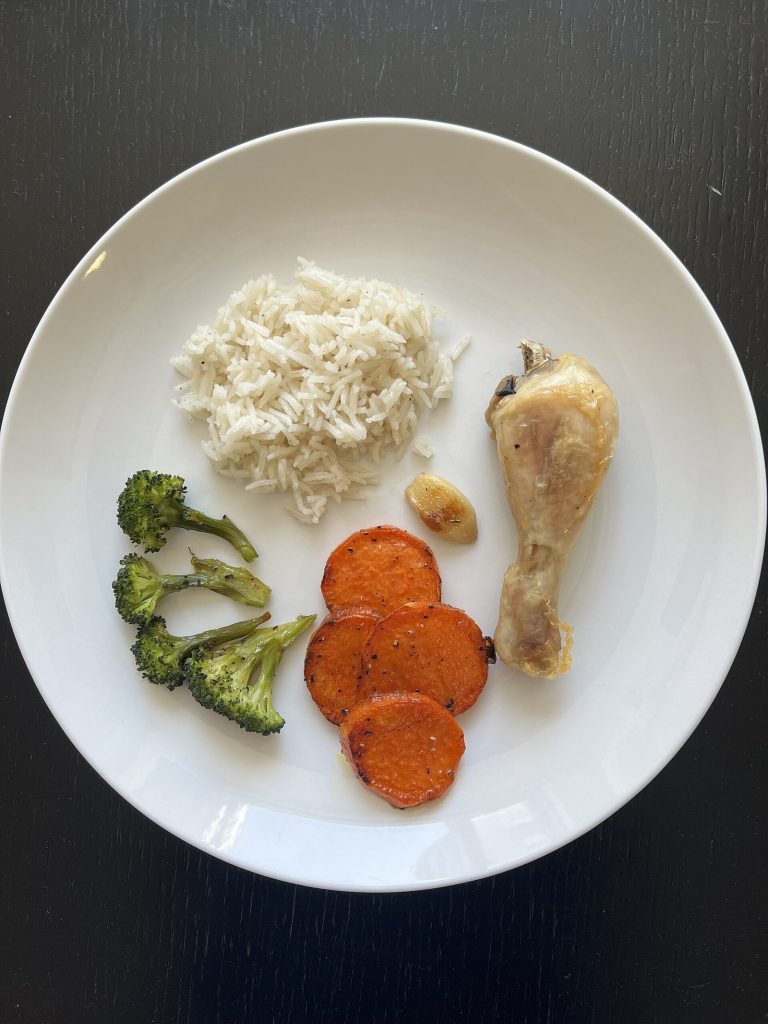
- – Dinner: chicken or tofu, vegetables, potato or rice; milk or fortified alternative.
- – Evening: walk if cleared; water bottle refilled for tomorrow.
5. Label-reading checklist
- – Calcium %DV on fortified foods—useful for tracking intake with a dietitian, not for panic
- – Vitamin D on labels if your clinician wants a food contribution estimate
- – Avoid combining multiple high-dose mineral supplements without a medication list review
6. After successful parathyroidectomy
Blood calcium often improves; temporary low calcium can occur and usually returns toward normal. Follow post-op calcium/vitamin D instructions exactly—those targets are personalized.
Safety, interactions, and who should ask a clinician first
- – Severe hypercalcemia symptoms (confusion, vomiting, extreme thirst, irregular heartbeat concern) need urgent care.
- – Kidney stones, fractures, and progressive bone loss change monitoring vs surgery decisions.
- – Thiazide diuretics and lithium-related contexts need clinician medication review.
- – Pregnancy and multiple endocrine neoplasia syndromes need specialty endocrinology.
- – If you have chronic kidney disease, protein, potassium, phosphorus, and calcium rules may differ—do not use this primary hyperparathyroidism page as a CKD meal plan (chronic kidney disease diet guide).
FAQ
Do I need a low-calcium diet? NIDDK says you do not need to limit calcium from food and beverages for primary hyperparathyroidism. Follow your own clinician if they give a different plan for a special situation.
Should I take vitamin D? Only if levels are low and your clinician sets a dose. Low vitamin D can further stimulate PTH.
Will cutting dairy shrink a parathyroid adenoma? No. Adenomas are treated surgically or monitored/medicated—not shrunk by dairy avoidance.
How much water is “plenty”? NIDDK does not give one universal cup count on that page. Ask your clinician, especially if you have heart failure or kidney disease fluid limits—see heart failure diet guide if relevant.
Are calcium supplements safe? Food calcium is generally fine per NIDDK. Supplement doses should be clinician-directed, especially around surgery or if you develop hypoparathyroidism afterward.
How this differs from related OTCFood topics
This page is a primary-hyperparathyroidism-bound diet guide emphasizing NIDDK’s “don’t restrict dietary calcium” message, clinician-guided vitamin D, hydration while monitoring, and bone-aware habits. It is not a kidney-stone protocol, not a CKD phosphorus diet, and not a cure claim for adenomas.
Medical disclaimer
Medical disclaimer: This article is for general information only. It is not medical advice, diagnosis, or a treatment plan. Hyperparathyroidism care depends on calcium/PTH labs, imaging, bone density, kidney stone risk, and surgical candidacy. Talk with your endocrinologist, clinician, or registered dietitian before starting, stopping, or changing any eating plan, supplement, or medicine. Seek urgent care for severe hypercalcemia symptoms, new fracture, or inability to keep fluids down.