Kidney Infection Recovery Diet: Foods That May Help and Foods to Limit
Medical note: This article discusses foods and researched botanicals. It does not claim to prevent, treat, or cure disease. Supplements are not a substitute for food, and studied amounts are not personal prescriptions.
People searching “kidney infection recovery diet foods that help or worsen” usually want clear hydration and kitchen rules while antibiotics do the real work—and steady habits afterward to support urinary tract health—not a claim that food treats pyelonephritis. NIDDK explains that a kidney infection (pyelonephritis) is a type of urinary tract infection that often begins in the bladder and moves into one or both kidneys, that early treatment prevents most complications, and that health care professionals treat bacterial kidney infections with antibiotics that must be finished as prescribed. On eating and nutrition, NIDDK states that experts do not think diet and nutrition can prevent or treat kidney infections, while drinking lots of liquids—water is best—may help prevent or relieve UTIs including kidney infections.
What this kidney infection recovery diet guide covers (and what it does not)
This guide is for adults who are finishing antibiotics for a kidney infection or who are in the days and weeks afterward and want practical fluid and meal habits. Anchors: NIDDK — Kidney Infection (Pyelonephritis), NIDDK — Treatment for Kidney Infection, NIDDK — Eating, Diet, & Nutrition for Kidney Infection, CDC — Urinary Tract Infection Basics, and MedlinePlus encyclopedia — Urinary tract infection – adults.
Fever, flank pain, nausea, vomiting, confusion (especially in older adults), or UTI symptoms that return after treatment need medical care—not a juice cleanse. Kitchen changes do not replace antibiotics, imaging when indicated, procedures for blockage (stones, prostate obstruction), or hospital IV fluids when you are very sick. Related reading: pyelonephritis diet guide, UTI diet guide, kidney stones diet guide, and chronic kidney disease diet guide.
Evidence snapshot: kidney infection recovery diet claims vs public sources
| Claim people hope for | What public sources actually say | Confidence |
|---|---|---|
| “A special diet treats kidney infection” | NIDDK: experts don’t think diet/nutrition can prevent or treat kidney infections | Strong: antibiotics and medical care are central |
| “Drink lots of water to help prevent UTIs” | NIDDK: drink lots of liquids; water is best; may help prevent or relieve UTIs including kidney infections | Moderate for prevention/support; not a cure for active pyelonephritis |
| “Cranberry juice cures pyelonephritis” | NIDDK notes some research on cranberry for prevention; there isn’t enough evidence to be sure; products are not a treatment for an active kidney infection | Low–moderate for prevention interest; strong against using them instead of antibiotics |
| “Stop antibiotics early if urine looks clear” | NIDDK: finish the entire antibiotic course even if symptoms go away; incomplete courses can foster resistance | Strong: finish prescribed care |
| “If you have CKD or heart failure, force fluids the same way” | Fluid goals change with heart failure, advanced kidney disease, or clinician fluid restrictions—individualize | Strong: ask before forcing fluids |
Foods and patterns that may help during kidney infection recovery
“May help” means supporting hydration and easier eating while you recover—not erasing infection.
Fluids first (NIDDK)
- – Prioritize water and other clinician-approved fluids unless you have been told to restrict fluids (heart failure, advanced kidney disease, dialysis planning, etc.).
- – Sip regularly if fever, nausea, or antibiotics upset your stomach; ask about oral rehydration if vomiting limits intake.
- – After appetite returns, continue a steady fluid habit as part of UTI-prevention discussions—NIDDK links higher fluid intake with helping keep the urinary tract healthier alongside bathroom hygiene habits.
Easy meals while febrile or nauseated
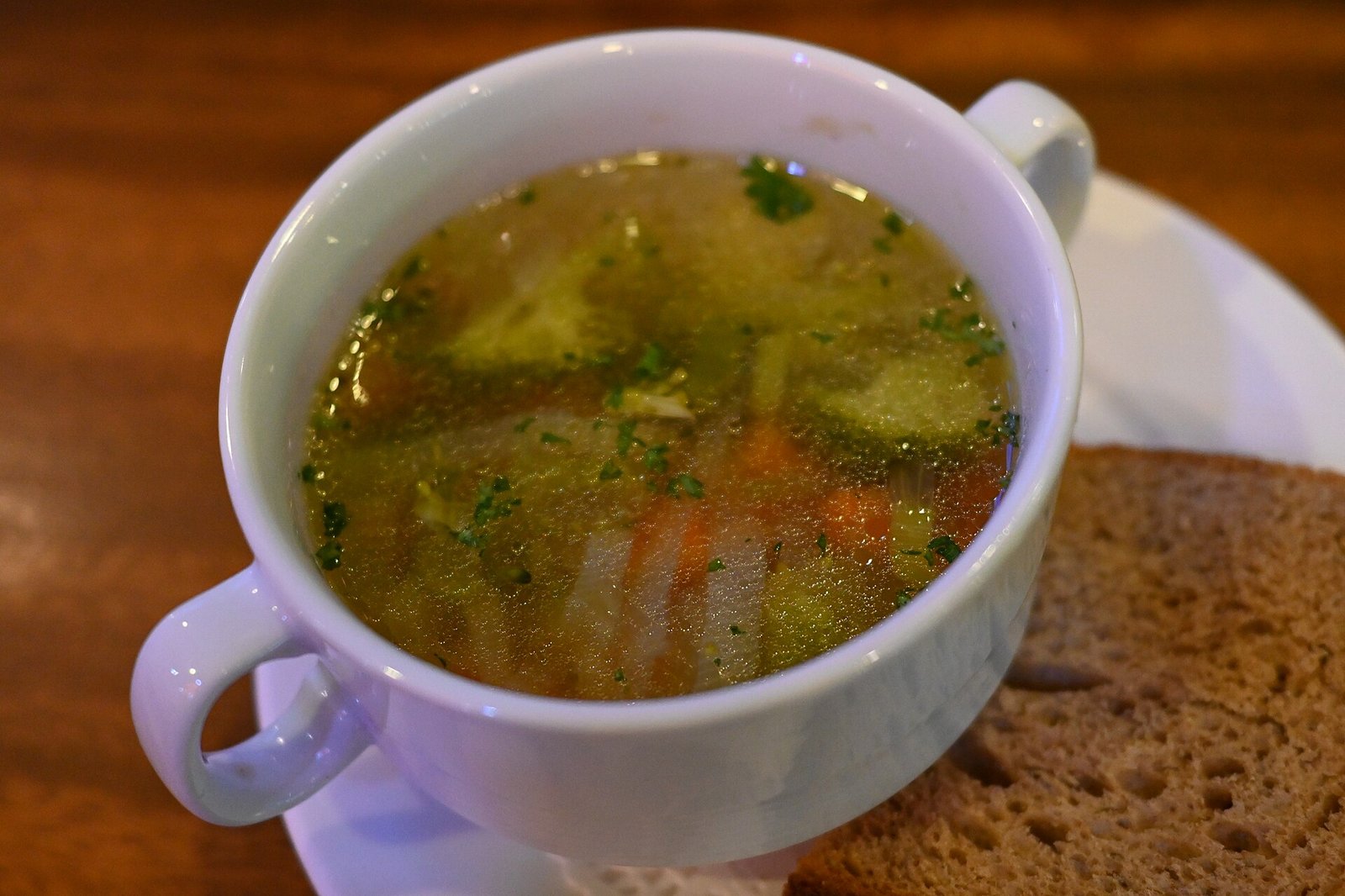
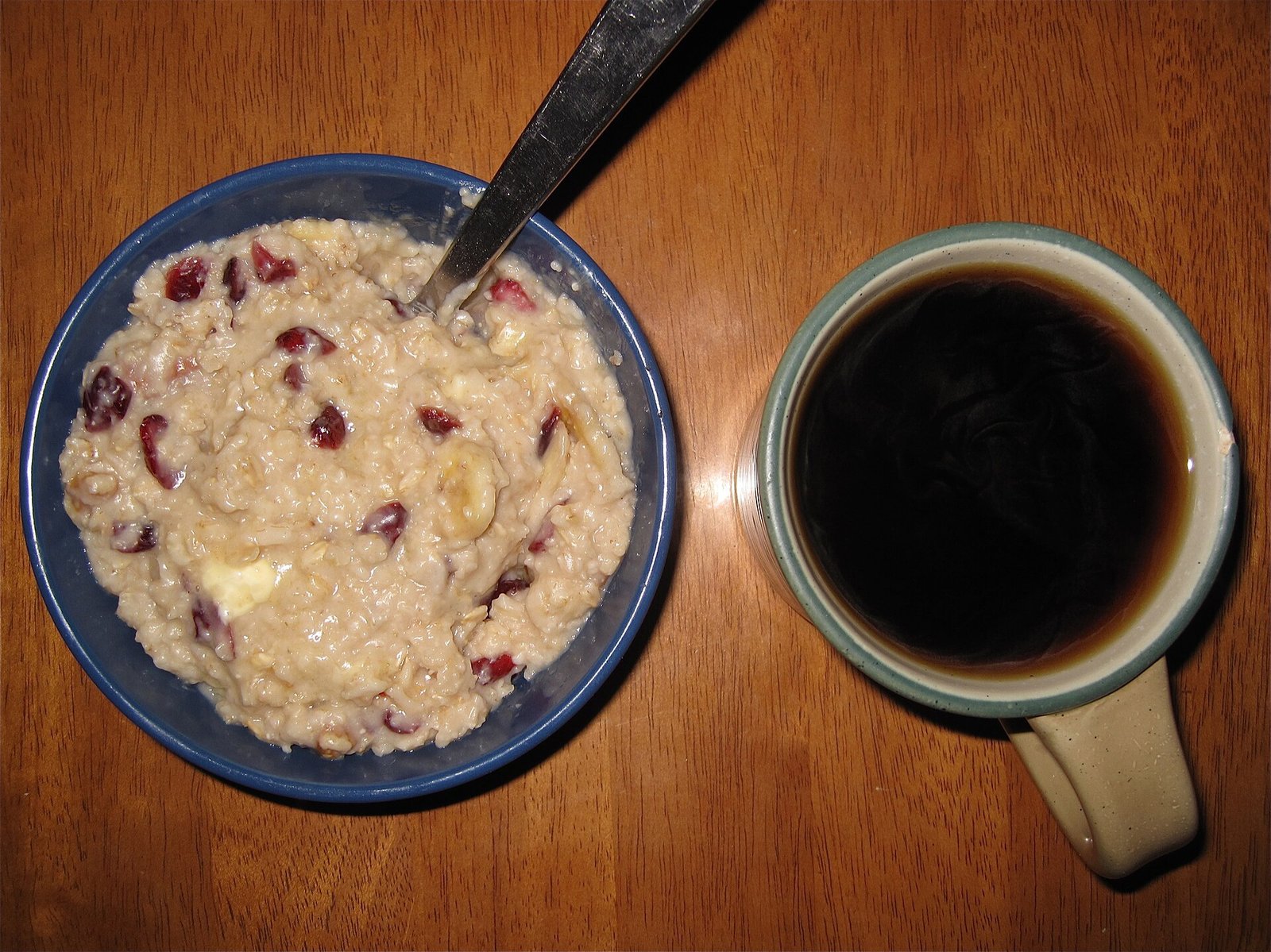
- – Broths, toast, rice, bananas, applesauce, yogurt (if tolerated), scrambled eggs, oatmeal, and bland cooked vegetables are often easier than greasy takeout.
- – Small, frequent plates beat large heavy meals when nausea is present.
- – MedlinePlus UTI encyclopedia pages note nausea and vomiting can accompany kidney infections—gentle textures matter until appetite returns.
After antibiotics: return to a balanced plate
- – Vegetables, fruit, whole grains, lean protein, and beans in portions that fit your overall health—without claiming food sterilizes the urinary tract.
- – If diabetes contributed to infection risk (MedlinePlus risk factors include diabetes), align with type 2 diabetes diet guide glucose habits once you can eat normally.
- – If stones or obstruction were involved, coordinate with kidney stones diet guide and urology—not a DIY “flush” protocol.
Cranberry products (prevention talk only)
- – NIDDK: some research suggests cranberry products may help prevent UTIs; evidence is not strong enough to be sure. Discuss with your clinician. They do not replace antibiotics for an active kidney infection, and sugary cocktails are not a medical protocol.
- – Talk with your clinician before dietary supplements or complementary practices (NIDDK safety note).
Prevention-minded daily habits NIDDK pairs with fluids
- – Healthy bathroom habits (including wiping front to back).
- – Using the bathroom when you feel the urge and taking time to empty the bladder fully.
- – Contacting a clinician if a bladder infection seems to be starting or worsening.
Foods and habits that often worsen kidney infection recovery patterns
- – Skipping antibiotic doses or stopping early because you “feel better” (NIDDK resistance warning).
- – Relying on cranberry drinks or herbal “kidney cleanses” instead of prescribed antibiotics.
- – Forcing large fluid volumes against a clinician’s fluid restriction (heart failure, certain CKD settings).
- – Heavy alcohol that worsens dehydration, sleep, and medicine plans while you are still recovering.
- – Greasy, hard-to-digest takeout when nausea and fever are still settling.
- – Ignoring returning fever, flank pain, vomiting, or confusion—NIDDK says see a professional right away if symptoms return after treatment.
- – Assuming CKD protein/potassium rules are the same as short-term pyelonephritis recovery—see chronic kidney disease diet guide for chronic kidney diet protocols.
“Limit” means reducing patterns that undermine hydration, antibiotic adherence, and recovery comfort—not permanent bans on every favorite food.
Practical kitchen protocol: a kidney infection recovery week
1. Medical spine first
Finish antibiotics exactly as prescribed. Know your follow-up plan if cultures, imaging, or urology referral were ordered. Ask how much fluid is right for you.
2. Shopping list for gentle recovery
Plain water; oral rehydration solution if advised; broths; rice; bananas; applesauce; oatmeal; eggs; yogurt if tolerated; soft cooked vegetables; mild proteins (chicken, fish, tofu); herbal caffeine-free options you enjoy if they sit well.
3. Default plate template (once appetite returns)
- – Steady fluids across the day
- – Half vegetables/fruit you tolerate
- – Quarter easy starch
- – Quarter lean protein
- – Limit ultra-salty processed meals that leave you thirsty in unhelpful ways if blood pressure is also a concern
4. Sample day (illustrative, after fever eases)
- – Breakfast: oatmeal with banana; water.
- – Mid-morning: water bottle refill.
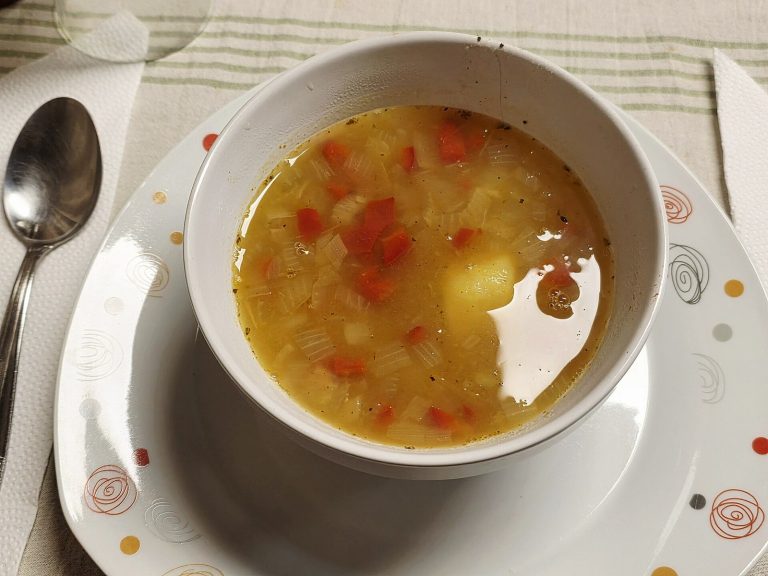
- – Lunch: vegetable broth-based soup with toast or rice; yogurt.
- – Snack: applesauce or crackers if still sensitive.
- – Dinner: baked fish or chicken, soft vegetables, rice; water.
- – Evening: continue sipping water unless restricted; note urine color trends for your clinician visit if asked.
5. When nausea dominates
Tiny sips; bland starches; avoid forcing large fatty meals; ask about anti-nausea support rather than only kitchen experiments.
6. Prevention after recovery
Pair fluid habits with NIDDK bathroom hygiene tips; seek care early for new UTI symptoms rather than waiting for flank pain.
Safety, interactions, and who should ask a clinician first
- – Pregnancy, urinary catheters, kidney stones, enlarged prostate, or recurrent infections: need individualized plans (CDC/MedlinePlus risk themes).
- – Heart failure or CKD with fluid limits: do not copy generic “drink lots” slogans.
- – Antibiotic side effects or inability to keep medicines down: contact your clinician (NIDDK).
- – Children, older adults with confusion, or people who are very sick: urgent evaluation—CDC notes kidney infections are more serious than typical bladder infections.
- – Call urgently for high fever, uncontrolled vomiting, severe flank pain, shortness of breath, or mental status changes.
FAQ
Can diet cure a kidney infection? No. NIDDK states experts do not think diet treats kidney infections; antibiotics and medical care are central.
How much water should I drink? NIDDK favors plenty of liquids with water as best, but ask your clinician for a personal target—especially with heart or kidney disease.
Do cranberry products replace antibiotics? No. They are discussed for prevention interest with uncertain evidence—not as treatment for active pyelonephritis (NIDDK).
Why finish antibiotics if I feel better? Stopping early can leave infection undertreated and promote antibiotic resistance (NIDDK).
Is this the same as a CKD diet? No. Short-term recovery hydration differs from chronic kidney disease protein/electrolyte protocols—see chronic kidney disease diet guide.
How is this different from the pyelonephritis diet page? Shared NIDDK hydration and antibiotic themes—see pyelonephritis diet guide—with recovery-phase framing after active treatment.
How this differs from related OTCFood topics
This page is a kidney infection recovery–bound diet guide focused on clinician-guided fluids, gentle meals, antibiotic adherence, and prevention habits. It is not an antibiotic prescribing guide and not a CKD meal plan.
Medical disclaimer
Medical disclaimer: This article is for general information only. It is not medical advice, diagnosis, or a treatment plan. Kidney infections can become serious. Talk with a clinician before starting, stopping, or changing any eating plan, fluid goal, supplement, or medicine. Seek urgent care for high fever, uncontrolled vomiting, severe pain, confusion, or symptoms that return after antibiotics.