Heart Failure Diet: Foods That May Help and Foods to Limit
Medical note: This article discusses foods and researched botanicals. It does not claim to prevent, treat, or cure disease. Supplements are not a substitute for food, and studied amounts are not personal prescriptions.
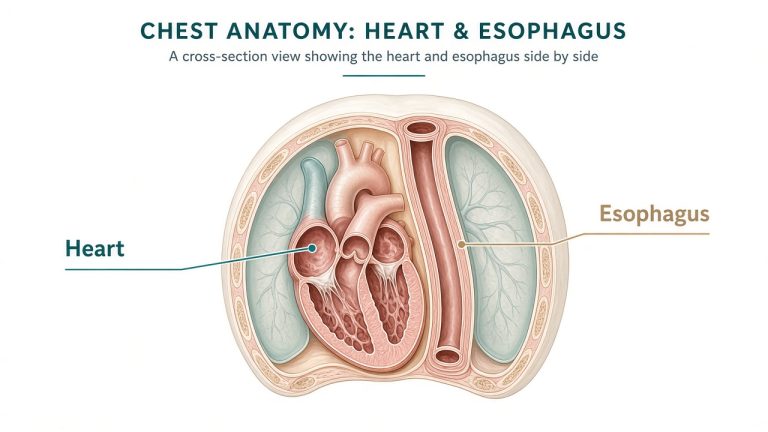
Heart failure means the heart cannot pump enough blood for the body’s needs; NHLBI, MedlinePlus, and NHS stress that it is serious, has no cure, and is managed with medicines, devices when needed, and lifestyle changes. Kitchen patterns that follow your clinician’s sodium and fluid limits, support a heart-healthy plate, and respect alcohol guidance may help symptom control and quality of life. Food does not repair a weak pump or replace diuretics, ACE inhibitors, beta blockers, or other prescribed therapy.
What this heart failure diet guide covers (and what it does not)
This guide is for adults living with clinician-diagnosed heart failure who want practical kitchen defaults. It covers NHLBI living-with and treatment themes (salt/fluid limits, alcohol, weight monitoring) and NHS symptom/urgency framing. It does not set your personal milligram sodium or millilitre fluid cap—those come from your care team.
Anchors: NHLBI — Heart Failure, NHLBI — Treatment, NHLBI — Living With, MedlinePlus — Heart Failure, NHS — Heart failure.
Evidence snapshot: heart failure diet claims vs public sources
| Claim people hope for | What public sources actually say | Confidence |
|---|---|---|
| “Diet cures heart failure” | NHLBI/NHS: no cure; treatment improves quality of life | Strong (against cure claims) |
| Limit salt/sodium and fluids as advised | NHLBI living-with: you may be asked to limit salt and liquids | Moderate-to-strong (individual targets) |
| Limit or stop alcohol | NHLBI treatment: provider may recommend limiting or stopping alcohol | Moderate-to-strong |
| Watch daily weight for fluid buildup | NHLBI: weight gain, ankle swelling, or rising breathlessness may mean fluid buildup—ask when to report | Moderate-to-strong |
| Ignore medicines if diet is “clean” | Medicines that remove sodium/fluid (diuretics) and other HF drugs are core therapy (NHLBI) | Strong (against replacement) |
Foods and patterns that may help with heart failure
Follow your personal sodium plan (NHLBI)
- – Cook more from fresh or plain frozen foods; flavor with herbs, citrus, pepper, vinegar, garlic/onion if tolerated.
- – Compare labels on bread, broth, sauces, deli meats, and canned soups—sodium hides there.
- – Restaurant meals are often high sodium; ask for sauces on the side and simpler preparations.
Fluid limits when prescribed (NHLBI)
- – Measure drinks if you have a fluid cap; remember soups, ice cream, and juicy fruits count.
- – Ice chips or sugar-free hard candy sometimes help dry-mouth coping—ask your team what’s allowed.
Heart-healthy plate pattern
- – Vegetables, fruits, whole grains, legumes, fish, poultry, and modest unsaturated fats fit general heart-healthy advice NHLBI lists among lifestyle changes.
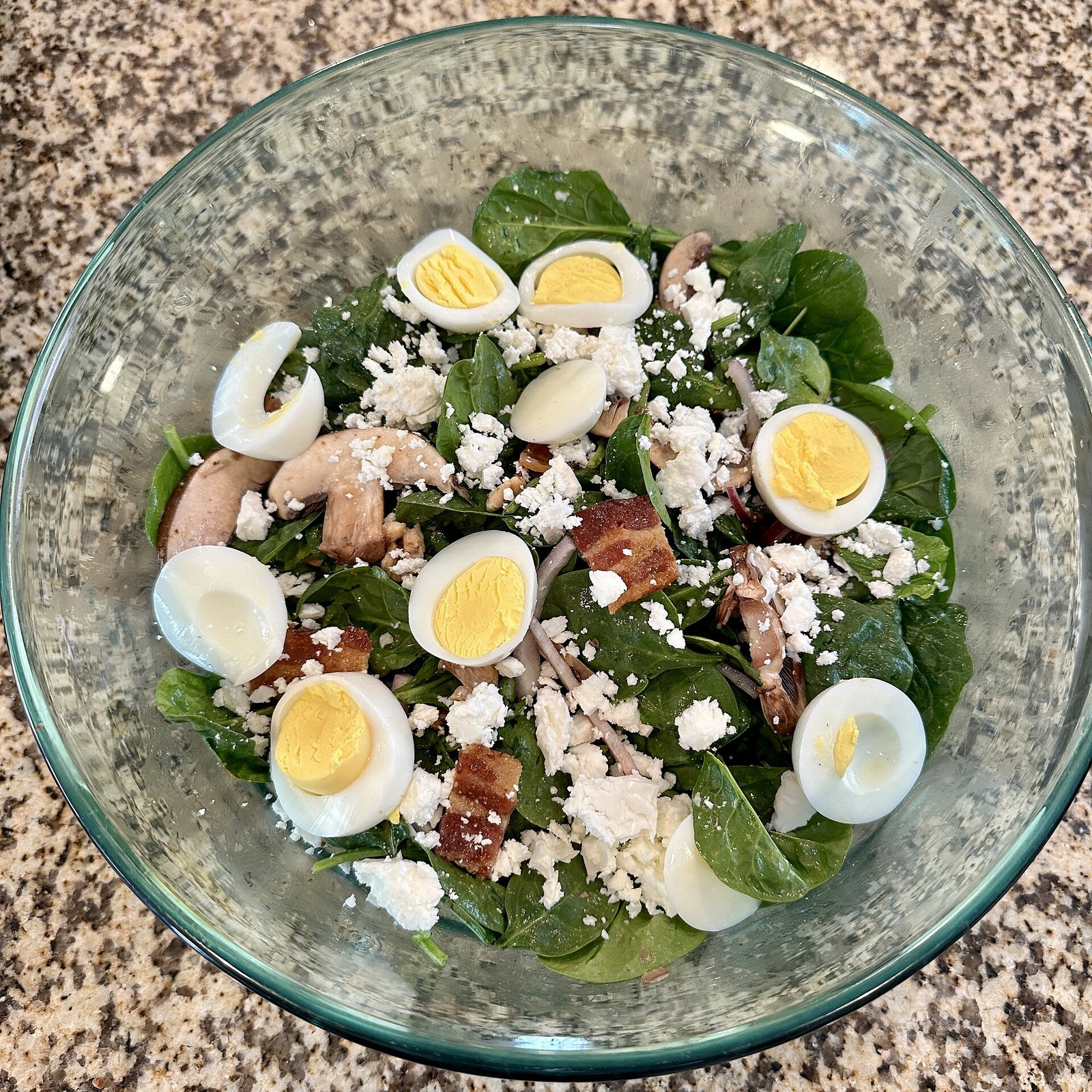
- – Adequate protein helps maintain strength when appetite is poor—eggs, fish, yogurt, tofu, beans as tolerated.
Alcohol per clinician advice (NHLBI)
- – Limit or stop drinking if recommended; do not use alcohol to “relax breathlessness.”
Daily weight as a vital sign (NHLBI)
- – Weigh at the same time daily; report gains per your provider’s threshold—diet changes alone do not replace that call.
Foods and drinks that often worsen the bigger picture
- – High-sodium packaged and restaurant foods that fight your diuretic plan.
- – Excess fluids when you have a prescribed cap.
- – Alcohol beyond your clinician’s limit (or any alcohol if told to stop).
- – Very large salty meals that precede sudden swelling or weight jumps.
- – Licorice candy and some herbal products can interact with heart medicines—ask a pharmacist before “natural” add-ons.
“Limit” means matching kitchen habits to your prescription plan—not copying a stranger’s milligram target from a forum.
Practical kitchen protocol
1. Keep medical care first
NHS: no cure, but treatment and lifestyle changes can help. Know emergency signs—severe breathlessness, pale/blue/grey lips or skin, inability to speak full sentences—and call emergency services when needed.
2. Low-sodium default day (illustrative only)
- – Breakfast: oats cooked without salt; fruit; egg.
- – Lunch: homemade soup with low-sodium broth, vegetables, beans or chicken.
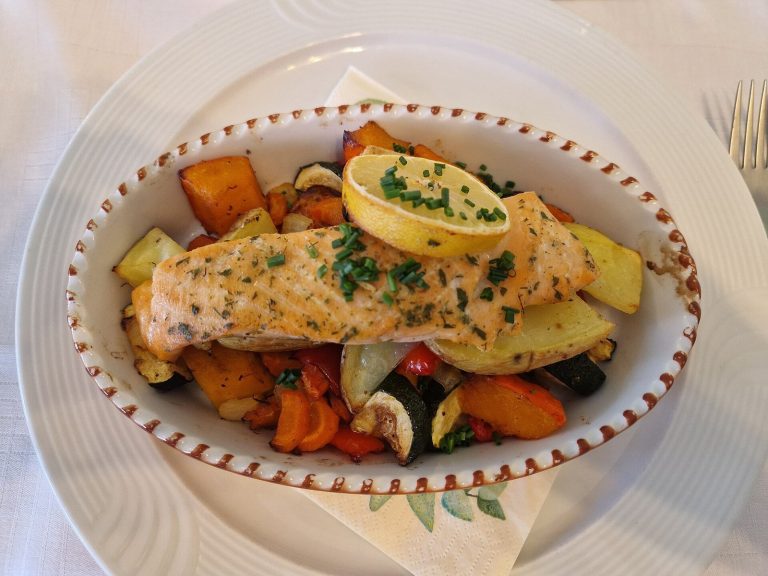
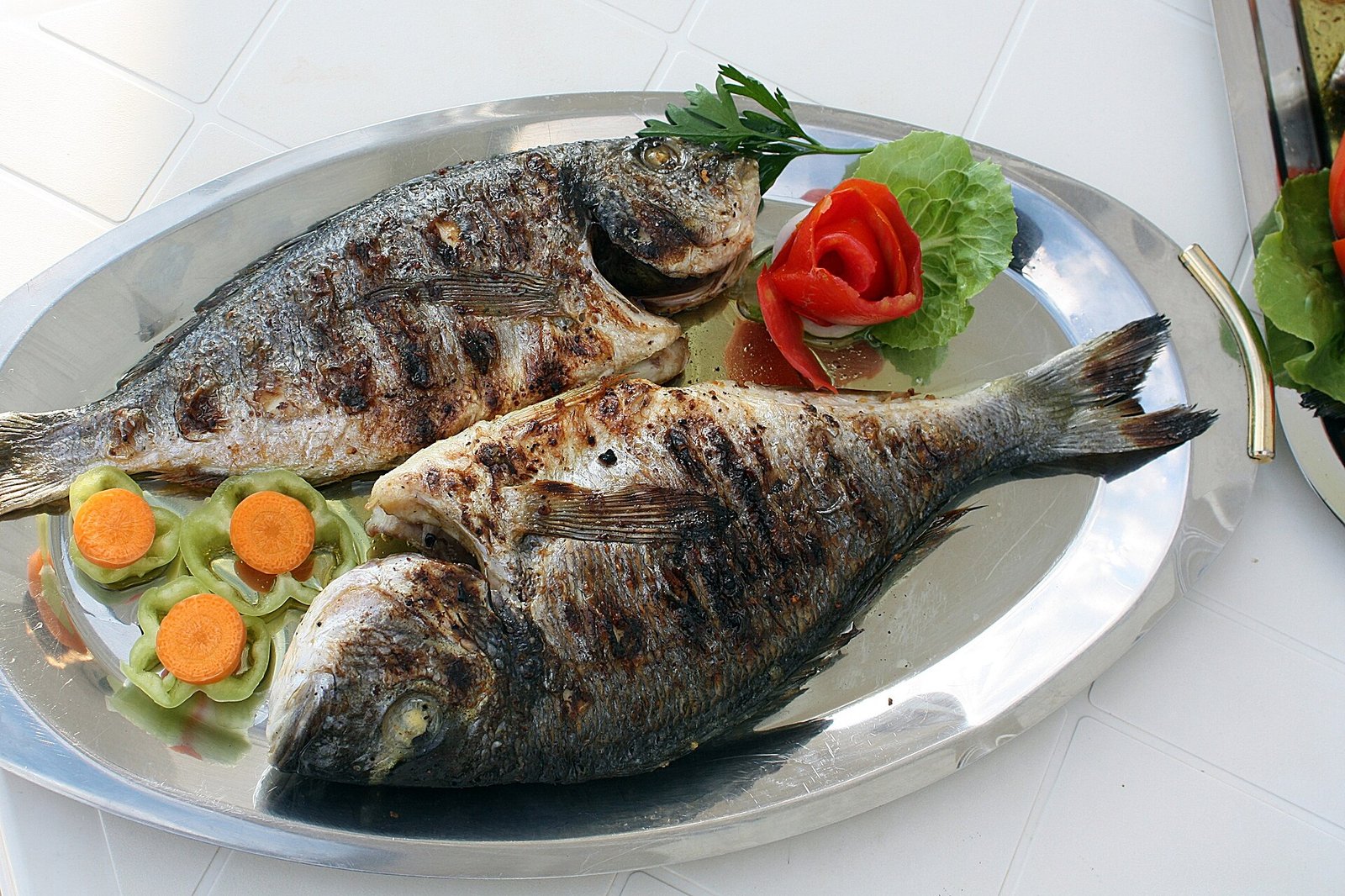
- – Dinner: baked fish, unsalted potatoes, large vegetable side.
- – Snacks: yogurt or fruit within fluid rules.
- – Seasoning station: herbs, lemon, salt-free blends approved by your clinician.
3. Shopping tactics
Choose “no salt added” cans when possible; rinse canned beans; bake at home more often; keep a written list of high-sodium traps you personally overbuy.
4. Appetite and fatigue days
Soft foods, smaller frequent meals, and help with prep when shortness of breath limits standing time.
5. Two-week review
Bring weight log, swelling notes, and a photo of salty “problem foods” you still rely on to your cardiology or HF nurse visit.
6. Co-conditions
NHLBI notes obesity, diabetes, and other diseases can worsen heart failure—coordinate diabetes and blood-pressure eating plans with the same sodium/fluid rules.
Safety, interactions, and when to get help
- – Sudden weight gain, worse ankle/tummy swelling, or increasing breathlessness: contact your HF team promptly (NHLBI).
- – Diuretics change potassium and kidney labs—do not self-start salt substitutes high in potassium without advice.
- – Tell providers about all medicines and supplements; some worsen heart failure (NHLBI living-with).
- – This page does not set ACE/ARB/ARNI/beta-blocker/SGLT2 decisions.
FAQ
Can diet cure heart failure? No. NHLBI and NHS state there is no cure; diet supports treatment.
How much salt is allowed? Only your clinician’s target counts—NHLBI says you may be asked to limit salt and liquids, without one universal blog number.
Why weigh every day? Weight gain can signal fluid buildup before you feel dramatically worse (NHLBI).
Can I drink alcohol socially? Ask your provider; NHLBI often recommends limiting or stopping.
How this differs from related OTCFood topics
An earlier heart-failure diet page also lives at heart failure diet guide. For blood-pressure neighbors see hypertension diet guide and high blood pressure foods guide. For diabetes coexistence see type 2 diabetes diet guide.
Longer kitchen landing section: make the pattern boring enough to keep
Staple list you can buy without thinking
Leafy greens, frozen mixed vegetables, carrots, onions (omit if they are a personal trigger), oats, brown rice or potatoes, eggs, tofu, beans, lentils, plain yogurt or fortified soy yogurt, canned fish, olive oil measured by the spoon, fruit that fits your plan, and measured nuts. Keep a backup shelf of shelf-stable proteins so busy nights do not default to fried takeout.
Cooking default methods
Steam, boil, stew, bake, air-fry with minimal oil, or quick stir-fry with measured oil. Save deep frying and heavy cream sauces for rare occasions. Season with herbs, vinegar, citrus (if tolerated), garlic/onion only when they fit your personal tolerance map, pepper, and modest salt unless your clinician set a tighter sodium target.
Portion and rhythm habits
Put vegetables on the plate first, then protein, then starch. Keep sugary drinks as exceptions. If evenings are when symptoms or readings worsen, shift the larger meal earlier and keep dinner lighter. Chronic conditions that coexist (glucose, lipids, blood pressure, kidney disease) override generic blog rules—follow specialty targets.
“Hard day” simplified menu
Rice porridge or soft oatmeal, egg dishes, poached fish, stewed vegetables, ripe banana or cooked apple, yogurt if tolerated. When warning symptoms appear, seek care instead of “waiting it out with stricter restriction.”
Label reading without obsession
Scan the first ingredients for sugar and hydrogenated oils; check sodium on broths, breads, and sauces; prefer plain dairy or fortified alternatives over dessert yogurts when you are aiming for steadier patterns. Supplements are not an automatic fix for an incomplete grocery cart—labs and clinicians decide deficiencies.
Two-week retrospective
Keep the three rules that improved comfort or readings; delete the five bans that only increased anxiety. Bring the short list to your next appointment with your medicine list.
Weekly prep that keeps the plan alive
Batch a soup or stew on the weekend and freeze single portions. Hard-boil eggs for grab-and-go protein. Pre-cut vegetables or buy pre-washed bags when energy is scarce. Put a reusable water bottle where you work. If occupational or caregiving stress spikes takeout frequency, keep a written “default order” (grilled protein, vegetables, water) so restaurant nights still roughly match your pattern. Revisit your grocery list monthly: drop items you never use, add two vegetables you actually enjoy, and keep one convenience healthy backup (frozen fish, canned beans) at all times.
Medical disclaimer
Medical disclaimer: This article is for general education only and is not medical advice, diagnosis, or a treatment plan. Heart failure care depends on ejection fraction, medicines, devices, and individual sodium/fluid prescriptions. Talk with your cardiology team or dietitian before major diet changes, and seek emergency care for severe breathlessness or other urgent warning signs.