Diet After LASIK: Foods That May Help and Foods to Limit
Medical note: This article discusses foods and researched botanicals. It does not claim to prevent, treat, or cure disease. Supplements are not a substitute for food, and studied amounts are not personal prescriptions.
People searching “diet after LASIK foods that help or worsen” usually want kitchen habits that support comfort, hydration, and everyday nutrients while they follow an eye surgeon’s drop schedule and activity limits—not a claim that food reshapes the cornea or replaces postoperative eye care. MedlinePlus explains that laser eye surgery, including LASIK (laser-assisted in situ keratomileusis), reshapes the cornea to change focusing power. The FDA’s patient overview stresses that after-surgery plans vary by doctor and patient, and that eye drops, flap protection, and follow-up visits come first.
What this after-LASIK diet guide covers (and what it does not)
This guide is for adults recovering from LASIK who want practical eating patterns while they use prescribed drops, avoid rubbing the eye, and honor activity and makeup restrictions. Anchors: FDA — What to expect before, during, and after LASIK, MedlinePlus — Laser eye surgery, NEI — Dry eye, and ODS — Omega-3 fatty acids.
FDA notes that immediately after LASIK the eye may burn, itch, tear, or feel foreign-body sensation; vision can be hazy; rubbing the eye risks dislodging the flap; and doctors often prescribe antibiotic/anti-inflammatory drops plus artificial tears. Kitchen tips do not replace those instructions, shield use, swimming/hot-tub delays, or urgent calls for worsening pain or vision. Related eye-nutrition context: dry eye syndrome diet guide and diet after cataract surgery guide.
Evidence snapshot: after-LASIK diet claims vs public sources
| Claim people hope for | What public sources actually say | Confidence |
|---|---|---|
| “A special diet heals the corneal flap faster than the surgeon’s timeline” | FDA centers drops, no eye rubbing, activity limits, and scheduled visits—not culinary cures | Strong: food is supportive only |
| “Omega-3 supplements replace artificial tears after LASIK” | NEI lists omega-3 food sources among dry-eye risk/context factors; ODS describes EPA/DHA in fish and ALA in plants—neither page positions oils as LASIK flap therapy | Low–moderate for comfort-oriented food patterns with clinician OK |
| “Vitamin A megadoses guarantee sharper postop vision” | NEI notes inadequate vitamin A among dry-eye risk factors; ODS frames vitamin A within safe intake ranges—megadoses are not an FDA LASIK protocol | Moderate for food-first vitamin A–containing produce, not megadoses |
| “Skipping meals ‘reduces inflammation’ after laser surgery” | No FDA/MedlinePlus LASIK page recommends fasting as flap care; regular meals support energy while resting | Strong: under-eating often backfires |
| “Herbal eye tonics replace antibiotic drops” | FDA postoperative guidance centers clinician-prescribed drops to help prevent infection/inflammation | Strong: disclose supplements to your surgeon |
Foods and patterns that may help after LASIK day to day
“May help” means supporting hydration, comfortable meals while vision is adjusting, and nutrient-dense plates that fit dry-eye–aware habits—not a promise that food rewrites refractive outcomes.
Hydration-aware fluids while drops and tears are busy
- – FDA notes tearing, dryness comfort measures, and artificial tears as common aftercare tools.
- – Keep a water bottle nearby during the first days of limited screen strain and rest; avoid heavy alcohol that worsens dehydration and sleep while you are protecting the flap.
Easy meals when vision is hazy or light-sensitive
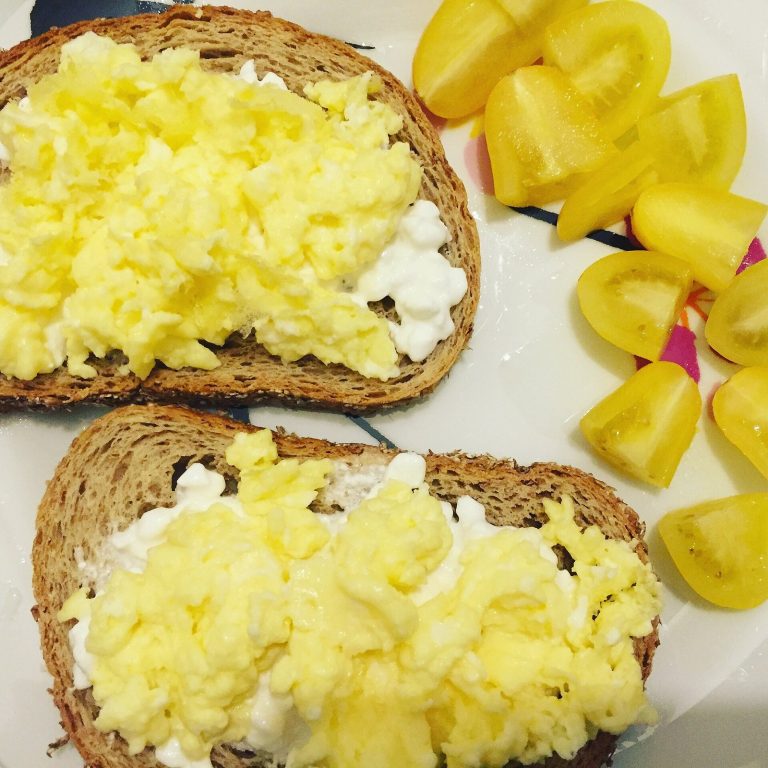
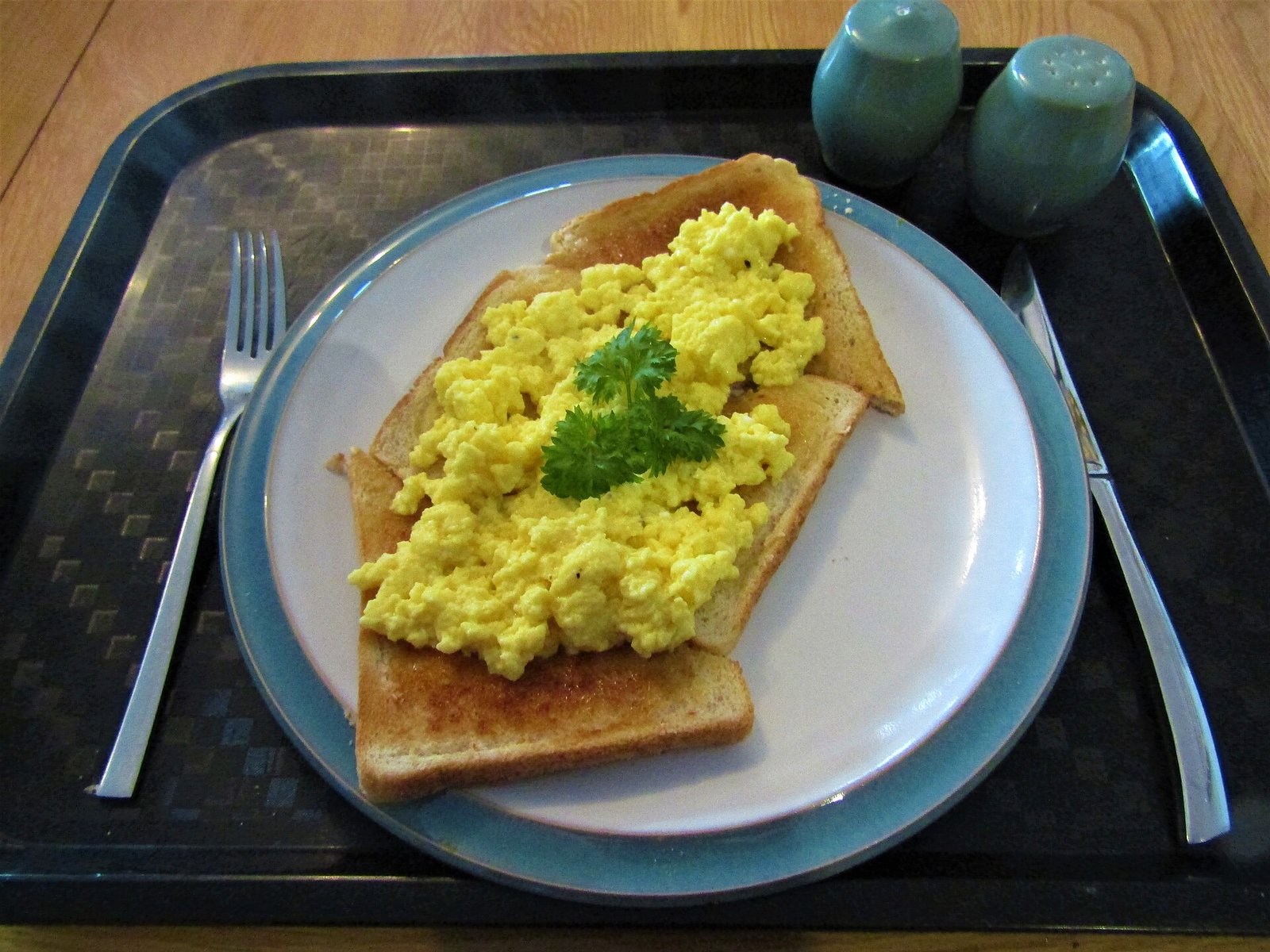
- – Soft, familiar breakfasts (eggs, yogurt, oatmeal, toast) reduce kitchen mishaps when glare or blur is still settling.
- – Pre-washed produce and ready proteins help if bending over hot stoves feels uncomfortable early on—similar low-effort recovery fueling themes in diet after cataract surgery guide.
Omega-3–containing foods as a comfort adjunct (with clinician OK)
- – ODS: EPA and DHA are found in fish and seafood; ALA in flaxseed, soybean, and canola oils; DHA is abundant in retinal cell membranes.
- – NEI lists not getting enough omega-3 fatty acids (fish, walnuts, vegetable oils) among factors that may raise dry-eye likelihood.
- – Prefer food sources such as salmon, sardines, trout, or walnuts unless your clinician has advised a specific supplement—see also dry eye syndrome diet guide. Diet does not replace lubricating drops.
Colorful produce for everyday vitamin A–related patterns
- – NEI mentions inadequate vitamin A (carrots, broccoli, liver, and similar foods) among dry-eye risk contexts.
- – ODS vitamin A consumer guidance favors food-first approaches within recommended amounts. Leafy greens, orange vegetables, and eggs fit ordinary plates without megadose pills unless prescribed.
Foods and habits that often worsen after-LASIK kitchen patterns
- – Rubbing eyes after spicy fumes or while chopping onions because irritation tempts you to touch the flap—FDA warns against rubbing.
- – Alcohol-heavy “celebration” nights that worsen dryness, sleep, and medicine adherence.
- – Unprescribed high-dose herbal eye tonics, colloidal silver, or “laser recovery” stacks without surgeon clearance.
- – Very low fluid intake while using drying environments (fans, AC) and screens.
- – Expecting kitchen changes to fix severe pain, sudden vision drop, or increasing redness—FDA says contact the doctor immediately if pain is severe or symptoms worsen.
- – Ignoring makeup, swimming, hot-tub, and contact-sport timelines while overdoing kitchen steam or poolside grilling too early.
“Limit” means reducing habits that undermine drop adherence and eye comfort—not that one restaurant meal defines refractive success.
Practical kitchen protocol: an after-LASIK diet week
1. Keep the medical spine first
Confirm drop schedule, shield/sleeping rules, no-rubbing rule, when to resume makeup/lotions near the eye, swimming/hot-tub delays (FDA often cites 1–2 months), contact-sport delays, and the 24–48 hour first visit. Set phone alarms for drops separate from meal times if needed.
2. Shopping list for low-effort, eye-comfort kitchens
Eggs; yogurt; oats; whole-grain bread; bananas and berries; pre-washed greens; carrots or sweet potato; canned or fresh fish; nuts/seeds if tolerated; olive or canola oil; water and nonalcoholic fluids; soups that are not aggressively spicy if fumes bother you.
3. Default plate template
- – Protein portion you can prepare with minimal standing/steam
- – Easy starch
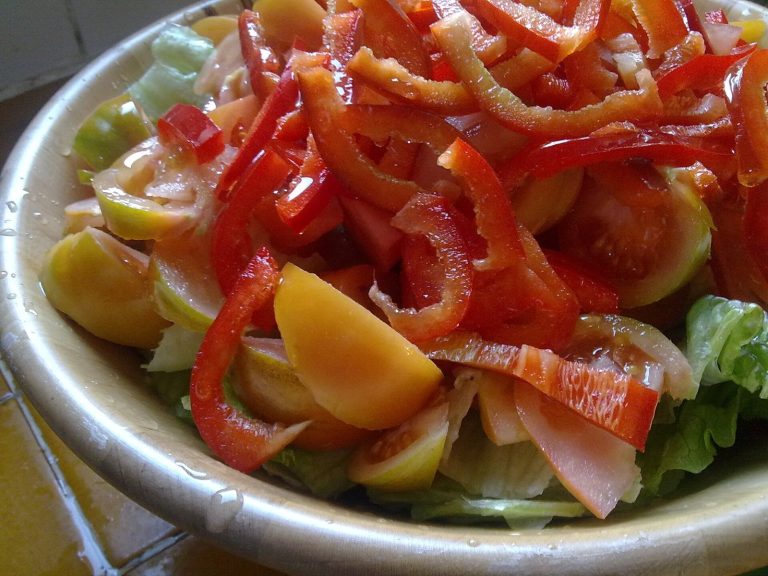
- – Vegetables/fruit including some orange or dark-green options
- – Season mildly if kitchen vapors trigger tearing
4. Sample day (illustrative)
- – Breakfast: scrambled eggs and toast; yogurt; water.
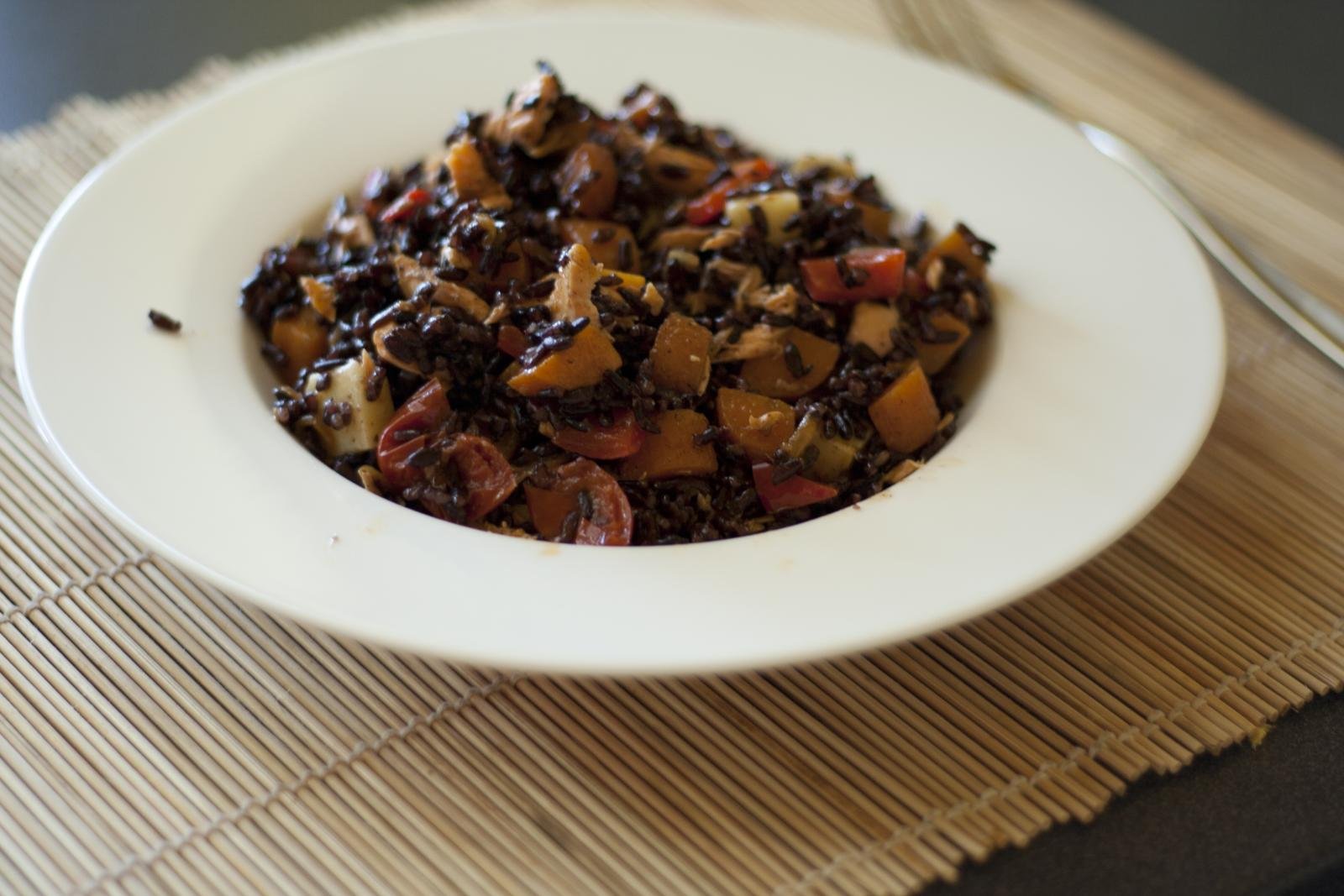
- – Lunch: salmon or tuna bowl with rice and soft vegetables; fruit.
- – Snack: handful of walnuts or hummus with carrots if chopping is comfortable.
- – Dinner: baked fish or tofu, potato, broccoli; water.
- – Evening: nonalcoholic fluid; use artificial tears on the surgeon’s schedule—not as a food substitute.
5. Home setup tips
Stage ready foods at counter height; avoid leaning face-first over boiling pots early if steam worsens tearing; keep prescribed drops away from the spice rack so bottles are not confused.
6. If dry-eye symptoms linger
Follow the surgeon’s lubrication plan first. Longer-term dry-eye nutrition context lives on dry eye syndrome diet guide and general macular carotenoid patterns on macular degeneration diet guide—neither replaces LASIK follow-up.
Safety, interactions, and who should ask a clinician first
- – Blood thinners or bleeding history: confirm supplement plans (including high-dose fish oil) with your surgeon around the procedure window.
- – Fish allergy: do not force seafood omega-3 patterns; ask about alternatives.
- – Diabetes or kidney disease: keep overall plate plans aligned with existing nutrition advice.
- – Contact the surgical team for severe pain, vision that worsens instead of improves, increasing redness, discharge, or flap concerns—not a new smoothie.
FAQ
Can diet make my LASIK result sharper than the surgical plan? No. MedlinePlus and FDA frame outcomes around surgical candidacy, technique, and healing follow-up. Food supports comfort and general nutrition only.
Do I need omega-3 pills after every LASIK? Not automatically. NEI/ODS discuss food sources in dry-eye and general nutrition contexts. Ask your clinician before supplements, especially around surgery.
Why do aftercare pages talk more about drops than dinner? Because infection/inflammation prevention and flap protection determine early safety. FDA’s after-surgery section centers drops, tears, and activity limits.
Is alcohol okay the night of surgery? Keep alcohol modest and follow your surgeon’s medicine and hydration advice; heavy drinking undermines sleep and dryness comfort.
How is this different from diet after cataract surgery? Both value easy meals and eye-drop adherence—see diet after cataract surgery guide—but LASIK has specific flap, makeup, swimming, and contact-sport rules your refractive surgeon owns.
How this differs from related OTCFood topics
This page is a LASIK-bound diet guide focused on recovery fueling, hydration, and optional dry-eye–aware food patterns. It is not a guarantee of 20/20 outcomes, not a dry-eye disease protocol alone, and not a substitute for refractive follow-up.
Medical disclaimer
Medical disclaimer: This article is for general information only. It is not medical advice, diagnosis, or a treatment plan. Care after LASIK depends on your ocular surface, surgical plan, other medical conditions, and your surgeon’s protocol. Talk with a clinician or registered dietitian before starting, stopping, or changing any eating plan, supplement, or medicine. Seek urgent eye care for severe pain, sudden vision loss, or rapidly worsening symptoms.