Diet After Thyroidectomy: Foods That May Help and Foods to Limit
Medical note: This article discusses foods and researched botanicals. It does not claim to prevent, treat, or cure disease. Supplements are not a substitute for food, and studied amounts are not personal prescriptions.
People searching “diet after thyroidectomy foods that help or worsen” usually want practical kitchen habits while the neck recovers and—when the whole gland is removed—while lifelong thyroid hormone replacement is adjusted. MedlinePlus describes thyroid gland removal (thyroidectomy) as surgery to remove all or part of the thyroid, the butterfly-shaped gland in the front of the lower neck that helps regulate metabolism. Reasons include nodules or cysts, overactive thyroid, thyroid cancer, symptomatic benign tumors, or goiter that affects breathing or swallowing. This page is about supportive eating after surgery—not a claim that food replaces prescribed thyroid hormone or surgical follow-up.
What this after-thyroidectomy diet guide covers (and what it does not)
This guide is for adults recovering from partial or total thyroidectomy who want soft-food strategies, constipation-aware fiber, and iodine context while they follow their surgeon and endocrinology plan. Anchors: MedlinePlus — Thyroid gland removal, MedlinePlus — Thyroid gland removal discharge, NIDDK — Hypothyroidism, and ODS — Iodine.
MedlinePlus notes that most people need thyroid hormone pills for the rest of their lives when the whole gland is removed, that calcium may be checked after surgery (especially after total removal) because parathyroid injury can lower calcium, and that early diet can start with liquids and soft foods if swallowing is uncomfortable. Kitchen changes do not replace hormone dosing, calcium monitoring, or urgent care for breathing trouble, neck swelling, or severe symptoms. For longer-term underactive-thyroid kitchen framing once replacement is stable, see also hypothyroidism diet guide.
Evidence snapshot: after-thyroidectomy diet claims vs public sources
| Claim people hope for | What public sources actually say | Confidence |
|---|---|---|
| “Special foods replace thyroid hormone after total thyroidectomy” | MedlinePlus: most people need thyroid hormone replacement for life after total removal | Strong: medicine is primary |
| “You can eat whatever you like right after surgery without planning” | Discharge guidance: you can eat what you like, but soft foods/liquids may be easier if swallowing hurts; fiber and fluids help if pain medicines cause constipation | Moderate for comfort patterns |
| “Megadose kelp or iodine supplements speed hormone recovery” | ODS: iodine is needed to make thyroid hormones in people who still have a gland; high intakes and kelp supplements can be harmful; iodine can interact with antithyroid drugs | Strong: iodine only as clinician directs |
| “Diet alone fixes low calcium after surgery” | MedlinePlus: surgeon may check calcium; parathyroid injury is a surgical risk needing medical management | Strong: labs and Rx first |
| “Ignoring constipation from opioids is fine” | Discharge notes: high-fiber foods and fluids (if allowed) may soften stools; fiber products may be discussed | Moderate for comfort adjunct |
Foods and patterns that may help after thyroidectomy day-to-day
“May help” means supporting comfortable swallowing, bowel regularity while on pain medicines, and nutrient-dense meals while hormone levels are managed—not curing thyroid disease with food.
Soft textures while the neck is sore (MedlinePlus discharge)
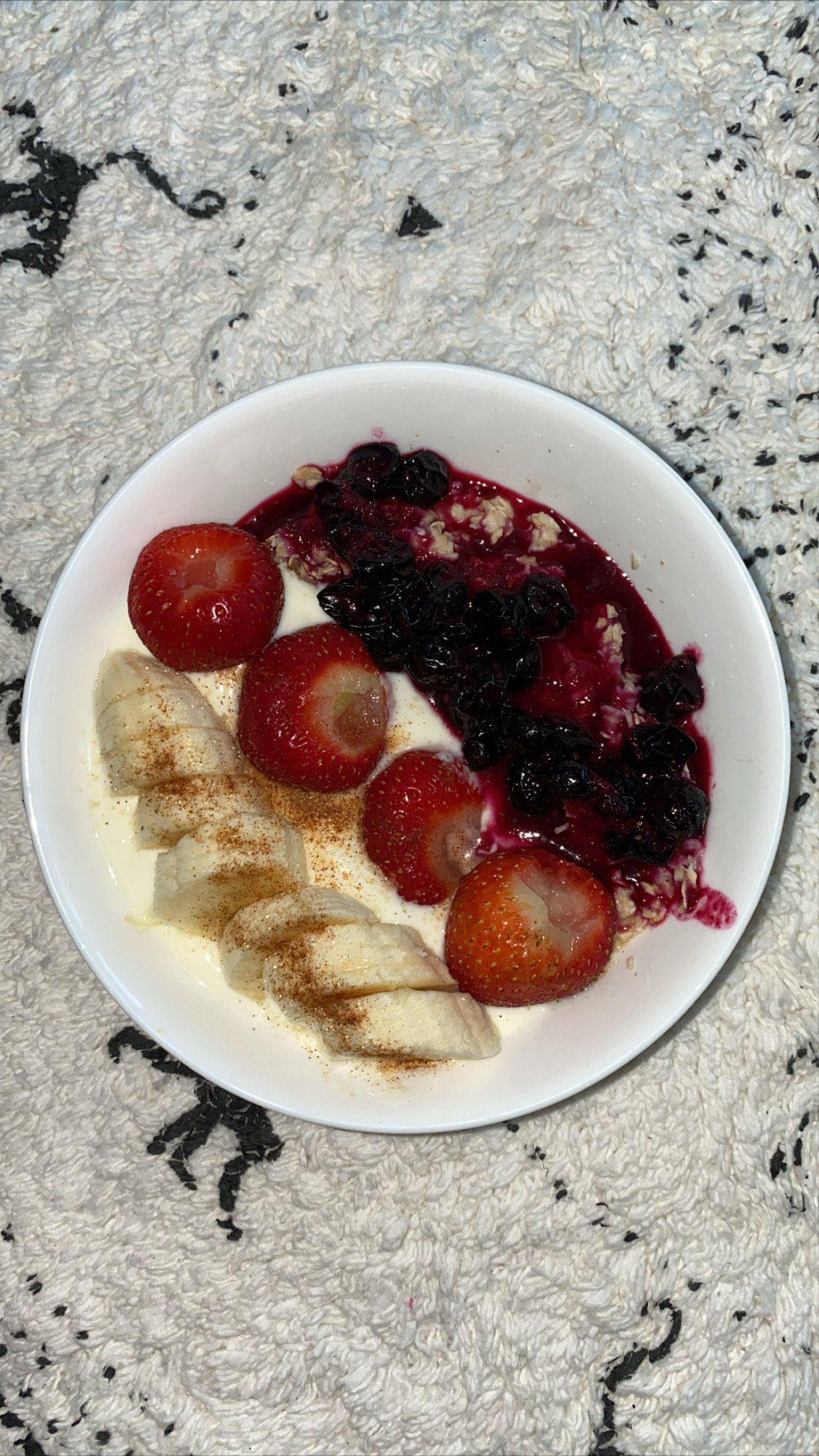
- – If swallowing is hard at first, liquids and soft foods such as pudding, gelatin, mashed potatoes, applesauce, or yogurt are often easier.
- – Advance texture only as your surgeon allows; keep the incision care plan separate from meal experiments.
Fiber and fluids for medicine-related constipation
- – MedlinePlus discharge guidance notes pain medicines can cause constipation and that high-fiber foods plus plenty of fluids may help soften stools—coordinate fluid volume with your overall medical plan.
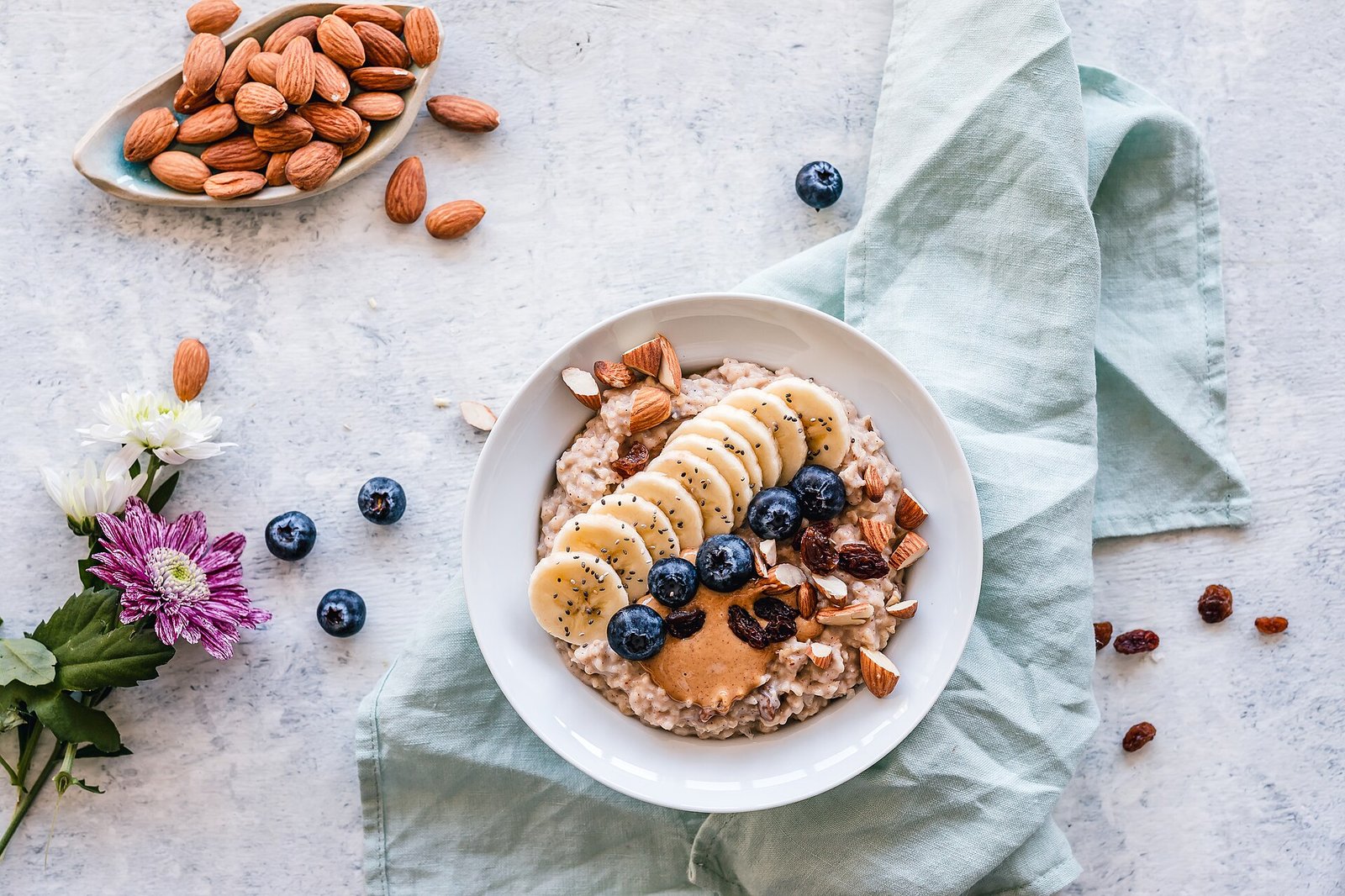
- – Add fiber gradually (oats, soft cooked vegetables, ripe fruit, beans if tolerated) to limit gas and bloating, consistent with general dietary-fiber cautions on MedlinePlus dietary fiber pages.
Balanced plates once appetite returns
- – Build meals around vegetables, fruit, whole grains, lean protein, and dairy or fortified alternatives in portions that fit cholesterol and weight goals—hypothyroidism can contribute to high cholesterol per NIDDK, so heart-aware patterns may matter long term (see high cholesterol diet guide as related context, not a surgical protocol).
- – If Hashimoto’s or Graves’ disease was part of your history, use disease-specific kitchen pages such as Hashimoto’s thyroiditis diet guide only as adjunct reading under clinician advice.
Calcium and vitamin D awareness—not DIY megadoses
- – After total thyroidectomy, calcium monitoring is common when parathyroid risk is present. Food sources of calcium (dairy, fortified foods, some greens) may support usual intake goals, but dosing of calcium or vitamin D supplements belongs with labs and your clinician—see calcium deficiency diet guide and for general nutrient context.
Thyroid hormone timing vs meals (clinician-directed)
- – Many people take levothyroxine on an empty stomach and separate it from certain supplements (iron, calcium) by hours—follow your pharmacist/endocrinologist instructions exactly. Food does not replace correct timing.
Foods and habits that often worsen after-thyroidectomy kitchen patterns
- – Skipping prescribed thyroid hormone or changing doses based on “thyroid diets” found online.
- – Unsupervised high-dose iodine or kelp supplements—ODS notes iodine can be harmful at high intakes and that kelp supplements are available; after total thyroidectomy you are not relying on dietary iodine to “make” hormones the same way an intact gland does; ask before any iodine product.
- – Relying only on hard, dry foods in the first days if swallowing is painful, then abandoning nutrition instead of using soft options.
- – Ignoring red flags—neck swelling, difficulty breathing, uncontrolled bleeding, severe tingling (possible low calcium), fever, or wound problems need medical care, not a new smoothie plan.
- – Heavy alcohol that undermines rest, hydration, and medicine adherence during recovery.
“Limit” means reducing habits that fight recovery—not that one restaurant meal defines prognosis.
Practical kitchen protocol: the first weeks after thyroidectomy
1. Keep the medical spine first
Confirm whether you had total vs partial removal, whether thyroid hormone replacement starts immediately, and whether calcium or vitamin D is prescribed. Put medicines where you will take them on schedule.
2. Shopping list for a sore-neck kitchen
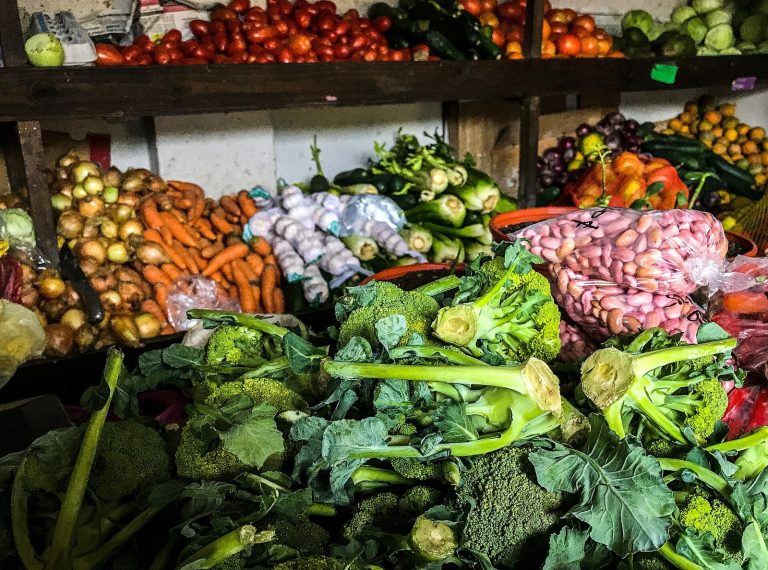
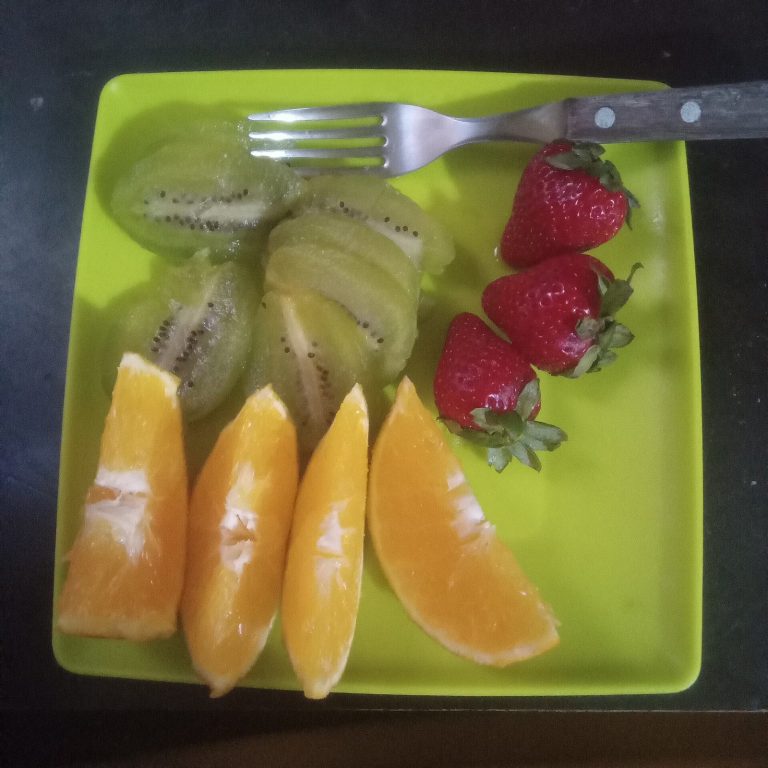
Soft proteins (eggs, yogurt, tender fish, ground meat, tofu); mashed or soft starches; ripe bananas and cooked fruit; cooked vegetables; broths; high-fiber options your gut tolerates; water as default fluid unless otherwise limited.
3. Default plate template (when swallowing allows)
- – Half soft vegetables and fruit
- – Quarter easy starches
- – Quarter protein
- – Season mildly; avoid extremely hot liquids if they irritate the incision area when swallowing
4. Sample day (illustrative only)
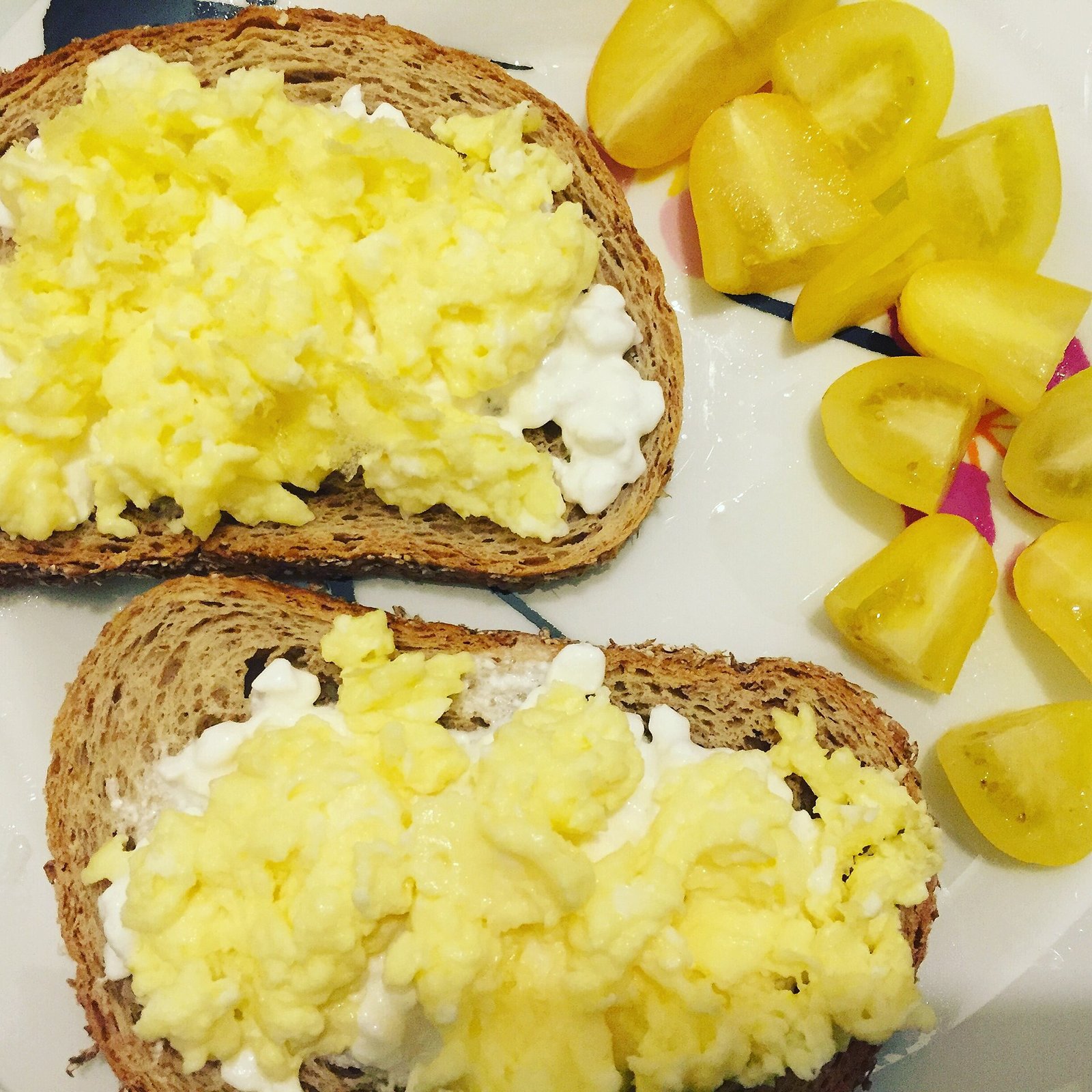
- – Breakfast: scrambled eggs or yogurt; soft fruit; water.
- – Lunch: blended or soft soup; mashed potato; applesauce.
- – Snack: pudding or yogurt if allowed.
- – Dinner: flaky fish or soft beans, rice, cooked carrots.
- – Night: head elevated as discharge instructions suggest for the first week; fiber plan if opioids cause constipation.
5. When autoimmune thyroid disease overlaps
If surgery followed Graves’ disease, Hashimoto’s, or nodules, keep long-term diet reading disease-specific and hormone-led—see Hashimoto’s thyroiditis diet guide only as a kitchen adjunct.
Safety, interactions, and who should ask a clinician first
- – Total thyroidectomy almost always means lifelong hormone replacement—diet does not replace it.
- – Parathyroid injury risk means calcium symptoms (tingling, muscle cramps, numbness) warrant prompt contact with your surgical team.
- – Iodine supplements can interact with antithyroid medicines and other drugs per ODS—disclose all supplements.
- – Pregnancy planning after thyroid disease needs endocrine follow-up; NIDDK notes many women need higher thyroid hormone doses in pregnancy.
- – Children, older adults, and people with voice-nerve concerns need individualized speech/swallow guidance beyond this general page.
FAQ
Can food restart my thyroid after total thyroidectomy? No. MedlinePlus states most people need thyroid hormone pills for life when the whole gland is removed.
Do I need a low-iodine diet forever? Not as a default “internet rule.” Low-iodine diets are sometimes used temporarily before radioactive iodine scans/treatment when a clinician orders them. ODS general iodine advice is about adequate—not mega—intake; follow your oncology/endocrine plan.
Why soft foods? Discharge guidance: swallowing may hurt at first; liquids and soft foods can be easier.
Will cutting gluten or soy fix my labs? Public NIH pages center on hormone replacement and lab monitoring for hypothyroidism after surgery—not mandatory gluten/soy elimination as universal therapy. Personal intolerance is separate from thyroid hormone dosing.
When should I worry about calcium? If your team checked calcium or prescribed supplements, follow that plan. Sudden tingling, spasms, or severe symptoms need urgent medical contact.
How this differs from related OTCFood topics
This page is an after-thyroidectomy-bound diet guide focused on soft textures, constipation-aware fiber, hormone adherence, and clinician-directed iodine/calcium. It is not a standalone hypothyroidism diet guide protocol for people who never had surgery, and not a cancer-cure or anti-cancer diet claim.
Medical disclaimer
Medical disclaimer: This article is for general information only. It is not medical advice, diagnosis, or a treatment plan. Care after thyroidectomy depends on how much thyroid was removed, pathology results, calcium status, and other conditions. Talk with your surgeon, endocrinologist, or registered dietitian before starting, stopping, or changing any eating plan, supplement, or medicine. Seek urgent care for breathing difficulty, rapidly increasing neck swelling, uncontrolled bleeding, severe numbness or spasms, or high fever.