Graves’ Disease Diet: Foods That May Help and Foods to Limit
Medical note: This article discusses foods and researched botanicals. It does not claim to prevent, treat, or cure disease. Supplements are not a substitute for food, and studied amounts are not personal prescriptions.
People searching “Graves’ disease diet foods that help or worsen” usually want kitchen habits that support comfort and nutrient needs while medical treatment for an overactive thyroid is underway—not a claim that food replaces antithyroid medicines, radioiodine, or surgery. NIDDK describes Graves’ disease as an autoimmune disorder that can cause hyperthyroidism: the immune system attacks the thyroid gland so it makes more thyroid hormone than the body needs. Many body functions speed up. Graves’ disease affects nearly 1 in 100 Americans, and about 4 out of 5 U.S. hyperthyroidism cases are caused by Graves’ disease.
What this Graves’ disease diet guide covers (and what it does not)
This guide is for adults with clinician-diagnosed Graves’ disease (or Graves’-related hyperthyroidism) who want practical eating patterns while following endocrinology care. Anchors: NIDDK — Graves’ Disease, ODS — Iodine Consumer Fact Sheet, and MedlinePlus hyperthyroidism patient pages.
NIDDK lists treatments for hyperthyroidism as medicines (including antithyroid drugs and beta-blockers), radioiodine therapy, or thyroid surgery—chosen with your clinician based on age, health, symptoms, and other factors. Kitchen changes do not replace those plans, eye care for Graves’ ophthalmopathy, or urgent evaluation for thyroid storm symptoms. This page is Graves’-bound and is not a substitute for our broader hyperthyroidism diet guide or Hashimoto’s thyroiditis diet guide guides.
Evidence snapshot: Graves’ disease diet claims vs public sources
| Claim people hope for | What public sources actually say | Confidence |
|---|---|---|
| “A special diet cures Graves’ disease” | NIDDK focuses on medicines, radioiodine, or surgery for hyperthyroidism—not culinary cures | Strong: food is supportive only |
| “High-dose iodine or kelp balances the thyroid” | NIDDK: people with Graves’/autoimmune thyroid disorders may be sensitive to too much iodine; large amounts from kelp, dulse, or other seaweed may cause or worsen hyperthyroidism; iodine supplements can have the same effect | Strong: avoid iodine megadoses unless clinician-directed |
| “Cutting all iodine from every meal is required forever” | NIDDK advises talking with a clinician about foods to limit/avoid and about supplements, cough syrups, and multivitamins that may contain iodine—not a DIY absolute zero-iodine protocol for every patient | Moderate: individualized limits |
| “More calories automatically fix weight loss” | NIDDK lists weight loss despite increased appetite among hyperthyroidism symptoms; calorie needs vary and change after treatment | Moderate for comfort feeding; not disease-modifying |
| “Diet prevents Graves’ eye disease” | NIDDK notes Graves’ ophthalmopathy can affect eyes even when thyroid function is normal; eye care is medical | Strong: food does not replace eye evaluation |
Foods and patterns that may help with Graves’ disease day-to-day comfort
“May help” means supporting energy, bone-aware eating, and avoiding iodine overload patterns—not a promise to normalize TSH or calm autoimmune attack.
Follow the medical spine first (NIDDK)
- – Take antithyroid medicines, beta-blockers, and other prescribed therapies exactly as directed. NIDDK notes beta-blockers may ease tremors, rapid heartbeat, and nervousness until other treatments work; antithyroid medicines reduce thyroid hormone production but are not framed as a permanent cure for Graves’ disease.
- – Ask before changing multivitamins, cough syrups, or seaweed snacks—NIDDK specifically flags that some may contain iodine.
Iodine caution without inventing gram targets (NIDDK + ODS)
- – NIDDK: your thyroid uses iodine to make hormones; with Graves’ or another autoimmune thyroid disorder you may be sensitive to harmful side effects from too much dietary iodine. Limit large iodine loads such as kelp, dulse, and other seaweeds unless your clinician says otherwise.
- – ODS lists adult recommended iodine intake around 150 mcg/day for most adults, with an adult upper limit of 1,100 mcg/day from all sources for people not under medical iodine therapy—and notes high iodine can cause thyroid problems. Do not start kelp pills or high-dose iodine “for thyroid balance.”
- – If you are preparing for radioactive iodine treatment for another thyroid indication, ODS describes clinician-directed low-iodine diets; that is a short, supervised protocol—not casual self-restriction for every Graves’ kitchen.
Energy-dense, steady plates when appetite and metabolism run high
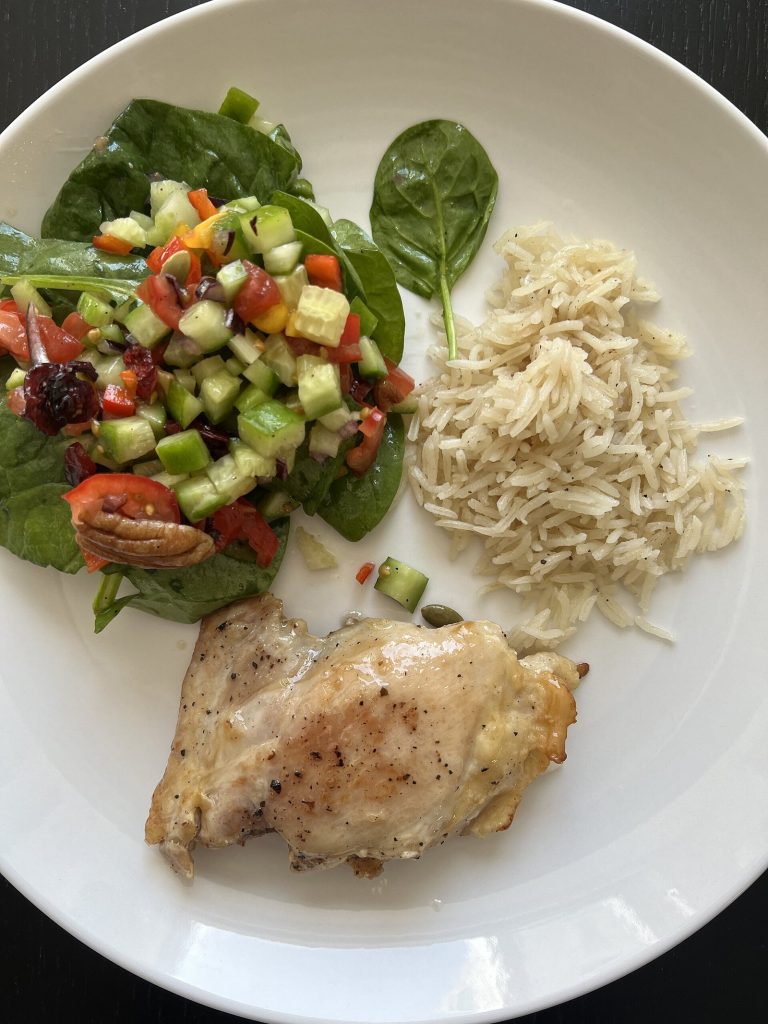
- – NIDDK lists weight loss despite increased appetite, muscle weakness, and fatigue among hyperthyroidism symptoms. Many people do better with regular meals and snacks built from eggs, dairy (if tolerated), lean meats, beans, nuts/seeds (if no stone or calorie conflicts), whole grains, fruit, and cooked vegetables—adjusting portions with a dietitian when weight is falling too fast.
- – After radioiodine or surgery, calorie and protein needs often change as hormone levels fall; retune the plate with your care team rather than keeping a “hyperthyroid hunger” pattern forever.
Bone-aware patterns (complication context)
- – Untreated Graves’ disease can contribute to thinning bones and osteoporosis (NIDDK). Kitchen patterns that include calcium- and vitamin D–containing foods within your overall plan may support bone health habits—see also osteoporosis diet guide—while medicine and monitoring remain primary.
Sleep and stimulant awareness
- – Trouble sleeping and nervousness are common hyperthyroidism symptoms. Many people find late caffeine less helpful; discuss coffee, tea, and energy drinks with your clinician rather than assuming one cup “treats” or “worsens” Graves’ for everyone.
Foods and habits that often worsen Graves’ disease kitchen patterns
- – Seaweed-heavy snacks, kelp tablets, and unsupervised iodine megadoses—NIDDK links large iodine loads to possible worsening of hyperthyroidism.
- – Ignoring labeled iodine in multivitamins or some cough syrups without checking with a clinician.
- – Using nicotine products—NIDDK lists nicotine use among factors linked to higher likelihood of Graves’ disease; smoking also worsens eye disease risk in clinical practice discussions—ask your clinician about quitting supports.
- – Skipping prescribed antithyroid or beta-blocker therapy because a “natural thyroid plate” feels more appealing.
- – Extreme fasting or detoxes while already losing weight and feeling weak.
- – Delaying care for eye pain, vision change, fever with marked symptom surge, or heart symptoms—those need medical evaluation, not a new spice protocol.
“Limit” means reducing habits that clash with NIDDK iodine cautions and treatment adherence—not that one sushi night defines your prognosis.
Practical kitchen protocol: a Graves’ disease diet week
1. Keep medicines and labs first
Know your antithyroid schedule, beta-blocker plan, and lab follow-up. Put a question list for iodine-containing supplements on your next endocrinology visit.
2. Shopping list ideas (illustrative, not a prescription)
Eggs; yogurt or fortified plant alternatives if dairy is limited; poultry, fish that is not seaweed-wrapped by default, beans, tofu; oatmeal and other grains; fruit; vegetables including reasonable portions of crucifers if you enjoy them (ODS notes goitrogens are generally not a concern for people with adequate iodine—Graves’ issues here are more about excess iodine than cabbage salads); non-iodized salt only if your clinician specifically directs a low-iodine plan; skip kelp chips and “thyroid support” iodine megadoses.
3. Default plate template
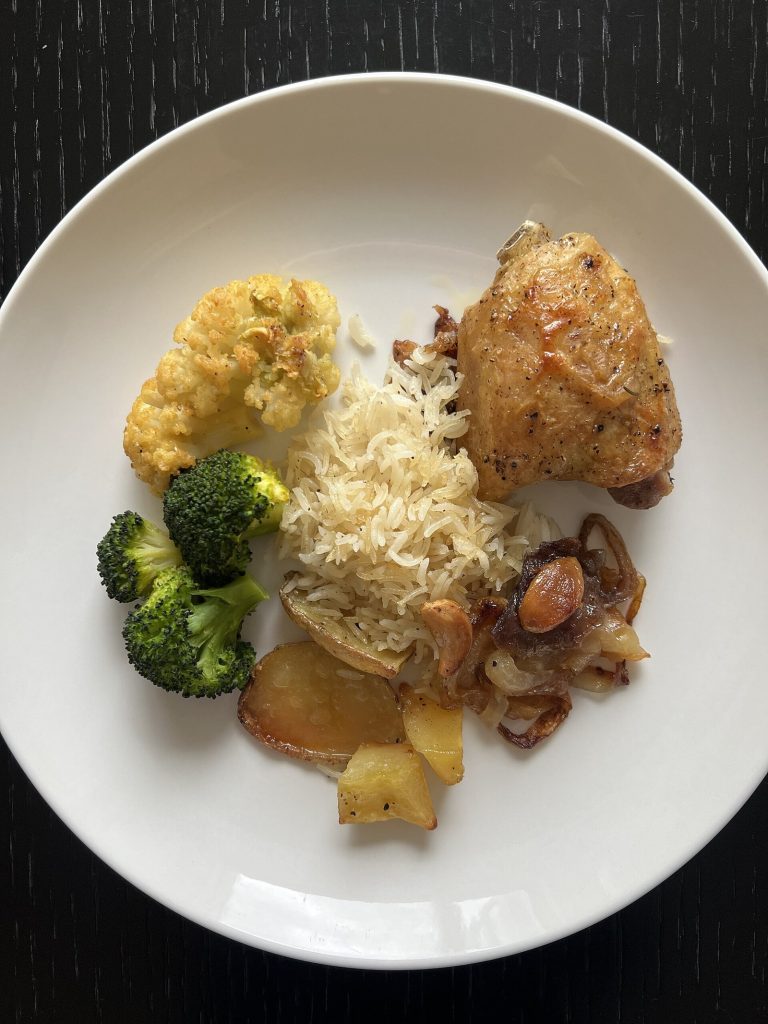
- – Half vegetables and fruit
- – Quarter grains or starchy vegetables
- – Quarter protein
- – Add calories with olive oil, nut butters, or avocado if unintentional weight loss is a problem—confirm with your clinician if you also have heart-rate or lipid concerns
4. Sample day (illustrative)
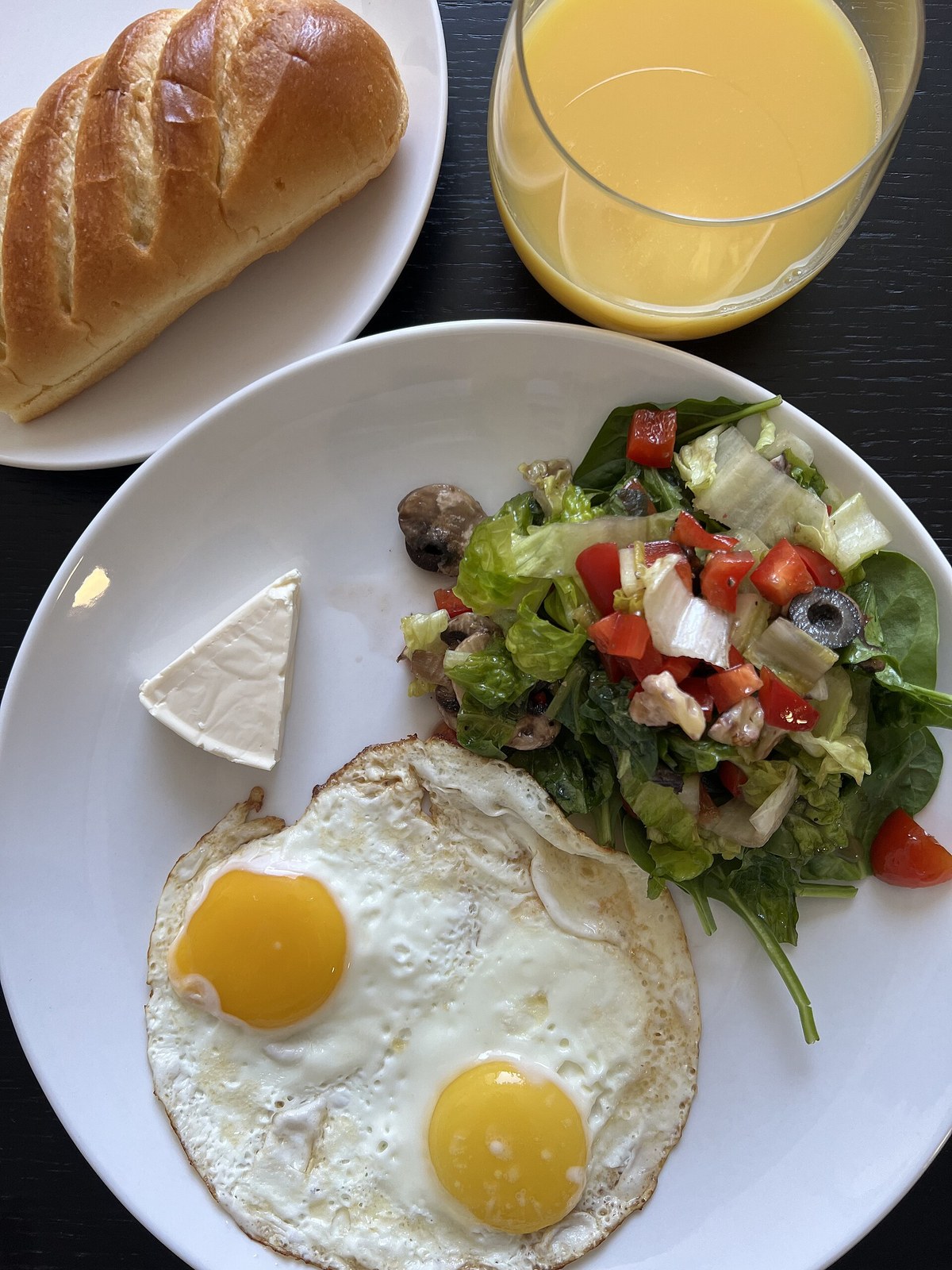
- – Breakfast: eggs with toast and fruit; water or herbal tea if caffeine worsens sleep.
- – Lunch: chicken or bean salad, whole-grain side, yogurt.
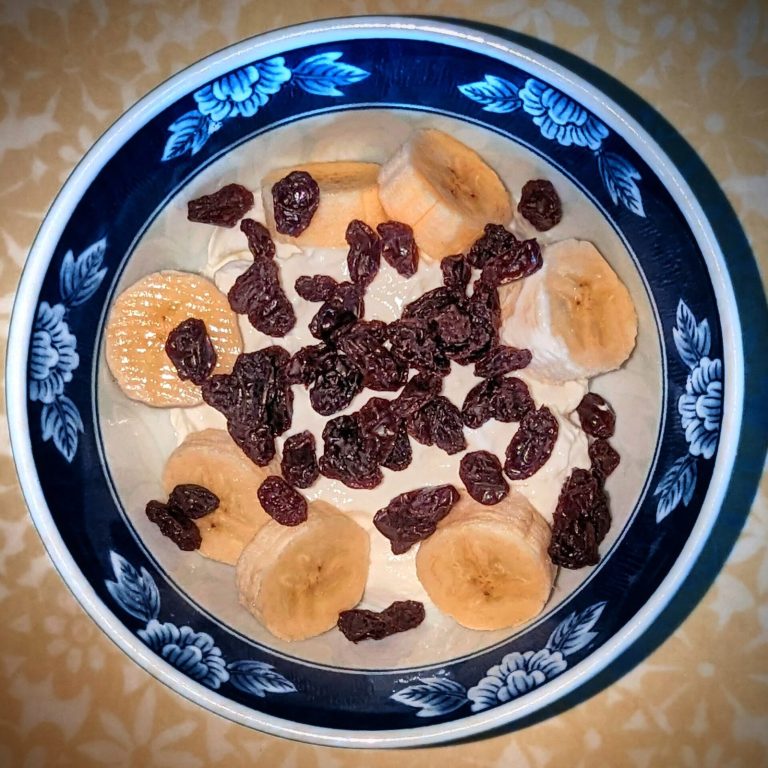
- – Snack: banana and a small handful of nuts if tolerated.
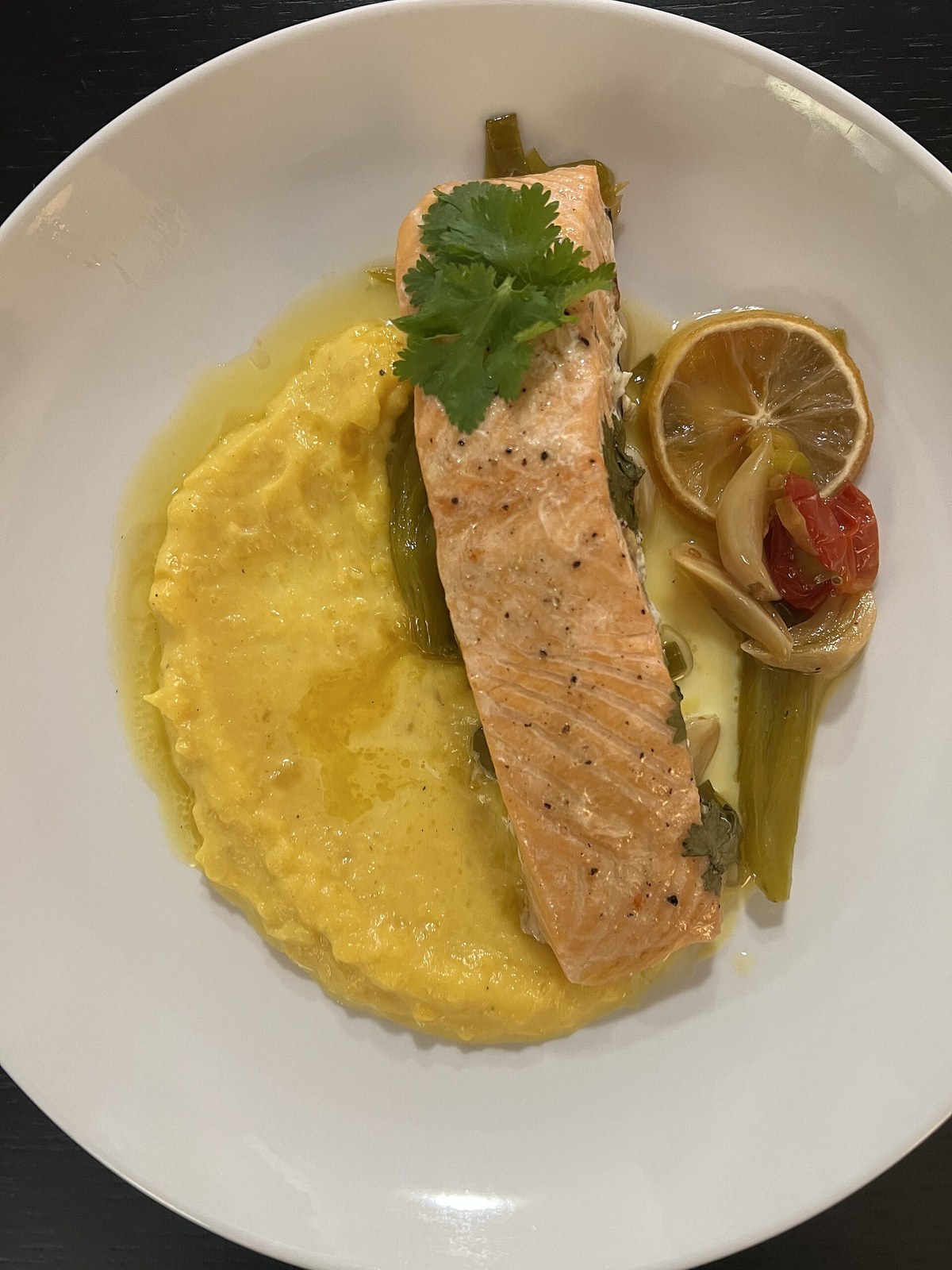
- – Dinner: grilled salmon or tofu, roasted squash or potatoes, mixed vegetables—without seaweed garnish unless cleared.
- – Night: light snack if nocturnal hunger or tremor-related early waking is an issue; avoid stacking stimulants.
5. If radioiodine or surgery is planned
Ask for written diet instructions. Temporary low-iodine diets (ODS mentions clinician-directed ~50 mcg/day patterns before some radioactive iodine treatments) are not the same as lifelong kelp avoidance alone.
6. Related OTCFood context
For general overactive-thyroid kitchen framing see hyperthyroidism diet guide; for underactive/post-ablation patterns after treatment shifts, hypothyroidism diet guide may become more relevant later—only under clinician guidance.
Safety, interactions, and who should ask a clinician first
- – ODS: iodine supplements can interact with antithyroid medicines (e.g., methimazole); high iodine plus antithyroid drugs could drive thyroid hormone too low. Potassium iodide with ACE inhibitors or potassium-sparing diuretics can raise potassium—review all supplements with a pharmacist/clinician.
- – Pregnancy and Graves’ disease need specialist care; medicine choices differ (NIDDK discusses propylthiouracil vs methimazole timing in pregnancy).
- – Eye symptoms, irregular heartbeat, severe agitation, fever with abrupt worsening, or confusion need urgent care—not kitchen experiments.
- – Infants, older adults, and people with heart disease need individualized plans.
FAQ
Can a Graves’ disease diet replace methimazole or radioiodine? No. NIDDK frames treatment as medicines, radioiodine, or surgery. Food supports comfort and iodine caution.
Should I cut iodized salt completely? Ask your clinician. NIDDK emphasizes limiting high-iodine foods like seaweed and checking supplements—not a universal order to abandon all iodized salt without guidance.
Is seaweed sushi always forbidden? NIDDK flags kelp, dulse, and other seaweeds as large iodine sources that may worsen hyperthyroidism. Frequency and portion decisions belong with your care team.
Will more protein reverse muscle weakness overnight? Muscle weakness is a listed hyperthyroidism symptom. Adequate protein may support nutrition during recovery, but hormone control is the main lever.
Does this guide manage Graves’ eye disease? No. Eye discomfort and vision changes need ophthalmic/endocrine evaluation.
How this differs from related OTCFood topics
This page is a Graves’-bound diet guide focused on iodine caution, energy needs during hyperthyroidism, and adherence to medical therapy. It is not a thyroid nodules diet guide nodule protocol and not a Hashimoto’s underactive-thyroid plan.
Medical disclaimer
Medical disclaimer: This article is for general information only. It is not medical advice, diagnosis, or a treatment plan. Graves’ disease care depends on hormone levels, eye involvement, pregnancy status, heart rhythm, and other conditions. Talk with a clinician or registered dietitian before starting, stopping, or changing any eating plan, supplement, or medicine. Seek urgent care for chest pain, severe shortness of breath, fainting, sudden vision loss, or signs of thyroid storm.