POTS Diet: Foods That May Help and Foods to Limit
Medical note: This article discusses foods and researched botanicals. It does not claim to prevent, treat, or cure disease. Supplements are not a substitute for food, and studied amounts are not personal prescriptions.
People searching “POTS diet foods that help or worsen” usually want fluid-and-sodium patterns that clinicians sometimes use to support blood volume—not a license for unsupervised mega-salt loading. NINDS describes postural orthostatic tachycardia syndrome (POTS) as a form of orthostatic intolerance: symptoms appear on standing and often ease when lying down because not enough blood returns to the heart. The classic finding is a heart-rate rise of more than 30 beats per minute (or over 120 bpm) within 10 minutes of standing in adults; in adolescents the threshold is often a rise of at least 40 bpm. Symptoms may include dizziness, fainting, palpitations, fatigue, headaches, brain fog, and exercise intolerance. POTS mainly affects people 15–50 and is more common in women. It may begin after pregnancy, surgery, puberty, trauma, or viral illness, and can overlap conditions such as IBS, ME/CFS, Long COVID, and migraine.
What this POTS diet guide covers (and what it does not)
This guide is for adults with a clinician-confirmed POTS diagnosis who want kitchen support within a prescribed salt/fluid plan. Anchors: NINDS — Postural Tachycardia Syndrome (POTS) and MedlinePlus-related orthostatic context via NHLBI arrhythmia patient education when linked from your clinician.
NINDS lists lifestyle measures that may help: increasing salt intake and staying hydrated as part of medical management, drinking about 16 ounces (two glasses) of water before getting up for a temporary boost, compression garments, and graded activity when appropriate. Medications such as fludrocortisone or midodrine are clinician decisions. This page is not DIY mega-salt advice for people with hypertension, heart failure, or kidney disease—see also hypertension diet guide and heart failure diet guide for why unrestricted sodium can be harmful in other diagnoses. Related orthostatic kitchen themes appear in orthostatic hypotension diet guide.
Evidence snapshot: POTS diet claims vs public sources
| Claim people hope for | What public sources actually say | Confidence |
|---|---|---|
| “Unlimited salt cures POTS” | NINDS: increasing salt and hydration can help regulate blood pressure/volume for some; treatment is individualized; medicines and compression also used | Moderate for clinician-guided sodium; strong against unsupervised mega-salt |
| “One superfood fixes brain fog” | NINDS lists cognitive symptoms but does not present culinary cures | Strong: supportive lifestyle ≠ cure |
| “Stop all carbs forever” | Not a NINDS core recommendation; some clinics discuss smaller meals because large meals divert blood to digestion—individualize | Low for extreme carb bans |
| “IV fluids at home are standard first-line” | NINDS focuses on oral hydration strategies and medical therapy; IV use is specialized | Strong: do not self-start IV therapy |
| “If you have Long COVID overlap, diet replaces rehab” | NINDS notes Long COVID–POTS links and ongoing research; care remains multi-modal | Strong: see also Long COVID diet guide as context only |
Foods and patterns that may help when your clinician advises volume support
“May help” means supporting prescribed fluid/sodium goals and steadier meal hemodynamics—not normalizing heart-rate criteria without medical care.
Fluids first (NINDS framing)
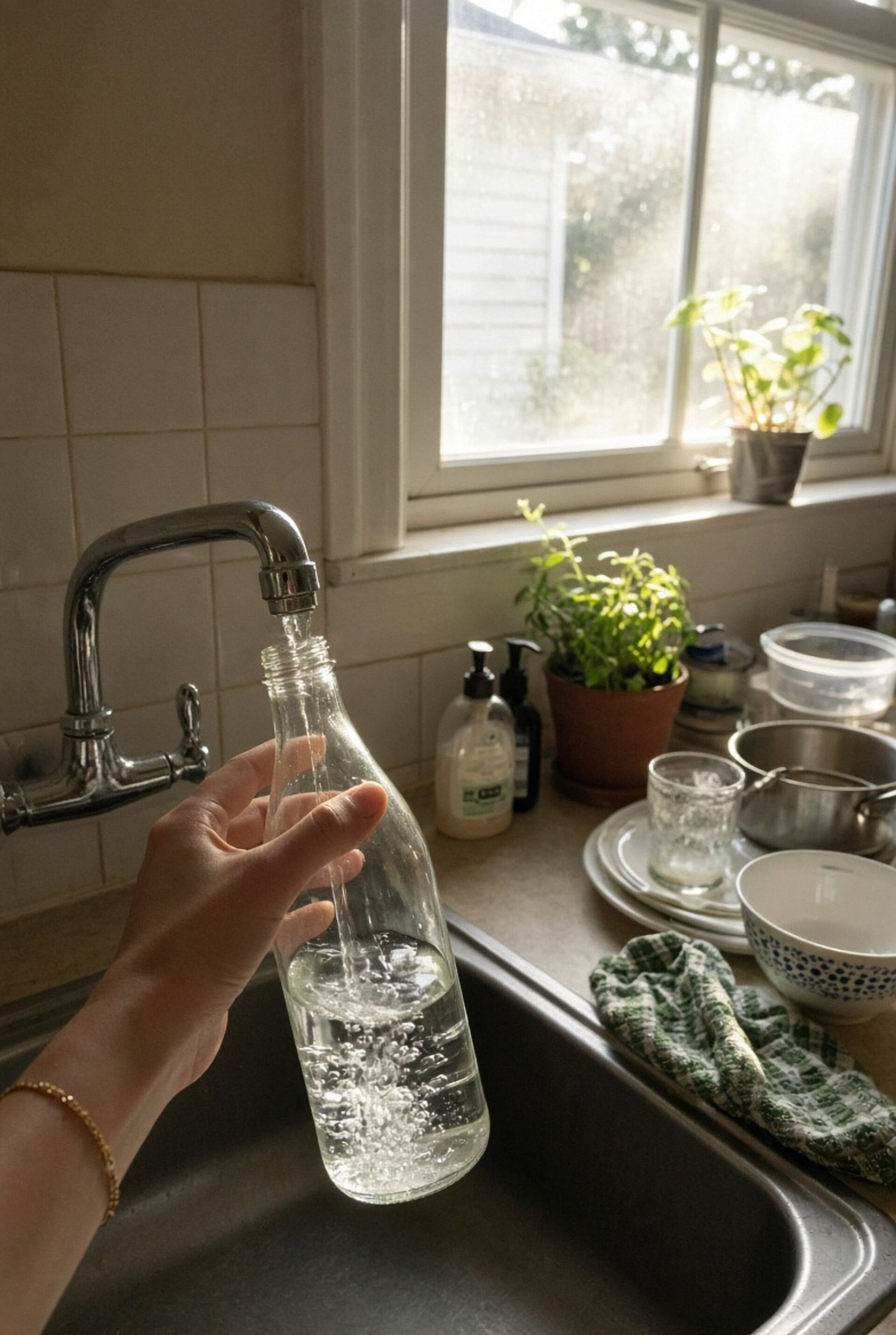
- – Sip fluids through the day; NINDS notes ~16 oz water before standing may give a temporary boost.
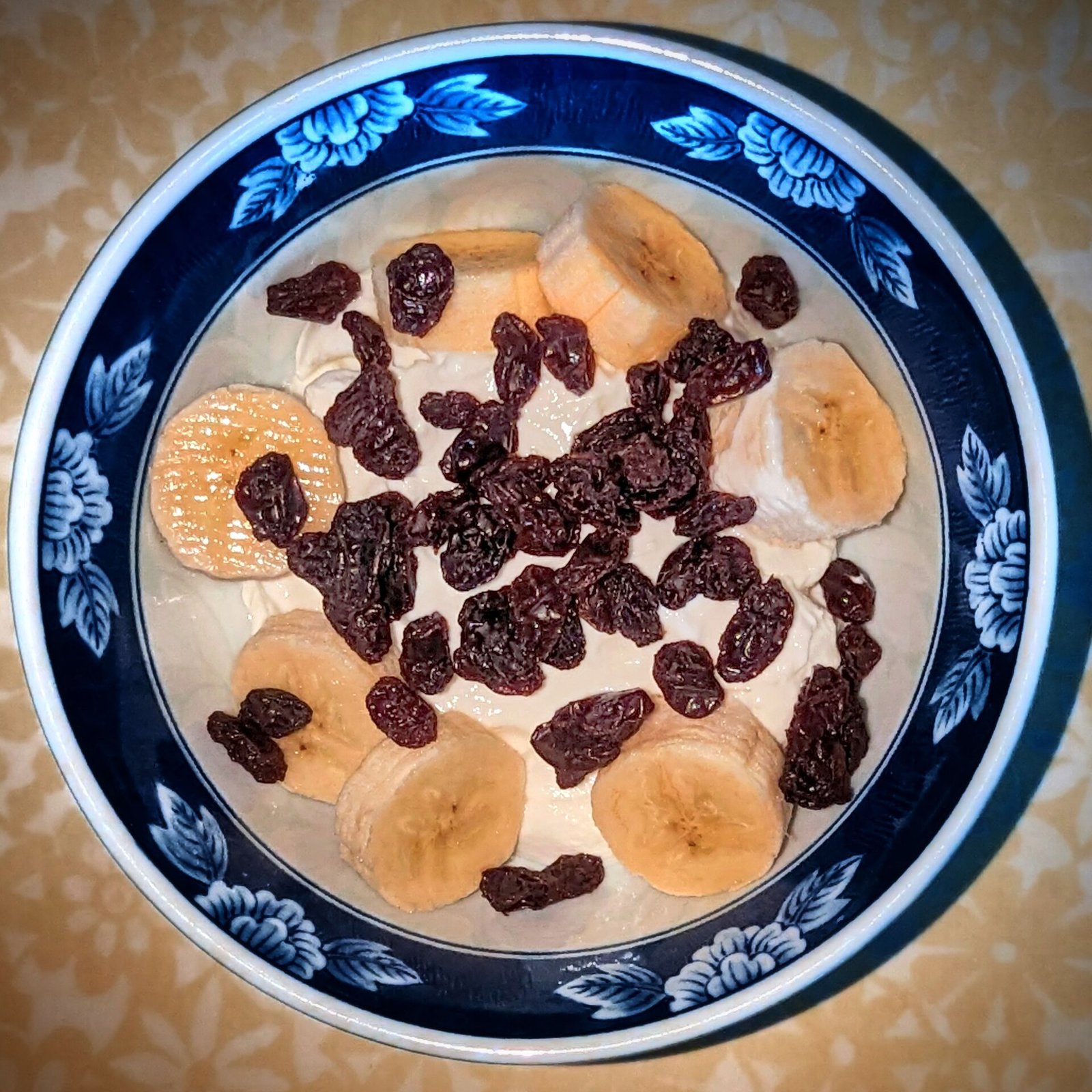
- – Include water-rich foods (soups, yogurt, fruit) if drinking large volumes is hard.
- – Alcohol often worsens orthostatic symptoms for many people—limit or avoid per clinician advice.
Sodium only as prescribed—not a kitchen freestyle
- – If your POTS clinician recommends higher dietary salt, follow their gram/milligram target, food lists, and monitoring plan (blood pressure, swelling, labs).
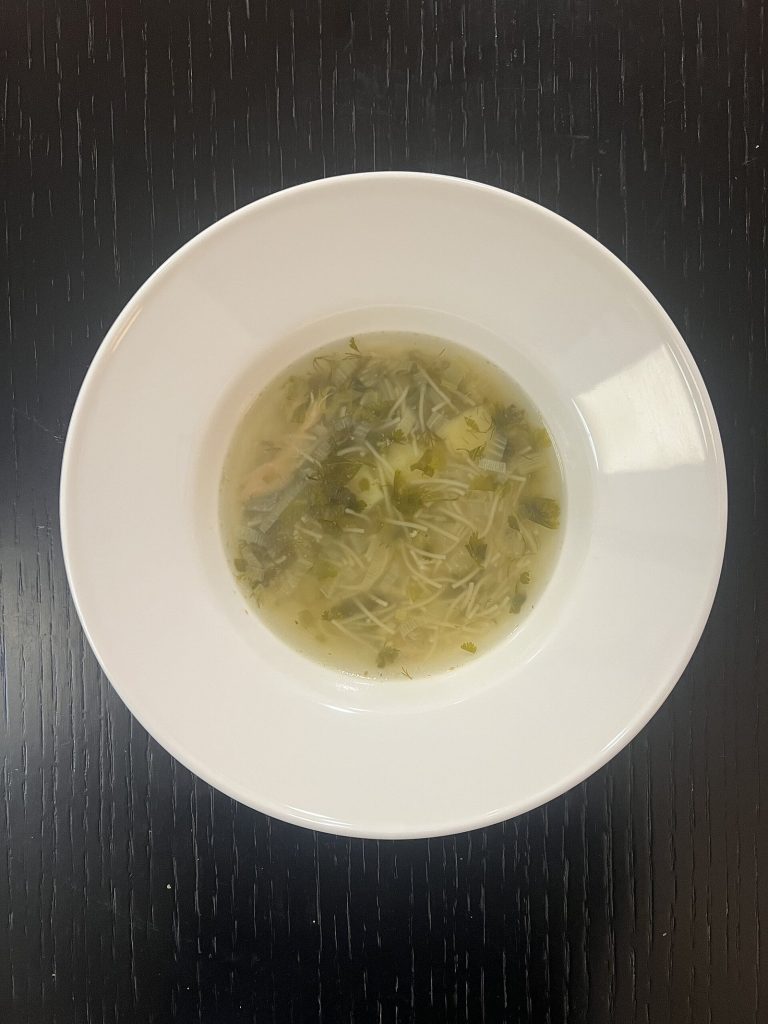
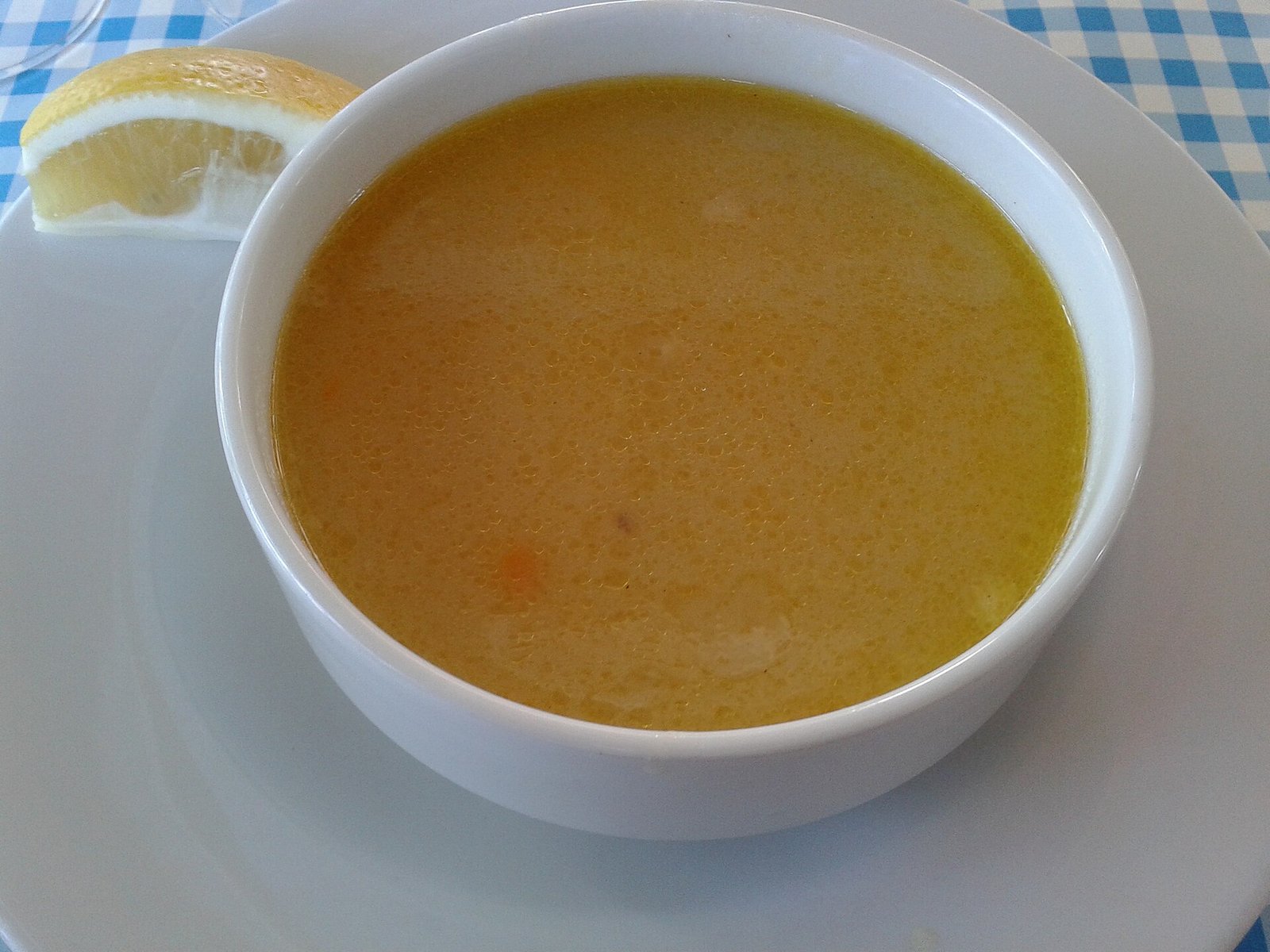
- – Practical ways clinics sometimes use: lightly salting meals, broths, salted crackers—only inside the prescribed range.
- – Do not copy social-media “tablespoon per hour” challenges. People with hypertension, kidney disease, or heart failure need different rules (hypertension diet guide, heart failure diet guide).
- – Electrolyte packets vary widely; use brands/doses your clinician approves.
Meal size and composition
Caffeine responses differ: some people feel more tachycardic, others feel a short alertness benefit. Treat caffeine as an n=1 experiment under clinician awareness rather than a mandatory ban or a required treatment. Likewise, high-sugar large drinks may feel good briefly then worsen volume shifts for some—test cautiously.
If menstrual cycle weeks intensify POTS episodes (NINDS notes some people report premenstrual worsening), plan easier meals and higher adherence to your prescribed fluid schedule those days instead of adding random supplements.
- – Large meals can divert blood to the gut and worsen standing symptoms for some; smaller, more frequent meals may feel better.
- – Balanced plates with protein, produce, and starches help energy for graded exercise programs when cleared.
- – If IBS overlaps (NINDS association list), coordinate textures/triggers with IBS diet guide without assuming IBS diets treat POTS.
Potassium and medicine interactions
- – If you take fludrocortisone or other agents affecting electrolytes, ask before using salt substitutes (often potassium chloride) or high-potassium mega-juices—see potassium deficiency diet guide only as general mineral context under clinician labs.
Foods and habits that often worsen POTS kitchen patterns
- – DIY mega-salt without confirming you do not have contraindications.
- – Dehydration from forgetting fluids, heavy sweating without replacement, or relying only on caffeinated energy drinks.
- – Alcohol binges and sudden caffeine extremes that disrupt sleep and heart-rate symptoms (individual caffeine responses vary).
- – Skipping meals then overeating one huge plate before standing in heat.
- – Stopping prescribed midodrine/beta-blockers/fludrocortisone because a snack “felt better once.”
- – Ignoring syncope red flags—recurrent fainting with injury, chest pain, or neurologic change needs medical review, not more pretzels alone.
Practical kitchen protocol: living the prescribed POTS fluid/salt plan
1. Medical spine
Confirm diagnosis (often includes tilt testing). Review medicines that can worsen tachycardia. Get a written sodium/fluid target and know when to hold extra salt (rising BP, edema).
2. Shopping list (only if higher salt was prescribed)
Water bottles; oral electrolytes if approved; broths; salted crackers or pretzels in portioned bags matching your daily sodium budget; fruits/yogurt for fluids; balanced proteins for smaller meals.
3. Sample day (illustrative—override with your prescription)
- – Wake: ~16 oz water before standing (NINDS tip), then sit/edge-of-bed pause.
- – Breakfast: eggs and toast; salted per plan; fluid.
- – Lunch: smaller grain-and-protein bowl; broth if fluids lag.
- – Snack: yogurt; water.
- – Dinner: fish or tofu, vegetables, starch; avoid alcohol if it triggers you.
- – Evening: compressions if prescribed; fluids timed so sleep is not wrecked by endless bathroom trips—ask your clinician how to balance.
4. Heat, travel, and illness days
Keep a written “sick day” plan: when vomiting or diarrhea prevents oral fluids, contact your clinician early rather than doubling salt tablets blindly. Pair kitchen measures with compression and recumbent exercise plans only as prescribed—NINDS notes graded activity helps some but not everyone with exercise intolerance.
Hot showers, fever, and travel days may increase fluid needs—pre-plan with your clinician rather than inventing new salt ceilings alone.
5. Addison overlap caution
Some adrenal conditions also involve sodium guidance—never mix protocols casually; see Addison’s disease diet guide only under specialist direction.
Safety, interactions, and who should ask a clinician first
- – Hypertension, CKD, heart failure, or pregnancy: do not raise salt without explicit approval.
- – Adolescents need pediatric dosing—adult gram targets do not automatically transfer.
- – Compression garments and exercise rehab are medical adjuncts; diet does not replace them (NINDS).
- – Syncope with injury, chest pain, or new neurologic deficits: urgent evaluation.
FAQ
Can I start high-salt eating because an influencer has POTS? No. NINDS supports increased salt/hydration as a possible lifestyle measure under care—not unsupervised mega-salt. Contraindications matter.
How much water is enough? Follow your clinician. NINDS specifically mentions ~16 oz before rising as one tactic; total daily targets vary.
Do I need to cut carbohydrates completely? Not per NINDS core text. Smaller meals may help some; extreme bans are not universal.
Is POTS the same as anxiety? Symptoms can overlap anxiety feelings, but POTS is a physiologic orthostatic syndrome diagnosed clinically. Kitchen changes do not replace evaluation.
Does Long COVID change the diet rules? NINDS notes links between Long COVID and POTS; still individualize sodium/fluids and rehab. See Long COVID diet guide for separate Long COVID kitchen context.
How this differs from related OTCFood topics
This page is a POTS-bound diet guide emphasizing clinician-guided fluids/sodium, smaller meals, and avoiding DIY mega-salt. It is not a heart-failure low-sodium plan (heart failure diet guide) and not a primary hypertension article.
Medical disclaimer
Medical disclaimer: This article is for general information only. It is not medical advice, diagnosis, or a treatment plan. POTS management depends on subtype, blood pressure, kidney/heart status, medicines, and comorbidities. Talk with your clinician or registered dietitian before raising salt intake, starting electrolyte products, or changing medicines. Seek urgent care for fainting with injury, chest pain, severe shortness of breath, confusion, or neurologic deficits.