Lymphedema Diet: Foods That May Help and Foods to Limit
Medical note: This article discusses foods and researched botanicals. It does not claim to prevent, treat, or cure disease. Supplements are not a substitute for food, and studied amounts are not personal prescriptions.
People searching “lymphedema diet foods that help or worsen” usually want honest nutrition advice beside compression and therapy—not a claim that salt-free juices drain a swollen limb. MedlinePlus and the CDC describe lymphedema as swelling from lymph fluid buildup when the lymph system is damaged or blocked, often in an arm or leg after cancer surgery, radiation, infection, or inherited vessel problems. There is no cure; treatment aims to reduce swelling, prevent worsening, and relieve symptoms. Compression, exercise, skin care, and specialized therapy come first.
What this lymphedema diet guide covers (and what it does not)
This guide is for adults living with lymphedema (including cancer-treatment related) who want food patterns that support healthy weight, hydration, and sensible sodium habits while they follow certified lymphedema therapy. Anchors: MedlinePlus — Lymphedema, CDC — Lymphedema, NCI — Lymphedema PDQ, and Queensland NEMO patient nutrition notes summarizing that no special diet cures lymphedema.
CDC notes weight loss may improve breast-cancer–related lymphedema in people who have overweight. NCI advises staying hydrated and reducing dietary salt because salt can worsen fluid retention, while still centering compression garments, manual lymphatic drainage, elevation, and skin protection. Food does not replace a certified lymphedema therapist (CLT) plan.
Evidence snapshot: lymphedema diet claims vs public sources
| Claim people hope for | What public sources actually say | Confidence |
|---|---|---|
| “A detox diet cures lymphedema” | CDC/NCI: no cure; therapy reduces swelling and symptoms | Strong |
| “Low-protein diets reduce lymph fluid” | NEMO-style education: low protein does not treat lymphedema and risks muscle loss/malnutrition | Strong: do not restrict protein for this myth |
| “Zero salt empties the limb” | NCI: reducing salt may help fluid retention; Queensland notes low-salt diets are not proven to reduce lymphedema itself but help general health | Moderate for comfort/general health; not a stand-alone cure |
| “Stop drinking water so you swell less” | NCI: stay hydrated to help lymph fluid move; dehydration is not a therapy | Strong: do not fluid-restrict unless clinician ordered |
| “Ignore redness—it’s just swelling” | Cellulitis is a serious risk; fever/red/hot skin needs prompt care (NCI) | Strong |
Foods and patterns that may help with lymphedema day-to-day health
“May help” means supporting weight, hydration, and heart-healthy plates that make therapy easier—not draining lymph with a superfood.
Weight-aware, balanced plates
- – CDC: in patients who are overweight, breast-cancer–related lymphedema may improve with weight loss.
- – Build meals around vegetables, fruit, whole grains, lean proteins, beans, and modest healthy fats—patterns similar to high blood pressure foods guide and type 2 diabetes plate guide when those conditions coexist.
Protein adequacy (counter the myth)
- – Keep regular protein foods (fish, poultry, eggs, dairy or alternatives, beans, tofu, nuts). Do not cut protein hoping to “lower lymph protein.”
Hydration
- – NCI: drinking plenty of water helps keep lymph fluid moving. Unless your clinician set a fluid restriction for another disease (for example some heart-failure plans in heart failure diet guide), do not self-dehydrate.
Sodium awareness without fear
- – Reduce frequent ultra-processed, high-salt packaged foods and restaurant sauces when possible.
- – Use herbs, citrus, vinegar, and garlic instead of shaking on extra salt—aligned with NCI’s reduce-salt tip and general cardiovascular advice.
Skin-supporting nutrition basics
- – Adequate protein and overall balanced intake support skin integrity while you practice CDC/NCI skin care (moisturize, clean cuts promptly). Nutrition is adjunctive to hygiene and infection prevention.
Foods and habits that often worsen lymphedema kitchen patterns
- – Crash low-protein or “alkaline cure” diets—NEMO-style myth-busting finds no evidence these treat lymphedema; low protein risks malnutrition.
- – Self-imposed severe dehydration hoping swelling will fall.
- – Daily high-sodium packaged meals if they worsen generalized fluid retention for you—especially with heart or kidney disease overlap.
- – Skipping compression or CLT exercises because a new diet started—CDC/NCI treatment lists prioritize mechanical therapies.
- – Needle sticks, tight jewelry, or ignored skin breaks on the affected limb—infection prevention beats any grocery tweak (CDC).
- – Extreme heat exposures that NCI notes can worsen swelling—pair kitchen planning with practical daily precautions.
“Limit” means cutting excess sodium and unsafe fad restriction—not fearing every banana or glass of water.
Practical kitchen protocol: a lymphedema diet week
1. Keep the therapy spine first
Wear compression as prescribed; schedule CLT exercises; elevate when advised. Meals should fuel activity, not replace garments.
2. Shopping list for balanced, lower-sodium weeks
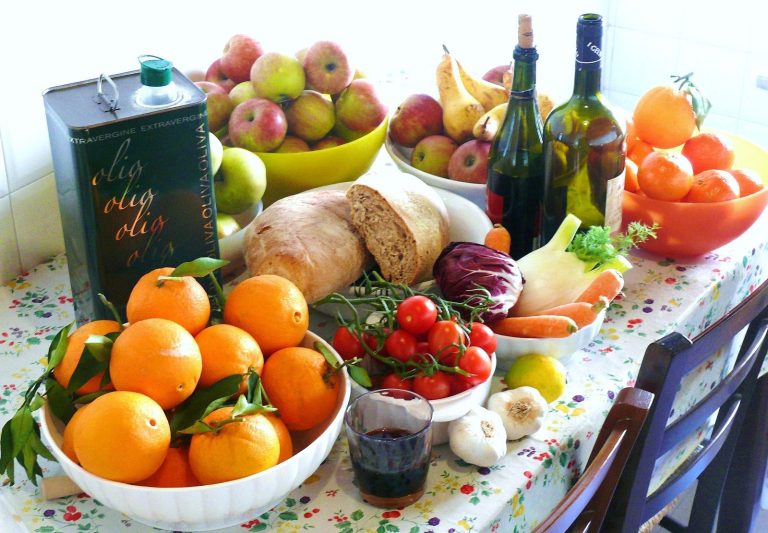
Fresh or frozen vegetables without salty sauces; fruit; oats and other whole grains; beans and lentils; eggs, fish, poultry; yogurt; olive oil; herbs; unsalted nuts in portions; sparkling or still water; compare soup and bread labels for sodium.
3. Default plate template
- – Half vegetables and fruit
- – Quarter whole grains or starchy vegetables
- – Quarter lean protein
- – Flavor with herbs instead of heavy salty sauces
4. Sample day (illustrative)
- – Breakfast: oatmeal with berries; egg or yogurt; water.
- – Lunch: grilled chicken quinoa or rice bowl with salad; fruit; water.
- – Snack: carrot sticks and hummus; unsalted nuts.
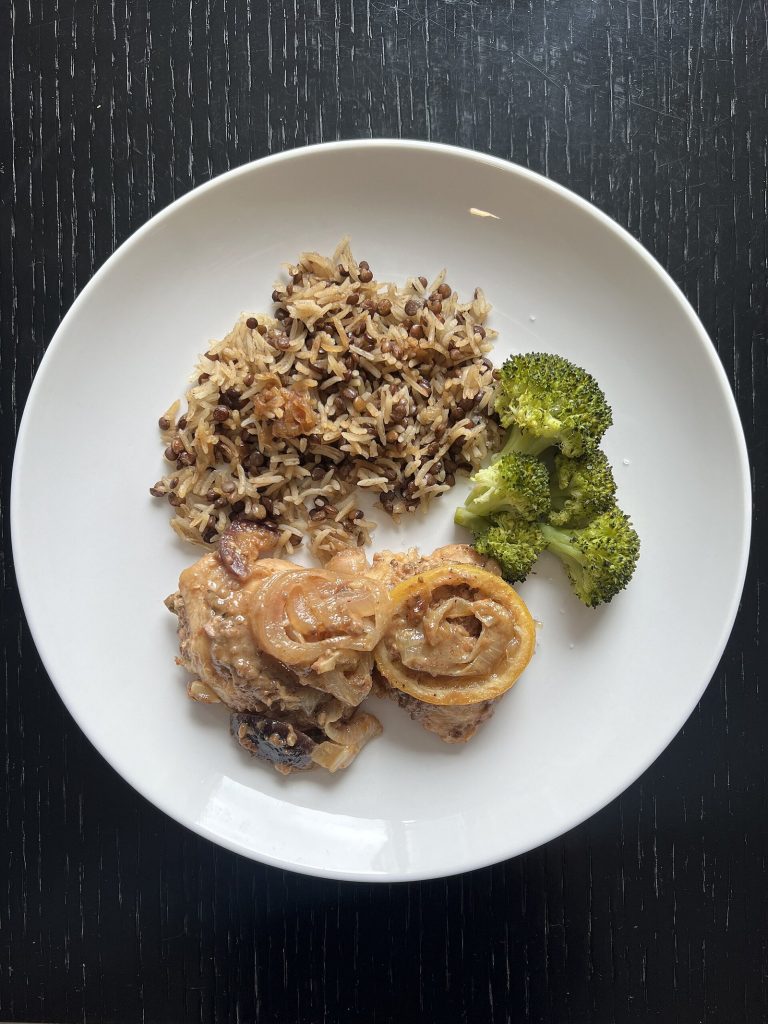
- – Dinner: baked fish, sweet potato, steamed broccoli; side salad.
- – Evening: elevate the affected limb if recommended; keep water accessible rather than late salty snacks.
5. Eating out
Ask for sauces and dressings on the side; choose grilled proteins and vegetables; skip cured meats and broth-heavy soups when sodium spikes symptoms of generalized puffiness for you.
6. When heart failure or hypertension overlap
Coordinate sodium and fluid targets with cardiology—use heart failure diet guide and high blood pressure foods guide rather than stacking conflicting rules.
Building an anti-inflammatory-leaning pantry without miracle claims
- – Favor olive oil, nuts, seeds, fish, beans, and colorful produce when they fit your calories and chewing comfort.
- – Limit sugar-sweetened beverages if they drive weight gain that makes limb swelling harder to control.
- – Meal-prep grilled proteins and chopped vegetables on therapy days so fatigue after cancer treatment does not push you toward salty takeout by default.
- – If taste changes from prior chemotherapy linger, experiment with herbs and acid (lemon/vinegar) instead of reaching for high-sodium sauces.
Travel and daily living food tips
- – Pack unsalted snacks and a water bottle through airport security when possible so long travel days do not default to cured meats and chips.
- – Ask airlines or hotels for fridge space to store yogurt and fruit if you wear compression overnight as advised.
- – Keep a simple restaurant card: “lower sodium, sauces on the side, no very tight jewelry pressure on affected limb while dining.”
Safety, interactions, and who should ask a clinician first
- – New or worsening swelling after cancer treatment: rule out blood clots and other causes promptly (CDC).
- – Redness, warmth, fever, or expanding pain in a swollen area: seek care urgently for possible cellulitis (NCI).
- – Head/neck lymphedema with breathing or swallowing changes needs urgent evaluation (NCI symptom lists).
- – Diuretics are not a casual lymphedema diet hack—medication changes belong with your clinician.
- – Malnutrition risk after cancer treatment: ask for oncology nutrition support before restrictive trends.
FAQ
Is there a special lymphedema diet that reduces limb size? No proven cure diet. CDC/NCI focus on therapy; nutrition supports weight, hydration, and sodium awareness.
Should I avoid protein because lymph fluid contains protein? No. Restricting protein is a myth that can harm muscle and healing (NEMO-style education).
Does cutting salt replace compression sleeves? No. Reduce salt as advised for fluid retention/general health; keep wearing prescribed compression.
Can I drink less water to swell less? NCI advises staying hydrated. Do not fluid-restrict unless your clinician ordered it for another condition.
Will weight loss help? CDC: weight loss may improve breast-cancer–related lymphedema in people with overweight—combine with therapy, not instead of it.
How this differs from related OTCFood topics
This page is a lymphedema-bound nutrition-adjunct guide beside compression and CLT care. It is not a heart failure diet guide fluid-restriction protocol by default, not a pure high blood pressure foods guide DASH clinic visit, and not a diabetes plate alone—though those patterns often help shared cardiometabolic goals.
Medical disclaimer
Medical disclaimer: This article is for general information only. It is not medical advice, diagnosis, or a treatment plan. Lymphedema care depends on staging, cancer history when relevant, compression fitting, and therapist-directed programs. Talk with a clinician, certified lymphedema therapist, or registered dietitian before starting, stopping, or changing any eating plan, fluid goal, or medicine. Seek urgent care for fever with a red hot swollen limb, sudden severe swelling, or breathing/swallowing trouble with head and neck swelling.