Dysphagia Diet: Foods That May Help and Foods to Limit
Medical note: This article discusses foods and researched botanicals. It does not claim to prevent, treat, or cure disease. Supplements are not a substitute for food, and studied amounts are not personal prescriptions.
People searching “dysphagia diet foods that help or worsen” usually need texture and safety rules that reduce choking and aspiration risk—not a claim that food repairs the swallow. MedlinePlus describes swallowing disorders (dysphagia) as problems moving food or liquid from mouth to stomach; causes range from stroke and neurological disease to structural problems. NIDCD explains that dysphagia can lead to malnutrition, dehydration, and aspiration (food or liquid entering the airway), which can cause pneumonia. Evaluation often involves a clinician and a speech-language pathologist (SLP); treatment may include exercises, positions, and modified food and liquid textures. Kitchen improvisation without an SLP plan can be dangerous.
What this dysphagia diet guide covers (and what it does not)
This guide is for adults with clinician/SLP-recognized dysphagia who want practical kitchen organization beside therapy. Anchors: MedlinePlus — Swallowing Disorders and NIDCD — Dysphagia.
Call emergency services for inability to breathe, cyanosis, or complete obstruction. This page does not prescribe a specific International Dysphagia Diet Standardisation Initiative (IDDSI) level—that belongs to your SLP. Related soft-food recovery after mono is temporary and different—see chronic gastritis diet guide only for short convalescence context, not chronic dysphagia.
Evidence snapshot: dysphagia diet claims vs public sources
| Claim people hope for | What public sources actually say | Confidence |
|---|---|---|
| “Soft foods cure dysphagia” | NIDCD/MedlinePlus: dysphagia care includes medical evaluation and often SLP therapy; textures are a safety strategy | Strong: texture ≠ cure |
| “Thickened liquids always help everyone” | Liquid modification is individualized; wrong thickness can still be unsafe or reduce fluid intake | Strong: SLP-directed only |
| “Aspiration is just coughing—keep eating” | NIDCD: aspiration can lead to pneumonia; silent aspiration can occur | Strong: take seriously |
| “Straws are always safer” | Straw use can help or hurt depending on the swallow plan—follow SLP rules | Moderate: individualized |
| “If you can drink coffee black, any thin liquid is fine” | Thin liquids are a common high-risk category for some dysphagia profiles | Moderate–strong: testing guides limits |
Foods and patterns that may help with dysphagia-safe nutrition
“May help” means matching prescribed textures and keeping calories/protein up—not fixing neurology.
Follow your prescribed texture and liquid plan
- – Use the exact food texture (for example, pureed, minced-moist, soft-and-bite-sized) and liquid thickness your SLP documented.
- – Moisten dry foods with gravy, sauce, or broth only if that fits the plan.
- – Avoid mixing multiple textures in one spoonful (soup with large chunks, cereal with thin milk pooling) unless cleared.
Nutrient-dense options within safe textures
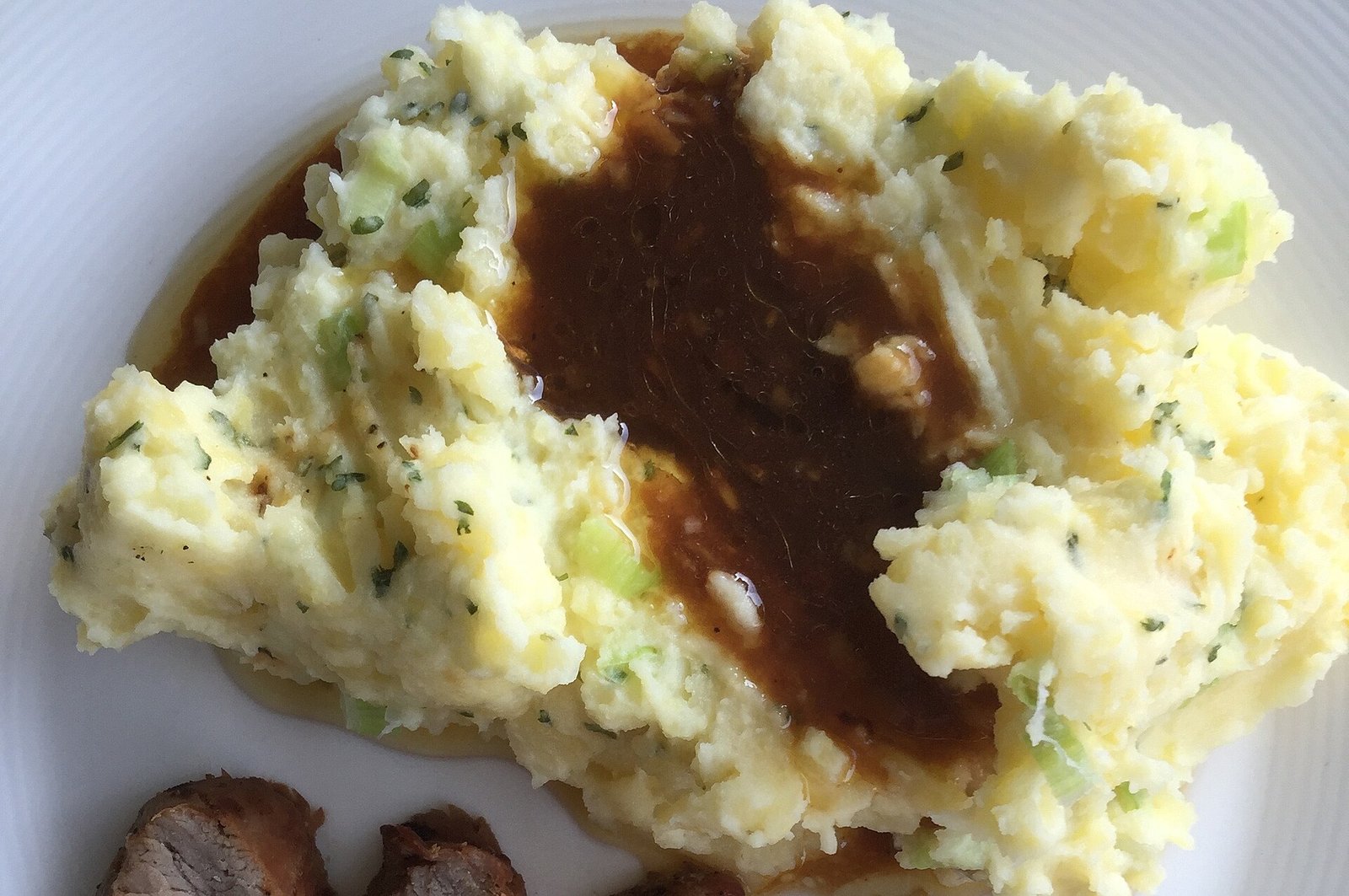
- – Pureed or moist scrambled eggs, smooth yogurt, pudding textures if allowed, finely minced moist meats with gravy, mashed potatoes, smooth soups without floating solids, ripe mashed banana, applesauce.
- – Fortify with milk powder, nutritional drinks, or oil/butter only as your clinician/RD allows—to fight weight loss without thinning liquids unsafely.
- – For gut-comfort soft patterns after procedures, diverticulosis diet guide is temporary and not an SLP dysphagia diet.
Positioning and pacing (therapy-aligned)
- – Sit upright; take small bites/sips; clear the mouth between bites if taught.
- – Do not talk with food in the mouth; reduce distractions during meals.
- – Use adaptive cups/utensils only as recommended.
Hydration without freelancing thickness
- – Meet fluid goals with the liquid thickness prescribed; ask about alternate hydration routes if intake is poor.
- – Ice chips, free water protocols, or straw rules are clinical decisions—not blog tips.
Foods and habits that often worsen dysphagia safety
- – Thin liquids, mixed textures, dry crumbly foods, nuts, popcorn, raw hard vegetables, tough steaks, and sticky peanut butter when those items are restricted on your plan—these are common high-risk examples, but your list rules.
- – Lying down while eating or rushing meals.
- – Alcohol that sedates protective airway reflexes.
- – “Just try it—you’ll be fine” social pressure at restaurants.
- – Skipping dental care—poor dentition worsens chewing safety.
Practical kitchen protocol: a dysphagia-safe week
1. Keep the medical spine first
Keep the written SLP diet sheet on the fridge. Re-evaluate after stroke recovery changes, new dental work, or new pneumonia episodes.
2. Shopping and prep
Blender/food processor; thickeners only if prescribed; moist cooking methods; labeled containers by texture level; oral nutrition supplements if ordered.
3. Default plate template (example soft/moist pattern—only if prescribed)
- – Moist protein
- – Smooth starch
- – Soft vegetable puree or very soft pieces as allowed
- – Liquids at prescribed thickness in a measured cup
4. Sample day (illustrative soft pattern—override with SLP sheet)
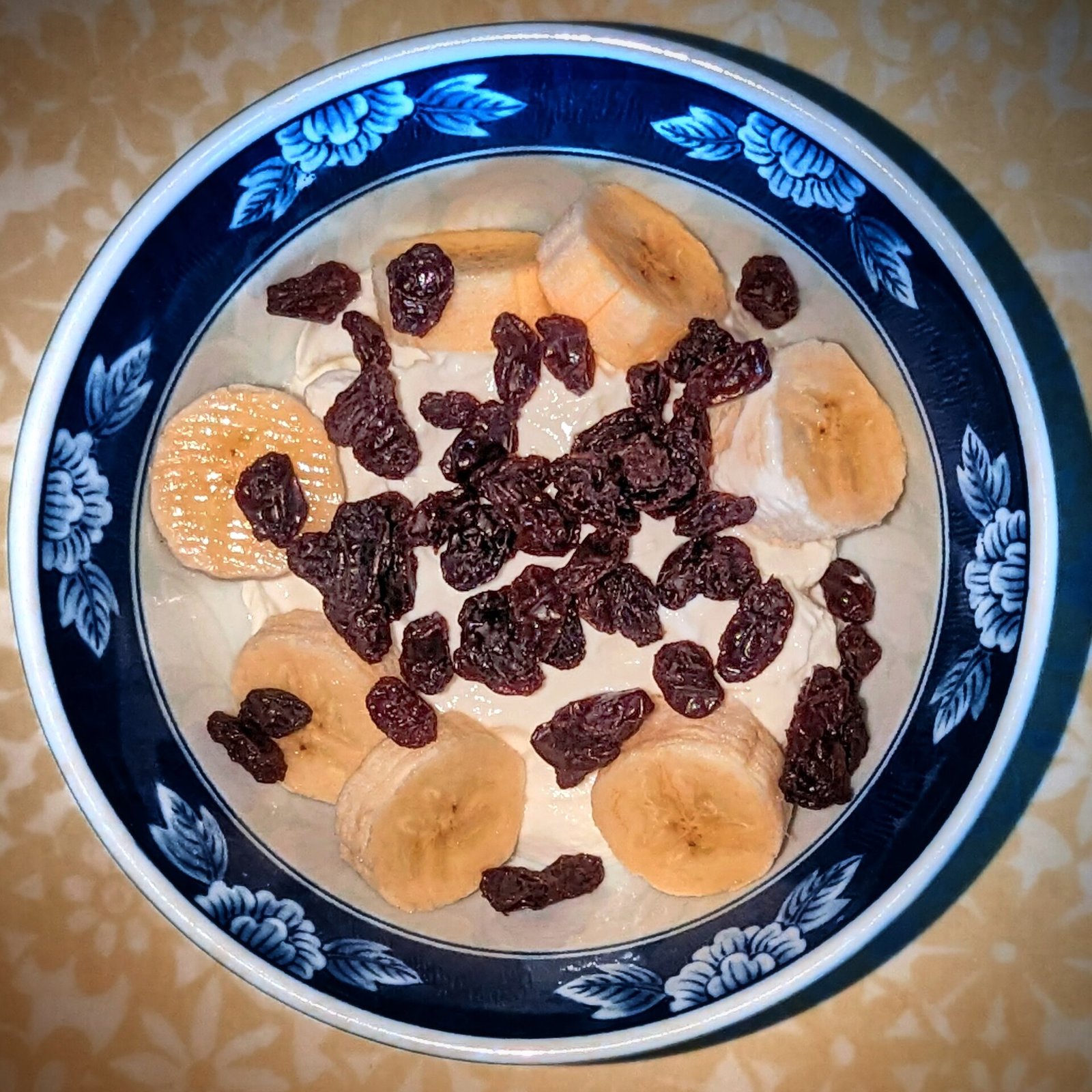
- – Breakfast: smooth oatmeal (no loose liquid pooling), mashed banana, yogurt if allowed; thickened liquid as prescribed.
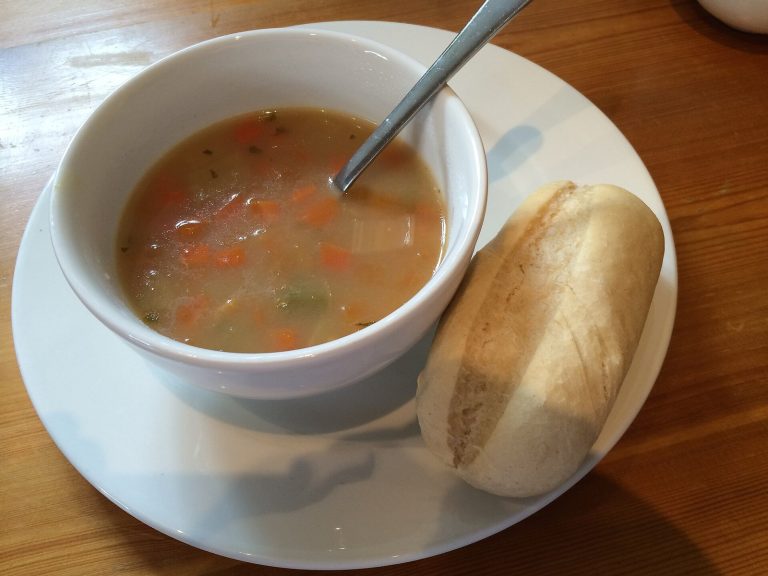
- – Lunch: blended soup at correct thickness or minced moist chicken with mashed potato and gravy if that level is cleared.
- – Snack: pudding texture or smoothie at correct thickness.
- – Dinner: moist fish loaf or minced turkey, mashed carrots, applesauce.
- – Night: upright for 30–60 minutes after eating if that is part of your aspiration precautions.
5. Eating out and travel
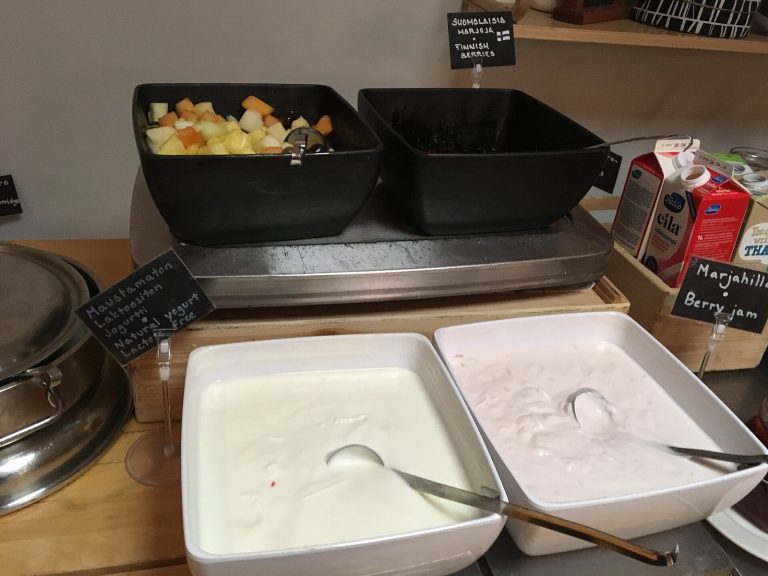
Call ahead; carry thickener and a card describing your diet level; avoid buffets with mixed textures.
6. When GERD or diverticular disease coexists
Reflux can worsen swallow comfort for some people—see GERD diet guide as secondary context only after dysphagia safety is set.
Safety, interactions, and who should ask a clinician first
- – Choking, wet voice, frequent pneumonia, unexplained fever, or weight loss: prompt clinical review.
- – Feeding tubes (NG/PEG) decisions are medical/SLP/RD team calls when oral intake is unsafe or inadequate.
- – Medicines may need liquid or crushed forms—only if a pharmacist confirms crushing is safe; some pills must not be crushed.
- – Progressive neurological disease needs recurring swallow reassessment.
FAQ
Can a dysphagia diet heal my swallow? Textures protect while therapy and medical care address causes. NIDCD frames dysphagia as a medical/SLP issue, not a culinary cure.
Are thickened liquids permanent? Not always. Many people advance as the swallow improves—only with reassessment.
Why am I still losing weight on “safe” foods? Pureed diets can be low calorie. Ask an RD about fortification or supplements.
Is coughing after every sip normal? Frequent cough with liquids is a warning sign to stop and contact your clinician/SLP—not a cue to keep practicing at home unsafely.
Do straws help? Only if your swallow plan says so.
How this differs from related OTCFood topics
This page is a dysphagia-bound texture-and-safety diet guide aligned with MedlinePlus/NIDCD. It is not a temporary sore-throat mono menu, not a cosmetic “smoothie cleanse,” and not a substitute for SLP evaluation.
Medical disclaimer
Medical disclaimer: This article is for general information only. It is not medical advice, diagnosis, or a treatment plan. Dysphagia care depends on cause, swallow testing, and prescribed texture levels. Talk with your clinician, speech-language pathologist, or registered dietitian before starting, stopping, or changing any eating plan, liquid thickness, supplement, or medicine. Seek emergency care for choking with breathing difficulty or inability to swallow saliva.