Diabetic Kidney Disease Diet: Foods That May Help and Foods to Limit
Medical note: This article discusses foods and researched botanicals. It does not claim to prevent, treat, or cure disease. Supplements are not a substitute for food, and studied amounts are not personal prescriptions.
People searching “diabetic kidney disease diet foods that help or worsen” usually want one list that protects both blood sugar and kidneys. That is possible, but it is individualized—not a cure, and not the same plate at every stage. NIDDK defines diabetic kidney disease (DKD) as kidney disease caused by diabetes, also called diabetic nephropathy, and notes that diabetes is the leading cause of kidney disease; about 1 out of 3 adults with diabetes has kidney disease. The original MedlinePlus and CDC topic URLs were not available; working official equivalents include MedlinePlus — Diabetic kidney problems, MedlinePlus — Diabetes and kidney disease, CDC — Diabetes and CKD, CDC — What to eat, NIDDK — Diabetic kidney disease, and NIDDK — Healthy eating for CKD. Kitchen changes may help you reach blood sugar, blood pressure, and nutrient targets your team sets; they do not replace medicines, labs, or dialysis when those are needed.
What this diabetic kidney disease diet guide covers (and what it does not)
This guide is for adults with diabetes and clinician-recognized kidney involvement—often detected first by urine albumin and a blood eGFR test. Most people with DKD have no early symptoms (NIDDK, CDC), so eating advice should follow your latest labs, not a “kidney cleanse.” Related reading: type 2 diabetes diet guide, type 1 diabetes diet guide, chronic kidney disease diet guide, and dialysis diet guide.
Evidence snapshot: diabetic kidney disease diet claims vs public sources
| Claim people hope for | What public sources actually say | Confidence |
|---|---|---|
| “A special diet will reverse DKD on its own” | NIDDK: the best way to slow or prevent diabetes-related kidney disease is to reach blood glucose and blood pressure goals, with medicines as prescribed and healthy habits | Strong against food-as-cure |
| “Eat bodybuilder-level protein, or cut protein to almost zero” | NIDDK: some people with CKD may need moderate protein so waste does not build up, but too little may lead to malnutrition. CDC: more protein than you need may make CKD worse, but too little is not healthy either. Needs change on dialysis | Strong that protein is individualized |
| “Herbal kidney teas and extra vitamins are safe because they are natural” | CDC: herbal supplements are not safe if you have kidney disease; some can hurt the kidneys, and some vitamins can also cause problems. Always ask first | Strong against unsupervised herbals |
| “Fruits and vegetables are always unlimited in DKD” | CDC encourages produce for many people, but potassium limits in later-stage CKD can change which items fit. NIDDK and CDC suggest apple, grape, or cranberry juice instead of higher-potassium juices for low blood sugar | Moderate that produce is often useful; strong that potassium advice is stage-specific |
Foods and patterns that may help with diabetic kidney disease
Blood sugar and blood pressure first
NIDDK says the A1C goal for many people with diabetes is below 7 percent, and the blood pressure goal for most is below 140/90 mm Hg—ask your team for your numbers. CDC similarly advises keeping blood sugar in target, checking A1C at least twice a year, keeping blood pressure below 140/90 mm Hg or your doctor’s target, staying in your cholesterol range, eating less sodium, choosing more produce when it fits your plan, being active, and taking medicines as directed. ACE inhibitors and ARBs can help protect kidneys in many people with diabetes, high blood pressure, and DKD (NIDDK); they are not safe in pregnancy and can affect potassium, so food and medicine plans must be coordinated. See hypertension diet guide.
A shared diabetes-and-CKD pattern
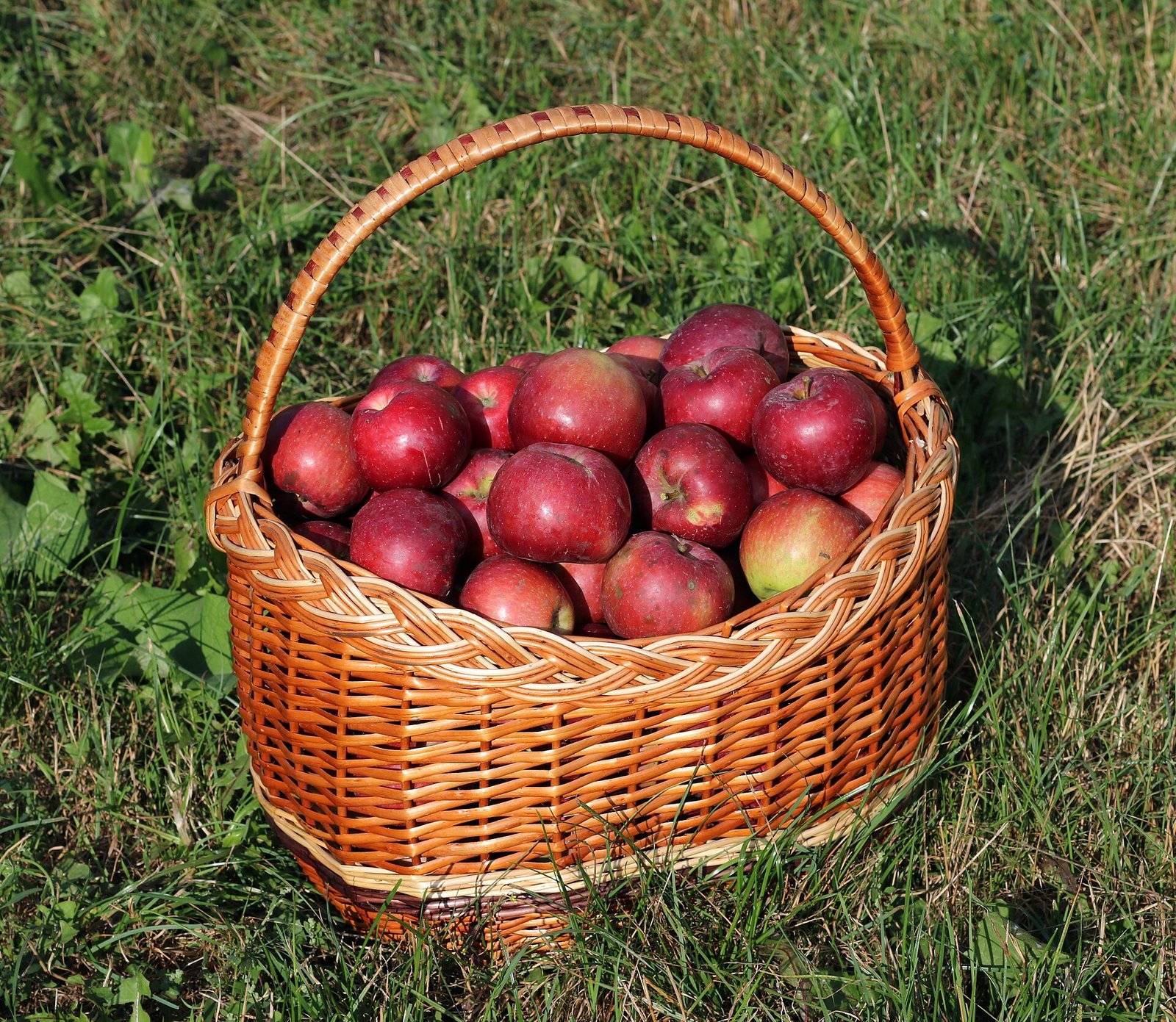
CDC describes a healthy diabetes diet as plenty of fruits, vegetables, healthy fats, and lean protein, with less salt, sugar, and refined-carb foods such as cookies, crackers, and soda—then explains that a CKD diet may further limit sodium and, depending on stage, potassium, phosphorus, and protein. Examples CDC lists for some people with both conditions include berries, grapes, cherries, apples, and plums; cauliflower, onions, eggplant, and turnips; lean poultry, fish, eggs, and unsalted seafood. Those examples are starting points for a dietitian, not a universal menu. Work with a kidney-specialist registered dietitian when you can (NIDDK, CDC).
Heart-healthy fats and sodium awareness
NIDDK encourages replacing saturated and trans fats with unsaturated fats from foods such as canola oil, avocados, nuts, and seeds when they fit your plan, and limiting alcohol to an amount your clinician says is safe. Sodium in table salt and processed foods can cause fluid retention, raising blood pressure and swelling and stressing kidneys and heart. Focus on fresh or homemade food, read labels for low sodium (CDC: 5% Daily Value or less is a useful cue), and flavor with herbs or spices instead of salt substitutes unless approved.
Foods and habits that often worsen diabetic kidney disease care
- – High-sodium restaurant and packaged foods, which make blood pressure and fluid retention harder to control (CDC, NIDDK).
- – Salt substitutes and packaged foods listing potassium chloride, unless your team has approved them (CDC, NIDDK).
- – More protein than your plan calls for from large meat portions or protein powders, which can make kidneys work harder (CDC). Protein so low that you lose muscle is also a problem.
- – High-potassium or high-phosphorus foods when labs show you need limits. CDC notes that oranges, potatoes, tomatoes, and many whole-grain breads can be high in potassium; phosphorus additives in packaged meats and colas can raise blood phosphorus more than some natural sources (NIDDK).
- – Unsupervised herbal “kidney cleanses” and extra vitamins (CDC).
- – Smoking and ignoring your diabetes meal plan (NIDDK lists both as factors that raise the chance of kidney disease).
- – Skipping prescribed diabetes or blood pressure medicines because a food trend promised to replace them.
“Limit” is stage-specific. A food encouraged in early CKD may need a smaller portion later, and protein needs often rise if you start dialysis (CDC). See dialysis diet guide.
Practical kitchen protocol: a DKD-aware week
1. Bring labs into the kitchen
Know your latest A1C, blood pressure, eGFR, urine albumin, and, if measured, potassium and phosphorus. NIDDK recommends yearly kidney testing for type 2 diabetes and for type 1 diabetes lasting more than 5 years. Match diet changes to those results.
2. Shopping list that often works early—and must be tailored later
Apples, berries, grapes, cauliflower, cabbage, onions, eggs, chicken or fish without added phosphate, rice or other approved starches, herbs, and unsalted seasonings. If you treat hypoglycemia with juice, CDC and NIDDK suggest apple, grape, or cranberry juice instead of higher-potassium options such as orange juice.
3. Default plate template (confirm with your dietitian)
- – A carbohydrate portion that matches your diabetes plan and a modest protein portion
- – Vegetables chosen for your potassium target, flavored with herbs rather than extra salt
- – Fluids only as advised if a limit is set (NIDDK: liquid needs depend on kidney function; report new swelling)
4. Sample day (not a prescription)
- – Breakfast: eggs or unsweetened yogurt if it fits your phosphorus plan, with berries or an apple, plus an approved starch.
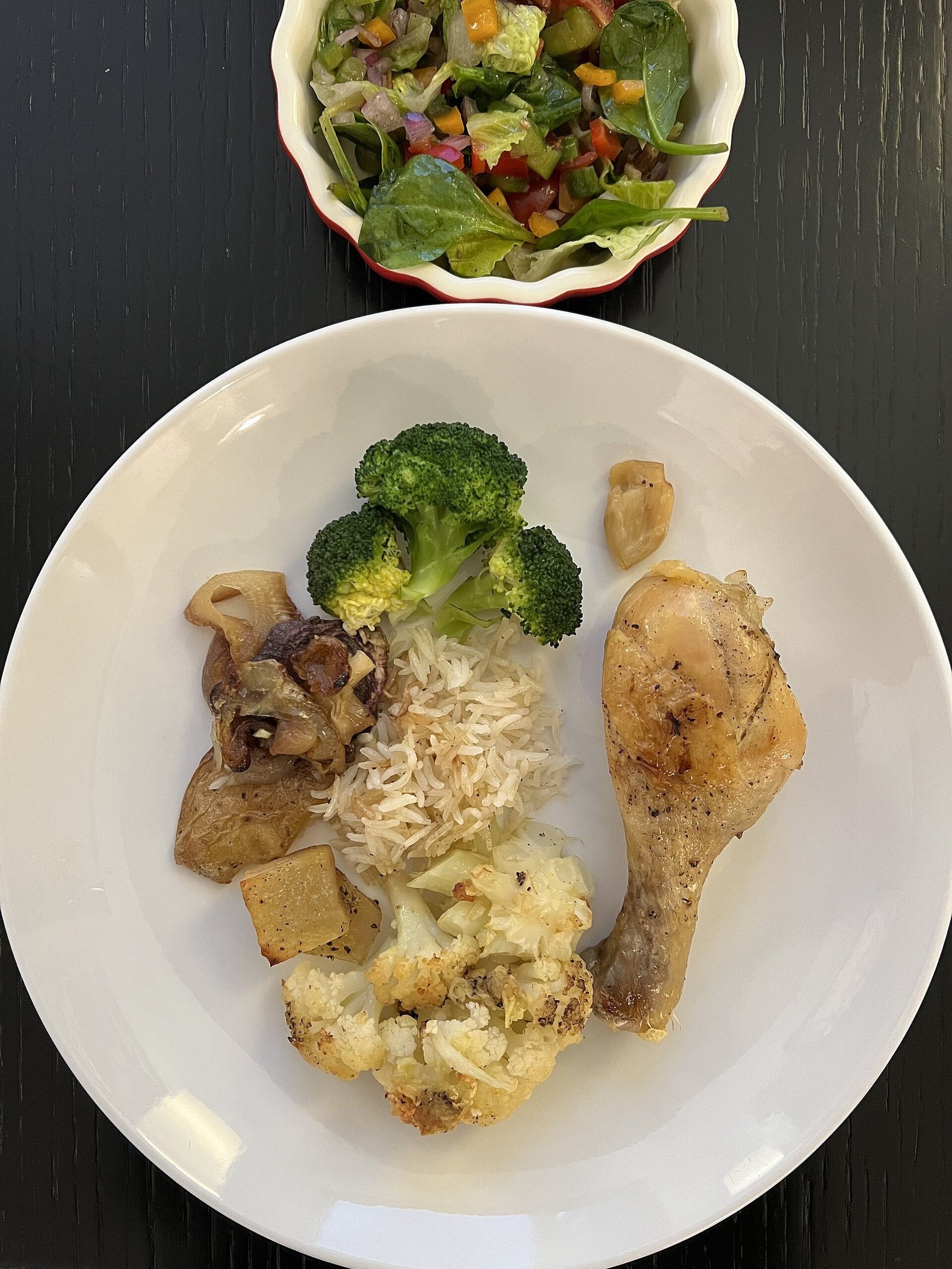
- – Lunch: roasted chicken, rice or pasta as advised, and cauliflower or green beans.
- – Snack: grapes or applesauce if that fits your carbohydrate budget.
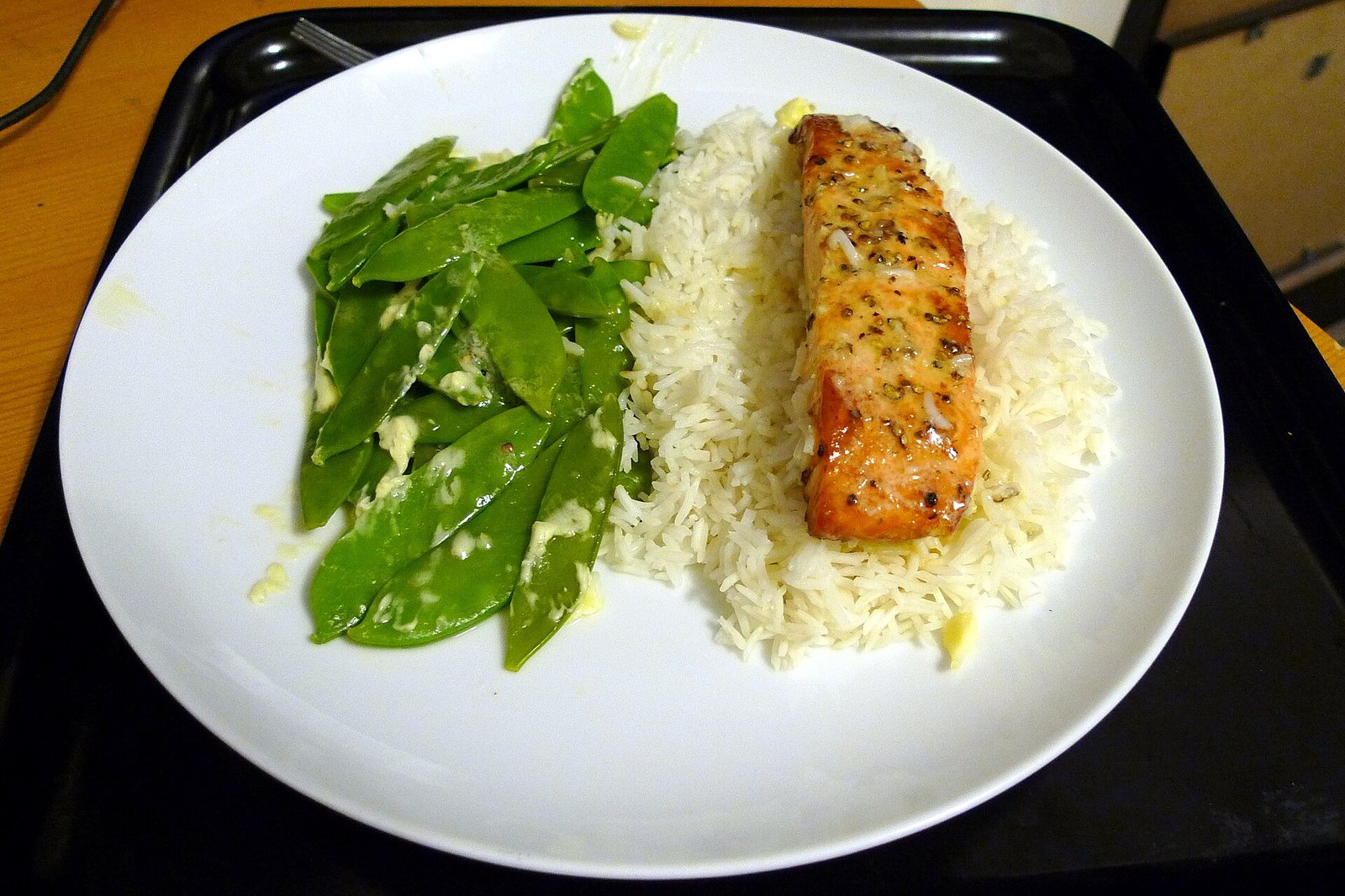
- – Dinner: baked fish, a lower-potassium vegetable side, and a planned starch.
- – Evening: take medicines as prescribed; note swelling or low-sugar events.
5. If heart disease or heart failure overlaps
Diabetes, CKD, and heart disease often travel together (CDC, NIDDK). Sodium and fluid advice may tighten if you also have heart failure; do not add generic “drink more water” tips. See heart failure diet guide.
6. When kidney disease is advanced or dialysis starts
CDC notes that nutrition needs change in late-stage CKD; appetite and taste can change, and people on dialysis may need more protein. Follow the dialysis dietitian rather than keeping an early-stage moderate-protein plan automatically. Transplant eating is a separate topic: diet after kidney transplant guide.
Safety, interactions, and who should ask a clinician first
- – Sudden drop in urine, severe swelling, shortness of breath, chest pain, confusion, or signs of very high potassium such as irregular heartbeat or severe weakness: urgent care (MedlinePlus lists irregular heartbeat, swelling, and shortness of breath among later symptoms).
- – Pregnancy: ACE inhibitors and ARBs are not safe; diet and medicines need specialist planning (NIDDK).
- – Contrast dye for CT or MRI can further injure kidneys; tell the ordering clinician you have diabetes and kidney disease (MedlinePlus).
- – NSAIDs such as ibuprofen can be hard on kidneys; ask before using them for pain.
- – Do not start potassium binders, phosphate binders, or “kidney vitamins” from a friend; binders are dosed by a clinician.
- – Keep an approved fast-carb option at home for low blood sugar that also fits your potassium plan.
FAQ
Can tight eating reverse diabetic kidney disease? Public sources talk about slowing damage by meeting glucose and blood pressure goals, taking prescribed medicines, and using a tailored meal plan—not diet as a stand-alone reversal method.
Do I have to give up all fruit? No. CDC lists several fruits that often fit a combined diabetes and CKD pattern, but potassium limits are personal.
Why was I told to stop a salt substitute? Many substitutes are high in potassium, which can build up in CKD and affect the heart (CDC, NIDDK).
Is a high-protein diabetes snack still a good idea? Not automatically. Protein needs are balanced against kidney workload and, later, dialysis (CDC, NIDDK). Ask before adding protein powders.
How often should my kidneys be checked? NIDDK: every year if you have type 2 diabetes, or if you have had type 1 diabetes for more than 5 years, unless your team sets a different schedule.
How this differs from related OTCFood topics
This page is a diabetic kidney disease-bound diet guide focused on combining diabetes carbohydrate planning with CKD limits on sodium and, when needed, potassium, phosphorus, protein, and fluids. It is not a general type 2 diabetes plate, a dialysis menu, or a transplant diet.
Medical disclaimer
Medical disclaimer: This article is general information only, not medical advice, diagnosis, or a treatment plan. DKD care depends on diabetes type, kidney stage, labs, medicines, and your clinician’s judgment. Talk with a clinician or renal dietitian before changing an eating plan, supplement, or medicine. Seek urgent care for severe swelling, trouble breathing, chest pain, or a sudden change in urination.