Spinal Stenosis Diet: Foods That May Help and Foods to Limit
Medical note: This article discusses foods and researched botanicals. It does not claim to prevent, treat, or cure disease. Supplements are not a substitute for food, and studied amounts are not personal prescriptions.
People searching “spinal stenosis diet foods that help or worsen” often hope a plate can widen a narrowed spinal canal or replace physical therapy and, when needed, surgery. Public sources do not support that claim. NIAMS explains that spinal stenosis happens when spaces in the spine narrow and put pressure on the spinal cord and nerve roots, most often in the lower back and neck, and that chances rise with age. Mayo Clinic likewise says the space inside the spine is too small, symptoms may include pain, tingling, numbness, and weakness, and the condition is often linked to wear-and-tear arthritis. Medicines, physical therapy, and sometimes surgery are the treatments official pages describe. Kitchen changes may support a healthy weight and overall joint-friendly eating; they do not un-narrow the canal or substitute for neurologic care.
What this spinal stenosis diet guide covers (and what it does not)
This guide is for adults with clinician-recognized lumbar or cervical spinal stenosis who want practical eating guidance alongside recommended activity and medical care. Anchors: MedlinePlus — Spinal stenosis, NIAMS — Spinal stenosis, NIAMS — Diagnosis, Treatment, and Steps to Take, and Mayo Clinic — Spinal stenosis.
Mayo Clinic notes that some people have no symptoms; when symptoms occur they often start slowly. Stenosis in the lower back can cause pain or cramping in one or both legs with standing or walking that eases when bending forward or sitting; neck stenosis can cause numbness, weakness, walking or balance trouble, and, rarely, bladder or bowel changes. Related reading: osteoarthritis diet guide, osteoporosis diet guide, obesity diet guide, rheumatoid arthritis diet guide, and diet after laminectomy guide.
Evidence snapshot: spinal stenosis diet claims vs public sources
| Claim people hope for | What public sources actually say | Confidence |
|---|---|---|
| “An anti-inflammatory diet will cure spinal stenosis” | Official pages describe narrowing from bone spurs, thickened ligaments, herniated disks, injury, or, rarely, tumors. Treatment is medicines, physical therapy, injections, or surgery—not a cure-by-diet claim | Strong against food-as-cure |
| “Weight does not matter for back or leg pain” | Mayo Clinic self-care: losing extra weight may ease pain by taking some stress off the lower back. NIAMS: practice healthy habits, including maintaining a healthy weight | Moderate that weight management may help symptom load; strong that it is not a canal-widening cure |
| “You should avoid all exercise and eat only soft foods” | NIAMS and Mayo Clinic both emphasize appropriate exercise, often with a physical therapist, to build strength, endurance, flexibility, and balance | Strong against bed-and-bland-diet as default care |
| “Smoking is unrelated” | NIAMS living-with guidance includes quitting if you smoke, alongside healthy-weight habits | Strong that quitting is part of healthy self-care |
| “Supplements can replace imaging or surgery when nerves are badly compressed” | Mayo Clinic and NIAMS reserve surgery for selected people, including those with walking-limiting weakness or bowel/bladder changes; supplements are not listed as canal decompression | Strong against supplement-as-surgery |
Foods and patterns that may help with spinal stenosis comfort
“May help” means supporting weight and general musculoskeletal nutrition while therapy and medicines do the structural work—not a promise of less nerve compression.
Weight-aware, ordinary plates
- – A balanced pattern with vegetables, fruit, protein foods, and grains or starches, in portions that support a healthy weight if extra weight is stressing the lower back (Mayo Clinic, NIAMS). See obesity diet guide.
- – Protein at meals to support muscle while you do clinician-approved exercise. NIAMS encourages regular activity—trying to exercise at least three times a week for 30 minutes if advised—and notes that physical therapy can strengthen abdominal and back muscles that help stabilize the spine.
- – If osteoarthritis is the wear-and-tear backdrop, use the same everyday pattern discussed on osteoarthritis diet guide rather than a separate “stenosis superfood” list.
Bone-health context when osteoporosis overlaps
Spinal stenosis is not the same as osteoporosis, but older adults may have both. If your clinician has diagnosed low bone density, follow that plan rather than inventing high-dose calcium or vitamin D on your own. See osteoporosis diet guide and osteopenia diet guide.
Pattern that supports a useful appointment
Keep a brief log of walking distance before leg pain starts, positions that ease or worsen symptoms, medicine use (including NSAIDs), and weight-change attempts. Bring bladder or bowel changes to attention immediately—those are medical red flags, not a diet problem (Mayo Clinic, NIAMS).
Foods and habits that often worsen symptoms or recovery
- – A pattern that drives further weight gain when extra body weight is already loading the lumbar spine (Mayo Clinic). “Limit” here means very large, high-calorie, ultra-frequent takeout patterns—not a fear of carbohydrates.
- – Heavy alcohol intake if it disrupts sleep, balance, or medicine safety, especially when you already have walking instability.
- – Unsupervised high-dose “joint supplements” or herbals marketed to shrink bone spurs. Official treatment pages do not present these as stenosis therapy; some products interact with blood thinners or affect the liver. See also turmeric and curcumin joint research and liver-risk guide for quality and liver-risk context, which is not a stenosis treatment claim.
- – Frequent unplanned NSAID use with little food or in people with kidney, heart, or ulcer risk. Mayo Clinic lists NSAIDs among pain options; they still need clinician limits.
- – Smoking, which NIAMS includes in healthy-habit counseling.
- – Pushing painful extension or long standing-and-walking sessions without a therapy plan, then using food as the only “treatment.”
Practical kitchen protocol: a spinal stenosis-aware week
1. Keep medical and activity care in first place
Ask about physical therapy, walking aids, or whether a cane or walker could help by letting you bend forward slightly while walking (Mayo Clinic). Diet sits beside that plan. Imaging and procedure decisions are clinical, not grocery-based.
2. Shopping list for weight-supportive plates
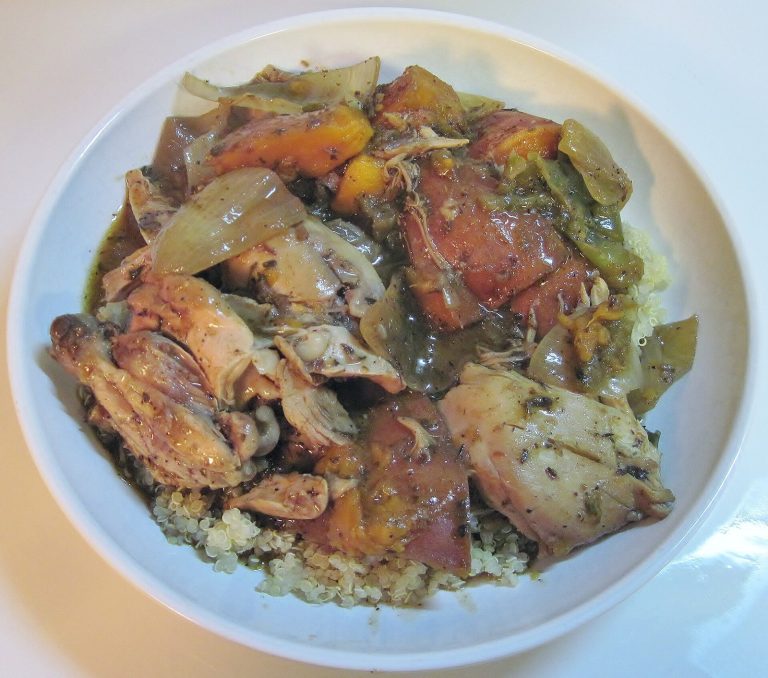
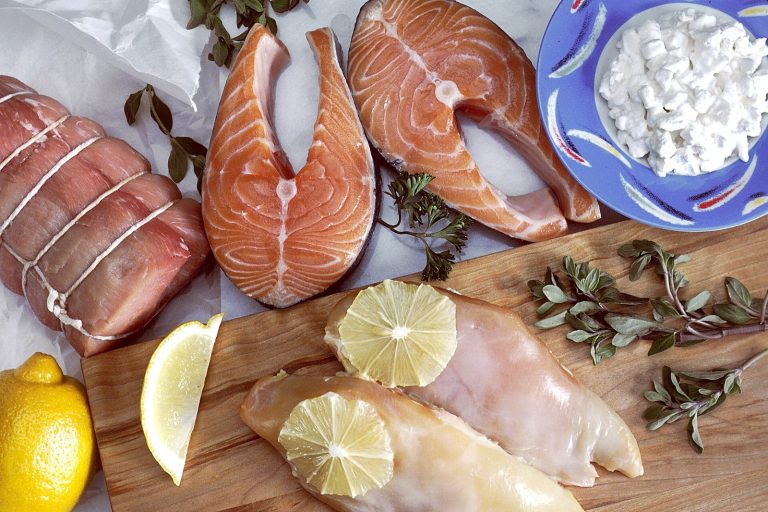
Vegetables, fruit, oats or other grains, beans or lentils, fish, poultry or eggs, yogurt if tolerated, potatoes or rice, and olive oil in modest amounts. If nighttime pain affects cooking, batch-cook soups or tray bakes you can reheat without long standing.
3. Default plate template
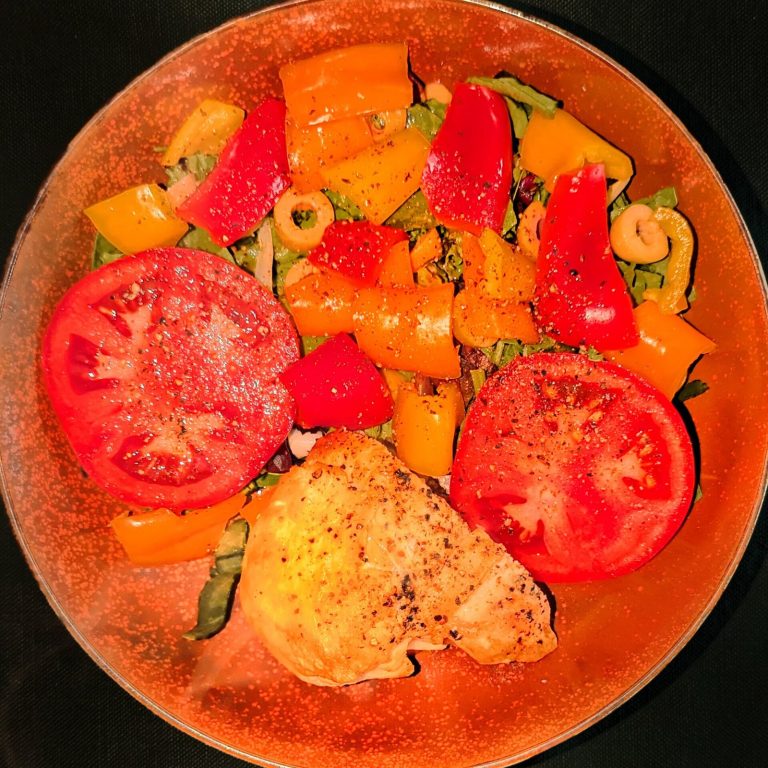
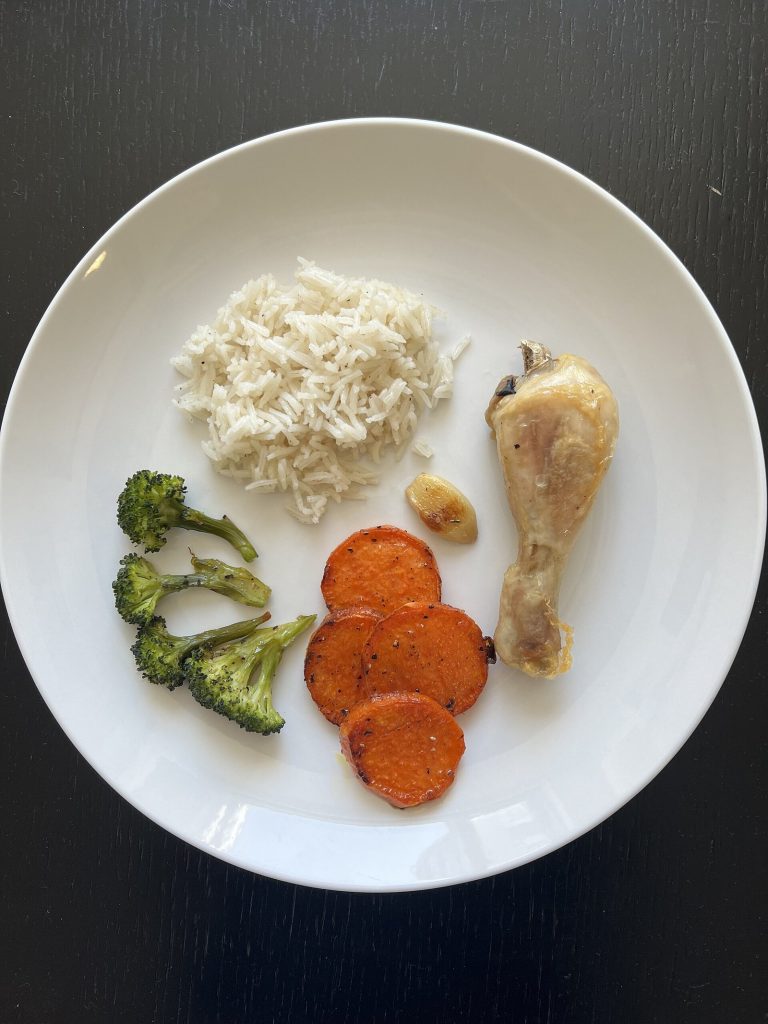
- – Half the plate vegetables or a vegetable-and-fruit mix
- – A quarter lean or plant protein
- – A quarter grain or starch
- – Water or other unsweetened drinks unless you have another fluid restriction
- – Plan meals you can assemble sitting down on high-pain days
4. Sample day
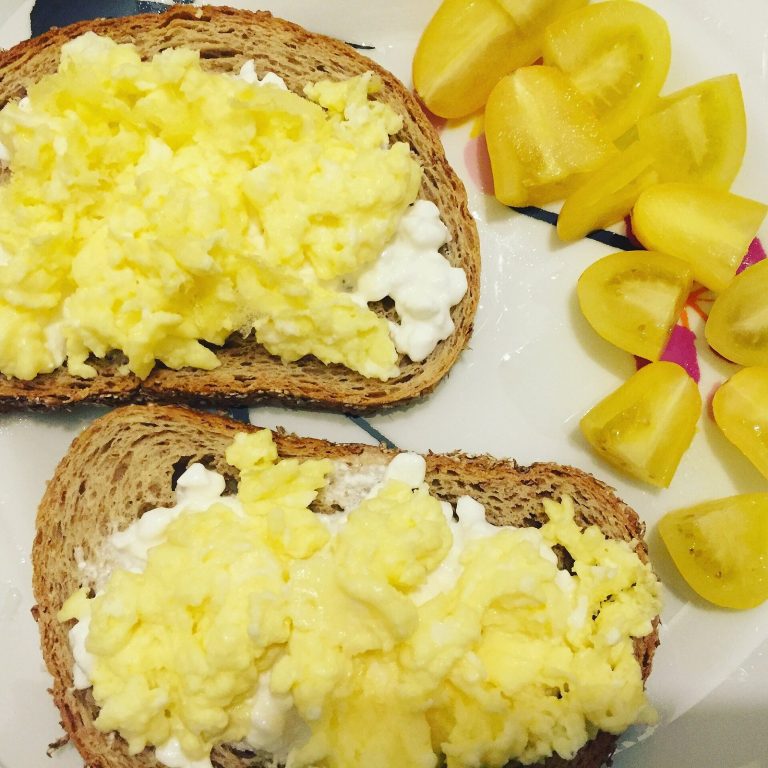
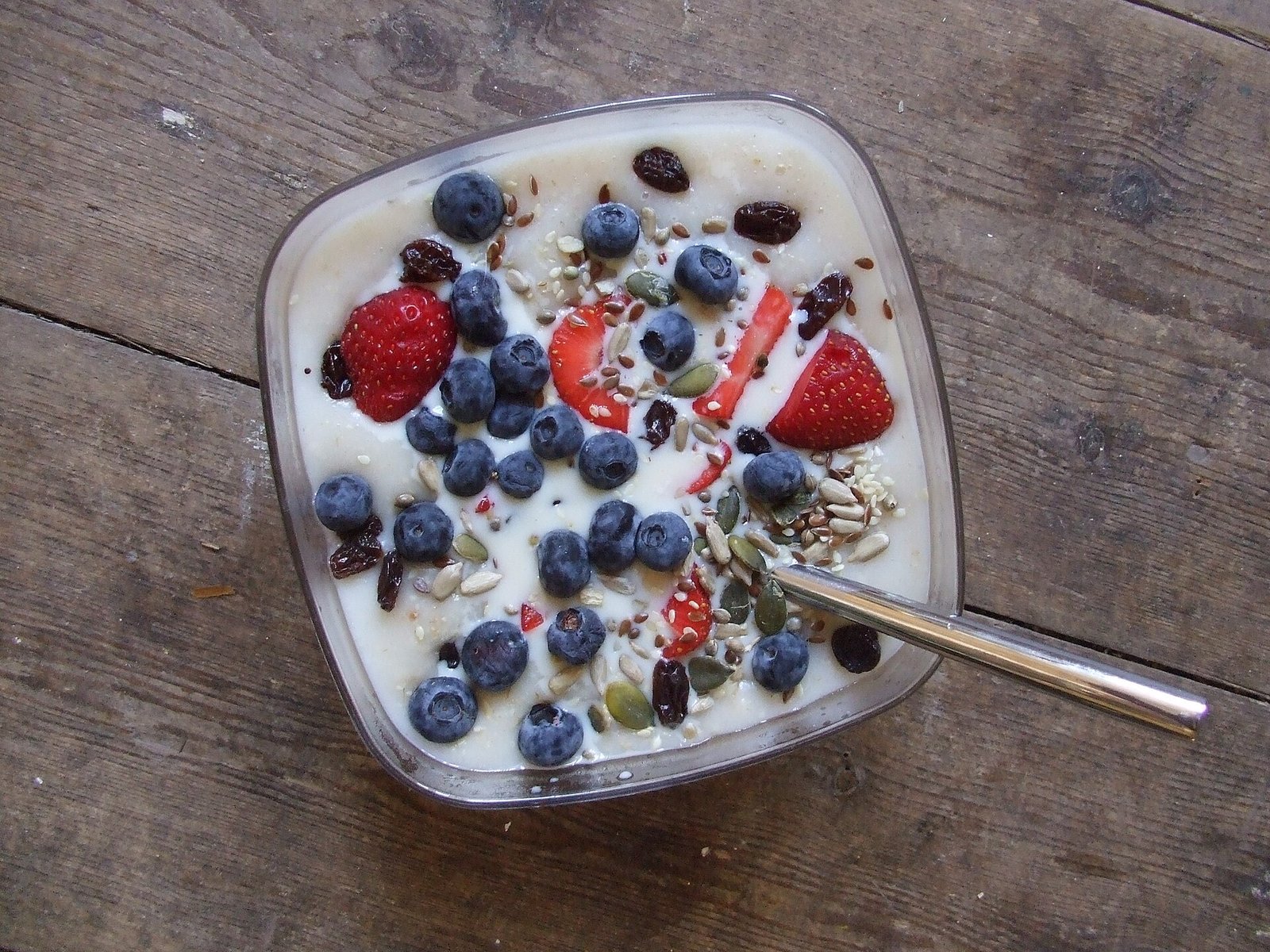
- – Breakfast: oatmeal with fruit and yogurt or eggs.
- – Lunch: a grain-and-bean bowl or a turkey sandwich with a large salad or cooked vegetables.
- – Snack: fruit or a small handful of nuts.
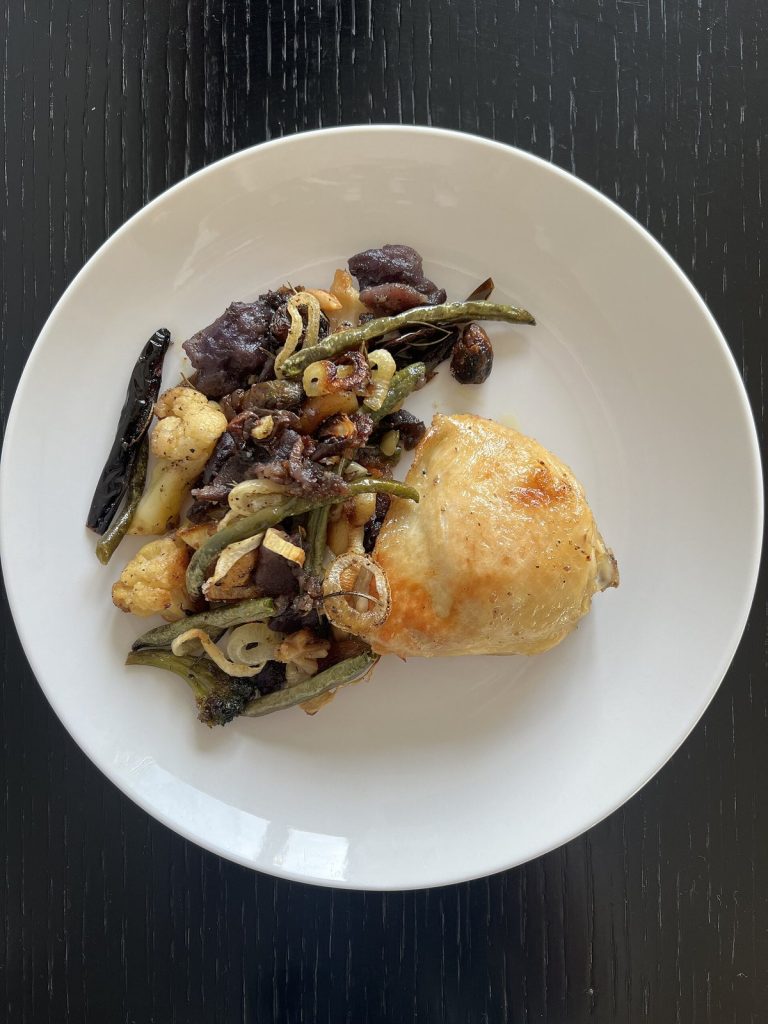
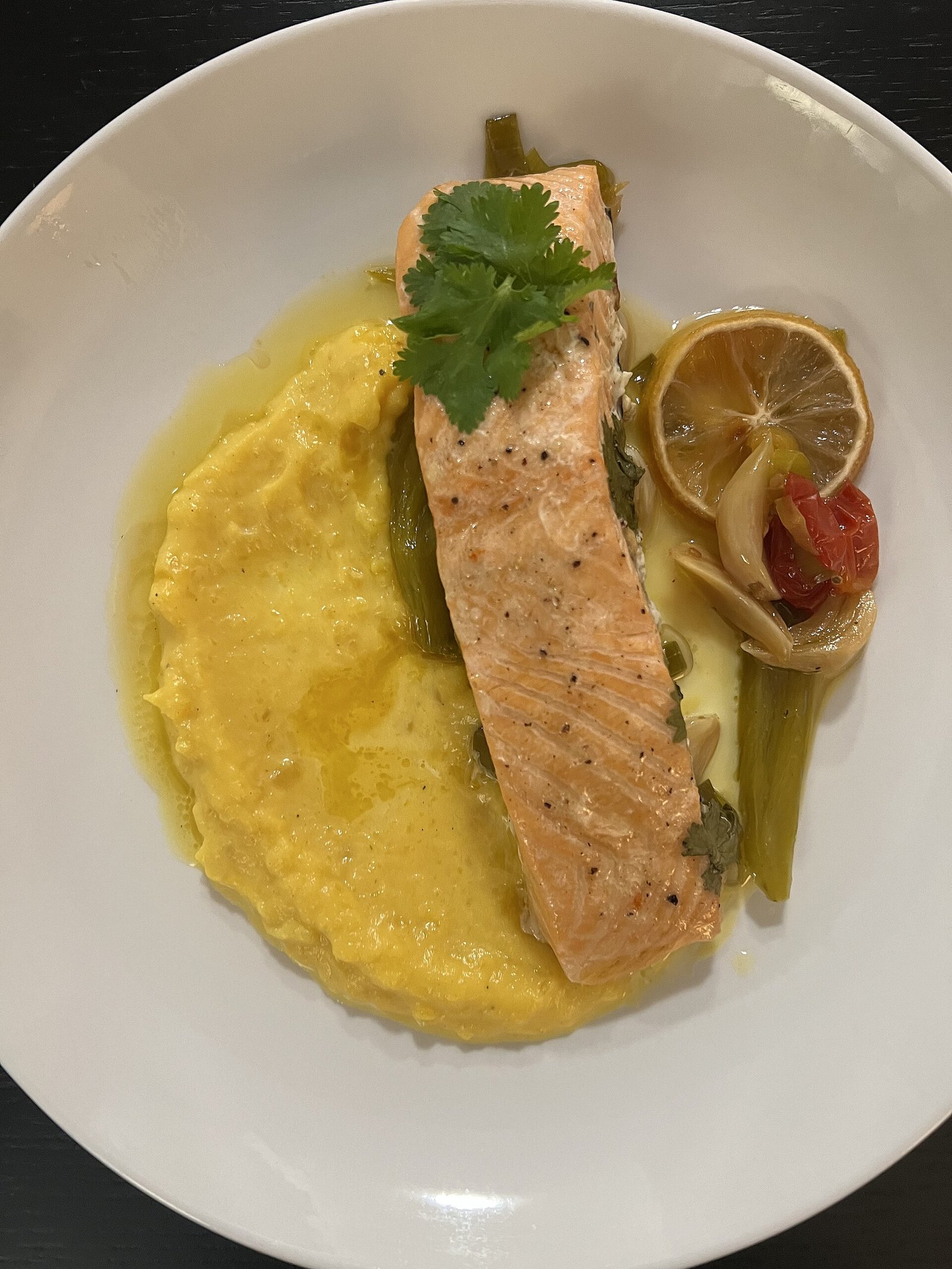
- – Dinner: baked fish, a potato, and a generous portion of cooked vegetables.
- – Evening: if walking the kitchen is painful, use a prepared plate rather than skipping dinner.
5. If surgery is being discussed
Laminectomy, laminotomy, or related procedures are described by Mayo Clinic and NIAMS as ways to make more space around nerves. Surgery can ease symptoms for many people but does not cure arthritis, and some pain may remain. Pre- and post-op eating should follow the surgical team’s instructions; see diet after laminectomy guide if that is your situation.
6. Pacing food prep with symptoms
NIAMS recommends pacing activities so you do not overdo it and adjusting routines that trigger pain. Sit to chop, use a cart or counter height that lets you slightly flex the spine if that eases symptoms, and split cooking into short sessions.
Safety, interactions, and who should ask a clinician first
- – New or worsening leg weakness, trouble walking, or loss of bowel or bladder control: seek urgent care (Mayo Clinic, NIAMS). These are not problems to manage with a menu change.
- – Neck stenosis with clumsiness, hand weakness, or gait change: prompt neurologic review.
- – Kidney disease, ulcers, heart failure, or anticoagulant use: review NSAID and supplement safety before adding either.
- – Diabetes or fall risk: align meal timing with medicines and therapy sessions so dizziness or low blood sugar is less likely during walks.
- – After spinal injections or surgery, follow fasting and diet instructions from that team only.
FAQ
Can a diet reopen a narrowed spinal canal? No. Official pages describe mechanical narrowing and treatments such as therapy, medicines, and surgery. Weight management may reduce load on the lower back, but it is not a canal-widening procedure.
Should I lose weight as fast as possible? Mayo Clinic says losing extra weight may ease pain, but crash dieting can cost muscle you need for therapy and walking. Ask a clinician or dietitian for a gradual plan.
Are “anti-inflammatory” juices required? No public source we used requires a juice cleanse or a rigid anti-inflammatory protocol as stenosis treatment. A vegetable-forward pattern that supports a healthy weight is the practical default.
Do I have to stop all pain medicines to “heal with food”? No. Medicines, including over-the-counter pain relievers when advised, are part of official self-care. Do not stop prescribed medicines without talking to the prescribing clinician.
When is surgery discussed? NIAMS: if symptoms persist after nonsurgical care, or sooner when numbness or weakness interferes with walking or when bowel or bladder function is impaired. That decision is clinical.
How is this different from ordinary back-pain eating advice? The distinctive issues are nerve compression, activity that often feels better with a slightly flexed posture, and red-flag neurologic symptoms—not a unique list of forbidden vegetables.
How this differs from related OTCFood topics
This page is a spinal stenosis-bound diet guide focused on weight-aware plates, cooking that accommodates limited walking, and the clear limits of food versus therapy or surgery. It is not an osteoarthritis-only explainer, not an osteoporosis protocol, and not a post-laminectomy recovery checklist.
Medical disclaimer
Medical disclaimer: This article is general information only, not medical advice, diagnosis, or a treatment plan. Spinal stenosis care depends on the level of narrowing, neurologic symptoms, other spine conditions, and your clinician’s judgment. Talk with a clinician or registered dietitian before changing an eating plan, supplement, or medicine. Seek urgent care for new weakness, loss of bladder or bowel control, or sudden severe spinal pain after trauma.