Diet After Mastectomy: Foods That May Help and Foods to Limit
Medical note: This article discusses foods and researched botanicals. It does not claim to prevent, treat, or cure disease. Supplements are not a substitute for food, and studied amounts are not personal prescriptions.
People searching “diet after mastectomy foods that help or worsen” usually want kitchen habits that support energy, protein intake, and everyday healing while they follow a breast surgeon’s drain care, arm precautions, and oncology plan—not a claim that food treats breast cancer, “kills cancer cells,” or replaces surgery, radiation, medicines, or surveillance. MedlinePlus describes mastectomy as surgery to remove breast tissue, most often done to treat breast cancer (and sometimes as risk-reducing surgery). The National Cancer Institute (NCI) emphasizes that good nutrition during and around cancer care helps people stay strong, and that needs may include extra protein and calories when treatment side effects make eating hard.
What this after-mastectomy diet guide covers (and what it does not)
This guide is for adults recovering from mastectomy (with or without immediate reconstruction) who want practical eating patterns while drains, wound care, physical therapy, and oncology follow-up remain primary. Anchors: MedlinePlus — Mastectomy and NCI — Nutrition during cancer treatment.
MedlinePlus notes hospital stays are often short, many people go home with drains, pain is usually worst in the first days, and risks can include seroma, wound issues, shoulder stiffness, and lymphedema. NCI nutrition pages stress working with a registered dietitian, planning protein-and-calorie-aware shopping when fatigue is high, and recognizing that “healthy eating” during cancer care can look different from everyday dietary advice. Kitchen changes do not replace oncology decisions, drain teaching, or urgent evaluation for fever or wound problems. Related reading: sarcopenia diet guide, osteoporosis diet guide, and vitamin D deficiency diet guide.
Evidence snapshot: after-mastectomy diet claims vs public sources
| Claim people hope for | What public sources actually say | Confidence |
|---|---|---|
| “Anti-cancer superfoods replace oncology care after mastectomy” | NCI frames nutrition as support for strength, malnutrition prevention, and quality of life—not as cancer treatment | Strong: never use food as cancer therapy |
| “Starving calories ‘starves cancer’ after surgery” | NCI: people with cancer may need extra protein and calories to maintain strength and limit malnutrition | Strong against intentional underfeeding |
| “Protein shakes heal surgical wounds faster than the surgeon’s timeline” | Protein supports recovery fueling in general nutrition guidance; wound rules and drains stay medical | Moderate for fueling; low for miracle healing |
| “Detox juices clear anesthesia and lymph fluid” | No public NCI/MedlinePlus protocol substitutes juice cleanses for drain care or prescribed medicines | Strong: skip unregulated detox claims |
| “Soy or sugar ‘feeds cancer’ so absolute bans are required for everyone” | Individual oncology teams individualize diet myths; focus first on adequate intake and clinician guidance | Insufficient for one-size absolute bans |
Foods and patterns that may help after mastectomy day to day
“May help” means supporting strength, steadier intake when fatigue is high, and practical kitchen logistics with arm precautions—not a promise that food erases pain, seroma, or oncology side effects.
Protein-aware plates for recovery fueling
- – NCI: when you have cancer care, you may need extra protein and calories; sources can include meat, fish, eggs, dairy, fats, and plant proteins as tolerated.
- – Practical options: eggs, Greek yogurt, cottage cheese, tender fish or poultry, tofu, beans if gas is tolerable, nut butters if chewing is easy.
- – Spread protein across meals and snacks if large portions feel heavy after anesthesia or pain medicines.
- – See sarcopenia diet guide for longer-term muscle-supportive patterns if appetite stays low.
Easy, low-prep calories when fatigue limits cooking
- – NCI shopping tips: stock foods that need little cooking; fill fridge/freezer with protein-forward staples before hard treatment weeks when possible.
- – Ready examples: yogurt cups, cheese sticks, hummus with soft bread, canned fish, scrambled eggs, oatmeal with milk, smoothies if your team says they fit your plan.
- – Ask household helpers to open jars and lift grocery bags—arm and drain precautions come first.
Fluids and gentle fiber for medicine-related constipation
- – Pain medicines can slow the bowels; soft fiber (oats, cooked fruit, vegetables) plus fluids may help comfort—confirm if your surgeon has texture limits.
- – Overlap themes with constipation diet guide without treating constipation as the main mastectomy outcome.
Bone-aware patterns if systemic therapy is part of the journey
- – If your oncology team discusses bone health, calcium- and vitamin D–aware eating may be relevant later—see calcium deficiency diet guide and vitamin D deficiency diet guide—always under clinician guidance, not as DIY cancer prevention.
Foods and habits that often worsen after-mastectomy kitchen patterns
- – Intentional severe calorie restriction framed as “starving cancer,” which conflicts with NCI emphasis on adequate protein/calories for strength.
- – Unregulated herbal “anti-cancer” megadoses that may interact with prescribed medicines—ask oncology before supplements.
- – Skipping meals for days because cooking is hard—plan helpers and no-cook options instead.
- – Heavy lifting of water jugs or grocery crates against arm/drain instructions.
- – Alcohol binge patterns that dehydrate and may conflict with medicines or wound goals—ask your team for personal limits.
- – Expecting kitchen changes to fix fever, wound opening, rapidly expanding swelling, sudden shortness of breath, or uncontrolled pain—those are surgical/oncology red flags.
- – Using this page as a breast-cancer treatment protocol—oncology follow-up remains primary.
“Limit” means reducing underfueling and unsafe supplement habits—not moralizing every dessert during recovery.
Practical kitchen protocol: an after-mastectomy diet week
1. Keep the medical spine first
Confirm drain emptying/recording, wound checks, pain-medicine schedule, arm range-of-motion rules, shower timing, and oncology appointments. Put protein snacks where your non-operated side can reach them easily.
2. Shopping list for low-lift recovery fueling
Eggs; Greek yogurt; cottage cheese; canned fish; tofu; soft breads; oats; ripe bananas; nut butter; olive oil; frozen vegetables; oral nutrition shakes only if a dietitian or clinician suggested them; stool softener if prescribed.
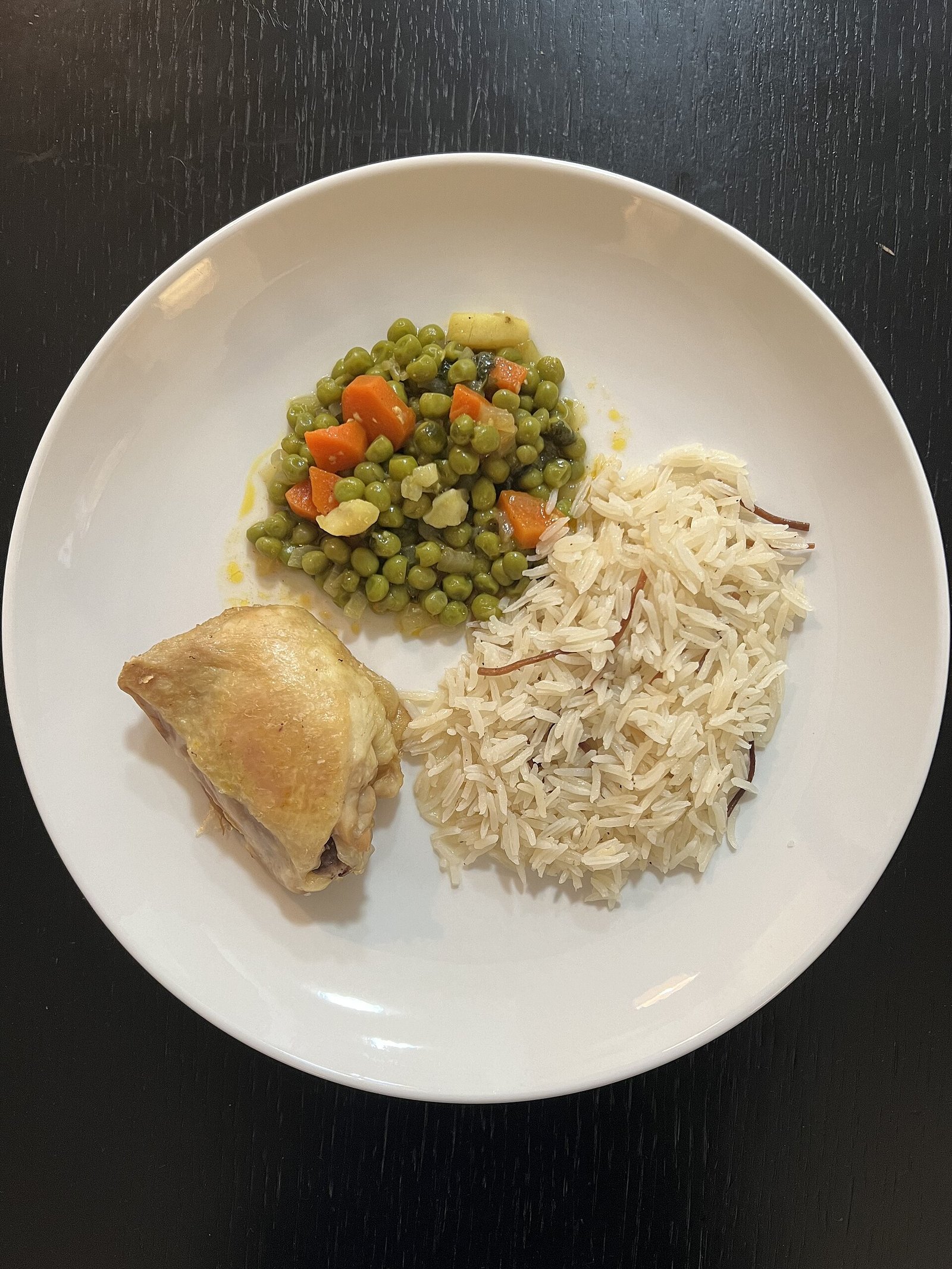
3. Default plate template
- – Protein first (egg, yogurt, fish, tofu, poultry)
- – Easy carbohydrate (oats, rice, potato, soft bread)
- – Soft fruit/vegetable
- – Fluid at meals
4. Sample day (illustrative)
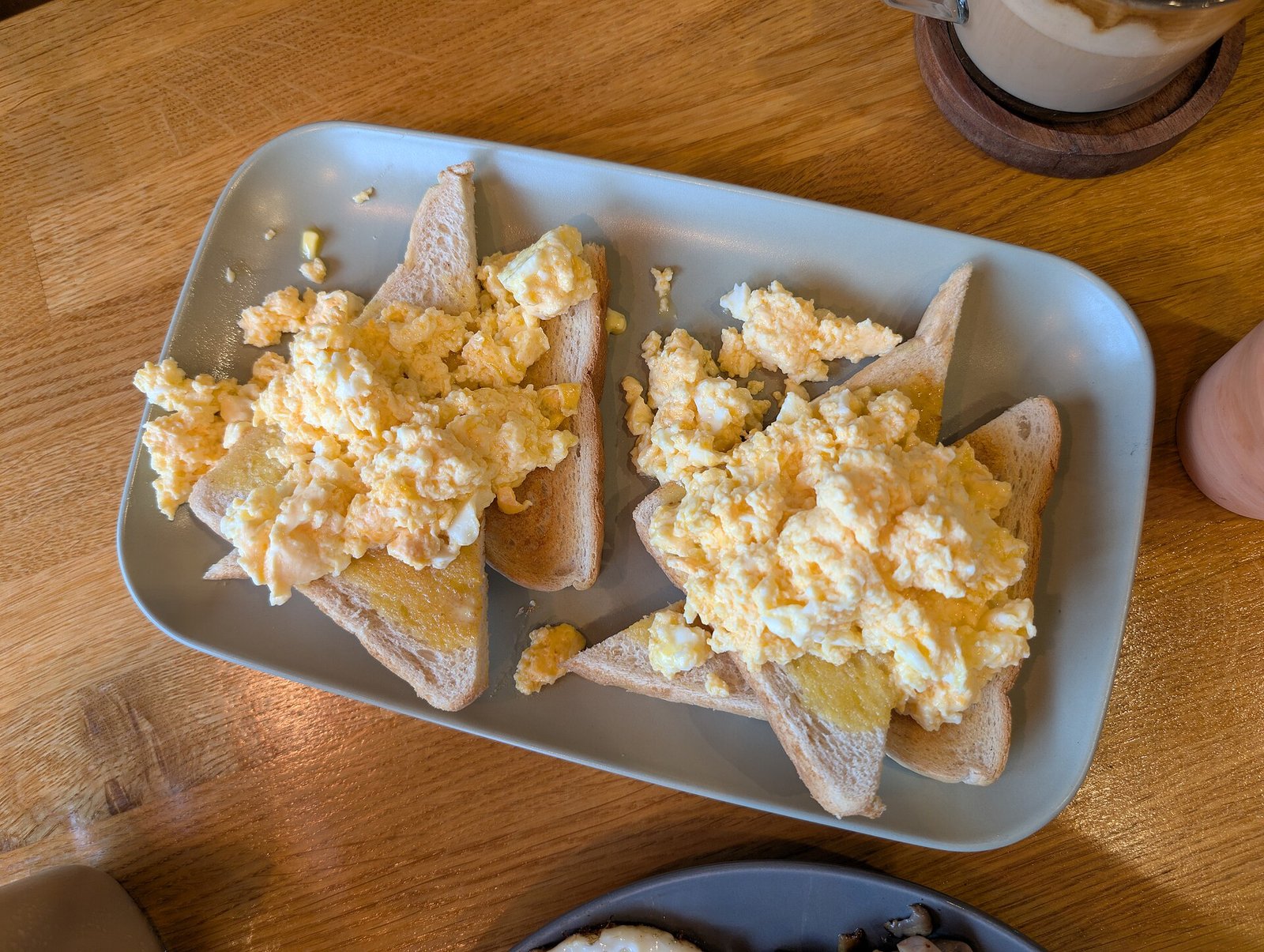
- – Breakfast: scrambled eggs on toast; fruit; water or milk.
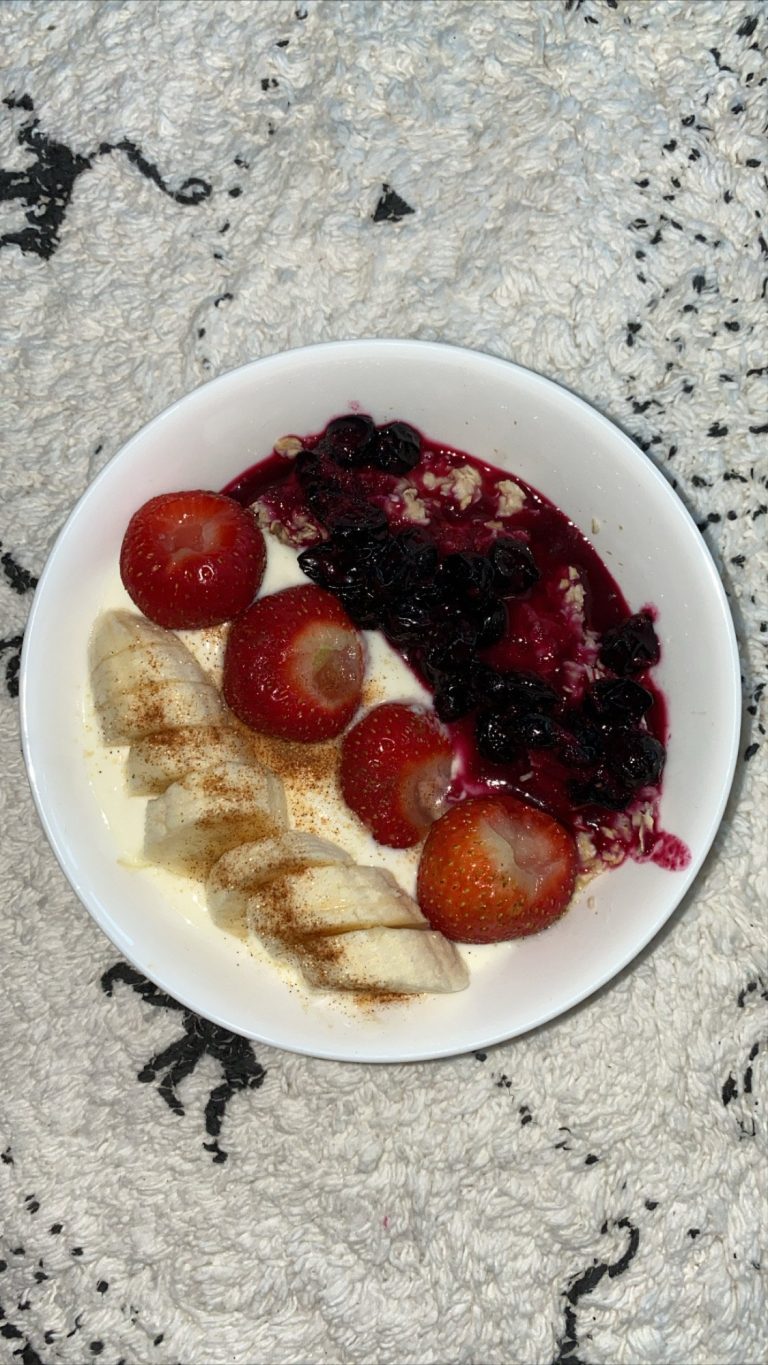
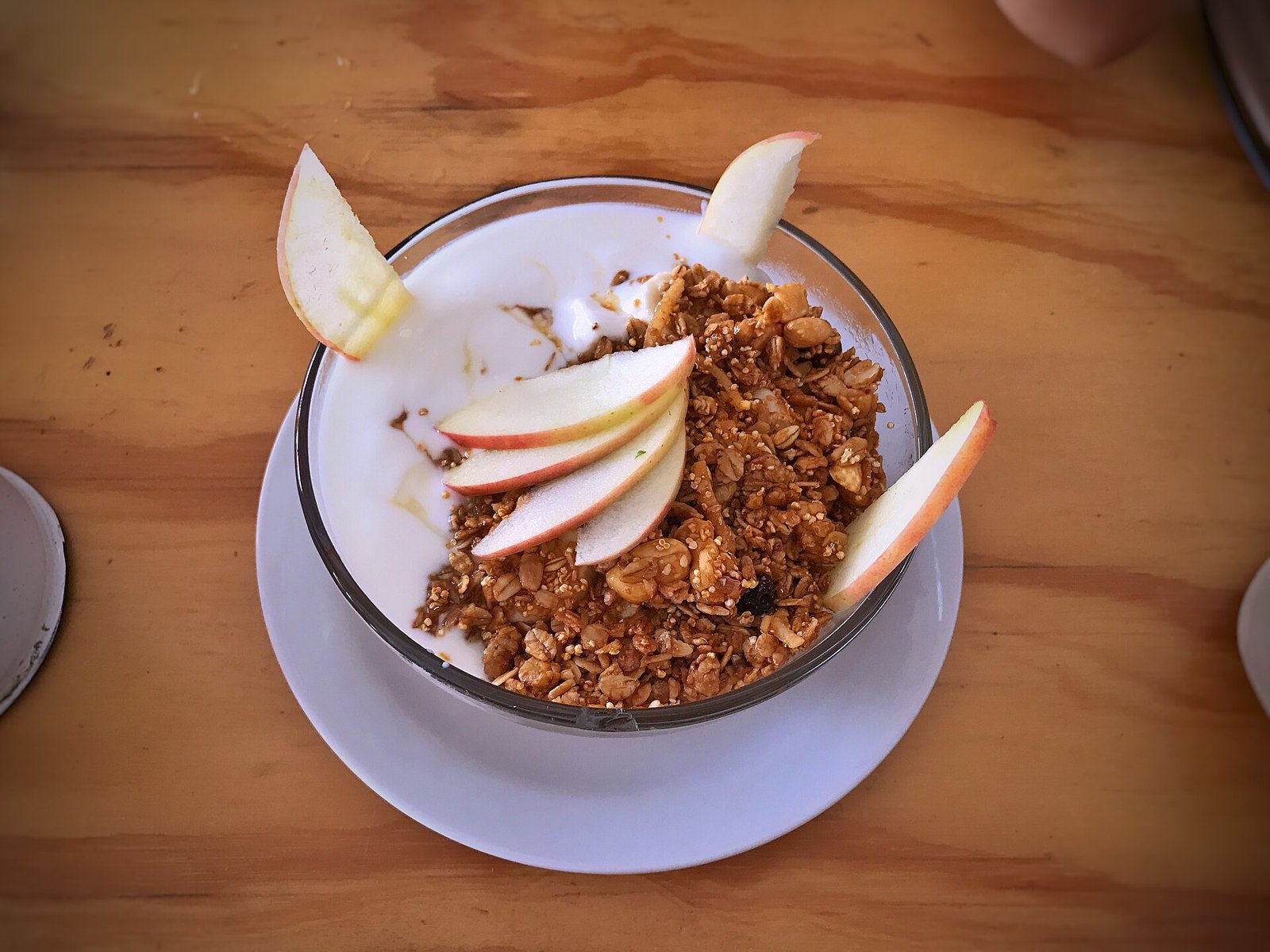
- – Lunch: Greek yogurt bowl with soft fruit and granola if tolerated; water.
- – Snack: cheese and crackers or a protein shake if advised.
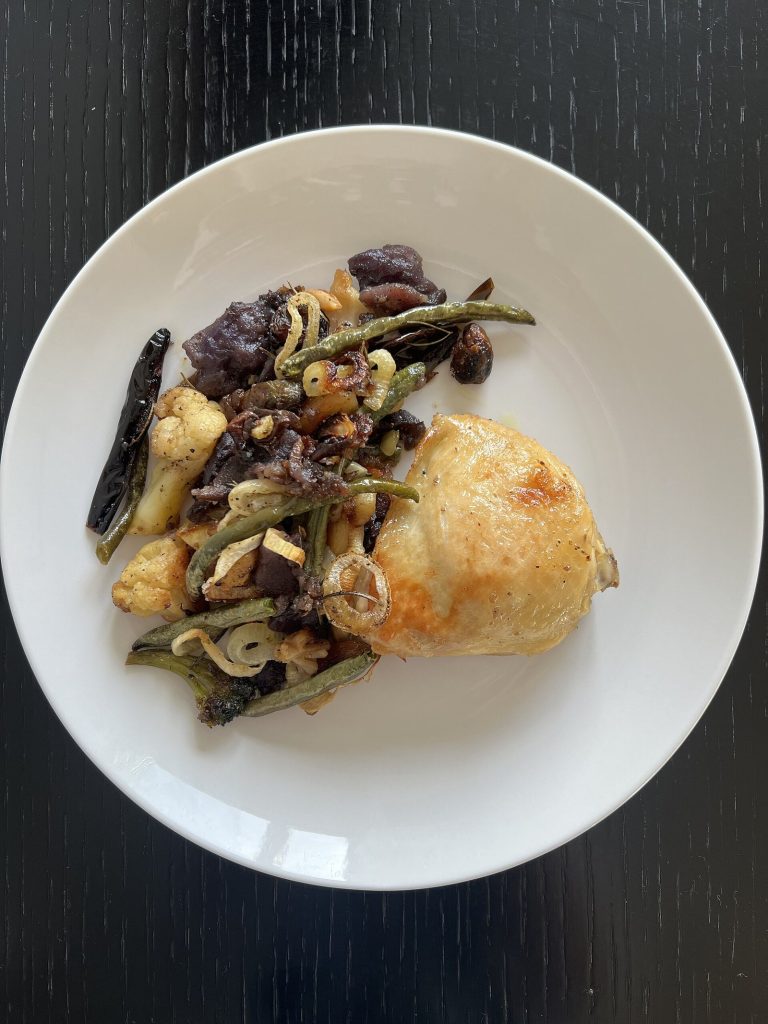
- – Dinner: baked fish or tofu, rice, cooked vegetables; water.
- – Evening: cottage cheese or warm milk if helpful for evening calories.
5. Home setup tips
Stage a one-handed snack station; freeze single portions before surgery if you can; ask visitors to bring cooked protein dishes; avoid “juice cleanse” gift baskets that displace real meals.
6. If chemotherapy, radiation, or hormone therapy is planned
NCI notes treatment side effects can change taste, appetite, and intake—revisit a dietitian rather than copying generic “cancer diet” blogs. This page stays focused on post-mastectomy recovery nutrition, not systemic therapy protocols.
Safety, interactions, and who should ask a clinician first
- – Lymphedema risk: follow your team’s arm precautions; diet does not replace compression or PT guidance.
- – Diabetes, kidney disease, or swallowing problems: individualize protein/fluid goals.
- – Supplement stacks marketed as “immune boosting” or “anti-cancer”: clearance from oncology first.
- – Contact the surgical team for fever, wound drainage changes, rapidly increasing swelling, calf pain, chest pain, or inability to keep fluids down.
FAQ
Can diet treat breast cancer after mastectomy? No. Nutrition may support strength and intake; it does not treat cancer. Oncology care remains primary.
Do I need a special “alkaline” or “anti-cancer” diet? Public NCI patient nutrition guidance centers on adequate protein/calories and managing side effects—not alkaline protocols as cancer therapy.
How much protein is “enough”? Needs vary. NCI highlights that extra protein may be needed during cancer care; a registered dietitian can set personal targets.
Is soy forbidden forever? Ask your oncology team about your situation rather than following absolute internet bans. Priority after surgery is adequate intake and medical follow-up.
How is this different from general “cancer diet” pages? This page is mastectomy-recovery nutrition—drains, fatigue, protein fueling—not a systemic cancer-treatment diet and not a cure narrative.
How this differs from related OTCFood topics
This page is a mastectomy-bound recovery nutrition guide. It is not a breast-cancer cure diet, not a lumpectomy-specific protocol, and not a substitute for surgical or oncology follow-up.
Medical disclaimer
Medical disclaimer: This article is for general information only. It is not medical advice, diagnosis, or a treatment plan. Care after mastectomy depends on surgical technique, reconstruction status, oncology therapies, and your clinical team’s protocol. Talk with a clinician or registered dietitian before starting, stopping, or changing any eating plan, supplement, or medicine. Seek urgent care for fever, wound problems, sudden swelling, or breathing difficulty.