Mitral Valve Prolapse Diet: Foods That May Help and Foods to Limit
Medical note: This article discusses foods and researched botanicals. It does not claim to prevent, treat, or cure disease. Supplements are not a substitute for food, and studied amounts are not personal prescriptions.
People searching “mitral valve prolapse diet foods that help or worsen” usually want a heart-aware plate if they were told they have a floppy mitral valve—not a claim that food tightens valve leaflets, stops regurgitation, or replaces an echocardiogram, heart-rhythm medicine, or valve repair when those are needed. MedlinePlus explains that mitral valve prolapse (MVP) happens when the valve flaps become floppy and do not close tightly. Blood may leak backward (regurgitation), but most people who have MVP do not have backflow, and MVP does not cause health problems for most people who have it. Kitchen changes may help you follow a heart-healthy pattern. They do not correct the valve itself.
What this mitral valve prolapse diet guide covers (and what it does not)
This guide is for adults with clinician-recognized mitral valve prolapse, with or without regurgitation, who want food guidance that matches public heart sources. Anchors: MedlinePlus — Mitral Valve Prolapse, NHLBI — Heart Valve Diseases: Types, and Mayo Clinic — Mitral valve prolapse. Nearby reading: Diet After Mitral Valve Repair: Foods That May Help and Foods to Limit, Diet After Heart Valve Replacement: Foods That May Help and Foods to Limit, Atrial Fibrillation Diet: Foods That May Help and Foods to Limit, heart failure diet guide, and high blood pressure diet guide.
NHLBI says regurgitation is most often due to prolapse of the mitral valve, yet most people with MVP never have backflow or related problems. When backflow occurs, it can worsen over time and lead to complications such as infection and increased pressure in the heart and lungs. Mayo Clinic notes that symptoms—if they appear—may include a racing or irregular heartbeat, trouble breathing, shortness of breath with exercise or when lying flat, and fatigue. MedlinePlus also lists palpitations, cough, dizziness or anxiety, migraines, and chest pain among possible symptoms. Many people notice none of these.
Evidence snapshot: mitral valve prolapse diet claims vs public sources
| Claim people hope for | What public sources actually say | Confidence |
|---|---|---|
| “A special MVP diet can repair floppy leaflets” | MedlinePlus and Mayo Clinic: most people need no treatment for MVP itself. Surgery is considered when regurgitation is significant—not a culinary protocol | Strong against food-as-repair |
| “Everyone with MVP must take antibiotics before dental work” | American Heart Association (summarized by Mayo Clinic and AHA’s own MVP page): antibiotics are not usually needed for MVP unless another high-risk heart condition applies, such as after valve repair or replacement | Strong against routine dental antibiotics for uncomplicated MVP |
| “People with MVP cannot exercise or must eat a tiny-salt hospital diet” | Mayo Clinic (citing AHA self-care): most people with MVP can exercise without restrictions; limits may apply if regurgitation is severe. A heart-healthy pattern limits salt, sugar, and saturated fat—it is not automatically a heart-failure fluid diet | Moderate that activity and sodium targets are individualized |
| “MVP never leads to other heart issues, so food habits do not matter” | MedlinePlus: rare complications include arrhythmia, endocarditis, and heart failure. AHA: severe regurgitation can enlarge the atrium and raise the risk of atrial fibrillation and stroke. MedlinePlus also advises heart-healthy habits to help prevent heart disease | Strong that heart-healthy habits still matter |
Foods and patterns that may help with mitral valve prolapse
“May help” means supporting overall heart health while your cardiology team watches the valve—not shrinking a leaflet back into place.
A heart-healthy default from Mayo Clinic’s self-care section
Mayo Clinic says it is important to take steps to keep the heart healthy and summarizes American Heart Association tips: eat plenty of fruits, vegetables, and whole grains, and limit sugar, salt, and saturated fats. Other AHA-aligned habits on the same page include not smoking, getting regular physical activity (about 30 minutes most days, such as a brisk walk, unless your clinician limits you), keeping a healthy weight, limiting alcohol (up to 1 drink a day for women and up to 2 for men if you drink at all), managing stress, aiming for 7 to 9 hours of sleep, and managing blood pressure, blood sugar, and cholesterol.
Practical “may help” plates
- – Vegetables and fruit at most meals
- – Whole grains such as oats, brown rice, or whole-grain bread
- – Fish, beans, or skinless poultry more often than fatty processed meats
- – Unsaturated oils (for example, olive or other vegetable oils) instead of making tropical oils or fatty meats your everyday fats
- – Lower-sodium versions of bread, soups, and condiments if your clinician asked you to ease up on salt—especially if blood pressure is high (see high blood pressure diet guide) or if regurgitation is being watched for heart-failure strain (see heart failure diet guide)
MedlinePlus also emphasizes everyday prevention steps that are not “superfoods”: brush and floss regularly to help keep bacteria out of the bloodstream (which further reduces the rare risk of a heart infection), keep regular checkups, and take prescribed medicines.
Foods and habits that often work against MVP-related heart goals
- – Daily high-sodium takeout, processed meats, and sugary drinks as the default pattern Mayo Clinic and AHA ask you to limit.
- – Tobacco. Mayo Clinic calls smoking a major risk factor for heart disease.
- – Heavy alcohol intake. Mayo Clinic advises moderation if you drink.
- – Ignoring a racing heartbeat, new shortness of breath, or sudden chest pain. Mayo Clinic says to call emergency services for sudden or unusual chest pain or possible heart-attack symptoms. MedlinePlus lists arrhythmia and heart failure among rare complications.
- – Skipping dental cleaning because you assume you “need antibiotics first.” Ask your clinician; AHA does not recommend routine dental antibiotics for MVP alone.
- – Copying a crash diet because eating disorders appear on Mayo Clinic’s risk-factor list. That list describes conditions linked with a higher chance of having MVP; it is not an instruction to restrict food aggressively.
If you have a connective tissue condition such as Ehlers-Danlos syndrome, see Ehlers-Danlos Syndrome Diet: Foods That May Help and Foods to Limit. If you also have Graves’ disease—which MedlinePlus and Mayo Clinic list among conditions linked with MVP—see Graves’ Disease Diet: Foods That May Help and Foods to Limit.
Practical kitchen protocol: a mitral-valve-prolapse week
1. Know your own valve status
Ask whether you have regurgitation, how severe it is, how often you need an echocardiogram, and whether any medicines (beta blockers, diuretics, rhythm medicines, or blood thinners for atrial fibrillation) change what you should eat. Mayo Clinic notes that high blood pressure makes mitral regurgitation worse, which is one reason blood-pressure-aware eating may be discussed.
2. Shopping list for everyday heart-healthy plates
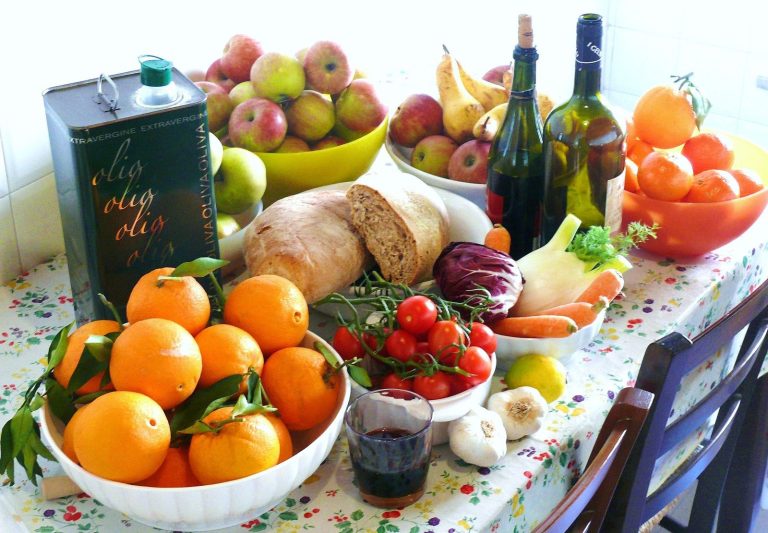
Leafy greens and mixed vegetables, fruit, oats or other whole grains, beans, nuts, olive oil, yogurt or other proteins you tolerate, fish, and skinless poultry. Choose packaged foods with less sodium when you have a choice. Keep fruit and unsalted nuts visible so convenience snacks are not only candy or chips.
3. Default plate template
- – Half vegetables or fruit
- – A quarter whole grains or starchy vegetables
- – A quarter fish, beans, or lean poultry
- – A small amount of unsaturated fat for cooking
- – Water or unsweetened drinks instead of regular soda
4. Sample day (illustrative)
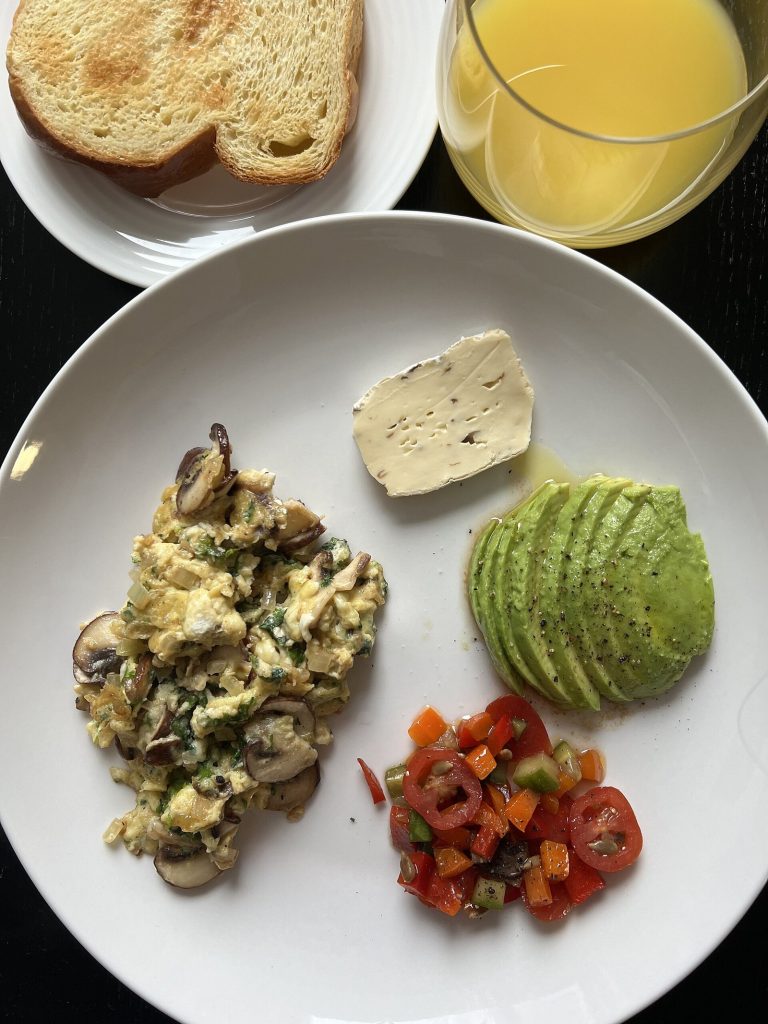
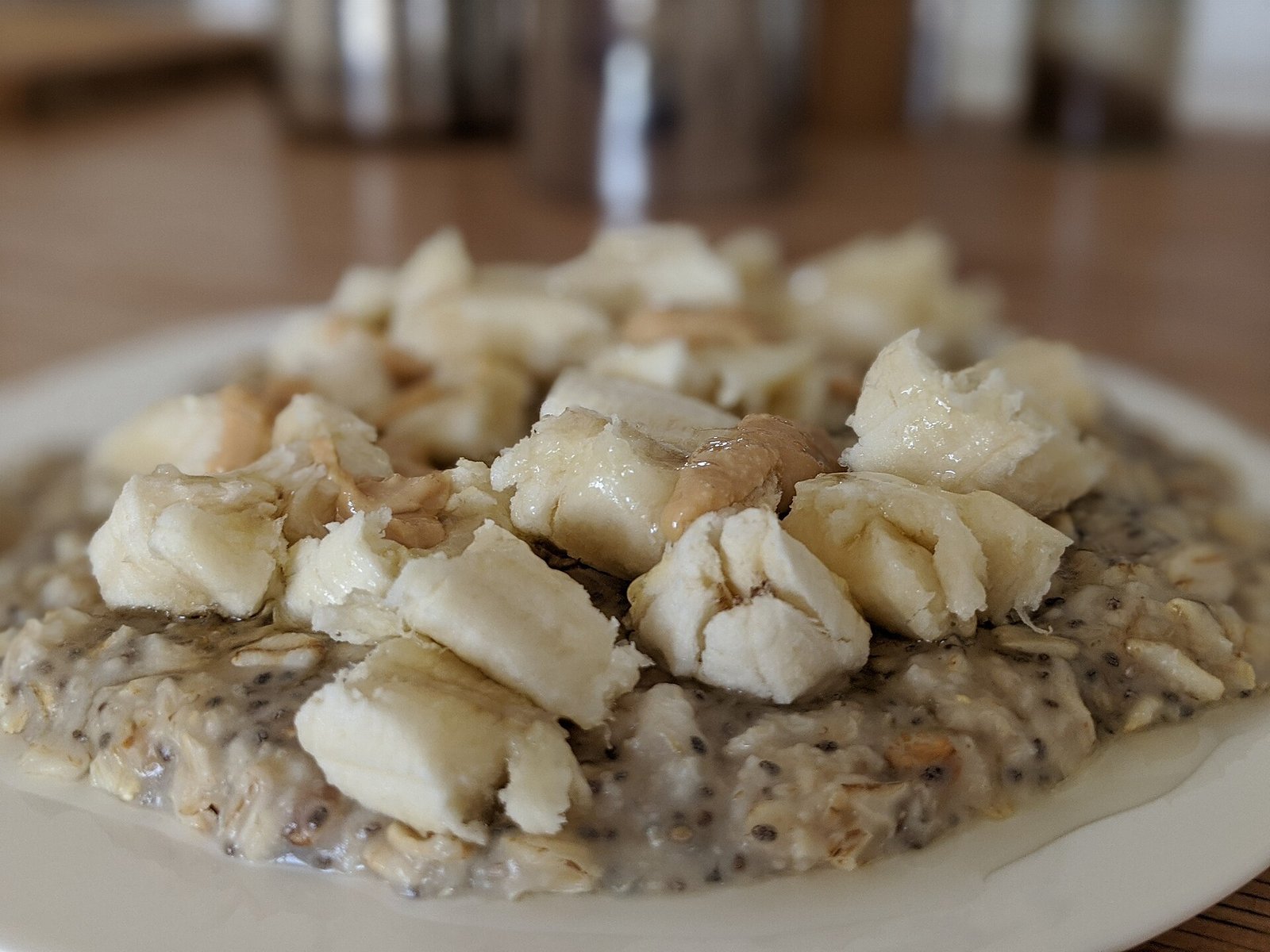
- – Breakfast: oatmeal with berries.
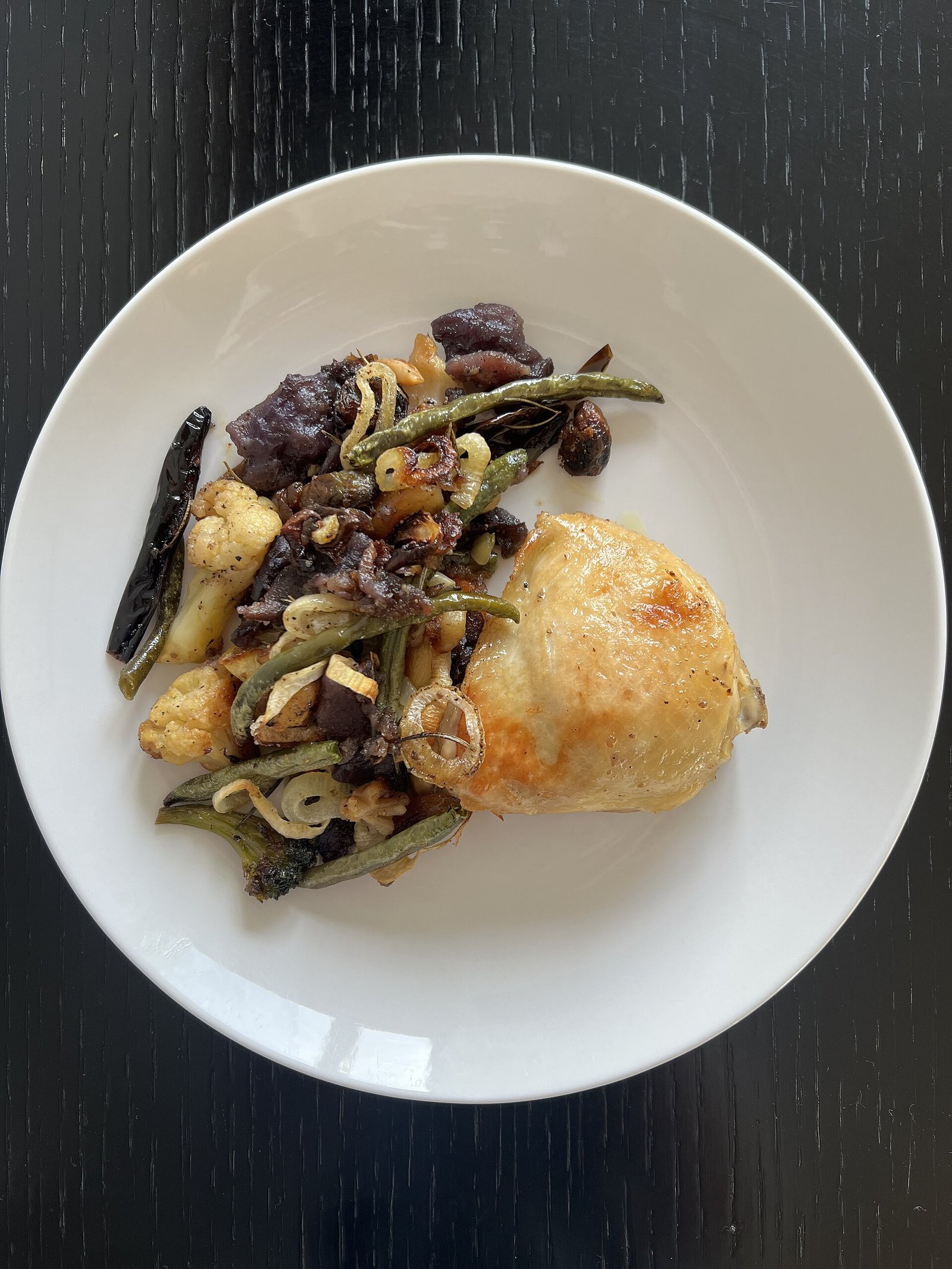
- – Lunch: grilled chicken with roasted vegetables and a whole grain.
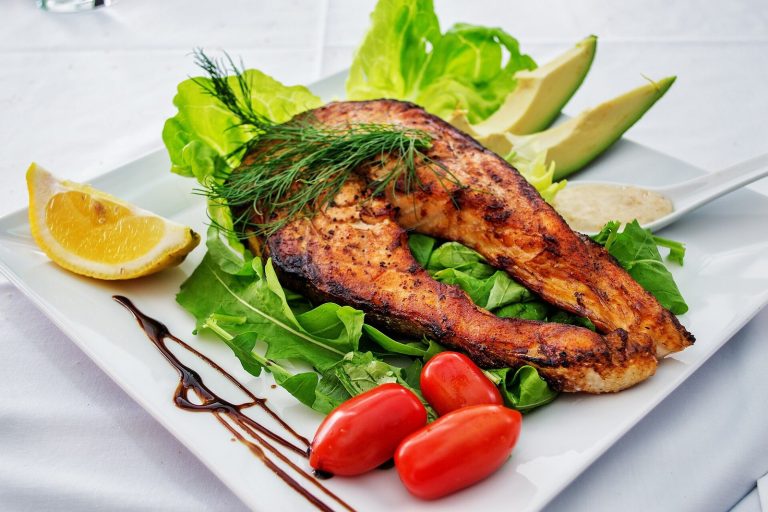
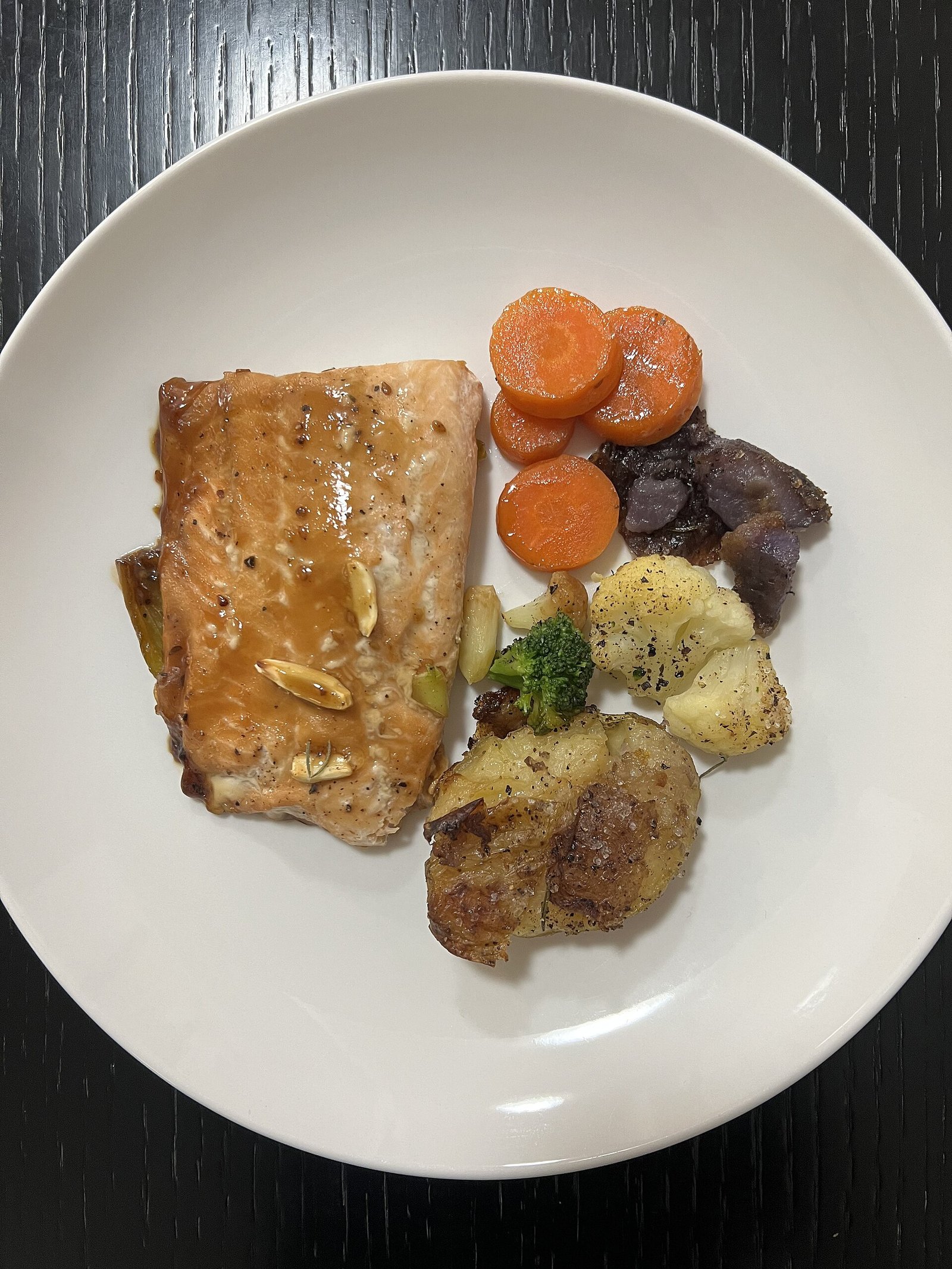
- – Dinner: baked salmon or another fish with salad and potatoes or rice.
- – Snacks: fruit, yogurt, or a small handful of unsalted nuts.
5. If palpitations or rhythm issues are part of your story
Do not invent a universal caffeine ban from this page—public MVP sources above do not mandate one. If palpitations bother you, ask your clinician whether caffeine, energy drinks, or alcohol seem relevant in your case. If atrial fibrillation is diagnosed, see Atrial Fibrillation Diet: Foods That May Help and Foods to Limit and follow any blood-thinner diet instructions you were given (those are medicine-specific, not MVP-universal).
6. After repair or replacement
If you already had mitral valve surgery, your plan may include different activity limits and, in some cases, antibiotics before certain dental procedures (Mayo Clinic). Use Diet After Mitral Valve Repair: Foods That May Help and Foods to Limit or Diet After Heart Valve Replacement: Foods That May Help and Foods to Limit rather than treating this page as a postoperative protocol.
Safety, interactions, and who should ask a clinician first
- – Sudden chest pain, severe shortness of breath, fainting, or stroke-like symptoms: emergency care (Mayo Clinic; AHA also notes stroke risk if atrial fibrillation develops with severe regurgitation).
- – Severe regurgitation, an enlarged heart chamber, or reduced pumping function: ask before starting a high-intensity exercise program (Mayo Clinic).
- – Blood thinners, diuretics, or rhythm medicines: review grapefruit, alcohol, salt substitutes, and potassium-containing salt substitutes with a pharmacist if those were flagged for your specific drug.
- – Marfan syndrome, Ehlers-Danlos syndrome, or another connective tissue diagnosis: follow the specialist plan you already have.
- – Do not stop a prescribed heart medicine because meals look “cleaner.”
FAQ
Can a clean-eating plan fix mitral valve prolapse? No. MedlinePlus and Mayo Clinic describe MVP as a valve-structure problem. Most people need no treatment; significant leak may need medicines or surgery.
Do I need a special low-salt “valve diet”? Not automatically. A heart-healthy pattern limits salt, sugar, and saturated fat. Stricter sodium limits are more likely if you also have high blood pressure, heart-failure symptoms, or another clinician-directed reason.
Should I take antibiotics before every dental visit? Usually no, according to AHA guidance cited by Mayo Clinic, unless you have another qualifying high-risk condition such as a repaired or replaced valve. Ask your own clinician.
Is exercise off-limits? Mayo Clinic says most people with MVP can exercise without restrictions. If regurgitation is severe, your clinician may limit some activities.
What symptoms should send me in sooner? New or worsening shortness of breath, a racing or irregular heartbeat, unusual chest pain, marked fatigue, or fainting. Emergency care for sudden chest pain that could be a heart attack.
Does flossing really matter for a heart valve? MedlinePlus lists regular brushing and flossing as one way to help keep bacteria out of the bloodstream and further reduce the rare risk of heart infection. It is dental hygiene, not a food cure.
How this differs from related OTCFood topics
This page is an MVP-bound diet guide focused on heart-healthy eating when leaflets are floppy, with or without regurgitation. It is not a postoperative valve-surgery plan, not an atrial-fibrillation anticoagulant diet, and not a substitute for echocardiography or cardiology follow-up.
Medical disclaimer
Medical disclaimer: This article is for general information only. It is not medical advice, diagnosis, or a treatment plan. Mitral valve prolapse care depends on whether blood leaks backward, your symptoms, heart rhythm, medicines, and your clinician’s judgment. Talk with a clinician or registered dietitian before starting, stopping, or changing any eating plan, supplement, or medicine. Seek emergency care for sudden chest pain, severe shortness of breath, fainting, or stroke-like symptoms.