Diet After Coronary Stent (PCI): Foods That May Help and Foods to Limit
Medical note: This article discusses foods and researched botanicals. It does not claim to prevent, treat, or cure disease. Supplements are not a substitute for food, and studied amounts are not personal prescriptions.
People searching “diet after coronary stent foods that help or worsen” usually want heart-healthy kitchen habits that support secondary prevention after percutaneous coronary intervention (PCI)—not a claim that food “cleans” stents, thins blood the way dual antiplatelet therapy does, or replaces cardiac rehabilitation and prescribed medicines. NHLBI explains that coronary stents are small mesh tubes used to hold open narrowed coronary arteries, and that after an artery stent you may need antiplatelet medicines (often including aspirin plus another agent) for a year or longer to help prevent clotting complications. MedlinePlus prevention guidance emphasizes limiting saturated fat, sodium, and added sugars while emphasizing fruit, vegetables, and whole grains.
What this after-coronary-stent diet guide covers (and what it does not)
This guide is for adults living with a coronary stent who want practical DASH-style and lower-saturated-fat patterns while they follow cardiology instructions. Anchors: NHLBI — Stents, NHLBI — Living with a stent, NHLBI — DASH Eating Plan, and MedlinePlus — How to prevent heart disease.
Kitchen habits do not replace dual antiplatelet therapy, statins, blood-pressure medicines, diabetes care, smoking cessation, or supervised cardiac rehab when referred. Do not invent “natural blood thinner” stacks that interact with prescribed antiplatelets. Related reading: coronary artery disease diet guide, diet after CABG guide, and hypertension diet guide.
Evidence snapshot: after-stent diet claims vs public sources
| Claim people hope for | What public sources actually say | Confidence |
|---|---|---|
| “Food dissolves stent blockages like a plumbing snake” | NHLBI centers procedural stenting plus medicines to prevent clotting/renarrowing—not culinary “flush” cures | Strong: food is supportive |
| “Diet replaces dual antiplatelet pills” | NHLBI: antiplatelet medicines are commonly required after artery stents to prevent complications | Strong: medicines are medical |
| “DASH-style patterns may support blood pressure and heart-healthy eating” | NHLBI DASH: vegetables, fruits, whole grains; low-fat dairy, fish, poultry, beans; limit saturated fat, sweets, and sodium targets | Strong for risk-factor support |
| “Any garlic megadose equals prescribed antiplatelets” | Public sources do not equate culinary garlic with dual antiplatelet therapy; supplement stacks can raise bleeding risk | Strong: do not substitute |
| “Cardiac rehab is optional if salads look good on Instagram” | Living-with-stent and CAD education routinely pair lifestyle with structured recovery programs when offered | Moderate–strong for rehab value |
Foods and patterns that may help after coronary stent day to day
“May help” means supporting blood pressure, cholesterol, glucose, and weight goals that reduce further coronary risk—not guaranteeing a stent stays open without medicines and follow-up.
DASH-aligned grocery pattern
- – NHLBI DASH recommends vegetables, fruits, and whole grains; fat-free or low-fat dairy; fish, poultry, beans, nuts, and vegetable oils; limiting fatty meats, full-fat dairy, tropical oils, and sugar-sweetened drinks.
- – Example sodium framing from DASH materials: aiming toward 2,300 mg sodium daily, with 1,500 mg lowering blood pressure further for many people—individualize if your clinician sets a different target.
Saturated fat and label literacy
- – MedlinePlus prevention: limit saturated fats; prefer cooking methods that are not deep-fried by default.
- – Read labels on processed meats, baked goods, and creamy sauces; plan restaurant swaps (grilled fish, extra vegetables, sauce on the side).
Produce and fiber-forward plates
- – Fill half the plate with vegetables and fruit most meals when appetite allows.
- – Choose oats, barley, beans, and other higher-fiber carbs that fit your diabetes plan if you have one.
Protein that fits recovery and cardiology goals
- – Fish, beans, lentils, tofu, skinless poultry, and egg whites or whole eggs as advised by your dietitian—coordinate if chronic kidney disease coexists.
Cardiac rehab kitchen education
- – Use rehab dietitian sessions for portion tools, sodium tracking, and realistic travel eating—similar themes to diet after CABG guide secondary-prevention pages.
Label reading that actually changes the cart
Compare two soups or frozen meals: note milligrams of sodium per serving and how many servings are in the tray. NHLBI DASH materials emphasize choosing foods lower in sodium and saturated fat; a “heart healthy” banner on the box still needs the Nutrition Facts panel. Prefer products closer to your clinician’s sodium budget across the whole day—not one giant salty lunch that uses the whole allotment.
Blood pressure, lipids, and diabetes as kitchen co-pilots
Many people receive stents in the setting of hypertension, high LDL cholesterol, or type 2 diabetes. Align meal patterns with those teams: consistent carbohydrate distribution if you use insulin or sulfonylureas; statin-era fat patterns that still leave room for unsaturated oils your dietitian endorses; and home BP logs that you can bring to cardiac rehab visits. Sister pages such as hypertension diet guide and high cholesterol diet guide expand those themes without replacing post-stent medicine rules.
Social meals without undoing a week of progress
Family barbecues and work lunches are where secondary prevention often slips. Arrive with a vegetable side already eaten, choose grilled proteins, skip the second round of salty chips, and keep alcohol to clinician-advised limits—or none. One planned dessert is different from nightly ice cream that crowds out fruit and fish.
Foods and habits that often worsen after-stent kitchen patterns
- – Daily smoking or heavy secondhand smoke—MedlinePlus ranks not smoking among core prevention steps.
- – High-sodium takeout loops that fight blood-pressure control.
- – Frequent fried foods and fatty processed meats.
- – Sugar-sweetened beverage habits that undermine weight and glucose goals.
- – Skipping antiplatelet doses while chasing “natural thinner” teas or megadose fish-oil stacks without clinician approval.
- – Heavy alcohol that raises blood pressure and calories and may interact with medicines.
- – Ignoring chest pain, sudden shortness of breath, or stroke-like symptoms as “just indigestion.”
“Limit” means reducing patterns that raise recurrent risk—not perfection after one planned celebration meal.
Practical kitchen protocol: the first months after PCI
1. Medical spine first
Take dual antiplatelet therapy and other cardiac medicines exactly as prescribed; never stop antiplatelets early without the implanting team’s instruction. Attend cardiac rehab when referred. Know access-site wound/bruising precautions if still early post-procedure.
2. Shopping list for a stent-aware kitchen
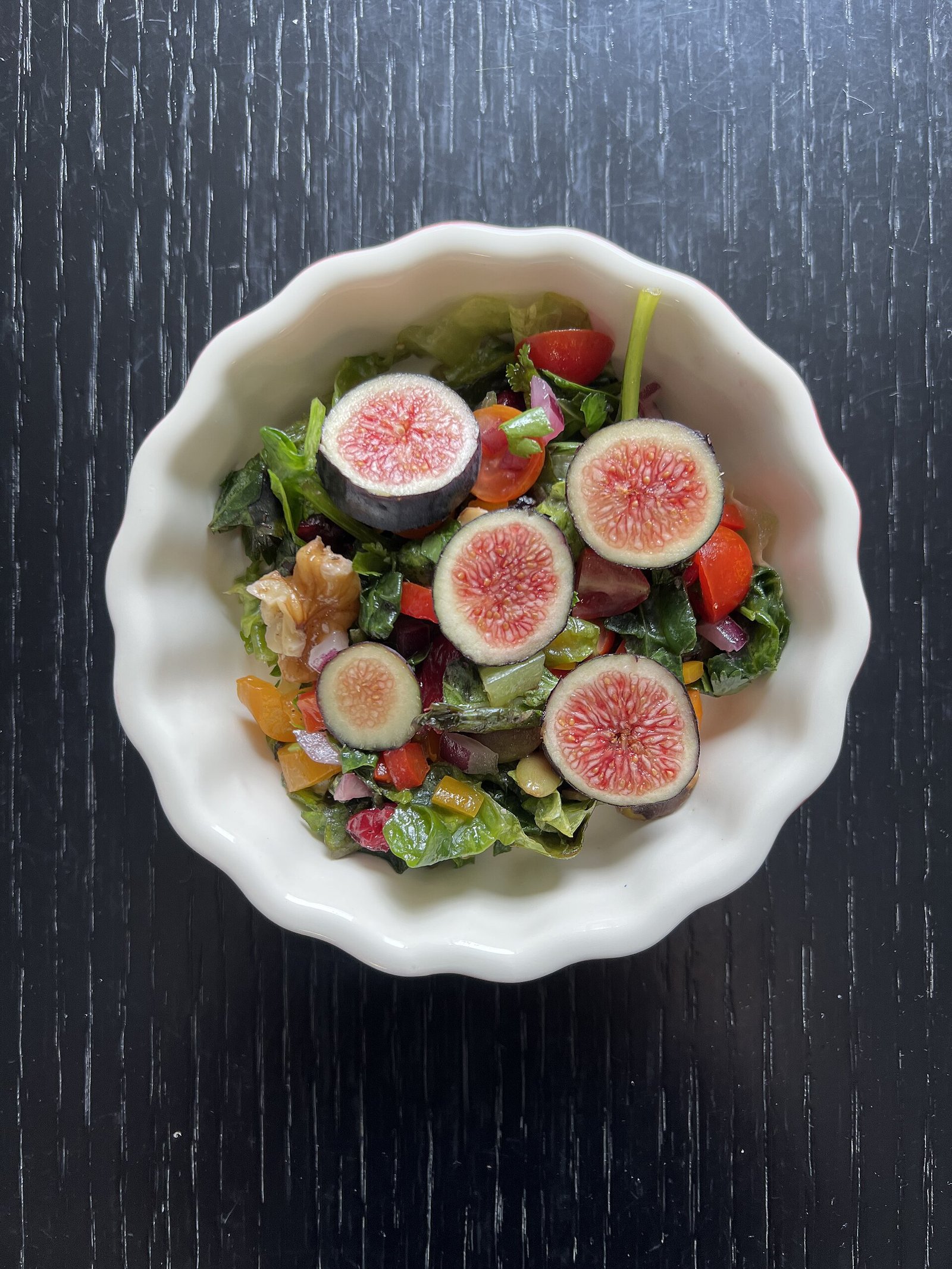
Leafy greens and colorful vegetables; fruit; oats and whole-grain breads; beans; fish (especially as a regular protein rotation); skinless poultry; unsalted nuts in portions if allowed; olive or other unsaturated oils as advised; herbs instead of salt packets; plain yogurt; water or unsweetened tea.
3. Default plate template
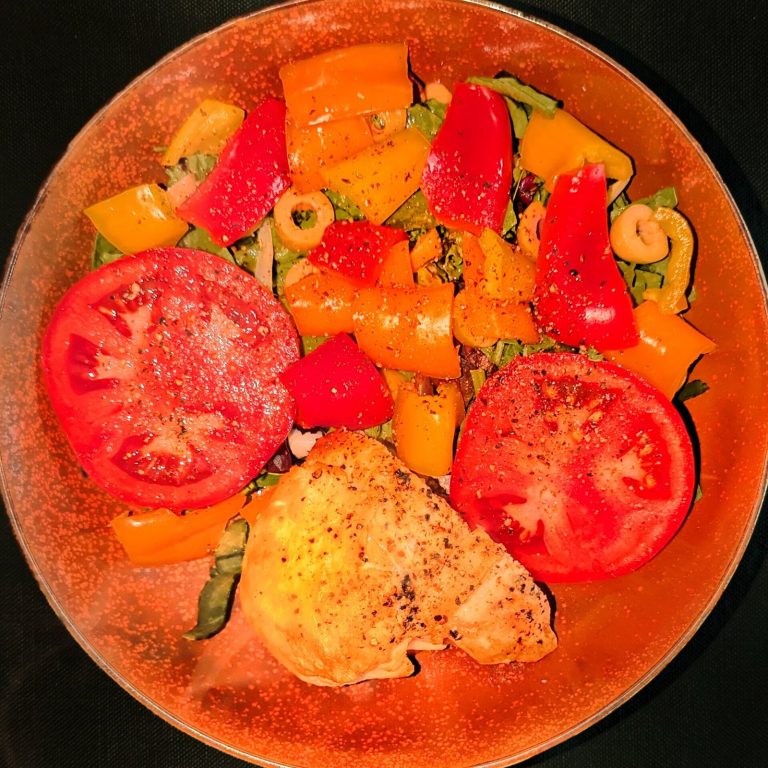
- – Half non-starchy vegetables
- – Quarter whole-grain or high-fiber starch
- – Quarter lean protein
- – Minimal added salt at the table
4. Sample day (illustrative)
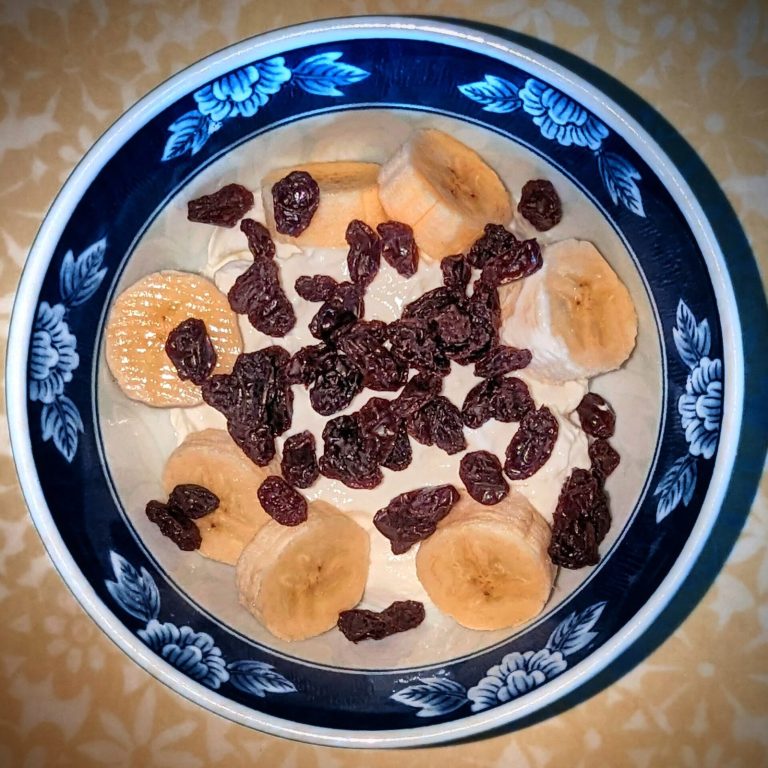
- – Breakfast: oatmeal with berries; low-fat milk or fortified alternative.
- – Lunch: bean-and-vegetable salad or turkey sandwich on whole grain with a large salad; fruit.
- – Snack: apple or carrot sticks; small unsalted nut portion if cleared.
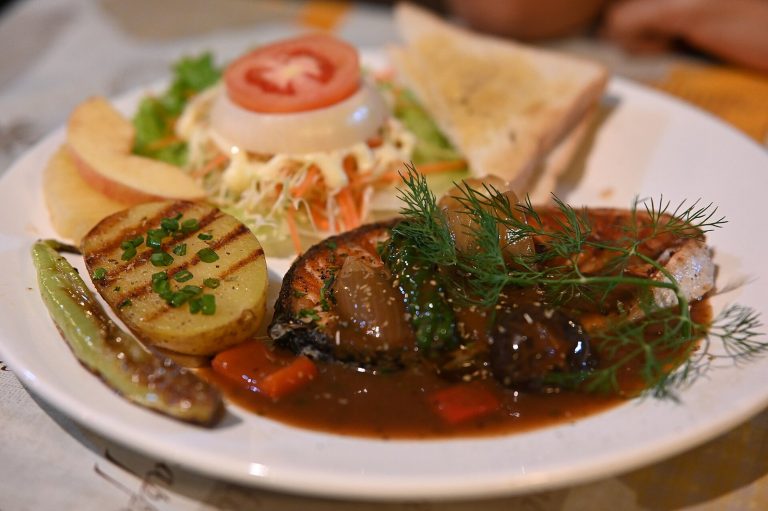
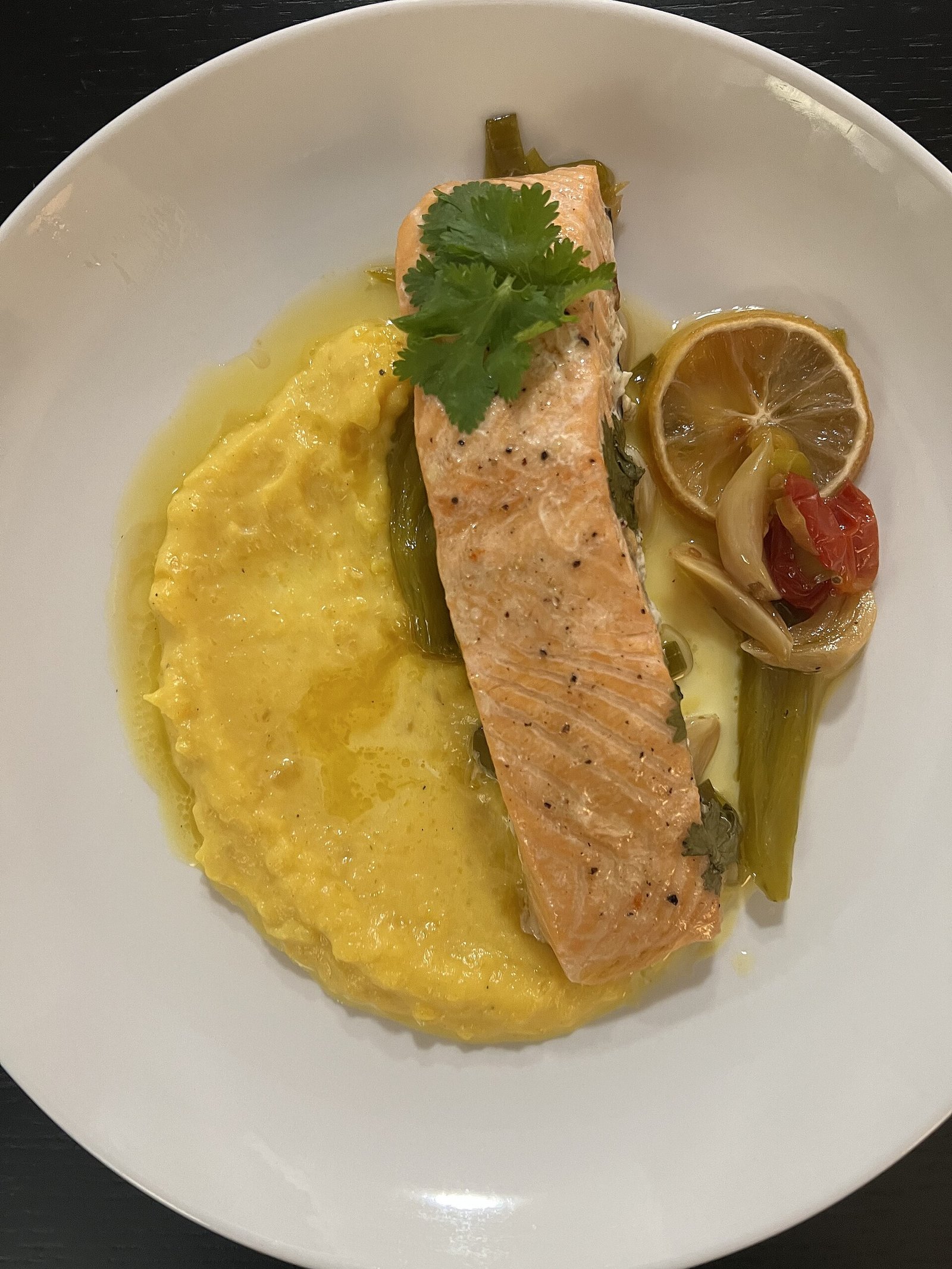
- – Dinner: grilled fish, brown rice or potato, steamed broccoli; herb seasoning.
- – Evening: review tomorrow’s medicine organizer; skip late heavy fried snacks.
5. Travel and restaurant tactics
Carry a card listing stents and antiplatelet medicines; choose grilled options; watch hidden sodium in soups and sauces; ask your cardiologist before adding any “blood-thinning” supplement advertised online.
6. If heart failure or CABG history coexists
Follow fluid or sodium rules from that team—see heart failure diet guide and diet after CABG guide—over generic “drink a gallon a day” slogans.
Safety, interactions, and who should ask a clinician first
- – Dual antiplatelet therapy raises bleeding risk: report black stools, vomiting blood, severe bruising, or uncontrolled bleeding urgently.
- – Coordinate dental or elective procedures with cardiology before pausing antiplatelets.
- – Kidney disease, diabetes, pregnancy, or eating disorders need individualized nutrition targets.
- – Do not equate culinary spices with prescribed antithrombotic drugs.
FAQ
Can diet keep a stent from clotting by itself? No. NHLBI emphasizes antiplatelet medicines after artery stents; food supports risk factors but does not replace those pills.
Is the DASH plan only for hypertension? DASH is framed as a heart-healthy pattern that also helps blood pressure; many post-PCI patients have overlapping hypertension and lipid goals.
Should I take megadose fish oil or garlic pills to “thin blood”? Ask your cardiologist first—unsupervised stacks can raise bleeding risk alongside dual antiplatelets.
How soon can I exercise and cook standing for long periods? Follow your procedural and rehab activity timeline; access-site and fitness clearance vary.
How is this different from a general CAD diet page? Overlap is large—see coronary artery disease diet guide—but post-stent care adds dual antiplatelet adherence and PCI follow-up as non-negotiables.
How this differs from related OTCFood topics
This page is a coronary-stent / PCI–bound diet guide focused on secondary-prevention eating beside antiplatelet therapy and rehab. It is not a DIY angioplasty protocol, not a CABG sternotomy manual, and not a substitute for cardiology care.
Medical disclaimer
Medical disclaimer: This article is for general information only. It is not medical advice, diagnosis, or a treatment plan. Care after coronary stenting depends on stent type, clotting risk, other heart conditions, and your cardiology team’s protocol. Talk with a clinician or registered dietitian before starting, stopping, or changing any eating plan, supplement, or medicine. Seek emergency care for chest pain, sudden shortness of breath, stroke symptoms, or major bleeding.