Diet After Aortic Valve Replacement: Foods That May Help and Foods to Limit
Medical note: This article discusses foods and researched botanicals. It does not claim to prevent, treat, or cure disease. Supplements are not a substitute for food, and studied amounts are not personal prescriptions.
People searching “diet after aortic valve replacement foods that help or worsen” usually want heart-healthy kitchen patterns that fit cardiac rehab rules—and, if a mechanical valve was placed, steady vitamin K habits that keep warfarin monitoring predictable—not a claim that food replaces the new valve, blood thinners, or cardiology follow-up. MedlinePlus explains aortic valve surgery options and notes that mechanical valves typically require lifelong blood-thinning medicine such as warfarin. ODS and MedlinePlus warfarin education emphasize consistent vitamin K intake week to week rather than chaotic kale binges.
What this after-aortic-valve-replacement diet guide covers (and what it does not)
This guide is for adults recovering from surgical or minimally invasive aortic valve replacement who want eating patterns grounded in MedlinePlus, NHLBI DASH education, and ODS vitamin K facts. Anchors: MedlinePlus — Aortic valve surgery (minimally invasive), MedlinePlus — Aortic valve surgery (open), MedlinePlus — Heart valve diseases, MedlinePlus — Warfarin, ODS — Vitamin K, and NHLBI — DASH eating plan.
Food does not “season” a prosthetic valve into place. Related reading: diet after mitral valve repair guide and diet after CABG guide.
Evidence snapshot: after-AVR diet claims vs public sources
| Claim people hope for | What public sources actually say | Confidence |
|---|---|---|
| “A detox diet finishes what surgery started” | MedlinePlus centers surgical recovery, medicines, and heart-healthy lifestyle—not culinary cures | Strong: food is supportive |
| “Mechanical valve means never eat greens again” | MedlinePlus warfarin: eat consistent vitamin K amounts week to week; do not suddenly eat large amounts of high-vitamin-K leafy greens or certain oils; ask before diet changes. ODS: if you take warfarin, get about the same vitamin K each day | Strong for consistency, not lifelong zero greens |
| “Tissue valves need the same warfarin diet forever” | MedlinePlus: mechanical valves usually need lifelong warfarin; biologic valves often do not require lifelong warfarin the same way—confirm your valve type | Strong: know your prosthesis |
| “Salt does not matter after the valve is fixed” | Heart valve disease pages emphasize heart-healthy lifestyle for related conditions; NHLBI DASH limits sodium and saturated fat | Moderate–strong for long-term cardiometabolic pattern |
| “Grapefruit is always fine with heart medicines” | MedlinePlus warfarin page: talk to your doctor about grapefruit/juice while taking warfarin | Strong: ask before routine grapefruit |
Foods and patterns that may help after aortic valve replacement
“May help” means supporting heart-healthy patterns, wound-recovery nutrition, and anticoagulant-stable vitamin K routines—not a promise that food prevents every clotting or bleeding event.
Heart-healthy DASH-style patterns
- – NHLBI DASH recommends vegetables, fruits, whole grains; fat-free or low-fat dairy; fish, poultry, beans, nuts, and vegetable oils; limits foods high in saturated fat; and targets sodium about 2,300 mg daily (with a 1,500 mg option discussed in DASH materials).
- – Choose foods rich in potassium, calcium, magnesium, fiber, and protein while lower in sodium and saturated/trans fats (DASH framing).
- – Related: hypertension diet guide and diet after coronary stent guide.
Consistent vitamin K if you take warfarin
- – MedlinePlus warfarin dietary instructions: some vitamin K–containing foods/beverages can affect how warfarin works; eat consistent amounts week to week; avoid suddenly large amounts of leafy green vegetables or certain high-vitamin-K oils; ask before diet changes.
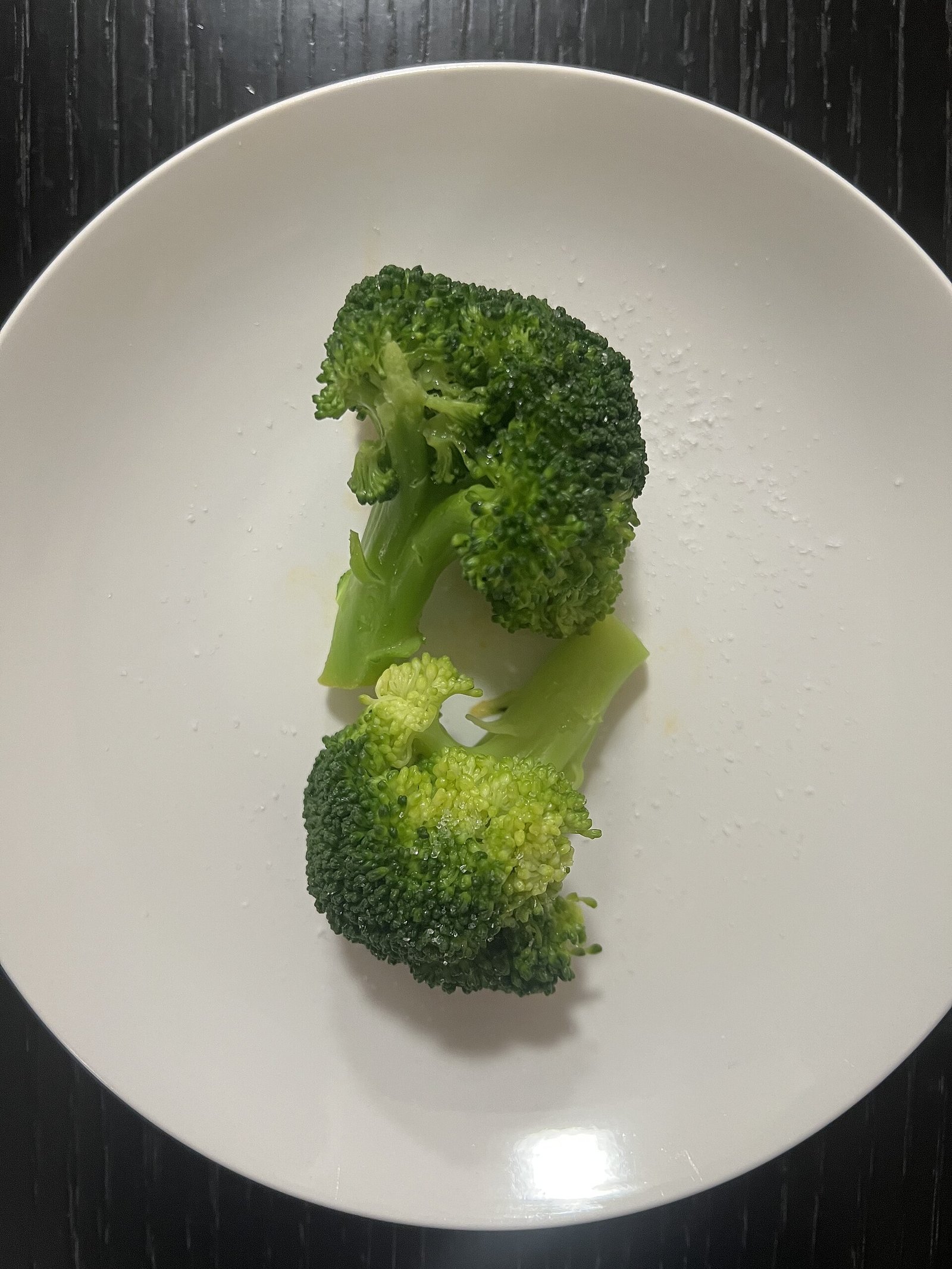
- – ODS: vitamin K appears in spinach, kale, broccoli, lettuce, some oils, and other foods; people on warfarin should keep daily vitamin K roughly steady.
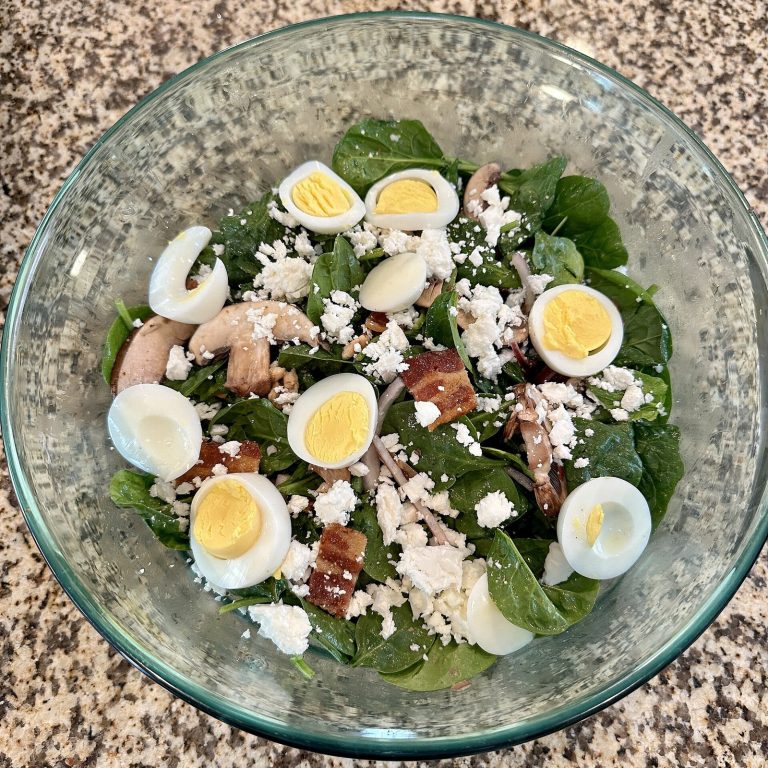
- – Practical habit: same salad pattern most days beats “no greens Monday, giant kale smoothie Thursday.”
Protein for surgical recovery (with sodium awareness)
- – Tender fish, poultry, eggs, beans, and low-fat dairy support recovery calories while fitting DASH protein guidance (meats/poultry/fish generally ≤6 servings/day in DASH examples).
- – If appetite is low early after sternotomy or thoracotomy approaches, smaller frequent meals help.
Soft, easy meals early if coughing or incision pain limits cooking
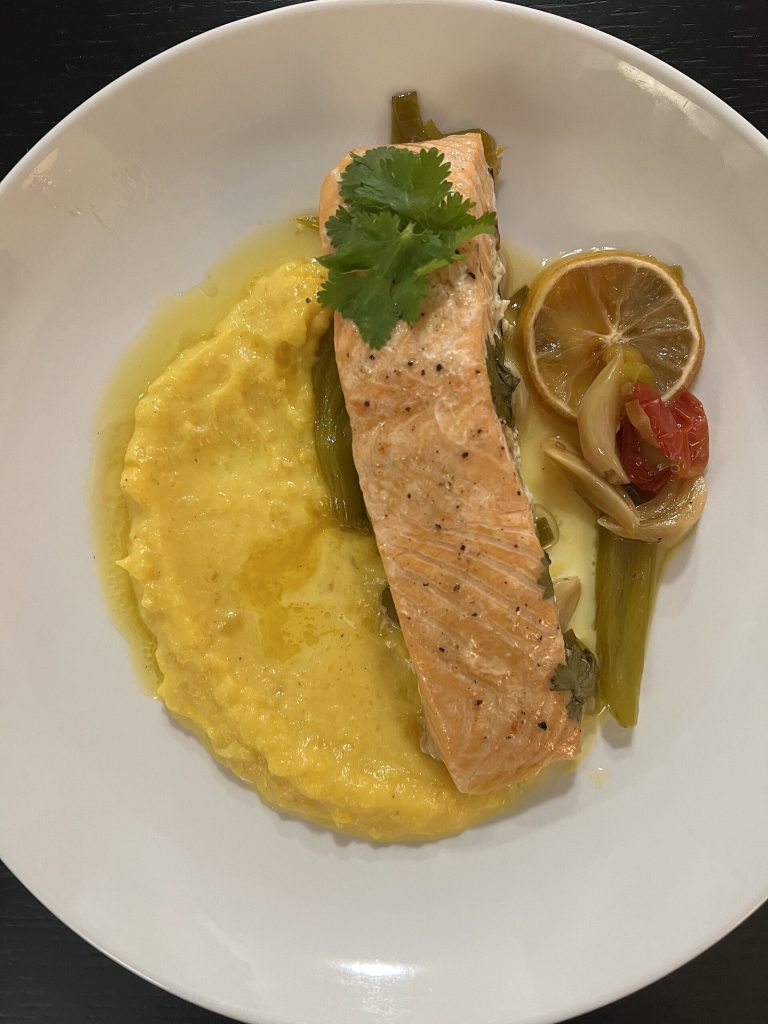
- – Soups with controlled salt, oatmeal, yogurt, eggs, and baked fish reduce kitchen strain while you follow lifting and driving limits from cardiac surgery teams. Parallels: diet after mitral valve repair guide and diet after pacemaker implantation guide.
Fluid and sodium balance if heart-failure history exists
- – MedlinePlus heart valve disease notes untreated valve problems can lead toward heart failure symptoms. If you have fluid restrictions or diuretics, individualize—see heart failure diet guide.
Foods and habits that often worsen after-AVR kitchen patterns
- – Chaotic vitamin K intake while on warfarin (huge spinach days alternating with zero greens).
- – Starting/stopping vitamin K supplements without clinician approval (ODS notes vitamin K appears in some supplements).
- – High-sodium processed meats and boxed meals that fight blood-pressure and fluid goals (DASH contrast).
- – Heavy saturated-fat patterns (fatty meats, full-fat processed foods) opposite DASH guidance.
- – Grapefruit experiments without pharmacist clearance while on warfarin or other heart medicines.
- – Alcohol excess that can affect INR stability and recovery—ask your cardiology team.
- – Herbal “blood thinners” or mega vitamin E stacked onto prescribed anticoagulants without disclosure.
- – Expecting diet to fix chest pain, sudden shortness of breath, stroke symptoms, or black stools—those are emergencies.
“Limit” means stabilizing anticoagulation and cardiometabolic risk—not punishing every birthday meal forever.
Practical kitchen protocol: an after-AVR diet week
1. Keep the medical spine first
Confirm valve type (mechanical vs biologic), anticoagulant plan and INR schedule if on warfarin, antiplatelet medicines, incision care, and cardiac rehab diet counseling.
2. Shopping list for heart-stable recovery
Oats; berries and other fruit; vegetables including a consistent green portion if on warfarin; fish; skinless poultry; beans; low-fat dairy; olive oil measured; herbs/spices instead of salt bombs; labeled lower-sodium broths.
3. Default plate template
- – Half produce
- – Quarter whole grain or starchy vegetable
- – Quarter lean protein
- – Minimal added salt at the table
- – Same-ballpark vitamin K greens if applicable
4. Sample day (illustrative; adjust for warfarin/INR advice)
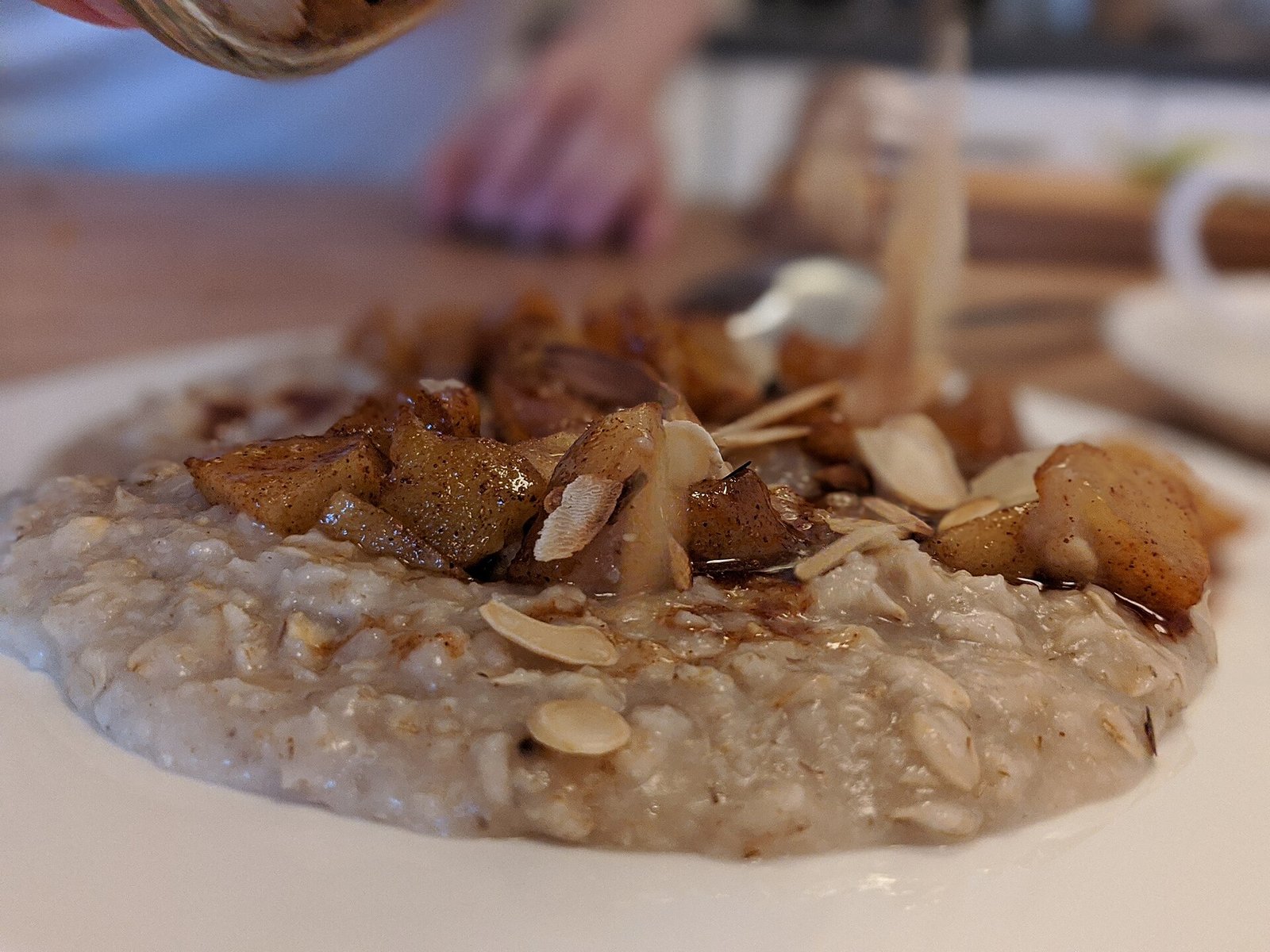
- – Breakfast: oatmeal with berries; low-fat yogurt; water.
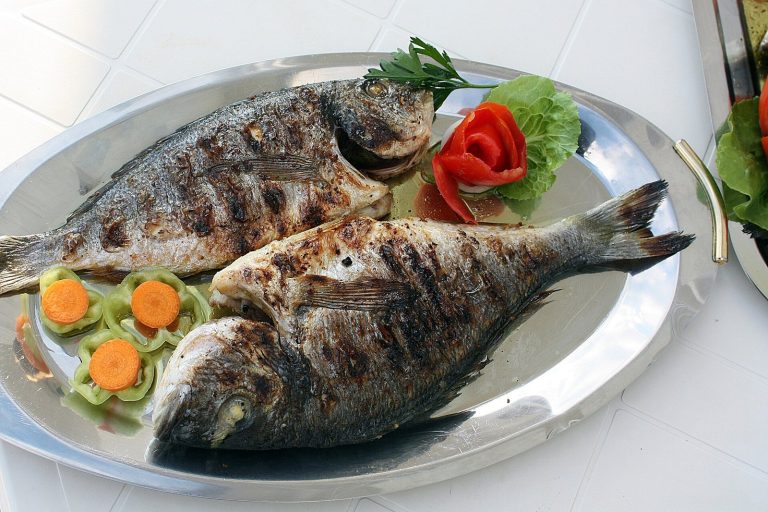
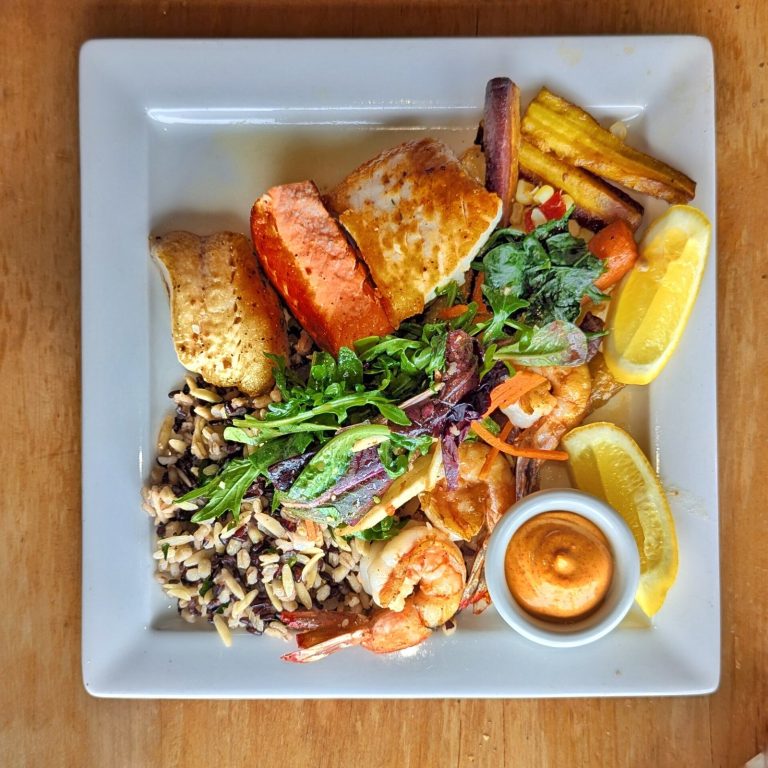
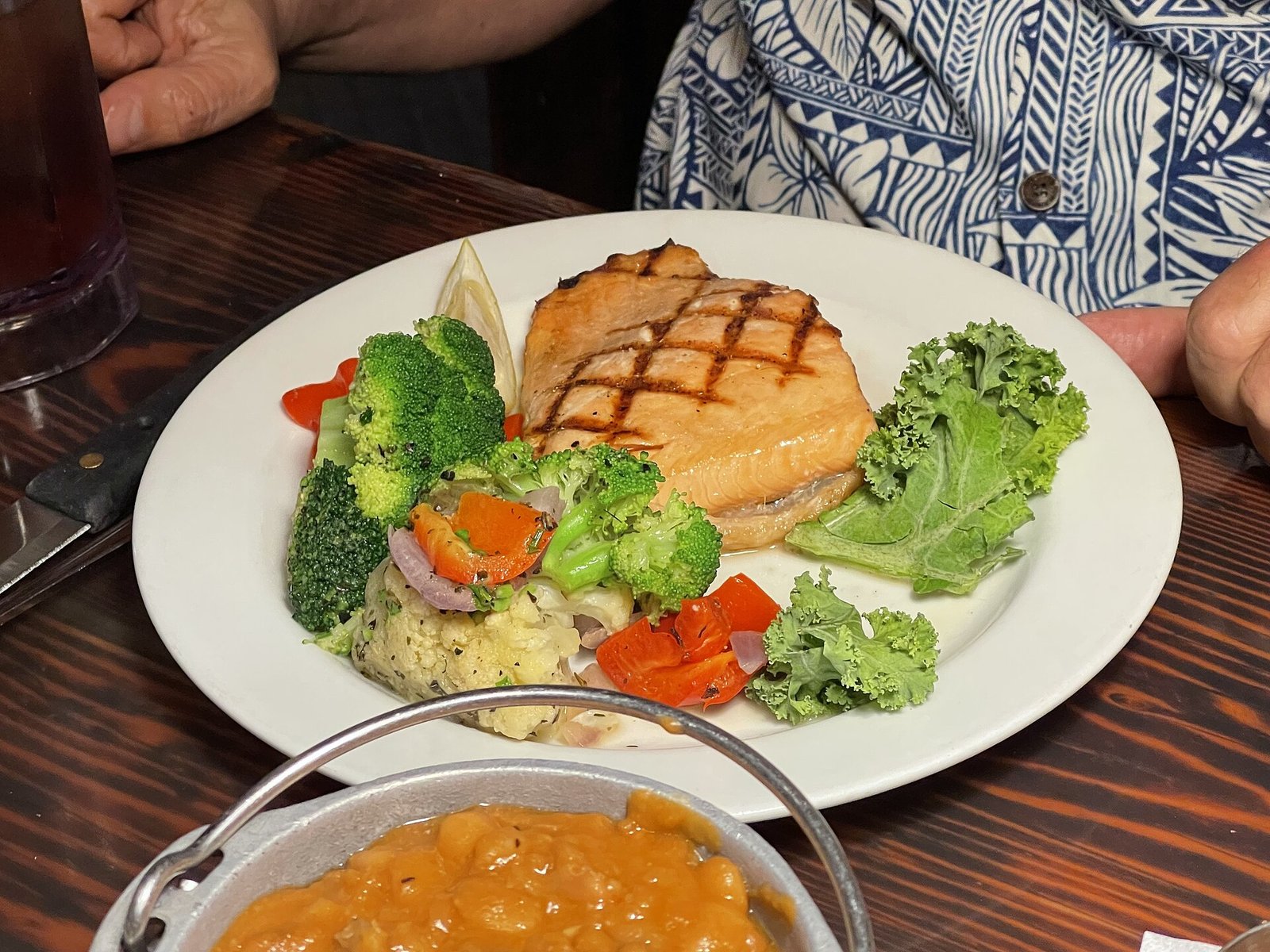
- – Lunch: grilled fish, brown rice, broccoli in your usual portion; salad with measured oil.
- – Snack: fruit; handful of unsalted nuts if DASH-fitting.
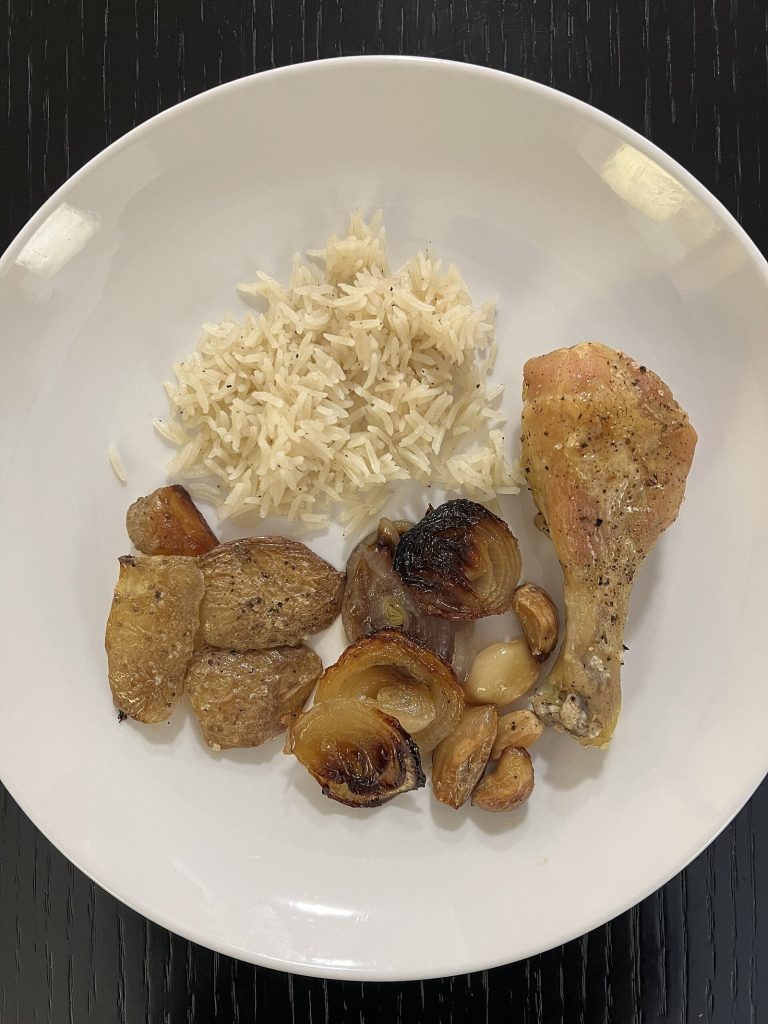
- – Dinner: skinless chicken or bean chili (lower sodium), sweet potato, cooked greens at your consistent vitamin K level.
- – Evening: review tomorrow’s warfarin dose timing with food routine you already use.
5. Restaurant and travel tactics
Ask for sauces on the side; choose grilled fish; keep green portions similar to home; carry a medication list stating you take warfarin if applicable.
6. If you also have coronary disease
Layer diet after CABG guide and diet after coronary stent guide patterns without changing anticoagulants on your own.
Safety, interactions, and who should ask a clinician first
- – Warfarin: consistent vitamin K; disclose all supplements; ask about alcohol and grapefruit (MedlinePlus).
- – Newer anticoagulants (if used instead of warfarin): follow that drug’s food/interaction sheet—rules differ.
- – Kidney disease: DASH potassium-rich foods may need modification.
- – Diabetes: coordinate carbohydrate patterns with cardiac goals.
- – Call urgently for stroke signs, severe bleeding, black/tarry stools, sudden dyspnea, or syncope.
FAQ
Can diet replace my blood thinner after a mechanical valve? No. MedlinePlus states mechanical valves generally require lifelong warfarin-type anticoagulation.
Do I have to avoid all leafy greens on warfarin? No—keep amounts consistent week to week rather than swinging between none and large piles (MedlinePlus/ODS).
Is DASH only for blood pressure, not valves? DASH is a heart-healthy pattern NHLBI promotes for blood pressure and overall cardiometabolic eating; it pairs well with valve-disease lifestyle advice.
What if I have a bioprosthetic valve? You may not need lifelong warfarin the same way—confirm with your surgeon/cardiologist before copying a mechanical-valve vitamin K routine.
Can I take a multivitamin with vitamin K? Ask; sudden supplement changes can affect INR (ODS/MedlinePlus themes).
How is this different from mitral valve repair diet content? Shared heart-healthy and anticoagulant logic—see diet after mitral valve repair guide—with AVR-specific prosthesis and warfarin emphasis.
How this differs from related OTCFood topics
This page is an aortic valve replacement–bound diet guide focused on DASH-style heart-healthy eating and warfarin-stable vitamin K consistency. It is not an INR self-dosing manual and not a substitute for cardiac rehab.
Medical disclaimer
Medical disclaimer: This article is for general information only. It is not medical advice, diagnosis, or a treatment plan. Care after aortic valve replacement depends on valve type, anticoagulant regimen, heart function, and other conditions. Talk with a clinician or registered dietitian before starting, stopping, or changing any eating plan, supplement, or medicine. Seek urgent care for bleeding, stroke symptoms, chest pain, or severe shortness of breath.