BPH (Enlarged Prostate) Diet: Foods That May Help and Foods to Limit
Medical note: This article discusses foods and researched botanicals. It does not claim to prevent, treat, or cure disease. Supplements are not a substitute for food, and studied amounts are not personal prescriptions.
People searching “BPH enlarged prostate diet foods that help or worsen” usually want beverage timing and bladder-irritant limits that may ease urinary frequency while they follow urology care—not a claim that food shrinks the prostate or replaces alpha-blockers, 5-alpha-reductase inhibitors, or procedures. MedlinePlus describes benign prostatic hyperplasia (BPH) as prostate enlargement that can press on the urethra and change urine flow. NIDDK states researchers have not found eating, diet, or nutrition to cause or prevent BPH, yet changes in eating and fluids could help lessen some symptoms—especially by reducing nighttime and public-outing urgency through smarter liquid timing and limiting alcohol and caffeine.
What this BPH diet guide covers (and what it does not)
This guide is for adults with clinician-diagnosed BPH who want practical kitchen and beverage habits alongside medicines, pelvic strategies, or procedural plans. Anchors: MedlinePlus — Enlarged prostate (BPH), NIDDK — Enlarged prostate (BPH).
NIDDK lifestyle lists include drinking fewer liquids before going out or bedtime, avoiding or limiting alcohol and caffeine, staying physically active, emptying the bladder completely, using the restroom often rather than holding urine, and reviewing medicines that worsen symptoms. MedlinePlus similarly notes cutting back on caffeine and alcohol, drinking less before bedtime, bladder training, and preventing or treating constipation among supportive strategies. Kitchen changes do not replace digital rectal exams, PSA decisions, or acute retention care. Related reading: diet after prostatectomy guide, constipation diet guide, and hypertension diet guide.
Evidence snapshot: BPH diet claims vs public sources
| Claim people hope for | What public sources actually say | Confidence |
|---|---|---|
| “A prostate diet shrinks BPH like medicine” | NIDDK: diet has not been shown to cause or prevent BPH; it may lessen some symptoms | Strong: symptom support only |
| “Zero fluids all day rests the bladder best” | NIDDK advises smarter timing (fewer liquids before outings/bed), not dangerous dehydration | Strong: time fluids; don’t dehydrate |
| “Spicy food always enlarges the prostate” | Public NIDDK pages emphasize caffeine/alcohol and fluid timing more than spice as core diet themes | Low for “always enlarges”; personal triggers vary |
| “Saw palmetto tea replaces urology meds” | This guide stays with NIDDK/MedlinePlus lifestyle anchors—not unregulated herb claims as medicine substitutes | Strong: ask clinician before herbs |
| “Constipation has nothing to do with BPH comfort” | MedlinePlus lists preventing/treating constipation among helpful habits because straining and pelvic pressure can worsen urinary comfort | Moderate–strong for symptom overlap |
Foods and patterns that may help with BPH day to day
“May help” means supporting fewer urgent trips and less nighttime waking from beverage choices—not a promise that produce erases obstruction.
Time fluids intentionally
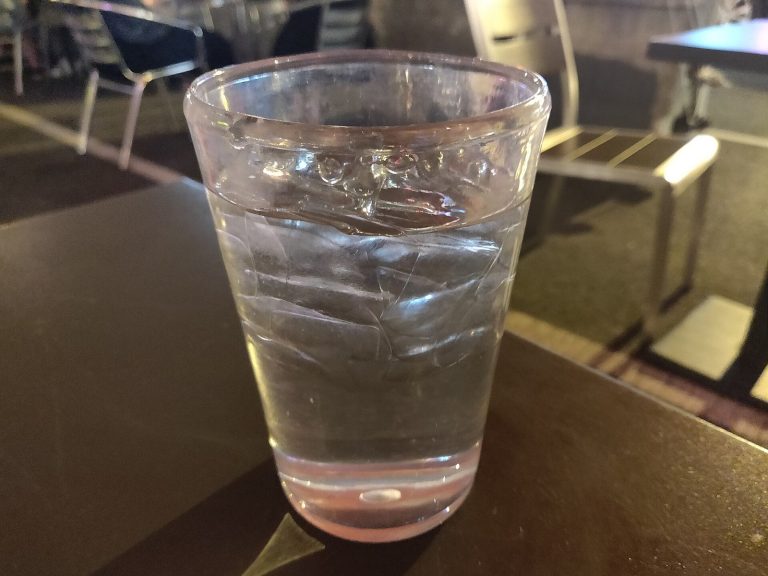
- – NIDDK: try to drink fewer liquids particularly before you go out in public or go to bed.
- – Front-load most of your daily water earlier; taper in the evening if nocturia is the main complaint—confirm with your clinician if you have kidney stones, kidney disease, or other reasons to keep evening fluids.
Limit caffeine and alcohol as bladder agitators
- – NIDDK: avoiding or reducing alcohol and caffeine can decrease how often you need to urinate.
- – MedlinePlus lists cutting back on caffeine/alcohol among home strategies.
- – Swap afternoon coffee for water or non-caffeinated herbal options if your team agrees.
Fiber-aware plates that limit constipation
- – Soft, regular stools reduce straining that can aggravate pelvic discomfort; see constipation diet guide.
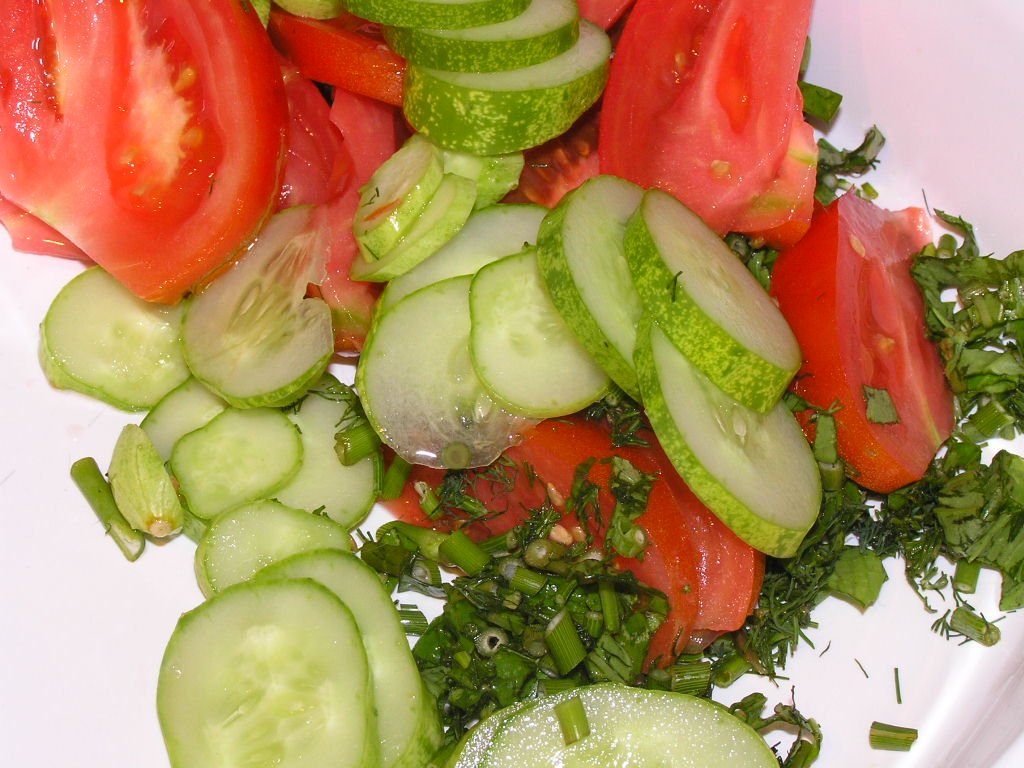
- – Oats, beans (if gas is tolerated), fruits, vegetables, and adequate daytime fluids support fiber function.
Overall balanced pattern while medicines do structural work
- – Emphasize vegetables, fruits, whole grains, lean proteins, and heart-aware sodium patterns if hypertension coexists—hypertension diet guide—without claiming blood-pressure food “treats” BPH anatomy.
Steady daytime bathroom habits NIDDK lists
- – Empty completely; don’t chronically hold urine; stay physically active as cleared.
Foods and habits that often worsen BPH kitchen patterns
- – Large evening fluid loads right before bed (opposite of NIDDK timing advice).
- – Stacked caffeine (coffee, energy drinks, strong tea, cola) when frequency/urgency dominate.
- – Alcohol, especially evening alcohol that combines diuretic effects with sleep disruption.
- – Chronic low-fiber patterns that invite constipation and straining (MedlinePlus prevention/treatment of constipation theme).
- – Holding urine for long periods “to train the bladder” against NIDDK guidance.
- – Cold-medicine decongestants or certain antihistamines that can worsen urinary symptoms—review OTC cold products with a pharmacist/clinician (NIDDK notes medicine effects in BPH care).
- – Expecting diet to fix inability to urinate, fever with urinary symptoms, or blood clots in urine — emergency urology issues.
“Limit” means reducing urgency triggers—not that one latte defines prostate health forever.
Practical kitchen protocol: a BPH diet week
1. Keep the medical spine first
Confirm BPH diagnosis vs other causes of lower urinary tract symptoms, current medicines, procedure history, and when to seek care for retention. Put a nocturia fluid-taper note on the fridge.
2. Shopping list for bladder-aware kitchens
Water bottles for daytime; decaf or herbal options if replacing afternoon caffeine; oats; berries and other fruit; vegetables; beans if tolerated; yogurt; lean proteins; high-fiber cereal; prune or kiwi options if constipation is an issue.
3. Default beverage template
- – Morning: usual fluids with breakfast.
- – Afternoon: taper caffeine after a personal cutoff (often early afternoon).
- – Evening: smaller sips only as needed; finish larger drinks well before bedtime.
4. Sample day (illustrative)
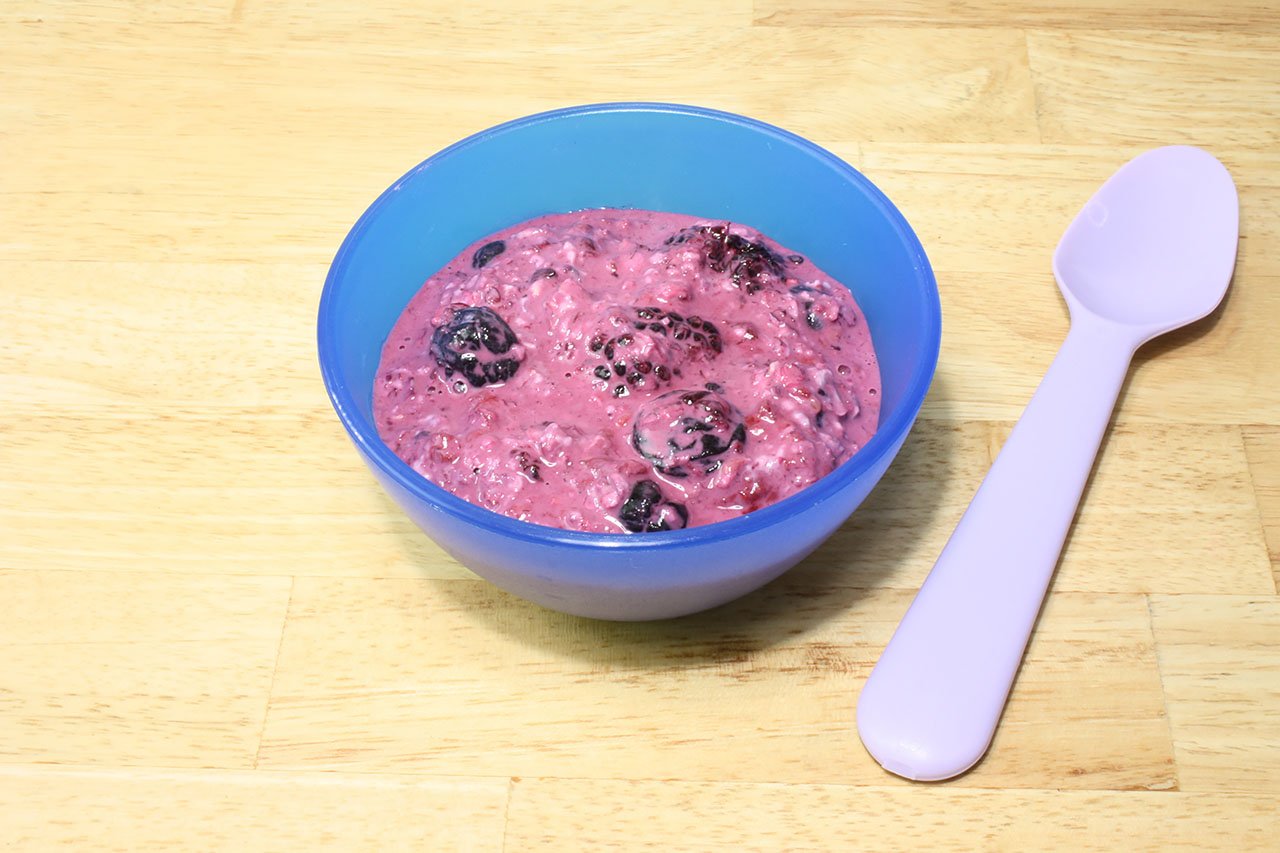
- – Breakfast: oatmeal with berries; water; limit to one morning coffee if you use caffeine.
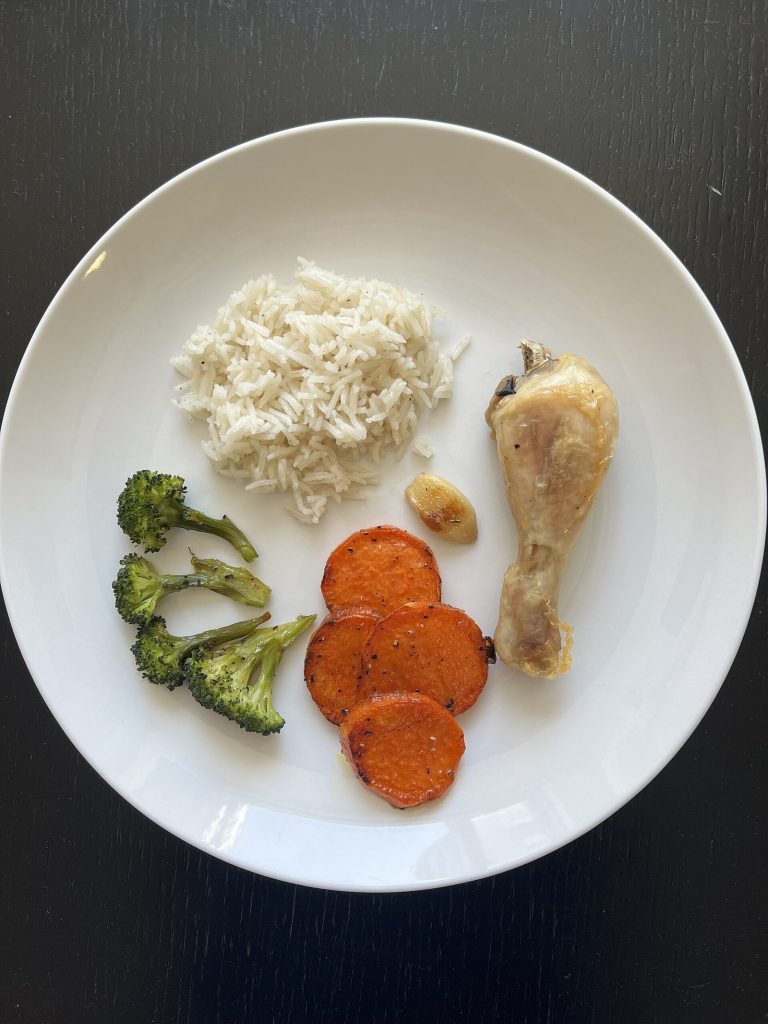
- – Lunch: grilled chicken, vegetables, whole grain; water.
- – Snack: fruit and yogurt.
- – Dinner: baked fish, vegetables, beans or potato; alcohol-free.
- – Evening: small water sips only; bathroom before bed; constipation plan if needed.
5. Home setup tips
Move the big water jug off the nightstand; keep a daytime bottle at your desk; track nighttime voids for one week to show your urologist.
6. If surgery or prostatectomy is in the past or future
Post-prostatectomy recovery has separate wound and catheter rules—see diet after prostatectomy guide—do not mix those instructions with medical BPH management casually.
7. Evening wind-down routine for nocturia-aware kitchens
Stop large drinks 2–3 hours before bed if your clinician agrees; take prescribed BPH medicines on schedule; empty your bladder before lights-out; keep a small nightstand cup only for true thirst rather than habitual sipping. If constipation is flaring, use the daytime fiber-and-fluid pattern from constipation diet guide instead of aggressive nighttime prune juice that wakes you to urinate.
8. Dining-out and travel tips
Choose water as the default restaurant beverage after one morning coffee; skip the bottomless iced tea refill if caffeine worsens urgency; locate restrooms early on road trips; pack familiar high-fiber snacks so travel constipation does not stack onto BPH discomfort. Limit celebratory alcohol rounds that combine diuresis with sleep disruption.
Safety, interactions, and who should ask a clinician first
- – Acute urinary retention, fever with flank pain, or inability to urinate needs urgent care.
- – Kidney disease or heart failure may dictate strict fluid rules that override simple nocturia tapering.
- – Herbal prostate products can interact with medicines—ask before combining with prescription BPH drugs or blood thinners.
- – Blood in urine, unexplained weight loss, or bone pain needs prompt evaluation beyond “diet for BPH.”
FAQ
Can diet cure BPH? NIDDK says diet has not been shown to cause or prevent BPH; lifestyle changes may lessen some urinary symptoms.
Should I stop drinking water? No. Time fluids—especially evenings—rather than dehydrating yourself.
Is alcohol always forbidden? NIDDK advises avoiding or reducing alcohol because it can increase urination frequency; individual plans vary.
Do spicy foods worsen BPH? Not highlighted as a core NIDDK diet mechanism; track personal bladder comfort without assuming spice enlarges the gland.
How is this different from after-prostatectomy diet guidance? This page targets medical BPH symptom habits (fluids, caffeine, alcohol, constipation). Postoperative pages add surgical recovery rules—diet after prostatectomy guide.
How this differs from related OTCFood topics
This page is a BPH symptom–bound diet and beverage guide focused on fluid timing, caffeine/alcohol limits, and constipation-aware fiber. It is not a PSA interpretation tool, not a procedure decision aid, and not a substitute for urology follow-up.
Medical disclaimer
Medical disclaimer: This article is for general information only. It is not medical advice, diagnosis, or a treatment plan. BPH care depends on symptom severity, prostate size, other urinary conditions, medicines, and your clinician’s protocol. Talk with a clinician or registered dietitian before starting, stopping, or changing any eating plan, supplement, or medicine. Seek urgent care for inability to urinate, fever with urinary symptoms, or heavy blood in the urine.