TMJ Disorder Diet: Foods That May Help and Foods to Limit
Medical note: This article discusses foods and researched botanicals. It does not claim to prevent, treat, or cure disease. Supplements are not a substitute for food, and studied amounts are not personal prescriptions.
People searching “TMJ disorder diet foods that help or worsen” usually want softer chewing patterns that reduce jaw load—not a claim that food realigns the joint or replaces dental/medical care. MedlinePlus and NIDCR describe temporomandibular disorders (TMDs) as a group of more than 30 conditions affecting the jaw joints and chewing muscles. Symptoms can include pain in chewing muscles or the jaw joint, pain spreading to the face or neck, stiffness, limited opening or locking, and painful clicking/popping (painless clicking alone is common and not automatically TMD). TMD is more common in women, especially ages 35–44. Many cases improve with time; experts emphasize conservative care and caution with irreversible bite-changing procedures.
What this TMJ disorder diet guide covers (and what it does not)
This guide is for adults with clinician- or dentist-recognized TMD symptoms who want kitchen texture strategies alongside heat/cold, gentle exercises, and habit changes. Anchors: MedlinePlus — Temporomandibular Disorders and NIDCR — TMD.
NIDCR/MedlinePlus first-line suggestions often include soft foods, heat or cold with gentle jaw stretches, OTC NSAIDs if appropriate, and reducing clenching, gum chewing, and nail biting. This page is not surgery advice, not a splint prescription, and not a migraine protocol—though headache overlap is common—manage headaches with your clinician rather than assuming soft foods alone settle them. For stress-related clenching context, kitchen timing tips may sit beside anxiety diet guide without implying anxiety equals TMD.
Evidence snapshot: TMJ diet claims vs public sources
| Claim people hope for | What public sources actually say | Confidence |
|---|---|---|
| “A soft-food diet cures TMD permanently” | NIDCR/MedlinePlus: many TMDs improve; soft foods are a conservative comfort measure, not a structural cure | Strong: supportive only |
| “Cutting all chewy foods forever is required” | Soft foods are suggested when symptomatic; long-term texture plans should be individualized | Moderate: temporary soft diet common |
| “Diet fixes bite better than braces reverse” | NIDCR: research does not support bad bite/orthodontics as the usual TMD cause; irreversible occlusal changes lack strong evidence and can worsen problems | Strong against DIY bite theories |
| “Gum is fine if sugar-free” | NIDCR/MedlinePlus: reduce gum chewing among early self-care steps | Strong: limit gum while flaring |
| “Supplements rebuild the TMJ disc” | Public NIDCR pages emphasize conservative care; they do not present culinary supplements as disc repair | Low for supplement cure claims |
Foods and patterns that may help during TMD flares
“May help” means reducing mechanical load on sore joints/muscles—not regenerating cartilage through nutrients alone.
Soft, cut-small textures (NIDCR / MedlinePlus)
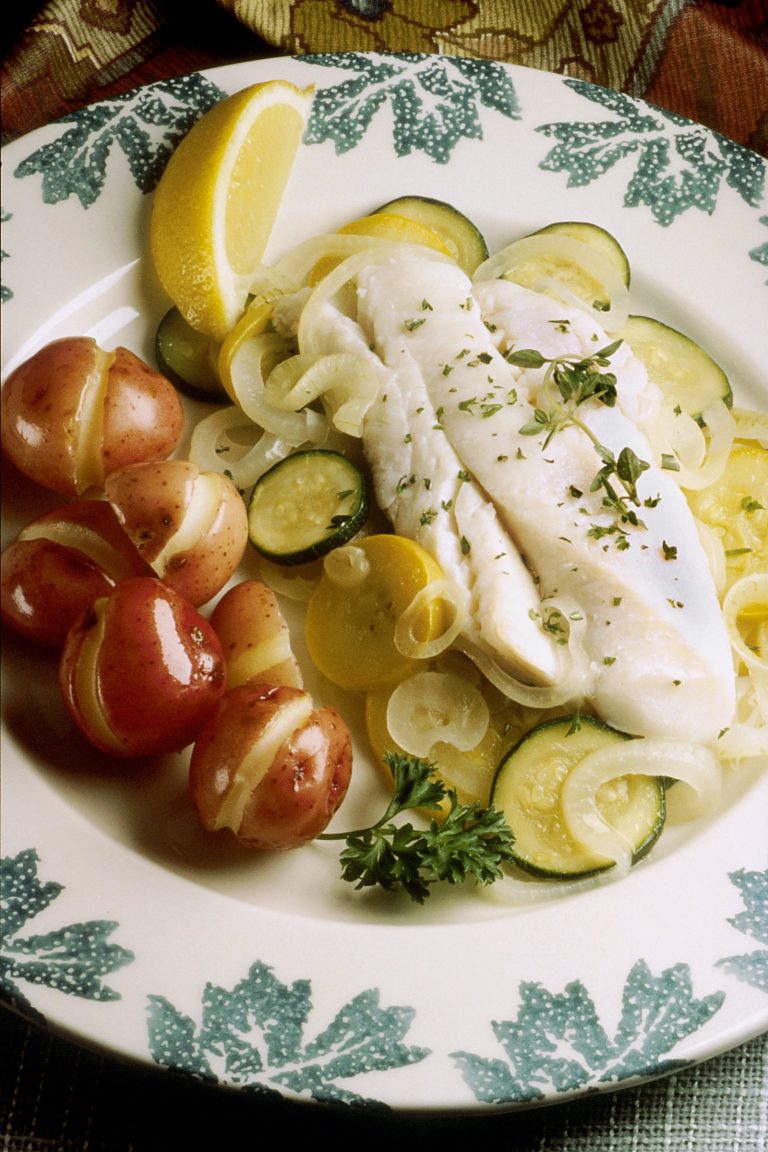
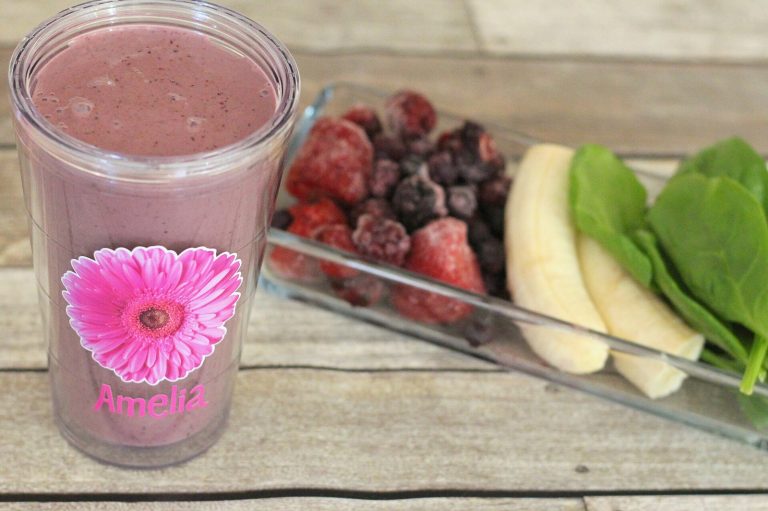
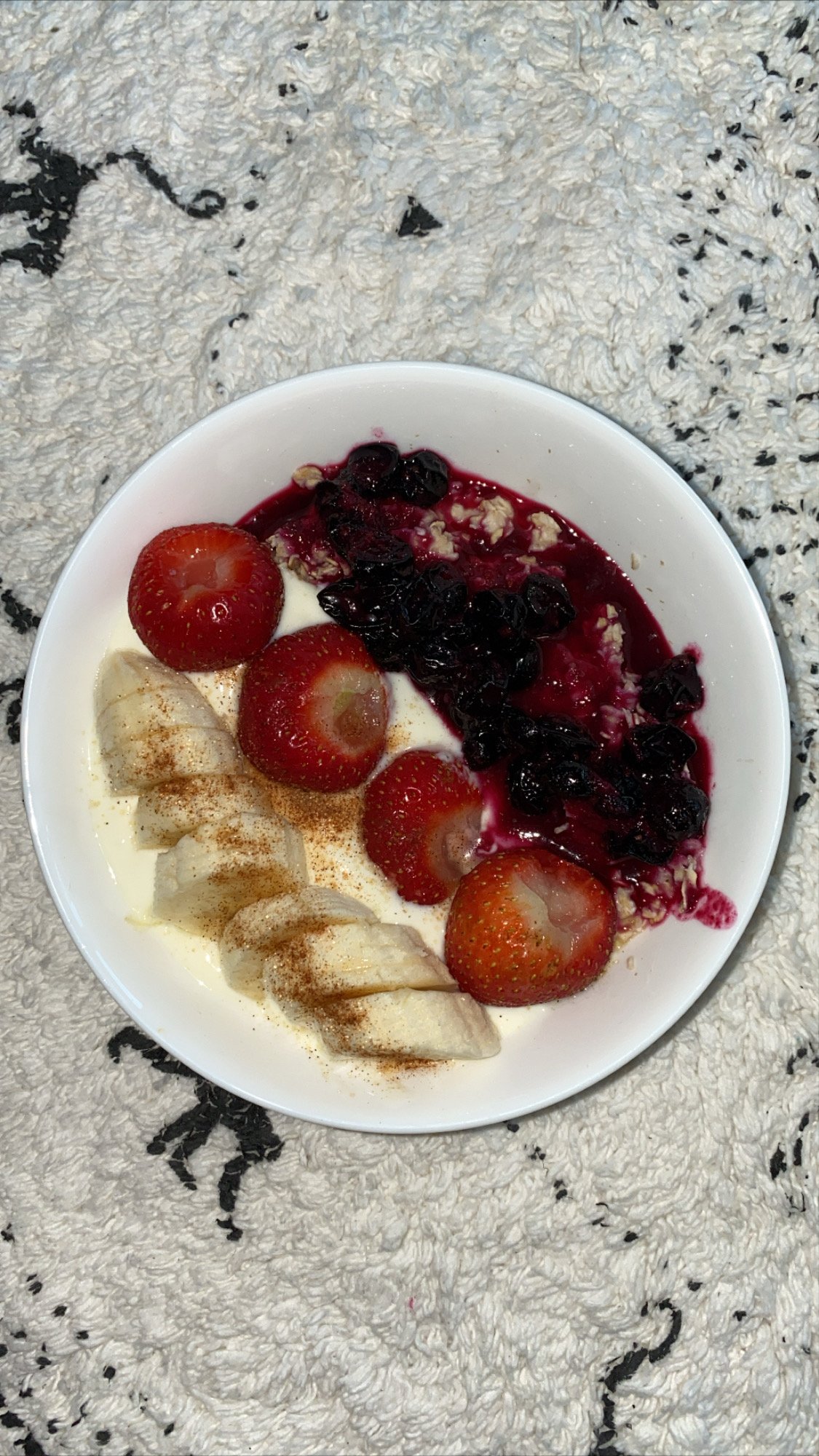
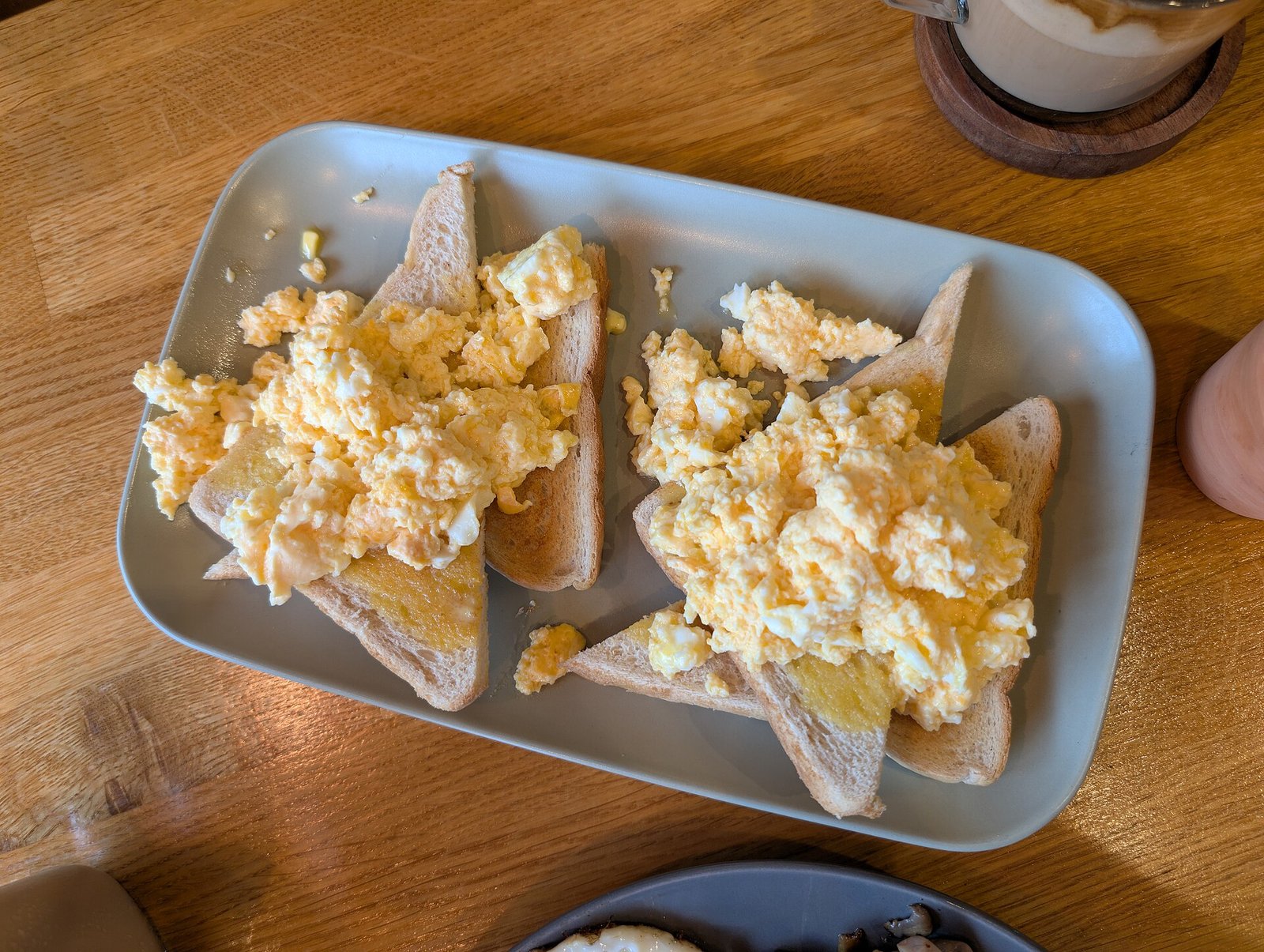
- – Choose soft proteins: scrambled eggs, flaky fish, ground or finely chopped poultry, tofu, yogurt, cottage cheese, smoothies (do not use chewing as a workout).
- – Soft starches: oatmeal, mashed potato, soft rice, well-cooked pasta, ripe banana, applesauce.
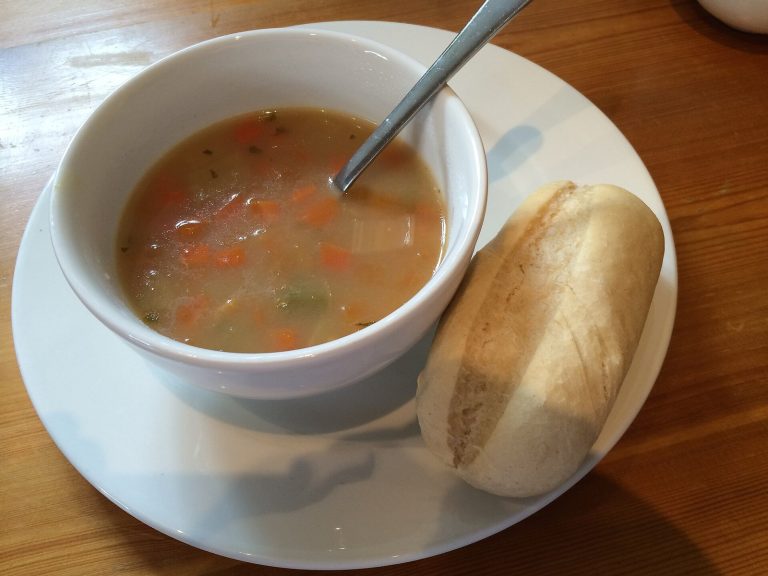
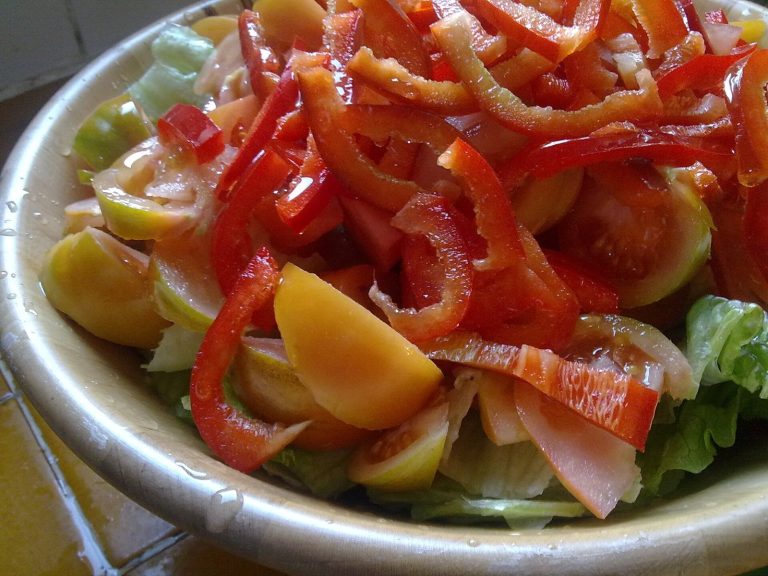
- – Cook vegetables until tender; prefer soups and stews over raw salads with tough stems during flares.
- – Cut food into small pieces; chew evenly on both sides if advised by your clinician.
Meal pacing and habits that unload the jaw
Blend or mash when pain spikes, then return to fork-tender solids as soon as comfort allows so chewing muscles do not decondition forever. Use a straw only if your clinician says it is fine—some people find strong suction aggravates symptoms. Warm soups can double as heat therapy for the face when your care plan includes moist heat, but do not burn oral tissues.
If reflux or nighttime mouth breathing accompanies jaw pain, keep late meals lighter and elevate the head of the bed as advised for reflux; texture care for TMD and acid timing for reflux can coexist without assuming one diagnosis explains the other—see GERD diet guide for reflux kitchen timing only.
- – Prefer several smaller meals over marathon chewing sessions.
- – Avoid testing your maximum opening with oversized burgers or hard bagels.
- – Pair soft meals with the heat/cold and gentle stretch routine your dentist/PT taught—not instead of it.
Overnight and stress-linked kitchen notes
- – If night clenching is suspected, ask about appliances that do not permanently change your bite (NIDCR caution). Soft evening snacks do not replace that conversation.
- – Poor sleep can amplify pain perception—see general sleep-kitchen ideas in insomnia diet guide as lifestyle context only.
Foods and habits that often worsen TMD kitchen patterns
- – Chewing gum, tough jerky, hard candies, ice crunching, and sticky caramels.
- – Large hard crusts, raw carrots/apples taken in big bites, popcorn kernels, and nuts during a painful flare (reintroduce later if cleared).
- – Wide yawns while eating huge sandwiches; cut food smaller instead.
- – Nail biting and pen chewing—NIDCR lists habit reduction among early steps.
- – Expecting irreversible dental grinding or DIY bite changes from online videos to replace conservative care (NIDCR warns some occlusal treatments lack evidence and may worsen symptoms).
- – Alcohol-heavy evenings that disrupt sleep and pain coping while you are flaring.
Practical kitchen protocol: a TMJ-friendly soft week
1. Medical spine
Get a proper exam; rule out dental infection and other facial pain causes. Start with conservative measures before procedures (NIDCR).
2. Shopping list for soft days
Yogurt; eggs; canned salmon mashed; tofu; oatmeal; bananas; avocados mashed; cooked squash; soups; soft bread without hard crust if needed; smooth nut butters thinned in oatmeal rather than crunchy handfuls of nuts.
3. Sample day (illustrative)
- – Breakfast: scrambled eggs and oatmeal; soft fruit.
- – Lunch: blended or finely chopped vegetable soup with soft bread; yogurt.
- – Snack: smoothie or applesauce.
- – Dinner: baked fish, mashed potato, soft cooked carrots.
- – Evening: avoid gum; gentle stretches if prescribed.
4. Returning to firmer textures
Restaurant strategies: ask for cut-up portions, skip the crusty baguette basket during flares, and choose flaky fish or ground meat dishes over ribs or bagels. Travel with soft snack backups (applesauce cups, yogurt, oatmeal packets) so you are not stuck chewing only hard airport food.
As pain settles, reintroduce chew gradually—steamed vegetables before raw crudités, soft fish before steak. Stop if locking or sharp joint pain returns and contact your clinician.
5. Overlap with ear ringing or headache
TMD can include tinnitus or dizziness symptoms (MedlinePlus/NIDCR lists). Do not assume kitchen changes treat ear disease—see tinnitus diet guide for separate framing if relevant.
Keep a simple symptom-and-meal note for a week: which textures triggered locking or muscle pain, and share it at your dental or orofacial pain visit so soft-diet advice stays tailored rather than permanent guesswork.
Safety, interactions, and who should ask a clinician first
- – NSAIDs have GI/kidney/heart risks—follow label and clinician advice.
- – Jaw locking, inability to close, fever with swelling, or trauma needs prompt care—not a longer soft-food experiment.
- – Before surgery or implants, NIDCR advises understanding risks and seeking second opinions from clinicians experienced in TMD.
- – Eating-disorder history: prolonged ultra-restrictive soft diets need dietitian oversight so calories/protein stay adequate.
FAQ
Do soft foods heal the TMJ? They may reduce load and comfort symptoms. NIDCR frames them as part of conservative care, not a structural cure.
Is clicking without pain a reason to go all-liquid? NIDCR: sounds without pain are common and often need no treatment.
Should I permanently switch to shakes only? Usually no. Soft foods are often temporary; long-term liquid-only plans risk nutrition gaps unless supervised.
Does menopause or osteoarthritis “diet” fix TMD? Not specifically. Joint-comfort patterns in osteoarthritis diet guide are general context, not TMJ surgery alternatives.
Can I keep chewing gum if I switch brands? Early self-care lists ask you to reduce gum chewing regardless of brand sweetener.
How this differs from related OTCFood topics
This page is a TMD/TMJ-bound diet guide focused on soft textures, smaller bites, and avoiding jaw-loading snacks alongside NIDCR conservative care. It is not an occlusion surgery guide and not a primary anxiety diet guide protocol.
Medical disclaimer
Medical disclaimer: This article is for general information only. It is not medical advice, diagnosis, or a dental treatment plan. TMD care depends on joint vs muscle subtype, imaging when indicated, and other pain conditions. Talk with a dentist, orofacial pain clinician, or registered dietitian before major diet changes, supplements, or procedures. Seek urgent care for trauma, inability to open/close the jaw, spreading facial swelling, fever, or neurological red flags.