Gastroparesis Diet: Foods That May Help and Foods to Limit
Medical note: This article discusses foods and researched botanicals. It does not claim to prevent, treat, or cure disease. Supplements are not a substitute for food, and studied amounts are not personal prescriptions.
For gastroparesis, diet is one of the main tools doctors use, not just a side note. NIDDK says what you eat may help prevent or relieve gastroparesis symptoms, and doctors often recommend five or six small meals a day, foods low in fat and fiber, soft well-cooked foods, and thorough chewing, while avoiding high-fat and high-fiber foods, fizzy drinks, and alcohol. If solids are hard to manage, liquid nutrition or puréed meals are commonly suggested. For people with diabetes, keeping blood glucose in range matters too, because high blood sugar can slow stomach emptying further.
What this gastroparesis diet guide covers (and what it does not)
This guide is for adults with diagnosed gastroparesis (delayed gastric emptying) and caregivers who plan their meals. It covers everyday food, drink, and meal-timing choices that support a care plan from a gastroenterologist or dietitian, not medicine, feeding-tube, or device decisions.
Anchors used here: NIDDK — Eating, Diet, & Nutrition for Gastroparesis, NIDDK — Treatment for Gastroparesis, NIDDK — Symptoms & Causes, NIDDK — Definition & Facts, and NHS — Gastroparesis.
NIDDK describes gastroparesis as a disorder that slows or stops the movement of food from the stomach to the small intestine, because the stomach muscles work poorly or not at all. Symptoms include feeling full soon after starting a meal, feeling full long after eating, nausea, vomiting, bloating, belching, upper abdominal pain, heartburn, and poor appetite. Diabetes is the most common known cause, but in most cases no cause is found (idiopathic gastroparesis). Complications include dehydration, malnutrition, unplanned weight loss, harder-to-control blood glucose, and bezoars (hardened masses of undigested material).
Evidence snapshot: gastroparesis diet claims vs public sources
| Claim | What public sources say | Confidence |
|---|---|---|
| “Smaller, more frequent meals help” | NIDDK: five or six small, nutritious meals a day instead of two or three large meals; NHS: 4 to 6 small meals a day | Strong (standard advice) |
| “Lower-fat food is easier” | NIDDK recommends foods and drinks low in fat and advises avoiding high-fat foods | Strong (standard advice) |
| “Fiber is always healthy” | NIDDK advises low-fiber foods; NHS suggests reducing insoluble fibre such as wholegrain bread, beans, and some fruit and vegetables | Strong for limiting |
| “Liquids go down easier” | NIDDK: liquid nutrition meals or puréed solids may be recommended if solids are hard; NHS lists liquid diets | Strong |
| “Fizzy drinks and alcohol are fine” | NIDDK advises avoiding carbonated beverages and alcohol | Strong to avoid |
| “Blood sugar control matters” | NIDDK: hyperglycemia may further delay stomach emptying | Strong (diabetes) |
The take-home: the gastroparesis diet is less about “superfoods” and more about texture, fat, fiber, portion size, and timing.
Foods that may help with gastroparesis symptoms
“May help” here means foods that are usually easier for a slow-emptying stomach, based on NIDDK and NHS guidance. Your own tolerance can differ, so a dietitian can fine-tune this list.
Soft, well-cooked, low-fiber solids
- – Refined grains: white rice, plain pasta, white bread or toast, cream of wheat, low-fiber cereals.
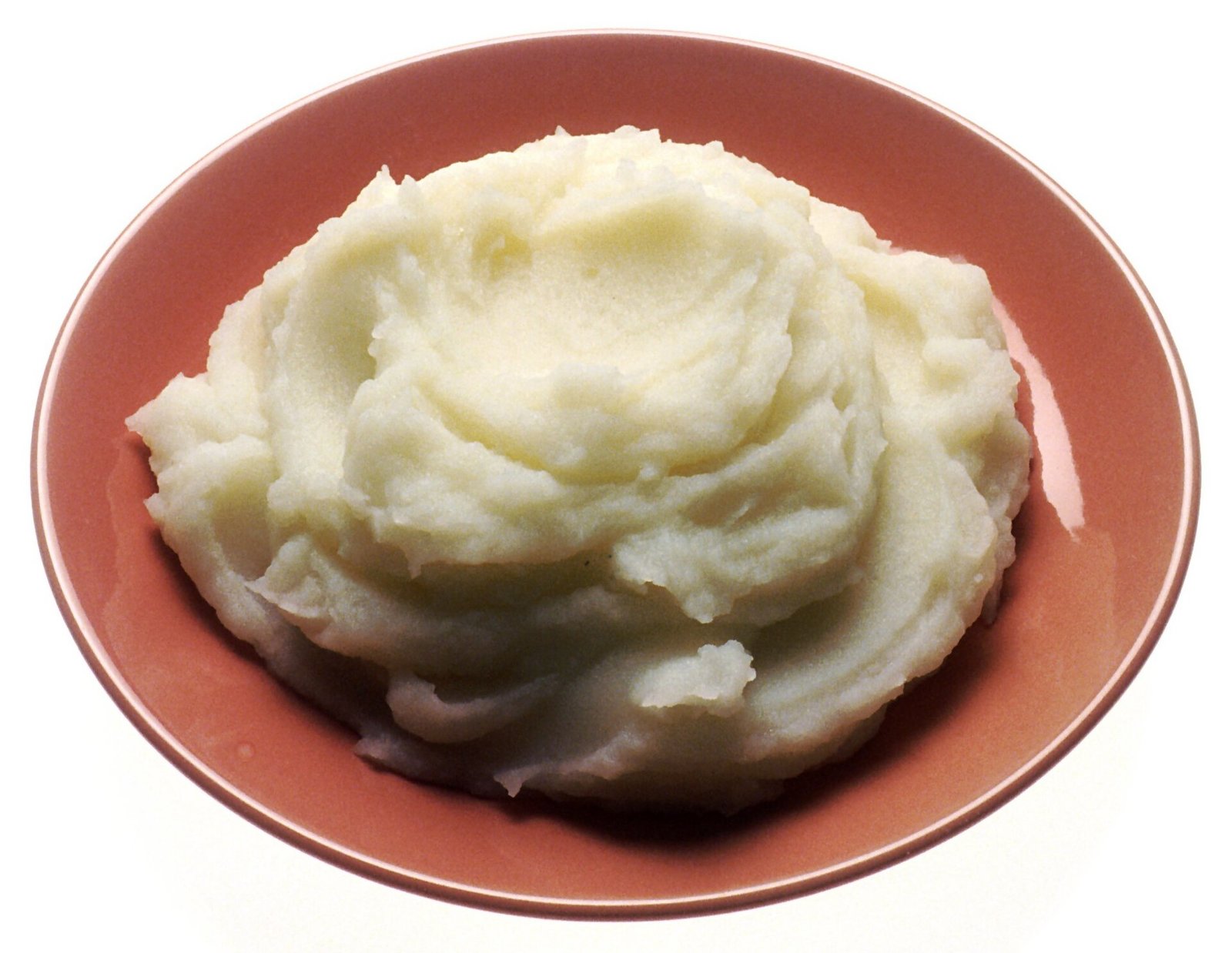
- – Well-cooked, peeled vegetables: carrots, zucchini without skin, potatoes without skin, puréed squash.
- – Soft or canned fruits without skins or seeds: applesauce, canned peaches or pears, ripe banana.
- – Tender, lean proteins: eggs, skinless chicken or turkey, white fish, smooth tofu, low-fat cottage cheese or yogurt.
Liquid and puréed nutrition
NIDDK says your doctor may recommend liquid nutrition meals or solid foods puréed in a blender if you cannot manage solids. Practical options include:
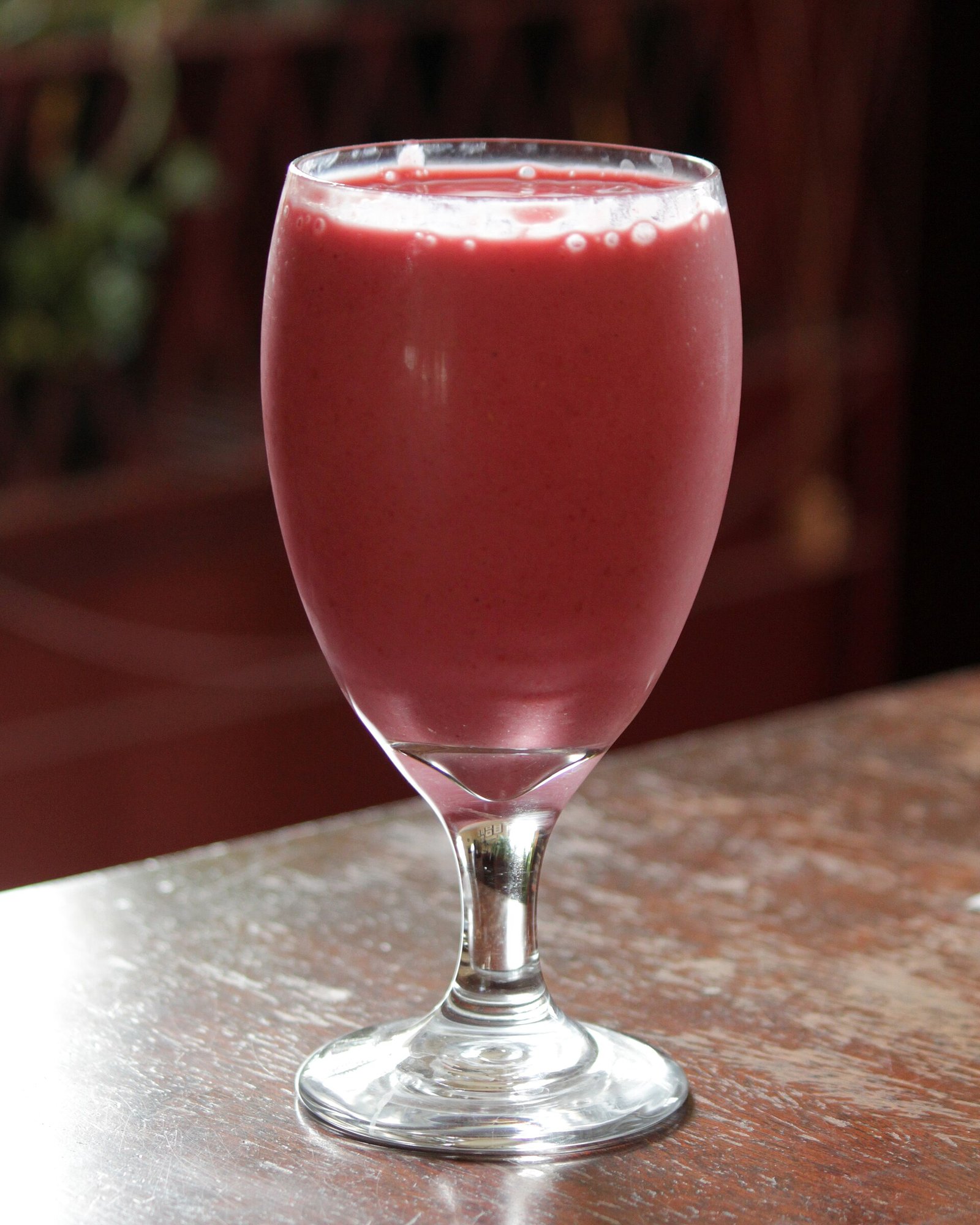
- – Smoothies made with low-fat milk or yogurt and peeled, seedless fruit.
- – Blended soups made from well-cooked vegetables and lean protein.
- – Commercial liquid nutrition drinks, used as your care team advises.
Fluids with glucose and electrolytes
To help prevent dehydration, NIDDK suggests plenty of water or liquids with glucose and electrolytes, such as:
- – Low-fat broths and clear soups.
- – Low-fiber fruit and vegetable juices.
- – Sports drinks and oral rehydration solutions.
A daily multivitamin
NIDDK lists taking a multivitamin each day among the eating-habit changes your doctor may recommend, because nutrient gaps are common.
Foods and drinks to limit with gastroparesis
- – High-fat foods and drinks: fried foods, fatty cuts of meat, creamy sauces, rich desserts, and full-fat milkshakes. NIDDK advises avoiding foods and beverages high in fat.
- – High-fiber foods: NIDDK advises avoiding high-fiber foods, and the NHS highlights insoluble fibre such as wholegrain bread, beans, and some fruit and vegetables. Common examples include bran cereals, raw vegetables, corn, nuts, seeds, and fruit skins.
- – Foods that cannot be chewed easily: tough meats, dried fruit, and very fibrous vegetables (NIDDK).
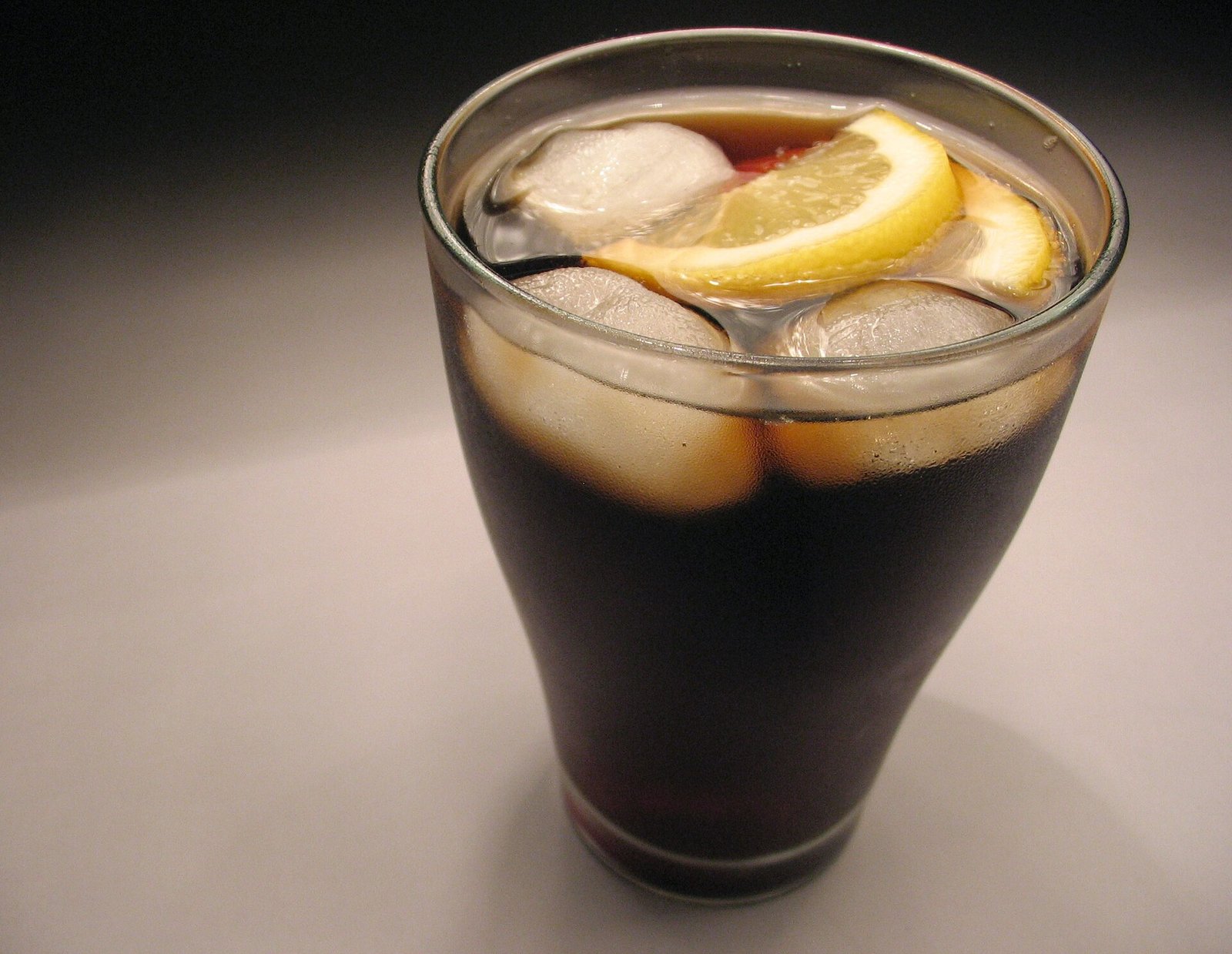
- – Carbonated, or fizzy, drinks: soda, sparkling water, and beer (NIDDK).
- – Alcohol (NIDDK).
- – Large meals: two or three big meals are harder on the stomach than five or six small ones.
Practical kitchen protocol: a gastroparesis diet week
1. Plan six small eating times
For example: 7 a.m., 10 a.m., 1 p.m., 4 p.m., 6:30 p.m., and a small 8:30 p.m. snack. Keep portions small enough that you finish feeling comfortable, not full.
2. Use the “soft, low, slow” checklist for each meal
- – Soft: cooked until tender, or blended.
- – Low: low in fat and low in fiber.
- – Slow: eaten slowly and chewed thoroughly, as NIDDK advises.
3. Move liquids up when symptoms flare
If symptoms are moderate to severe, NIDDK says your doctor may recommend only liquids or well-cooked foods processed to very small pieces or a paste. Keep a “flare kit” of broth, oral rehydration solution, and liquid nutrition drinks.
4. Stay upright and move gently after meals
NIDDK suggests gentle physical activity after a meal, such as a walk, and avoiding lying down for 2 hours after eating. Plan your last snack accordingly.
5. Sample gastroparesis diet day (illustrative)
- – Breakfast: cream of wheat made with low-fat milk and a spoon of applesauce.
- – Mid-morning: smoothie of low-fat yogurt, ripe banana, and peeled peaches.
- – Lunch: puréed carrot and potato soup with shredded chicken, plus white toast.
- – Afternoon: low-fat cottage cheese with canned pears.
- – Dinner: baked white fish, soft white rice, and well-cooked peeled zucchini.
- – Evening (2+ hours before bed): a cup of clear broth or a small liquid nutrition drink.
6. Cooking tips that help
- – Bake, poach, steam, or slow-cook rather than fry.
- – Peel and seed fruits and vegetables; cook them until fork-soft.
- – Use a blender or food processor for soups and sauces.
- – Cut meat into very small pieces or choose ground lean meat.
7. For people with diabetes
NIDDK notes that high blood glucose may further delay stomach emptying. Your doctor may change the type or timing of insulin, including taking it after meals, and may ask you to check glucose more often after eating. Coordinate any meal plan change with your diabetes team.
Safety, medicines, and when to seek urgent help
- – Medicines that can slow emptying: NIDDK lists narcotic pain medicines (such as codeine, hydrocodone, morphine, and oxycodone), some antidepressants (such as amitriptyline, nortriptyline, and venlafaxine), some anticholinergics, some overactive-bladder medicines, and pramlintide as medicines that may delay gastric emptying or worsen symptoms. Do not stop any medicine yourself; ask your doctor.
- – Nausea medicines: NIDDK notes antiemetics relieve nausea and vomiting but do not improve gastric emptying, so diet changes still matter.
- – Seek a doctor right away (NIDDK) for severe abdominal pain or cramping, very high or very low blood glucose, red blood in vomit or vomit that looks like coffee grounds, sudden sharp stomach pain that does not go away, vomiting for more than an hour, extreme weakness or fainting, difficulty breathing, or fever.
- – Watch for dehydration: extreme thirst, dry mouth, urinating less, dark urine, light-headedness, or sunken eyes.
- – Watch for malnutrition: constant tiredness or weakness, losing weight without trying, dizziness, or loss of appetite.
- – Call emergency services (999 in the UK, 911 in the U.S.) for sudden severe tummy pain or vomit containing blood, as the NHS advises.
Gastroparesis diet FAQ
What foods are easiest to digest with gastroparesis? Soft, well-cooked, low-fat, low-fiber foods and liquids are usually easiest, according to NIDDK. Examples include broths, smoothies, puréed soups, white rice, eggs, and peeled cooked vegetables.
How many meals a day should I eat with gastroparesis? NIDDK suggests five or six small meals, and the NHS suggests four to six, instead of two or three large ones.
Are vegetables bad for gastroparesis? Not all of them. Raw, high-fiber vegetables are often hard to tolerate, but peeled, well-cooked, or puréed vegetables may be easier.
Can I drink coffee or soda with gastroparesis? NIDDK advises avoiding carbonated drinks and alcohol. Ask your care team about coffee, since tolerance varies.
When might I need more than diet changes? If you cannot get enough nutrients or fluids, your doctor may suggest medicines, tube feeding, or other options that NIDDK describes.
How this differs from related OTCFood topics
This page focuses on gastroparesis: texture, fat, fiber, and meal timing for a slow-emptying stomach. Heartburn is common with gastroparesis, so our GERD diet guide may help. If diabetes is the cause, see our type 2 diabetes plate guide, and talk with your dietitian about adapting its higher-fiber advice. For research on ginger and nausea, see ginger for nausea.
Medical disclaimer
Medical disclaimer: This article is for general information only and is not medical advice or a diagnosis. Gastroparesis care depends on its cause, your symptoms, and your other conditions. Please see your doctor or a registered dietitian before changing your diet, and do not adjust insulin or any medicine without medical advice. Seek urgent care for the warning signs listed above.