Diverticulosis Diet: Foods That May Help and Foods to Limit
Medical note: This article discusses foods and researched botanicals. It does not claim to prevent, treat, or cure disease. Supplements are not a substitute for food, and studied amounts are not personal prescriptions.
People searching “diverticulosis diet foods that help or worsen” usually want kitchen habits that support colon comfort and may lower the chance of diverticulitis flares—not a claim that food removes the pouches already in the colon wall. The National Institute of Diabetes and Digestive and Kidney Diseases (NIDDK) explains that diverticulosis means small pouches (diverticula) push outward through weak spots in the colon. Most people with diverticulosis have no symptoms. When pouches cause chronic symptoms, bleeding, inflammation, or complications, doctors call this diverticular disease. Diverticulitis is inflammation of one or more pouches and needs medical care—not the same high-fiber plan used when you are stable.
What this diverticulosis diet guide covers (and what it does not)
This guide is for adults who have been told they have diverticulosis (or recovered from past diverticulitis and are now eating normally again) and want food patterns grounded in public NIDDK and MedlinePlus education. Anchors: NIDDK — Diverticular Disease, NIDDK — Eating, Diet, & Nutrition for Diverticular Disease, and MedlinePlus — Diverticulosis and Diverticulitis.
NIDDK notes diverticulosis is common with age: more than one-third of U.S. adults ages 50–59 and more than two-thirds over age 80 have it. Sudden severe left-lower abdominal pain, fever, chills, or vomiting can signal diverticulitis and needs prompt clinical care—not a fiber increase. Acute diverticulitis plans (sometimes short clear liquids, then gradual solids) are clinician-directed and are not the everyday diverticulosis pattern described here.
Evidence snapshot: diverticulosis diet claims vs public sources
| Claim people hope for | What public sources actually say | Confidence |
|---|---|---|
| “A special diet cures diverticulosis” | NIDDK: pouches are structural; treatment focuses on symptoms, diverticulitis, or complications—not dissolving pouches with food | Strong: food is not a pouch cure |
| “High fiber prevents every flare” | NIDDK: research suggests low-fiber, high-red-meat patterns may raise diverticulitis risk; more fiber and less red meat may lower risk | Moderate for risk patterns; not a guarantee |
| “Nuts, seeds, and popcorn must be banned forever” | NIDDK: most people with diverticulosis do not need to avoid specific foods; older advice against nuts/popcorn/seeds is not supported by more recent research | Strong against blanket bans |
| “Fiber grams replace medical care for diverticulitis” | MedlinePlus/NIDDK: diverticulitis may need antibiotics, short liquid diet, pain medicines, or hospital care | Strong: acute illness is clinical |
| “28 g fiber is mandatory for everyone” | NIDDK cites Dietary Guidelines: about 14 g fiber per 1,000 calories (e.g., ~28 g on a 2,000-calorie pattern)—individual targets with a clinician or dietitian | Moderate: use as a planning benchmark, not a rigid rule |
Foods and patterns that may help with diverticulosis day-to-day health
“May help” means supporting stool regularity and patterns linked to lower diverticulitis risk in public education—not a promise that pouches disappear.
Fiber-forward plate defaults (NIDDK)
- – Emphasize whole grains, fruits, and vegetables—NIDDK’s examples of fiber-rich foods for diverticular disease planning.
- – Increase fiber gradually so your gut can adapt; suddenly jumping grams can increase gas and bloating.
- – Pair higher fiber with fluids; fiber without fluid can feel constipating for some people.
- – Use the Nutrition Facts label to track fiber when you are building toward your clinician’s target.
Practical fiber-rich examples NIDDK lists (portion examples)
- – High-fiber ready-to-eat cereal (½ cup unsweetened high-fiber): up to about 14 g in some products
- – Cooked bulgur (½ cup): about 4.1 g
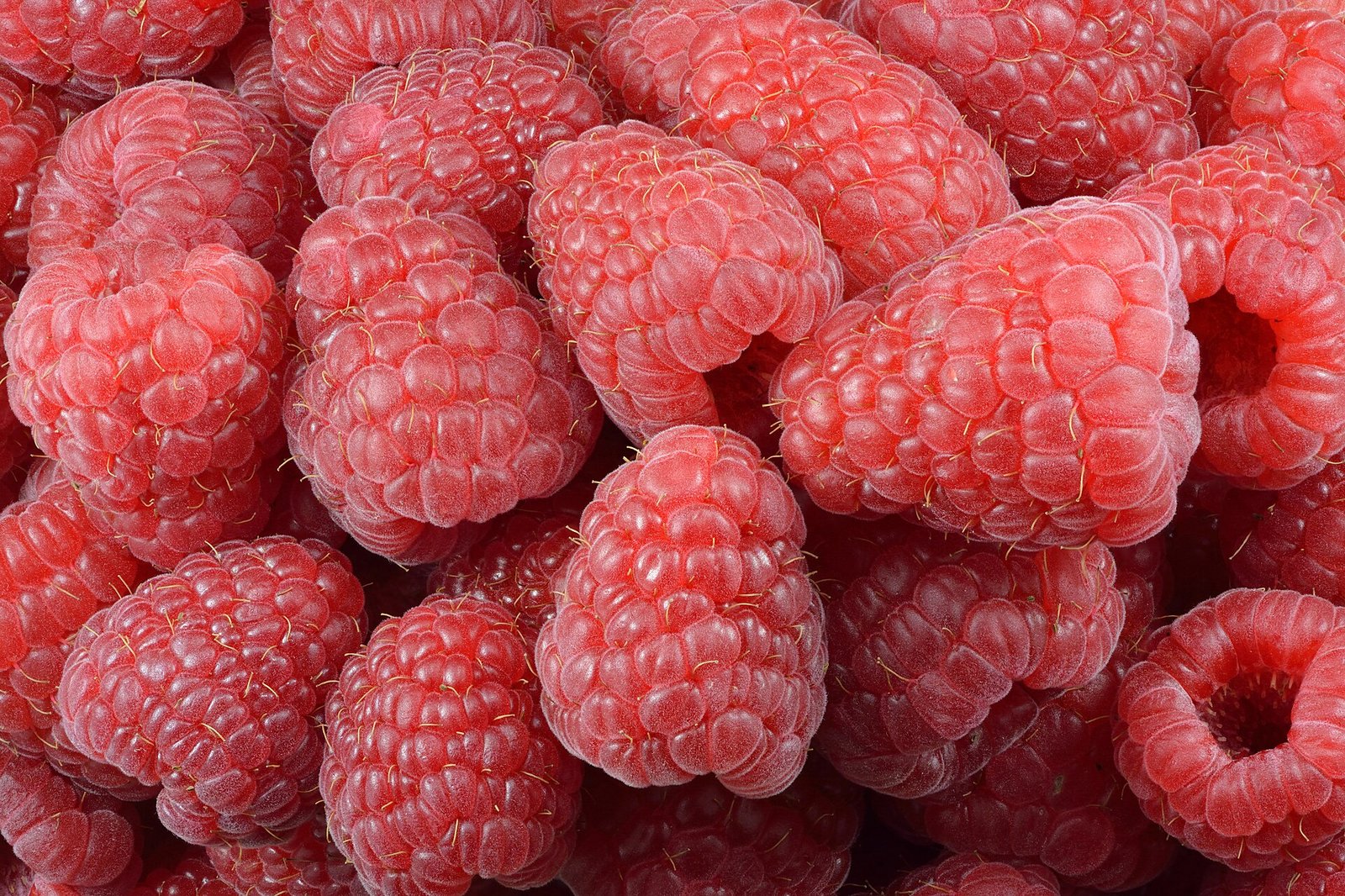
- – Raspberries (1 cup): about 8.0 g; medium apple with skin: about 4.8 g
- – Cooked green peas (1 cup): about 8.8 g; cooked lentils (½ cup): about 7.8 g; cooked pinto beans (½ cup): about 7.7 g
- – Cooked broccoli (1 cup): about 5.2 g; cooked collard greens (1 cup): about 4.8 g
Patterns that often overlap with lower risk messaging
- – Prefer plant proteins and seafood more often than large daily servings of red meat when that fits your overall health plan—NIDDK links high red-meat, low-fiber patterns with higher diverticulitis risk.
- – Stay physically active as your clinician allows; MedlinePlus lists lack of activity among lifestyle factors researchers study.
- – If constipation is part of your picture, pair this page with our constipation diet guide guide—still without treating acute diverticulitis at home.
Foods and habits that often worsen diverticulosis kitchen patterns
- – Treating acute diverticulitis like everyday diverticulosis—MedlinePlus notes clear liquids may be used briefly during flares under clinician advice; forcing high fiber during severe pain/fever is not the NIDDK stable-disease message.
- – Crash “colon cleanses” that cut calories, fluids, and balanced protein—undermines steady fiber building.
- – Very low-fiber, red-meat-heavy weeks as a default when you are otherwise well—opposite of NIDDK risk-reduction messaging.
- – Skipping care for rectal bleeding, severe pain, fever, or inability to keep fluids down—diverticular bleeding and diverticulitis complications can be serious.
- – Assuming nuts or seeds are always forbidden—NIDDK says most people do not need to avoid them; personalize with your doctor if a specific food clearly triggers you.
“Limit” means reducing patterns that clash with public risk messaging or with medical flare care—not that one steak ruins diverticulosis management.
Practical kitchen protocol: a diverticulosis diet week (when you are stable)
1. Confirm you are not in an acute flare
Fever, severe localized pain, vomiting, or inability to eat solids: contact your clinician before any fiber push. This page is for diverticulosis / post-flare maintenance patterns.
2. Shopping list for fiber-aware plates
Oats or other whole-grain cereals; whole-wheat bread or tortillas; brown rice or bulgur; beans and lentils; raspberries, apples with skin, pears; broccoli, peas, leafy greens, sweet potato; yogurt or other protein you tolerate; water as the default drink.
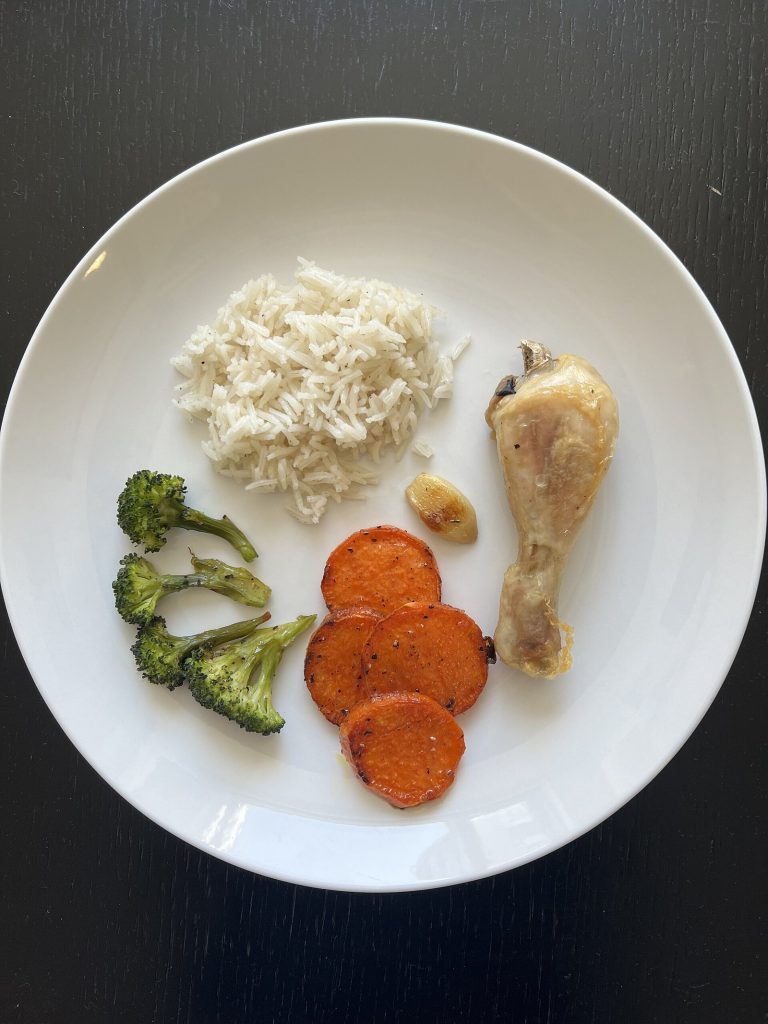
3. Default plate template
- – Half vegetables and fruit (include skins when tolerated)
- – Quarter whole grains or starchy vegetables
- – Quarter protein (beans, fish, poultry, eggs, or lean meat in moderate amounts)
- – Build fiber up over days to weeks, not overnight
4. Sample day (illustrative, stable diverticulosis)
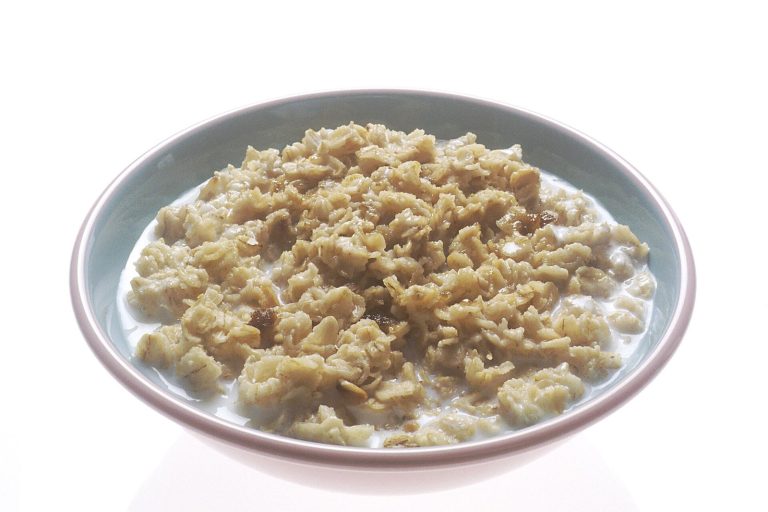
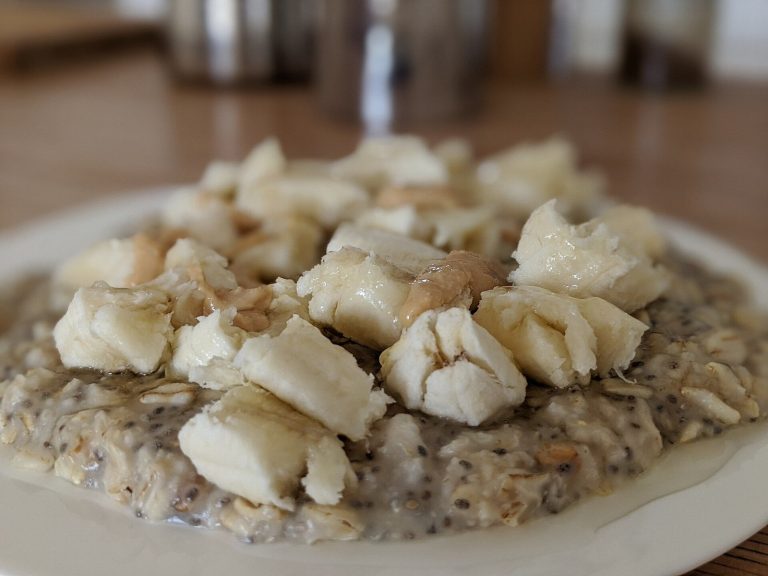
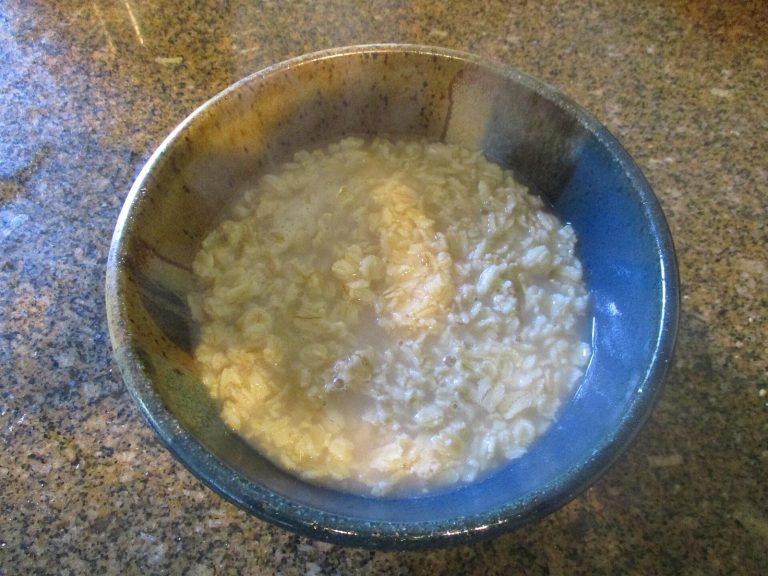
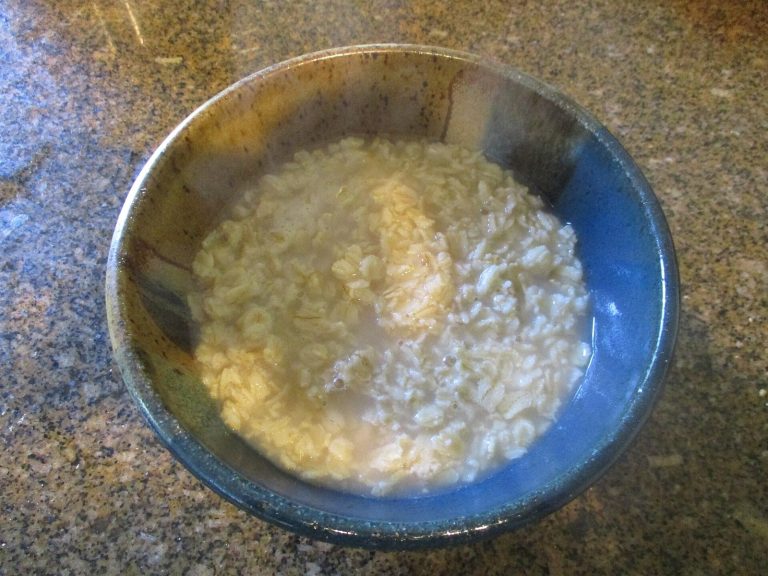
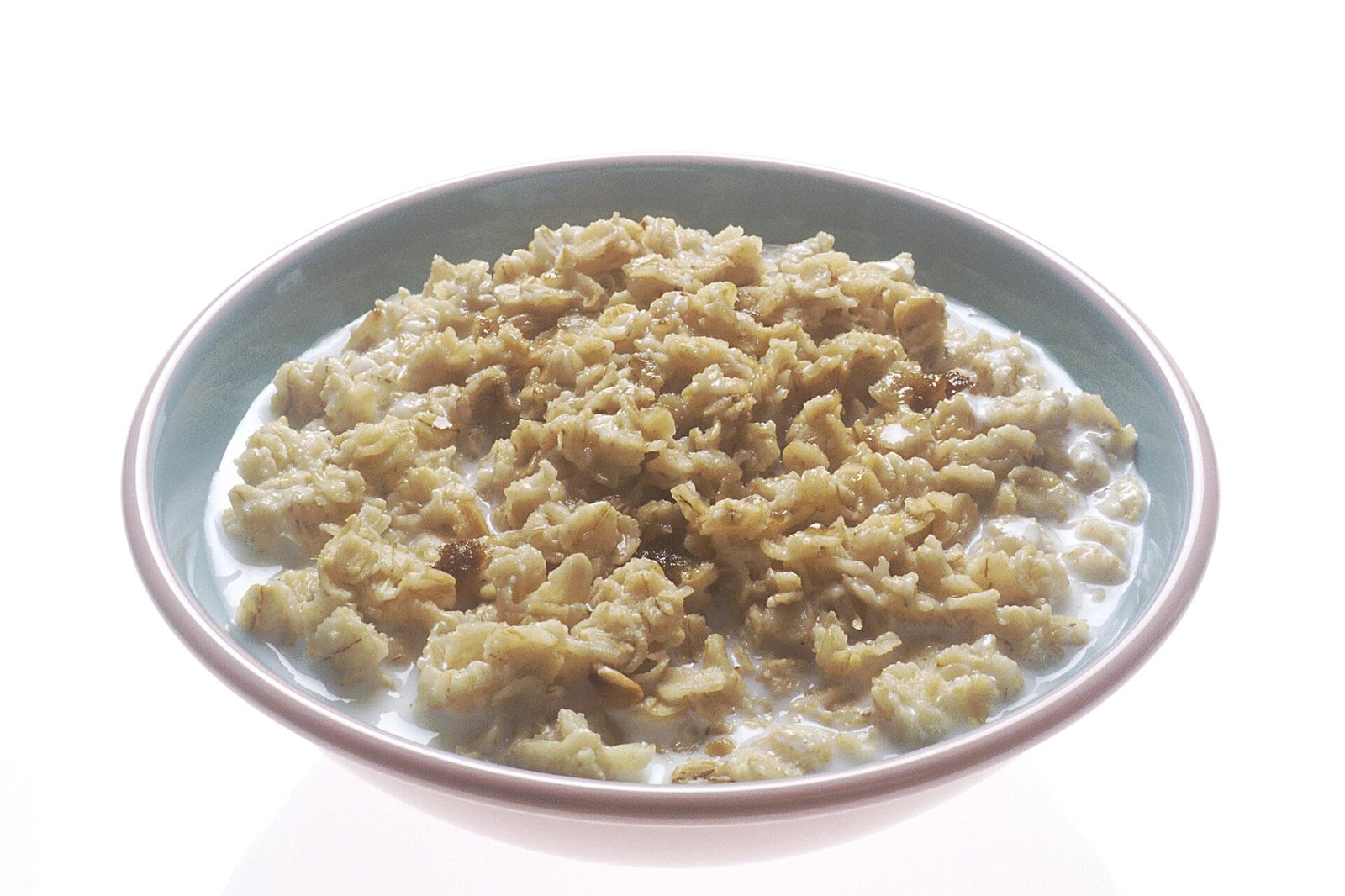
- – Breakfast: oatmeal with raspberries; water.
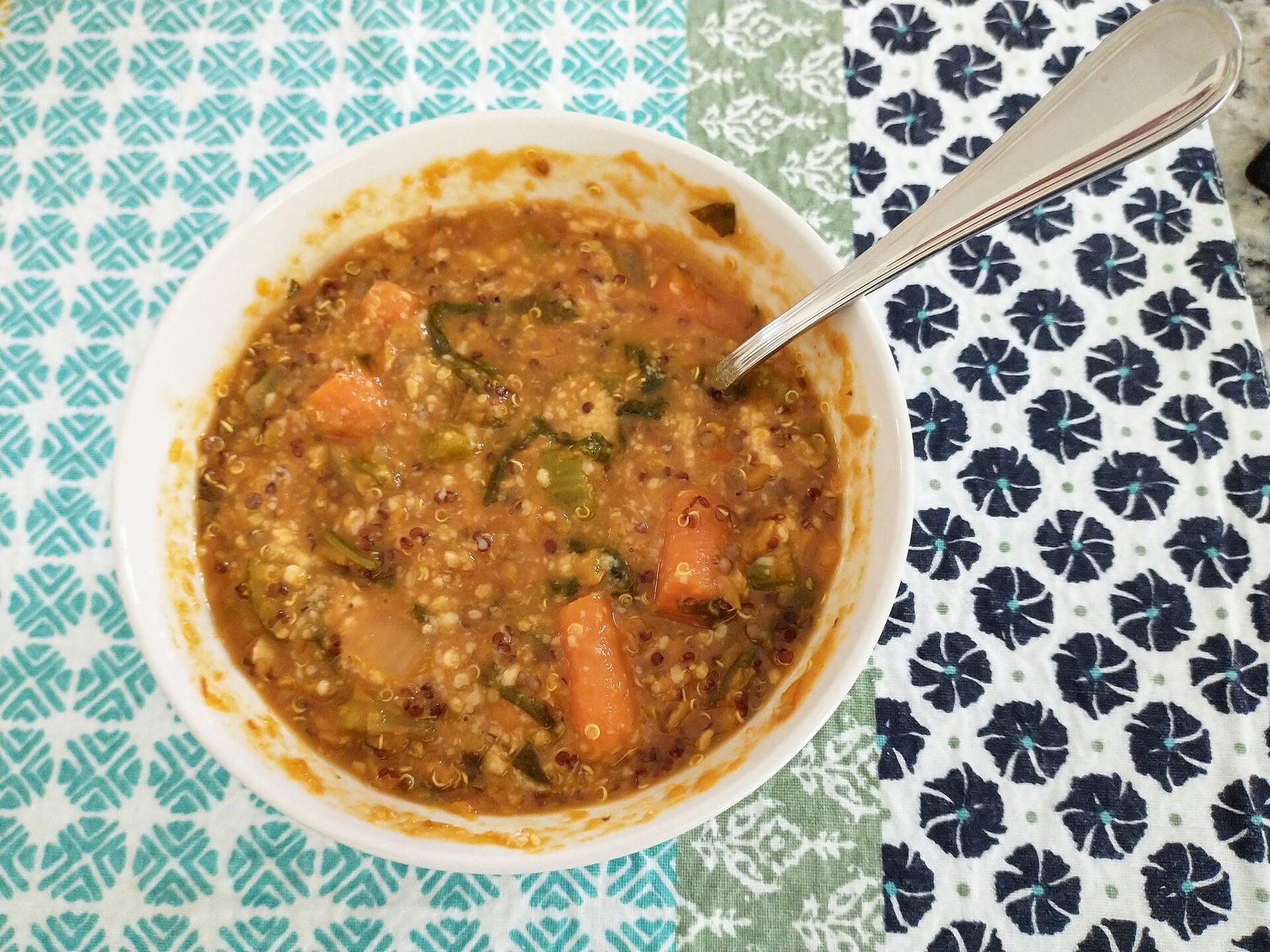
- – Lunch: lentil or bean soup with a side salad; whole-grain crackers if tolerated.
- – Snack: apple with skin; yogurt.
- – Dinner: grilled fish or chicken, broccoli and sweet potato, small whole-grain portion.
- – Evening: fluids; keep red-meat portions modest across the week.
5. Eating out
Choose bean- or vegetable-forward sides; ask for whole-grain options when available; keep large red-meat platters occasional rather than daily.
6. When gut conditions overlap
If IBS-like bloating is also an issue, compare notes with our IBS diet guide page and our hemorrhoids diet guide guide—fiber goals may need sequencing with a dietitian so you are not fighting gas and urgency at once.
Safety, interactions, and who should ask a clinician first
- – Diverticulitis, abscess, fistula, obstruction, perforation, and peritonitis are medical problems—MedlinePlus lists these complications; diet does not replace imaging, antibiotics, or surgery decisions.
- – If you use NSAIDs regularly, ask your clinician—MedlinePlus notes NSAIDs among factors studied for diverticular risk and that acetaminophen is often preferred for pain during diverticulitis care.
- – Gradual fiber increase matters if you have narrowing, recent surgery, or swallowing/chewing limits.
- – Iron supplements or other medicines that constipate: coordinate fiber and fluid plans with the prescribing clinician.
- – Pregnancy, inflammatory bowel disease history, or recent colectomy: individualized nutrition, not a generic fiber race.
FAQ
Is diverticulosis the same as diverticulitis? No. Diverticulosis is pouches without (or with only chronic mild) symptoms for many people. Diverticulitis is inflamed pouches and often needs medical treatment.
Do I have to avoid nuts, seeds, and popcorn? NIDDK: most people with diverticulosis or diverticular disease do not need to avoid specific foods; newer research does not support the old blanket ban. Ask your doctor about your case.
How much fiber should I eat? NIDDK cites Dietary Guidelines guidance of about 14 grams per 1,000 calories. A dietitian can translate that into meals you tolerate.
Can diet reverse the pouches? No public NIDDK page claims food removes diverticula. The goal is comfort and lower flare risk while you follow medical care.
What if I just had diverticulitis? Follow the refeeding plan your clinician gave you. High-fiber maintenance usually comes after the acute phase, not during severe inflammation.
How this differs from related OTCFood topics
This page is a diverticulosis-bound maintenance guide emphasizing fiber and less red meat. It is not an acute diverticulitis diet guide flare protocol, not a general constipation diet guide only page, and not an IBS diet guide elimination ladder—though those kitchen problems can travel together.
Medical disclaimer
Medical disclaimer: This article is for general information only. It is not medical advice, diagnosis, or a treatment plan. Diverticular disease care depends on symptoms, imaging, and complications. Talk with a clinician or registered dietitian before starting, stopping, or changing any eating plan, fiber supplement, or medicine. Seek urgent care for severe abdominal pain, fever, vomiting, or significant rectal bleeding.