Bile Reflux Diet: Foods That May Help and Foods to Limit
Medical note: This article discusses foods and researched botanicals. It does not claim to prevent, treat, or cure disease. Supplements are not a substitute for food, and studied amounts are not personal prescriptions.
People searching “bile reflux diet foods that help or worsen” usually want calmer meal pacing when bile washes back into the stomach or esophagus—not a claim that food cures bile reflux, replaces prescribed medicines, or treats Barrett esophagus by itself. Mayo Clinic explains that bile reflux happens when bile backs up into the stomach and sometimes the esophagus, and that it differs from acid reflux (GERD), though both can occur together. Critically, Mayo Clinic states that unlike acid reflux, changes in diet and lifestyle do not completely relieve bile reflux; medicines are used to treat it, and surgery is occasionally needed. NIDDK’s GERD eating page still matters when acid and bile overlap: weight loss if overweight, finishing meals 2–3 hours before lying down, and avoiding personal trigger foods such as citrus, tomatoes, alcohol, chocolate, caffeine, high-fat foods, mint, and spicy foods. Kitchen tactics may help comfort and GERD overlap; they are not a complete stand-alone cure for bile reflux.
What this bile reflux diet guide covers (and what it does not)
This guide is for adults with clinician-recognized bile reflux, bile reflux gastritis, or mixed bile/acid reflux who want practical meal habits while medical therapy continues. Anchors: Mayo Clinic — Bile reflux, NIDDK — Acid Reflux (GER & GERD) in Adults, NIDDK — Eating, Diet, & Nutrition for GER & GERD, and MedlinePlus GERD background often used when reflux symptoms overlap (GERD encyclopedia overview).
Mayo Clinic lists symptoms that can include upper belly pain, frequent heartburn, nausea, vomiting greenish-yellow bile, and loss of appetite. Risk contexts include stomach or gallbladder surgery, peptic ulcers affecting the pyloric valve, diabetes with vagus-nerve effects, obesity (BMI over 30 associated in research Mayo cites), smoking, and heavy alcohol use. Related reading: GERD acid reflux diet guide, silent reflux LPR diet guide, gastritis diet guide, diet after gallbladder removal guide, and peptic ulcer diet guide.
Evidence snapshot: bile reflux diet claims vs public sources
| Claim people hope for | What public sources actually say | Confidence |
|---|---|---|
| “Diet alone fully fixes bile reflux” | Mayo Clinic: diet/lifestyle changes do not completely relieve bile reflux; medicines treat it | Strong against diet-only cure |
| “Bile reflux is identical to GERD” | Mayo Clinic: different mechanisms; both can coexist; incomplete PPI response may prompt bile-reflux evaluation | Strong that they differ |
| “GERD-style meal timing may still help overlap symptoms” | NIDDK: lose weight if needed; eat 2–3 hours before lying down; avoid personal triggers including high-fat foods and alcohol | Moderate for supportive habits |
| “Fatty meals never matter” | Mayo Clinic: even small amounts of fat signal gallbladder bile release; NIDDK lists high-fat foods among common GERD triggers | Moderate that lower-fat, smaller meals are reasonable trials |
| “Smoking and alcohol are irrelevant” | Mayo Clinic lists smoking and alcohol abuse among risk factors that can irritate lining and affect the pyloric valve | Moderate–strong lifestyle cautions |
Foods and patterns that may help with bile reflux comfort
“May help” means reducing meal-related aggravation while medicines address bile—not erasing reflux by smoothie alone.
Supportive habits often tried alongside medical therapy
- – Smaller, more frequent meals instead of one very large evening feast
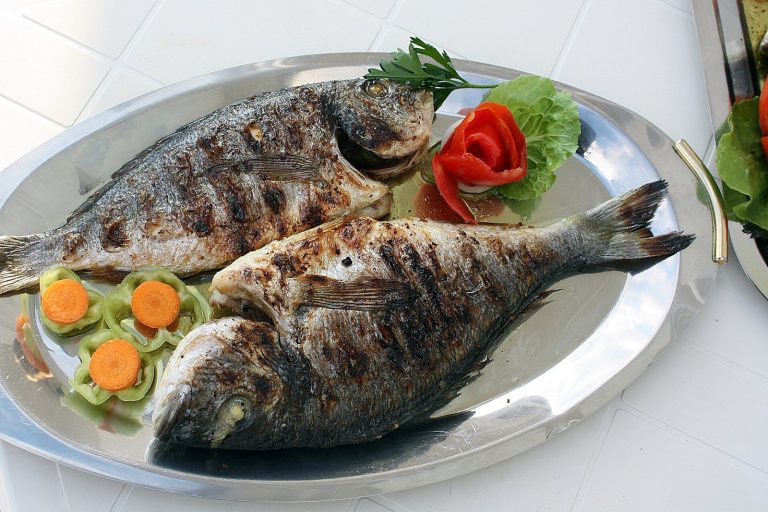
- – Lower-fat cooking (bake, grill, steam) because high-fat foods are common reflux triggers (NIDDK) and fat stimulates bile release (Mayo Clinic physiology notes)
- – Finish eating at least 2–3 hours before lying down if nighttime symptoms occur (NIDDK GERD guidance)
- – Elevate the head of the bed if your clinician suggests reflux positioning strategies
- – Choose lean proteins, cooked vegetables, oats, rice, and other personal “safe” foods identified in a symptom log
- – Prefer non-alcoholic, non-mint herbal teas or water in the evening if mint/alcohol worsen symptoms
Weight and metabolic context
Mayo Clinic notes research associating bile reflux with BMI over 30; NIDDK recommends discussing weight loss when overweight/obesity accompanies GERD symptoms. Gradual, clinician-aligned change is the goal—not crash dieting that can affect gallstones (see cholecystitis/gallstones guidance).
Foods and habits that often worsen bile reflux or mixed reflux symptoms
- – High-fat, fried, and greasy meals—NIDDK trigger list; fat also prompts bile release (Mayo Clinic).
- – Alcohol—listed by NIDDK among common GERD symptom links and by Mayo Clinic among bile-reflux risk factors when abused.
- – Coffee/caffeine, chocolate, mint, spicy foods, citrus, and tomato products if they worsen your symptoms (NIDDK GERD triggers—individual testing beats permanent universal bans).
- – Lying down right after eating—NIDDK timing advice.
- – Smoking—Mayo Clinic risk factor.
- – Assuming acid-only treatment is enough when symptoms persist—Mayo Clinic: if GERD medicines are not helping enough, ask about additional bile-reflux evaluation rather than only adding more food rules.
“Limit” means shrinking late fatty meals and known triggers while staying on prescribed therapy—not a lifelong fear of every flavor.
Practical kitchen protocol: a bile-reflux-aware week
1. Keep medicines central
Ask your clinician which agents are intended for bile-related symptoms versus acid suppression. Do not stop prescribed drugs because oatmeal “felt soothing.”
2. Shopping list for gentler plates
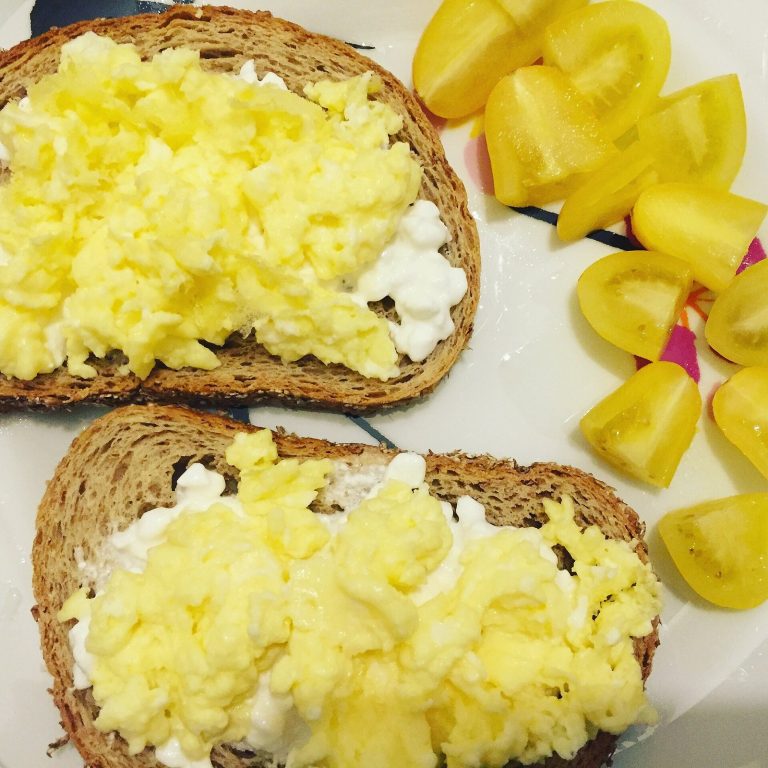
Oats, rice, bananas or other mild fruits you tolerate, eggs, tender fish or skinless poultry, cooked non-acidic vegetables you tolerate, potatoes, broth-based soups, low-fat dairy if tolerated, and non-mint herbal tea if it sits well.
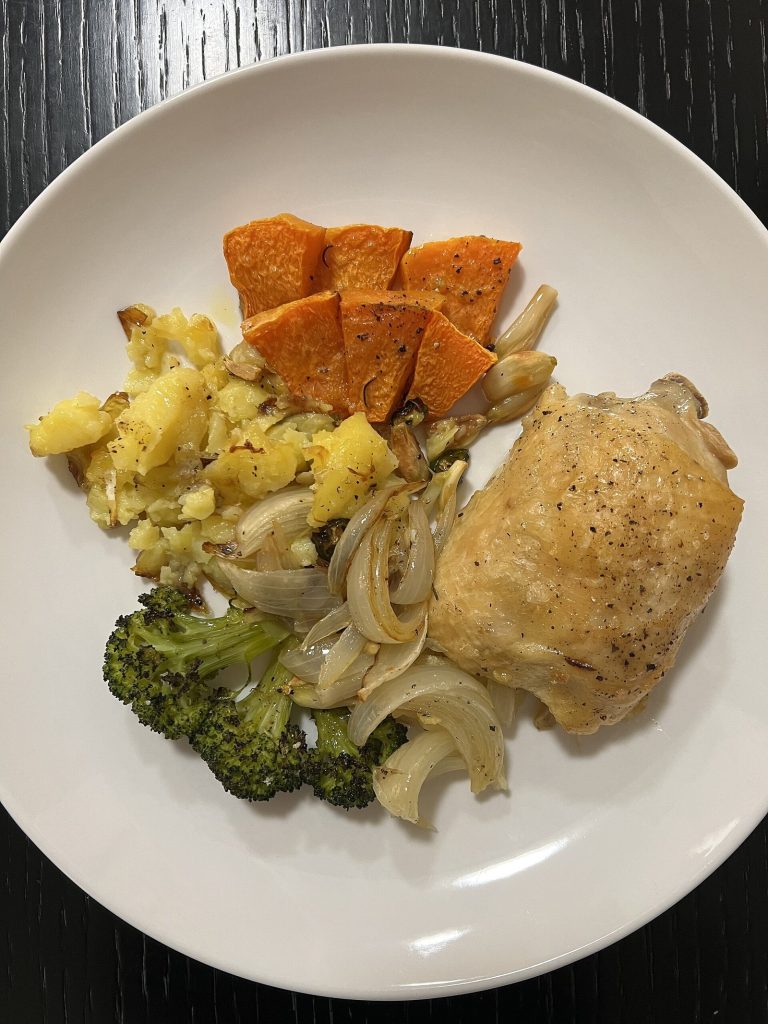
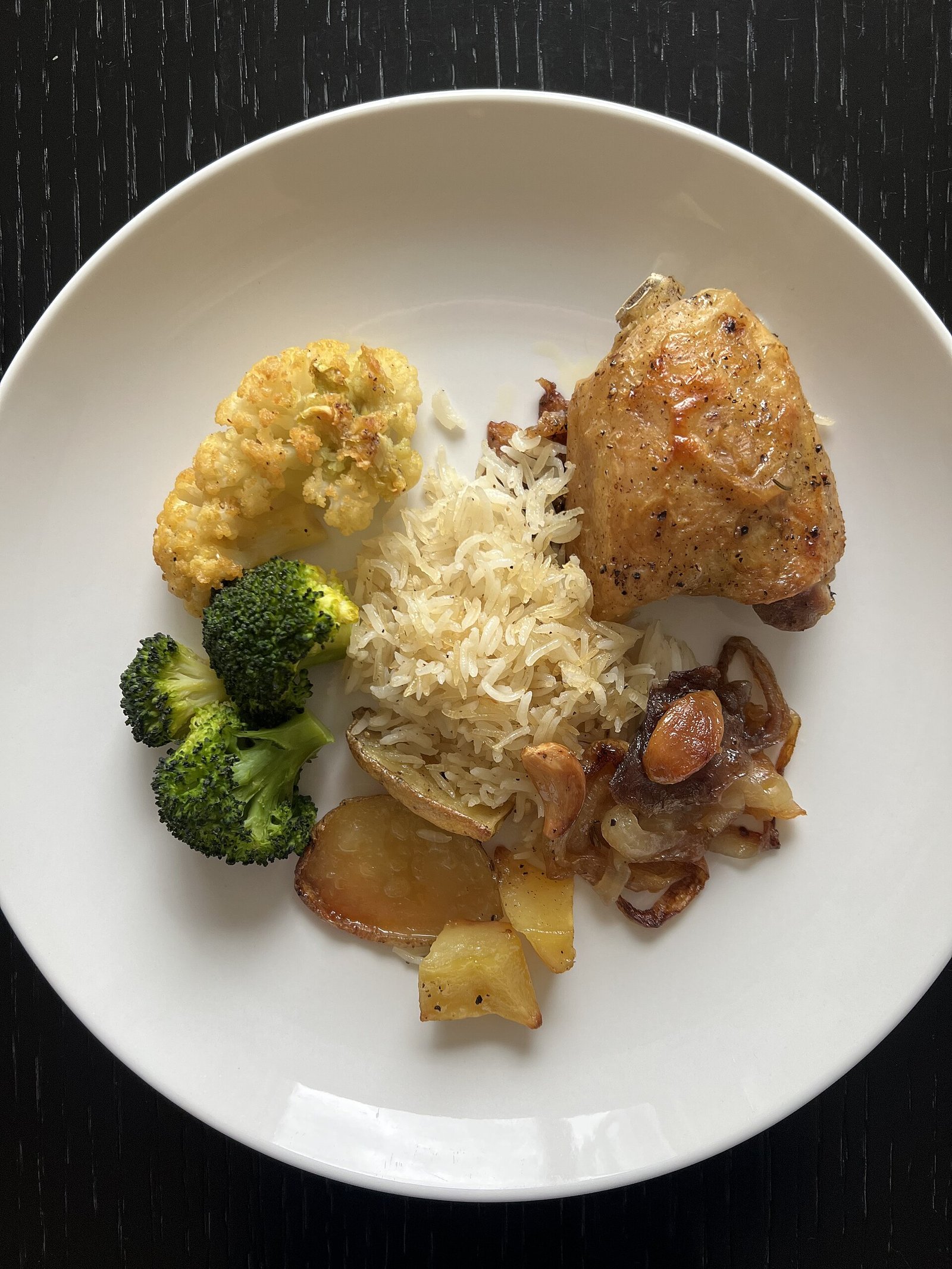
3. Default plate template
- – Half soft vegetables or starch you tolerate
- – Quarter lean protein
- – Quarter easy carbohydrate
- – Keep added fats modest
- – Stop 2–3 hours before bed
4. Sample day (illustrative)
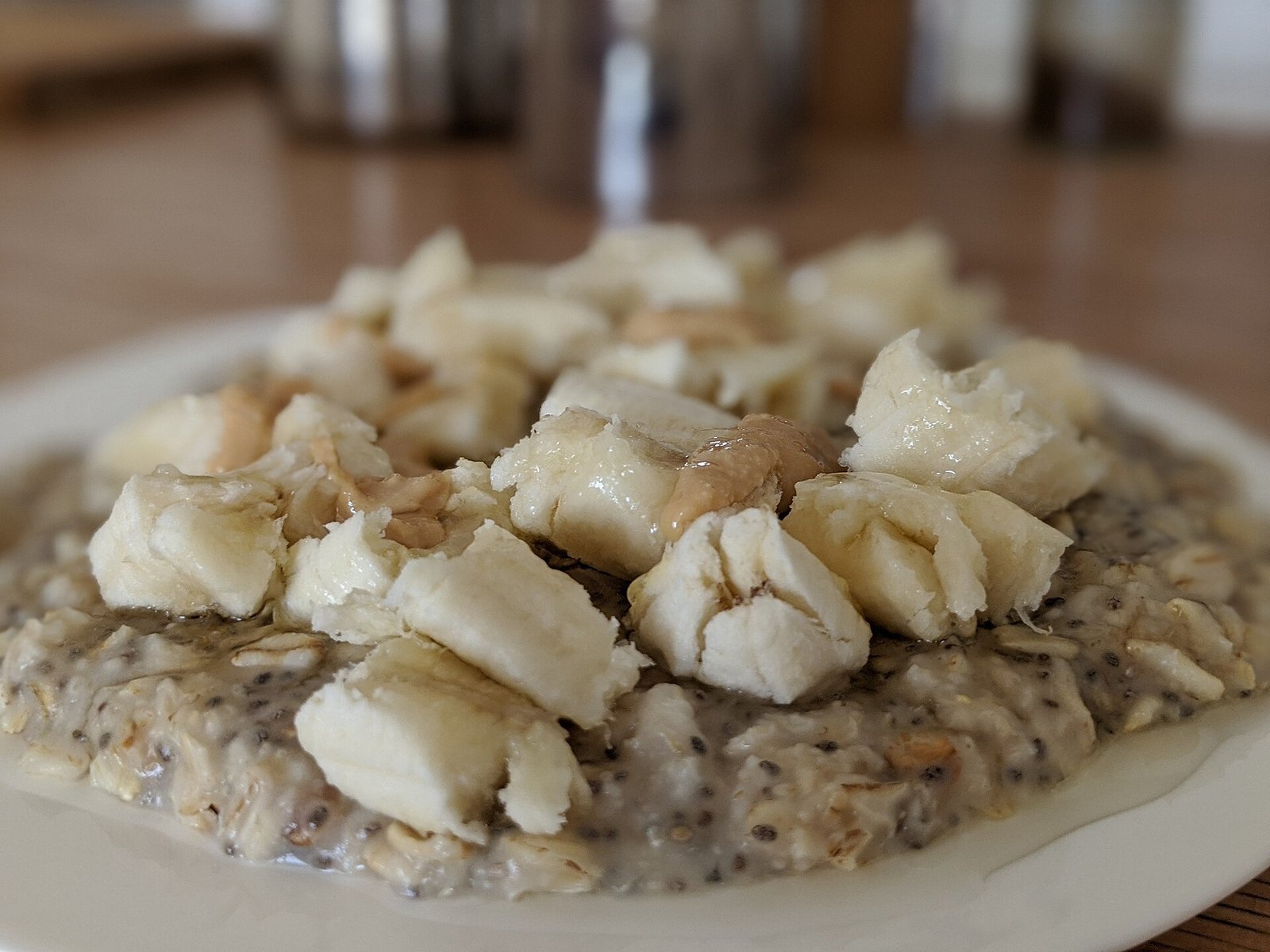
- – Breakfast: oatmeal with banana.
- – Lunch: grilled chicken, rice, cooked carrots.
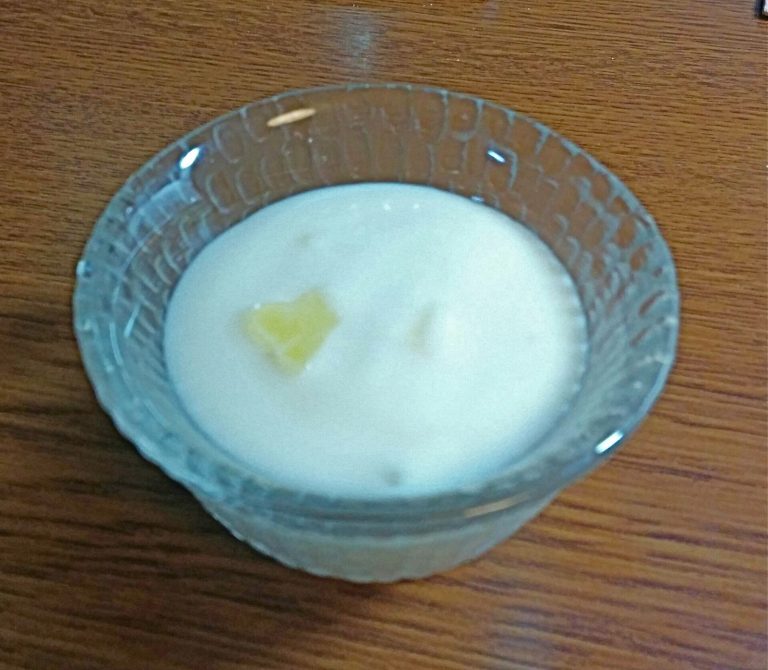
- – Snack: yogurt if tolerated (skip if dairy worsens your symptoms).
- – Dinner (early): baked fish, potatoes, zucchini.
- – Evening: no alcohol; note heartburn, bile vomiting, or upper pain in a log.
5. After gallbladder removal or stomach surgery
Mayo Clinic notes people with gallbladder removal have significantly more bile reflux than those who have not, and stomach/bypass surgeries are major causes. Pair this page with diet after gallbladder removal guide when relevant.
6. When gastritis or ulcers overlap
Bile in the stomach can relate to bile reflux gastritis (Mayo Clinic). See gastritis diet guide and peptic ulcer diet guide for lining-care patterns—still confirm the diagnosis.
Safety, interactions, and who should ask a clinician first
- – Unintentional weight loss, vomiting blood, black stools, progressive swallowing trouble, or persistent vomiting bile: prompt medical care.
- – Incomplete relief on standard acid-reducing therapy: ask specifically about bile reflux rather than only escalating diet restriction (Mayo Clinic).
- – Prior gastric bypass, partial gastrectomy, or cholecystectomy: tell every GI clinician—anatomy changes management.
- – Pregnancy, diabetes with delayed gastric emptying concerns, or complex medicine lists: individualized plans required.
- – Barrett esophagus or esophageal cancer risk discussions belong with specialists—diet is supportive only (Mayo Clinic notes links between chronic acid/bile exposure and serious esophageal complications in its complications section; do not self-diagnose).
FAQ
Can diet fully cure bile reflux? Mayo Clinic says diet and lifestyle changes do not completely relieve bile reflux; medicines are used, and surgery is sometimes needed.
How is bile reflux different from GERD? GERD is primarily stomach acid reflux; bile reflux involves bile backing into the stomach/esophagus. They can happen together (Mayo Clinic).
Should I still avoid late meals and triggers? Yes as a comfort strategy—NIDDK’s GERD timing and trigger advice remains practical when symptoms overlap, even though bile reflux needs medical therapy.
Do I need a lifelong ultra-low-fat diet? Not automatically. Lower-fat, smaller meals are a reasonable trial because fat stimulates bile release and high-fat foods are common reflux triggers—individualize with your clinician/dietitian.
Why mention gallbladder surgery? Mayo Clinic: people who have had gallbladders removed have significantly more bile reflux than people who have not.
When should I seek care urgently? Severe persistent pain, bleeding signs, inability to keep fluids down, or alarming weight loss—contact a clinician promptly.
How this differs from related OTCFood topics
This page is a bile-reflux-bound diet guide that foregrounds Mayo Clinic’s warning that diet alone is incomplete, then layers NIDDK GERD-style supportive habits for overlap symptoms. It is not a PPI dosing guide, not a surgical algorithm, and not a substitute for evaluating refractory reflux.
Medical disclaimer
Medical disclaimer: This article is for general information only. It is not medical advice, diagnosis, or a treatment plan. Bile reflux care depends on surgical history, endoscopy findings, medicines, and your clinician’s judgment. Talk with a clinician or registered dietitian before changing eating plans, supplements, or medicines. Seek urgent care for vomiting blood, black stools, severe abdominal pain, fainting, or persistent vomiting.