Diet After Colostomy: Foods That May Help and Foods to Limit
Medical note: This article discusses foods and researched botanicals. It does not claim to prevent, treat, or cure disease. Supplements are not a substitute for food, and studied amounts are not personal prescriptions.
People searching “diet after colostomy foods that help or worsen” usually want staged eating that respects bowel waking, pouch comfort, and gas/odor management—not a claim that food heals the stoma or replaces ostomy-nurse teaching. MedlinePlus describes a colostomy as bringing one end of the large intestine out through an abdominal opening (stoma) so stool drains into a pouch. After the procedure, diet often advances from ice chips and clear liquids toward thicker fluids and soft foods as bowels resume; an ostomy nurse teaches diet and appliance care before discharge. Large-bowel resection discharge guidance likewise advises small frequent meals, slow food reintroduction, daily protein, and avoiding personally troublesome gas/loose-stool/constipation triggers.
What this after-colostomy diet guide covers (and what it does not)
This guide is for adults with a new or established colostomy who want kitchen patterns while they follow surgical and ostomy-nurse instructions. Anchors: MedlinePlus — Colostomy, MedlinePlus — Large bowel resection discharge, MedlinePlus — Ileostomy and your diet (odor/gas/fluid lessons that often transfer with individualization), and NIDDK — Ostomy surgery of the bowel.
MedlinePlus notes colostomy stool is often softer and more liquid than usual stool, with texture depending on which colon segment forms the stoma. Temporary colostomies may later be reversed after healing (often discussed around a multi-week timeline). Kitchen changes do not replace stoma-appearance checks or blockage precautions. Related reading: diet after ileostomy guide, diet after colectomy guide, diverticulitis diet guide, and constipation diet guide.
Evidence snapshot: after-colostomy diet claims vs public sources
| Claim people hope for | What public sources actually say | Confidence |
|---|---|---|
| “A permanent ‘colostomy diet list’ is identical for everyone” | MedlinePlus: advance as bowels work; ostomy nurse individualizes; discharge pages stress adding foods slowly and avoiding personal triggers | Strong: personalize |
| “Never eat fiber again” | Long-term patterns vary by stoma type and surgeon advice; early softness is common, but lifelong zero-fiber is not a universal MedlinePlus rule | Moderate: stage with your team |
| “Red foods mean the stoma is bleeding” | Ileostomy diet teaching notes tomato juice, cherry drinks/gelatin, beets, and red peppers can color output—call if redness persists without a food explanation | Moderate–strong for false alarms |
| “Skipping fluids ‘dries’ output into convenience” | Dehydration risk is emphasized especially for ileostomy teaching; colostomy patients still need clinician-set fluids—under-drinking can backfire | Strong: ask for targets |
| “Kitchen habits replace appliance sizing and skin care” | MedlinePlus centers pouch fit and skin protection; diet supports comfort but does not fix chronic leaks | Strong: nursing care first |
Foods and patterns that may help after colostomy day to day
“May help” means supporting staged intake, hydration, and fewer avoidable gas/odor surprises—not guaranteeing odor-free pouches.
Follow the hospital advance diet, then small frequent meals
- – MedlinePlus colostomy page: ice chips the day of surgery may be allowed; clear liquids often next; thicker fluids then soft foods as bowels work; some people eat more normally within about two days—your surgeon’s timeline wins.
- – Large-bowel discharge: eat small amounts several times a day rather than three huge meals; space meals; add new foods slowly; try to eat protein every day.
Protein every day during healing
- – Eggs, tender fish/poultry, yogurt if tolerated, tofu, or smooth nut butters (if your nurse cleared textures) support recovery fueling akin to diet after colectomy guide themes.
Chew thoroughly; trial one new food at a time
- – Ileostomy diet teaching (useful caution for many ostomies): chew well; try new foods one at a time so you can identify triggers; five or six smaller meals may help hunger and gas control.
Odor- and gas-aware choices without fear
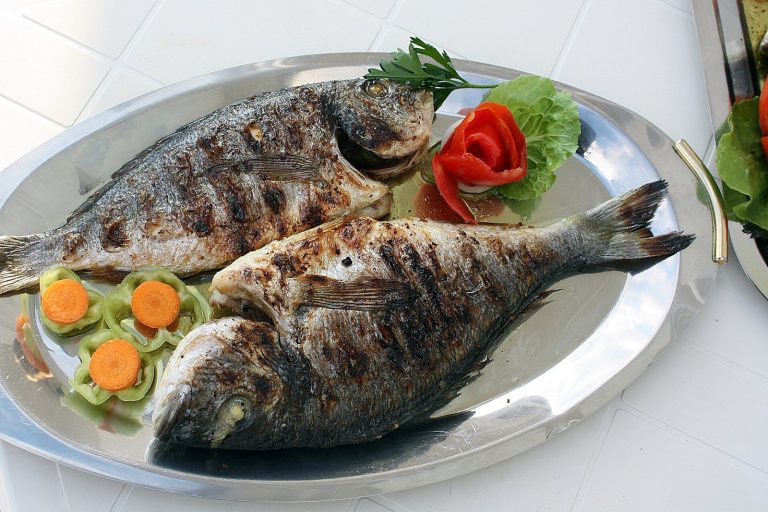
- – Foods commonly linked to more odor in ostomy diet teaching include onions, garlic, broccoli, asparagus, cabbage, fish, certain cheeses, eggs, baked beans, Brussels sprouts, and alcohol.
- – Gas-producing examples in that teaching include cucumbers, radishes, sweets, melons, beer, soda, and other carbonated drinks; habits that add swallowed air include gum and drinking through straws.
- – Parsley, yogurt, and buttermilk are mentioned as possible odor-helpers for some people—individual results vary.
- – Special pouch odor eliminators exist—ask your provider/ostomy nurse.
Fluids on a clinician-set schedule
- – Ileostomy pages stress 6–8 cups (about 1.5–2 liters) daily as a common discussion point because dehydration risk is higher; colostomy fluid needs still deserve a personal target, especially in heat or with diarrhea.
- – Watch for dry mouth, less urination, lightheadedness—MedlinePlus lists dehydration signs as reasons to call.
Foods and habits that often worsen after-colostomy kitchen patterns
- – Jumping from clear liquids to a huge fried feast the first day home.
- – Carbonated drinks, straws, and gum when gas is already distressing.
- – Large portions of gas-heavy crucifers or beans before you know your personal tolerance.
- – Poor chewing of tough skins, nuts, or popcorn if your nurse flagged blockage-risk textures for your anatomy—especially relevant if output slows; colostomy blockage risk still warrants teaching-specific lists.
- – Alcohol excess (odor and hydration issues).
- – Weight gain that changes pouch fit—ileostomy diet teaching notes excess weight may change how an ostomy works or fits; stay within your clinician’s recovery weight plan.
- – Ignoring stoma color changes, severe swelling, persistent ileus-like pain, or nonstop diarrhea—surgical red flags, not spice problems.
“Limit” means slowing reintroduction and moderating personal triggers—not lifelong culinary exile.
Practical kitchen protocol: an after-colostomy diet week
1. Keep the medical spine first
Confirm whether the colostomy is temporary or permanent, which colon segment is used, lift/driving limits, pouch change schedule, and the written advance-diet ladder. Keep the ostomy nurse’s phone number.
2. Shopping list for early home weeks
Clear broths, oral rehydration if advised; bananas, applesauce, white rice/toast if on a low-residue phase; eggs; yogurt; tender poultry/fish; well-cooked peeled vegetables as cleared; potato without skin if advised; protein powders only if RD-approved; water. Add higher-fiber foods later only as taught.
3. Default plate template (once soft diet cleared)
- – Soft lean protein
- – Low-irritant starch your nurse approved
- – Soft cooked vegetables
- – Fluid at meals
- – One new food trial per day maximum at first
4. Sample day (illustrative, post-clear-liquid phase)
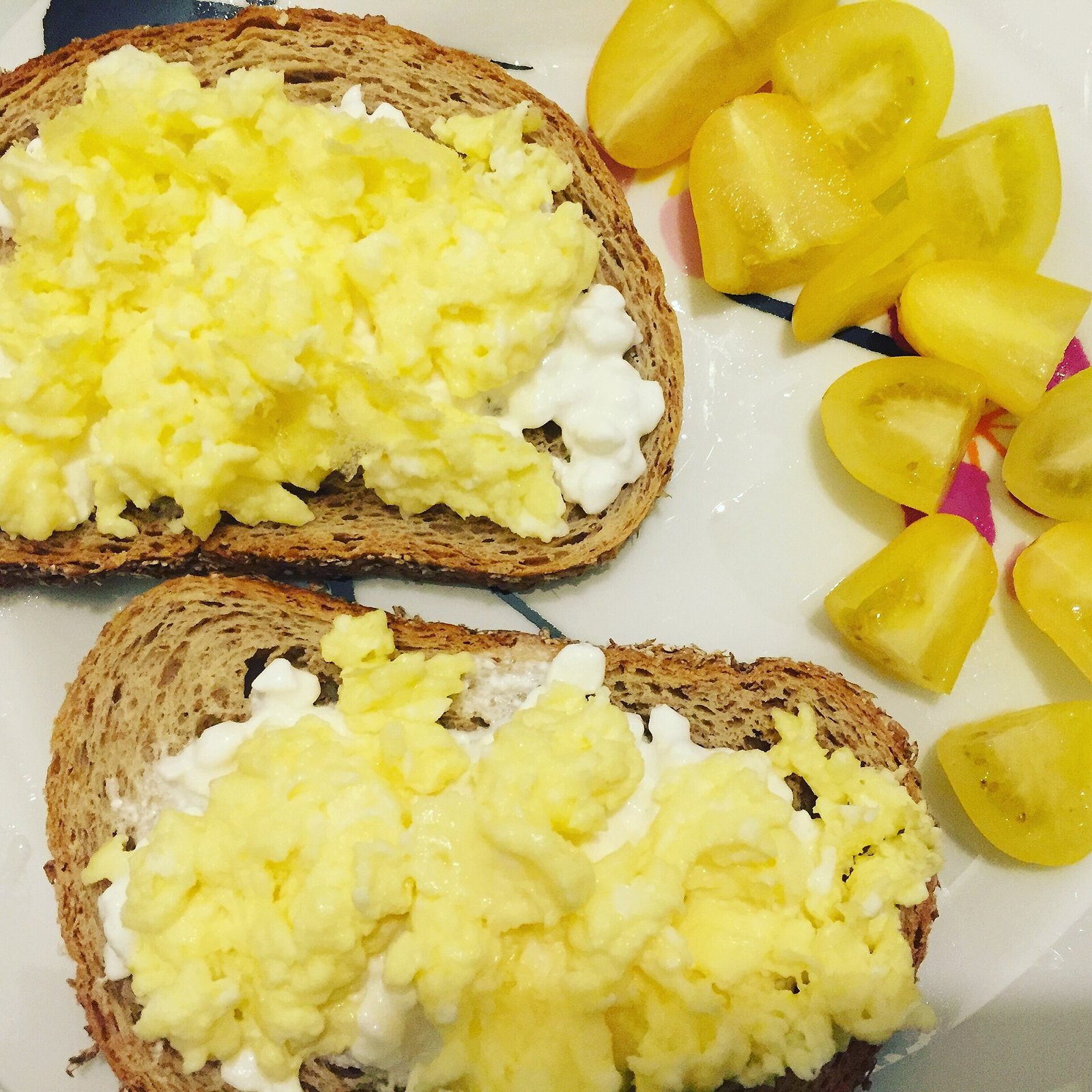
- – Breakfast: scrambled eggs; toast if allowed; water.
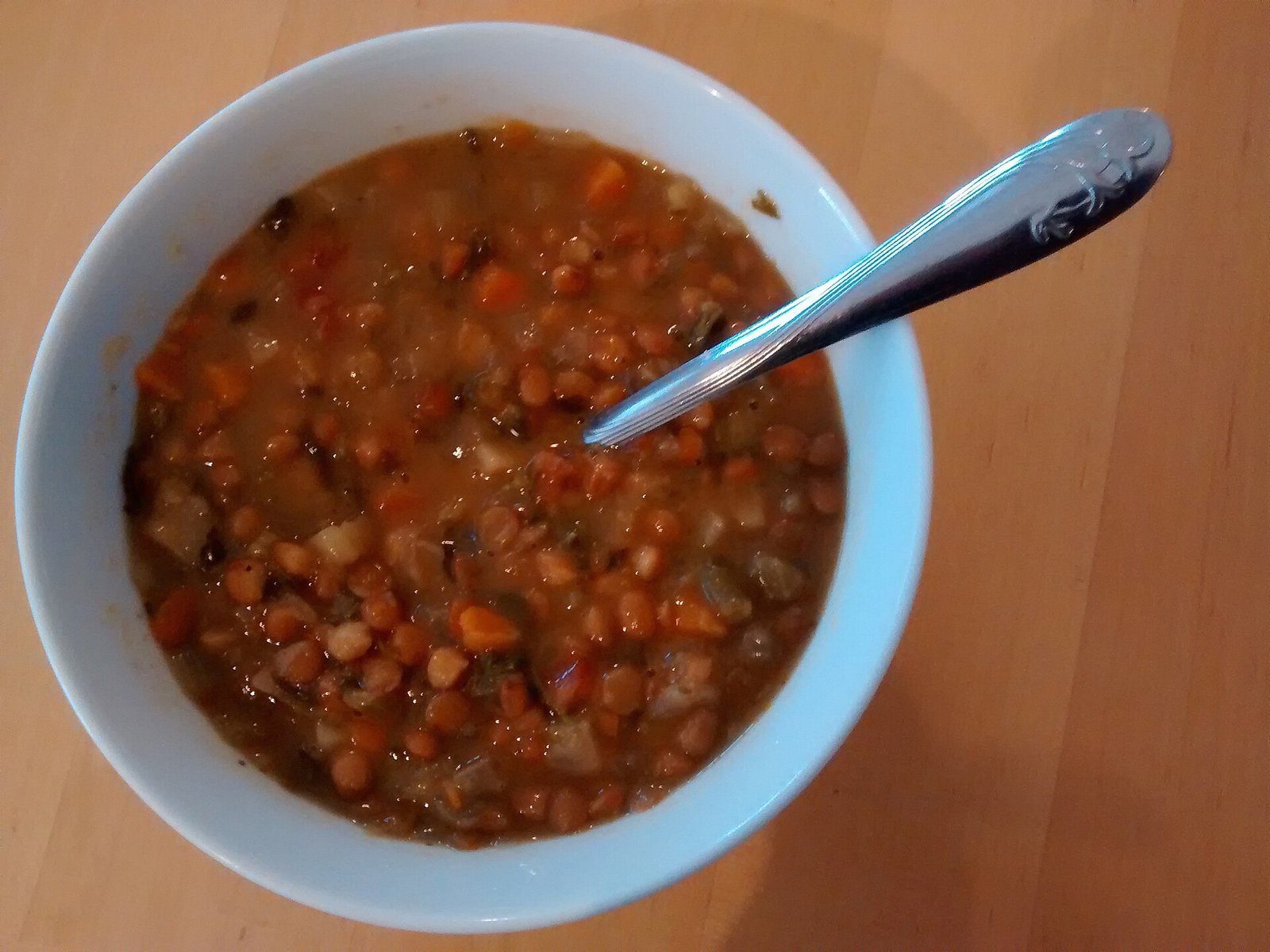
- – Lunch: chicken-rice soup; soda cracker if nauseated (MedlinePlus nausea tip); water.
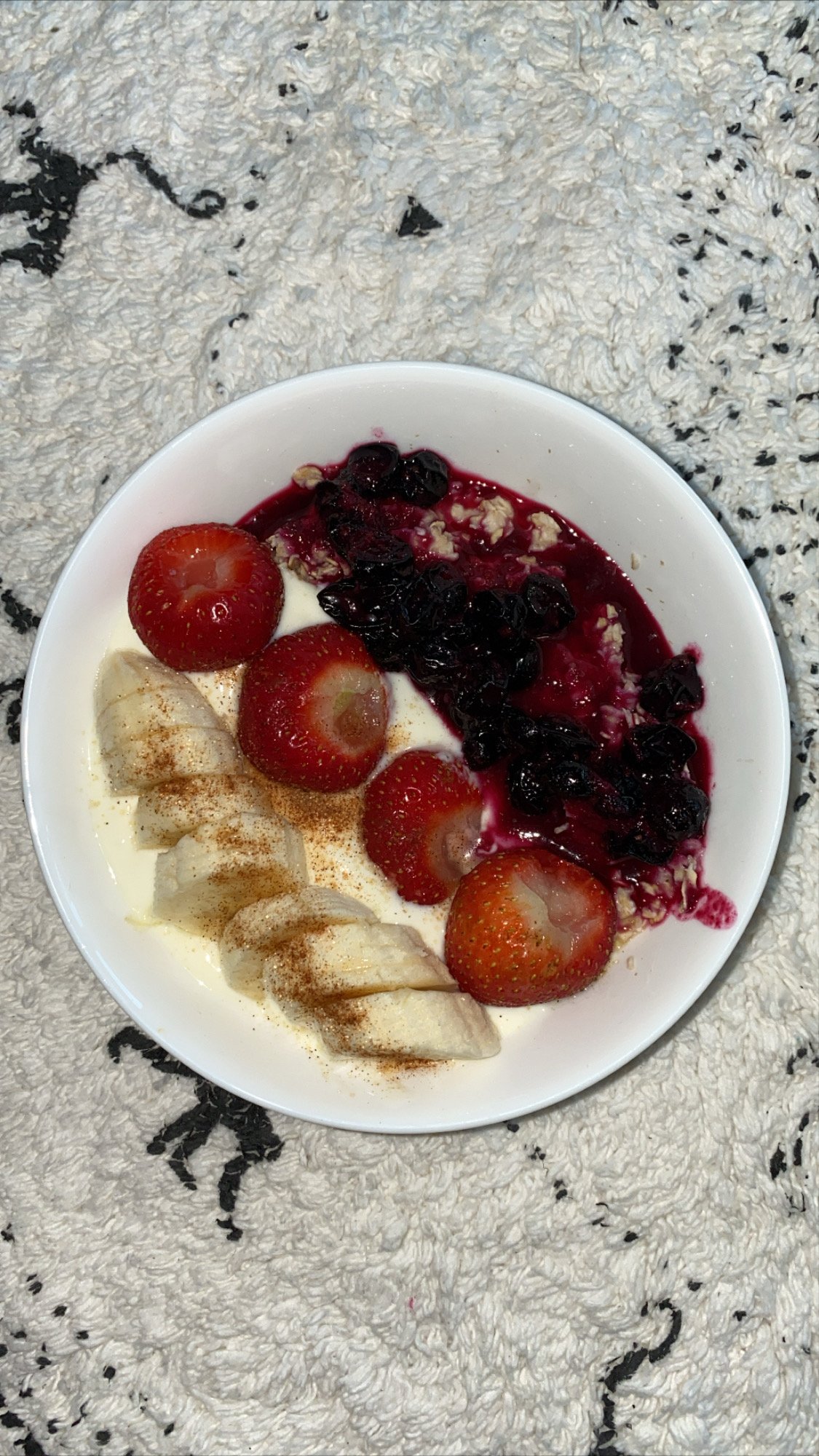
- – Snack: yogurt or banana.
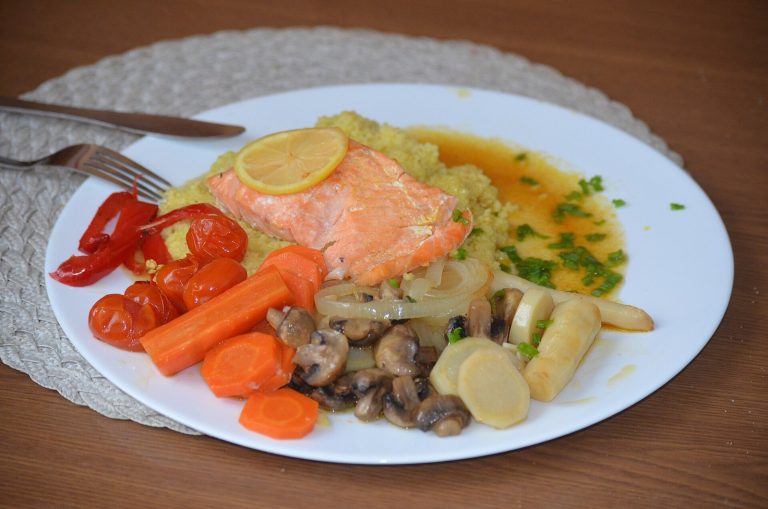
- – Dinner: baked fish, peeled cooked carrot, small potato portion if cleared.
- – Evening: non-carbonated fluid; avoid late beer/soda if gas is an issue.
5. Output color literacy
Expect possible red tint after beets or cherry gelatin—call if unexplained persistent blood-like output continues.
6. Long-term pattern overlap
If diverticulitis or IBD led to surgery, coordinate long-term fiber with those plans—see diverticulitis diet guide, Crohn’s disease diet guide, and ulcerative colitis diet guide. Constipation upstream of a colostomy still needs clinician guidance—constipation diet guide.
Safety, interactions, and who should ask a clinician first
- – Stoma purple/black/white, major swelling, frequent leaks, raw peristomal skin, foul discharge, or bulging: contact the surgical/ostomy team (MedlinePlus call list themes).
- – Little or no output with bloating/pain: possible blockage—urgent evaluation.
- – High-output diarrhea and dizziness: dehydration risk.
- – Chemotherapy, radiation, or immunosuppression: food-safety extra care.
- – Opioid pain medicines: expect slower bowels—ask before stacking stimulant laxatives.
FAQ
When can I eat “normally” after colostomy? MedlinePlus describes a staged advance that may reach more normal eating within a couple of days for some, but your surgeon’s protocol and stoma type decide.
Is a colostomy diet the same as an ileostomy diet? Overlap exists for gas/odor/chewing tips—see diet after ileostomy guide—but fluid loss and output texture differ; use nurse teaching for your stoma.
Do I have to avoid all vegetables forever? No universal forever-ban. Early cooked/peeled textures are common; reintroduce gradually.
Why is protein emphasized? Large-bowel discharge teaching encourages protein daily during recovery fueling.
Can diet fix chronic pouch leaks? Leaks usually mean fit/skin-barrier issues—see your ostomy nurse; diet is supportive only.
How this differs from related OTCFood topics
This page is a colostomy-bound diet guide focused on staged postoperative intake, small frequent meals, gas/odor literacy, and hydration. It is not a DIY stoma-revision guide and not a cancer cure diet.
Medical disclaimer
Medical disclaimer: This article is for general information only. It is not medical advice, diagnosis, or a treatment plan. Care after colostomy depends on surgical indication, stoma location, temporary vs permanent plans, and your surgeon/ostomy nurse’s protocol. Talk with a clinician or registered dietitian before starting, stopping, or changing any eating plan, supplement, or medicine. Seek urgent care for a dark/pale stoma, severe abdominal pain with little output, high fever, or signs of dehydration.