Diet After Colonoscopy: Foods That May Help and Foods to Limit
Medical note: This article discusses foods and researched botanicals. It does not claim to prevent, treat, or cure disease. Supplements are not a substitute for food, and studied amounts are not personal prescriptions.
People searching “diet after colonoscopy foods that help or worsen” usually want a safe way to restart eating after bowel prep and sedation—not a claim that food replaces colonoscopy findings or polyp care. NIDDK explains that colonoscopy lets a doctor look inside the rectum and colon with a flexible, lighted tube and can include biopsy or polyp removal. Preparation often means a special diet for a few days, avoiding high-fiber foods such as whole grains, raw vegetables, beans, nuts, and seeds, then a clear-liquid diet and bowel prep. After the procedure, NIDDK notes that in most cases you should expect a full recovery and return to your normal diet by the next day, while following the written instructions you receive—especially if polyps were removed or biopsies were taken.
What this after-colonoscopy diet guide covers (and what it does not)
This guide is for adults restarting food after an uncomplicated colonoscopy who want practical first meals. Anchors: NIDDK — Colonoscopy and MedlinePlus — Colonoscopy.
You need a ride home after sedation. Kitchen changes do not replace urgent care for severe abdominal pain, heavy bleeding, fever, dizziness, or vomiting that prevents fluids. If your clinician gave a specialized post-polypectomy diet, that written plan outranks this general page. For longer-term gut patterns after diverticular disease discussions, see diverticulosis diet guide or diverticulitis diet guide only when those diagnoses apply.
Evidence snapshot: post-colonoscopy diet claims vs public sources
| Claim people hope for | What public sources actually say | Confidence |
|---|---|---|
| “Stay on clear liquids for a week after every colonoscopy” | NIDDK: expect return to normal diet by the next day in most cases; follow your doctor’s instructions | Strong for individualized return; not a universal week-long clear-liquid rule |
| “Prep diet rules continue forever” | High-fiber limits and clear liquids are preparation steps, not lifelong colonoscopy aftercare for everyone | Strong |
| “Eating seeds after polyp removal always causes perforation” | Post-polypectomy instructions vary; follow your endoscopist’s written diet—not internet absolutes | Strong: clinician instructions win |
| “Gas and bloating mean the procedure failed” | Air used during colonoscopy commonly causes temporary bloating/gas | Moderate for expected discomfort vs complications |
| “Alcohol celebrates recovery the same day as sedation” | Sedation impairs judgment; you need a ride home—alcohol the same day is a poor safety choice | Strong against same-day alcohol |
Foods and patterns that may help after colonoscopy
“May help” means gentle refeeding and hydration after prep depletion—not treating colon disease.
Follow the written discharge diet first
- – If your report says “regular diet,” you may advance as hunger returns.
- – If polyps were removed or you have other instructions (soft diet, avoid seeds/nuts temporarily, etc.), follow those exactly.
First meals many people tolerate
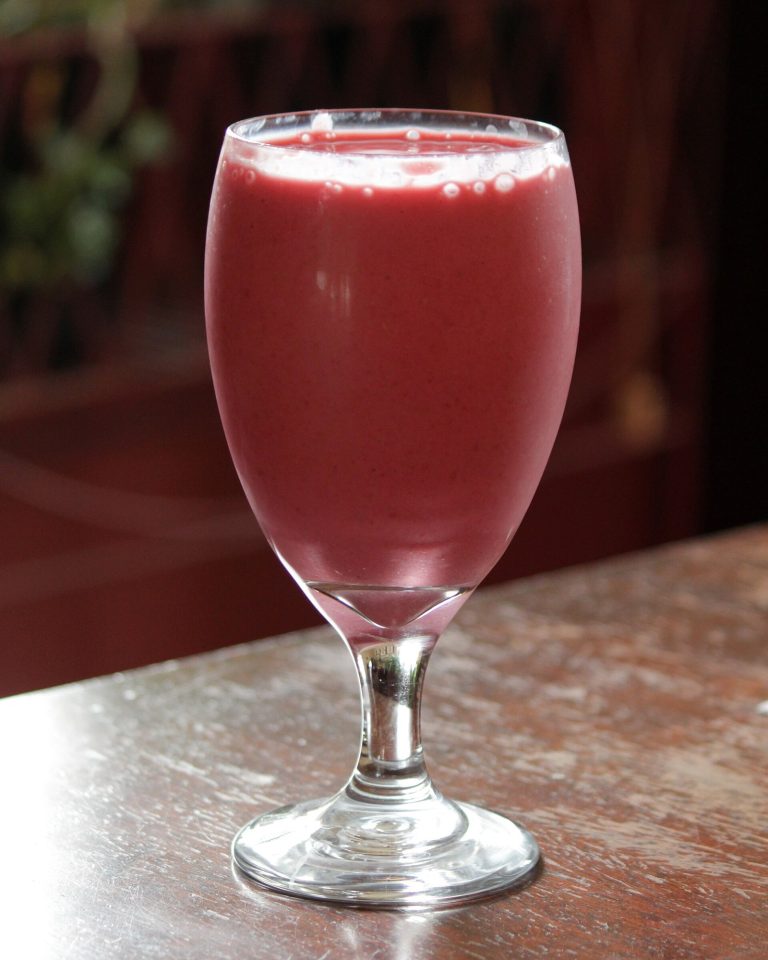
- – Clear liquids first if you still feel nauseated from sedation: water, broth, diluted juice, electrolyte drinks as advised.
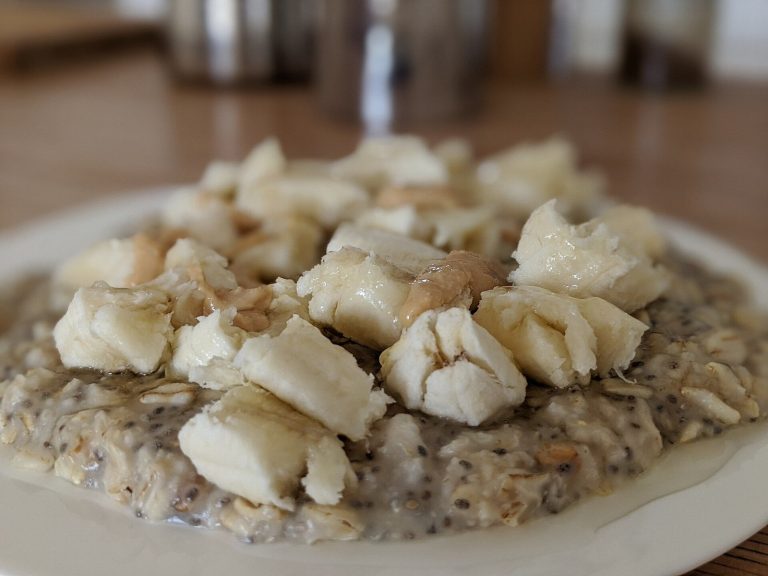
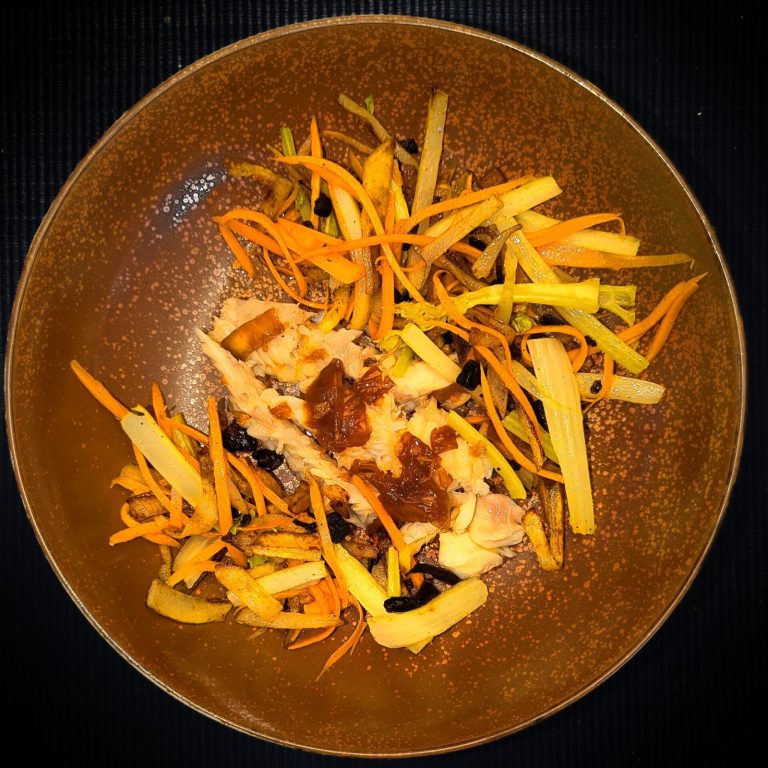
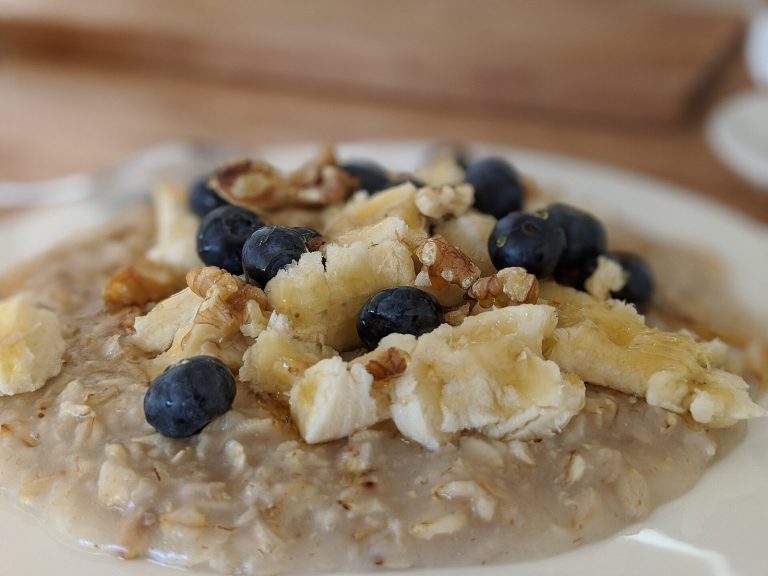
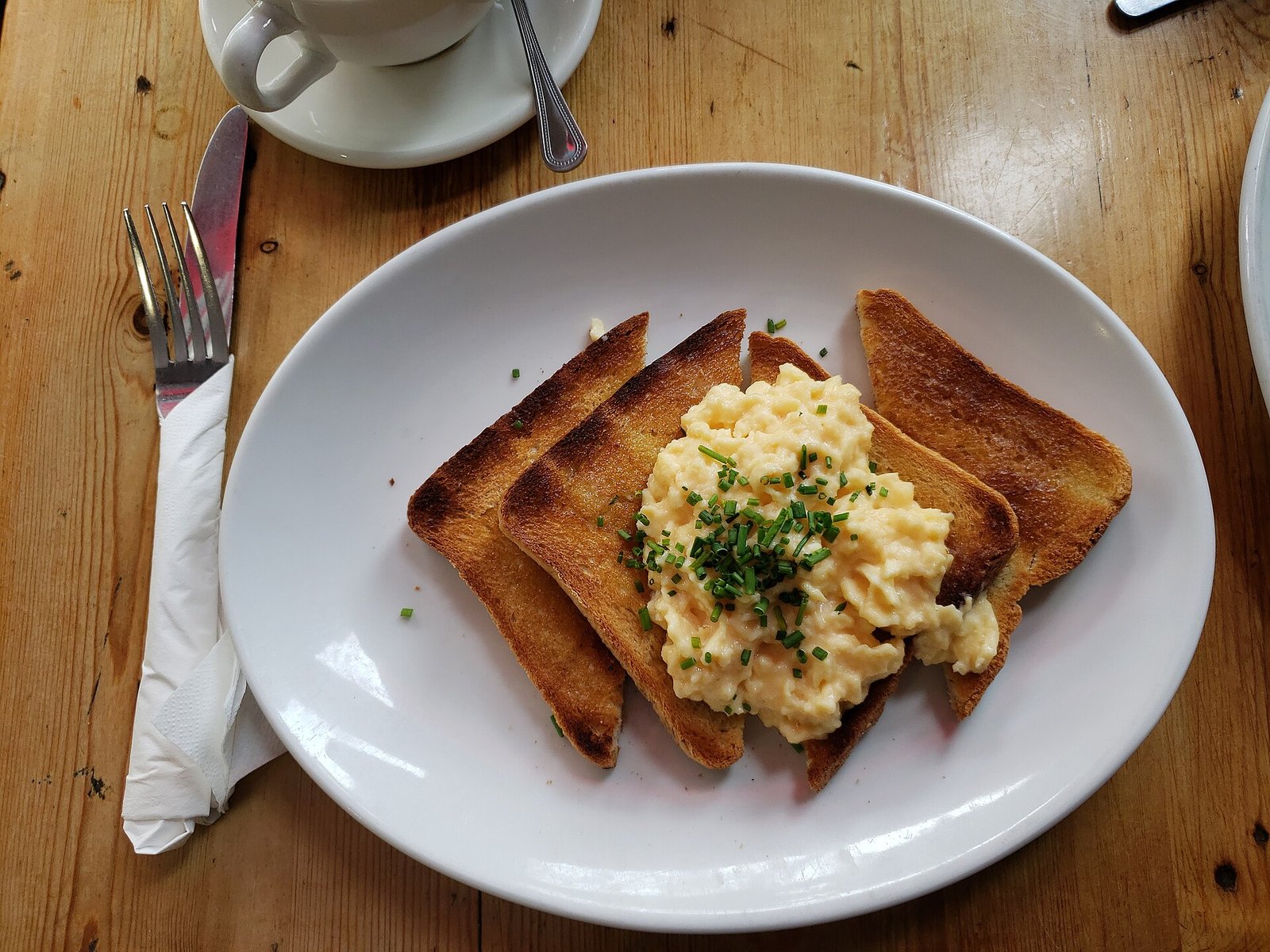
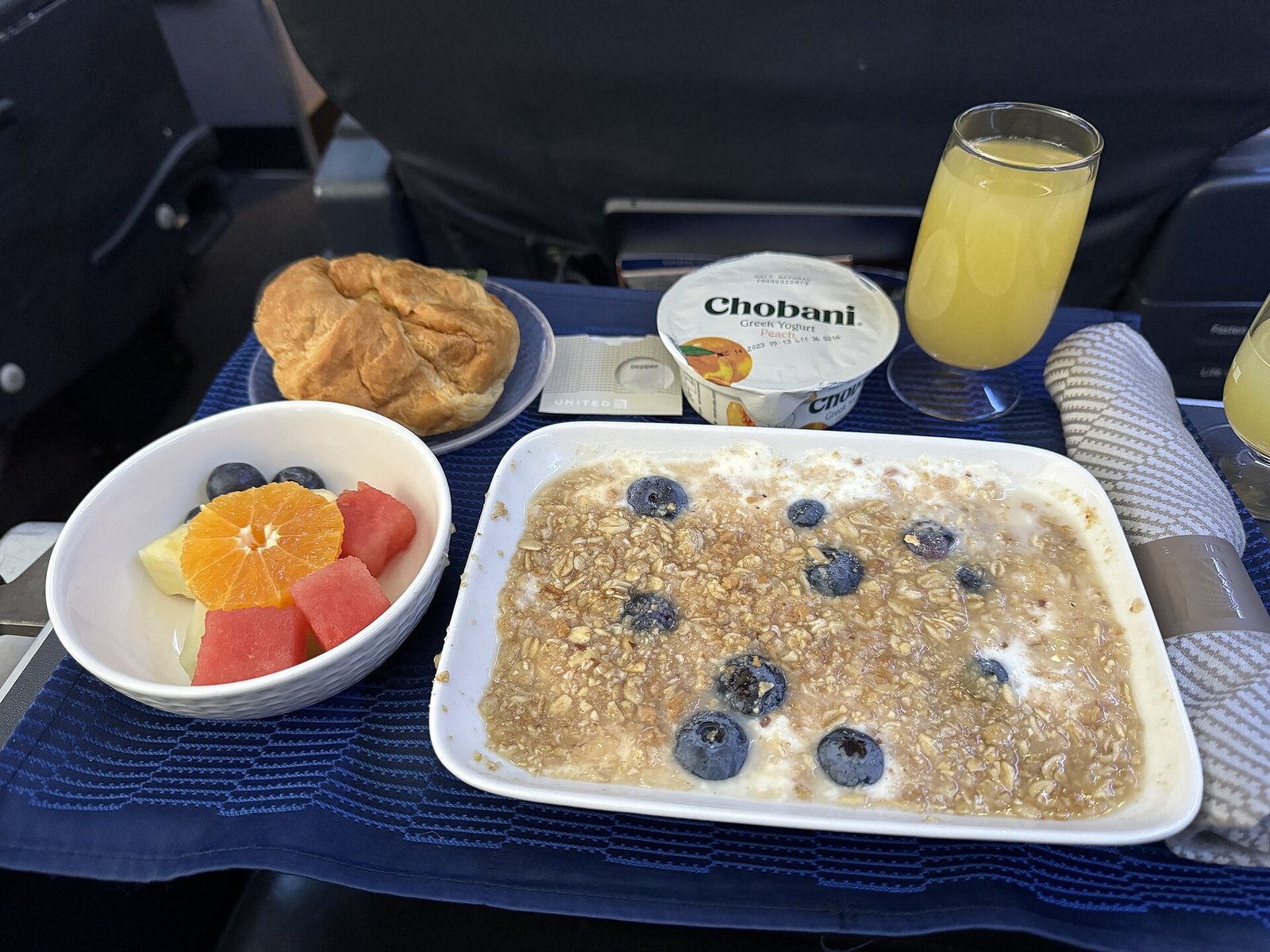
- – Then easy solids: eggs, yogurt, white toast or crackers, bananas, applesauce, rice, noodles, tender chicken, cooked peeled vegetables.
- – Reintroduce fiber gradually over the next day if your clinician cleared a normal diet—NIDDK’s prep advice temporarily limited high-fiber foods; after clearance, fiber-containing patterns can return unless told otherwise.
Hydration after bowel prep
- – Prep and clear liquids can leave you dehydrated and electrolyte-weary. Sip water and clinician-approved fluids steadily.
- – If you take blood pressure or diabetes medicines that were adjusted around prep, resume only as instructed.
Gut-comfort overlaps
- – Temporary gas is common. Gentle walking (if allowed) and avoiding large carbonated blowouts the first evening may feel better.
- – If you live with IBS or GERD long term, return to your usual frameworks gradually—see IBS diet guide or GERD diet guide as background, not as colonoscopy aftercare law.
Foods and habits that often worsen the first day after colonoscopy
- – Large fatty, fried, or heavily spiced feasts the evening of the procedure when the gut is still settling and sedation hangover is present.
- – Alcohol the same day as sedation or while you still feel foggy.
- – Ignoring procedure-specific bans (for example, temporary limits after polypectomy) because a blog said “eat whatever.”
- – Heavy high-fiber dump (huge salads, beans, bran) immediately if your written plan asked for a gentler advance—or the opposite mistake of staying on clear liquids for days without instruction.
- – Straining and delaying fluids after prep-related dehydration.
Practical kitchen protocol: the 24–48 hours after colonoscopy
1. Keep the medical spine first
Review bleeding, pain, and fever warnings. Know who to call. Arrange light foods at home before you go so you are not driving to a restaurant after sedation.
2. Shopping list for recovery night
Water; broth; electrolyte drink if advised; bananas; applesauce; yogurt; eggs; white rice or noodles; soft bread; tender protein; simple cooked vegetables.
3. Default first-day plate template
- – Easy starch
- – Soft protein
- – Soft fruit or cooked vegetable
- – Water beside the plate
4. Sample timeline (illustrative—override with your written plan)
- – Immediate: clear liquids as tolerated.
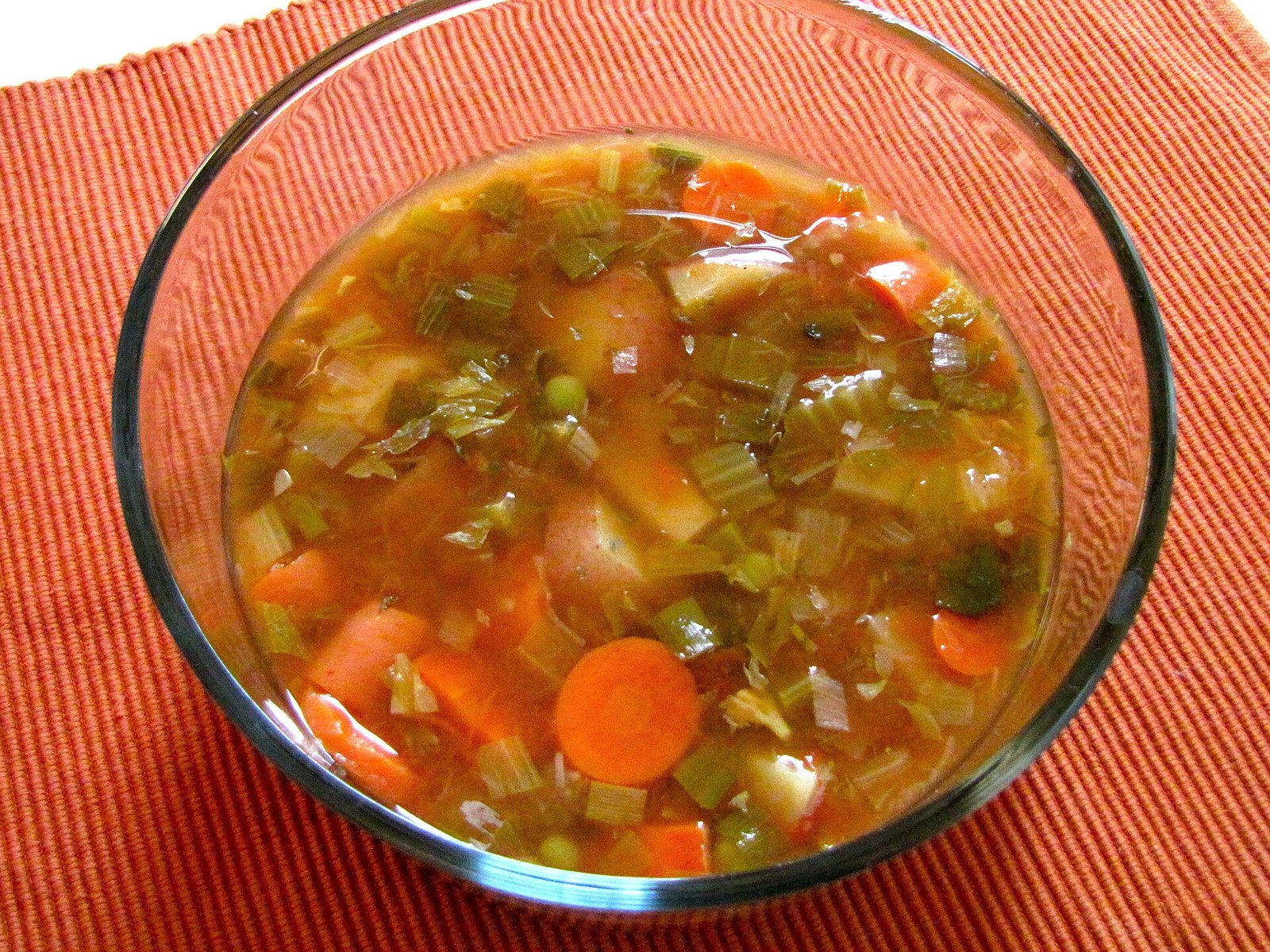
- – Later same day: eggs and toast, or soup and crackers; water.
- – Next day: return toward your normal pattern if cleared—vegetables, fruit, whole grains re-enter unless restricted.
- – If polypectomy diet differs: follow that sheet for the stated number of days.
5. Medicines and supplements
Ask when to restart iron, fiber supplements, blood thinners, or diabetes agents that were held for the procedure.
6. When colonoscopy findings change long-term diet
Polyps, IBD, bleeding sources, or diverticular disease may lead to separate nutrition counseling. This page only covers the peri-procedure restart.
Safety, interactions, and who should ask a clinician first
- – Severe pain, fever, chills, heavy rectal bleeding, black stools, chest pain, or vomiting blood: urgent care/ER.
- – Diabetes, kidney disease, or heart failure: fluid and carbohydrate restarts may need tailored advice after prep.
- – Pregnancy and colonoscopy decisions are specialty topics—follow your team.
- – Do not drive, cook on a hot stove unattended, or drink alcohol while residual sedation affects you.
FAQ
When can I eat a normal meal? NIDDK: many people return to a normal diet by the next day. Your endoscopist’s instructions—especially after polyp removal—come first.
Why was I told to avoid seeds and raw vegetables before, not after? Those limits are mainly to clear the bowel for a good look. Afterward, restrictions only continue if your clinician says so.
Is bloating normal? Mild gas/bloating from air used during the exam is common. Worsening severe pain is not “normal gas”—seek care.
Can I drink coffee after? Often yes once swallowing safely and nausea settle, unless your instructions differ. Start gently; skip alcohol the same day as sedation.
Do I need probiotics to “restore the microbiome” after prep? Not required by NIDDK’s core aftercare summary. Ask your clinician before buying expensive protocols.
How this differs from related OTCFood topics
This page is a post-colonoscopy refeeding guide aligned with NIDDK prep/after expectations. It is not a colorectal cancer diet, not a lifelong low-residue prescription for everyone, and not a diverticulitis diet guide flare protocol unless that diagnosis and plan apply.
Medical disclaimer
Medical disclaimer: This article is for general information only. It is not medical advice, diagnosis, or a treatment plan. Colonoscopy aftercare depends on findings, polypectomy, sedation, and other medical conditions. Talk with your clinician or registered dietitian before starting, stopping, or changing any eating plan, supplement, or medicine. Seek urgent care for severe pain, heavy bleeding, fever, fainting, or breathing trouble after the procedure.