Diverticulitis Diet: Foods That May Help or Worsen Flare Patterns
Medical note: This article discusses foods and researched botanicals. It does not claim to prevent, treat, or cure disease. Supplements are not a substitute for food, and studied amounts are not personal prescriptions.
People searching “diverticulitis diet foods that help or worsen” usually want a kitchen map for flare timing versus recovery—not a “diverticulitis cure” list. NIDDK, MedlinePlus, and Mayo Clinic describe a short clear-liquid or soft path during acute uncomplicated flares (as a clinician directs), then a gradual return toward higher-fiber eating, plus a longer-term pattern that may help lower flare risk: more fiber, less red meat, activity, and not smoking. Food changes do not replace complication workups, do not “treat” or “cure” diverticulitis alone, and do not replace antibiotics or other clinician-directed care.
What this diverticulitis diet guide covers (and what it does not)
This article summarizes eating approaches for adults with diverticulosis, diverticular disease with chronic symptoms, or a past diverticulitis episode. Anchors: NIDDK diverticular eating page, MedlinePlus overview, and Mayo Clinic diagnosis/treatment diet steps. General kitchen guidance only—not a prescription for abscess, perforation, or obstruction risk, and not advice to stop medicines.
MedlinePlus: diverticula are pouches through weak spots in the colon; diverticulosis often has no symptoms; diverticulitis means inflammation and may bring sudden lower-abdominal pain (often left-sided), fever, nausea, or bowel-habit change. Abscess, fistula, obstruction, perforation, or peritonitis need urgent care—not DIY diet trials.
Red flags: severe/worsening pain, high fever, persistent vomiting, inability to keep liquids down, heavy rectal bleeding, dizziness. Ask before large fiber jumps during an active flare, after recent surgery, or with bowel narrowing.
Evidence snapshot: diverticulitis diet claims vs public sources
| Claim people hope for | What public sources actually say | Confidence |
|---|---|---|
| “Stay on clear liquids forever after one flare” | Mayo Clinic (uncomplicated diverticulitis): a liquid diet may be recommended at home; as symptoms improve, gradually increase solid food, beginning with low-fiber foods; when fully recovered, resume a regular diet with high-fiber foods (fiber supplement may also be discussed) | Moderate for staged recovery under clinician guidance |
| “Nuts, seeds, and popcorn always trigger flares” | NIDDK: most people with diverticulosis or diverticular disease do not need to avoid specific foods; older advice to avoid nuts/popcorn/seeds is not supported by more recent research suggesting these foods are not harmful | Moderate that blanket bans are outdated for many people |
| “High fiber during an acute painful flare is always best” | Public flare messaging prioritizes resting the colon (clear liquids / gradual solids) first; high-fiber goals are emphasized for chronic symptoms, past diverticulitis, and prevention—after recovery and with professional advice (NIDDK / Mayo) | Moderate for phase-specific fiber |
| “Red meat does not matter if I take antibiotics later” | NIDDK: research suggests a diet low in fiber and high in red meat may increase diverticulitis risk; eating high-fiber foods and less red meat may lower risk | Moderate for long-term pattern |
| “Fiber overnight to 40+ grams is safe for everyone” | NIDDK: increase fiber a little at a time so the body gets used to the change; Dietary Guidelines example often cited as about 14 g fiber per 1,000 calories (e.g., ~28 g/day on a 2,000-calorie diet)—personal targets need a clinician or dietitian | Moderate for gradual increase |
Primary public anchors: NIDDK — Eating, Diet, & Nutrition for Diverticular Disease, MedlinePlus — Diverticulosis and Diverticulitis, Mayo Clinic — Diverticulitis diagnosis and treatment.
Foods and patterns that may help with diverticulitis risk and recovery patterns
Diverticulitis diet education separates acute flare steps from recovered / prevention eating. “May help” means a lower-risk kitchen default alongside care—not a no-flare guarantee.
During an uncomplicated flare (only as your clinician directs)
- – Clear liquids briefly to rest the colon (MedlinePlus; Mayo)—water, broth, pulp-free clear juices as advised, then advance when symptoms improve.
- – Gradual solids, often starting lower-fiber before usual fare (Mayo).
- – Pain medicines: MedlinePlus often prefers acetaminophen over NSAIDs during diverticulitis care (NSAID complication concern)—follow your clinician; do not self-prescribe.
After recovery / prevention-oriented pattern
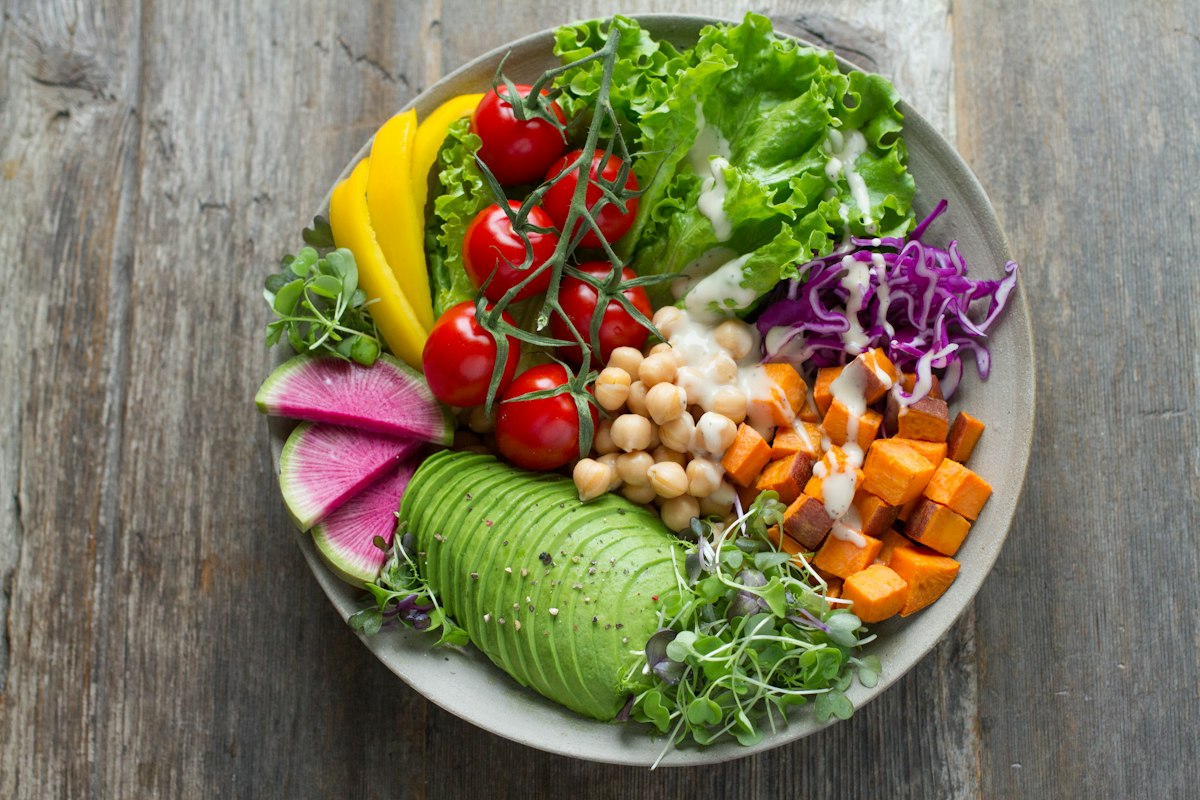
- – Higher-fiber foods (NIDDK examples): high-fiber cereals, bulgur, whole-wheat crackers/tortillas; raspberries, Asian pear, apple with skin, prunes; green peas, lentils, pinto beans, sweet potato, chickpeas, kidney beans, broccoli, collards.
- – Fiber framing: about 14 g per 1,000 calories (NIDDK / Dietary Guidelines; ~28 g/day on 2,000 calories is a common example)—ask a dietitian for your number.
- – Less red meat long-term (NIDDK); activity, not smoking, healthy weight (MedlinePlus).
- – Nuts, seeds, popcorn: generally not required avoidances per NIDDK—individualize if a food clearly worsens your symptoms.
Foods and habits that often worsen diverticulitis risk patterns
- – Low-fiber, red-meat-heavy defaults over months and years (NIDDK)—not one holiday meal.
- – Pushing high-fiber beans/bran/skins hard during an acute flare when liquids or low-fiber solids were advised (Mayo staged recovery).
- – NSAID pain defaults without clinician guidance (MedlinePlus).
- – Smoking, inactivity, obesity-related patterns (MedlinePlus risk list).
- – Ignoring red-flag pain or fever on home soups alone—complications need medical care.
- – Lifelong nut/seed bans from outdated folklore when NIDDK says most people need no specific-food avoidances—restriction can shrink diet quality without clear benefit.
“Limit” means reduce frequency/portion of risk-raising patterns under a clinical plan—not that one meal ruins a year.
Practical kitchen protocol: a diverticulitis diet week (by phase)
1. Label the phase before you change fiber
Ask: clinician-confirmed acute uncomplicated flare, early recovery, or stable prevention? Skip social-media “high fiber on day one of pain.” Severe pain, fever, or inability to keep liquids down → seek care, not a kitchen experiment.
2. Flare-phase kitchen (illustrative—follow your clinician)
- – Stock clear broth, water, electrolyte drinks if advised, pulp-free clear juices.
- – When cleared to advance: soft lower-fiber solids first (e.g., white rice, refined toast, eggs, tender cooked vegetables without skins/seeds as tolerated)—then reintroduce fiber slowly.
- – Log: liquid day → first solid → stool comfort → pain. Bring it to follow-up.
3. Recovered-phase fiber climb (NIDDK “a little at a time”)
Map yesterday’s plate. Each day or every few days, change one meal: oatmeal/high-fiber cereal instead of only white toast; apple with skin; small lentils or beans. Pair each upgrade with a full glass of water. Approach Dietary Guidelines-style fiber only as tolerated.
4. Shopping default and plate template (recovered)
Stock oatmeal or high-fiber cereal, whole-wheat sides, frozen broccoli and peas, sweet potato, rinsed beans/lentils/chickpeas, berries, apples/pears, collards, and water—push red-meat multipacks and ultra-processed low-fiber snacks further back in the cart.
- – Half: vegetables and fruit (skins when recovered and tolerated).
- – Quarter: whole grains when tolerated (oatmeal, bulgur, whole wheat).
- – Quarter: plant-forward protein—beans, lentils, fish, poultry—rather than red-meat-only plates.
- – Liquids: water through the day so fiber works more comfortably.
5. Three kitchen swaps (recovered / prevention)
- – Steak-and-white-rice-only nights → fish/poultry or smaller red-meat portion + broccoli/collards + lentils most nights.
- – Chips-and-pastry snacks → apple with skin, raspberries, or a small bean salad when fully recovered.
- – Lifelong nut ban from outdated folklore → if your clinician agrees with NIDDK’s updated view, keep modest nuts/seeds when they do not personally trigger symptoms.
6. Sample recovered day (illustrative)
- – Breakfast: oatmeal or high-fiber cereal; berries or apple with skin; water.
- – Lunch: lentil or bean soup; cooked carrots or peas; whole-wheat side if tolerated; water.
- – Snack: pear or a small handful of nuts if approved; water.
- – Dinner: baked fish or tofu, broccoli and sweet potato, bulgur or brown rice when tolerated.
7. Eating out, travel, and when food is not enough
Ask for vegetable sides, beans, and oatmeal; carry water; prefer grilled items with salad over fried red-meat defaults when recovered. If flares return or red flags appear, see a clinician. Keep prescribed regimens unless your clinician changes them. Mayo Clinic notes probiotic evidence is limited—ask before adding supplements.
Safety, interactions, and who should ask a clinician first
- – Severe pain, fever, vomiting, inability to tolerate liquids, heavy bleeding, or suspected perforation/abscess: emergency care—not more fiber experiments.
- – Complicated diverticulitis, recent surgery, strictures, or immunosuppression: individualize diet stages.
- – Kidney disease, heart failure, or fluid limits: clear liquid/produce targets first.
- – Pregnancy, breastfeeding, children, frail older adults: personalized plans.
- – Regular NSAID, steroid, or opioid use: review with your clinician (MedlinePlus risk factors).
- – Do not self-start/stop antibiotics or escalate stimulant laxatives without advice.
- – Colonoscopy timing after diverticulitis is clinical (Mayo)—not a DIY schedule.
FAQ
Will a diverticulitis diet alone prevent every future flare? Higher-fiber, lower-red-meat patterns may help lower risk for some people (NIDDK), alongside activity and not smoking (MedlinePlus). Others still need medicines, procedures, or surgery. Food does not “cure” diverticulitis.
Should I avoid nuts and seeds forever? NIDDK states most people with diverticulosis or diverticular disease do not need to avoid specific foods, and newer research suggests nuts, popcorn, and seeds are not harmful in the way older advice assumed. Individualize if a food clearly worsens your symptoms.
When do I go back to high fiber after a flare? Mayo Clinic describes liquids first, then gradual solids often starting lower in fiber, then a regular high-fiber diet when fully recovered—on your clinician’s timeline, not a fixed internet day count.
How much fiber should I aim for when recovered? NIDDK cites Dietary Guidelines guidance of about 14 g fiber per 1,000 calories (commonly illustrated as ~28 g/day on a 2,000-calorie diet). Increase gradually and ask a dietitian for a personal target.
How this differs from related OTCFood topics
This page is a disease-bound diverticulitis / diverticular disease diet guide for flare-phase versus recovered fiber patterns and red-meat limits. It is not a constipation gradual-fiber deep dive (constipation diet foods that may help or worsen), not an IBS low-FODMAP mapping guide (IBS diet foods that may help or worsen), not a kidney-stones fluid-and-oxalate protocol (kidney stones diet foods that may help or worsen), and not a high-cholesterol saturated-fat guide (high cholesterol diet foods that may help or worsen)—though plant-forward plates can overlap.
Medical disclaimer
Medical disclaimer: This article is for general information only. It is not medical advice, diagnosis, or a treatment plan. Diverticulitis and diverticular disease management depends on your history, exam, imaging, and sometimes hospital care. Talk with a licensed clinician or registered dietitian before starting, stopping, or changing any eating plan, fiber supplement, antibiotic, or other medication. Do not ignore emergency or urgent warning signs such as severe abdominal pain, fever, persistent vomiting, heavy bleeding, or inability to keep liquids down.