Golfer’s Elbow Diet: Foods That May Help and Foods to Limit
Medical note: This article discusses foods and researched botanicals. It does not claim to prevent, treat, or cure disease. Supplements are not a substitute for food, and studied amounts are not personal prescriptions.
People searching “golfer’s elbow diet foods that help or worsen” usually want nutrition habits that support tendon rehab and overall joint-friendly eating—not a claim that food heals medial epicondylitis the way load management, rest, and clinician-guided care can. AAOS OrthoInfo describes medial epicondylitis (golfer’s elbow) as a painful overuse condition of the inner elbow that can affect golfers and many others who repeatedly stress the wrist flexor/pronator tendons. MedlinePlus encyclopedia materials similarly frame medial epicondylitis as tendon irritation from overuse. Food patterns may support body-weight goals, protein adequacy for rehab, and general musculoskeletal health; they do not replace activity modification, therapy, bracing, medicines, or procedures when indicated.
What this golfer’s elbow diet guide covers (and what it does not)
This guide is for adults with clinician-recognized golfer’s elbow who want practical kitchen patterns alongside rehab. Anchors: MedlinePlus — Medial epicondylitis and AAOS OrthoInfo — Medial Epicondylitis (Golfer’s Elbow).
Sudden severe elbow trauma, numbness/weakness in the hand, or infection signs need medical evaluation—not a supplement stack. This page is related to but distinct from tennis elbow diet guide (lateral epicondylitis) and other tendon topics such as rotator cuff tendinopathy diet guide or Achilles tendinitis diet guide.
Evidence snapshot: golfer’s elbow diet claims vs public sources
| Claim people hope for | What public sources actually say | Confidence |
|---|---|---|
| “An anti-inflammatory diet cures golfer’s elbow” | AAOS/MedlinePlus emphasize overuse mechanics and clinical care—not culinary cures | Strong: food is adjunctive |
| “Collagen packets replace physical therapy” | Public orthopaedic education centers on load modification and rehab; supplements are not presented as stand-alone cures | Strong against replacement |
| “Weight-aware eating may reduce joint load stress” | Extra body weight can increase overall musculoskeletal demand; helpful for some goals, not a tendon-specific cure | Moderate as general support |
| “Complete rest forever is required” | Care plans often combine relative rest of aggravating moves with guided rehab—follow your clinician | Moderate: individualized |
| “If pain continues, diet failed” | Persistent medial elbow pain needs clinical reassessment for other diagnoses | Strong |
Foods and patterns that may help with golfer’s elbow rehab nutrition
“May help” means supporting rehab capacity and overall joint-health habits—not dissolving tendon injury.
Protein-forward plates for training and recovery days
- – Include eggs, fish, poultry, dairy or fortified alternatives, beans, tofu, or lean meat in portions that fit your plan—protein supports general tissue and muscle nutrition during physiotherapy programs.
- – Spread protein across meals rather than one huge dinner if appetite or schedule is uneven.
Mediterranean-style patterns as general joint-friendly defaults
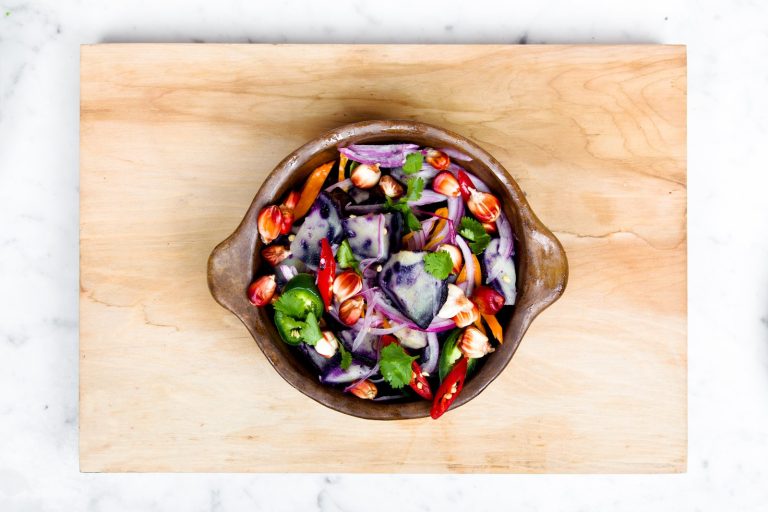
- – Vegetables, fruit, whole grains, legumes, seafood, olive oil, and unsalted nuts in sensible portions—similar kitchen framing used in our bursitis diet guide and tennis elbow diet guide guides—without claiming disease cure.
- – If osteoarthritis overlaps, see osteoarthritis diet guide for weight-aware joint context.
Micronutrient-aware shopping (supportive, not curative)
- – Varied produce for vitamin C–rich foods; dairy or fortified foods for calcium; sunlight/clinician guidance for vitamin D—useful for overall musculoskeletal health. Pair with vitamin D deficiency diet guide or vitamin C deficiency diet guide only when deficiency is relevant.
- – Stay hydrated around therapy sessions and sport practice.
Alcohol and sleep
- – Limit heavy alcohol that disrupts sleep and rehab adherence; sleep supports training tolerance more than any single “tendon superfood.”
Foods and habits that often worsen golfer’s elbow kitchen-and-load patterns
- – Returning to high-rep gripping, throwing, or lifting because a “healing diet” made you feel optimistic—load management still rules.
- – Crash dieting that leaves rehab under-fueled.
- – Megadose supplement stacks marketed to “regrow tendons” without clinician input.
- – Ignoring hand numbness, swelling with fever, or acute injury—those are not kitchen problems.
- – All-day energy drinks that disrupt sleep before early practice.
Practical kitchen protocol: a golfer’s elbow rehab week
1. Keep the medical spine first
Confirm diagnosis versus other elbow pain causes. Follow relative rest, ice/heat only as advised, counterforce bracing if prescribed, and physiotherapy exercises.
2. Shopping list
Eggs; Greek yogurt; fish or tofu; beans; leafy greens and colorful vegetables; berries/citrus; whole grains; olive oil; unsalted nuts in small portions; water.
3. Default plate template
- – Half vegetables and fruit
- – Quarter whole grains or starchy vegetables
- – Quarter protein
- – Optional small nut portion if it fits calories
4. Sample day (illustrative)
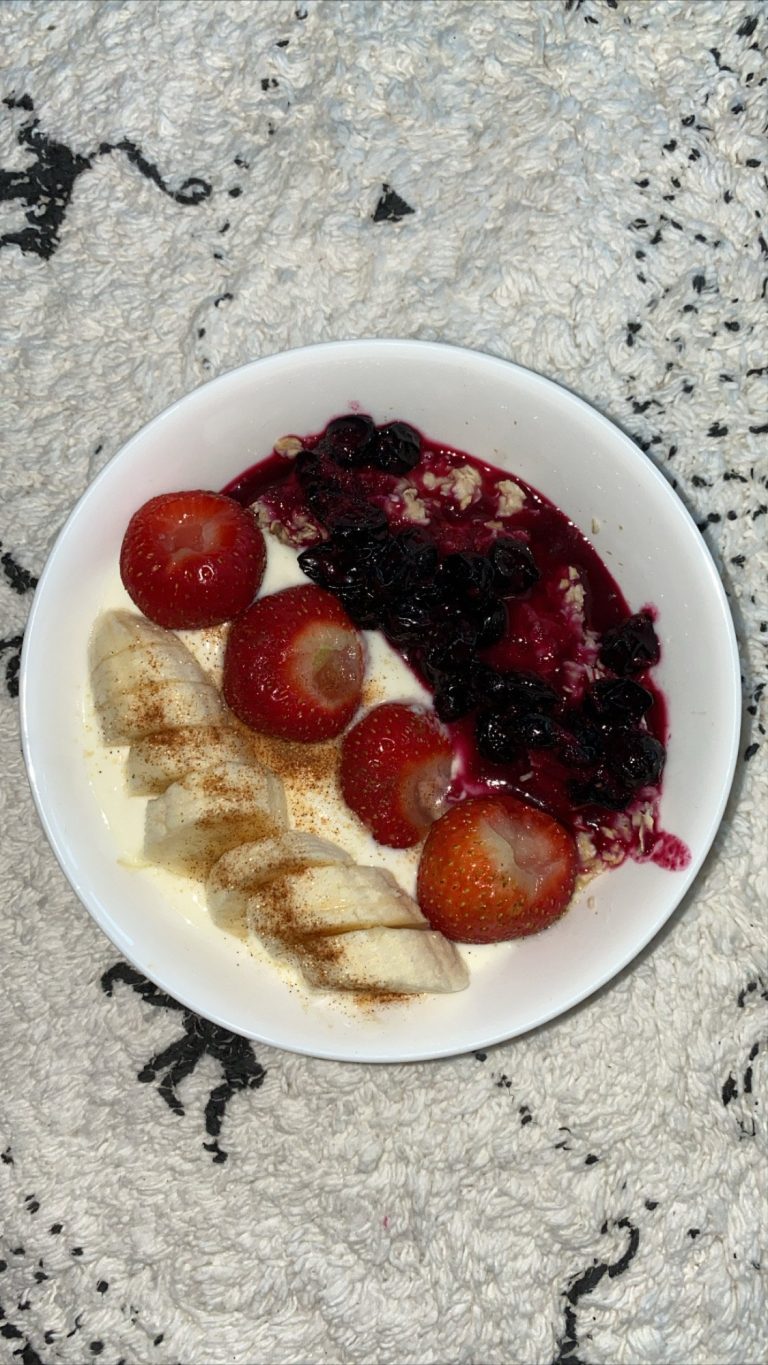
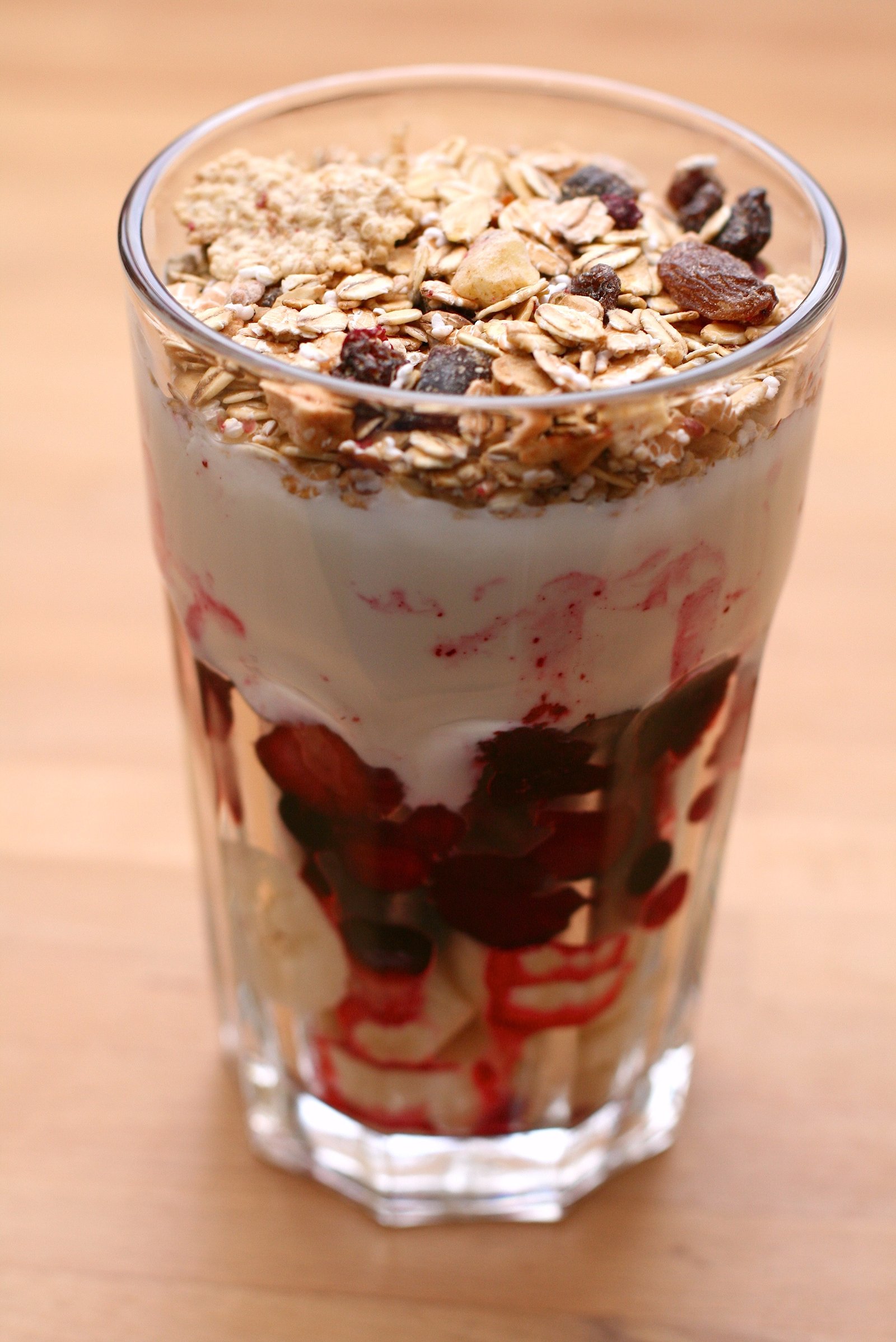
- – Breakfast: Greek yogurt, berries, oats.
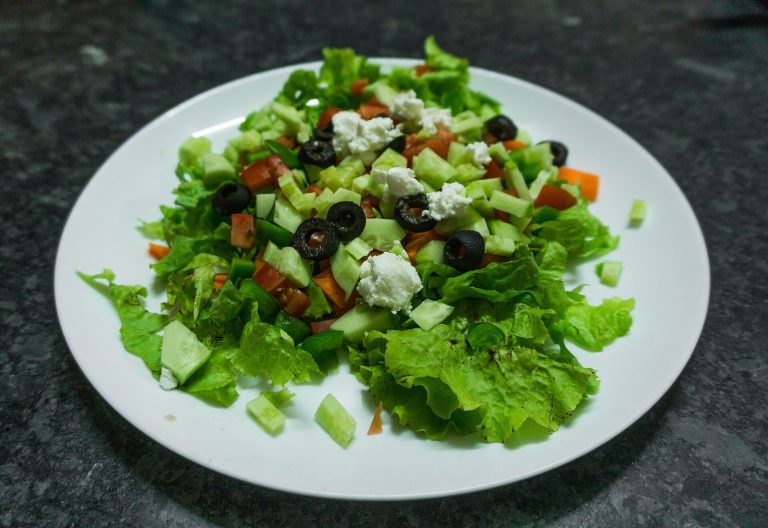
- – Lunch: chicken or bean salad with mixed vegetables and olive oil.
- – Snack: cottage cheese or hummus with soft vegetables.
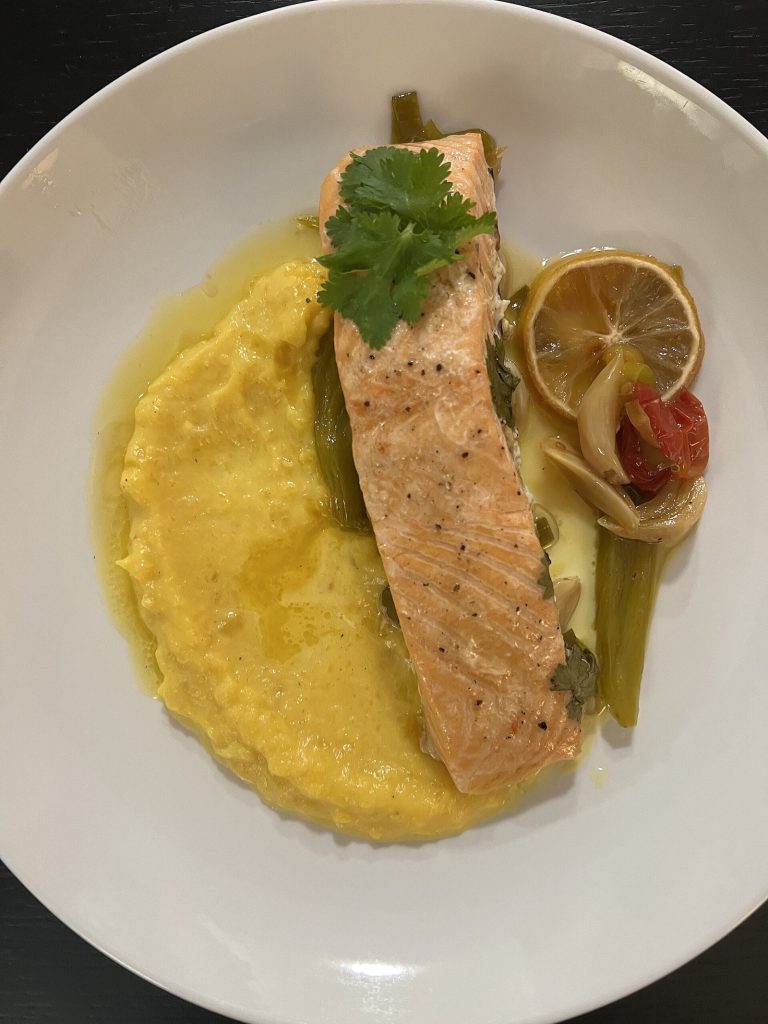
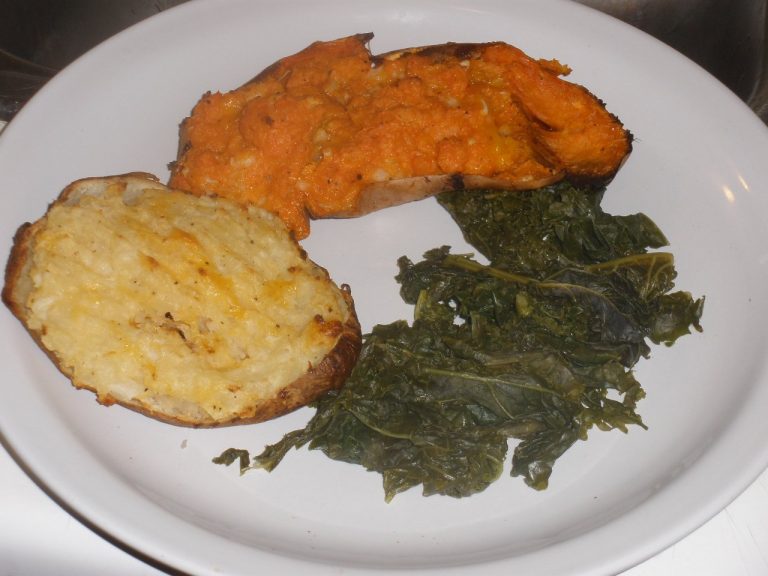
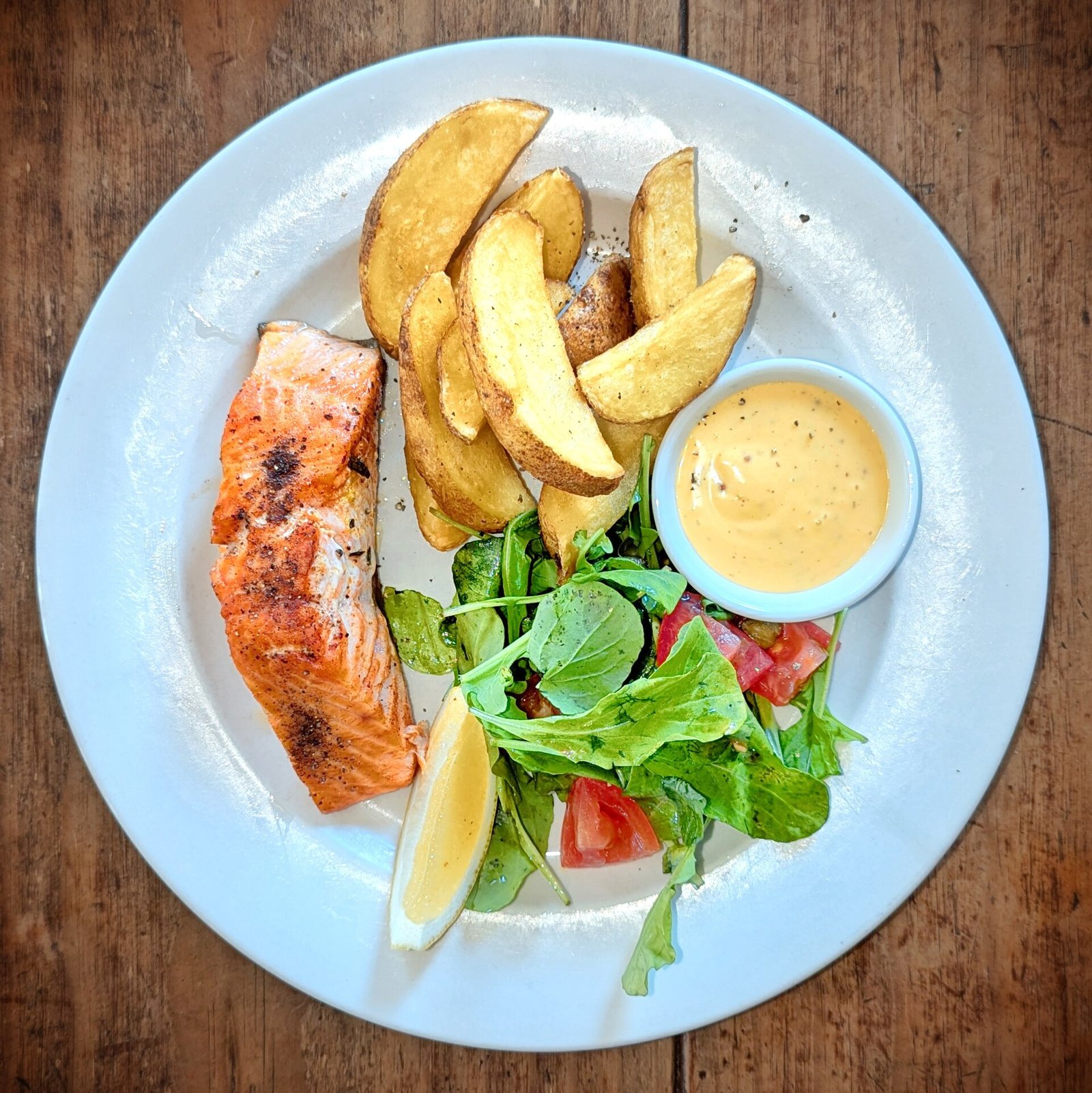
- – Dinner: baked fish, quinoa or potato, broccoli.
- – Around therapy: water; light protein snack if sessions are long.
5. Sport-specific kitchen timing
Eat enough carbohydrate and protein around returning practice sessions so fatigue does not wreck form—poor form can re-irritate the medial elbow.
6. When lateral elbow pain coexists
Some people bounce between medial and lateral overload. Use tennis elbow diet guide as sister kitchen context while clinicians sort the mechanical plan.
Safety, interactions, and who should ask a clinician first
- – NSAID or pain-medicine use belongs with clinician/pharmacist advice—food is not a drug substitute.
- – Diabetes, kidney disease, or gout change protein and overall diet priorities.
- – Pregnancy and adolescent throwers need clinician-guided rehab, not adult gym anecdotes.
- – Steroid injections, PRP, or surgery decisions are medical—not nutrition-blog calls.
FAQ
Can diet heal golfer’s elbow without rest? No. AAOS frames this as an overuse tendon condition. Nutrition supports rehab; it does not replace load management.
Do I need a strict nightshade-free diet? Not as a standard AAOS requirement. Personal triggers are individual experiments, not universal rules.
Are collagen supplements required? Not required by core public orthopaedic education. Discuss evidence and cost with your clinician before relying on them.
Why does my elbow hurt more after typing all day even on a “perfect” diet? Repetitive wrist flexion/gripping loads the same tendon region. Ergonomics and breaks matter.
Is golfer’s elbow only for golfers? No. AAOS notes many activities can overload the medial elbow tendons.
How this differs from related OTCFood topics
This page is a medial epicondylitis–bound diet guide focused on rehab-supportive eating. It is not a tennis elbow diet guide lateral protocol, not a fracture diet, and not a claim that food cures tendinopathy.
Medical disclaimer
Medical disclaimer: This article is for general information only. It is not medical advice, diagnosis, or a treatment plan. Elbow pain care depends on diagnosis, sport demands, and other conditions. Talk with a clinician, physical therapist, or registered dietitian before starting, stopping, or changing any eating plan, supplement, or medicine. Seek care for sudden injury, progressive weakness, fever with joint swelling, or numbness.