Alzheimer’s and Dementia Diet (MIND Diet): Foods That May Help and Foods to Limit
Medical note: This article discusses foods and researched botanicals. It does not claim to prevent, treat, or cure disease. Supplements are not a substitute for food, and studied amounts are not personal prescriptions.
No food or diet has been proven to prevent Alzheimer’s disease or slow dementia, and NIA says there is no evidence that eating or avoiding any single food can prevent Alzheimer’s or age-related cognitive decline. The eating pattern with the most research behind it is the MIND diet, a blend of the Mediterranean and DASH diets that emphasizes leafy greens, other vegetables, berries, nuts, beans, whole grains, fish, poultry, and olive oil, and limits red meat, butter, cheese, sweets, and fried or fast food. Observational studies link closely following it with lower Alzheimer’s risk and slower cognitive decline, but a 600-person clinical trial found only small cognitive gains that were similar to a control diet. It may help as part of heart-healthy living; it is not a stand-alone protection. For people already living with dementia, the bigger daily challenge is often simply eating enough, safely.
What this Alzheimer’s diet guide covers (and what it does not)
This guide covers two audiences: adults who want a brain-friendly eating pattern to lower dementia risk factors, and caregivers feeding someone with Alzheimer’s or another dementia. It does not cover medicines or diagnosis.
Anchors used here: NIA — What Do We Know About Diet and Prevention of Alzheimer’s Disease?, NIA — MIND and Mediterranean diets linked to fewer signs of Alzheimer’s brain pathology, NIA — Helping People With Alzheimer’s Disease Eat Well, Alzheimer’s Association — Food and Eating, NHS — Can dementia be prevented?, the VA MIND Diet handout, and NCCIH — Ginkgo.
The NHS notes that what is good for your heart is also good for your brain: a diet high in saturated fat, salt, and sugar and low in fiber raises the risk of high blood pressure, high cholesterol, obesity, and type 2 diabetes, all linked to dementia risk. The Alzheimer’s Association adds that some autopsy studies show as many as 80% of people with Alzheimer’s also have cardiovascular disease.
Evidence snapshot: Alzheimer’s diet claims vs public sources
| Claim | What public sources say | Confidence |
|---|---|---|
| “The MIND diet lowers Alzheimer’s risk” | NIA: observational studies of more than 900 older adults linked close adherence with reduced Alzheimer’s risk and slower cognitive decline; in one analysis, top adherents had a 53% lower rate of Alzheimer’s over about 4.5 years | Moderate (observational) |
| “MIND diet proven in a trial” | NIA: a trial of 600 older adults with a family history of dementia found only small cognitive improvements, similar to a mild calorie-restriction control diet | Low for a diet-specific benefit |
| “MIND eaters have healthier brains” | NIA: in about 600 brain autopsies, higher MIND or Mediterranean scores were linked to fewer amyloid plaques; leafy greens stood out | Moderate (observational) |
| “Blueberries or turmeric prevent dementia” | NIA: no evidence that eating or avoiding a specific food prevents Alzheimer’s | No evidence |
| “Ginkgo protects memory” | NCCIH: ginkgo has not been shown to prevent or slow dementia; a 3,000-person study found no difference from placebo | Strong that it does not help |
| “A supplement can prevent Alzheimer’s” | NIA: no vitamin or supplement is recommended for preventing Alzheimer’s or cognitive decline; multivitamin findings are preliminary | Low |
The take-home: the MIND diet is a sensible, heart-healthy pattern with encouraging but mixed evidence. Pair it with exercise, blood pressure control, not smoking, and social and mental activity.
MIND diet foods that may help brain health
The MIND diet is built around ten food groups to eat more often. The VA’s MIND diet handout lists these targets:
- – Whole grains: 3 or more servings a day.
- – Non-leafy vegetables: 1 or more servings a day.
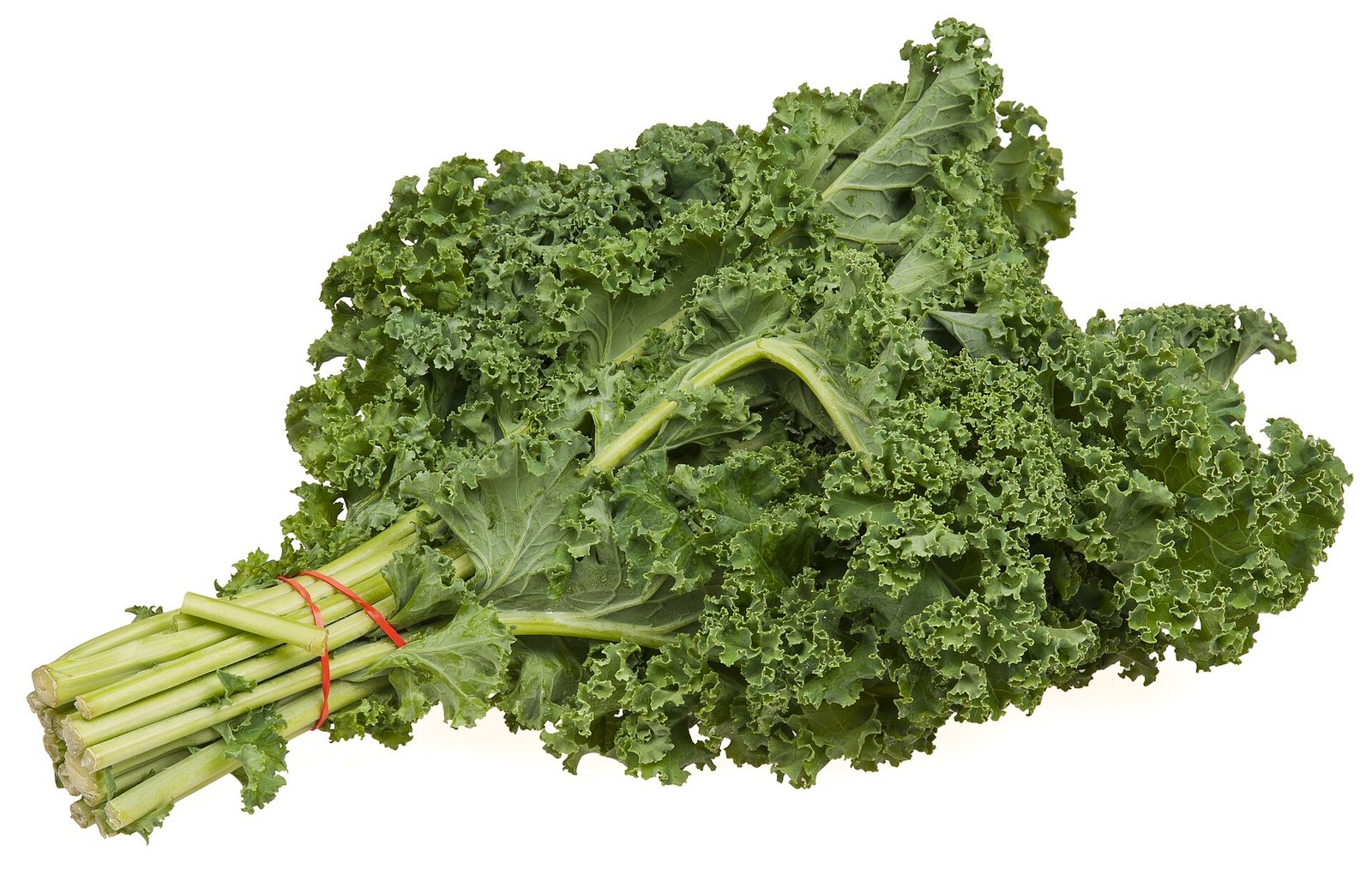
- – Green leafy vegetables: 6 or more servings a week (spinach, kale, collards, lettuce). NIA notes a daily serving of leafy greens was associated with slower age-related cognitive decline in one study.
- – Nuts: 5 servings a week.
- – Beans: 3 or more servings a week.
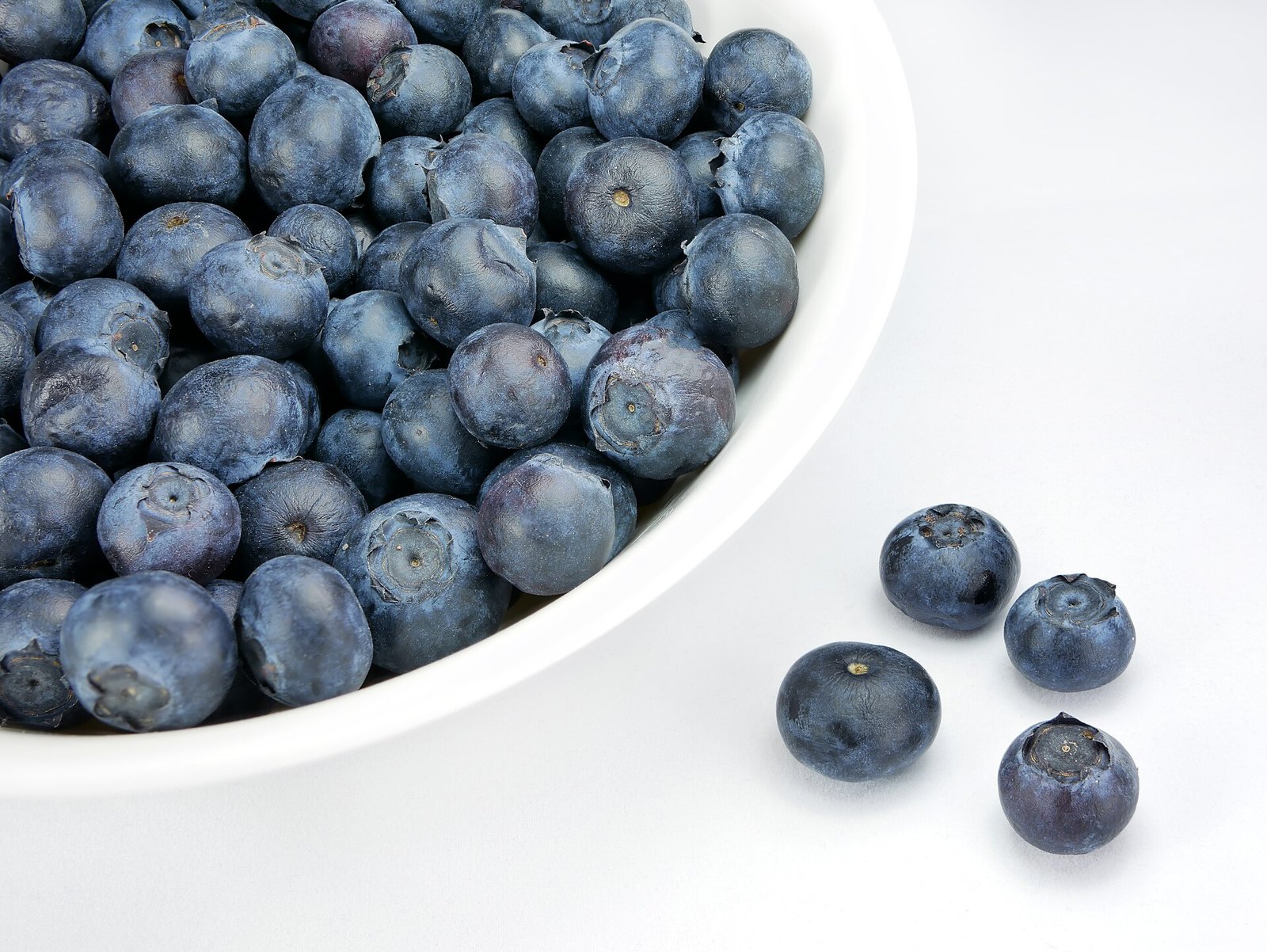
- – Berries: 2 or more servings a week, favored over other fruit.
- – Poultry: 2 servings a week.
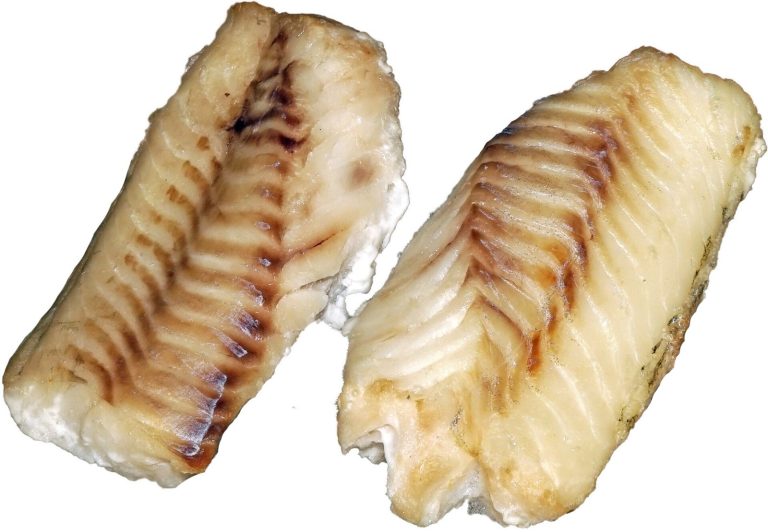
- – Fish: 1 or more servings a week. NIA reports regular fish eating is associated with higher cognitive function and slower decline with age.
- – Olive oil as your main cooking fat.
- – Wine: the VA handout lists no more than one 5-ounce glass a day and says to check with your provider first. Non-drinkers should not start drinking for brain health; the NHS warns that excess alcohol damages the brain.
MIND diet foods to limit
The MIND diet names five groups to eat less often (VA handout):
- – Red meat (beef, pork, lamb): fewer than 4 servings a week.
- – Butter and margarine: less than 1 tablespoon a day.
- – Cheese: less than 1 serving a week.
- – Pastries and sweets: fewer than 5 servings a week.
- – Fried or fast food: less than 1 serving a week.
The NHS adds keeping salt down and alcohol within limits, and NIA notes a study in mice in which too much salt raised tau protein and caused cognitive impairment, a finding still to be confirmed in people.
Practical kitchen plan: a MIND diet week
1. Make greens automatic
Keep bagged salad and frozen spinach on hand. Add a handful to eggs, soups, pasta sauce, or smoothies so six weekly servings happen without effort.
2. Swap your cooking fat
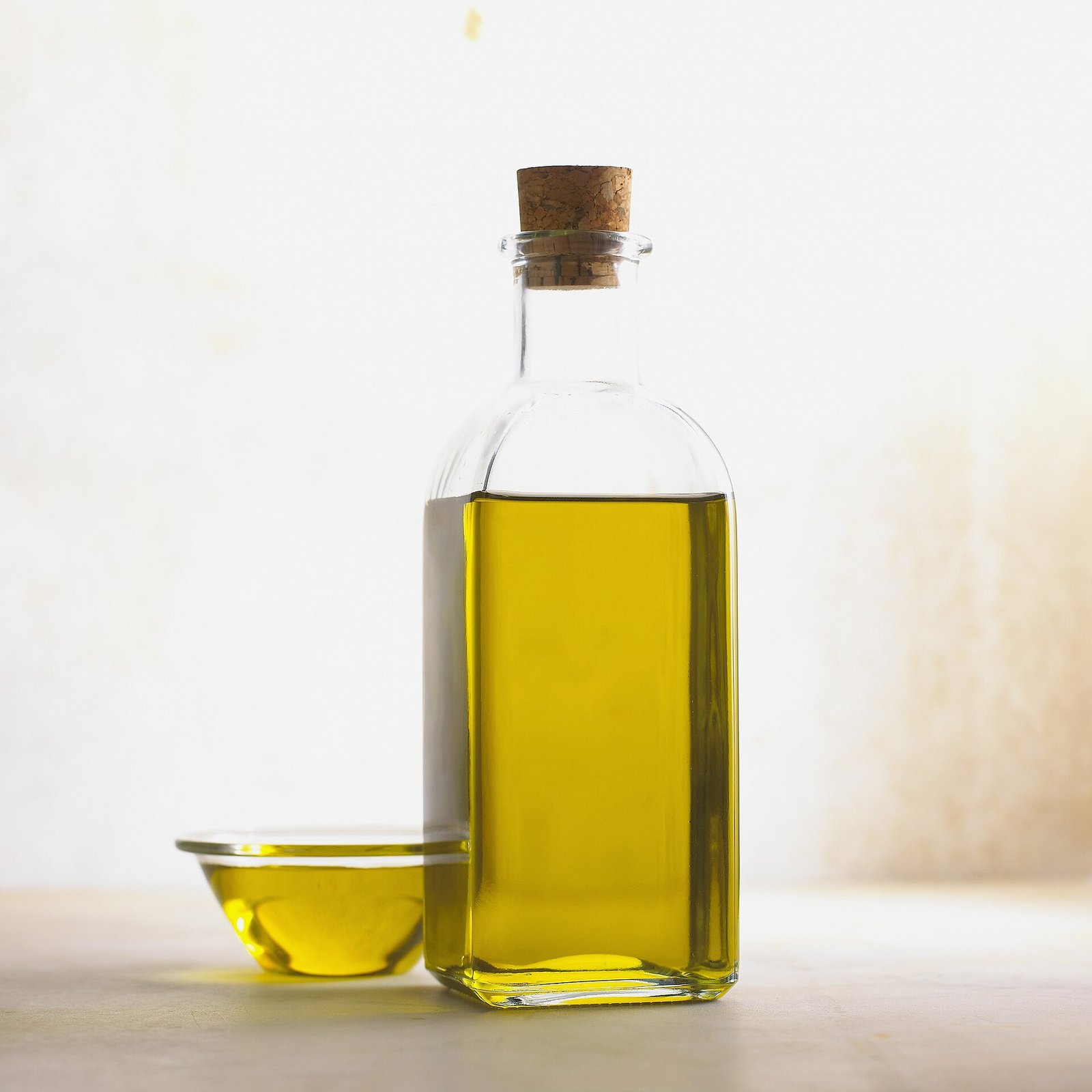
Use olive oil for sautéing, roasting, and dressings, and save butter for small, occasional uses to stay under a tablespoon a day.
3. Schedule fish and beans
Pick a “fish night” and two “bean nights” each week, such as salmon on Tuesday and lentil soup or bean chili on Thursday and Sunday.
4. Snack on nuts and berries
A small handful of unsalted nuts on most days covers the five weekly servings. Frozen berries are affordable year-round.
5. Sample MIND diet day (from the VA handout)
- – Breakfast: 1 cup cooked steel-cut oats with 2 tablespoons almonds, 3/4 cup blueberries, and cinnamon.
- – Lunch: lentil soup with a mixed green salad dressed with oil and vinegar.
- – Dinner: 3–4 ounces baked salmon, 1 cup brown rice, and 1 cup sautéed green beans.
- – Snacks: a medium orange and 1/4 cup unsalted mixed nuts.
6. Link the plate to heart health
NHS dementia-prevention advice includes keeping blood pressure healthy, maintaining a healthy weight, exercising at least 150 minutes a week, and not smoking. MIND overlaps with DASH, so it supports blood pressure goals too.
Eating tips for caregivers of someone with dementia
As Alzheimer’s progresses, NIA and the Alzheimer’s Association note people may forget to eat, feel overwhelmed by choices, lose interest in food, or lose weight. Practical tips from both:
- – Keep routines: serve meals at the usual times in a consistent, familiar, quiet place; turn off the TV.
- – Offer one or two foods at a time rather than a full plate.
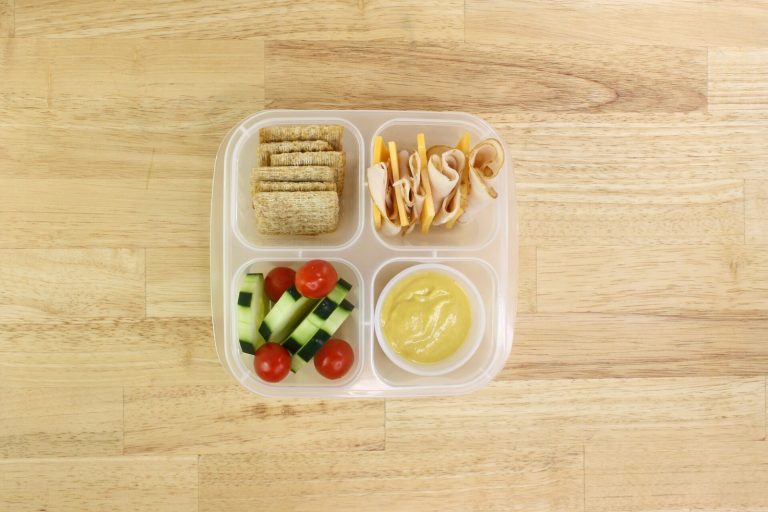
- – Make food easy: cut it into small, soft pieces; finger foods such as small sandwiches, cheese, chicken pieces, or soft fruit can help; consider puréeing if swallowing is hard.
- – Check temperature: a person with dementia may not be able to tell if food is too hot.
- – Use contrast: white plates on a colored placemat help distinguish food from the plate (Alzheimer’s Association).
- – Boost calories when weight drops: NIA suggests smaller, more frequent meals and calorie-rich snacks, sweetening food with honey or syrup if intake is low, and high-calorie healthy drinks such as protein milkshakes.
- – Encourage fluids: offer small cups of water and water-rich foods like soup, fruit, and smoothies.
- – Do not rush or force-feed; appetite naturally declines in late stages, per NIA.
Safety, supplements, and medicines
- – Supplements: NIA states no vitamin or supplement is proven to prevent Alzheimer’s, and many untested products may interact with medicines.
- – Ginkgo: NCCIH notes it may increase bleeding risk in people taking anticoagulants such as warfarin and may interact with other drugs.
- – Vitamin B12: ODS reports B12 deficiency affects 3% to 43% of older adults and can cause confusion and memory problems. Ask the doctor about a blood test, especially if you take metformin or acid-reducing medicines.
- – Appetite changes: the Alzheimer’s Association notes new medicines or dose changes can affect appetite; poorly fitting dentures can make eating painful.
- – Swallowing problems: coughing or choking during meals, or pocketing food in the cheeks, needs a medical or speech-therapy review.
- – New memory problems: memory changes can have other medical causes a doctor can check for, such as low vitamin B12; see a doctor rather than relying on diet changes.
Alzheimer’s diet FAQ
What is the best diet for Alzheimer’s prevention? NIA says the Mediterranean and MIND diets have shown potential benefits, but the evidence is mixed. A heart-healthy pattern like MIND is a reasonable choice alongside exercise and blood pressure control.
Can the MIND diet slow Alzheimer’s once it has started? There is no proof that it slows existing disease. Good nutrition still matters for strength, weight, and overall health.
Are blueberries good for the brain? Berries are a MIND diet staple, but NIA says no single food has been shown to prevent Alzheimer’s.
Should I take ginkgo or omega-3 pills for memory? NCCIH found ginkgo did not prevent dementia, and NIA reports mixed results for DHA supplements. Talk with your doctor first.
What should I do if a parent with dementia stops eating? Offer smaller, frequent, easy-to-eat foods and calorie-rich snacks, and tell their doctor about weight loss or swallowing problems.
How this differs from related OTCFood topics
This page focuses on the MIND diet for Alzheimer’s and dementia plus caregiver eating tips. For the supplement question, see our ginkgo biloba and memory review. Because blood pressure is a dementia risk factor, our high blood pressure foods to eat and limit guide is a useful companion.
Medical disclaimer
Medical disclaimer: This article is for general information only and is not medical advice or a diagnosis. Memory changes deserve a medical evaluation. Please see your doctor about any concerns, and talk with them or a registered dietitian before changing the diet of a person with dementia or starting any supplement.