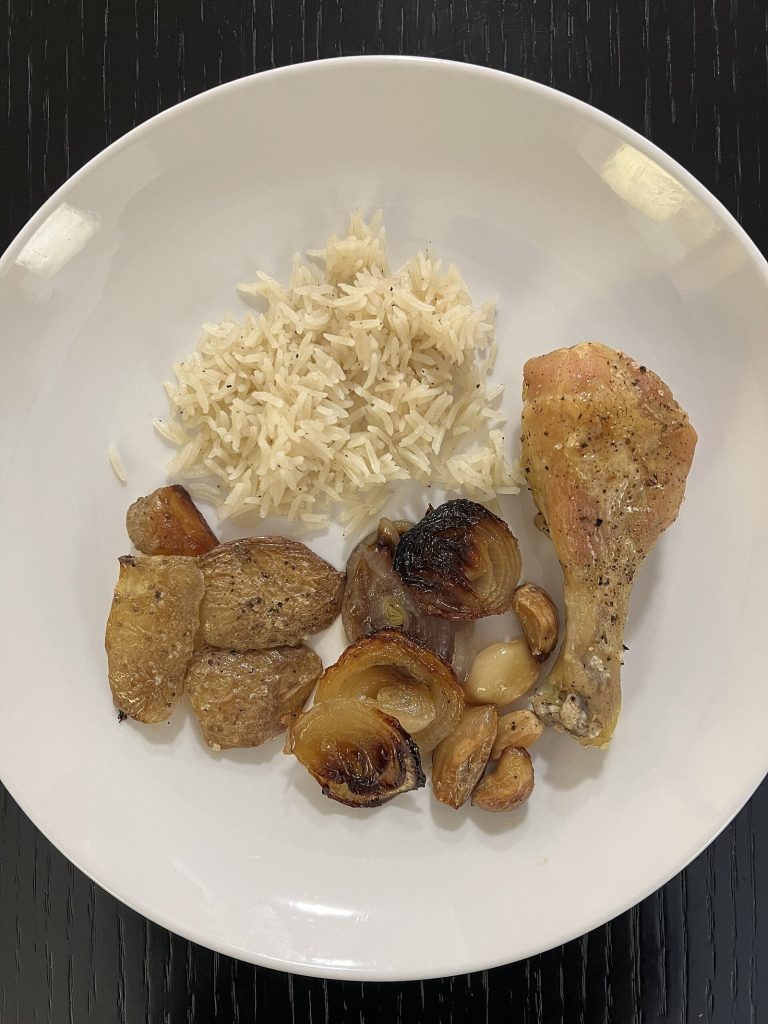
Postpartum Depression Diet: Foods That May Help and Foods to Limit
Medical note: This article discusses foods and researched botanicals. It does not claim to prevent, treat, or cure disease. Supplements are not a substitute for food, and studied amounts are not personal prescriptions.
If you are navigating postpartum depression, eating foods with a lot of nutrients like fresh produce and whole grains may help support your general wellbeing and physical energy, but no specific diet or food treats or cures the condition. Postpartum depression is a common but serious mood disorder that requires professional clinical care, such as therapy and prescribed medication, rather than dietary changes.
What this postpartum depression diet guide covers (and what it does not)
This guide covers dietary patterns that may help support general wellbeing and comfort for those experiencing postpartum depression, based on self-care guidance from public health organizations. It focuses on incorporating fresh produce, whole grains, and practical kitchen strategies that ease the burden of daily tasks when fatigue or mood symptoms are severe.
This guide does not provide a dietary cure or meal plans that replace professional therapy, clinical checkups, or prescribed medications. It also does not cover specific nutrient megadoses or unregulated supplements, which are not recommended as frontline interventions by official maternal health sources.
For official medical information, consult MedlinePlus on Postpartum Depression, the Office on Women’s Health (OWH) on Postpartum depression, and the National Institute of Mental Health (NIMH) on Perinatal Depression.
For related reading on OTCFood, see postpartum diet guide and breastfeeding diet guide.
Evidence snapshot: postpartum depression diet claims vs public sources
| Claim people hope for | What public sources actually say | Confidence |
|---|---|---|
| A specific diet cures postpartum depression | Postpartum depression is a serious mood disorder that requires clinical treatment (therapy or medicine); food does not treat or cure it. | Strong that food is not a treatment |
| Superfoods prevent the “baby blues” | The baby blues are mild, short-lasting mood changes in the first weeks; public sources recommend general nutrient-rich foods for overall self-care, not as prevention. | Low |
| Diet fixes postpartum thyroid drops | Low thyroid hormone levels can mimic depression symptoms. This requires a simple blood test and medical evaluation, not a dietary fix. | Strong that food is not a treatment |
| Fasting or strict diets improve mood | Abnormal changes in appetite or unplanned weight changes are symptoms of perinatal depression; official self-care focuses on eating nutrient-dense foods and resting. | Strong against extreme diets |
| Fresh produce and whole grains support recovery | The Office on Women’s Health suggests eating foods with a lot of nutrients, such as fresh produce and whole grains, as part of home self-care alongside professional treatment. | Moderate for general wellbeing |
Foods and patterns that may help with postpartum depression wellbeing and comfort
When you are managing postpartum depression, your energy levels and ability to carry out daily tasks may be severely impacted. The Office on Women’s Health suggests that as part of your overall self-care, doing your best to eat food with a lot of nutrients may help support your physical wellbeing.
Fresh produce and whole grains
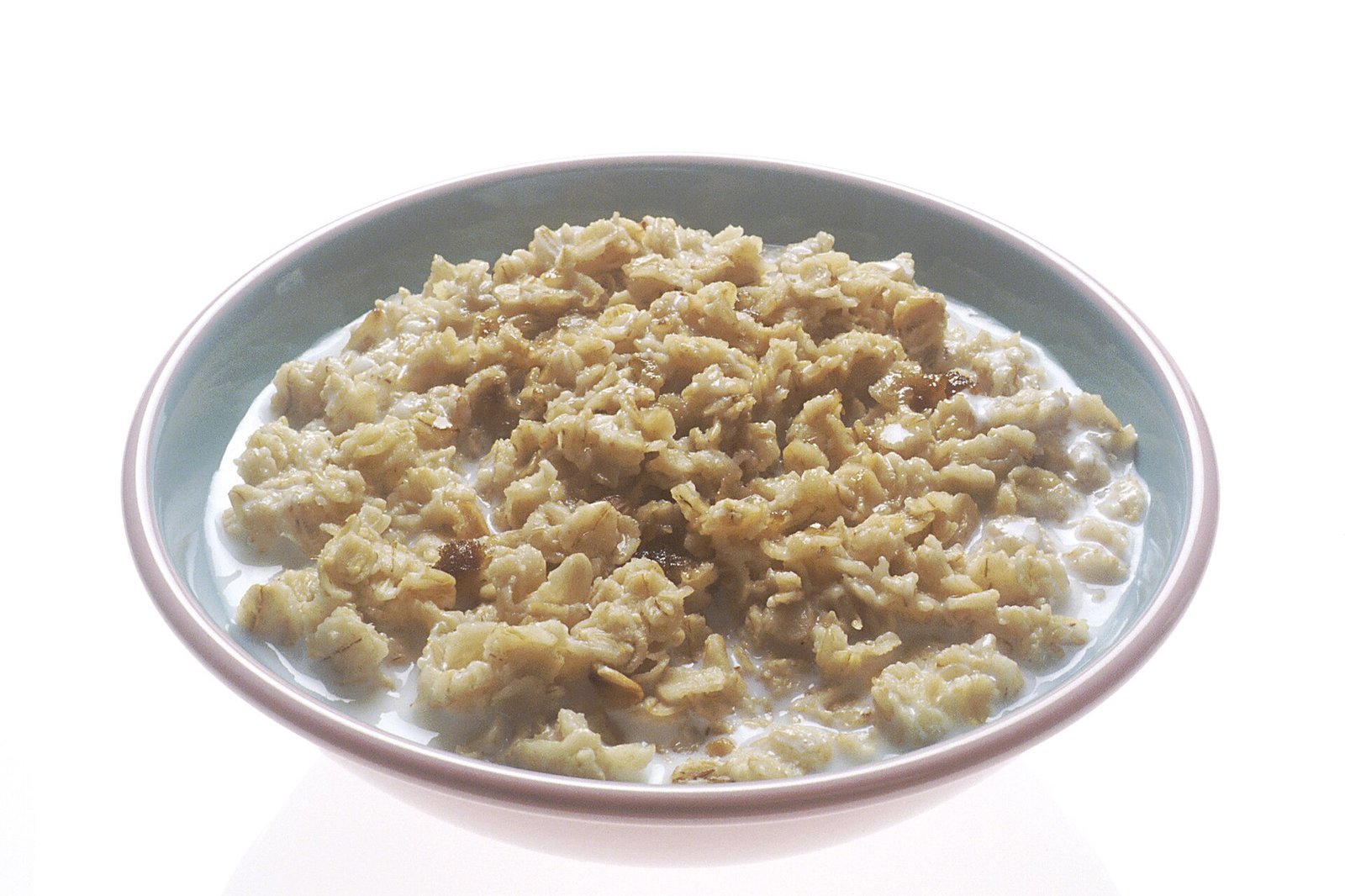
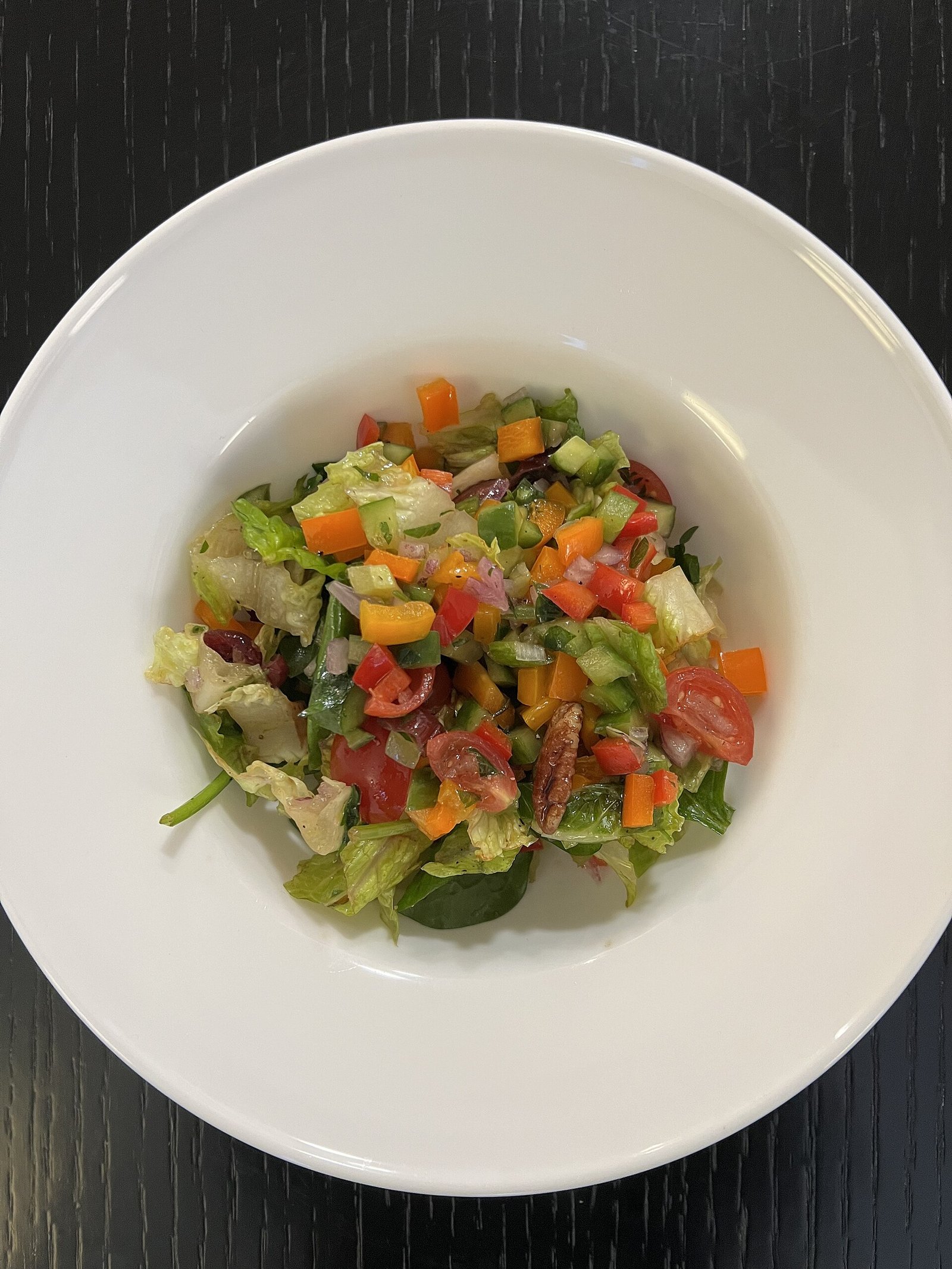
The OWH specifically highlights fresh produce and whole grains as foods with a lot of nutrients. Incorporating accessible options like pre-washed leafy greens, whole fruit (apples, bananas, berries), oatmeal, and brown rice can provide foundational nutrition when you are fatigued. These foods do not treat the underlying mood disorder, but they support the body’s baseline energy needs during a time of immense physical and emotional stress.
Relying on family and friends for food preparation
Because postpartum depression can make it difficult to care for yourself or manage household chores, the NIMH and MedlinePlus note that family and friends can help by assisting with daily tasks. Having loved ones wash produce, cook whole grains, and prepare easy-to-eat meals is a primary strategy for maintaining nutrition when you feel overwhelmed. Asking for help with caring for the baby and household chores is an actively recommended self-care step.
Regular meals to support general energy
Pregnant and postpartum women with perinatal depression often experience extreme fatigue and difficulty concentrating. Eating regular, simple meals that include whole grains and fresh produce may help provide steady energy. If your symptoms include feeling exhausted or overwhelmed, having ready-to-eat, nutrient-dense foods on hand can make it easier to nourish yourself without adding stress. For related information on eating when sleep is disrupted, see insomnia diet guide.
Foods and habits that often worsen postpartum depression comfort, risk, or clinician-directed limits
Certain habits and eating patterns can compound the physical fatigue and emotional toll of postpartum depression. Public health sources highlight specific symptoms and lifestyle factors that can worsen your general comfort.
Ignoring abnormal appetite or weight changes
The NIMH notes that abnormal changes in appetite or unplanned weight changes are common symptoms of postpartum depression. Skipping meals entirely because you have no appetite, or experiencing extreme shifts in how much you eat, are signs that the condition is impacting your physical health. Rather than trying to force a strict diet, it is important to report these symptoms to a healthcare provider. Restrictive dieting or fasting is not recommended and can worsen fatigue. For broader mood-related eating topics, see depression diet guide.
Trying to manage food and household chores alone
A lack of support and fatigue are lifestyle factors that MedlinePlus links to postpartum depression. Trying to handle all grocery shopping, meal preparation, and kitchen cleanup on your own while caring for a newborn and managing a mood disorder can exacerbate feelings of being overwhelmed. Public sources emphasize that asking for help is a sign of strength, not a failure.
Neglecting sleep to prepare meals
Difficulty sleeping even when the baby is asleep, or oversleeping, are key symptoms of postpartum depression. The OWH advises resting as much as you can and sleeping when the baby is sleeping. Prioritizing complex meal preparation over an opportunity to sleep can worsen fatigue. Choose the simplest possible ways to eat nutrient-dense foods so that any available downtime can be used for rest. For more on managing mood symptoms, see anxiety diet guide.
Practical kitchen protocol: a postpartum depression-aware week
This protocol is designed to be managed largely by family, friends, or a support system, rather than the person experiencing postpartum depression. The goal is to make fresh produce and whole grains available with zero effort required from the new parent.
1. The support system shopping list
Family members or friends should stock the kitchen with foods that require no cooking or complex preparation. Focus on the OWH recommendations for nutrient-dense foods.
Fresh produce: Bananas, apples, grapes, baby carrots, pre-washed salad greens, and pre-cut fruit.
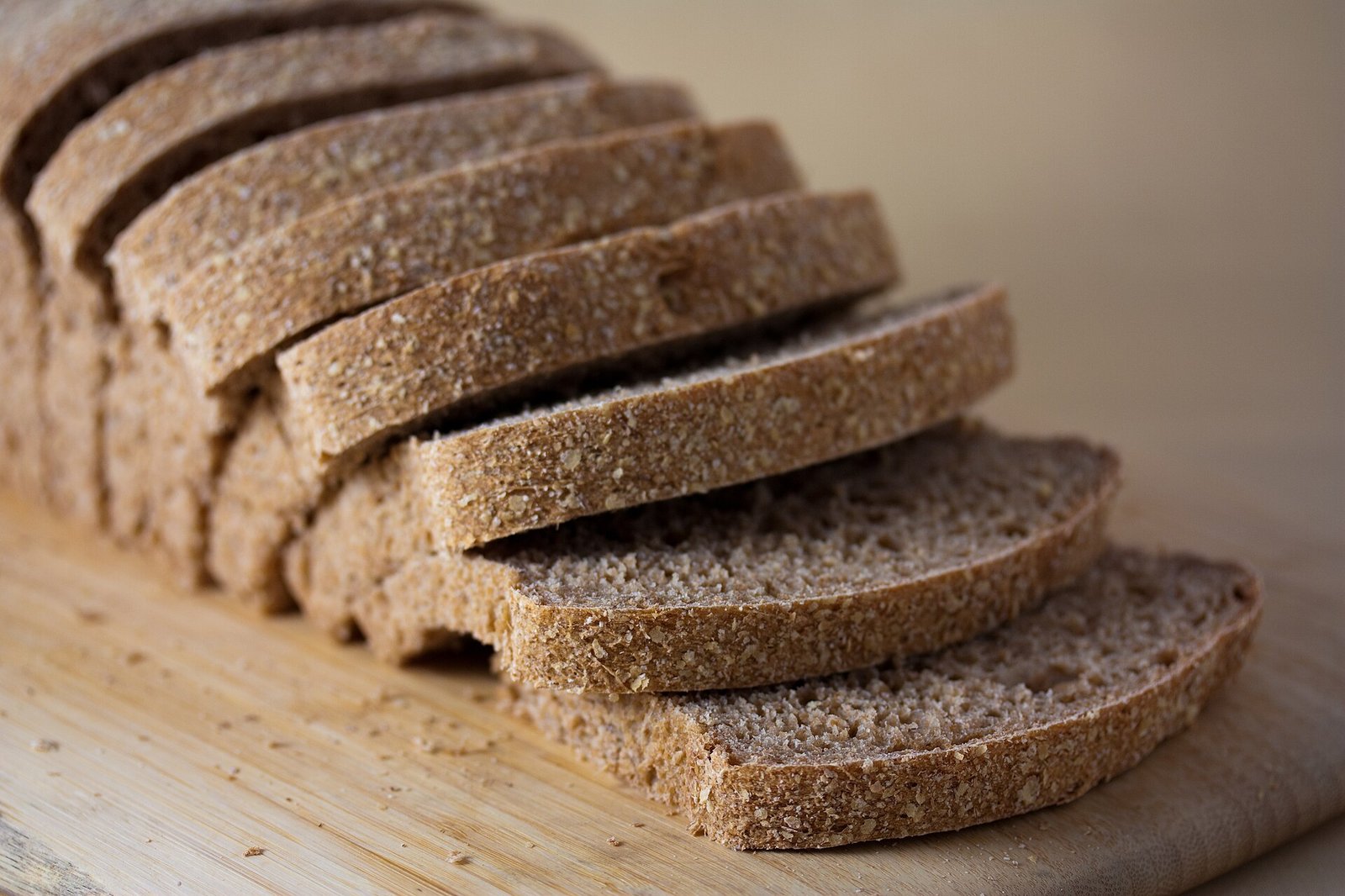
Whole grains: Instant oatmeal, whole wheat bread, brown rice (microwave-ready pouches), and whole grain crackers.
Other low-effort nutrient-dense items: Nuts, seeds, pasteurized yogurt, and easy protein sources that require zero prep.
2. Streamlining the kitchen for fatigue
If you are struggling to carry out daily tasks, the kitchen should be set up so that food is instantly accessible.
Keep a basket of whole fruit and whole grain snacks on the counter or wherever you spend the most time resting or feeding the baby.
Friends and family should portion meals into single-serving containers so they only need to be reheated.
Keep a large water bottle filled and within reach at all times.
3. Drink-and-meal template
When appetite is abnormal or fatigue is extreme, stick to this low-barrier template for the week:
Breakfast: A whole grain (like oatmeal or whole wheat toast) + a piece of fresh produce (like a banana or berries).
Lunch: A simple whole grain wrap or sandwich + pre-washed raw vegetables or a side of fruit.
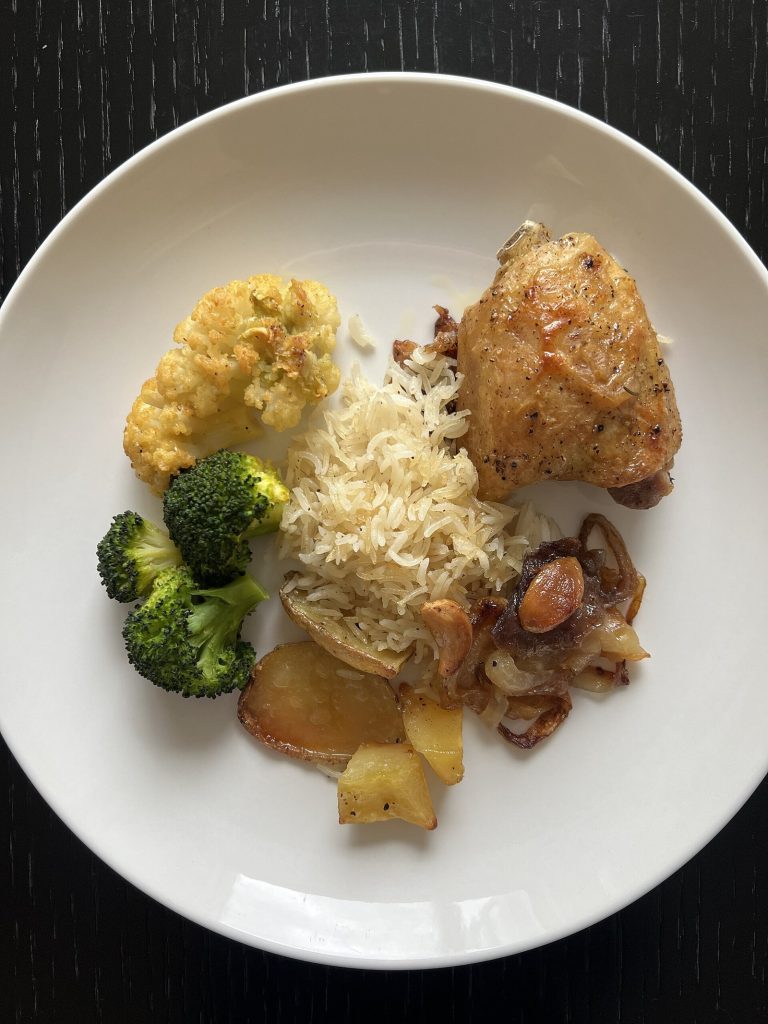
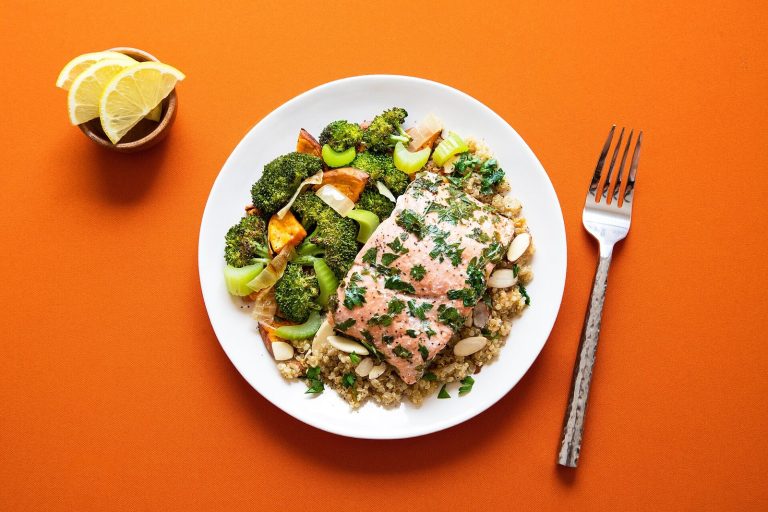
Dinner: A warm meal prepared by family or friends, featuring a whole grain base (like brown rice) and cooked fresh vegetables.
Snacks: Handfuls of nuts, whole grain crackers, or fresh fruit whenever hunger cues arise.
4. Illustrative sample day (Supported by family/friends)
Morning: A family member prepares a bowl of oatmeal with sliced apples and brings it to you. You eat what you can manage and prioritize resting.
Mid-day: When you have a moment between caring for the baby, you grab a ready-made whole wheat wrap and a handful of baby carrots from the front of the fridge.
Afternoon: A friend comes over to wash dishes and watch the baby while you attempt to sleep.
Evening: Your support system provides a dinner of microwave-ready brown rice, roasted vegetables, and a simple protein. You eat until comfortable.
Night: A bottle of water and a whole grain snack are left on your nightstand in case you need nourishment during the night.
Safety, interactions, and who should ask a clinician first
Postpartum depression is a serious mood disorder that can begin anytime within the first year after childbirth. If you feel sad, anxious, or overwhelmed, or feel like you do not love or care for your baby, and these feelings last longer than 2 weeks, you may have postpartum depression. Without treatment, symptoms may make it hard to care for your baby or manage daily tasks.
When to seek immediate emergency care
If you have thoughts about suicide, or hurting yourself or your baby, get help right away. Getting help is a sign of strength.
Call or text the Suicide and Crisis Lifeline at 988.
Chat online at 988lifeline.org.
TTY users can use a preferred relay service or dial 711 then 988.
In a life-threatening situation, call 911 immediately.
Postpartum psychosis
Very rarely, a new mother may develop postpartum psychosis, which is a medical emergency. Symptoms may include confusion, hallucinations, or dangerous behaviors. If these occur, call 911 or go to the nearest emergency room right away.
Thyroid testing and medication interactions
Levels of thyroid hormones may drop after giving birth, and low levels can cause symptoms that mimic depression. A simple blood test can tell whether this condition is causing your symptoms. If you are diagnosed with postpartum depression, treatment usually includes therapy, medication, or a combination. Always tell your provider if you are breastfeeding so they can choose the safest treatment options. Talk with your doctor or nurse about the benefits and risks of any medicine when you are pregnant or breastfeeding, and follow their clinical guidance regarding your diet and lifestyle.
FAQ
How long do the “baby blues” last compared to postpartum depression? The baby blues describe mild and short-lasting mood changes—like crying spells or feeling anxious—that usually go away within a few days to a week after giving birth. If mood changes are severe or last longer than two weeks, they may be signs of postpartum depression, which requires clinical evaluation.
Is feeling hopeless a normal part of adjusting to a new baby? No. The Office on Women’s Health states that feeling hopeless after childbirth is not a regular or expected part of being a mother. It is a symptom that warrants speaking to a healthcare provider. Getting help is a sign of strength.
Can a nutrient-dense diet replace postpartum depression medication? No. Postpartum depression is a serious mood disorder, and women generally will not feel better without clinical treatment. Therapy and medicine work and can help you be as healthy as possible. Food supports general wellbeing but does not treat the condition.
Should I change my diet if I am breastfeeding and have postpartum depression? Your primary step should be talking with your provider. Tell your provider you are breastfeeding so they can choose the safest medication or therapy options. Alongside professional treatment, do your best to eat foods with a lot of nutrients, like fresh produce and whole grains.
What if I have no appetite or my weight is changing rapidly? Abnormal changes in appetite or unplanned weight changes are recognized symptoms of perinatal and postpartum depression. Do not attempt to fix this with a restrictive diet; instead, report these symptoms to your healthcare provider so they can be addressed as part of your treatment plan.
What are the signs of postpartum psychosis? Postpartum psychosis is a rare but severe medical emergency. Symptoms include confusion, hallucinations, or dangerous behaviors. If you or someone you know experiences these symptoms, call 911 or go to the nearest emergency room right away.
How this differs from related OTCFood topics
This guide focuses specifically on supporting general wellbeing during postpartum depression through nutrient-dense foods and practical support. It differs from general postpartum recovery, which addresses physical healing from childbirth, and general depression diets, which are not tailored to the unique physical exhaustion and hormonal context of the first year after giving birth. Furthermore, this differs from postpartum thyroiditis diet guide, as thyroid hormone drops can mimic depression but require a specific medical blood test and distinct clinical management.
Medical disclaimer
Medical disclaimer: This article is for educational purposes only and does not constitute medical advice, diagnosis, or a treatment plan. Postpartum depression is a serious medical condition. Food and dietary patterns do not replace therapy or clinician-prescribed medications. Always seek the care of a qualified healthcare provider for mood changes after childbirth.