Depression Diet: Foods That May Help and Foods to Limit
Medical note: This article discusses foods and researched botanicals. It does not claim to prevent, treat, or cure disease. Supplements are not a substitute for food, and studied amounts are not personal prescriptions.
There is no depression diet that replaces therapy or antidepressants, and the FDA has not approved any natural product for depression. Still, food may help in three practical ways: regular, healthy meals (an NIMH self-care tip), avoiding alcohol and drugs that worsen mood, and closing nutrient gaps in folate, vitamin B12, and omega-3s through everyday foods. Evidence for supplements is mixed: ODS notes vitamin D supplements have not been shown to prevent or ease depression, and NCCIH calls the benefit of omega-3 supplements uncertain. A few food rules are safety-critical if you take certain antidepressants, such as tyramine limits with MAOIs and steady salt intake with lithium.
What this depression diet guide covers (and what it does not)
This guide is for adults living with depression, and for the people who shop and cook with them. It covers everyday food, drinks, and supplement questions alongside professional care, not medication choices.
Anchors used here: NIMH — Depression, NHS — Treatment for depression, NCCIH — Omega-3 Supplements, NCCIH — St. John’s Wort and Depression, the ODS consumer fact sheets on folate, vitamin B12, vitamin D, and omega-3s, and MedlinePlus — Phenelzine.
NIMH explains that depression is more than a passing low mood: it can cause severe symptoms that affect how a person feels, thinks, and handles daily activities such as sleeping, eating, or working. A diagnosis requires symptoms most of the day, nearly every day, for at least two weeks. Appetite often changes, either up or down, which is one reason simple, low-effort food plans matter.
Evidence snapshot: depression diet claims vs public sources
| Claim people hope for | What public sources actually say | Confidence |
|---|---|---|
| “Eating well helps my mood” | NIMH lists “eat regular, healthy meals” among self-care steps alongside activity, sleep, and connecting with people | Moderate, supportive |
| “Omega-3 fish oil fixes depression” | NCCIH: uncertain; a 2021 review of 35 studies found any effect may be too small to be meaningful, and if helpful it may be best used with, not instead of, antidepressants | Low |
| “Vitamin D supplements lift depression” | ODS: low vitamin D is linked with depression in some studies, but clinical trials show supplements do not prevent or ease symptoms | Low (supplements) |
| “Folate matters” | ODS: low folate might make depression more likely and antidepressant response weaker; whether supplements help is not clear | Low to moderate |
| “St. John’s wort is a natural antidepressant” | NCCIH: results are mixed, it is not consistently effective, and it can interact dangerously with many medicines | Low benefit, real risk |
| “Alcohol helps me cope” | NIMH advises avoiding alcohol, nicotine, and drugs, including medicines not prescribed for you | Strong to avoid |
The take-home: think of food as a support layer for energy, routine, and nutrient adequacy. Therapy, medicines, and exercise (which the NHS calls one of the main options for mild depression) do the heavy lifting.
Foods that may help with depression: a nutrient-steady plate
“May help” here means sensible defaults that cover nutrient gaps and keep meals happening on hard days, not a mood switch.
Folate-rich foods (ODS)
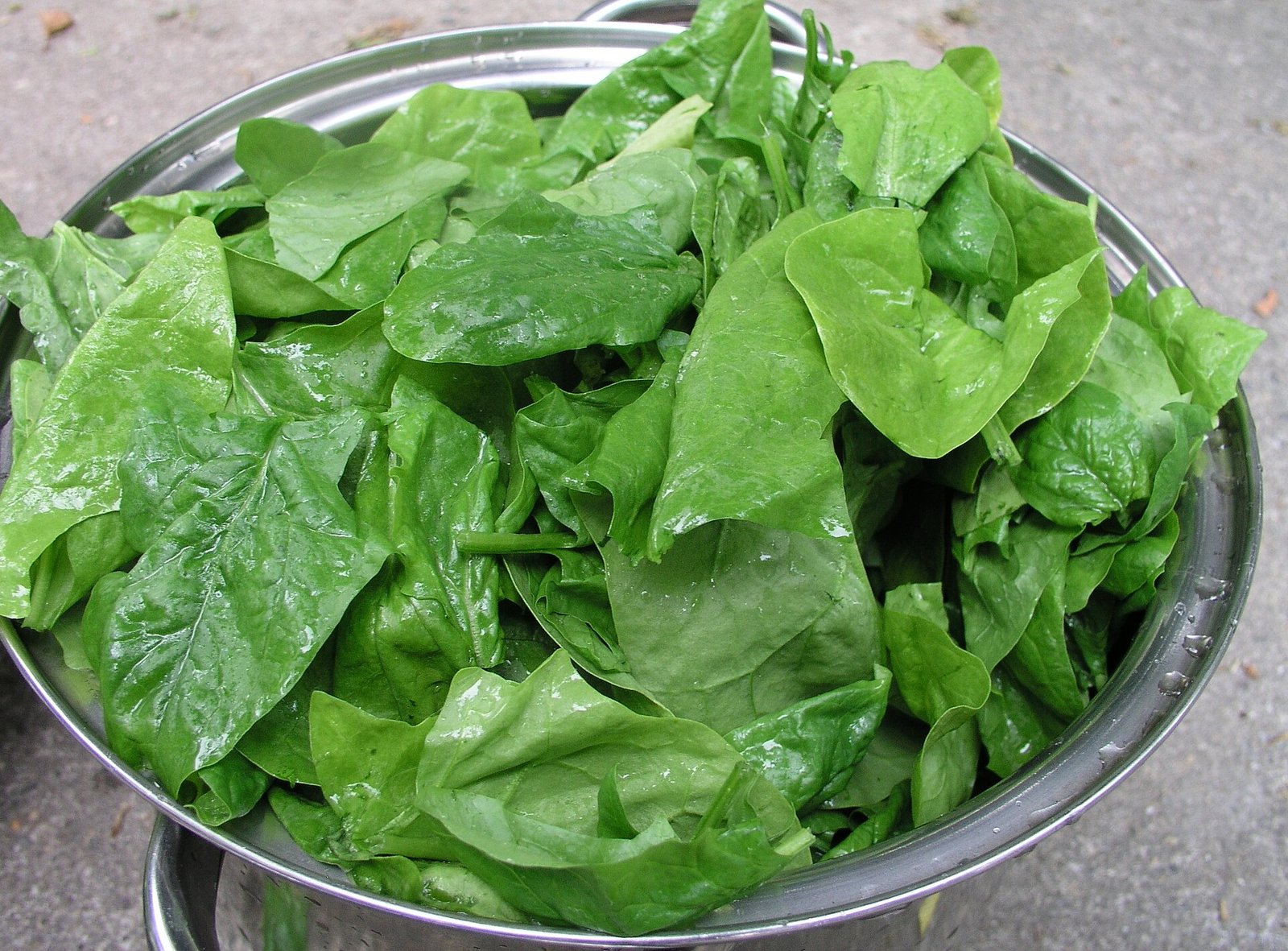
- – Dark green leafy vegetables such as spinach and mustard greens, plus asparagus and Brussels sprouts.
- – Beans and peas such as kidney beans and black-eyed peas, and peanuts.
- – Oranges and orange juice.
- – Enriched bread, pasta, rice, and fortified breakfast cereals, which contain added folic acid.
Vitamin B12 sources (ODS)
- – Fish, meat, poultry, eggs, milk, and other dairy foods. Clams, oysters, and beef liver are among the richest sources.
- – Fortified cereals and nutritional yeast for people who eat little or no animal food; plant foods have no B12 unless fortified.
- – ODS notes that B12 deficiency affects between 3% and 43% of older adults, and that people over 50 should get most of their B12 from fortified foods or supplements because absorption from food often drops. Deficiency can cause fatigue, depression, and memory problems, so a blood test is worth asking about.
Omega-3 sources (ODS)
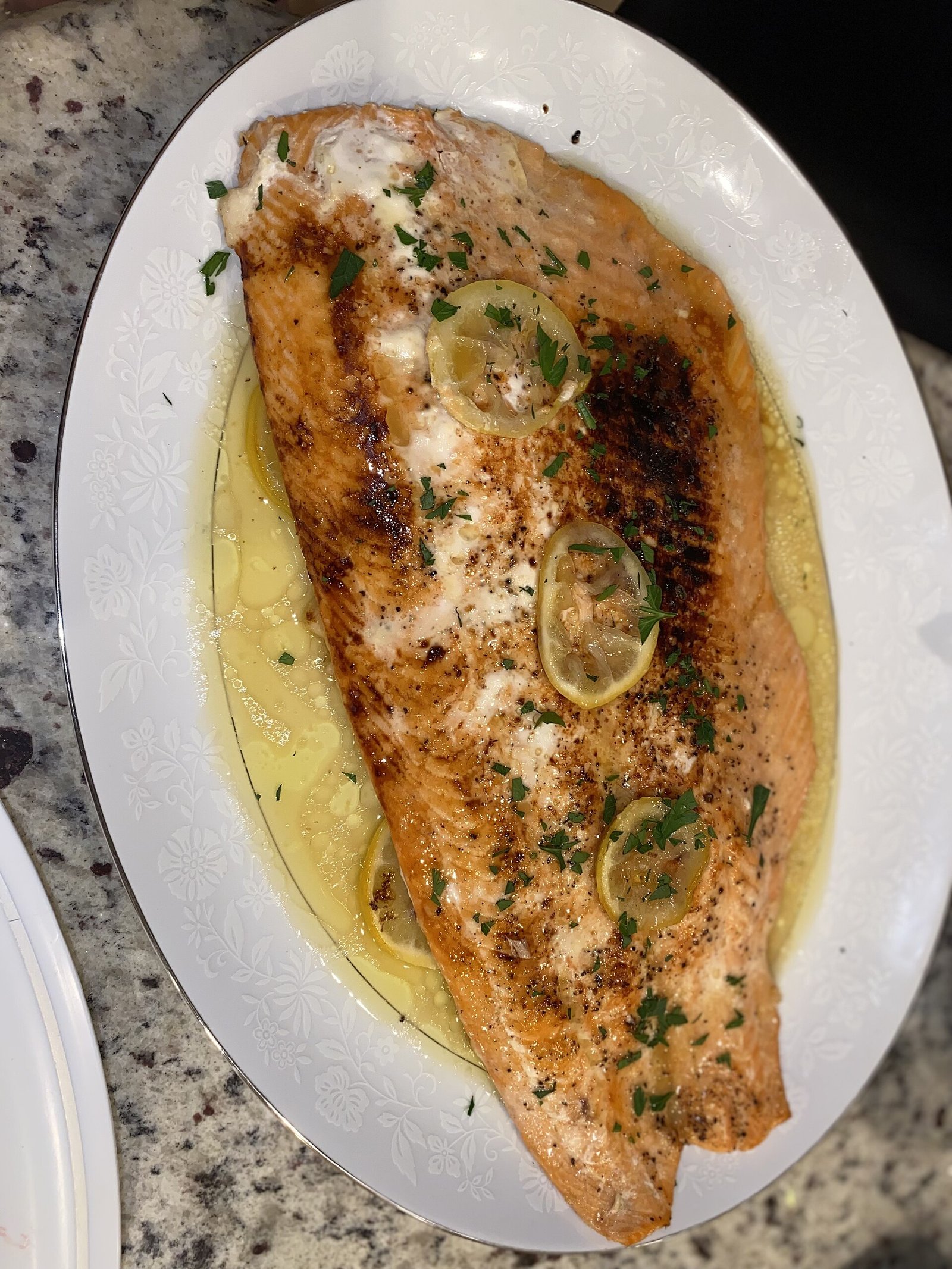
- – Cold-water fatty fish such as salmon, mackerel, tuna, herring, and sardines (EPA and DHA).
- – Walnuts, flaxseed, and chia seeds, plus canola and soybean oils (ALA, which the body converts to EPA and DHA only in small amounts).
- – Eating fish as a regular protein is a food-first way to get EPA and DHA without relying on capsules.
Vitamin D sources (ODS)
- – Fatty fish, fortified milk and plant milks, and some fortified cereals and yogurts. Food sources are sensible; just do not expect a supplement to lift mood on its own, per ODS.
Regular, simple meals
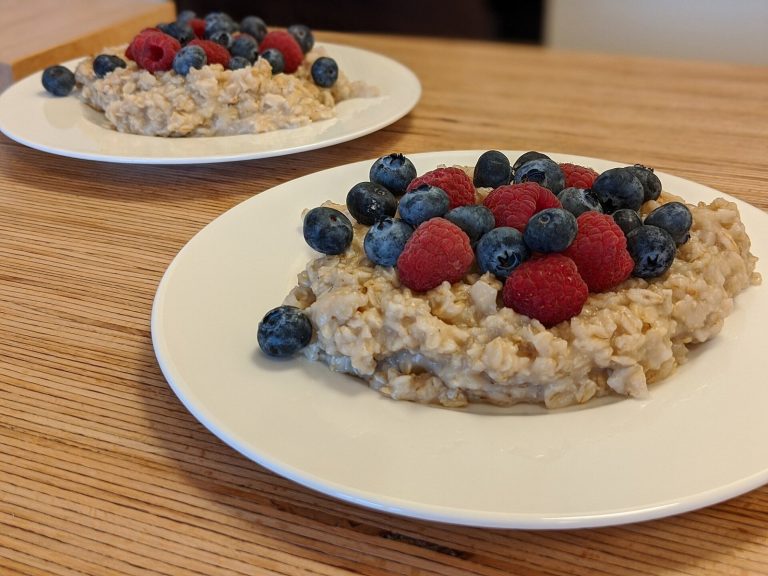
NIMH’s advice to eat regular, healthy meals is the backbone. When energy is low, “simple and done” beats “perfect and skipped.”
Foods and drinks to limit with depression
- – Alcohol: NIMH advises avoiding alcohol, nicotine, and drugs. Alcohol can also worsen sleep and interact with antidepressants; MedlinePlus tells people taking phenelzine not to drink alcohol at all.
- – Using food or drink as the main coping tool: large late-night sugary or high-fat snacks can crowd out the regular meals NIMH recommends. Notice the pattern without judging it, and plan easier alternatives.
- – Heavy caffeine to push through fatigue: it can disrupt sleep, which NIMH lists as a key self-care area (regular bedtime and wake-up time).
- – Tyramine-rich foods if you take an MAOI (see the safety section): aged, smoked, or fermented foods can trigger a serious reaction.
- – Big swings in salt intake if you take lithium: the NHS says to avoid a low-salt diet because it can push lithium to toxic levels.
“Limit” here means reduce under your own care plan; a single drink or dessert does not undo your progress.
Practical kitchen plan for a depression diet week
1. Lower the bar on purpose
On low-energy days, assembling beats cooking. Aim for “protein + fiber + something green” rather than a recipe.
2. Stock a no-cook depression pantry
- – Canned salmon, sardines, or tuna; eggs; plain yogurt or fortified plant yogurt.
- – Canned beans and lentils (rinse to cut sodium).
- – Fortified whole-grain cereal, oats, whole-grain bread.
- – Bagged spinach, frozen mixed vegetables, oranges, frozen berries.
- – Walnuts and peanut butter.
3. Batch-cook on better days
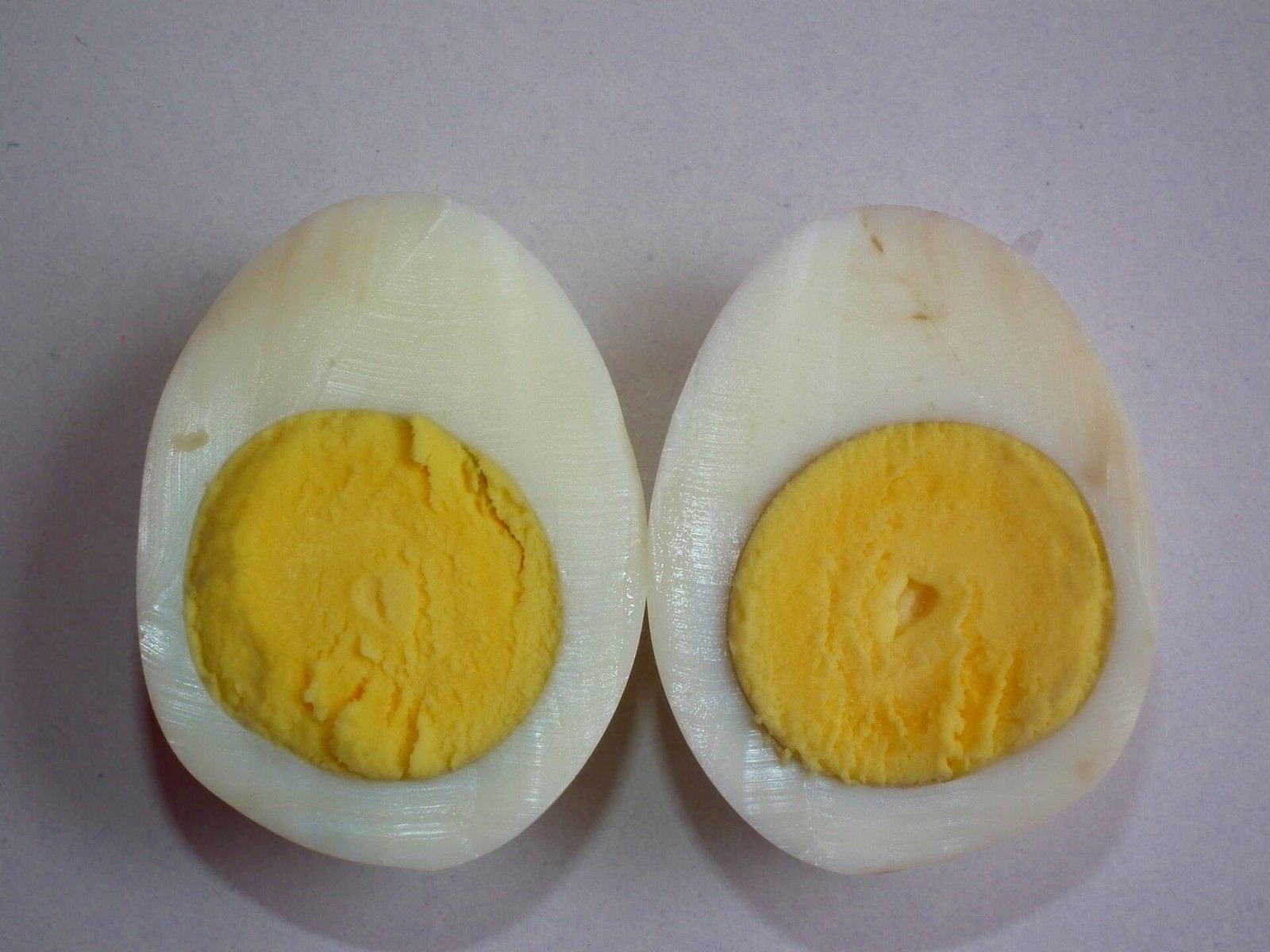
Make a pot of bean and vegetable soup, hard-boil a dozen eggs, or bake several salmon portions to refrigerate or freeze. Label them so tired-you can grab and go.
4. Sample day (illustrative)
- – Breakfast: fortified cereal with milk and an orange.
- – Lunch: spinach salad with canned salmon, chickpeas, and olive-oil dressing, plus whole-grain bread.
- – Snack: yogurt with walnuts.
- – Dinner: lentil and vegetable soup with a boiled egg on the side.
- – Evening: a caffeine-free warm drink and a regular bedtime.
5. Pair meals with movement and people
NIMH suggests 30 minutes a day of walking can boost mood, and recommends connecting with people you trust. A short walk after lunch or eating with a friend links food to two other proven supports.
6. Share the plan
Tell a family member or friend about your simple meal goals. NIMH encourages talking to trusted people, and a shared shopping list reduces decision load.
Safety: antidepressant food interactions and supplements
- – MAOIs (for example phenelzine) and tyramine: MedlinePlus warns of a serious reaction with high-tyramine foods, including meat, poultry, fish, or cheese that has been smoked, aged, improperly stored, or spoiled; certain fruits, vegetables, and beans; alcoholic beverages; and fermented yeast products. It also says to avoid caffeine during phenelzine use. Follow your prescriber’s exact list.
- – Lithium and salt: the NHS advises avoiding a low-salt diet while taking lithium because it can make lithium levels toxic; regular blood tests are needed.
- – St. John’s wort: NCCIH warns that combining it with certain antidepressants can cause a potentially life-threatening rise in serotonin. The NHS says doctors do not recommend it and that it interacts with medicines including anticonvulsants, anticoagulants, and antidepressants.
- – Omega-3 supplements: ODS notes high doses may cause bleeding problems with warfarin and other anticoagulants; FDA advises no more than 5 g/day of EPA and DHA combined from supplements.
- – Vitamin B12 and medicines: ODS lists acid-reducing drugs (such as omeprazole) and metformin as medicines that can lower B12 absorption.
- – Never stop or change an antidepressant on your own, even if you feel better after diet changes. NIMH notes medicines can take 4–8 weeks to work.
Depression diet FAQ
Is there a best diet for depression? No single diet is endorsed by NIMH or the NHS. Regular, balanced meals with vegetables, fruits, whole grains, legumes, fish, and dairy or fortified alternatives are a sensible support alongside professional care.
Should I take fish oil for depression? Ask your clinician. NCCIH says it is uncertain whether omega-3 supplements help, and any benefit may be small. Eating fatty fish regularly is a food-first option.
Can vitamin D help depression? ODS reports that vitamin D supplements have not been shown to prevent or ease depression symptoms. If you may be deficient, your doctor can check your level.
Is St. John’s wort safe with my antidepressant? No, not without medical advice. NCCIH warns of a dangerous serotonin rise when combined with certain antidepressants.
What if I have no appetite? Small, frequent, easy foods such as yogurt, eggs, soup, or a smoothie can help you keep eating. Appetite or weight changes are worth reporting to your doctor.
How this differs from related OTCFood topics
This page focuses on depression: routine, nutrient gaps, and medication-related food rules. For worry and caffeine sensitivity, see our anxiety diet guide. If sleep is a struggle, our insomnia diet page covers food timing for better rest.
Medical disclaimer and where to get help
If you are in crisis: if you or someone you know is struggling or having thoughts of suicide, in the U.S. call or text the 988 Suicide & Crisis Lifeline at 988 or chat at 988lifeline.org, and call 911 in a life-threatening situation. In the UK, contact Samaritans on 116 123 or call 999 in an emergency. Elsewhere, contact your local emergency number.
Medical disclaimer: This article is for general information only and is not medical advice or a diagnosis. Depression is a serious but manageable health condition, and food changes are a support, not a replacement for therapy or medication. Please see your doctor or a mental health professional, and talk with them or a pharmacist before changing your diet, starting supplements, or adjusting any medicine.