Tonsillitis Diet: Foods That May Help and Foods to Limit
Medical note: This article discusses foods and researched botanicals. It does not claim to prevent, treat, or cure disease. Supplements are not a substitute for food, and studied amounts are not personal prescriptions.
People searching “tonsillitis diet foods that help or worsen” usually want drinks and soft foods that are easier to swallow while the tonsils are swollen—not a claim that a menu replaces a strep test or antibiotics when a clinician prescribes them. MedlinePlus describes tonsillitis as inflammation (swelling) of the tonsils, which are lymph nodes in the back of the mouth and top of the throat. A viral or bacterial infection can cause it, and strep throat is a common cause. NHS says tonsillitis can feel like a bad cold or flu, and that symptoms usually go away after 3 to 4 days but can last longer. CDC notes that most sore throats are caused by viruses and that most sore throats, except for strep throat, do not need antibiotics. Kitchen patterns may help with comfort, fluids, and swallowing; they do not tell you whether the cause is strep and they do not take the place of a prescription.
What this tonsillitis diet guide covers (and what it does not)
This guide is for children (with a caregiver) and adults who want food-and-drink habits public sources describe alongside rest, testing when needed, and antibiotics when a clinician recommends them. Anchors: MedlinePlus — Tonsillitis, MedlinePlus encyclopedia — Tonsillitis, CDC — Sore Throat Basics, and NHS — Tonsillitis. Related reading: strep throat diet guide, diet after tonsillectomy guide, laryngitis diet guide, and common cold diet guide. It is not a substitute for a strep test, not a diet after tonsil removal, and not a reason to stop a prescribed antibiotic early.
Evidence snapshot: tonsillitis diet claims vs public sources
| Claim people hope for | What public sources actually say | Confidence |
|---|---|---|
| “A special diet can replace testing or antibiotics for tonsillitis” | NHS: most children and adults get viral tonsillitis, which clears up on its own; for bacterial tonsillitis a GP may prescribe antibiotics, usually after test results. MedlinePlus: if tests show strep, finish all antibiotic doses even if you feel better | Strong against diet-as-treatment |
| “If the throat is sore, it is automatically strep” | CDC: viruses that cause colds or flu are the most common cause of sore throat. Cough, runny nose, hoarseness, or pink eye point more toward a virus, but only a test confirms strep | Strong that testing matters |
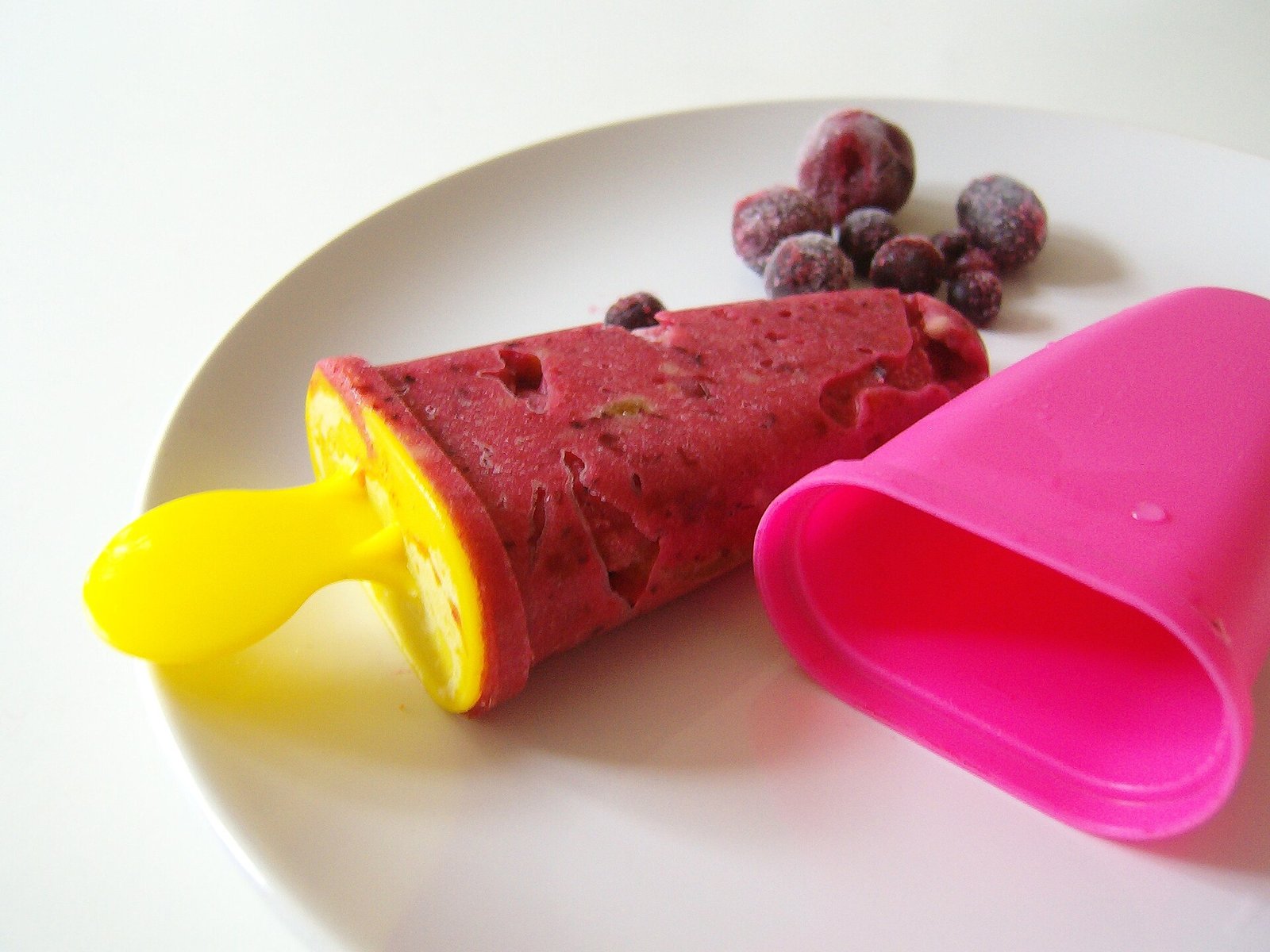
| “Cold or warm fluids may make swallowing more comfortable” | MedlinePlus: drink cold liquids or suck on fruit-flavored frozen bars; also drink fluids, mostly warm (not hot), bland fluids. NHS: drink cool drinks to soothe the throat. CDC: drink warm beverages and plenty of fluids; suck on ice chips, popsicles, or lozenges (with age limits) | Moderate to strong for comfort and hydration |
| “Honey is a safe cough soother at any age” | CDC: use honey to relieve cough for adults and children at least 1 year of age or older. NHS also warns not to give honey to babies under 12 months in related cough advice; do not give it to infants | Strong age limit |
| “Children can return to school as soon as swallowing feels a little easier” | MedlinePlus: children with strep throat should stay home from school or day care until they have been on antibiotics for 24 hours. Feeling able to eat does not, by itself, set that timing | Strong that strep return-to-school timing follows the antibiotic plan, not food |
Foods and patterns that may help with tonsillitis comfort
“May help” means supporting hydration and making eating more tolerable while the illness runs its course or while prescribed antibiotics, if used, address strep. These patterns do not clear the infection on their own.
Everyday patterns often recommended
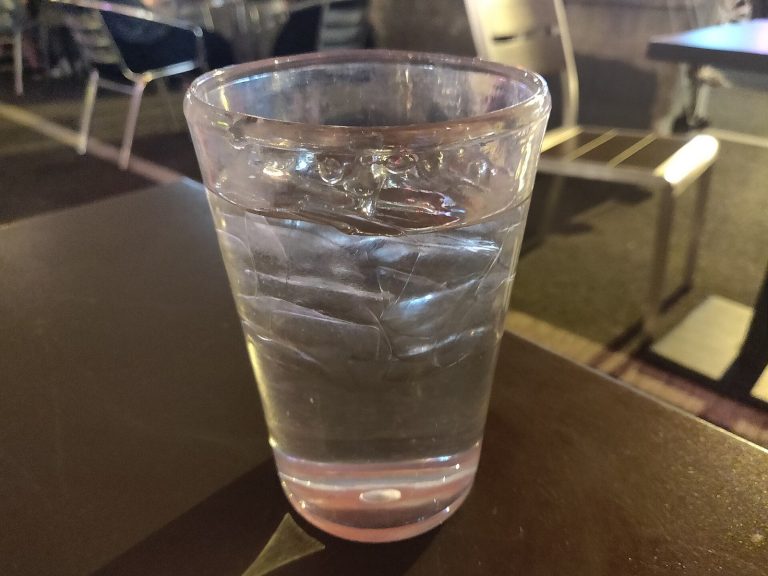
- – Plenty of fluids, in a temperature that is easier to swallow. Public sources do not pick only one temperature. NHS emphasizes cool drinks to soothe the throat. MedlinePlus lists cold liquids and fruit-flavored frozen bars, and also mostly warm (not hot), bland fluids. CDC lists warm beverages and plenty of fluids, plus ice chips or popsicles. Trying cool or warm—and avoiding scalding-hot drinks—is a practical way to use all three.
- – Easy-to-swallow, bland textures. MedlinePlus notes that tonsillitis can cause problems eating or drinking and difficulty swallowing. Soft, bland foods are a reasonable kitchen response to that, even though the pages do not name a formal “tonsillitis diet.”
- – Salt-water gargles for older children and adults, not for young children. NHS: mix half a teaspoon of salt in a glass of warm water, stir until dissolved, gargle (do not swallow), then spit it out; repeat as often as you like. Young children should not gargle with salty water. MedlinePlus also lists gargling with warm salt water.
- – Ice chips, popsicles, or lozenges with age limits. CDC: suck on ice chips, popsicles, or lozenges; do not give lozenges to children younger than 4 years. MedlinePlus: lozenges containing benzocaine or similar ingredients should not be used in young children because of the choking risk.
- – Honey only after age 1, if you are using it for a cough, as CDC describes.
- – Rest and smoke-free air. NHS: get plenty of rest. CDC lists smoking or secondhand smoke among causes of sore throat and advises avoiding them.
Pattern that supports the medical plan
Take antibiotics exactly as prescribed if tests show strep. MedlinePlus: it is important to finish all doses even if you feel better; if you do not, the infection can return. Symptoms due to strep will often get better within 2 or 3 days after starting antibiotics. Pain or fever medicines such as acetaminophen or ibuprofen may be used as labeled; do not give aspirin to children (MedlinePlus links aspirin to Reye syndrome; NHS says do not give aspirin to children under 16).
Foods and habits that often worsen tonsillitis comfort or risk
- – Very hot, rough, or highly seasoned foods if they sting or are hard to swallow. Public sources emphasize bland, cool, or warm fluids; a dry, crusty, or spicy plate is a poor match for that advice even if it is not named item by item.
- – Skipping fluids because swallowing hurts. CDC lists dehydration among reasons to see a healthcare provider. Fluids are part of the self-care all four anchors describe.
- – Lozenges in children younger than 4, or benzocaine-type lozenges in young children, because of choking risk.
- – Honey in babies under 1 year.
- – Aspirin in children.
- – Cigarette smoke and secondhand smoke.
- – Stopping antibiotics early because eating feels easier. Feeling better is not a signal to stop the prescription.
- – Assuming a viral cold diet is enough without a test when strep is possible. See common cold diet guide and strep throat diet guide.
Practical kitchen protocol: a tonsillitis-aware few days
1. Keep testing and antibiotics in parallel
NHS: a doctor can usually tell if it is tonsillitis by asking about symptoms and looking in the throat; you may need a swab or, if symptoms are severe or will not go away, a blood test for glandular fever. MedlinePlus: a rapid strep test can be done in most offices, but the test may be normal and you can still have strep; a culture can take a few days. Most sore throats get better on their own within one week, according to CDC, but that is not a reason to ignore breathing or swallowing problems. For a hoarse voice, see laryngitis diet guide. For mononucleosis (glandular fever) recovery meals, see mononucleosis recovery diet guide. Diet after tonsil surgery is a different page: diet after tonsillectomy guide.
2. Default drink-and-meal template
- – Offer frequent fluids in whichever safe temperature is easier: cool water, a cold frozen fruit bar, or a warm (not hot) bland drink.
- – Choose one soft, bland item per sitting rather than a dry or highly seasoned plate.
- – For older children and adults, use the NHS salt-water gargle; do not swallow the salt water, and do not use this with young children.
- – Keep using honey only after age 1 if you are trying it for a cough.
- – If antibiotics were prescribed for strep, finish the course even after swallowing improves.
3. Sample day (illustrative)
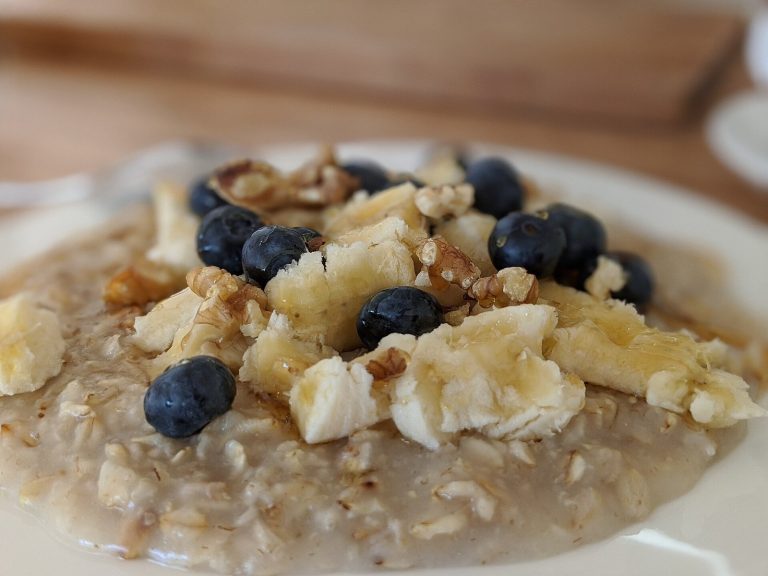
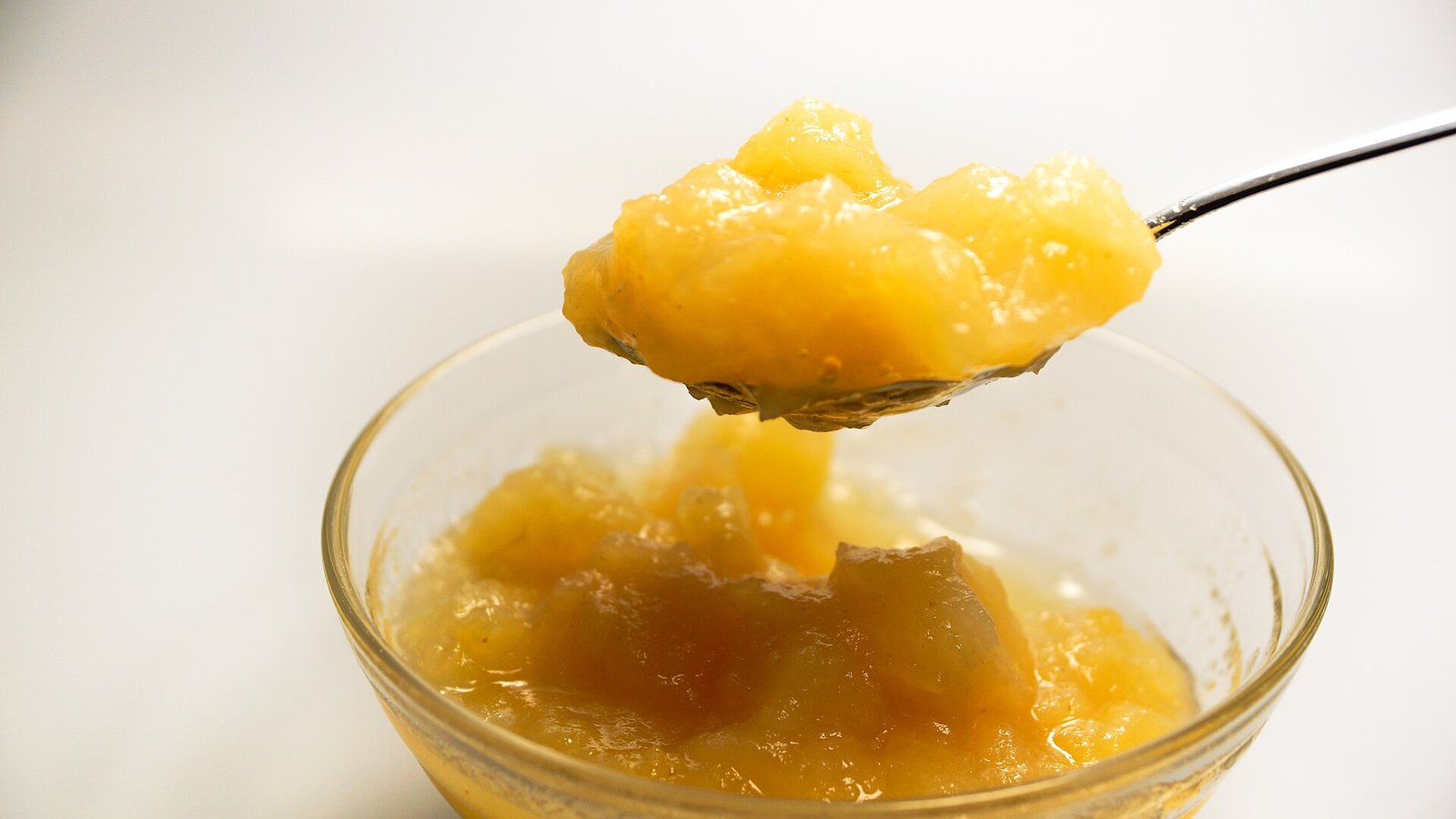
- – Breakfast: yogurt, applesauce, or a soft cooked cereal; water or another mild drink.
- – Mid-morning: water, ice chips, or a fruit ice lolly if swallowing is painful.
- – Lunch: a lukewarm, mild soup or broth and another soft food such as mashed or pureed fruit.
- – Afternoon: more fluids; a frozen fruit bar or yogurt if cold textures feel better.
- – Dinner: a soft, bland protein and a soft starch, in small bites.
- – Evening: rest; a clean cool-mist humidifier if you already use one, as CDC lists among ways to feel better.
4. If this overlaps with a cold, flu, or strep
Viral colds and flu are common causes of sore throat. See common cold diet guide and flu recovery diet guide. If a test confirms strep, the more specific antibiotic-and-fluids page is strep throat diet guide.
Safety, interactions, and who should ask a clinician first
NHS: see a GP if symptoms do not go away within 1 week, or you keep getting throat infections. Get help now if you have pus-filled spots on your tonsils or a sore throat so painful it is difficult to eat or drink. MedlinePlus: contact a provider for excess drooling in a young child; fever, particularly 101°F (38.3°C) or higher; pus in the back of the throat; a red rash that feels rough, with increased redness in the skin folds; severe problems swallowing or breathing; or tender, swollen lymph glands in the neck.
CDC: also see a healthcare provider for difficulty breathing or swallowing, blood in saliva or phlegm, excessive drooling in young children, dehydration, joint swelling and pain, rash, or symptoms that do not improve within a few days or get worse. Talk to a provider right away if a child is under 3 months old with a fever of 100.4°F (38°C) or higher.
NHS lists rare quinsy (an abscess between the tonsils and the wall of the throat) as a reason for emergency care if a severe sore throat quickly gets worse, or if there is swelling inside the mouth and throat, difficulty speaking, inability to swallow, difficulty breathing, or difficulty opening the mouth. MedlinePlus notes that complications from strep may be severe, including an abscess around the tonsils, kidney disease caused by strep, and rheumatic fever and other heart problems. Antibiotics, when prescribed, are the plan that addresses that risk; food does not.
CDC also warns that unneeded antibiotics will not help a viral sore throat and can still cause harm, including C. diff infection.
FAQ
Can yogurt, ice lollies, or soup clear tonsillitis? No. Soft and cool or warm foods may make swallowing easier. NHS and MedlinePlus still tie bacterial cases to testing and, when indicated, antibiotics.
Should I use only cold drinks or only warm drinks? Sources list both. NHS highlights cool drinks; MedlinePlus and CDC mention both cold items and warm, bland fluids. Use the temperature that is easier to swallow, and avoid very hot liquids.
Can a child use throat lozenges? CDC: do not give lozenges to children younger than 4 years. MedlinePlus also warns about choking risk with pain-relieving lozenges in young children.
When can a child with strep go back to school? MedlinePlus: after they have been on antibiotics for 24 hours. They still need to finish all of the medicine. Eating more comfortably is not the clock.
When is this an emergency? Seek urgent care for trouble breathing or swallowing, a rapidly worsening severe sore throat, swelling in the mouth or throat, drooling, or difficulty opening the mouth.
How this differs from related OTCFood topics
This page is a tonsillitis-bound diet guide focused on fluids and easy-to-swallow foods while testing and, when prescribed, antibiotics address the cause. It is not a strep-only protocol, not a post-tonsillectomy diet, and not a laryngitis or mononucleosis recovery guide.
Medical disclaimer
Medical disclaimer: This article is for general information only. It is not medical advice, diagnosis, or a treatment plan. Tonsillitis care depends on whether the cause is viral or bacterial, your age and health, and a clinician’s judgment about testing and antibiotics. Talk with a clinician or registered dietitian before changing an eating plan, especially for young children or if swallowing is difficult. Seek urgent care for trouble breathing or swallowing, severe swelling, drooling, a rash with fever, or symptoms that worsen or last longer than a few days to a week.