Food Poisoning Recovery Diet: Foods That May Help and Foods to Limit
Medical note: This article discusses foods and researched botanicals. It does not claim to prevent, treat, or cure disease. Supplements are not a substitute for food, and studied amounts are not personal prescriptions.
People searching “food poisoning recovery diet foods that help or worsen” usually want fluids and simple meals that may help replace what vomiting or diarrhea took away—not a claim that a special menu kills germs or replaces medical care. CDC describes food poisoning after swallowing certain germs, such as Salmonella or E. coli, and lists diarrhea, stomach pain or cramps, nausea, vomiting, and fever as the most common symptoms. NIDDK defines food poisoning as an infection or irritation of the digestive tract that spreads through foods or drinks. Most cases are acute, and most people get better on their own, but dehydration can become a serious complication. Kitchen patterns may help with fluids, electrolytes, and getting back to eating; they do not clear the infection.
What this food poisoning recovery diet guide covers (and what it does not)
This guide is for adults and caregivers of children who want food-and-drink habits public sources describe during a short bout of foodborne illness. Anchors: CDC — Food Poisoning Symptoms, NIDDK — Food Poisoning, NIDDK — Eating, Diet, & Nutrition for Food Poisoning, NIDDK — Treatment for Food Poisoning, and MedlinePlus — Foodborne Illness. Related reading: norovirus recovery diet guide, chronic diarrhea diet guide, and potassium deficiency diet guide. It is not a guide to identifying which germ you swallowed, not a fasting or “BRAT-only” protocol, and not a substitute for care when CDC’s severe signs appear.
Evidence snapshot: food poisoning recovery diet claims vs public sources
| Claim people hope for | What public sources actually say | Confidence |
|---|---|---|
| “A special diet can replace medical care for food poisoning” | NIDDK: most people get better on their own; replacing lost fluids and electrolytes is the most important step it describes. Food is not described as antimicrobial care | Strong against diet-as-treatment |
| “You should fast or follow a tightly restricted diet until diarrhea stops” | NIDDK: research shows a restricted diet does not help with diarrhea; most experts do not recommend fasting or a restricted diet when you have diarrhea | Strong against fasting as a plan |
| “Drink plenty of fluids if you have diarrhea or vomiting” | CDC: drink plenty of fluids to help prevent dehydration. NIDDK: drink plenty of liquids to replace lost fluids and electrolytes; if vomiting is a problem, sip small amounts of clear liquids | Moderate to strong for hydration, not for ending the infection |
| “When appetite returns, stay on bland foods until stools are normal” | NIDDK: when appetite returns, you can most often go back to your normal diet, even if you still have diarrhea. Children should get what they usually eat as soon as appetite returns; infants should have breast milk or formula as usual | Moderate to strong for returning to a usual diet |
| “Any pharmacy antidiarrheal is fine if stools are bloody or you have a fever” | NIDDK: if you have bloody diarrhea or fever, don’t use over-the-counter medicines for diarrhea; see a doctor. Those medicines can be dangerous for infants and children | Strong that some situations need a clinician first |
Foods and patterns that may help after food poisoning
“May help” means supporting hydration and making it easier to eat again. These patterns do not kill the germ.
Everyday patterns often recommended
- – Plenty of liquids. CDC: if you have diarrhea or vomiting, drink plenty of fluids to help prevent dehydration. NIDDK: replacing lost fluids and electrolytes is the most important step it describes for food poisoning.
- – Small sips if you are vomiting. NIDDK: if vomiting is a problem, try sipping small amounts of clear liquids.
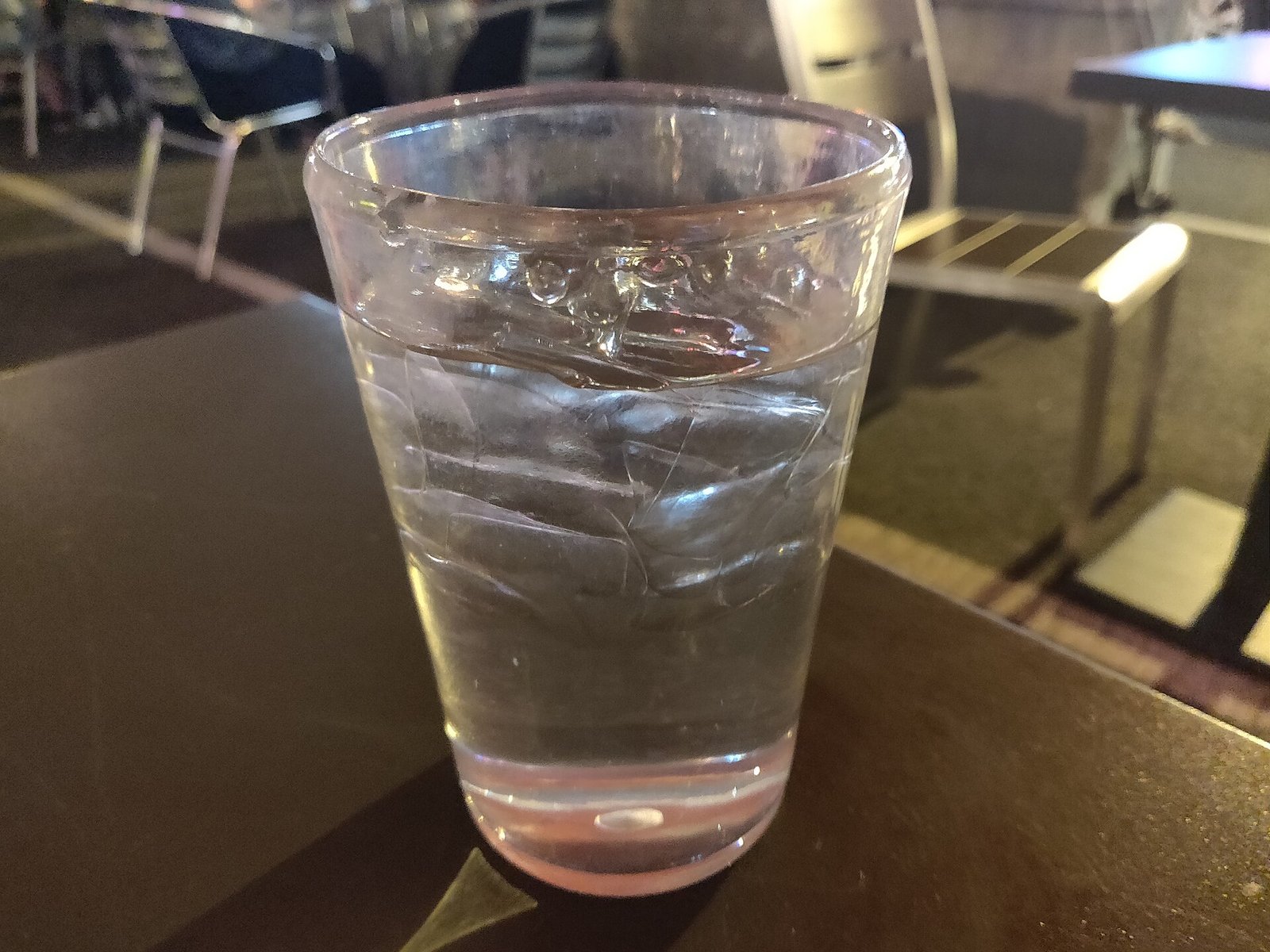
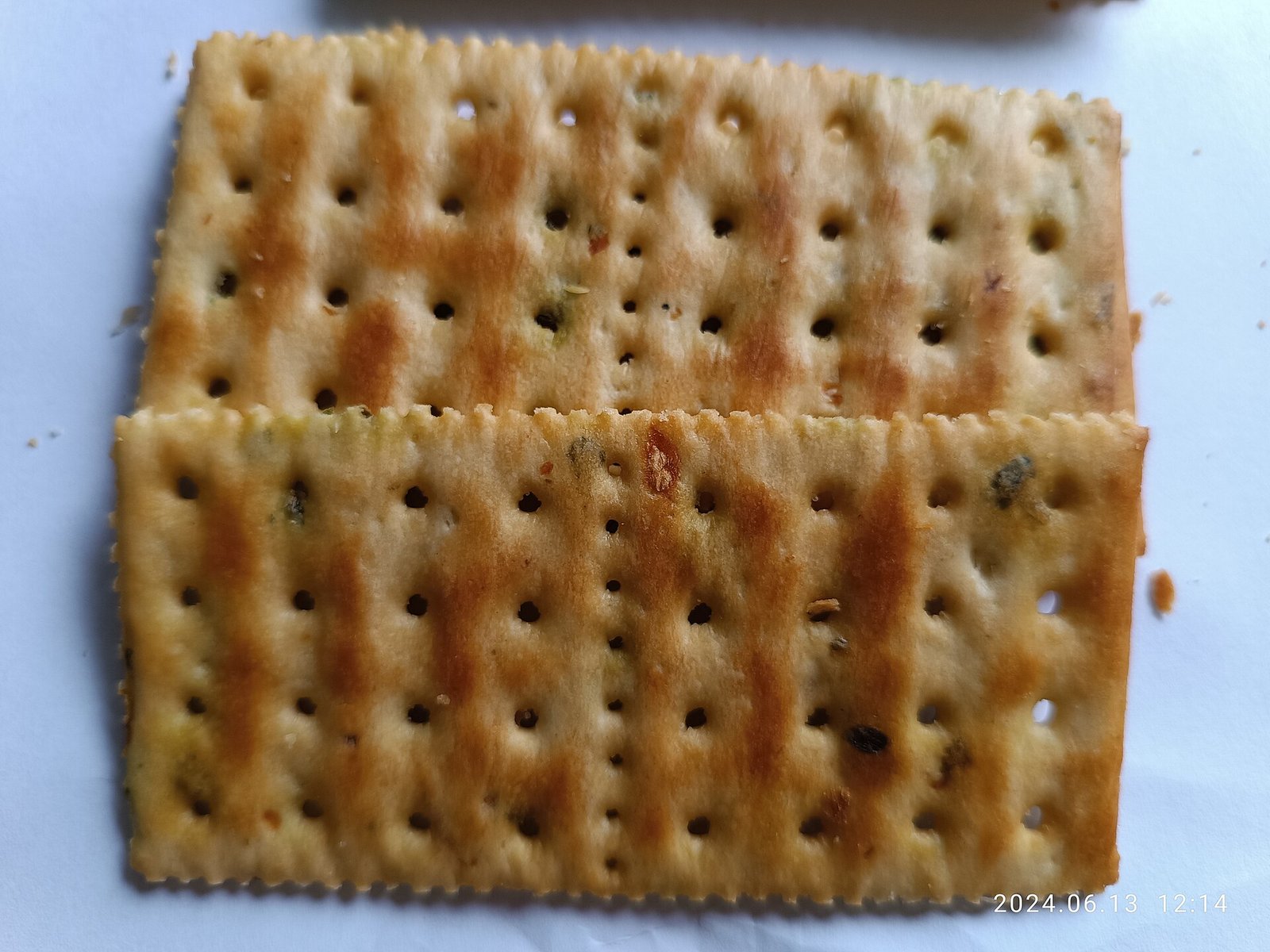
- – Everyday adult fluid options when losses are not severe. NIDDK says most adults can replace fluids and electrolytes with water; fruit juices with water added to dilute the juice; sports drinks; and broths. Eating saltine crackers can also help replace electrolytes.
- – Oral rehydration solutions when risk is higher. NIDDK: older adults, adults with a weakened immune system, and adults with severe diarrhea or symptoms of dehydration should drink oral rehydration solutions—liquids that contain glucose and electrolytes. NIDDK lists examples such as Pedialyte, Naturalyte, Infalyte, and CeraLyte. If a child has food poisoning, give an oral rehydration solution as directed and talk with a doctor about giving these solutions to an infant. Infants should drink breast milk or formula as usual.
- – Return to a usual diet when appetite comes back. NIDDK: you may vomit after you eat or lose your appetite for a short time. When your appetite returns, you can most often go back to eating your normal diet, even if you still have diarrhea.
Foods and habits that often worsen food poisoning comfort or risk
- – Drinks with caffeine, such as coffee, tea, and some soft drinks. NIDDK lists these among items that may make diarrhea worse for some people.
- – High-fat foods, such as fried foods, pizza, and fast foods.
- – Foods and drinks with large amounts of simple sugars, such as sweetened beverages and some fruit juices. Diluting juice with water, as NIDDK describes for fluid replacement, is different from drinking large amounts of undiluted sweet drinks.
- – Milk and milk products that contain lactose. NIDDK: some people recovering from food poisoning have problems digesting lactose for up to a month or more afterward.
- – Fasting or staying on a tightly restricted diet as if it were the plan. NIDDK says research does not support that approach for diarrhea.
- – Using over-the-counter antidiarrheal medicines when stools are bloody or you have a fever, or giving those medicines to children without a doctor’s advice. NIDDK mentions loperamide and bismuth subsalicylate in this context.
- – Waiting for late dehydration signs before drinking. CDC and NIDDK both put fluids first when vomiting or diarrhea is already happening.
Practical kitchen protocol: a food-poisoning-aware few days
1. Watch severity in parallel with the kitchen plan
CDC: symptoms can last a few hours or several days. Some germs make you sick within a few hours; others may take a few days. Severe food poisoning can cause bloody diarrhea, diarrhea that lasts more than 3 days, fever over 102°F, frequent vomiting, and dehydration. Those are reasons to seek medical care, not to “try a stricter diet.” NIDDK says not to hesitate to call a doctor if a child has vomiting or diarrhea. Hospital care may be needed for life-threatening problems such as severe dehydration, hemolytic uremic syndrome, or paralysis.
2. Default drink-and-meal template
- – Make frequent fluids the default. If vomiting is active, sip small amounts of clear liquids rather than forcing a full glass.
- – For many adults with milder losses, rotate water, diluted juice, broth, and—if useful—sports drinks, as NIDDK lists.
- – If you are older, immunocompromised, or having severe diarrhea or dehydration symptoms, reach for an oral rehydration solution rather than water alone.
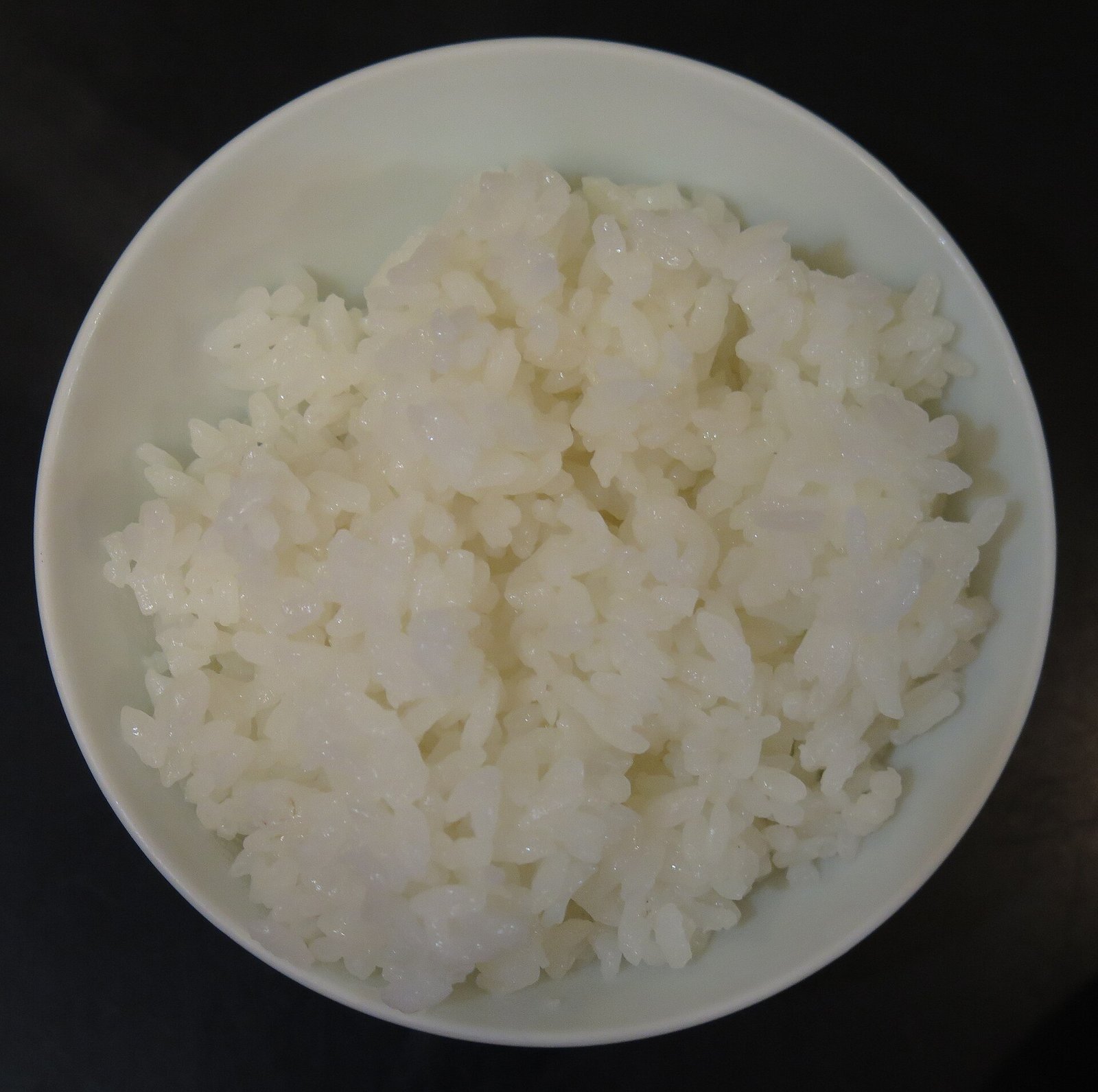
- – When you feel like eating, return toward your normal diet. Add salty crackers if they sit well. Public sources do not require a rice-and-toast-only menu.
- – If dairy suddenly worsens cramps or diarrhea, it is reasonable to limit lactose for a time.
3. Sample day (illustrative)
- – Early hours, if vomiting is frequent: small sips of water, oral rehydration solution, or another clear liquid NIDDK lists; no pressure to eat a meal.
- – When sips stay down: water or diluted juice; broth; saltine crackers if you want something salty.
- – When appetite returns: a usual, not highly fried plate you already tolerate, plus more fluids. Skip a heavy fried takeout plate if fat seems to worsen diarrhea.
- – Overnight: water or oral rehydration solution within reach, especially for children and older adults.
4. If this overlaps with norovirus, chronic diarrhea, or IBS
A sudden foodborne illness is not the same as a long-running bowel condition. For a vomiting-and-diarrhea virus pattern, see norovirus recovery diet guide. For diarrhea that is not a short, food-linked bout, see chronic diarrhea diet guide and IBS diet guide. Large stool losses can also affect potassium; that is a separate topic at potassium deficiency diet guide. Stomach irritation that lasts well beyond a short foodborne bout is covered in gastritis diet guide.
Safety, interactions, and who should ask a clinician first
NIDDK: studies suggest some probiotics may help shorten a bout of diarrhea, but researchers are still studying them for food poisoning. Talk with a doctor before using them, especially for children, older adults, or people with weak immune systems. Food-safety steps NIDDK lists (clean, separate, cook, chill; the 2-hour room-temperature rule, or 1 hour if over 90°F) may lower the chance of another episode; they are prevention habits, not a recovery diet.
- – Bloody diarrhea, diarrhea lasting more than 3 days, fever over 102°F, frequent vomiting, or signs of dehydration: take CDC’s severe list seriously and get medical care.
- – Infants, children, pregnant people, older adults, and people with weak immune systems have a higher stake in early advice. NIDDK flags these groups as more likely to get food poisoning and related complications.
- – Do not give over-the-counter antidiarrheal medicines to children unless a doctor agrees. Do not use them in adults if stools are bloody or fever is present.
- – If a clinician prescribes antibiotics or medicine for a parasite, food does not replace that plan.
- – Life-threatening dehydration, hemolytic uremic syndrome, or neurologic symptoms such as paralysis need hospital care, not a home menu.
FAQ
Is the BRAT diet required after food poisoning? No. NIDDK says a restricted diet does not help with diarrhea, and most experts do not recommend fasting or a restricted diet. When appetite returns, a usual diet is often fine even if stools are still loose.
What should adults drink first? Plenty of liquids. NIDDK lists water, fruit juice diluted with water, sports drinks, and broths for most adults, and oral rehydration solutions for older adults, immunocompromised adults, and people with severe diarrhea or dehydration symptoms.
Can I give a child the same sports drink I am using? Not as a default. NIDDK says children with food poisoning should get an oral rehydration solution as directed, and you should talk with a doctor about giving these solutions to an infant. Infants should continue breast milk or formula as usual.
Why might milk suddenly bother me for weeks? NIDDK: some people recovering from food poisoning have problems digesting lactose for up to a month or more afterward. That is a temporary digestion issue for some people, not a claim that dairy caused the original illness.
Do probiotics replace fluids? No. Fluids and electrolytes come first. Probiotics are still being studied for food poisoning; NIDDK says to talk with a doctor before using them, especially in higher-risk groups.
How this differs from related OTCFood topics
This page is a food-poisoning-recovery diet guide focused on replacing fluids and electrolytes and on returning to a usual diet when appetite comes back. It is not a norovirus-specific recovery guide, not a chronic-diarrhea or IBS plan, and not a potassium-deficiency article.
Medical disclaimer
Medical disclaimer: This article is for general information only. It is not medical advice, diagnosis, or a treatment plan. Food poisoning care depends on your symptoms, age, and health, and on a clinician’s judgment. Talk with a clinician or registered dietitian before changing an eating plan, especially for infants, children, pregnancy, older adults, or a weakened immune system. Seek urgent care for bloody diarrhea, a high fever, frequent vomiting, signs of dehydration, or symptoms that are severe or getting worse.