Male Infertility Diet: Foods That May Help and Foods to Limit
Medical note: This article discusses foods and researched botanicals. It does not claim to prevent, treat, or cure disease. Supplements are not a substitute for food, and studied amounts are not personal prescriptions.
People searching “male infertility diet foods that help or worsen” usually want a kitchen plan while semen testing is underway—not a claim that oysters, “testosterone smoothies,” or antioxidant megadoses will replace varicocele care, hormone evaluation, surgery, or assisted reproduction. MedlinePlus uses infertility when a man has not been able to get a woman pregnant after at least one year of trying. Causes it lists include physical problems with the testicles, blockages in the ducts that carry sperm, hormone problems, a history of high fevers or mumps, genetic disorders, and lifestyle or environmental factors. NICHD notes that men are the only cause or a contributing cause in about 40% of couple infertility cases, and that lifestyle factors—including nutrition, weight, substance use, and some medications—affect fertility. Kitchen patterns may help when obesity, heavy drinking, or poor diet quality are part of the picture; they do not treat blockage, azoospermia, or genetic causes.
What this male infertility diet guide covers (and what it does not)
This guide is for adults assigned male at birth who are trying to conceive or who have a clinician’s working diagnosis of male-factor infertility. Anchors: MedlinePlus — Male Infertility, NICHD — How common is male infertility, NICHD — Possible causes of male infertility, NICHD — Lifestyle and environmental factors, and ODS — Zinc.
NICHD explains that the most common issues affect how the testicles work; hormone imbalances and blockages also matter. A complete lack of sperm (azoospermia) is the cause in about 15% of infertile men on the male-causes page (and about 10% to 15% on NICHD’s men’s-health infertility page). Low sperm count (oligospermia) is often linked to varicocele, an enlarged scrotal vein present in about 40% of men with fertility problems. Other listed conditions that affect sperm formation include chromosome disorders, diabetes, thyroid problems, mumps or sexually transmitted infections involving the testicles, undescended testes, and androgen problems. Related reading: erectile dysfunction diet guide, obesity diet guide, type 2 diabetes diet guide, hypothyroidism diet guide, high blood pressure diet guide, and zinc deficiency diet guide.
Evidence snapshot: male infertility diet claims vs public sources
| Claim people hope for | What public sources actually say | Confidence |
|---|---|---|
| “A sperm-boosting diet replaces urology evaluation” | MedlinePlus: tests may identify problems; treatments may include medicines, surgery, or assisted reproductive technology | Strong against food-as-cure |
| “Weight does not affect sperm” | NICHD: obesity is linked to lower sperm count and quality | Strong that obesity is relevant |
| “Zinc pills treat all male infertility” | ODS: zinc is needed for growth and development; deficiency in infancy/childhood may later be tied to reproductive problems, and deficiency can cause hair loss and frequent infections in older children—not a blanket infertility drug. Adult RDA is 11 mg; upper limit 40 mg/day unless medically supervised | Moderate that food-first zinc matters; low for megadoses |
| “Underwear type is the main lifestyle fix” | NICHD: the type of underwear a man chooses is not related to his infertility | Strong against that myth |
| “Smoking, heavy drinking, or steroids are unrelated” | NICHD: tobacco, marijuana, heavy drinking, and illegal drugs reduce fertility in men and women; body-building medications or androgens can affect sperm formation | Strong to avoid these |
Foods and patterns that may help male fertility-related health
“May help” means supporting weight, nutrient adequacy, and conditions NICHD links to sperm quality—not raising a semen-analysis number on a fixed timetable.
A weight-aware, regular-meal pattern
If you have obesity, NICHD links that state to lower sperm count and quality. A modest, food-based calorie reduction with enough protein—vegetables, beans, fish or poultry, whole grains, fruit—is a more official-aligned approach than a “testosterone cleanse.” See obesity diet guide and metabolic syndrome diet guide.
Zinc from food, not a handful of lozenges
ODS says most people in the United States get enough zinc from food. Good sources include oysters (very high), meat, fish, poultry, crab and lobster, fortified breakfast cereals, and smaller amounts from beans, nuts, whole grains, eggs, and dairy. Adult men need 11 mg/day. People who drink heavily may absorb less zinc and lose more in urine (ODS). Vegetarians and vegans may get less readily absorbed zinc because phytates in beans and grains reduce absorption. Food-first intake is reasonable; high-dose zinc can cause nausea and, over time, low copper and lower HDL cholesterol (ODS).
Plates that also support overlapping diagnoses
NICHD lists diabetes, thyroid problems, and high blood pressure among issues that can affect sperm or fertility (high blood pressure is described as changing sperm shape). If you have those diagnoses, the condition-specific eating patterns matter more than a specialty “sperm menu.” Erectile dysfunction can also make intercourse difficult (NICHD); see erectile dysfunction diet guide.
Foods and habits that often worsen male fertility chances
- – Tobacco, marijuana, heavy drinking, and illegal drugs such as heroin and cocaine—NICHD states these reduce fertility in men and women.
- – Body-building androgens or anabolic steroids, which NICHD says can affect sperm formation.
- – Unsupervised high-dose zinc or herbal “testosterone boosters.” More is not better past the ODS adult upper limit of 40 mg zinc/day, and many boosters are unregulated.
- – Skipping meals in the name of cutting weight too fast, which makes it harder to meet zinc, protein, and calorie needs.
- – Assuming boxers vs. briefs is your main project. NICHD reports underwear type is not related to male infertility.
- – Leaving a partner unevaluated. MedlinePlus notes female factors account for about a third of cases; both partners often need review.
“Limit” means reducing the exposures official pages name—not avoiding every enjoyable dinner.
Practical kitchen protocol: a male-infertility-aware week
1. Get the medical map first
Ask about semen analysis, examination for varicocele, hormone or thyroid tests, and medicine review (MedlinePlus, NICHD). Azoospermia or a blockage will not be solved by grocery changes. In about 50% of cases, NICHD’s men’s-health page notes, the cause of male infertility cannot be determined—another reason not to pin everything on one food.
2. Shopping list
Oats or fortified cereal, eggs, beans, nuts, yogurt, fish, poultry or lean meat, vegetables, fruit, whole-grain bread or rice, and optional shellfish if you eat it and have no allergy. Water and other non-alcoholic drinks as the default.
3. Default plate template
- – One-quarter protein (including zinc-containing animal or fortified sources if you use them)
- – One-quarter grains or starchy vegetables
- – Half vegetables and fruit
- – Go easy on alcohol
- – Stop at comfortable fullness if weight reduction is a shared goal
4. Sample day (illustrative)
- – Breakfast: eggs or fortified cereal with milk and fruit.
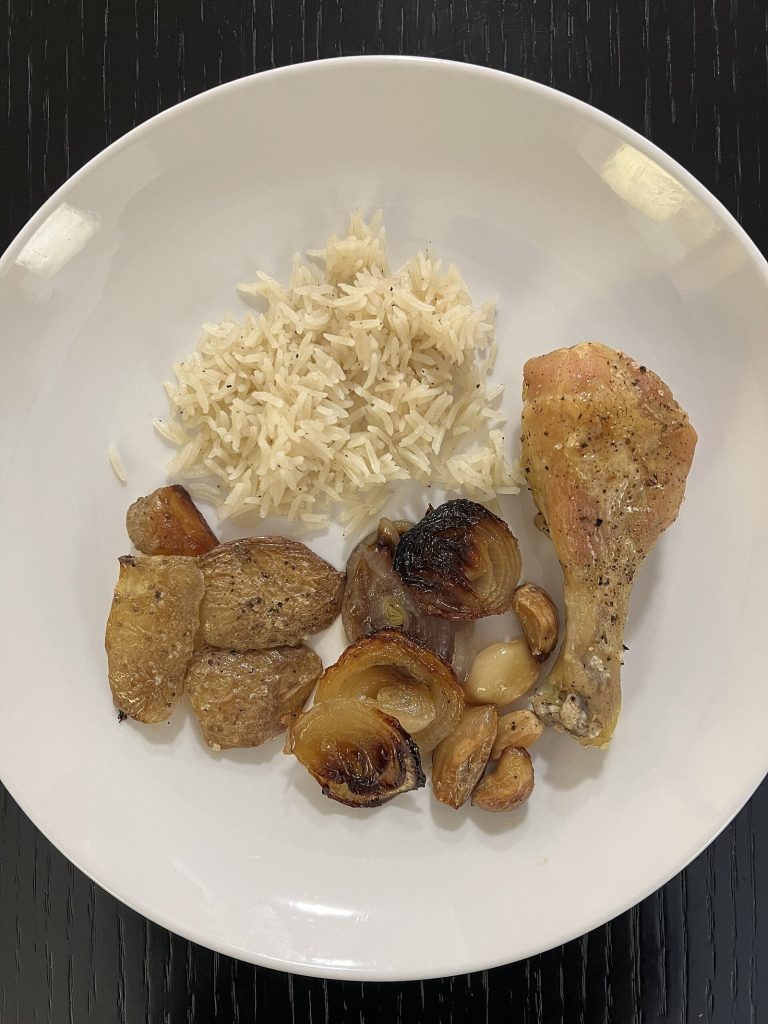
- – Lunch: chicken or bean bowl with vegetables and rice.
- – Snack: yogurt and nuts if you want one.
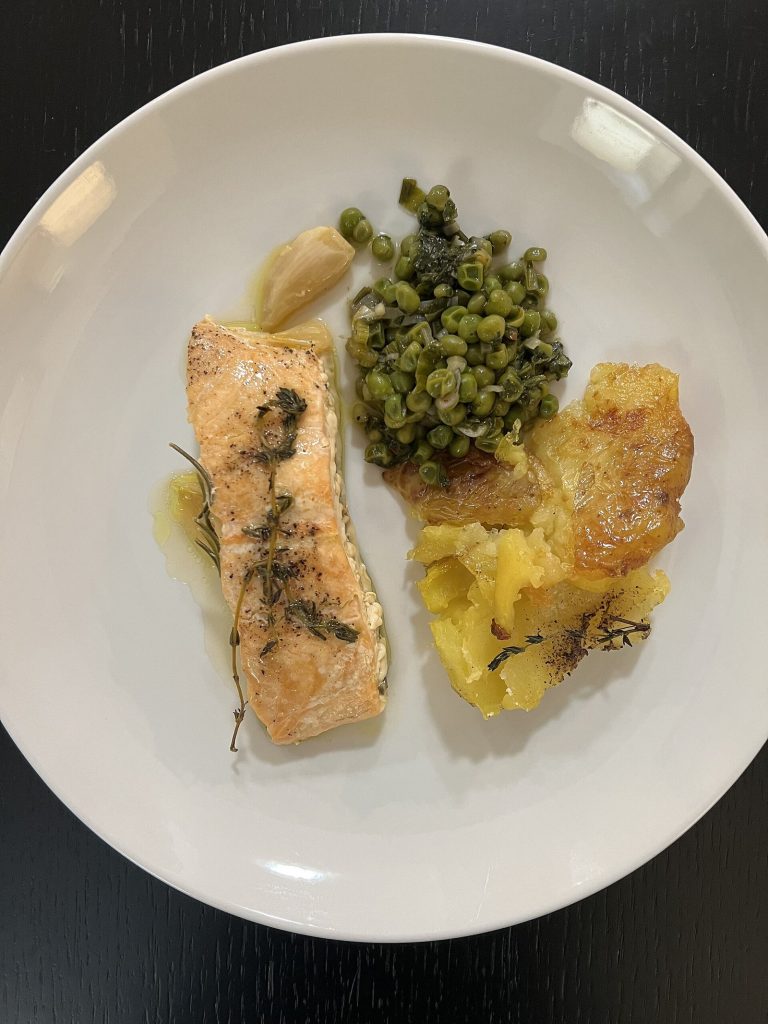
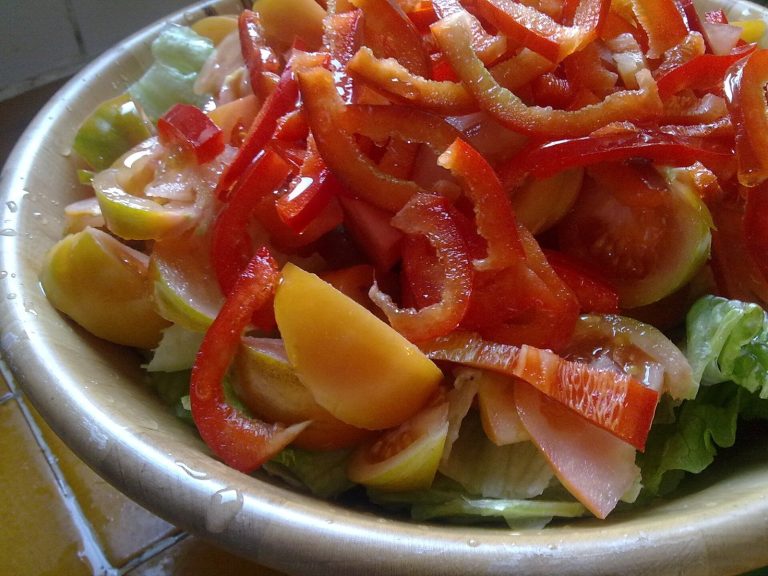
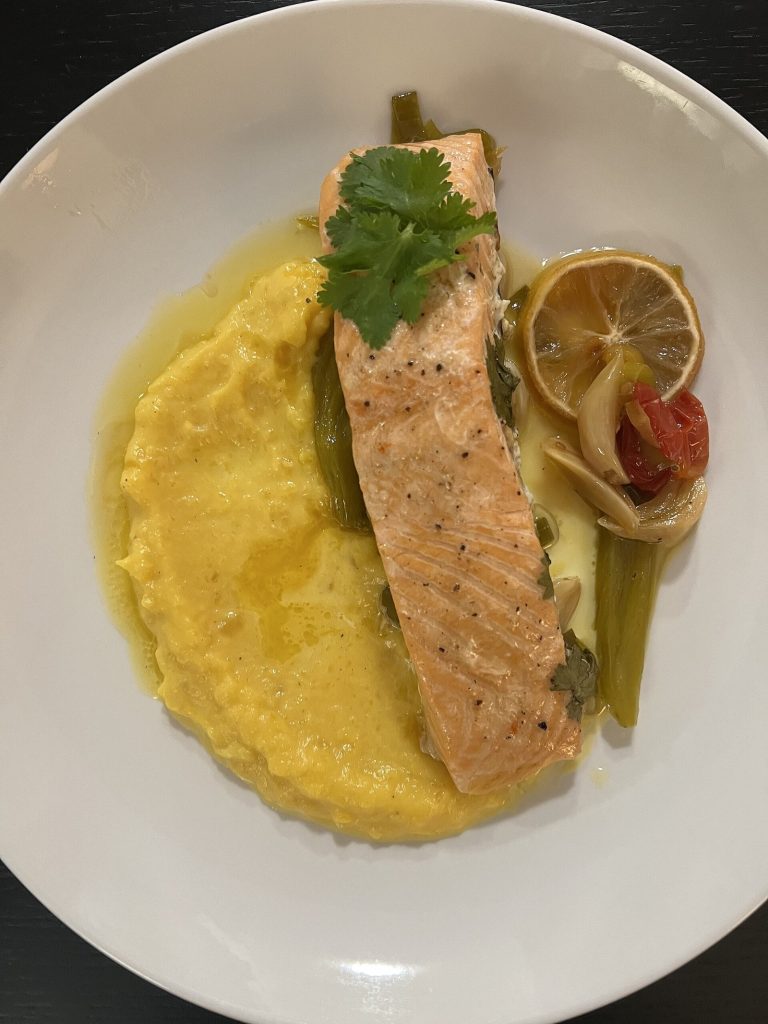
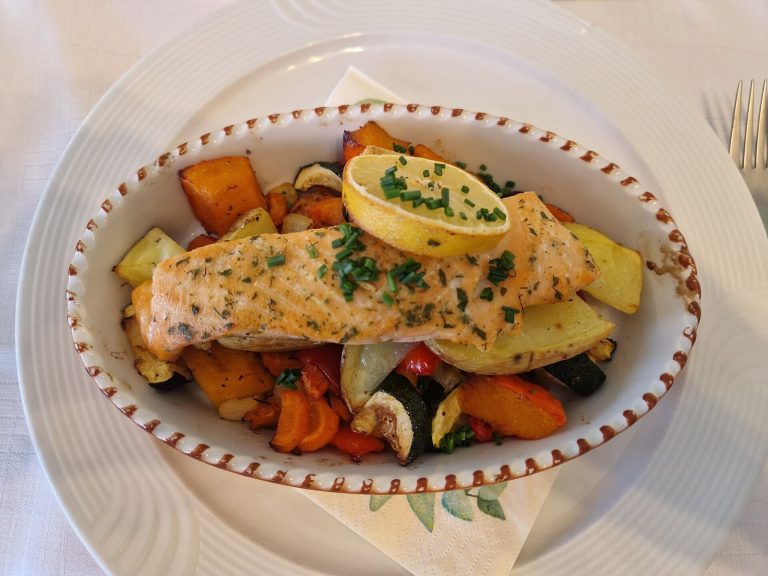
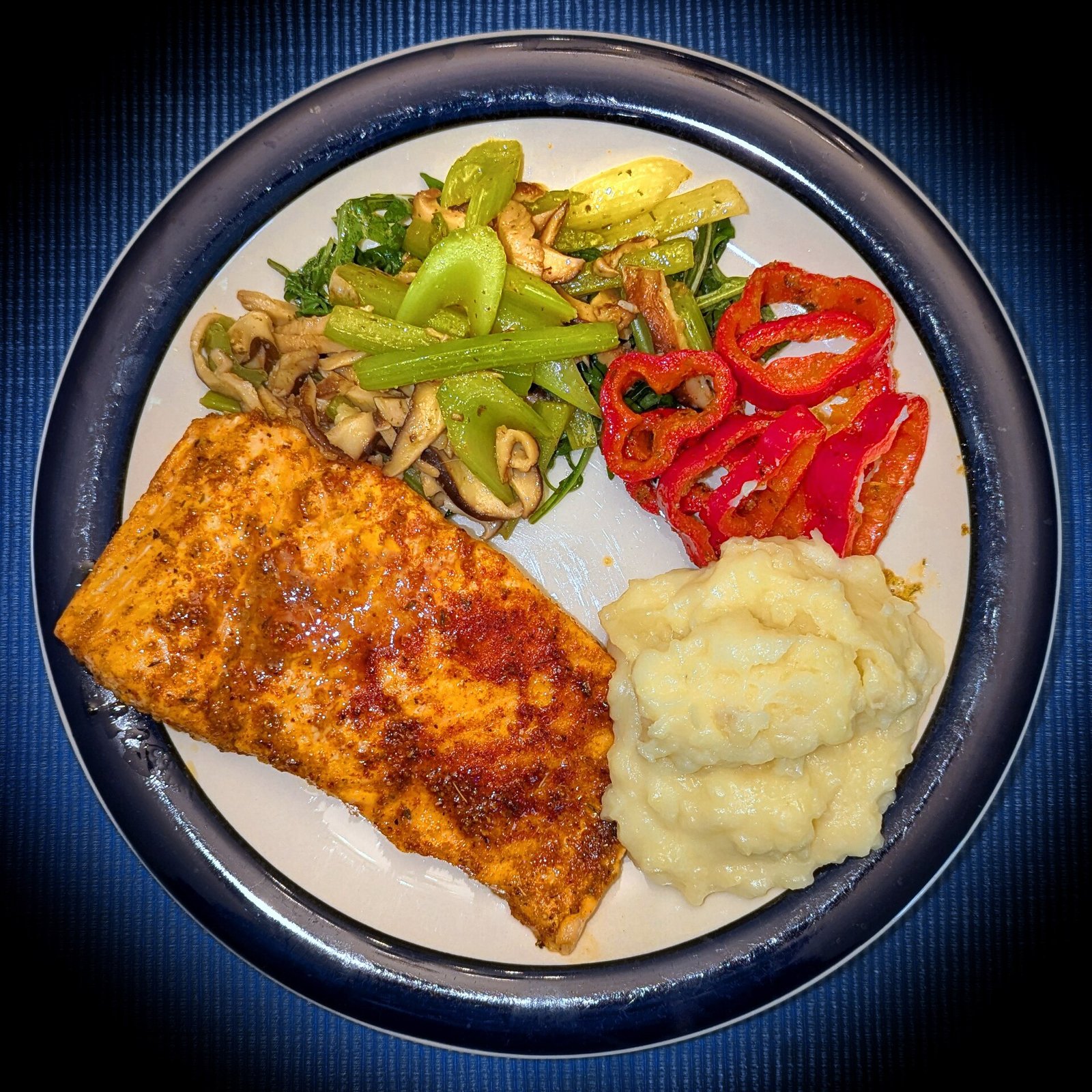
- – Dinner: fish, potatoes or rice, and a large salad or cooked greens.
- – Evening: skip heavy drinking; note medicines, hot-tub habits, and occupational chemical exposures for your clinician—the last of these is an environmental topic NICHD studies, not something a smoothie reverses.
5. If diabetes, high blood pressure, or thyroid disease is present
Treat those diagnoses with their own eating patterns and prescribed medicines. NICHD also notes that taking multiple medications has been linked with reduced sperm count in some research—never stop a prescribed drug on your own; ask whether alternatives exist.
Safety, interactions, and who should ask a clinician first
- – See a clinician after a year of trying, or sooner if you already know about undescended testes, prior chemotherapy or radiation (NICHD mentions fertility preservation before those cancer treatments), testicular injury, erection or ejaculation problems, or a history of mumps orchitis.
- – Zinc supplements can interact with quinolone and tetracycline antibiotics and with penicillamine, and thiazide diuretics can increase zinc loss (ODS).
- – Cancer treatment, cystic fibrosis (NICHD: many men with CF lack the tubes that carry sperm), or genetic conditions need specialty care, not diet experiments.
- – Do not start anabolic steroids or unprescribed testosterone hoping to “boost fertility”—NICHD warns androgens can harm sperm formation.
FAQ
Will eating oysters or taking zinc cure low sperm count? No. Oysters are a very high-zinc food (ODS), which helps you meet the 11 mg daily need, but official pages do not present zinc as treatment for varicocele, blockage, or genetic azoospermia.
Can weight loss help? It may help some men. NICHD links obesity with lower sperm count and quality. Any weight plan should still include protein and micronutrients.
Do I need to change my underwear? NICHD says underwear type is not related to male infertility. Ask your clinician about heat exposures if that is a concern in your work or hobbies.
What about alcohol and smoking? NICHD lists tobacco, marijuana, heavy drinking, and illegal drugs as fertility-reducing. Cutting those is a stronger official lifestyle step than adding a specialty powder.
Is male infertility always permanent? Not necessarily. MedlinePlus notes that when a cause can be found, treatments may include medicines, surgery, or assisted reproduction, and many treated couples are able to have babies.
When should I see a doctor? After at least a year of trying (MedlinePlus), or sooner with known risk factors, pain or a lump in the testicle, erection problems, or a very low ejaculate volume.
How this differs from related OTCFood topics
This page is a male-infertility-bound diet guide focused on weight, zinc from food, and the substance and steroid limits NICHD names. It is not an erectile-dysfunction protocol, not a bodybuilding supplement review, and not a substitute for semen analysis or urology care.
Medical disclaimer
Medical disclaimer: This article is for general information only. It is not medical advice, diagnosis, or a treatment plan. Male infertility care depends on semen findings, hormones, blockages, varicocele, medicines, a partner’s evaluation, and your clinician’s judgment. Talk with a clinician or registered dietitian before starting, stopping, or changing any eating plan, supplement, or medicine. Seek prompt care for testicular pain, swelling, or a new lump.